
Uncategorized

How to Keep Your Brain Active and Healthy
Staying mentally sharp matters just as much as keeping your physical body strong, especially when managing daily life or supporting a loved one with care needs. Protecting your cognitive health doesn’t require expensive treatments or complicated routines. Small, daily choices make a measurable difference in maintaining memory, focus, and independence. By taking proactive steps today, you can protect your memory, maintain mental speed, and build cognitive reserve for the years ahead. In this guide, we’ll explore proven, practical daily strategies to keep your mind sharp and active at any age. Why Brain Health Deserves Your Attention Right Now Your brain weighs about three pounds and uses roughly a fifth of your body’s energy. It deserves care. Think of it as a savings account. Every healthy habit is a deposit, and those deposits build what researchers call cognitive reserve. The 2024 Lancet Commission on dementia named 14 risk factors people can change, from hearing loss to physical inactivity. It estimated that addressing them could prevent or delay up to 45 percent of dementia cases. That’s encouraging. Genes matter, but daily choices carry real weight too. Forgetting a name now and then is normal. Slower recall comes with age for most people. The goal isn’t perfection. It’s protecting the skills that keep daily life running smoothly. Feed Your Brain, Not Just Your Stomach What you put on your plate directly affects how clearly you think and how well your memory functions day to day. The brain consumes roughly 20 percent of your body’s total energy, meaning it relies heavily on high-quality fuel to function properly. Focusing on whole foods rather than processed items provides the steady supply of vitamins, minerals, and antioxidants your neurons require. Healthy Fats: Foods rich in omega-3 fatty acids, such as salmon, walnuts, and flaxseeds, support the structural integrity of brain cells. Antioxidant-Rich Produce: Dark leafy greens, blueberries, and bell peppers help combat oxidative stress that damages sensitive brain tissue. Complex Carbohydrates: Whole grains like oats, quinoa, and brown rice deliver a steady flow of glucose, avoiding energy spikes and crashes that cause brain fog. Move Your Body, Move Your Mind Exercise ranks among the strongest tools for brain health. It raises blood flow, supports the hippocampus (the memory center), and may raise BDNF, a protein that helps brain cells grow and connect. The World Health Organization suggests at least 150 minutes of moderate activity each week for adults. That sounds like a lot, so split it up. Ten minutes after each meal works. Walking counts. So does chair-based movement, such as seated marches, arm circles, and resistance-band pulls. Water exercise and tai chi suit people with joint pain or balance concerns. Safety comes first. Check with a doctor before starting something new, especially with heart conditions or fall risk. Consistency beats intensity every time. Sleep Is Not Optional It’s Maintenance During sleep, your brain works through a critical cleanup process, removing cellular waste products that accumulate throughout your waking hours. Skimping on rest impairs your ability to concentrate, regulate mood, and recall simple facts. Memory Consolidation: Deep sleep allows your brain to organize, file, and store new information gathered during the day. Waste Clearance: The brain’s internal cleaning system operates primarily while you sleep, flushing out toxins associated with cognitive decline. Optimal Sleep Duration: Target between 7 and 9 hours of uninterrupted sleep each night to give your mind time to reset. Creating a predictable bedtime routine such as dimming lights an hour before sleep and keeping your bedroom cool signals to your body that it’s time to rest. Train Your Brain Like You Train Your Body Your brain follows a use-it-or-lose-it rule. The more you challenge it, the stronger it gets. Cognitive reserve is like a savings account. You deposit new experiences early, then withdraw them later when age or illness tries to take them away. Try these activities: Learn a musical instrument or a new language Take up a hobby that requires focus (painting, woodworking, gardening) Do crossword puzzles, Sudoku, or chess Read books outside your comfort zone Play strategy games or card games with friends Teach someone else a skill you know A 2025 study found that adults who stayed mentally active had slower cognitive decline, even with high genetic risk. You don’t need to be a genius. Just stay curious. Manage Stress Before It Manages You Chronic stress floods the body with cortisol, a hormone that can shrink key memory regions of the brain over time. When stress remains elevated, focus drops, decision-making becomes difficult, and memory retention suffers. Incorporating simple stress-relief practices into your schedule helps keep cortisol levels under control: Breathing Exercises: Practice slow, deep abdominal breathing for 5 minutes when feeling overwhelmed. Mindful Movement: Gentle stretching or yoga helps release physical tension that contributes to mental fatigue. Time Outdoors: Spending quiet time in nature lowers heart rate and reduces persistent mental anxiety. The Social Brain: Why Connection Matters A conversation is a workout. You follow a story, find words, read faces, and hold ideas in mind all at once. The Lancet Commission lists social isolation among its changeable risk factors. Connection doesn’t need a crowd. A weekly phone call counts. So do a faith group, senior center, book club, volunteer shift, or video chat with grandchildren. Homebound adults can ask their local Area Agency on Aging about friendly-call programs. Hearing loss often hides behind withdrawal. Someone who stops joining conversations may simply miss the words. A hearing check can reopen that door. Supplements Worth Knowing About Neither competitor mentioned this and it’s a real gap. While food should always come first, certain nutrients are hard to get through diet alone. These supplements have research support for brain health: Supplement Benefit Note Omega-3 (DHA/EPA) Memory, focus, anti-inflammatory Especially if you don’t eat fish regularly Vitamin D Cognitive function, mood regulation Deficiency is extremely common Vitamin B12 Memory, nerve health Critical for adults 50+ Magnesium Sleep quality, stress response Most people are mildly deficient Lion’s Mane Mushroom Nerve growth factor stimulation

How Much Does Senior Day Care Cost?
If you’re asking how much senior day care costs before you make any decisions, here’s the short version: most families pay between $75 and $100 a day, which works out to roughly $1,700 to $2,500 a month for five days a week of care. That’s the national picture, and it makes adult day care one of the more affordable ways to get a parent supervised and cared for while you’re at work. Your actual bill depends on your state, the type of program, and how much medical support your loved one needs. In this guide, we’ll break down real daily, monthly, and hourly numbers, show you what drives the price up or down, and compare adult day care against assisted living, nursing homes, and in-home care. We’ll also cover who pays for it and how families cut the cost without cutting corners. What is adult day care? Adult day care is a structured, community-based program designed to provide care, supervision, and social engagement for older adults during normal business hours. These non-residential programs support seniors who need assistance during the day while allowing family caregivers to work, manage personal errands, or take a necessary break. Unlike full-time residential settings, these facilities operate Monday through Friday, though some offer weekend hours. Participants return home every evening, keeping family bonds intact while providing professional support. Centers generally split into three distinct categories: Social Adult Day Care: Focuses on recreational activities, peer engagement, nutritious meals, and basic non-medical supervision. Adult Day Health Care (ADHC): Offers professional medical support, including physical therapy, medication administration, and monitoring by registered nurses. Specialized or Dementia Day Care: Designed specifically for individuals with cognitive impairments, featuring secure environments, structured routines, and staff trained in memory support. How much does day care for older people cost? The cost of adult day care averages $95 per day nationwide, with typical rates ranging from $75 to $150 per day depending on the facility type and geographic location. Full-time weekday enrollment averages $2,058 per month, making it significantly more affordable than home health aides or assisted living. Care costs vary depending on how often your family member attends and the tier of support they require. The breakdown below highlights typical price structures across various timeframes and specialized tiers: Pay Period / Care Tier Average Cost Range What it covers How much does senior day care cost per hour $15 – $30 / hour Drop-in supervision, social activities, and meal access Daily Rate (Standard Social) $75 – $100 / day Group activities, balanced meals, and personal care support Daily Rate (Adult Day Health Care) $100 – $150 / day Skilled nursing, therapy, medication oversight, and meals Dementia day care cost $120 – $160 / day Secured space, low staff-to-participant ratios, cognitive programs How much does senior day care cost per month $1,500 – $2,300 / month Full-time enrollment (5 days/week, ~20 days total per month) Understanding what is included prevents unexpected line-item charges on your monthly bill. In most facilities, everything is included within the base fee: daily meals, snacks, group craft workshops, mental stimulation activities, and assistance with basic daily living tasks. Some facilities may charge minor add-on fees for specialized door-to-door transportation or physical therapy sessions. Localized Price Differences Across Major Cities Where you live plays a massive role in what you will ultimately pay. Urban areas with a higher cost of living naturally demand higher daily rates due to real estate costs and staff wages. For example, a senior day care center in a high-density metro area like Seattle or New York City routinely charges between $105 and $325 per day. Conversely, centers in mid-sized or rural regions often charge closer to $60 to $90 daily. What Factors Affect the Cost of Senior Day Care? A handful of things push the price up or down more than anything else: Location. Cost of living, local wages, and Medicaid reimbursement rates all shape what a center can charge in your area. Program type. Medical-model adult day health care costs more than a social-model program because of nursing staff and additional oversight. Level of care needed. Dementia support, wound care, or physical therapy add to the base rate. Staff-to-participant ratio. Smaller, more attentive ratios usually mean a higher price tag. Hours and days attended. Half-day and part-week schedules cost less than full-day, five-day attendance. Transportation. Door-to-door pickup and drop-off is often billed separately, though some centers fold it in. Before you commit to any program, ask directly whether everything is included in the quoted rate. Meals, transportation, incontinence supplies, and medication reminders sometimes come standard and sometimes get tacked on as extras, and that gap can change your monthly total by a couple hundred dollars. Think of it a bit like comparing gym memberships. The base price tells you almost nothing until you know what’s bundled in. Two centers can both advertise “$85 a day” and land in very different places once you add up transportation fees, therapy sessions, and specialized dementia staffing. Getting an itemized quote in writing before enrollment saves you from an unpleasant surprise on your first invoice. Adult Day Care vs. Other Senior Care Options (Cost Comparison) Adult day care is the most budget-friendly structured care model available for older adults, costing roughly one-third the price of home health aides and assisted living facilities. It provides significant financial savings for families who need support only during working hours. Comparing care models side-by-side helps clarify trade-offs between cost and supervision levels: Senior Care Option Average Monthly Cost Primary Focus & Coverage Adult Day Care $2,058 – $2,300 Daytime support, socialization, and meals; returns home daily Home Health Aide $5,100 – $6,600 One-on-one personal care in the home; charged hourly Assisted Living Facility $4,500 – $6,200 24/7 residential living, private rooms, meals, and assistance Nursing Home (Semi-Private) $9,000 – $9,300 24/7 intensive medical care and skilled nursing in a facility Families managing early-stage chronic conditions often combine daytime programs with family support in the evenings. This hybrid approach keeps total

How to Improve Breathing for Seniors?
Watching a loved one or family member struggle to breathe can turn daily routines into burdensome difficulties. Shortness of breath . Simple tasks such as climbing stairs , gardening or walking to the mailbox seem overwhelming . Discovering how to enhance breathing for elders is a proven, gentle technique to regain comfort, energy and independence without clinical intervention. Over time, simple daily routines and specific workouts develop strength of respiration. Lung volume can be preserved and stamina rebuilt for older adults through daily diaphragmatic practices, posture corrections, and supportive home environments. In this book, we’ll go through practical methods, safe workouts, and everyday routines that help aging folks breathe easier every day. Why Breathing Gets Harder With Age Lungs don’t remain at their prime permanently. Lung capacity and function normally decline gradually after age 35 and more noticeably in the senior years. Over time, several of the muscles used for breathing, such as the diaphragm and the muscles between the ribs, get weaker. The rib cage itself might become stiff limiting the expansion of the chest. Add a few of more prevalent conditions and the story starts to come together. Chronic obstructive pulmonary disease (COPD), asthma and general muscle weakness are the most common causes of shortness of breath in seniors. A sedentary lifestyle, excess weight and even poor posture can accelerate the decline. That is not to say that breathing must diminish each year. Just like any other muscle group, the muscles involved in breathing respond to regular use. This is exactly where breathing exercises for seniors come in and it’s a vital aspect of sustaining senior respiratory health over the long haul. Benefits of Breathing Exercises for Seniors Regular practice of breathing exercises for seniors produces immediate and long-term physical improvements. Training the primary respiratory muscles reduces the workload on secondary neck and shoulder muscles. This physical shift restores natural movement patterns and lowers the energy required for basic daily activities. Efficient Oxygen & Carbon Dioxide Exchange: Exercises clear trapped gas from lower lung lobes, improving blood oxygenation. Reduced Chest Wall Stiffness: Controlled expansion keeps rib joints flexible, preventing rigid chest posture. Lower Stress Hormones: Deep, rhythmic inhalation triggers the parasympathetic nervous system, lowering blood pressure and heart rate. Enhanced Digestion and Sleep Quality: Diaphragmatic movement gently massages abdominal organs, aiding digestion and easing night restlessness. The Best Breathing Exercises for Seniors These are the exercises that show up again and again in respiratory therapy programs, and for good reason. They’re simple, require no equipment, and can be done sitting in a chair. Diaphragmatic Breathing (Belly Breathing) This belly breathing technique puts the diaphragm to work instead of relying on the chest and shoulders. It’s often the first exercise a respiratory therapist teaches to someone with COPD. To practice it, sit back or lie down and relax the shoulders. Place one hand on the belly and one on the chest. Inhale through the nose for two seconds, letting the belly rise more than the chest. Exhale for two seconds through pursed lips while gently pressing on the belly. Repeat for five minutes. Pursed-Lip Breathing Pursed-lip breathing slows the breath down and keeps the airways open longer. It’s one of the easiest breathing techniques for breathlessness because it needs no special setup and can be done anywhere, including mid-conversation. Inhale slowly through the nose for two counts. Purse the lips as though blowing out a candle. Exhale through pursed lips for four counts, twice as long as the inhale. Repeat for two to three minutes. Alternate Nostril Breathing Borrowed from yoga, this exercise asks for a bit more coordination but pays off in calm, even breathing. Sit comfortably and use the right thumb to close the right nostril. Inhale through the left nostril, then close it with the fingers and release the right nostril to exhale. Reverse the pattern and repeat for a few minutes. Rib Stretch (Chest Expansion) Breathing This one directly targets chest expansion exercises seniors often need most, since a stiff rib cage limits how much air the lungs can take in. Stand or sit tall, inhale deeply while raising the arms out to the sides, hold for a few seconds, then exhale slowly while lowering the arms. Ten repetitions is a good starting point. Humming Bee Breath Inhale deeply through the nose, then hum gently while exhaling. The vibration has a calming effect and tends to slow the breath naturally. Two to three rounds is enough to notice a difference in how relaxed the body feels. Techniques for Better Breathing Applying effective breathing techniques for breathlessness during physical tasks prevents exhaustion. Matching breathing rhythms to movement makes chores safer and far more comfortable. Chest Expansion Exercises and Posture Adjustments Slouching compresses the diaphragm, reducing chest volume by up to 30 percent. Sitting upright with shoulders back creates immediate space for full lung expansion. Seated Shoulder Rolls: Roll shoulders backward five times to open the upper chest. Seated Overhead Reaches: Raise one arm overhead while inhaling deeply to stretch intercostal muscles. Exhale on Exertion: Always breathe out during the hardest part of a physical effort, such as standing up from a chair. Breathing While Experiencing Pain Joint discomfort or chronic pain causes people to hold their breath unconsciously. Breath-holding spikes blood pressure and triggers muscle tension, worsening pain signals across the nervous system. When pain flares, focus on slow nasal inhalations directed toward the abdomen. Release air gently through pursed lips while relaxing the neck and jaw. Keeping air moving steadily disrupts the pain-stress cycle and keeps oxygen flowing to aching muscles. Breathing Exercises for Emotional Regulation Breathing isn’t only physical. It’s tied directly to mood and emotional control, which matters as much for seniors as lung capacity does. Deep breathing exercises for emotional regulation work by slowing the heart rate and signaling to the brain that the body is safe. This is useful during moments of frustration, grief, or worry, all of which are common during the aging process. Breathing exercises for frustration follow

Winter Safety Tips for Seniors: A Complete Guide for a Safe, Healthy Season
Black ice on the front porch. A quiet 2 a.m. furnace. A brief trip to the car that turns into a long, frigid walk. None of them sound dramatic on their own, but for an older adult any one of them can mean a visit to the hospital. That’s why winter safety guidelines for seniors are more important than most people realise. This article discusses the real dangers of cold weather for seniors, what really causes most winter injuries, and specific measures that make a home, a car and a daily routine safer from December to March. It’s for anyone helping a parent keep their independence this season or for seniors who desire a clear, no-nonsense strategy of their own. Why Winter Can Be More Dangerous for Older Adults Aging bodies naturally produce less internal heat, lose body warmness faster, and process environmental changes more slowly. Decreased metabolic rates, reduced muscle mass, and thinned blood vessel walls make cold regulation difficult. Certain common medications for blood pressure or heart conditions also impair the body’s natural thermal control. Physical agility naturally changes over time. Reduced muscle strength, stiff joints, and slower reflexes make quick balance corrections harder when slipping on sudden patches of black ice. Additionally, lower winter light levels impair visual depth perception, making uneven or frozen surfaces difficult to spot. Cold air also forces the heart to work much harder to keep the body warm. Blood vessels narrow in freezing temperatures to conserve core heat, which raises blood pressure and increases strain on the cardiovascular system. Most Common Causes of Injury for Seniors in Winter The leading causes of winter injury for seniors are falls on ice or snow, hypothermia from inadequate heating or clothing, house fires linked to space heaters, and carbon monoxide poisoning from furnaces and generators. Flu and pneumonia round out the list, since cold weather keeps people indoors in close contact and immune response weakens with age. Falls deserve the most attention, because they’re the most common. About one in three adults over 65 experiences a fall every year, and roughly 1.8 million seniors are treated in emergency rooms annually because of one. Winter conditions make this worse in a measurable way. A study from McGill University found that falls among people 75 and older jumped by 20 percent during freezing rain advisories, which tells you the ice itself, not just general winter caution, is doing real damage. How to Minimize Risk With Winter Safety Tips for Seniors at Home Preventing Falls on Ice and Snow Slick walkways are the number one single concern to senior mobility from December through March. To help reduce this risk, you’ll need to change your footwear and how you maintain outside surfaces before the freezing weather hits. Every pair of winter shoes should have deep, multidirectional treads in strong rubber bottoms. Avoid slippery plastic surfaces or flat soles altogether. If seniors are using assistive devices such as canes or walkers, make sure to install specialized ice tip attachments that dig into frozen ground. Correct materials are required for driveways and steps to be treated. Rock salt melts ice but it can injure concrete and pet paws if dogs are around. Sand doesn’t melt ice, but it gives you instant traction on slippery areas. As soon as the storm is over, spread a thick layer of sand or environmentally friendly ice melt, or use a local snow removal company to do the hard work before anyone ever goes outdoors. Maintaining Proper Lighting and Visibility Install high-lumen, non-glare LED light bulbs in entryways, staircases, hallways, and outdoor walkways. Bright, clear lighting eliminates deep shadows that hide ice patches, raised door thresholds, and loose electrical cords. Plug automatic motion-sensor nightlights into wall outlets along paths leading from the bed to the bathroom. These lights illuminate dark hallways instantly without forcing you to fumble for wall switches in the dark. Keep a bright, lightweight flashlight on every nightstand and next to the main entry door. Check the batteries monthly so you have immediate light if a winter storm cuts electrical power. Winter Health Tips for Seniors How can seniors maintain physical health in cold weather? Seniors maintain physical health in cold weather by dressing in loose, warm layers, staying well hydrated, eating nutrient-rich hot meals, and maintaining moderate indoor physical movement. Protecting skin from cold air and getting regular vitamin D also supports vital immune function throughout the season. Health Risk Key Warning Signs Immediate Preventive Action Hypothermia Cold skin, pale appearance, slow speech, shivering, confusion Wrap in warm blankets, offer warm drinks, raise thermostat to 70°F Dehydration Dark urine, dry mouth, headache, sudden dizziness Drink 6-8 glasses of water or warm herbal tea daily Winter Blues / Isolation Low energy, withdrawal from calls, altered sleep patterns Schedule daily phone check-ins, maintain simple home hobbies Skin Damage & Chapping Redness, flaking, cracked fingertips, persistent itch Apply thick moisturizing creams, use a bedroom humidifier Winter Storm Preparedness & Emergency Planning Managing Prescription Medications and Medical Supplies Maintain at least a full seven-day to two-week reserve supply of all critical daily prescription medications. Order prescription refills several days before severe winter storms hit to avoid running out of vital pills while snowbound. Keep medical equipment, such as oxygen concentrators, motorized wheel chairs, and blood pressure monitors, plugged into surge protectors. Keep backup manual equipment, such as a manual wheelchair or extra oxygen tanks, accessible in case of long electrical blackouts. Inform your local public utility providers if home medical equipment requires constant electrical power. Power companies maintain priority restoration lists for households with documented medical needs during widespread power outages. Carbon Monoxide and Smoke Detector Maintenance Test every smoke detector and carbon monoxide alarm once a month by pressing the test button on the faceplate. Replace internal batteries every six months, or choose sealed ten-year lithium battery alarms. Install carbon monoxide detectors on every level of the home, placing them near sleeping areas and at least fifteen feet away from fuel-burning appliances. Replace carbon

How Does Water Help Regulate Body Temperature?
You know that feeling when the house gets stuffy in July and everyone in the family starts getting cranky and tired? Or when an aging parent seems more flushed and worn out than usual after just sitting outside for twenty minutes? Heat affects the body in ways that aren’t always obvious until something feels off, and water sits right at the center of that story. Here’s the promise: by the end of this article, you’ll understand exactly how does water help regulate body temperature, why dehydration makes heat so much more dangerous, and what practical steps keep you and the people you care for safe through hot days, illness, or activity. What Is Body Temperature Regulation? Body temperature regulation is the process your body uses to keep its internal temperature close to 98.6°F (37°C), no matter what’s happening outside. It’s a constant balancing act between heat gained from activity, illness, or hot weather, and heat lost through sweat, breathing, and blood flow to the skin. This process is called thermoregulation. It runs quietly in the background, and most people never think about it until it stops working well. That’s usually when someone feels dizzy, overheated, or unusually cold and can’t seem to warm back up. Understanding Body Temperature Regulation Your body generates internal heat continuously through metabolic processes. Every time your heart beats, your muscles contract, or your digestive system processes food, heat is produced as a natural byproduct. To prevent internal heat from rising to dangerous levels, your body relies on four basic physical mechanisms: Evaporation: Liquid sweat transforms into gas on your skin surface, drawing thermal energy directly away from the body. Radiation: Heat naturally emits from your skin into the cooler surrounding air without direct contact. Convection: Air or water moving across your skin carries away warm boundary air layers. Conduction: Direct physical contact with cooler objects transfers thermal energy outward. Evaporation serves as your primary defense against external heat and physical exertion. However, evaporation requires fluid. Without sufficient moisture in your skin tissues and bloodstream, this vital cooling mechanism slows down dramatically. The Role of Water in the Human Body Water makes up roughly 60% of an adult’s body weight, serving as the foundational medium for nearly every physiological system. It cushions joints, protects delicate tissues, removes cellular waste, and enables nutrient absorption inside cells. Water also forms the fluid base of blood plasma. Blood plasma carries oxygen, nutrients, and heat throughout your circulatory system. When body fluids remain balanced, blood flows smoothly to transfer excess internal heat outward toward the skin surface. How Does Water Help Regulate Body Temperature? Water regulates body temperature through heat loss via sweating and evaporation, plus the movement of heat through blood flow. When your internal temperature rises, sweat glands release water onto your skin, and as that moisture evaporates, it pulls heat away from your body. At the same time, water-rich blood carries heat from your core to your skin’s surface to be released. Sweating is the most visible part of this system, but it’s not the only one. Blood itself is mostly water, and as your body heats up, blood vessels near the skin widen so more warm blood can pass close to the surface. That’s why your face and skin flush when you’re overheated. The heat radiates outward before your blood carries the cooler flow back to your core. Breathing plays a smaller role too. Every breath you exhale carries a small amount of water vapor and heat with it. It’s not the main mechanism, but on a hot, dry day it adds up. How Dehydration Disrupts Body Temperature Regulation Dehydration directly disrupts thermal control by shrinking total blood volume and slowing sweat production. When fluid levels drop, blood thickens, making it much harder for your heart to pump warm blood toward the skin surface for heat release. As fluid loss progresses, the body faces a dangerous physiological conflict: it must choose between maintaining blood pressure or cooling itself down. To keep your vital organs functioning, the brain restricts blood flow to the skin and shuts down sweat glands. When sweating stops, internal heat builds rapidly. This trapped heat causes early warning signs that are easy to spot if you know what to look for: Dark yellow or amber-colored urine Dry mouth and sticky mucous membranes Unexplained muscle cramps or stiffness Headaches and lightheadedness Flushed, dry skin that feels warm to the touch A sudden drop in energy or severe fatigue For older adults or individuals managing long-term health conditions, these symptoms appear much faster. Aging natural thirst signals weaken, meaning dehydration often sets in long before a person feels thirsty. Water and Body Temperature During Exercise Water plays a direct role in body temperature during exercise because physical activity generates internal heat that needs to be released quickly, and sweating is the body’s primary way to do that. Without adequate fluid intake before, during, and after exercise, the body’s cooling system slows down and core temperature can climb faster than it should. Even light activity, like a walk around the block or a session of gardening, raises internal heat production. On a hot day, that heat has nowhere easy to go if water levels are already low. Muscles also need water to function efficiently, so dehydration doesn’t just affect cooling, it affects strength and coordination too. For someone recovering from illness or managing limited mobility, this matters even during light movement like physical therapy exercises or short walks indoors. Building in water breaks isn’t just a performance habit, it’s a safety one. 7 Ways Water Helps Regulate Body Temperature The human body relies on several distinct pathways to manage heat. Here is a clear look at the seven distinct mechanisms water uses to control your internal climate. 1. High Specific Heat Capacity Water absorbs substantial amounts of heat before changing its own temperature. This chemical property acts as a natural buffer inside human cells, keeping core body temperature stable even when external weather changes rapidly.
How to Care for Parkinson’s Patients at Home
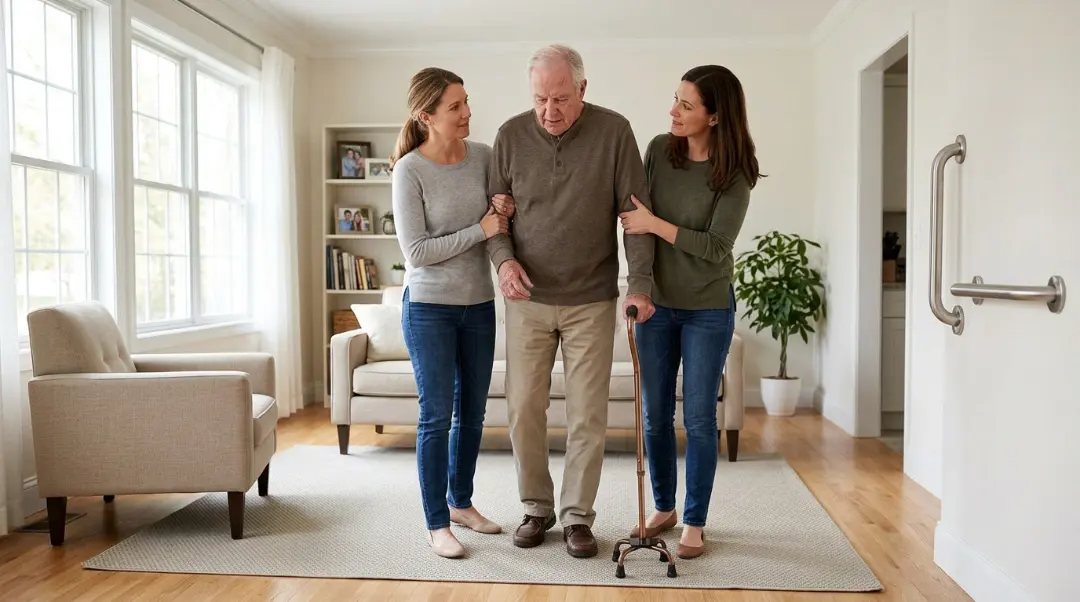
Caring for a family member with Parkinson’s disease presents daily challenges that can feel overwhelming. You want to keep your loved one safe, comfortable, and independent while managing a progressive condition. You can successfully handle home care for Parkinson’s patients by creating a safe home, establishing predictable daily schedules, managing medications precisely, and getting support before burnout hits. This guide breaks down practical steps to help you navigate each stage with confidence. What Is Parkinson’s Disease? Parkinson’s disease is a brain condition that affects movement, caused by the loss of dopamine-producing cells in an area called the basal ganglia. It leads to tremors, stiffness, slow movement, and balance problems that get worse over time. It’s the second most common neurodegenerative disease after Alzheimer’s. Right now, around 1.1 million people in the US live with it, and that number’s expected to climb past 1.2 million by 2030. There’s no cure yet, but there’s a lot you can do to manage symptoms. Medication, physical therapy, and the right home setup can help someone with Parkinson’s stay independent for years Ensure a Supportive Home Environment What is the best way to modify a home for a Parkinson’s patient? The best way to modify a home for a Parkinson’s patient is to remove fall hazards, install grab bars, clear wide walking paths, and improve lighting. These changes prevent injuries, support independent mobility, and reduce stress for both caregivers and patients during daily activities. Falls pose the largest physical threat to someone living with movement challenges. Small modifications throughout the living space drastically reduce risks. Remove all throw rugs or secure them with heavy-duty double-sided tape. Install sturdy grab bars next to the toilet and inside the shower. Place non-slip rubber mats inside and outside the bathtub. Keep hallways clear of shoes, electrical cords, and low furniture. Add bright, motion-sensor nightlights along the route from the bedroom to the bathroom. Swap standard door knobs for lever handles that require less hand strength. Thinking of your home through a safety lens keeps your loved one mobile for longer while giving you peace of mind. Encourage Physical Activities and Exercises Physical activity acts as a vital tool for managing stiffness, maintaining balance, and keeping joints flexible. Consistent movement helps brain pathways stay active and slows down functional decline. Encourage gentle, low-impact routines every day: Daily Walking: Short, frequent walks around the house or garden maintain leg strength. Stretching Exercises: Morning stretches focus on the calves, hamstrings, and shoulders to relieve stiffness. Seated Yoga: Gentle bends and arm lifts build core stability without risking a loss of balance. Physical Therapy Routines: Work with a physical therapist to design target exercises for gait and posture. Always stand close by during exercises to provide support if freezing or imbalance occurs. Assure Timely Medication Management Strict medication timing is important in Parkinson’s care because levodopa and dopamine agonists rely on precise blood levels to control motor symptoms. Missing doses by even thirty minutes can trigger sudden symptom flare-ups, severe stiffness, or painful freezing episodes. Managing prescriptions requires strict attention to detail. Carbidopa-levodopa works best when taken consistently at exact intervals. Set up an organized system to prevent missed doses: Use a pill organizer with separate compartments for morning, noon, evening, and night. Set recurring alarms on your smartphone or a loud kitchen timer. Keep a daily log tracking when medications are given and any side effects observed. Take dopamine medications on an empty stomach (30 to 60 minutes before meals) unless a doctor advises otherwise, as dietary protein can block absorption. Follow Right Nutrition and Hydration Guidelines A balanced diet maintains energy levels, supports bone health, and keeps the digestive system moving smoothly. Constipation is a very common non-motor symptom, making fluid and fiber intake critical. Focus on foods that are easy to chew, digest, and swallow: High-Fiber Foods: Offer whole grains, cooked vegetables, beans, and berries to prevent sluggish digestion. Hydration: Aim for 6 to 8 glasses of water daily. Offer small sips throughout the day using a sturdy cup with a lid and straw. Soft Textures: Chop meat finely, cook vegetables until soft, and serve soups or stews if swallowing becomes difficult. Timed Protein: Serve high-protein foods like meat, fish, and dairy during dinner rather than lunch to keep daytime medication working efficiently. Understanding Parkinson’s Symptoms Parkinson’s symptoms split into two main categories: motor (movement-related) and non-motor. Recognizing both ensures balanced care. Primary Motor Symptoms Bradykinesia: Slowness of movement that makes simple tasks take longer. Resting Tremors: Involuntary shaking in hands, fingers, or chin when muscles are at rest. Rigidity: Muscle stiffness and tightness in arms, legs, or trunk. Postural Instability: Impaired balance that increases fall risks. Common Non-Motor Symptoms Cognitive Changes: Slowness in processing information or mild memory shifts. Mood Fluctuations: Mild anxiety, apathy, or depression. Autonomic Issues: Constipation, low blood pressure when standing, or excessive sweating. Sleep Disturbances: Insomnia or vivid dreams. Data from Parkinson’s clinical studies suggests that proactive home modifications and early physical therapy intervention can reduce fall risks by up to 50 percent in home-care environments. Communication and Emotional Support Parkinson’s can affect speech volume, facial expression, and emotional processing, which makes communication and emotional support just as important as physical care. Speaking softer or showing less facial expression doesn’t mean someone feels less. Patience and direct eye contact help both sides stay connected. One of the harder parts of this disease is something called facial masking, where muscles that control expression stiffen up. A person might feel happy or amused and their face won’t show it. Families sometimes misread this as disinterest or depression when it’s actually just the disease at work. Knowing this changes how you interpret a quiet dinner. Speech can also grow softer over time, a symptom called hypophonia. Ask the person to repeat themselves gently rather than guessing what they said, and consider a referral to a speech therapist trained in Parkinson’s-specific voice programs like LSVT LOUD. These programs are backed by real clinical results and worth pursuing

Light Housekeeping vs Deep Cleaning?
If you’re trying to keep a home comfortable and safe, the difference between light housekeeping and deep cleaning matters. Light housekeeping handles routine tasks that keep a home tidy, while deep cleaning focuses on detailed cleaning that reaches less frequently cleaned areas. The right option depends on the home’s condition, the person’s needs, and the type of help being requested. Think of light housekeeping as keeping the house on track, not starting from scratch. This article explains what each type of cleaning usually includes, where home care fits in, how costs can differ, and when a professional cleaner may be a better choice. What Is Light Housekeeping? Light housekeeping includes routine, low-effort household chores designed to maintain a clean, orderly, and safe living space. It covers basic tasks like sweeping floors, wiping down kitchen counters, dusting open surfaces, taking out the trash, making beds, and washing daily dishes. Think of this service as keeping the engine running smoothly. It doesn’t involve heavy lifting, ladder work, or scrubbing caked-on buildup. Instead, it prevents clutter from building up in high-traffic living spaces like bedrooms, living rooms, and kitchens. Light Housekeeping Checklist To understand what is considered light house cleaning, look at these standard daily and weekly duties: Kitchen: Wiping counters, washing daily dishes, sweeping the floor, and cleaning out spoiled food from the refrigerator. Bathroom: Rinsing out the sink, wiping down the vanity top, replacing hand towels, and light disinfectant spraying. Bedrooms: Making the bed, changing bed linens once a week, and clearing clutter from walkways. Living Spaces: Dusting reachable furniture, vacuuming main walkways, and tidying up magazines or mail. Laundry: Washing, drying, folding, and putting away clothing and bed sheets. What Is Deep Cleaning? Deep cleaning is an intensive, detailed service that removes built-up dirt, grime, soap scum, and allergens from every corner of a home. It targets neglected areas like baseboards, inside kitchen appliances, tile grout, light fixtures, and behind heavy furniture. While routine maintenance keeps a space presentable, an intensive clean resets the entire home. It requires specialized cleaning products, heavy scrub brushes, and significant physical effort to remove stubborn stains and buildup. What Deep Cleaning Covers Scrubbing interior oven walls and stove burners Detailed cleaning inside the refrigerator and freezer Scrubbing tile grout lines in showers and on floors Hand-washing baseboards, door frames, and window sills Cleaning behind major appliances like washers and dryers Sanitizing trash cans and recycling bins inside and out Light Housekeeping vs. Deep Cleaning: Side-by-Side Comparison Seeing the two side by side usually clears up any lingering confusion faster than paragraphs of explanation. Category Light Housekeeping Deep Cleaning Frequency Daily to weekly Quarterly to twice a year Time per visit 1 to 3 hours 4 to 8 hours Typical tasks Dishes, laundry, tidying, surface wiping, trash Grout scrubbing, oven interior, baseboards, window tracks Tools needed Basic supplies (cloth, broom, mild cleaner) Degreasers, steam cleaners, specialized brushes Best for Ongoing home maintenance Seasonal resets, move-in/move-out, post-illness recovery Physical demand Low to moderate High Notice the physical demand row. That line matters a lot if you’re a family caregiver or an older adult reading this. Deep cleaning tasks involve kneeling, reaching, and lifting, which can be risky if balance or joint mobility is a concern. Tips for Effective Light Housekeeping Establishing a simple routine prevents minor chores from piling up into major projects. Here are practical ways to stay on top of daily tasks without burning out: Follow the 5-Minute Rule: If a chore takes under five minutes, complete it immediately. Wiping down a counter or putting away shoes right away saves hours later. Focus on High-Traffic Zones: Prioritize the kitchen sink, main hallway, and bathroom counter. Keeping these three areas clear maintains a sense of order throughout the home. Keep Supplies Accessible: Place lightweight dusters and disinfectant wipes near living spaces so cleaning requires minimal movement. Set a Daily Schedule: Assign single tasks to specific days. For example, change bed sheets on Monday and handle light vacuuming on Thursday. When Do You Need Light Housekeeping vs Deep Cleaning? Choosing between these options comes down to your primary goal, physical mobility, and current home condition. Choose Light Housekeeping When: You need ongoing help maintaining daily tidiness and safety. You or a family member deal with fatigue, limited mobility, or joint pain. You want to prevent clutter from creating dangerous tripping hazards. You need regular help with routine chores like laundry and dishwashing. Choose Deep Cleaning When: You are preparing a home for a move or an end-of-lease inspection. The home has months of untouched dirt, grease, or dust buildup. You want to refresh your living environment at the start of spring or autumn. You are preparing a home after a major recovery period or hospital stay. Cost Comparison: Light Housekeeping vs Deep Cleaning Understanding pricing structures helps you allocate home budgets effectively without unexpected expenses. Light Housekeeping Costs: Typically billed hourly, ranging from $25 to $45 per hour depending on regional rates. Because these visits focus on light upkeep, total session costs remain manageable over time. Deep Cleaning Costs: Often billed as a flat project rate ranging between $200 and $500+ depending on home square footage and total grime buildup. Hiring a Professional vs Doing It Yourself Hiring out light housekeeping tasks makes sense when time is limited, physical ability is a barrier, or the person needs consistent in-home support as part of a care plan. Deep cleaning almost always benefits from a professional cleaning service because of the equipment, products, and experience required. DIY deep cleaning is possible, but it often takes far longer and produces less thorough results, especially for tasks like cleaning inside appliances, baseboards and blinds cleaning, or washing walls and ceilings. Health Benefits of Each Cleaning Type A clean home directly impacts physical wellness, emotional balance, and personal safety. Benefits of Light Housekeeping Fall Risk Reduction: Clearing hallway rugs, clutter, and electrical cords lowers fall risks significantly for older adults. Lower Stress Levels: Visual clutter raises cortisol levels. Daily order
Visible vs. Invisible Disabilities: What Most People Get Wrong
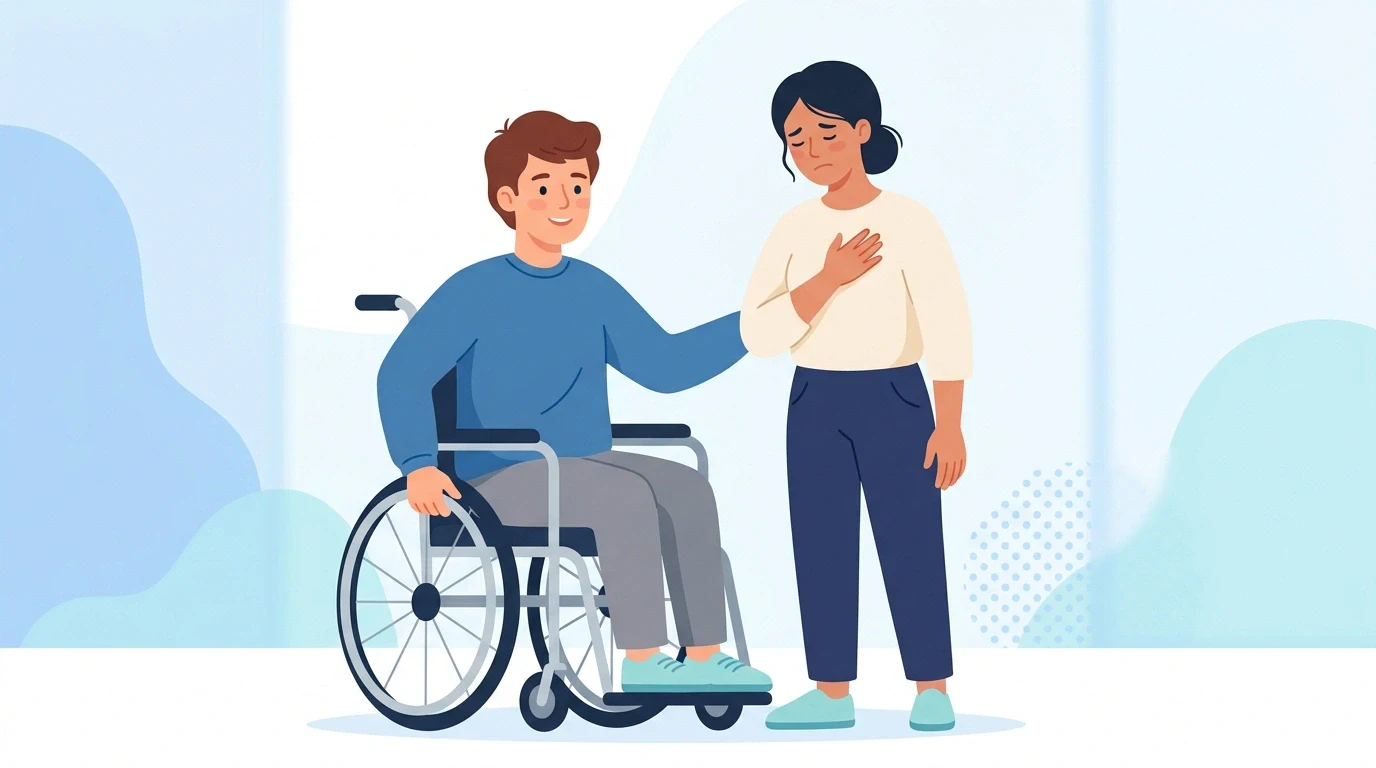
Every person deserves clear, practical support when navigating daily health challenges. Living with a physical condition or caring for a family member who does often comes with overwhelming questions about daily routines, independence, and long-term well-being. Many families wonder how non-clinical support can ease the burden of managing chronic health issues at home. Comparing visible vs. invisible disabilities helps clarify the distinct physical and social hurdles people face, making it easier to choose the right daily care strategies. What Is a Disability? A disability is a physical or mental impairment that substantially limits one or more major life activities like walking, seeing, hearing, or caring for oneself. It affects how a person interacts with the environment around them and can be temporary, lifelong, progressive, or static in nature. Disabilities cross all demographics, medical conditions, and age groups. They don’t define a person’s worth, capability, or desire for an active life. Instead, a disability simply means that certain everyday tasks require adjustments, adaptive devices, or extra assistance. Medical providers categorize functional limitations based on how they impact independence: Mobility impairments: Restrictions in moving, standing, or walking. Sensory impairments: Limitations in sight or hearing. Cognitive impairments: Differences in memory, learning, or processing speed. Neurological impairments: Conditions affecting the brain and nervous system. Recognizing these categories helps families find targeted care options that preserve dignity. What Are Visible Disabilities? Visible disabilities are physical, physiological, or neurological disorders that are obvious to others because of physical characteristics, mannerisms of movement, or use of assistive technology. Such problems are an obvious signal to observers that a person has functional limitations in their daily routine, movement, or communication abilities. People normally understand these difficulties as they are in the public eye and do not need any medical details. But visibility has its own particular social dynamics, too. Common Visible Disability Examples So, what is categorized as a visible physical disability? Common visible disability examples include: Paralysis or spinal cord injuries requiring a wheelchair Amputations and limb differences Cerebral palsy affecting movement and coordination Down syndrome, which often includes recognizable physical features Blindness or significant vision loss requiring a cane or guide dog Severe burns or visible scarring Dwarfism and other physical growth differences Each of these conditions affects the person differently, but they share the trait of being noticeable without a conversation. That visibility can bring quicker access to accommodations, but it can also bring more public scrutiny. What Are Invisible Disabilities? An invisible disability is a chronic illness or hidden medical impairment that limits daily activities but shows no obvious outward physical signs to a casual observer. These conditions are often called non-apparent disabilities because a person can look completely energetic while dealing with severe internal challenges. Because these struggles are hidden, individuals often face heavy social skepticism from neighbors, coworkers, or strangers. A person might park in an accessible spot, step out of the car without a limp, and receive harsh glares from bystanders who assume they’re breaking the rules. Common Invisible Disability Examples Reviewing a hidden disabilities list reveals how many conditions operate entirely beneath the surface. Common hidden ailments include: Neurodivergence: Conditions like Autism Spectrum Disorder (ASD), ADHD, and severe learning challenges that alter how the brain processes sensory inputs or social cues. Autoimmune conditions: Systemic diseases like Lupus, Crohn’s Disease, and Rheumatoid Arthritis that cause sudden joint swelling, organ inflammation, or profound exhaustion. Cognitive disability types: Brain injuries, early-stage dementia, or severe memory changes that impair short-term recall and long-term planning. Chronic pain disability conditions: Intractable physical pain from nerve damage, Fibromyalgia, or structural back issues that saps a person’s daily strength. An invisible challenge can change dramatically from one morning to the next. A person might feel well enough to cook a meal on Monday, but an unexpected autoimmune flare-up could leave them confined to bed by Tuesday afternoon. Visible vs. Invisible Disabilities: Key Differences Understanding visible vs. invisible disabilities comes down to how society reacts to what it can see versus what stays hidden. Feature Visible Disabilities Invisible Disabilities Public Recognition Immediate; clear to strangers Low; usually requires explanation Social Assumptions Pity, over-assistance, or helplessness Doubt, skepticism, or accusations of faking Accessibility Needs Physical modifications (ramps, wide doors) Pacing, rest periods, environmental changes Daily Energy Burn High physical effort to navigate spaces High emotional effort to explain symptoms People with obvious impairments face physical barriers, like buildings without elevators. They also deal with unwanted pity or people assuming they cannot speak for themselves. Conversely, people with non-apparent illnesses face social skepticism. They constantly hear phrases like “You look fine,” forcing them to repeatedly explain their medical history just to receive basic accommodations or open seats on public transit. The Challenge No One Talks About: “But You Don’t Look Sick” Living with a non-apparent illness means carrying an invisible weight. When your body hurts, but your appearance stays unchanged, society often misinterprets your struggles. People frequently experience: Invalidation: Family members assuming laziness instead of chronic fatigue. Guilt: Feeling like an impostor when using accessible parking tags. Unsolicited advice: Hearing endless suggestions about diet, yoga, or vitamins to cure complex medical issues. Isolation: Pulling back from social events because explaining symptoms gets exhausting. This dynamic creates intense mental pressure. Many adults spend valuable energy masking their symptoms just to avoid uncomfortable questions from neighbors or coworkers. How Disabilities Affect Daily Life Whether a health condition shows on the outside or not, it reshapes household routines. Simple chores that used to take twenty minutes can suddenly require hours of planning. Personal Hygiene and Grooming Standing over a sink, stepping over a tall bathtub ledge, or buttoning a shirt can cause severe pain or fall risks. Many seniors and adults skip essential grooming tasks simply to avoid physical distress. Meal Preparation and Nutrition Cooking requires standing, lifting heavy pots, and fine motor control. When fatigue or joint stiffness hits, preparing balanced meals becomes nearly impossible, often leading to poor nutrition. Housekeeping and Maintenance Vacuuming, laundry, and sweeping tax cardiovascular endurance and back
Who Qualifies for Home Health Care Services? (2026 Complete Guide)
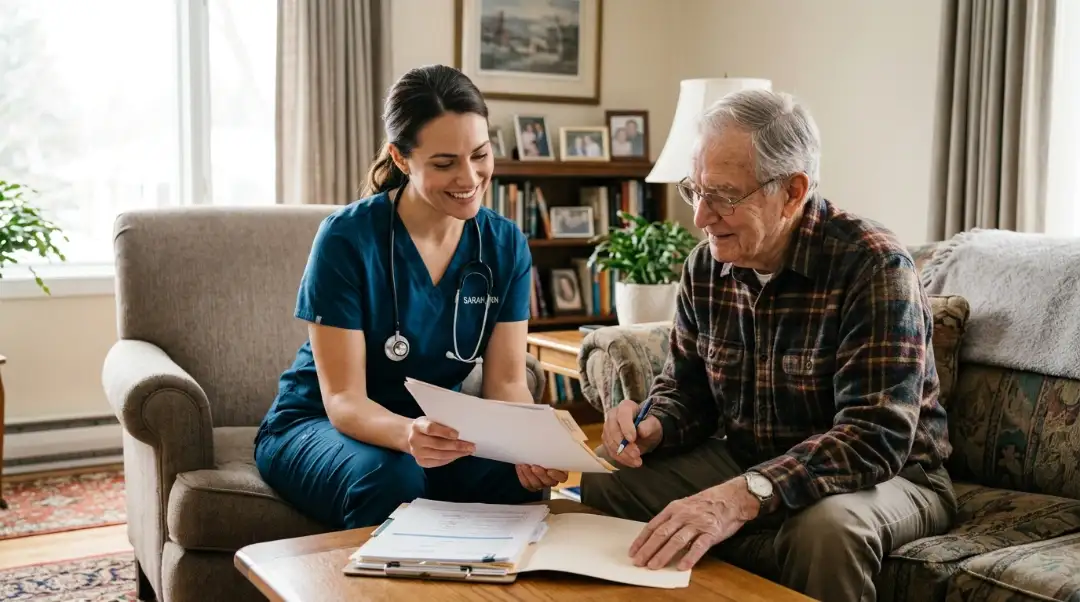
If you’re asking this question, you’re probably staring down a hospital discharge date, a worried parent, or a diagnosis that just changed everything. I get it, and I’ll give you a straight answer, not a runaround. Here’s the short version: you qualify for Medicare-covered home health care if a doctor certifies that you’re homebound and need intermittent skilled nursing or therapy. That’s the legal bar. But “who qualifies for home health care services” has a second, quieter meaning too, because millions of families need in-home help that has nothing to do with Medicare’s rules at all. This article covers both paths, what they cost, and what to do if you get turned down. Understanding Home Health Care Services Home health care and home care sound like the same thing. They’re not, and mixing them up is the single biggest reason families get confused or denied. Home health care is medical. It’s skilled nursing, physical therapy, wound care, or speech therapy delivered by licensed professionals under a doctor’s plan of care. Home care, by contrast, covers non-medical support: bathing, meal prep, companionship, medication reminders. A retired nurse checking a surgical incision is home health. A caregiver helping someone shower and get dressed is home care. This distinction matters because it decides who pays. Medicare covers home health under strict medical criteria. It generally won’t touch non-medical home care, no matter how badly a family needs it. Knowing which category you’re in before you call anyone saves weeks of frustration. Who Qualifies for Home Health Care Services? (By Insurance Type) The answer depends almost entirely on how you’re paying for it. Here’s a breakdown of each path. Qualifying for in-home care depends heavily on the specific insurance program funding the visits. While clinical needs remain similar across plans, each payer enforces distinct administrative rules. Here is how eligibility breaks down across major payment sources: Insurance Type Key Qualifying Standard Primary Coverage Focus Medicare Part A & B Homebound status + skilled care need Short-term recovery & clinical management Medicaid Medical necessity + income limits Long-term support & personal care assistance Private / Commercial Prior authorization + acute care plan Short-term rehabilitation post-surgery VA Benefits Service-connected rating or clinical need Community-based care & skilled nursing Eligibility Criteria for Medicare Home Health Care To qualify for home health care under Medicare, a patient must be an active beneficiary, require part-time skilled medical care, have a signed doctor’s certification, and hold an official homebound status. These strict federal requirements ensure that the provided clinical services are medically necessary and legally compliant. Understanding how these rules operate keeps your family from facing unexpected insurance denials. Every single criterion must line up perfectly before a certified agency can send professionals to your door. 1. Active Insurance Enrollment You must have an active policy in Original Medicare (Part A and/or Part B) or a Medicare Advantage Plan (Part C). Part A provides services usually associated with post-hospital care while Part B covers outpatient medical requirements. With a private Medicare Advantage plan, your loved one’s benefits must be at least as good as standard requirements, but you’ll need to use an agency in that specific insurance network. 2. The Face-to-Face Evaluation A formal clinical meeting must occur within 90 days before care begins, or within 30 days after the initial start date. This encounter allows a medical provider to examine the patient, document their physical limitations, and confirm that treating them at home is the safest path forward. 3. A Certified Medical Plan A professional clinician must fill out and sign the official CMS-485 form, widely known as the Plan of Care. This document acts as the master medical blueprint for your loved one. It explicitly dictates which therapies are necessary, how many times a week a nurse will visit, and what specific recovery goals the patient needs to achieve. How to Apply for Medicare Home Health Care To apply for Medicare home health care, schedule an evaluation with your physician to establish medical necessity and request a referral. The doctor sends the clinical order to a certified agency, which conducts an in-home health assessment to begin care. 1.Consult Your Physician:Schedule a face-to-face visit. Discuss your functional challenges with your doctor. Ensure they document your mobility limits and need for skilled therapy in your medical chart. 2.Obtain Official Prescription & Referral:Physician signs plan of care. Your doctor writes the home care prescription detailing required nursing or therapy frequencies. 3.Select a Certified Agency:Verify insurance compliance. Choose an approved provider. Families evaluating how to qualify for home health care under medicare should verify agency ratings using Medicare’s Care Compare tool. 4.Complete Clinical Assessment:Initial nurse or therapist visit. A registered nurse or therapist visits your home to complete the Oasis assessment and confirm your schedule of visits. What Medical Conditions Qualify for Home Health Care? No official list of “qualifying diagnoses” exists. Medicare cares about functional need, not the name of your condition. That said, certain situations show up constantly in approved plans of care. Recovery after hip or knee replacement, stroke rehabilitation, wound care following surgery, management of diabetes with insulin adjustments, COPD flare-ups, and post-hospitalization monitoring for heart failure all commonly qualify. Heart home health care in particular is one of the most frequent reasons agencies get involved, since congestive heart failure often needs frequent weight checks, medication titration, and symptom monitoring that a family can’t safely manage alone. Parkinson’s disease, multiple sclerosis, and advanced dementia can also qualify when skilled nursing or therapy is genuinely required, not just supervision. What Does Homebound Status Mean in Home Health Care? Homebound status means leaving your home takes considerable and taxing effort, or your doctor advises against it because of your condition. It doesn’t mean you never leave the house. Occasional trips for medical appointments, religious services, or short family events don’t disqualify you. This is the part families misread most. Medicare isn’t asking whether you’re bedbound. It’s asking whether getting out requires assistance, like a walker, a wheelchair, a cane,

How to Pay for Nursing Home Care with Social Security
When long-term care becomes necessary, figures don’t add up on paper. Social Security check alone won’t cover long-term care because average benefits hover near $2,000 monthly while care facilities charge over $9,000. You’ll need Medicaid to bridge that gap, which restructures how your monthly benefits get allocated. If you’re trying to figure out how to pay for nursing home care with Social Security, you’re not alone. Balancing family caregiving responsibilities with complex federal benefit rules can feel overwhelming. This practical guide walks you through realistic funding strategies, exact program rules, and actionable steps to secure your loved one’s care without risking financial hardship. How to Use Social Security to Pay for a Nursing Home Stay Social Security benefits, including retirement, SSDI, and SSI, can be applied directly toward nursing home costs, since payments go to the recipient (or their representative payee) to use as needed. There’s no rule that blocks Social Security income from covering care. The bigger question is whether the check is large enough to matter. Retirement benefits average close to $2,081 a month in 2026. SSDI averages a bit lower, around $1,580. SSI, which is need-based rather than work-based, tops out at $994 a month federally, though some states add a supplement on top of that. None of these numbers come close to covering a private nursing home bill by themselves. That’s why families combine Social Security nursing home payment amounts with Medicaid, personal savings, or other benefits. Think of Social Security as one leg of a table. It holds weight, but it can’t stand alone. How Much Does Nursing Home Care Actually Cost? The national median cost for a semi-private room in a nursing home is $8,669 per month, while a private room averages $9,733 per month. These figures represent basic room and board alongside round-the-clock professional supervision, but the true out-of-pocket costs vary wildly based on your specific geographic location. Local market rates dictate the actual price you will see on a monthly invoice. For instance, care facilities in certain southern states average closer to $7,500 monthly, while the identical level of care in northeastern states easily surpasses $14,000 every single month. These standard monthly fees generally wrap multiple everyday necessities into one singular bill: Twenty-four-hour clinical observation and skilled nursing care Personal assistance with tasks like bathing, dressing, and using the restroom Daily meals, routine housekeeping, and laundry services Basic medical supplies and scheduled physical therapy sessions So how much of that does Social Security actually cover? Let’s run the numbers: Benefit Type Avg. Monthly (2025) % of Semi-Private Room Covered SS Retirement $1,979 ~21% SSDI $1,581 ~17% SSI $590 ~6% SSI covers the least on its own but SSI recipients usually qualify for Medicaid, which pays 100% of nursing home costs once eligibility is confirmed. Social Security vs. Supplemental Security Income: What’s the Difference? Social Security Disability or Retirement (SSDI/SSA) is an earned benefit based on your work history, while Supplemental Security Income (SSI) is a strict need-based welfare program funded by general tax revenues for low-income seniors and individuals with disabilities. Understanding which benefit you receive determines how your money is handled upon entering a care facility: Social Security (SSDI/Retirement): You earned this through payroll taxes over your working career. The entitlement stays yours regardless of your total assets or where you live. Supplemental Security Income (SSI): Designed strictly for those with limited income and assets (typically under $2,000 for individuals). When looking at how to pay for nursing home care with Social Security, your benefit type changes the rules completely. While earned Social Security checks remain the same amount, SSI payments drop dramatically once long-term institutional care begins. Will Social Security Be Reduced While in a Nursing Home? Retirement and SSDI checks aren’t reduced when someone enters a nursing home. SSI is different. It drops to $30 a month once Medicaid pays more than half the facility cost for a full calendar month. Some states add a small supplement on top of that. So, do nursing homes take your Social Security check? Not directly. The Social Security Administration (SSA) sends the money to the beneficiary or an approved payee, and that person pays the facility. A nursing home generally can’t grab the deposit on its own. The SSDI and nursing home question has the same answer as retirement. The check arrives at full value and goes toward the bill. Planning a short stay? SSI has an exception. If a doctor confirms the stay will last 90 days or less and the person will return home, SSI can continue, with conditions. Report the move to SSA quickly. Late reports for SSI can lead to overpayments that someone must repay. Can a Nursing Home Take Your Social Security Check? The law prohibits a nursing home from taking your Social Security check, pension or any other income directly, except in rare cases where an account has gone into default and been sent to collections. Federal law protects those payments from being automatically seized. What people are scared of vs. what happens. After Medicaid has paid for a stay, the resident’s income, including Social Security, goes toward the cost of care as “patient liability.” This is not a nursing home robbing a bank account. It’s part of how Medicaid decides what it will pay and what the resident pays. The resident keeps a small personal needs allowance, usually $30 to $100 depending on the state. If your loved one cannot handle his or her own finances, someone (usually a family member but sometimes the facility itself) can be appointed as a representative payee to receive the check for him or her. How Social Security Works When Medicaid Takes Over When Medicaid pays for nursing home care, your Social Security check isn’t confiscated, but you must pay nearly all of it directly to the facility as your required Patient Liability or Share of Cost. Medicaid operates as the primary safety net for long-term care, but it requires you to contribute your available income toward your