Uncategorized
What Is the Difference Between Medicare and Medicaid?
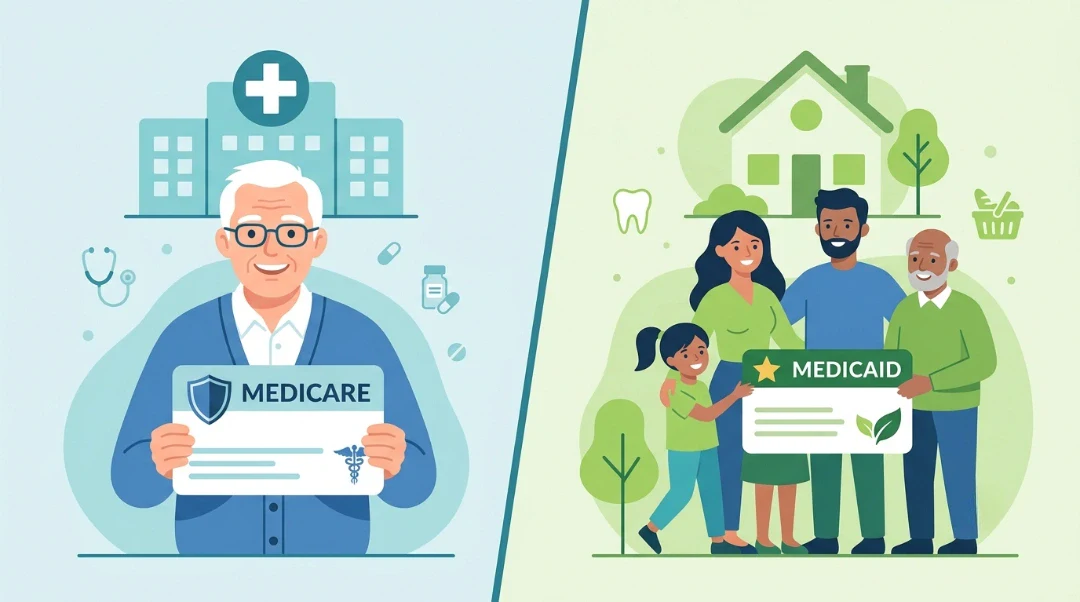
It can be very stressful trying to find the correct health insurance options for an aging family member, especially when the plans seem the same. It is very reasonable to ask is medicare and medicaid the same because their names create huge misunderstanding for millions of families every single year. I assure you that I’m going to clear this up today and give you a direct description of how these two programs work, who they cover and how they safeguard your family. We’ll cover the main prerequisites, demystify the hidden out-of-pocket costs, and break down what is the difference between medicare and medicaid so you can make informed decisions for your family’s future care needs. Medicare is for older persons and certain people with disabilities. Medicaid is for people with low incomes. What Is Medicare? Medicare is a government health insurance program for those age 65 and older and certain younger adults with impairments or diseases such as ESRD or ALS. Part A through Part D. All states operate the program through the federal government in the same way. Medicare does not count your income. If you or your spouse paid Medicare taxes for enough years, you usually qualify at 65, no matter how much money you have in the bank. Part A is for hospital stays, Part B is for doctors and outpatient care, Part C is Medicare Advantage which is A and B put together through a private insurer and Part D is for prescription prescriptions. It is run by the Centers for Medicare & Medicaid Services (CMS) and supported by payroll taxes, premiums and federal trust funds. Original Medicare had gaps in parts A and B. It doesn’t cover routine dental, eye or hearing treatment, and it doesn’t cover long-term custodial care in a nursing home. That’s one of the main things people overlook when comparing programs, and it’s a large part of why Medicaid exists alongside it. What Is Medicaid? Medicaid is a joint federal and state program that pays for health care for people with limited income and resources. Eligibility depends mainly on income and household size rather than age, and the specific benefits you get depend on which state you live in. Every state runs its own Medicaid program under federal rules, which is why coverage looks different depending on where you live. States must cover certain mandatory benefits, including hospital care, doctor visits, lab work, and X-rays. Beyond that, states choose whether to add optional benefits like medicaid dental coverage, physical therapy, or hospice services. One detail that surprises a lot of families: Medicaid covers medicaid nursing home coverage and long-term custodial care, which Medicare generally does not. For many older adults who eventually need full-time nursing home support, Medicaid becomes the primary way to pay for it once their own savings run out. Children’s Medicaid coverage often runs through CHIP (the Children’s Health Insurance Program), a related program for kids whose families earn slightly too much for standard Medicaid but still need low-cost coverage. Key Differences Between Medicare and Medicaid The medicare and medicaid difference comes down to four things: who runs the program, who qualifies, what’s covered, and what it costs. Medicare is federal only. Medicaid is federal and state, which means the same benefit can look different in Ohio than it does in Colorado. Feature Medicare Medicaid Who runs it Federal government (CMS) State and federal government together Who qualifies Age 65+, or certain disabilities Limited income and resources, any age Funding Payroll taxes, premiums, trust funds Federal and state tax dollars Cost to you Premiums, deductibles, copays Usually low or no premium Nursing home care Limited, short-term only Covered for long-term stays This table answers the medicare medicaid difference at a glance, but the real-world impact matters more. A retired teacher with a pension pays Medicare premiums out of her Social Security check. A single mother working part-time might qualify for Medicaid at no monthly cost at all. Same country, same year, two completely different bills. What Do Medicare and Medicaid Cover? At first glance, the medical treatments covered by these schemes are identical, yet below they are quite different. Both plans cover the basics, like hospital stays, lab work, X-rays, and emergency department visits. But they address daily senior care requirements in very different ways. The age-based system is purely medically-needs-based. It seeks to cure an ailment, or set a broken bone. It’s worth a doctor’s time to treat a cardiac disease, but it won’t pay someone to help a senior get dressed or make meals because of this concentration. That takes us to a big issue of confusion: custodial care vs specialized care. Skilled care is care involving medical duties that must be done by licensed experts, such as physical therapists or registered nurses . Custodial care provides non-medical help with daily routines such as bathing, ambulating and medication management. If you qualify medically, Original Medicare will cover skilled care in a nursing facility for a limited time (up to 100 days per benefit period). That would mean you would pay a copay of $217 a day for days 21 through 100 in 2026. It flatly rejects long-term custodial care. Can You Have Both Medicare and Medicaid? Yes, you can have both Medicare and Medicaid at the same time if you meet the eligibility rules for each program separately. People in this situation are called dual eligible, and the two programs work together so Medicaid picks up costs that Medicare doesn’t cover. In fact, dual eligibility is more prevalent than you might think especially for low-income seniors and persons with disabilities. If you qualify for both, Medicaid will help pay your Medicare premiums, deductibles and co-pays, and will pay for long-term care that Medicare won’t touch. Some dual eligibles also qualify for a dual eligible special needs plan (D-SNP), a type of Medicare Advantage plan that coordinates both benefits under one card and one set of rules. If you are not eligible for Medicaid but still
What Exercises Should Seniors Avoid?
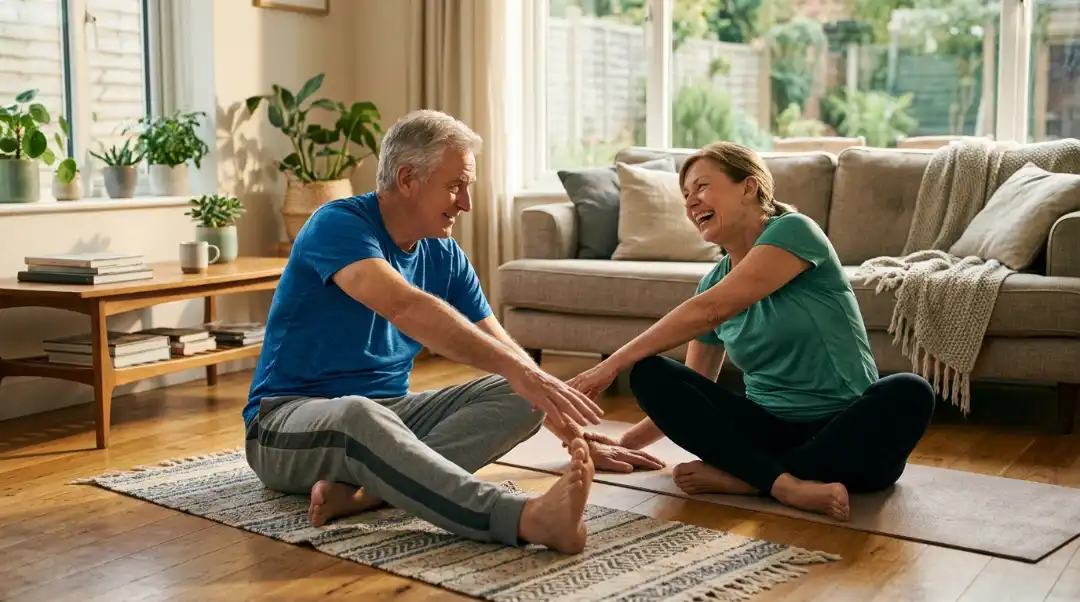
Finding out how to support an aging family member can feel completely overwhelming. You want your loved one to be active, but yet want to keep them safe from sudden injury or falls in the home. It’s hard to watch a loved one lose their physical independence. It’s important to discover safe paths forward. I realise how much effort it takes to investigate these health options for your parents. In this post we explain exactly what exercises elders should avoid to keep them active without hurting their joints or straining their muscles. You’ll understand the exercises that put older bodies at high risk, and what safe activities develop true functional strength instead. How Aging Affects Exercise Safety Finding out how to support an aging family member can feel completely overwhelming. Muscle fibres slowly get smaller, bones naturally lose some of their mineral density and joints lose their natural lubrication. These natural alterations mean that motions that were safe decades ago can today cause serious injury.” If you are creating a program, knowing what activities elders should avoid helps you avoid long-term injury to weak joints. Understanding Sarcopenia and Bone Health Muscle mass naturally drops as the years pass. Medical professionals call this slow process sarcopenia. When muscle tissue decreases, the body has a harder time stabilizing joints during sudden, heavy movements. At the same time, bones become more porous and brittle. A simple fall that a younger person might brush off can cause a serious fracture in an older individual. Joint Changes and Balance Realities Cartilage wears thin inside the knees, hips, and spine over time. This reduction in cushioning makes high-impact activities highly uncomfortable or outright dangerous. Nerve pathways that control balance also slow down slightly with age. Because of these changes, fast or unstable movements increase the likelihood of a dangerous fall. Exercises Seniors Should Avoid Some exercises carry a higher injury risk for older joints and hearts than others. Here’s what to skip or modify, and why each one lands on the list when people search what exercises should seniors avoid. Heavy Weightlifting and Overhead Presses Lifting near your max, or pressing a heavy dumbbell straight overhead, puts a lot of load on the shoulders and lower back at once. Rotator cuff tears become more common with age, and an overhead press is one of the fastest ways to aggravate one. Swap it for a lighter weight with more reps, or a seated press with a resistance band instead. The Leg Extension Machine This one surprises people. The leg extension machine looks harmless since you’re just sitting and lifting your legs. But the angle puts direct stress on the kneecap, which can wear down cartilage that’s already thinning with age. A leg press or bodyweight squat works the same muscles with far less strain on the joint. Roman Chair Back Extensions The Roman chair, where you bend forward at the waist and pull back up using your lower back, sounds simple. For anyone with spinal stenosis or general lower back instability, though, it’s a rough ride. It compresses the spine in a way that can flare up existing pain. A modified bird-dog or gentle bridge does the same job more safely. Behind-the-Neck Pull-Downs and Pull-Ups Pulling a bar down behind your head forces your shoulder into an awkward, unnatural rotation. It’s one of the most common causes of shoulder impingement in gym-goers of any age, and seniors recover from that kind of injury slower than younger lifters do. Doing the pull-down in front of the body instead removes almost all of that risk. Plyometrics and Box Jumps Jump training builds explosive power, but it demands strong tendons and sharp balance, two things that decline with age. A missed landing on a box jump can mean a fracture, not just a bruise. If you want the cardio boost, a brisk walk or a stationary bike gets your heart rate up without the fall risk. Sprinting and High-Intensity Interval Training Sprinting and HIIT ask the heart and joints to go from zero to max effort in seconds. That’s tough on anyone’s cardiovascular system, and it’s a bigger ask for a heart that’s had more decades of wear. Interval walking (fast pace for a minute, slower for two) gives a similar metabolic boost with far less shock to the system. Sit-Ups and Rock Climbing Sit-ups strain the neck and lower back when form slips, which happens more often as core strength fades. Rock climbing, meanwhile, combines grip strength, balance, and a real fall risk, three things that don’t mix well with aging joints. A plank or seated core twist trains the same muscles without the same downside. Exercises to Avoid With Specific Conditions Finding out how to support an aging family member can feel completely overwhelming. A workout that’s acceptable for a healthy 68-year-old may not be fine for one with a chronic condition.” Critical exercises elders should avoid when heart disease is involved to prevent heart health issues. Avoid anything that involves straining and holding your breath, such as hard lifting, while doing the Valsalva manoeuvre. For instance sprinting or HIIT quick bursts of exertion can rapidly increase blood pressure. Walking, swimming and gentle cycling maintain the heart ticking over rather than jolting it. If you have osteoporosis, avoid deep forward bending and weighted twisting exercises, like weighted sit-ups or a heavy resistance golf swing. These positions increase the risk for a spinal compression fracture. Gentle resistance exercise and balancing upright work are safer bets. Warning Signs to Stop Exercising Immediately Stop exercising right away if you feel chest pain, shortness of breath beyond normal exertion, dizziness, sudden joint pain, or a racing heartbeat that doesn’t settle within a few minutes of rest. These aren’t signs to push through. They’re signs to sit down and pay attention. Chest tightness or pain during activity needs medical attention the same day, not a “let’s see how tomorrow goes” approach. Dizziness or lightheadedness often points to blood pressure dropping too fast,
Where to Donate Medical Equipment?
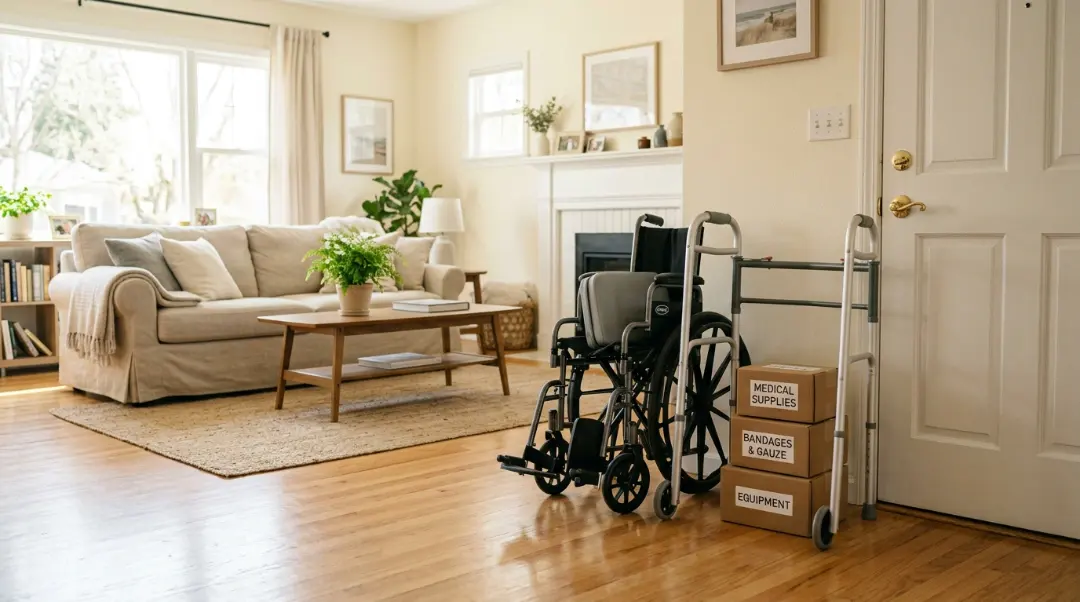
If you have a wheelchair, hospital bed or oxygen concentrator sitting idle in a spare room right now, you’re not alone. Every month, thousands of families ask the same question when a loved one recovers, moves to assisted living, or goes away, and the equipment that once meant so much just takes up room. It’s a bit strange to look at. That equipment helped someone breathe easier or move around the house, and now it is a reminder of a chapter that has closed. The short answer: You can contribute medical equipment locally through hospitals, free clinics, and equipment loan closets or nationally through groups like MedShare, Project C.U.R.E., and Medical Bridges. I’ll tell you what products are accepted, which groups take what, how to prepare your donation to avoid rejection, and if selling makes more sense for your situation. You’ll know where to donate medical equipment instead of wasting time on hold with groups that don’t accept it. What Medical Equipment Can Be Donated? Most durable medical equipment and unopened supplies can be donated, including wheelchairs, walkers, hospital beds, oxygen concentrators, CPAP machines, shower chairs, and diagnostic tools like blood pressure monitors. Items need to be clean, in working condition, and free of major damage. Sealed disposable supplies such as gloves, bandages, and incontinence products are also welcome at most locations. Not everything qualifies, though. Expired items, opened packaging, and anything with visible wear or missing parts usually get turned away. This isn’t the organizations being picky for no reason. Medical donations go to real patients who depend on this equipment working the first time they use it. Here’s a general breakdown of what’s typically accepted: Mobility aids: wheelchairs, walkers, canes, crutches, rollators Durable medical equipment (DME): hospital beds, oxygen concentrators, CPAP and BiPAP machines Diagnostic tools: blood pressure cuffs, pulse oximeters, thermometers, glucose meters Bathroom safety items: shower chairs, raised toilet seats, grab bars Unopened supplies: gauze, gloves, syringes, surgical masks, wound care items Prescription medications are the one category almost no group will touch, even sealed. Drug donation laws vary by state and require licensed programs, so don’t include these with your donation box. Knowing what qualifies is really the first step in figuring out where to donate medical equipment, since some organizations specialize in supplies while others focus only on larger DME. Sorting your items by type before you start calling around saves a lot of back and forth. Where to Donate Locally The best local option depends on what you’re donating, but hospitals, free clinics, and equipment loan closets are usually your fastest route. Local donation avoids shipping costs and often means someone in your own community benefits directly. Hospitals and Free Clinics Smaller hospitals and community health centers frequently run their own donation programs, especially in areas with a lot of uninsured patients. Call the clinic manager directly rather than the general front desk. Ask what they need right now, not just what they’ll technically accept. Medical Equipment Loan Closets These are the best kept secrets in home health care. Many counties and nonprofit groups have “loan closets” where worn mobility aids and DME are cleaned, inspected and handed out free to anyone needing them temporarily. Your local Area Agency on Aging can often direct you to one within reasonable driving distance. Nursing Homes and Hospice Centers Nursing homes don’t always accept donations, but some will take unopened incontinence supplies or basic DME for residents with limited resources. Hospice centers sometimes know families in the community who need exactly what you’re offering. It doesn’t hurt to ask. Local Chapters of National Charities Goodwill, the Salvation Army, and Catholic Charities sometimes accept medical items, though policies vary a lot by branch. Call ahead before loading up your car. One location’s yes is another location’s no, even within the same city. National & International Organizations That Accept Medical Equipment When local groups cannot accept your items, national and international networks can step in to help. These large-scale entities specialize in gathering excess supplies from manufacturers, clinics, and individuals to ship them to clinics in developing countries. They possess the infrastructure to handle large volumes of items safely. Project C.U.R.E. This organization stands as one of the largest providers of donated medical relief in the world. They accept a massive variety of physical items from individual donors. They maintain large distribution warehouses across multiple states where volunteers check, sort, and pack items for international cargo shipments. MedShare MedShare focuses heavily on improving health outcomes in underserved communities across the globe. They collect surplus gear and clean clinical supplies, keeping useful tools out of local landfills. You can drop off items at their regional collection centers or arrange for delivery to their main collection hubs. MAP International and Medical Bridges MAP International is geared on disaster relief and long-term health crises. They take new, unexpired items to deliver in catastrophes. Texas-based Medical Bridges works directly with overseas hospitals to connect donor products with particular clinical demands. Both parties have tight guidelines on donations, to conform with international customs legislation. How to Donate Specific Equipment Types Different items have different paths, and it helps to know which door to knock on. Where to Donate a Wheelchair Wheelchairs can be donated to local loan closets, Goodwill locations with medical programs, or national groups like MedShare and Project C.U.R.E. Manual wheelchairs are easier to place than power chairs, since power models need working batteries and often a technician to verify function first. Check the wheels, brakes, and folding mechanism before you donate. A wheelchair with a cracked frame or missing footrest usually can’t be placed, even by groups with generous guidelines. How to Donate a Hospital Bed Hospital beds are bulky, so pickup availability matters more here than with smaller items. Some medical supply companies and home health agencies offer free pickup for working beds. Loan closets and hospice organizations are often your best bet locally, since shipping a full bed frame overseas gets expensive fast. Where to Donate an
What is IHSS? A Complete Guide
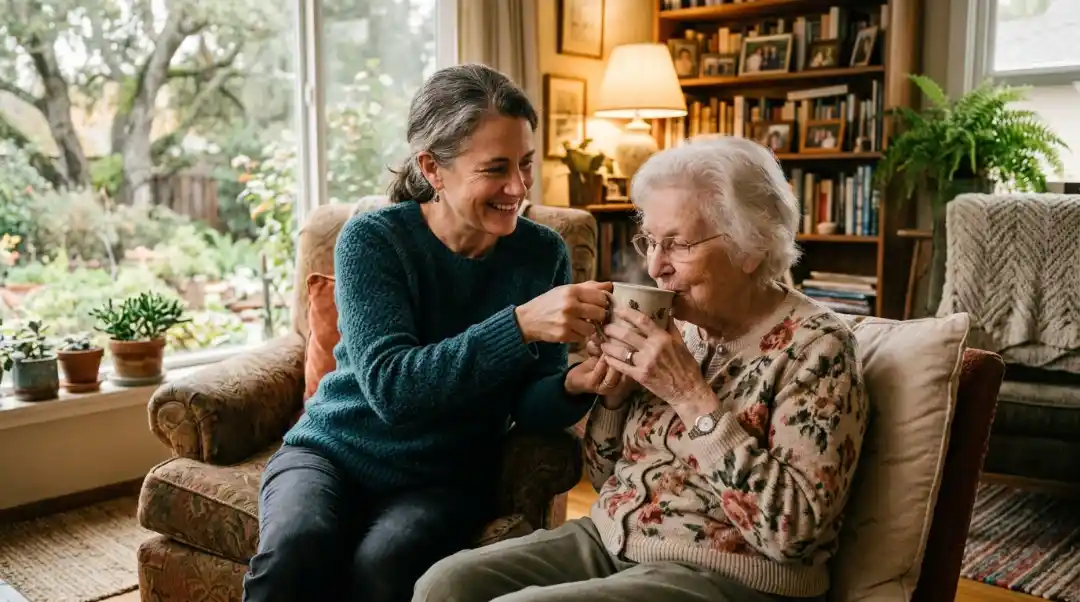
Caring for an aging parent, a disabled spouse or a loved one with long-term health requirements raises unpleasant questions. Many families desire to keep loved ones at home, but the cost and time might seem daunting. The good news is that California has support through the In-Home Supportive Services program. What is IHSS? If you’ve been looking for this, the quick answer is easy: it’s a Medi-Cal program that pays for non-medical care so qualified people can stay comfortably in their own homes rather than going into institutional care. What Are In-Home Support Services? In-Home Supportive Services (IHSS) is a California public benefit program that pays for personal care and household aid so aged, blind and disabled persons can stay safe at home. The program, financed by Medi-Cal and administered at the county level, offers services through a caregiver chosen by the beneficiary. The question of what is IHSS typically arises at a certain point in time. One parent fell down. Everything changed with a diagnosis. A partner can’t cope alone anymore. Whatever brings you here the program is the same for everyone that qualifies. The essential distinction is that IHSS pays for non-medical care. In most circumstances it will not include nurse positions such as wound care or injections. Instead it pays for the daily living assistance that keeps a household going: bathing, cooking, washing, transportation to appointments. You don’t need to be a stranger to the caregiver. Many pick a son, daughter or close friend to be their hired family caregiver. That person is enrolled with the county for a brief time, then paid an hourly rate for approved hours of care. Who Qualifies for IHSS You qualify for IHSS if you’re a California resident enrolled in Medi-Cal, you’re 65 or older, blind, or living with a qualifying disability, and you live in your own home rather than a licensed care facility. A county social worker confirms eligibility through a Medi-Cal eligibility determination and a home visit. Age alone doesn’t get you in the door. The county needs proof that daily tasks have become genuinely hard to manage. That’s measured through your ability to perform activities of daily living, things like bathing, dressing, and eating, along with instrumental activities of daily living such as managing money, cooking, or taking medication correctly. A social worker visits your home to see how you actually live, not just how you describe it on paper. They’ll ask about your mobility, your memory, your safety risks, and whether anyone already helps you. Be honest during this visit. Downplaying your struggles, which a lot of proud parents do, often means losing hours you actually need. A note on documentation: bring medication lists, recent hospital discharge papers, or a doctor’s note describing mobility limits to the home visit if you have them. Social workers make faster, more accurate decisions when they see paperwork instead of relying only on conversation. There’s also a category called protective supervision. This applies to people with cognitive conditions like dementia who aren’t physically disabled but can’t safely be left alone. If your loved one wanders, forgets the stove is on, or gets confused about time and place, this category might apply even if they can still walk and feed themselves. What Services Does IHSS Cover? IHSS covers personal care services, household tasks, meal preparation, and accompaniment to medical appointments. Approved hours are based on individual need as assessed by the county, and services range from bathing and dressing to grocery shopping and protective supervision for cognitive impairments. The list breaks down into a few clear categories, and it’s worth knowing each one so you don’t undersell your needs during the assessment. Personal care. Bathing, grooming, dressing, toileting, transferring in and out of bed, and help with mobility around the house. This is usually the largest chunk of authorized hours for someone with physical limitations. Domestic and household tasks. Sweeping, mopping, dishwashing, taking out trash, and basic cleaning of kitchens and bathrooms. The goal is a safe living space, not a spotless one. Meal-related help. Meal planning, cooking, serving, and cleanup, along with grocery shopping so there’s actually food in the house. Paramedical services. Some medical tasks performed under a doctor’s written order, such as administering medication or basic wound care, can be approved when a licensed nurse isn’t required. Protective supervision. Watching over someone whose memory or judgment puts them at risk of injury, even if their body is otherwise capable. One thing people miss: special circumstances can sometimes add extra services, like yard hazard removal or heavy cleaning after a health crisis. Ask your social worker directly if your situation feels unusual. Programs rarely volunteer information you don’t ask for. How Much Does IHSS Pay Caregivers? IHSS pays family caregivers an hourly rate determined by each county, usually between around $16 and $20 an hour depending on the locality, however a few counties pay more via local wage agreements. Caregivers submit timesheets and are paid every two weeks through the state’s payroll system. Rates aren’t established statewide. For example, in Los Angeles County, pay have typically been negotiated locally between the county and the union that represents IHSS providers and hence have been different than in a smaller rural county. The caregiver will then record hours either in the Electronic Visit Verification system or on a paper timesheet, whichever the county uses. The caregiver gets a W-2 because they’re a state-funded employee, and payment comes in every two weeks, like a regular employment. Family caregivers should note that most of this income is taxable, although a few live-in providers qualify for an IRS exemption known as the difficulty of care income exclusion. A tax professional experienced with IHSS can tell you if that applies to your circumstances. How to Apply for IHSS You apply for IHSS by submitting the SOC 295 application form to your county IHSS office, either online, by mail, or in person. After submission, a social worker schedules a home visit to assess your needs
How to Keep Your Brain Active and Healthy
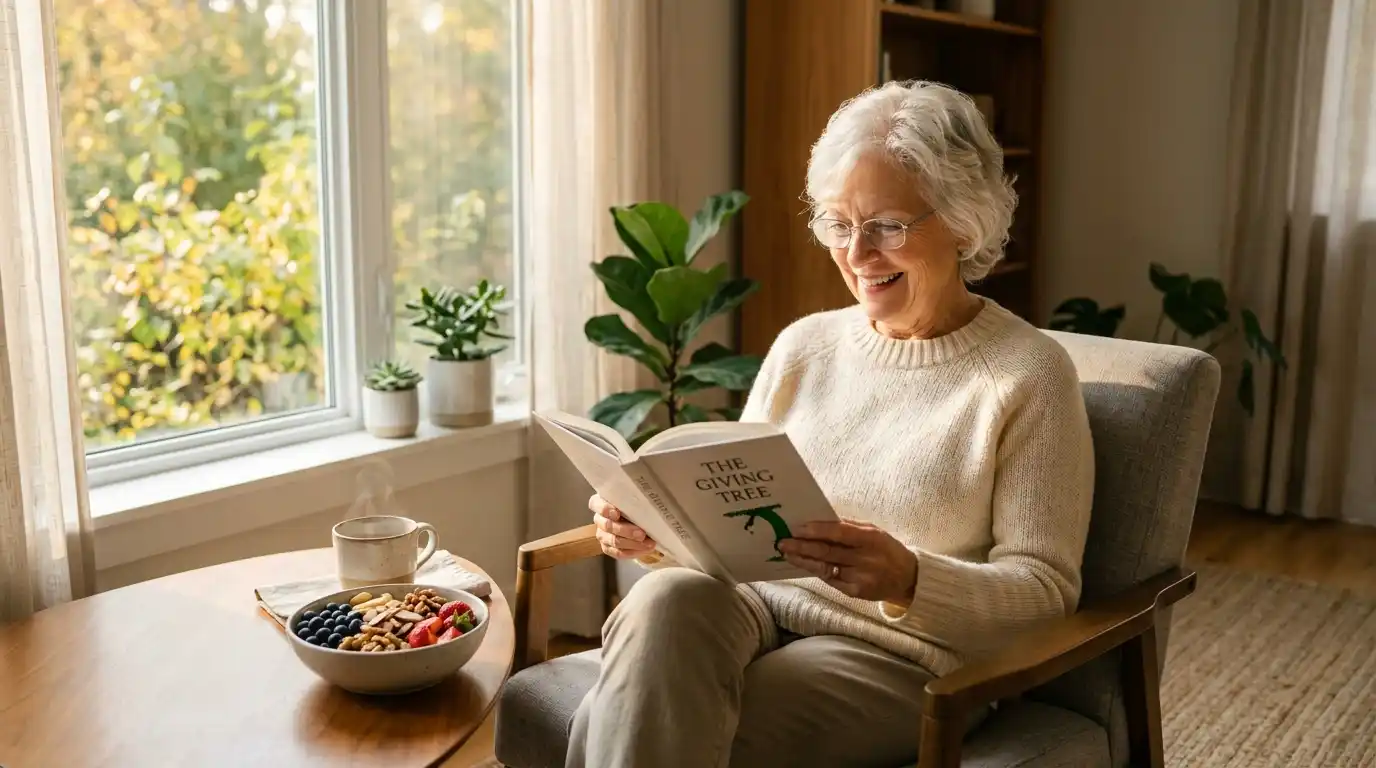
Your brain is the boss. Every conversation you have, every memory you create, every decision you make, it all starts there. The thing is, most people don’t start paying attention to brain health until something goes wrong. That’s like ignoring your car engine until it starts to smoke. The good news is? You don’t need a medical degree or an expensive program to learn how to keep your brain active and healthy. There are small, consistent habits you can start today that will make a big difference over time. In this article I’ll walk you through science-backed strategies covering food, sleep, movement, mental stimulation and more. Whether you are in your 30s or your 70s, this is for you. Why Brain Health Deserves Your Attention Right Now Here’s a number worth sitting with: according to the World Health Organization, around 55 million people worldwide live with dementia, and that number is expected to nearly triple by 2050. Brain decline doesn’t happen overnight. It builds slowly, often silently, over years of poor sleep, inactivity, and stress. The flip side is also true: protecting your brain is a long game, and the earlier you start, the better your odds. Think of your brain like a muscle. If you don’t use it, it weakens. If you stress it without recovery, it burns out. But train it right with the right fuel, rest, and stimulation and it stays sharp well into old age. Feed Your Brain, Not Just Your Stomach Your diet has a direct bearing on how your brain functions. A diet high in omega-3 fatty acids, antioxidants and B vitamins promotes stronger neural connections, improved memory retention and lower risk of cognitive decline as you get older. The Mediterranean diet is consistently ranked as the top diet for brain benefits. It’s fish, greens, olive oil, nuts, berries and whole grains based. In fact, a 2018 study published in the Journal of Translational Medicine discovered that this diet, especially when paired with extra virgin olive oil, improved cognitive function in older adults. Here’s what to put on your plate regularly: Fatty fish (salmon, tuna, sardines) rich in DHA, a type of omega-3 essential for brain function. The Academy of Nutrition and Dietetics recommends 250–500 mg of DHA + EPA daily. Dark leafy greens (spinach, kale, lettuce) packed with vitamin K, folate, and antioxidants that slow cognitive aging. Berries (blueberries, strawberries) high in flavonoids that improve memory and protect brain cells. Nuts and seeds provide vitamin E, which is linked to less age-related mental decline. Eggs contain choline, a nutrient critical for memory and mood regulation. One thing many people overlook: hydration. Your brain is roughly 75% water. Even mild dehydration as little as 1–2% fluid loss affects concentration, alertness, and short-term memory. Drink water consistently throughout the day, not just when you’re thirsty. And cut back on refined sugar. Sugar spikes cause inflammation, and chronic inflammation is one of the biggest enemies of long-term brain health. Swap processed snacks for fruits, oats, or whole-grain options. Move Your Body to Protect Your Mind Physical exercise is one of the most powerful tools for brain health. Aerobic activity increases blood flow and oxygen to the brain, which supports memory, learning speed, and the growth of new brain cells, a process called neurogenesis. Harvard Medical School researchers found that aerobic exercise actually increases the size of the hippocampus, the part of the brain responsible for learning and verbal memory. That’s not a small deal. That’s your brain literally growing because you went for a walk. Aim for at least 30 minutes of moderate aerobic activity most days of the week. Good options include: Brisk walking Cycling Swimming Dancing Don’t stop at cardio. Strength training two to three times per week with light weights or resistance bands also protects the hippocampus and supports overall brain performance. A 2020 review in NeuroImage found that resistance training improved memory and cognitive processing in older adults. Even breaking up long periods of sitting with short walks helps. Blood circulation matters. Sitting for hours slows it down. Moving regularly keeps it flowing. Sleep Is Not Optional It’s Maintenance Sleep is when your brain repairs itself. During deep sleep, your brain flushes out toxic waste products, consolidates memories, and resets for the next day. Consistently getting less than 7 hours per night has been linked to accelerated cognitive decline and higher dementia risk. The CDC reports that over one-third of American adults don’t get enough sleep regularly. That’s a public health problem hiding in plain sight. When you sleep well, your brain processes information faster, makes better decisions, and regulates emotions more effectively. When you don’t, focus suffers, memory weakens, and mood tanks. Practical tips for better sleep quality: Stick to the same bedtime and wake time every day, including weekends Keep your bedroom cool, dark, and quiet Avoid screens at least 30–60 minutes before bed (blue light disrupts melatonin) Limit caffeine after 2 PM Avoid heavy meals within two hours of sleep Adults should target 7–9 hours of sleep per night. If you’re regularly waking up tired, that’s a signal worth paying attention to not powering through. Train Your Brain Like You Train Your Body Mental stimulation forms and maintains neural connections. Reading, picking up new skills, solving puzzles any activity that challenges how you think. It strengthens the brain’s ability to form new pathways, which can delay the onset of cognitive decline. The brain is capable of reorganizing and creating new connections throughout life, called neuroplasticity. It doesn’t stop in your twenties. Your brain remains flexible into your 60s, 70s and beyond but only if you keep challenging it. Here are activities that genuinely work: Learning a new language one of the strongest brain-training activities studied Playing chess or strategy games requires planning, memory, and pattern recognition Reading books (especially fiction) improves empathy, vocabulary, and cognitive flexibility Doing crosswords, Sudoku, or logic puzzles keeps processing speed and working memory sharp Taking online courses lifelong learning is directly tied to
How Much Does Senior Day Care Cost?
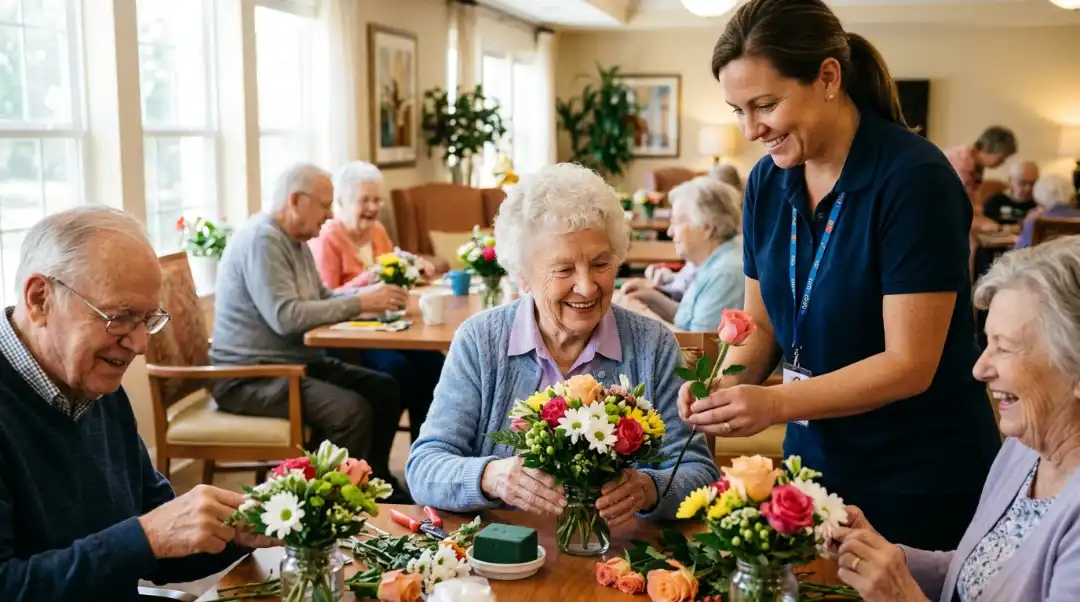
One of the saddest things a family faces is seeing a parent or loved one need more help than you can provide. You want them secure, stimulated, well cared for but you also have a job, kids, and a life that doesn’t stop. Adult day care is right in the middle of that tension, and it’s more affordable than most people think. So how much does senior day care cost? The national median is about $95 a day, but prices range from $50 to $400+ depending on where you reside, the kind of care your loved one needs, and if insurance comes into play. Here’s the scoop on things like real numbers, insurance options, comparing costs, and paying less so you can be sure you’re making the right choice, without guessing. What is adult day care? Adult day care is a structured, community-based program that offers older adults socialization, supervision, and necessary personal care assistance during daytime hours while allowing family caregivers to take a much-needed break. These non-residential programs operate during standard business hours on weekdays, with some centers offering extended morning, evening, or weekend options to accommodate working families. At its core, a day program functions as a safe haven that keeps seniors engaged and secure. Instead of spending the day isolated at home, participants get access to dynamic group environments. A typical daily schedule wraps around several layers of professional support: Socialization and Activities: Group exercise classes, arts and crafts, musical entertainment, trivia games, and seasonal parties designed for cognitive stimulation. Nutritious Meals: Hot lunches and healthy morning or afternoon snacks that meet specific dietary guidelines. Health Monitoring: Regular checks on vital signs, blood sugar tracking, and general wellness observation by trained staff. Personal Care Assistance: Help with basic daily movements, restroom visits, and grooming needs. By filling the day with purpose and community, these centers help slow down the practical challenges of cognitive or physical decline. Simultaneously, the program serves as an essential form of respite care, giving family members the open time to work, handle personal errands, or simply rest. How much does day care for older people cost? The exact cost of adult day care ranges from $50 to $150 per day across the United States, depending on your local market, the type of center you choose, and the intensity of your loved one’s care requirements. While the daily rates are highly predictable, your total monthly bill will depend entirely on how many days a week your family uses the service. To help you build a realistic financial plan, we can look at the latest long-term care data compiled by national tracking indexes like the Genworth Cost of Care Survey and the CareScout Index. The table below illustrates how a standard daily rate translates into monthly and annual expenses based on full-time weekday attendance. Care Schedule Average Daily Rate Range Estimated Monthly Cost Estimated Annual Cost Part-Time (2 Days/Week) $75 – $100 $650 – $866 $7,800 – $10,400 Mid-Range (3 Days/Week) $75 – $100 $975 – $1,300 $11,700 – $15,600 Full-Time (5 Days/Week) $75 – $100 $1,625 – $2,166 $19,500 – $26,000 Localized Price Differences Across Major Cities Where you live plays a massive role in what you will ultimately pay. Urban areas with a higher cost of living naturally demand higher daily rates due to real estate costs and staff wages. For example, a senior day care center in a high-density metro area like Seattle or New York City routinely charges between $105 and $325 per day. Conversely, centers in mid-sized or rural regions often charge closer to $60 to $90 daily. What Factors Affect the Cost of Senior Day Care? The price of senior day care varies based on the degree of license the facility holds, the ratio of staff to participants, the real estate market in the area, and any specialist medical or memory care programs needed to ensure the safety of the individual. The base running costs include each additional level of clinical monitoring or training for senior staff. Knowing these variables can help explain why two facilities in the same neighborhood could quote vastly different rates. The pricing is very much driven by the environment and direct care model. 1. The Core Level of Care Provided Centers generally fall into three distinct categories based on their staffing and services: Social Adult Day Care: These programs focus primarily on companionship, group meals, and recreation. Because they do not require licensed nurses on-site, they represent the lowest elderly day care cost tier, usually running between $50 and $80 daily. Adult Day Health Care (ADHC): These centers integrate professional medical services alongside standard social activities. They employ physical therapists or registered nurses to deliver medication management, physical therapy support, and professional health monitoring. This increased clinical footprint pushes rates to $90 to $130 per day. Specialized Dementia and Alzheimer’s Care: Tailored exclusively for individuals experiencing advanced cognitive decline, these programs feature secured perimeters to prevent wandering and maintain low staff-to-participant ratios. The specialized behavioral training and safety measures lift adult day care prices to $110 to $150+ per day. 2. Hidden Add-Ons and Surcharges The base daily rate rarely tells the entire financial story. When comparing local options, always ask the admissions director for a full disclosure of potential extra charges: Transportation Fees: Many centers operate specialized vans to pick up seniors from their homes and drop them off in the afternoon. This service can add an extra $15 to $35 per day to your final bill. Enrollment and Assessment Fees: It is common for a center to charge a one-time initial health assessment or application fee ranging from $50 to $200 to cover the clinical review process before day one. Late Pick-Up Penalties: Because facilities must maintain rigid legal staffing ratios, arriving late to pick up your loved one can trigger immediate penalties, sometimes costing $1 to $2 for every minute past closing time. Supplies and Consumables: While standard meals are typically covered, some locations bill separately for special dietary

How to Improve Breathing for Seniors?
Watching a loved one or family member struggle to breathe can turn daily routines into burdensome difficulties. Shortness of breath . Simple tasks such as climbing stairs , gardening or walking to the mailbox seem overwhelming . Discovering how to enhance breathing for elders is a proven, gentle technique to regain comfort, energy and independence without clinical intervention. Over time, simple daily routines and specific workouts develop strength of respiration. Lung volume can be preserved and stamina rebuilt for older adults through daily diaphragmatic practices, posture corrections, and supportive home environments. In this book, we’ll go through practical methods, safe workouts, and everyday routines that help aging folks breathe easier every day. Why Breathing Gets Harder With Age Lungs don’t remain at their prime permanently. Lung capacity and function normally decline gradually after age 35 and more noticeably in the senior years. Over time, several of the muscles used for breathing, such as the diaphragm and the muscles between the ribs, get weaker. The rib cage itself might become stiff limiting the expansion of the chest. Add a few of more prevalent conditions and the story starts to come together. Chronic obstructive pulmonary disease (COPD), asthma and general muscle weakness are the most common causes of shortness of breath in seniors. A sedentary lifestyle, excess weight and even poor posture can accelerate the decline. That is not to say that breathing must diminish each year. Just like any other muscle group, the muscles involved in breathing respond to regular use. This is exactly where breathing exercises for seniors come in and it’s a vital aspect of sustaining senior respiratory health over the long haul. Benefits of Breathing Exercises for Seniors Regular practice of breathing exercises for seniors produces immediate and long-term physical improvements. Training the primary respiratory muscles reduces the workload on secondary neck and shoulder muscles. This physical shift restores natural movement patterns and lowers the energy required for basic daily activities. Efficient Oxygen & Carbon Dioxide Exchange: Exercises clear trapped gas from lower lung lobes, improving blood oxygenation. Reduced Chest Wall Stiffness: Controlled expansion keeps rib joints flexible, preventing rigid chest posture. Lower Stress Hormones: Deep, rhythmic inhalation triggers the parasympathetic nervous system, lowering blood pressure and heart rate. Enhanced Digestion and Sleep Quality: Diaphragmatic movement gently massages abdominal organs, aiding digestion and easing night restlessness. The Best Breathing Exercises for Seniors These are the exercises that show up again and again in respiratory therapy programs, and for good reason. They’re simple, require no equipment, and can be done sitting in a chair. Diaphragmatic Breathing (Belly Breathing) This belly breathing technique puts the diaphragm to work instead of relying on the chest and shoulders. It’s often the first exercise a respiratory therapist teaches to someone with COPD. To practice it, sit back or lie down and relax the shoulders. Place one hand on the belly and one on the chest. Inhale through the nose for two seconds, letting the belly rise more than the chest. Exhale for two seconds through pursed lips while gently pressing on the belly. Repeat for five minutes. Pursed-Lip Breathing Pursed-lip breathing slows the breath down and keeps the airways open longer. It’s one of the easiest breathing techniques for breathlessness because it needs no special setup and can be done anywhere, including mid-conversation. Inhale slowly through the nose for two counts. Purse the lips as though blowing out a candle. Exhale through pursed lips for four counts, twice as long as the inhale. Repeat for two to three minutes. Alternate Nostril Breathing Borrowed from yoga, this exercise asks for a bit more coordination but pays off in calm, even breathing. Sit comfortably and use the right thumb to close the right nostril. Inhale through the left nostril, then close it with the fingers and release the right nostril to exhale. Reverse the pattern and repeat for a few minutes. Rib Stretch (Chest Expansion) Breathing This one directly targets chest expansion exercises seniors often need most, since a stiff rib cage limits how much air the lungs can take in. Stand or sit tall, inhale deeply while raising the arms out to the sides, hold for a few seconds, then exhale slowly while lowering the arms. Ten repetitions is a good starting point. Humming Bee Breath Inhale deeply through the nose, then hum gently while exhaling. The vibration has a calming effect and tends to slow the breath naturally. Two to three rounds is enough to notice a difference in how relaxed the body feels. Techniques for Better Breathing Applying effective breathing techniques for breathlessness during physical tasks prevents exhaustion. Matching breathing rhythms to movement makes chores safer and far more comfortable. Chest Expansion Exercises and Posture Adjustments Slouching compresses the diaphragm, reducing chest volume by up to 30 percent. Sitting upright with shoulders back creates immediate space for full lung expansion. Seated Shoulder Rolls: Roll shoulders backward five times to open the upper chest. Seated Overhead Reaches: Raise one arm overhead while inhaling deeply to stretch intercostal muscles. Exhale on Exertion: Always breathe out during the hardest part of a physical effort, such as standing up from a chair. Breathing While Experiencing Pain Joint discomfort or chronic pain causes people to hold their breath unconsciously. Breath-holding spikes blood pressure and triggers muscle tension, worsening pain signals across the nervous system. When pain flares, focus on slow nasal inhalations directed toward the abdomen. Release air gently through pursed lips while relaxing the neck and jaw. Keeping air moving steadily disrupts the pain-stress cycle and keeps oxygen flowing to aching muscles. Breathing Exercises for Emotional Regulation Breathing isn’t only physical. It’s tied directly to mood and emotional control, which matters as much for seniors as lung capacity does. Deep breathing exercises for emotional regulation work by slowing the heart rate and signaling to the brain that the body is safe. This is useful during moments of frustration, grief, or worry, all of which are common during the aging process. Breathing exercises for frustration follow

What’s the Difference Between a Caregiver and a CNA?
Caring for an aging parent or loved one can feel like standing at a fork in the road without a sign. One individual suggests a carer. Another argues a CNA is the safer bet. Both seem good in everyday life, yet their functions are different. Knowing the difference between a caregiver and a CNA can save time, money and stress while helping someone get the correct support from day one. Here’s the simple answer: Caregivers provide largely non-medical help, such as companionship, personal care, meal prep, transportation and assistance with daily chores. Certified Nursing Assistants (CNAs) are responsible for direct patient care and may do some clinical procedures under supervision and according to state regulations. Choosing the correct care relies on health needs, independence level, and care goals. What Is a Caregiver? A professional caregiver provides non-medical assistance to help individuals with daily routines and home tasks. They focus on emotional support, safety monitoring, companionship, and basic physical aid. They do not have clinical training and cannot perform medical tasks or administer treatments under state licensing laws. A personal care assistant or home health companion falls under this broad umbrella. These workers keep an elderly parent independent in their own house. They serve as extra eyes and ears, spotting changes in behavior or safety risks before accidents occur. Private duty home care agencies screen these employees through a background check process. Some families hire an independent assistant directly to manage cooking or running errands. Their focus centers on the environment and the routine of the individual, keeping the household running smoothly. They act as a personal lifeline for seniors who live alone. By stepping in to help with basic tasks, they lift the physical burden off the family. Their presence offers peace of mind to adult children who cannot visit every single day. What Is a CNA? A certified nursing assistant (CNA) is a state-licensed caregiver. They must complete formal training and pass a competency exam before they may work under the supervision of a nurse. CNAs perform the same day-to-day care chores as a caregiver, but they also have clinical obligations, such as checking vital signs, helping with wound care and assisting with medical equipment. It’s the difference between a good handyman and a certified electrician. Both are very handy around the house, but only one is certified and allowed to work on the wiring. Different states call this same employment by different names. Some name it nurse aide or nursing assistant rather than CNA. Most state boards of nursing and the federal government consider them to be the same occupation with different names in different regions. Caregiver, CNA, HHA, PCA the home care world throws about a number of terms for professions that may sound similar but have separate trainings. A CNA is on the more controlled side of that spectrum. To lawfully work in a nursing home, every CNA must be on a state nurse aide registration. Some states require additional qualifications beyond CNA certification. For example, Maryland uses the term Geriatric Nursing Assistant, or GNA, for CNAs who have completed additional training in elder care. The base scope of practice doesn’t change much; it’s largely a specialist label for long-term care facilities. Job Duties: Caregiver vs. CNA Understanding the precise daily tasks helps you avoid serious legal and medical mistakes. The line between medical care and non-medical assistance is strictly enforced by state health departments. Caregiver Daily Tasks and Scope A companion manages the personal care side of a senior’s life. They handle chores that keep a house clean and safe. They assist with activities of daily living, which professionals shorten to ADLs. Their daily list includes meal preparation, light housekeeping, and laundry. They provide medication reminders, meaning they tell a senior when to take a pill. They cannot open the bottle or hand the pill to the person, but they can remind them of the schedule. Companionship forms a massive part of their daily work. They sit with seniors, play games, talk, and drive them to local appointments. They assist with simple mobility, like walking to the mailbox or standing up from a favorite chair. Running errands and grocery shopping Washing dishes and changing bed sheets Assisting with basic grooming, dressing, and bathing Providing social engagement and conversation CNA Daily Tasks and Scope A certified nursing assistant handles hands-on physical care that requires clinical knowledge. They look at the body through a medical lens while assisting with daily personal routines. They understand how to safely move a bedbound individual without causing injury. Their clinical duties involve tracking vital signs like blood pressure, pulse, and temperature. They watch for skin breakdown, which can lead to painful bed sores or pressure ulcers. They know how to clean wounds and assist with medical equipment like oxygen tanks or feeding tubes. In some states, they assist with medication administration if they hold an extra medication aide credential. They operate a hoyer lift or other mechanical lift tools to move immobile individuals safely. Their work involves heavy tracking and formal charting for the supervising nurse. Measuring and charting daily fluid intake and output Turning and repositioning bedbound individuals every two hours Collecting samples for medical laboratory tests Identifying early signs of infection or physical decline Education: Caregiver vs. CNA The preparation required for each role explains the vast difference in their medical capabilities. One path relies on personal traits, while the other demands academic and clinical testing. Training Pathways for Companions There is no federal educational requirement to be a personal companion. Most agencies demand a high school or general education diploma. Onboarding includes company policy, emergency procedures and fundamental safety standards. Some states require a short personal care assistant education that just lasts a few hours. Training includes food safety, fire safety and customer rights. When hiring, agencies look for natural qualities like patience, empathy and good communication skills. Many people gain talents during years of family caregiving or volunteering. They have no license from any medical board.

Winter Safety Tips for Seniors: A Complete Guide for a Safe, Healthy Season
Black ice on the front porch. A quiet 2 a.m. furnace. A brief trip to the car that turns into a long, frigid walk. None of them sound dramatic on their own, but for an older adult any one of them can mean a visit to the hospital. That’s why winter safety guidelines for seniors are more important than most people realise. This article discusses the real dangers of cold weather for seniors, what really causes most winter injuries, and specific measures that make a home, a car and a daily routine safer from December to March. It’s for anyone helping a parent keep their independence this season or for seniors who desire a clear, no-nonsense strategy of their own. Why Winter Can Be More Dangerous for Older Adults Winter is particularly dangerous for older persons because the body’s ability to perceive and react to cold declines with age, and chronic illnesses such as arthritis, diabetes and heart disease make it harder to heal from injuries. A 30 year old may walk away from a small fall, a 75 year old may break their hip in the same tumble. A furnace outage that’s uncomfortable for a youthful household might be a life-threatening event to someone over 65. The body’s internal thermostat is altered with ageing. Blood flow is reduced and many older adults are on drugs such as beta-blockers or sedatives that inhibit the normal shivering response. This means that a senior may experience the feeling of their body temperature dropping before they feel cold enough to do something about it.” One reason hypothermia in seniors doesn’t usually present dramatically. Sometimes uncertainty, or slow speaking, or just wanting to sleep. Most Common Causes of Injury for Seniors in Winter The most common winter injuries among seniors are falls on ice or snow, hypothermia from prolonged cold exposure, and carbon monoxide poisoning from improperly used heaters. Falls alone send hundreds of thousands of older adults to the emergency room every winter, and many of those falls happen within a few feet of the front door. Ice is the obvious culprit, but it’s not the only one. Wet leaves hidden under a light dusting of snow, worn-out shoe treads, and poorly lit walkways all raise the odds of a slip. Even the transition from a warm kitchen floor to a cold, damp entryway can be enough to cause an unsteady step. Hypothermia doesn’t require a blizzard to set in. A thermostat kept low to save on heating costs, a drafty window, or sitting near a cold floor for too long can lower body temperature indoors, no snowstorm required. Carbon monoxide is a quieter danger. Space heaters, gas furnaces, and generators used without proper ventilation can build up dangerous fumes, especially in homes with older heating systems. How to Minimize Risk With Winter Safety Tips for Seniors at Home Preventing Falls on Ice and Snow Slick walkways are the number one single concern to senior mobility from December through March. To help reduce this risk, you’ll need to change your footwear and how you maintain outside surfaces before the freezing weather hits. Every pair of winter shoes should have deep, multidirectional treads in strong rubber bottoms. Avoid slippery plastic surfaces or flat soles altogether. If seniors are using assistive devices such as canes or walkers, make sure to install specialized ice tip attachments that dig into frozen ground. Correct materials are required for driveways and steps to be treated. Rock salt melts ice but it can injure concrete and pet paws if dogs are around. Sand doesn’t melt ice, but it gives you instant traction on slippery areas. As soon as the storm is over, spread a thick layer of sand or environmentally friendly ice melt, or use a local snow removal company to do the hard work before anyone ever goes outdoors. Staying Warm Indoors and Outdoors Maintaining a stable core body temperature is essential to prevent cold weather safety hazards for the elderly. Hypothermia doesn’t just happen in a blizzard; it can settle in quietly right in the living room. Medical experts state that the indoor thermostat should never drop below 68°F. A home kept between 60°F and 65°F puts a fragile senior at risk for mild hypothermia over extended periods. To save on utility bills without risking health, close off unused rooms and wrap drafty windows with heavy thermal curtains or insulating film. Proper Winter Layering Strategy: Base Layer: Moisture-wicking material (polypropylene or silk) to keep sweat away from skin. Middle Layer: Insulating fleece or wool to trap body heat. Outer Layer: Windproof and waterproof shell to protect against sleet and snow. When going outside, avoid single heavy coats. Instead, use multiple lightweight layers to trap warm air between fabrics. A warm hat is mandatory since a massive amount of body heat escapes through the head. Swap standard gloves for insulated mittens, which keep fingers grouped together for superior warmth. Shovel Smart: Avoiding Physical Overexertion If an older adult insists on clearing snow, they must follow strict safety protocols to protect their cardiovascular system. Pacing is the most important element of safe snow removal. Never attempt to clear an entire driveway at once. Take a mandatory break every ten minutes to let your heart rate settle. Drink water frequently during these breaks because cold air masks the early warning signs of dehydration and exhaustion. Shift the physical technique from lifting to pushing whenever possible. If you must lift the shovel, keep the loads tiny and use your leg muscles rather than bending at the waist. If the snow is deep, clear it in stages by skimming the top two inches first, rather than scooping down to the concrete all at once. Winter Storm Preparedness & Emergency Planning Stocking the Winter Pantry A major winter storm can leave a person snowbound for days, and supermarkets and pharmacies can become inaccessible. “Real senior winter readiness is building a robust supply cache before the first snowflake falls.” Concentrate on protein sources that
How Does Water Help Regulate Body Temperature?
Most people tend to get warm after a short walk, or tired by being outside too long. Many individuals may not realize that every minute water is working behind the scenes to maintain the body’s temperature consistent. If you’ve looked up how does water help regulate body temperature, the quick answer is very easy. Water takes in heat, helps with sweating, circulates heat through the bloodstream, and assists the body in releasing surplus warmth before overheating begins. People don’t notice the control of body temperature unless it is interrupted by anything. Mild dehydration might cause your body to work harder. Understanding the significance of water for thermoregulation can assist to encourage comfort, physical performance and daily well-being, especially in situations of high temperature, activity, old age or chronic health issues. This tutorial describes exactly how water keeps the equilibrium in your body, and what occurs when the balance changes. What Is Body Temperature Regulation? Body temperature regulation is the process by which the human body maintains its internal temperature within a safe and functioning range. The scientific term for this balancing task in biology is thermoregulation. It keeps a constant temperature for your essential organs whether you’re sitting in a heated room or strolling in a cold wind. Deep in the brain is the major control center for regulating water balance and body temperature. The hypothalamus is a tiny structure that functions as the central thermostat. It’s always monitoring your blood temperature. If that temperature is off by even a quarter of a degree from the normal $98.6, the brain immediately starts sending out signals to adjust it. When you are too warm, your brain kicks in cooling mechanisms such as perspiration and dilation of blood vessels close to the skin. Too cold and it tells blood vessels to constrict and muscles to tremble to make heat. Without this ongoing monitoring, small changes in your environment could trigger hazardous internal spikes or decreases in temperature. Understanding Body Temperature Regulation To understand how the body stays balanced, it helps to see the exact steps the nervous and circulatory systems take. The process relies on a loop of continuous feedback between your skin, your brain, and your fluid levels. [Temperature Sensors in Skin & Core] │ ▼ [Hypothalamus in the Brain] │ ┌─────────┴─────────┐ ▼ ▼ [Dilate Blood Vessels] [Activate Sweat Glands] │ │ ▼ ▼ [Heat Radiates Out] [Evaporative Cooling] This system controls several key areas of daily health: Metabolic Efficiency: Your cellular machinery operates best at specific temperatures. If the body gets too hot or too cold, chemical reactions slow down or stop entirely. Nervous System Protection: Brain cells are highly sensitive to thermal shifts. Proper fluid levels keep neural pathways running smoothly. Cardiovascular Balance: The heart changes how fast it beats based on temperature. Blood shifts toward or away from the skin to shed or trap heat. Data Reference Suggestion: A chart from a medical review (such as the Journal of Applied Physiology) showing core temperature rising relative to fluid loss would work well here. For example, studies show that for every 1% of body weight lost through water, core temperature increases by roughly $0.2^\circ\text{C}$ to $0.3^\circ\text{C}$. The Role of Water in the Human Body Water serves as the primary building block for the entire human anatomy. It makes up roughly 60% of an adult’s body weight, though this percentage can drop closer to 50% in seniors due to natural muscle loss. Every single cell relies on this fluid to survive, transport nutrients, and clear away waste products. Beyond basic cell function, fluids act as a physical cushion and lubricant. Water surrounds your brain and spinal cord, absorbing physical shocks. It fills your joint cavities, preventing bones from rubbing together painfully. When you eat, fluid moves nutrients through the digestive wall and carries them directly into the bloodstream. Most importantly, water retains fluid levels in the blood vessels. Blood is mostly water, and this volume determines how easily your heart can pump oxygen to your muscles and organs. When blood volume drops due to poor fluid intake, the entire circulatory system must work twice as hard to keep you functioning. How Does Water Help Regulate Body Temperature? Water regulates body temperature by absorbing heat from your body’s tissues and releasing it through sweat, breathing, and blood flow. It acts as a thermal buffer, meaning it slows rapid temperature changes in both directions. Without enough water, this buffer shrinks, and your internal temperature becomes far harder to control. This is one of the main reasons health professionals consistently link dehydration to heat exhaustion and heat stroke. The science here is straightforward. Your body depends on water to stay cool, and it depends on water to retain heat when it’s cold. How Dehydration Disrupts Body Temperature Regulation As fluid levels drop, the body’s cooling system shuts down. Throughout dehydration, the brain has the challenge of deciding where to direct the last of the fluid. In order to maintain blood pressure up and protect the heart , the body starts to cut down on fluid flow to the skin . This causes sweat production to decrease or cease completely. Without sweat you lose your main cooling tool and the heat builds up quickly. The blood thickens and the heart has to work harder to send fluid up to the surface of the skin, where heat escapes. This failure in thermoregulation can progress directly to heat exhaustion, characterized by dizziness, profuse sweating and weakness. If fluid levels are not replaced, a medical emergency called heat stroke can occur. At this point the body can no longer cool itself, and core temperatures can reach deadly levels. Water and Body Temperature During Exercise During physical activity, your muscles generate significant heat as a byproduct of energy production. Your body temperature can rise quickly, and your thermoregulation