
Senior Health & Well-Being
12 Unique Indoor Activities for Seniors at Home
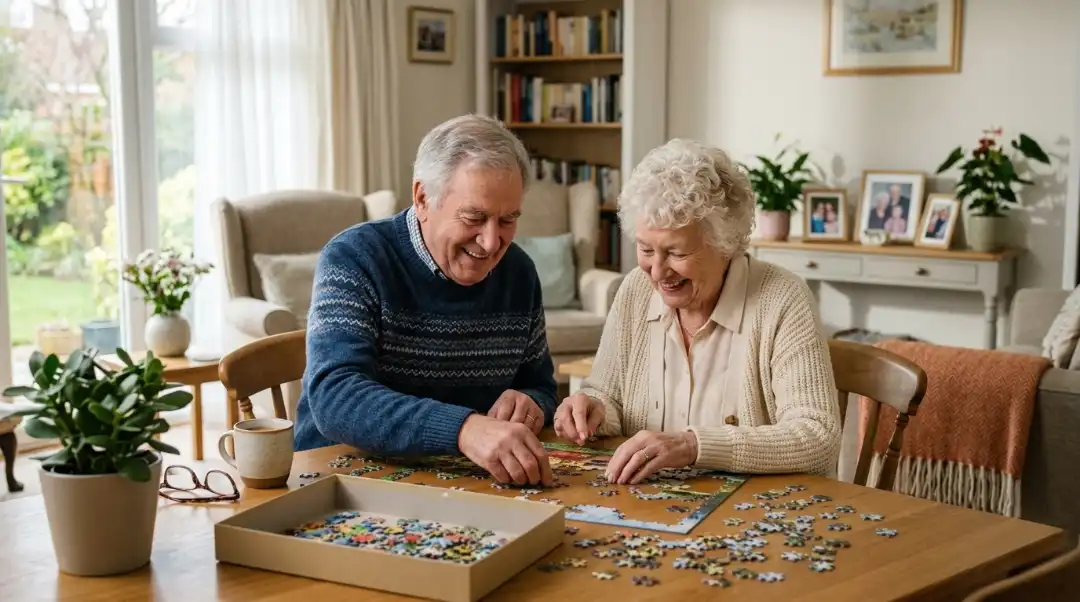
Keeping a senior active at home is not always easy. You worry about boredom, loneliness, and health slipping away and that worry is valid. Studies show that physical inactivity and social isolation in older adults significantly raise the risk of cognitive decline, depression, and chronic illness. You are not alone in searching for better ways to help. Here is the good news: indoor activities for seniors do not have to be dull or complicated. In this guide, you will find 12 practical, low-cost activity ideas that support physical health, mental stimulation, and emotional well-being whether you are a caregiver, an adult child, or a senior looking for something meaningful to do today. Key Takeaways Indoor activities support both physical and mental health in older adults. Activities can be adapted for different mobility levels, including wheelchair users. Many options are free or low-cost and need no special equipment. Caregivers can participate alongside seniors for stronger social connection. Consistency matters more than intensity. Even 20 minutes a day makes a difference. Benefits of Indoor Activities for Seniors Indoor activities provide far more than a way to pass time. They protect the brain, strengthen the body, and lift the spirit all from the comfort of home. Here is what the research shows: Reduced risk of cognitive decline. Activities that involve problem-solving skills like puzzles, board games, or learning a language help keep the brain sharp. According to the National Institute on Aging, staying mentally active may delay the onset of dementia. Lower stress levels. Creative activities like arts and crafts, coloring, and indoor gardening have been shown to reduce cortisol, the body’s stress hormone. Better cardiovascular health. Light physical activity, including chair exercises and gentle stretching, improves circulation and supports heart health even in older adults with limited mobility. Stronger social connection. Loneliness is a serious health risk for seniors. Group activities, even virtual ones, reduce feelings of isolation and improve emotional well-being. Improved fine motor skills. Crafting, knitting, and writing help maintain hand coordination and dexterity, which are often affected by arthritis and aging. Sense of accomplishment. Completing a puzzle, finishing a recipe, or learning a new skill gives seniors a real boost in confidence and mood. Safety First: The Home Care Advantage Look around to make sure it’s safe before starting a new routine. Get rid of any stray rugs or cords that could trip you up. Make sure the lights are bright so you can see what you’re doing. Always have a stable chair available to help you if you’re worried about your balance. We are experts in home safety, and a safe atmosphere is the key to having fun. 12 Indoor Activities for Elderly People at Home 1. jigsaw and Brain Puzzles Puzzles are one of the most effective ways to keep the mind active. They help older adults remember things better, solve problems better, and slow down the degeneration of their brains. Start with a 300-piece jigsaw if your senior is new to it. Work up to 500 or 1,000 pieces over time. Crossword puzzles and Sudoku are also great options; you can find free printable versions online or buy puzzle books for around $5 to $8 at most bookstores. Websites like JigZone.com offer free digital jigsaw puzzles if paper is not preferred. Best for: Seniors with early cognitive concerns, those who enjoy working independently. Cost: Free to $10. 2. Chair Exercises and Gentle Stretching Seniors do not need to stand or go to a gym to stay physically active. Chair exercises build strength, improve flexibility, and support cardiovascular health all from a seated position. Simple movements include seated leg raises, arm circles, shoulder rolls, and ankle pumps. YouTube channels like “SilverSneakers” offer free 20-minute chair workout videos designed specifically for older adults. Chair yoga is another option, combining gentle movement with deep breathing to reduce stress. Best for: Seniors with limited mobility, arthritis, or balance issues. Cost: Free (YouTube), or $10–$15 for a DVD. 3. Arts and Crafts Creative activities like painting, drawing, or making crafts give seniors a meaningful outlet for self-expression while also sharpening fine motor skills. You do not need expensive supplies. A basic watercolor set costs around $8. Adult coloring books, available for $6 to $12, are a low-effort way to start. Etsy sells DIY craft kits designed for seniors, typically priced between $15 and $30. Art therapy has strong evidence behind it research published in the Arts in Psychotherapy journal links creative activities to reduced anxiety and improved mood in older adults. Best for: Seniors who enjoy making things with their hands, those managing anxiety. Cost: $6 to $30 depending on supplies. 4. Indoor Gardening Indoor gardening gives seniors a sense of purpose and routine. Tending to plants reduces stress, encourages physical activity, and connects older adults to nature without going outside. Herbs like basil, mint, and rosemary are easy to grow on a windowsill. Succulents need very little maintenance and are ideal for seniors who are new to gardening. A starter kit from a garden store costs $10 to $25. Repotting, watering, and decorating pots also support fine motor skills and keep hands busy. Best for: Seniors who enjoyed outdoor gardening and are now homebound. Cost: $10 to $25 for starter plants and pots. 5. Board Games and Card Games Board games and card games are social activities that sharpen memory, build concentration, and give seniors something fun to look forward to especially when played with family. Classic games like Scrabble, Rummikub, and Uno are easy to learn and inexpensive. Card games like Bridge, Go Fish, and Gin Rummy need only a standard deck, which costs around $5. For seniors who want to play virtually with family members in other cities, Tabletopia.com offers free online versions of popular games. Best for: Social seniors, family caregiving settings, group home environments. Cost: $5 to $30. 6. Listening to Podcasts and Audiobooks Audio content keeps the mind engaged without requiring reading stamina or screen time. It is a great option for seniors with

Signs Your Aging Parents Need Help: What Every Family Should Know
Most grown kids don’t see it coming. One day your parents seem perfectly normal. Then slowly, softly, things begin to alter. The fridge may be bare. Maybe Dad missed his way home from church. Maybe Mom hasn’t phoned in 3 weeks. These subtle changes are frequently the first indicators that your aging parents need help. Most families miss these changes until it is critical. The good news is that. You don’t need to have a medical expertise to see these warning flags. This article explains what to look out for, what it signifies and what you can do right now. If you’ve felt that something is “off” with your parents recently, heed that feeling. You might be right. Understanding Normal Aging vs. Red Flags Normal aging causes minor slowing, while red flags involve severe functional drops that compromise safety. Misplacing car keys occasionally is normal aging. Forgetting what those keys are used for, or getting lost on a familiar route home, is a clear red flag requiring attention. As people grow older, the brain and body naturally slow down. A senior might take longer to recall a specific word or complain about stiff joints on cold mornings. These are expected changes that do not stop them from managing their daily life safely. Red flags are entirely different because they disrupt basic survival skills. Experts categorize these essential daily skills into Activities of Daily Living (ADLs). When an older adult stops tracking their medication or neglects basic home cleanliness, it’s not just a sign of growing older. It’s an indicator that their current living situation is no longer safe without structural support. 10 Signs Your Aging Parents Need Help Recognizing the exact moment when aging parents need help prevents accidental injuries and avoids unnecessary hospital visits. Look out for these ten specific warning signs elderly parents need care. 1. Neglected Personal Hygiene and Appearance A sudden decline in grooming habits is a primary indicator of physical or cognitive struggles. You might notice your parent wearing the same outfit for several days in a row. Their hair might look unkempt, or they may have noticeable body odor. Often, this happens because standing in a slippery shower feels terrifying, or they simply forget the last time they bathed. 2. An Empty or Spoiled Refrigerator Take a quick look inside their kitchen during your next visit. An empty refrigerator, or one filled with moldy, expired food, tells a distinct story. It means grocery shopping has become too overwhelming, or they are struggling to cook meals safely. Nutritional decline happens fast when seniors survive on toast and tea because cooking feels like too much work. 3. Unopened Mail and Unpaid Bills Piles of unopened mail stacking up on the counter are a major warning sign. If your once-organized parent starts missing utility payments or feels confused by simple financial statements, take note. Cognitive decline often shows up in financial mismanagement first, making seniors highly vulnerable to predatory phone scams. 4. Unexplained Bruises and Frequent Falls According to data from the Centers for Disease Control and Prevention (CDC), millions of adults aged 65 and older are treated in emergency rooms for fall-related injuries every year. If you spot new bruises on their arms or legs, ask about them. Aging parents often hide falls because they fear losing their home, but unstable balance or furniture-walking means their safety is at risk. 5. Medication Mismanagement Research shows that about one in three older adults takes at least five different prescription medications daily. Look at their pill bottles. Are they completely unorganized, or are expired bottles from months ago mixed in? Missing critical doses or accidentally doubling up on prescriptions can lead to severe health crises and sudden hospitalizations. 6. Neglected Home Maintenance A house that used to be spotless but is now cluttered and dirty is a cry for help. Thick dust, moldy dishes in the sink, overflowing trash cans, and scorched pots are immediate warning signs elderly parents need care. Keeping up with household chores requires physical stamina and mental focus that they may no longer have. 7. Social Isolation and Mood Shifts Pay close attention if a parent stops answering phone calls, withdraws from hobbies, or avoids seeing friends. Severe social isolation mimics or triggers senior depression and accelerates memory loss. Sometimes, they withdraw intentionally because following conversations has become too tiring or embarrassing due to hearing loss or early dementia. 8. Dangerous or Careless Driving Inspect their vehicle for fresh dings, scratches, or dents that weren’t there before. Getting lost on the way to the local grocery store, missing traffic signals, or displaying sudden anxiety about driving are major red flags. Giving up the car keys is incredibly difficult, but declining driving skills threaten their life and others on the road. 9. Drastic or Unexplained Weight Loss A noticeable drop in weight usually indicates that a parent isn’t eating properly or has an undiagnosed medical condition. Swallowing difficulties, painful teeth, or early-stage dementia can make the entire process of preparing and eating food too difficult to manage alone. 10. Poor Judgment and Confusion If your parent makes bizarre decisions, like dressing in heavy layers on a hot summer day or giving large sums of money to strangers, their cognitive health is declining. Chronic confusion about the time, date, or current season means their ability to live independently is compromised. Why It’s Hard to Notice the Signs Early Spotting when aging parents need help is harder than it sounds, and there are real psychological reasons why. First, you’re emotionally close to the situation. When you love someone, your brain tends to normalize changes over time. What looks alarming to an outside eye can feel invisible to a son or daughter who sees their parents regularly. Second, your parents may be hiding their struggles. Many older adults feel deep shame about losing their independence. They don’t want to be a burden. They don’t want to move into a facility. So they cover things up, put on
What Is the Difference Between Memory Care and a Nursing Home
One of the hardest things for a family to go through is seeing someone they love lose their memory. Memory care and nursing homes are two alternatives that come up a lot when it’s time to look about long-term care. They may sound the same at first, but they are really different and choosing the wrong one might make a bad situation even worse. You’re in the perfect place if you want to know the difference between memory care and a nursing home. This article goes over the pros and cons of each choice, what it costs, and how to choose the one that works best for you. Spoiler alert: the proper response depends on what kind of care your loved one needs right now. What Is Memory Care? Memory care is a specialized type of residential care designed specifically for people living with Alzheimer’s disease, dementia, or other memory-related conditions. It provides 24-hour supervised care in a secure setting, with staff trained to handle the unique behavioral and cognitive challenges that come with memory loss. Most memory care facilities are either standalone buildings or dedicated wings within assisted living communities. The environment itself is part of the treatment. Memory care facilities use secure entrances, color-coded hallways, and familiar visual cues to reduce confusion and prevent wandering. Daily schedules are structured and consistent because routine helps people with dementia feel safer and more grounded. Staff members go through specialized training in dementia communication, de-escalation techniques, and person-centered care. This is not general elder care. It’s a focused approach built around one specific group of conditions. Activities in memory care are also purpose-built. Music therapy, art programs, and sensory exercises are common because research shows these approaches can slow cognitive decline and reduce anxiety in people with dementia. The goal is not just safety. It’s quality of life. What Is a Nursing Home? A nursing home, also called a skilled nursing facility, provides around-the-clock medical care for people who need clinical support that goes beyond what assisted living or home care can offer. This includes people recovering from surgery, strokes, or serious illness, as well as those with complex medical conditions requiring daily medical attention. Nursing homes are licensed medical settings. They employ registered nurses, licensed practical nurses, and certified nursing assistants on every shift. Many also have physicians, physical therapists, occupational therapists, and speech-language pathologists on site or on call. The focus here is medical. Think wound care, IV medications, catheter management, ventilator support, and post-hospitalization rehabilitation. If someone needs clinical intervention regularly throughout the day, a nursing home is built to provide that. It’s also worth noting that nursing homes accept long-term residents, not just short-term rehabilitation patients. Many people live in nursing homes for years when they can no longer manage independently and need ongoing medical supervision. The Difference Between Memory Care and Nursing Home Care This is where most families get confused, and that’s completely understandable. Both settings offer 24-hour care. Both are residential. But the difference between memory care and nursing home care comes down to two things: the type of need being addressed and the training of the staff. Feature Memory Care Nursing Home Primary focus Cognitive decline/dementia Medical and clinical needs Staff specialization Dementia-trained caregivers Registered nurses, medical staff Environment Secure, sensory-designed Clinical, hospital-adjacent Activities Cognitive and sensory therapy Physical therapy, medical rehab Typical resident Alzheimer’s/dementia patient Post-surgical, medically complex Memory care vs nursing home is not a question of which is “better.” It’s a question of which one matches the diagnosis. Someone with advanced dementia but no major medical complications is better served in memory care. Someone recovering from a hip replacement or managing a serious chronic illness belongs in skilled nursing. Some nursing homes do have dedicated memory care units, which adds another layer of complexity when comparing memory care vs long-term care options. What Does a Memory Care Facility Do Differently? Memory care facilities go beyond basic supervision. They use physical design, daily programming, and staff expertise to specifically address how dementia affects behavior, safety, and well-being. The environment, staffing ratios, and daily routines are all shaped around cognitive decline. Here’s what sets memory care apart in practice: Secure environments. Doors are locked or alarmed. Outdoor spaces are enclosed. This protects residents who wander, which is one of the most common and dangerous behaviors in dementia. Lower staff-to-resident ratios. Because residents need more individual attention, memory care facilities typically have more staff per resident than standard assisted living. Behavioral care plans. Staff are trained to identify triggers for agitation, aggression, or sundowning (when confusion worsens in the evening) and respond in ways that de-escalate rather than worsen the situation. Families also report that the culture feels different. There’s patience baked into how staff communicate. They don’t correct residents when they’re confused. They meet people where they are emotionally, not where they “should” be cognitively. Cost of Memory Care vs Nursing Home Care Let’s talk numbers, because cost is often the deciding factor for families. According to Genworth’s Cost of Care Survey, the national median monthly cost of memory care in the United States is approximately $6,160 to $6,935, depending on the region and level of care needed. Nursing home costs run higher, with semi-private rooms averaging around $8,669 per month and private rooms reaching $9,733 or more. The cost of memory care vs nursing home care reflects the different services provided. Nursing homes carry higher costs partly because of the medical staffing requirements. Memory care costs less in most cases, but it can still be a major financial burden for families. Payment options to know: Medicare covers short-term skilled nursing care after a qualifying hospital stay. It does not cover long-term memory care. Medicaid may cover nursing home costs for those who qualify based on income and assets. Coverage for memory care varies by state. Long-term care insurance may cover both, depending on the policy. Private pay is common for memory care since it’s frequently not covered by standard insurance.