 Skip to main content
Caregiver
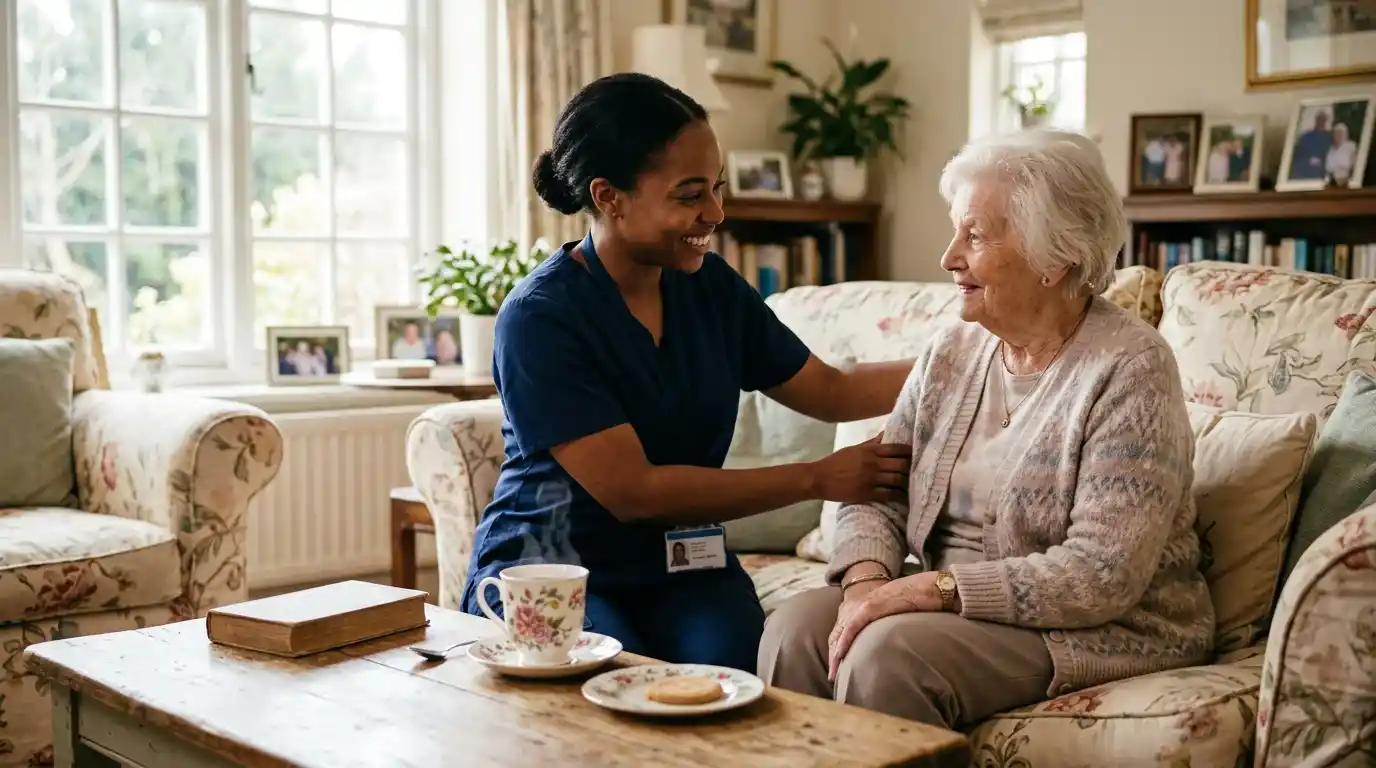
What Are You Actually Paying for Your Home Care Aide?
When a family sees a $30, $35, or $40 hourly home care rate, the first question is often simple: How much of that money actually pays the caregiver? The answer depends on whether care comes through an agency or a private caregiver. The bill can also cover payroll costs, insurance, scheduling, training, supervision, and backup support. If you’re comparing care options, the hourly number is only part of the picture. In this guide, I’ll explain what sits behind a home care hourly rate, why two caregivers can have different prices, what can raise the bill, and how to compare cost with the support you actually receive. How Much Does Home Care Cost Per Hour in 2026? In 2026, the national median private-pay rate for nonmedical home care is about $34 per hour, while state median rates can vary from about $25 to $44. Colorado’s median rate is listed at $40 per hour. Your actual home care cost can differ based on location, hours, care needs, and provider pricing. That number gives you a starting point, not a guaranteed quote. A Place for Mom reports that its 2026 home care data came from hourly starting rates shared by 3,215 agencies in its network, with data captured in January 2026. For example, at a $34 hourly rate, 20 hours of care each week would be about $2,944 per month before any provider-specific fees. The monthly bill changes quickly when the schedule increases. Weekly care Approximate monthly cost at $34/hour 10 hours $1,472 20 hours $2,944 30 hours $4,416 40 hours $5,888 60 hours $8,832 These figures are simple planning examples. They don’t account for different local rates, minimum-hour rules, holiday pricing, or special care charges. The Real Hourly Rate: What’s Actually Inside It When an agency quotes a rate of $35 per hour, many families assume the individual worker takes home that full amount. In reality, an agency rate covers a complex operational structure designed to protect both the worker and your home. Here is where every dollar goes when you pay an established care provider: 1. Direct Caregiver Wages Direct pay makes up the largest portion of the fee, usually $18 to $22 per hour depending on regional wage laws and worker experience. Paying competitive wages ensures lower staff turnover and attracts compassionate, reliable staff. 2. Mandatory Employment Taxes and Insurance To hire a home care helper legally means heavy payroll taxes (FICA, state and federal unemployment) and necessary worker’s compensation insurance. Worker’s comp is a must in personal care as lifting and physical transfers are high risk for back injury. 3. Background Checks, Vetting, and Credentialing Reputable agencies absorb the cost of multi-state criminal background screenings, motor vehicle record checks, drug panels, and ongoing continuous education. This infrastructure ensures the aide entering your loved one’s house is thoroughly screened and qualified. 4. Registered Nurse Oversight and Administration You are paying for the aide’s time and you are paying for clinical oversight. This involves an initial assessment by a Registered Nurse (RN), individualized care planning and regular supervisory visits to alter care as health conditions change. It also includes 24/7 staffing dispatchers who respond to emergency call outs so your parent is never alone. Home Care Agency vs. Private Caregiver: What Are You Paying For? An agency rate usually includes a support system around the caregiver, while a private caregiver may offer a lower direct hourly price with more responsibilities placed on the family. The cheaper hourly number isn’t necessarily the cheaper overall arrangement once hiring, payroll, scheduling, taxes, insurance, and backup care are considered. The Legal Realities of Becoming a Household Employer If you pay an independent caregiver directly over the IRS threshold in a calendar year, you become a legal household employer. You are responsible for withholding income taxes, paying the employer share of Social Security and Medicare, and filing federal unemployment tax returns. Liability Exposure and Workplace Injuries If an independent aide slip and falls in your parent’s bathroom or pulls a muscle while assisting with bathing assistance, your standard homeowner’s insurance policy may deny the claim. Without private worker’s compensation insurance, you could face personal financial liability for medical bills and lost wages. The Sick Day Dilemma Caregiver burnout and personal emergencies happen. When an independent aide calls in sick, you or another family member must take unpaid leave from work to fill the gap. An agency guarantees immediate backup staff so your loved one never goes without meal preparation or medication reminders. Factors Influencing the Cost of In-Home Care No two care plans are identical, and pricing varies widely based on specific daily needs. Understanding these core elements helps you anticipate your overall monthly bill. Level of Care Required Services generally fall into two categories: Companion Care and Homemaker Services: Focuses on non-physical support such as meal preparation, light housekeeping, running errands, and light social engagement. These services carry lower hourly billing rates. Personal Care Support: Involves hands-on assistance with activities of daily living (ADLs), including bathing assistance, dressing assistance, toileting assistance, and safe transfer support. Hands-on care requires higher training and commands a higher rate. Specialized Knowledge and Health Conditions If your family member lives with advanced Alzheimer’s, Parkinson’s, or chronic mobility issues, they require aides trained in memory care or specialized transfer techniques. Aides with Certified Nursing Assistant (CNA) credentials or dementia certifications typically receive higher hourly compensation. Geography and Local Regulations State regulations, urban cost-of-living indexes, and local minimum wage laws heavily impact private pay rates. Rural areas in southern states average closer to $25 to $30 per hour, while metropolitan markets in New England or the Pacific Northwest easily exceed $40 per hour. What Can Make Your Home Care Rate Higher? Contract terms contain operational clauses that alter your hourly rate beyond the basic baseline quote. Paying close attention to these common surcharges prevents unexpected bills: Short-Shift Minimums: Most agencies enforce a 4-hour shift minimum. Booking an aide for only 1 or 2 hours for morning dressing assistance or meal prep

What’s the Difference Between a Caregiver and a CNA?
Navigating support options for an aging parent or recovering family member often feels overwhelming. Choosing between non-medical assistance and skilled medical care is one of the most critical decisions you’ll make for their safety and comfort. Understanding the difference between a caregiver and a CNA helps you select the right support level while protecting your family budget. A caregiver provides hands-on personal help with daily routines, whereas a Certified Nursing Assistant (CNA) delivers basic medical care under a licensed nurse’s supervision. What Is a Caregiver? A caregiver is a professional or family member who provides non-medical assistance with daily living activities. They help seniors and individuals with chronic conditions stay safe and independent at home by handling routine personal care, household tasks, and companionship without performing clinical or medical procedures. Caregivers focus on daily personal support rather than clinical treatment. They form the backbone of home care services, allowing individuals to age in place safely. Caregivers assist with essential tasks known as Activities of Daily Living (ADLs). These responsibilities include: Bathing, grooming, and dressing assistance Mobility support, positioning, and transfers Incontinence management and restroom assistance Companion support and emotional engagement In addition to personal care, caregivers manage light housekeeping, meal preparation, medication reminders, and transportation to medical appointments. No formal state medical license is required to work as a professional caregiver. Agencies provide background checks, hands-on training, and CPR certification to ensure client safety. What Is a CNA? A Certified Nursing Assistant, or CNA, is a healthcare worker licensed by the state to provide basic nursing care under a nurse’s direction. They measure vital signs, record health changes, and assist with clinical tasks in hospitals, nursing homes, and private homes. CNAs bridge the gap between basic daily assistance and formal medical supervision. They complete state-approved education programs and pass board exams to earn credentials.While a caregiver focuses exclusively on personal support, a CNA monitors health conditions. Typical duties include: Recording vital signs like blood pressure, pulse, and temperature Monitoring fluid intake, output, and nutritional tracking Assisting nurses with basic wound dressings and medical equipment Reporting physical changes or health declines to medical staff CNAs work in hospitals, rehabilitation centers, memory care units, and home health agencies. Their training equips them to handle complex mobility transfers and clinical observations. Job Duties: Caregiver vs. CNA Understanding duty limits prevents safety risks and unexpected costs. Misinterpreting these roles can lead to hiring the wrong provider for your family’s needs. Service or Task Professional Caregiver Certified Nursing Assistant (CNA) Bathing & Dressing Assistance Yes Yes Meal Prep & Housekeeping Yes Yes Vital Signs Monitoring No Yes Medication Administration Reminders Only Under Supervision (State laws vary) Catheter Care & Medical Equipment No Yes Companionship & Transportation Yes Limited in clinical settings Caregivers focus on domestic and personal stability. They keep the home clean, cook balanced meals, and offer steady social interaction. CNAs handle personal care while tracking physical health metrics. If a client’s health status shifts, the CNA documents changes for the primary nurse or physician. Education: Caregiver vs. CNA Educational standards mark a major distinction between non-clinical and certified support staff. Caregiver training centers on safety, client dignity, and practical assistance skills: Entry Requirements: High school diploma or GED equivalent Skills Training: 8 to 40 hours of agency orientation covering transfer techniques, dementia communication, and safety protocols Certifications: First Aid, CPR, and specialized agency modules To earn state certification, a CNA completes formal medical education: Training Program: 75 to 180 hours of state-approved classroom instruction and clinical practice Clinical Rotations: Mandatory hands-on training inside licensed healthcare facilities State Examination: Passing score on written and practical skill exams Continuing Education: Annual training hours required to maintain active state registry status Standard caregiver tracks differ from clinical preparation programs like the health care services NC II vs caregiver certification frameworks or formal nurse assistant TESDA training used internationally to prepare staff for clinical roles. Work Options for Caregivers and Certified Nursing Assistants Both roles operate across multiple settings depending on client needs and medical requirements. Professional caregivers typically work in private residences, senior living communities, and adult day centers. They offer flexible hourly blocks, overnight coverage, or 24/7 live-in support. CNAs practice in diverse environments: Hospitals and Acute Care: Assisting floor nurses with patient care routines Skilled Nursing Facilities: Providing long-term personal and health tracking support Rehabilitation Centers: Helping patients regain physical mobility after injury Home Health Agencies: Delivering physician-ordered medical visits at home CNAs handle clinical demands, while caregivers provide ongoing home support that prevents senior isolation and burnout. Caregiver vs. CNA: Quick Comparison Caregiver CNA State license required No Yes Typical training Agency-provided, varies by state 75 to 180 hours, state-approved program Can check vital signs Generally no Yes Works under nurse supervision Not required Yes, by law Common settings Private homes, assisted living Nursing homes, hospitals, home health Renewal requirement Agency policy State registry, typically every 2 years When people search for what’s the difference between a caregiver and a CNA, this table usually answers the question in ten seconds. The difference between caregiver and CNA roles isn’t about which one is “better.” It’s about which one matches the kind of help your loved one actually needs. Caregiver vs. CNA Cost: What Do Families Pay? Care options vary significantly in cost depending on skill levels, clinical requirements, and geographic location. Caregiver Rates: Non-medical home care ranges from $27 to $35 per hour nationally. CNA Rates: Certified nursing assistant care ranges from $32 to $45 per hour due to medical training requirements. Private health insurance and original Medicare do not cover non-medical home care services. Families pay out-of-pocket, through long-term care insurance policies, or via Medicaid waiver programs. If a physician prescribes skilled home health services, Medicare may cover short-term CNA visits alongside physical therapy or skilled nursing care. How to Decide Which One Your Loved One Needs To decide between a caregiver and a CNA, assess your loved one’s medical stability and daily support requirements. Choose a caregiver if they need companion
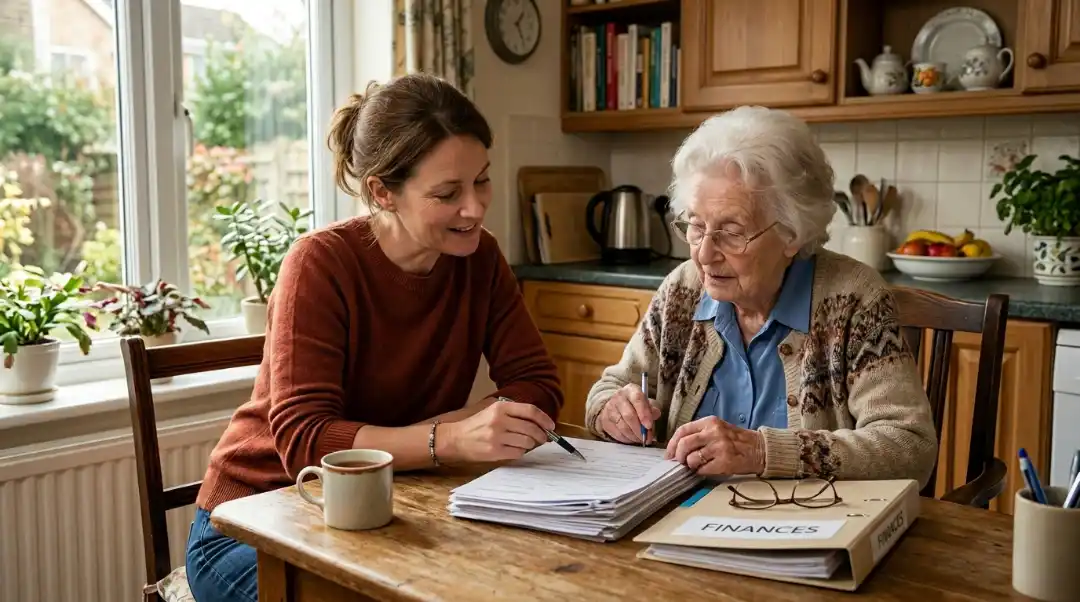
How Much Do Family Members Get Paid for Caregiving?
You’re caring for a parent, a spouse, or a sibling, and the hours keep piling up. Between doctor’s appointments, meal prep, and sleepless nights, you’ve probably wondered if any of this work comes with a paycheck. That question is fair. Caregiving is real work, and money stress on top of it makes an already hard job harder. Here’s the quick answer: family caregivers typically earn somewhere between $12 and $25 an hour through Medicaid programs, or a monthly stipend of roughly $1,900 to $3,800 through VA caregiver benefits, depending on where you live and which program you qualify for. This guide breaks down how much do family members get paid for caregiving, which programs actually pay, what the paperwork looks like, and what to expect once the money starts coming in. By the end, you’ll know exactly where to start. Understanding Family Caregiver Employment Programs Family caregiver employment programs allow seniors and adults with disabilities to hire trusted family members as paid care providers. These initiatives redirect public or private health funding directly to family members who assist with daily personal needs, keeping individuals comfortable at home rather than moving into facility care. States across the country run self-directed care options within public health plans. Under these frameworks, the person receiving care acts as the legal employer. They select their preferred caregiver, manage weekly hours, and approve timesheets. If you take on this role, you perform non-clinical duties like assistance with bathing, dressing, meal preparation, mobility, and medication reminders. Rather than paying a traditional home care agency, state or private insurance funds pay you directly via direct deposit or check. Can a Family Member Get Paid for Caregiving? Yes, a family member can get paid to be a caregiver through Medicaid waivers, Department of Veterans Affairs programs, long-term care insurance policies, or private employment agreements. Most state options allow adult children, siblings, and extended relatives to receive hourly wages for non-clinical home assistance. Eligibility depends heavily on the care recipient’s financial situation and medical needs. The person receiving assistance must require help with basic routines to qualify for funded programs. Family Relationship Medicaid HCBS Waivers VA Programs (PCAFC) Personal Contracts Adult Children Approved in most states Approved Approved Spouses Restricted in many states Restricted (Allowed in VDC) Approved Parents of Adult Kids Approved Approved Approved Siblings & Grandchildren Approved Approved Approved Program policies set distinct rules on who can serve as an employee. While adult children commonly receive pay, spouses face stricter limits under standard state Medicaid programs. However, options like Veteran Directed Care offer flexible arrangements that allow spouses to receive hourly pay for taking care of family member needs. Factors That Influence Family Caregiver Pay Family caregiver pay rates vary based on state Medicaid budgets, regional cost of living, care recipient medical needs, and specific funding sources. Hourly wages typically follow local minimum wage laws or Medicaid reimbursement limits, while weekly hour caps limit total earnings. Regional Wage Caps and Local Budgets Medicaid reimbursement rates differ significantly between states. A caregiver performing identical duties in California or New York receives a higher hourly base rate than one in Mississippi or Alabama due to regional wage mandates and state legislative funding allocations. Assessed Level of Care Needs State case managers evaluate care recipients using standardized assessment tools. Individuals requiring extensive physical assistance or constant supervision for cognitive conditions qualify for more authorized weekly hours, directly increasing the total compensation a family caregiver receives each month. Programs That Pay Family Members for Caregiving Several distinct programs exist, and knowing which one fits your situation saves you weeks of confusion. Medicaid Waiver Programs Medicaid is the single biggest source of family caregiver pay in the country. Every state and Washington D.C. now offers at least one Home and Community-Based Services (HCBS) waiver that lets a care recipient direct their own funding toward a family caregiver instead of an outside agency. Consumer Directed Personal Assistance Programs, known as CDPAP in New York and by other names elsewhere, work the same way. Some states also offer Community First Choice, a state plan option with no waiting list where available. VA Caregiver Support Program Veterans have more paths to paid family care than most people realize. The Program of Comprehensive Assistance for Family Caregivers (PCAFC) pays a monthly stipend directly to a veteran’s primary caregiver when the veteran was seriously injured in the line of duty. Separately, the Aid and Attendance pension benefit adds extra monthly income for veterans or surviving spouses who need daily help, and Veteran Directed Care gives a monthly budget the veteran can use to pay almost any relative, spouses included. Structured Family Caregiving This model works best when you live with the person you’re caring for. Instead of an hourly wage, you receive a set daily stipend and partner with an approved home care agency that checks in regularly and helps you document care. It sits somewhere between casual family help and a licensed home health job. Paid Family Leave and Other Options If you’re still working, paid family leave laws in states like California, New York, and Washington let you take up to 12 weeks off at partial pay to care for a seriously ill relative. It’s temporary, but it covers you while you sort out longer term options. Long-term care insurance is another route if your loved one has a policy, since some plans pay family members directly rather than requiring an outside agency. And if there’s no public program available, a personal care agreement, a written contract between you and your family member, lets them pay you privately while protecting both of you legally and for tax purposes. State-by-State Breakdown of Family Caregiver Pay Here’s a general picture of what family caregivers earn in different parts of the country: State Common Program Approximate Hourly Rate New York CDPAP $17 – $21/hr California IHSS $16 – $20/hr Washington COPES Waiver $17 – $19/hr Pennsylvania Medicaid Waiver (HHA) $13 – $16/hr Colorado Family CNA Program $14 –

What Are the Duties and Responsibilities of a Caregiver?
Managing the daily needs of an aging parent or a family member living with a chronic illness can quickly feel overwhelming. You want to give them the best support possible while protecting their independence, but knowing where to start isn’t always clear. Taking on this role brings up a lot of questions about daily routines, safety, and health management. By understanding the exact expectations, you can provide confident care and prevent feeling burned out. This guide breaks down what a caregiver actually does every day, from hands-on personal support to crucial legal and medical tasks. Here is a look at what are the duties and responsibilities of a caregiver and how you can manage them effectively. What Does a Caregiver Do? A caregiver assists individuals who face challenges with daily living due to aging, chronic illness, or disability. Their primary responsibilities include personal hygiene care, meal planning, medication reminders, light housekeeping, transportation, and emotional support. Caregivers act as essential partners in health management. They help individuals maintain independence while providing peace of mind for family members. Understanding what are the duties and responsibilities of a caregiver begins with recognizing that daily care split into two distinct categories: Activities of Daily Living (ADLs): Fundamental self-care tasks including bathing, dressing, eating, toileting, and transferring from a bed to a chair. Instrumental Activities of Daily Living (IADLs): Complex organizational tasks required for independent living, such as grocery shopping, preparing meals, managing finances, managing transportation, and keeping up with household maintenance. By assisting with both ADLs and IADLs, caregivers bridging the gap between total independence and total reliance on institutional facilities. Core Duties and Responsibilities of a Caregiver Understanding what are the duties and responsibilities of a caregiver starts with the daily, hands-on tasks that keep someone safe, comfortable, and cared for. Daily Personal Care Support Personal care forms the foundation of daily assistance for those with limited physical abilities. We focus heavily on activities of daily living, which professionals call ADLs. These tasks include helping your loved one get out of bed, get dressed, and wash up safely. Dignity is the most critical element during these close interactions. We must ensure our loved one feels respected, not embarrassed, when they need help with toileting or bathing. Consistent routines help reduce anxiety and create a predictable environment for them. Medication reminders and health-related support Caregivers assist people to deal with everyday life when age, disability, disease or limited mobility make some activities more difficult. Medication management is not the same as medication administration. Caregivers should not adjust doses, diagnose problems or make treatment decisions unless they have the proper authorization, training and direction. But primarily personal care aides provide nonmedical services, says the Bureau of Labor Statistics; certain home health aides may do some prescription or vital-sign activities under healthcare supervision. Meal Preparation and Nutrition Caregivers prepare meals based on the patient’s specific dietary needs. Some patients require soft foods, low-sodium diets, or thickened liquids due to swallowing difficulties. Go with what the person enjoys eating especially in later stages of illness. Nutrition matters, but comfort matters too. Friends and family can often help with meals; accepting that help isn’t a weakness, it’s smart. Healthcare and Medication Oversight Managing a person’s medical needs requires careful organization and steady attention. We must track all prescriptions, watch for side effects, and schedule regular doctor visits. A minor mistake in timing can cause major health setbacks for an older adult. We also serve as the main link between the individual and their medical team. We write down symptoms, track vital signs, and share updates with doctors clearly. This active communication ensures the care plan remains accurate and effective. Companionship and Emotional Support This part of the job doesn’t show up on a checklist but it’s just as important as physical care. Sitting with someone, having a conversation, reading aloud, or simply being present matters deeply to a person’s mental well-being. Loneliness is a serious health risk for elderly patients. Companionship care isn’t a luxury, it’s part of the job. Transportation and community activities Transportation can help with medical appointments, necessities, family visits, and community activities. Caregivers should consider mobility limits, vehicle safety, weather, and safe entry and exit. Safety and supervision Safety can include keeping walkways clear, checking that commonly used items are within reach, watching for fall hazards, and following the person’s emergency plan. Supervision may be especially important for someone with cognitive impairment or a high risk of wandering. A caregiver should report serious changes rather than trying to solve a medical emergency alone. What Caregivers Should Know When Providing Personal Care Personal care is often the most sensitive part of the job, and it’s worth doing right. Helping someone bathe or use the bathroom touches on dignity, not just hygiene, so the approach matters as much as the task itself. A good rule of thumb: let the person do whatever they can still do on their own. If someone can still hold a washcloth, hand it to them instead of doing it for them. This keeps their sense of independence intact and slows the loss of physical ability that comes from being over-helped. Skin checks matter here too. Caregivers who assist with bathing are often the first to notice a new bruise, a pressure sore, or swelling that needs a doctor’s attention. Catching these early can prevent a small issue from turning into a hospital visit. Dressing and Hygiene Routines Choosing the right clothing choices makes daily dressing much faster and safer. We recommend soft fabrics with elastic waistbands or simple closures instead of complicated buttons. These choices allow seniors to dress themselves as much as possible, boosting their self-confidence. Oral and Nutritional Care Oral health directly affects how well an older adult can eat and speak. We assist with brushing and flossing to prevent cavities and painful infections. Clean teeth make meals much more enjoyable and protect overall systemic health. When we look at dietary needs, meal preparation involves more than just
