
Uncategorized

What Is PCP in Healthcare?
If you’ve seen “PCP” on a medical form, insurance card, or appointment page, you may wonder what those three letters mean. PCP usually stands for primary care provider, the healthcare professional who provides routine care, treats common health problems, monitors ongoing conditions, and helps coordinate care with specialists when needed. For many people, a PCP becomes the main point of contact for non-emergency healthcare. What Is PCP in Healthcare? It’s a term that can refer to a primary care provider or, depending on the context, a primary care physician. The wording can be confusing because health plans and medical offices may use “PCP” slightly differently. This guide explains the medical meaning of PCP, what a PCP does, who can serve as one, how PCPs work with specialists, and what the term means when you’re choosing health insurance. What Does PCP Mean in Healthcare? PCP stands for primary care provider or primary care physician in medical terminology. It refers to a licensed healthcare practitioner who serves as your main entry point into the medical system, offering routine health maintenance, preventive screenings, early symptom diagnosis, and referrals to specialized clinical treatments. When people ask what PCP means in medical contexts, they are usually trying to understand who handles their day-to-day healthcare. Your primary practitioner is the doctor, nurse practitioner, or physician assistant you see for annual physicals, routine blood tests, flu shots, and sudden non-emergency health concerns like a persistent cough or joint pain. In insurance policies, the abbreviation also defines the designated doctor who manages your overall care plan. Having one dedicated clinician ensures someone has a complete view of your medical background, current medications, and long-term health goals. What Does a Primary Care Physician Do? A primary care physician provides continuous medical care, manages chronic health conditions, performs routine physical checkups, orders diagnostic tests, and coordinates treatment plans with outside medical specialists. They act as your long-term health advocate, keeping track of your overall physical and mental well-being over time. Rather than treating a single organ or specific illness, your primary provider looks at your whole health profile. Their ongoing responsibilities generally include: Preventative Screenings: Conducting routine blood pressure checks, cholesterol panels, cancer screenings, and diabetes assessments to catch health issues early. Chronic Condition Management: Monitoring ongoing health issues such as high blood pressure, arthritis, asthma, or type 2 diabetes through regular medication reviews and lifestyle adjustments. Acute Illness Treatment: Diagnosing and treating non-emergency health issues like sinus infections, minor burns, earaches, or skin rashes. Specialist Referrals: Connecting you with cardiology, neurology, or physical therapy specialists when advanced care becomes necessary. Health Education: Offering practical advice on nutrition, exercise, fall prevention, and age-related bodily changes. Types of Primary Care Providers The primary care provider category includes family medicine doctors, internal medicine physicians, geriatricians, pediatricians, nurse practitioners, and physician assistants. Each type of practitioner brings specialized training suited for different age groups, life stages, and specific physical health requirements. Choosing the right type of practitioner depends heavily on your age, current health status, and family situation: Family Medicine Physicians Family doctors treat patients of all ages, from infants to seniors. They are an ideal choice if you want your entire household to see the same practitioner under one clinic roof. Internal Medicine Physicians (Internists) Internists focus exclusively on adult medicine. They specialize in preventing, diagnosing, and managing complex medical conditions in adults and older individuals. Geriatricians Geriatricians are board-certified physicians who undergo specialized training to care for older adults. They focus on age-related concerns, including mobility challenges, memory changes, dementia, and managing multiple daily medications. Nurse Practitioners (NPs) and Physician Assistants (PAs) NPs and PAs are advanced practice providers who diagnose illnesses, prescribe medications, and manage patient care. They work independently or alongside doctors, offering accessible and thorough primary care. PCP vs. Specialist: What’s the Difference? A PCP provides general, long-term healthcare for your entire body, while a specialist focuses on a single organ, body system, or specific disease. You see your primary clinician for routine checkups, while specialists handle advanced, complex medical conditions. Think of your primary practitioner as the project manager of your medical team. If you develop persistent knee pain, your primary care clinician performs the initial exam and orders X-rays. If the issue requires surgery or targeted joint therapy, they connect you with an orthopedic specialist. Care Feature Primary Care Provider Medical Specialist Scope of Care Whole-body wellness and general health Specific organ, system, or condition Appointments Regular annual visits and sudden minor illnesses Short-term or targeted ongoing consultations Insurance Access Direct scheduling (usually no referral required) Often requires a formal referral from a primary doctor Examples Family Doctor, Internist, Geriatrician Cardiologist, Dermatologist, Oncologist What is PCP Health Insurance Meaning? In health insurance terms, a primary care provider is the designated medical professional responsible for directing your covered care, managing treatment plans, and issuing formal referrals required by specific insurance plans like HMOs to cover specialist visits. Understanding health insurance terms helps avoid unexpected medical bills. Depending on your health plan structure, your assigned practitioner plays a major role in how you access care: Health Maintenance Organization (HMO): HMO plans typically require you to pick a specific primary provider from their network. You must get an official referral from them before seeing any specialist. Preferred Provider Organization (PPO): PPO plans offer more flexibility. While having a primary practitioner is encouraged, you can usually see specialists without a direct referral. Medicare & Medicaid: Traditional Medicare allows you to visit any doctor accepting Medicare. Managed Medicare Advantage plans often require a designated primary physician to streamline clinical services. How to Choose the Right PCP for You To choose the right primary care provider, search your health insurance network directory, ask for recommendations from trusted family members, evaluate the clinic’s office location, check provider hospital affiliations, and confirm their experience with your specific health conditions. Finding a supportive clinician makes managing long-term health far less stressful. Consider these practical steps during your search: Check Insurance Coverage: Always verify that

What Causes Low Blood Pressure in Seniors?
Watching a parent go pale and grab the counter after standing up is unsettling, and you’re right to want a real answer instead of guesses. Low blood pressure in older adults usually comes from one of a handful of causes: dehydration, certain medications, heart or nerve problems, or the body’s slower response to changes in position. What causes low blood pressure in seniors isn’t always serious, but it’s worth understanding because the dizziness that comes with it is a leading reason older adults fall. This article walks through the specific medical causes behind low readings, the symptoms that matter most, and when a drop in blood pressure crosses from “keep an eye on it” into “call the doctor now.” You’ll also find practical steps for managing it day to day, plus where extra support at home can make a real difference. Understanding Low Blood Pressure: A Guide for Seniors If you just watched a parent or spouse get dizzy standing up from the couch, you’re probably scared, and that’s a fair reaction. A sudden wobble, a pale face, or a fainting spell in an older adult is unsettling no matter how many times you’ve seen it before. Here’s the short answer: low blood pressure in seniors is usually caused by medication side effects, dehydration, heart conditions, or nervous system changes that come with age, and most cases are manageable once the cause is identified. This guide walks through what causes low blood pressure in seniors, the different types you’ll hear a doctor mention, the warning signs worth tracking, and what actually helps. No medical degree required to follow along. By the end, you’ll know what questions to ask a doctor and what to watch for at home. What Is Low Blood Pressure? Low blood pressure, also called hypotension, is a reading below 90/60 mmHg. The top number (systolic pressure) reflects force when the heart beats. The bottom number (diastolic pressure) reflects the pressure between beats. When either drops too low, vital organs don’t get enough blood flow. Blood pressure is measured in millimeters of mercury (mmHg). A typical healthy reading sits around 120/80 mmHg. Anything at or below 90/60 mmHg is generally considered low. But in seniors, even a reading slightly above that threshold can cause symptoms, especially if blood pressure drops suddenly. Think of the circulatory system like a garden hose. If water pressure drops too low, not enough water reaches the plants at the far end. The same principle applies to blood reaching the brain, kidneys, and heart. Blood Pressure Category Systolic Pressure (Top Number) Diastolic Pressure (Bottom Number) Action Required for Seniors Normal 90 to 120 mmHg 60 to 80 mmHg Maintain current healthy lifestyle habits. Borderline Low 90 to 95 mmHg 60 to 65 mmHg Monitor closely for any signs of dizziness. Hypotension Below 90 mmHg OR Below 60 mmHg Consult a physician for a full medication review. Types of Low Blood Pressure Common in Seniors The two primary types of low blood pressure seen in aging adults are orthostatic hypotension (standing-related drops) and postprandial hypotension (post-meal drops). Both types stem from delayed vascular adjustments during routine physiological shifts. Orthostatic (Postural) Hypotension Orthostatic hypotension is a sudden drop in blood pressure that happens when moving from a sitting or lying position to a standing stance. Gravity pulls blood down toward the legs, and aging vascular reflexes fail to constrict veins quickly enough to pump blood back to the head. This causes quick dizzy spells that last a few seconds or minutes. Clinical Insight: Including a simple routine of sitting on the edge of the bed for 60 seconds before standing significantly reduces fall risks tied to postural drops. Postprandial Hypotension Postprandial hypotension occurs roughly 30 to 120 minutes after eating a meal, as blood diverts toward the digestive system to process food. Because the heart cannot compensate by speeding up sufficiently elsewhere, systemic blood pressure falls. Eating smaller, low-carbohydrate meals spread throughout the day helps manage this response. What Causes Low Blood Pressure in Seniors? The main factors behind what causes low blood pressure in seniors include chronic dehydration, prescription side effects, age-related cardiovascular shifts, and autonomic nervous system disorders like Parkinson’s disease or diabetes. These factors lower fluid volume or disrupt normal vascular constriction. Here is a closer look at how these common triggers affect daily senior health: 1. Dehydration and Fluid Loss Dehydration reduces overall blood volume, which causes blood pressure levels to plummet quickly and limits proper circulation to key organs. Seniors often experience a diminished sense of thirst or avoid drinking fluids to manage incontinence concerns. When body water levels drop, the vascular system struggles to maintain consistent pressure, making dehydration the leading culprit behind low bp in elderly adults. 2. Prescription Medications and Over-Medication Certain medications lower blood pressure by widening blood vessels or reducing total fluid weight. Common drug categories linked to causes of hypotension in elderly populations include: Diuretics (water pills): Flushing out excess sodium and water lowers overall blood volume. Beta-blockers: Slower heart rates reduce cardiac output, dropping systemic pressure. Parkinson’s drugs: Levodopa directly affects blood vessel response during positional changes. Antihypertensives: Over-correcting for high blood pressure can cause readings to dip too low. 3. Structural Heart Conditions Heart problems prevent the heart muscle from pumping blood forcefully or quickly enough to maintain safe pressure levels throughout the body. Extremely slow heart rates (bradycardia), valve disorders, previous heart attacks, or heart failure limit cardiac output. When the heart can’t adjust to physical demands, blood pressure drops during routine movement. 4. Endocrine and Metabolic Imbalances Hormonal disruptions interfere with the body’s natural fluid retention and vascular tightness controls. Conditions like thyroid disorders (hypothyroidism), adrenal insufficiency (Addison’s disease), or low blood sugar (hypoglycemia) disrupt normal blood pressure stabilization. Additionally, long-term diabetes can damage the autonomic nerves that signal blood vessels to constrict when moving. 5. Nutritional Deficiencies Nutritional anemia limits the creation of healthy red blood cells, forcing the heart to work harder to carry oxygen and lowering baseline

How In-Home Care Improves Quality of Life for Seniors: A Complete Guide for Families
If your dad has just had a tumble down the stairs, or your husband can’t do the stairs like he once could, you already know the concern that keeps you up at night: Is home still the safest place for them? You wouldn’t be incorrect in asking it. We hear this same worry from families every week, and the short answer is this: in-home care helps seniors stay where they feel most like themselves while obtaining the daily attention that keeps them safe. We’ll cover: how home-based care safeguards independence, how it boosts physical and mental health, what it means for families who feel stretched thin, and what to actually look for when evaluating options. We’ll also direct you to what types of data and research you should trust before you decide. By the conclusion, you’ll have a clear image of how in-home care enhances quality of life for seniors, not just in theory, but in the small everyday moments that add up to a better life at home. The Benefits of Home Care in Enhancing Seniors’ Quality of Life Home care changes daily life in ways that are easy to underestimate until you see them up close. A senior who gets help bathing, dressing, and preparing meals isn’t just getting tasks done. They’re keeping their routine, their dignity, and their say in how their day goes. Quality of life home care isn’t only about safety, though that matters. It’s about a person still deciding what time they eat breakfast, which chair they sit in, and who they spend the afternoon with. Those small choices add up to something bigger: a sense of control that many seniors lose the moment they move into an unfamiliar facility. Family caregivers benefit too. When a trained aide handles the physical demands of care, adult children get to go back to being a son or daughter instead of a full-time nurse. That shift alone tends to lower tension in the household. The Critical Role of Companionship in Senior Happiness and Mental Health Companionship reduces loneliness in seniors by giving them regular, predictable human contact, which lowers the risk of depression and cognitive decline. A caregiver who visits consistently becomes a familiar face, not just a service provider, and that relationship supports both mood and mental sharpness over time. Isolation is one of the quieter risks of aging. A senior living alone might go days without a real conversation, especially if family lives far away or works long hours. That kind of silence wears on a person, even if they’d never say so out loud. An in-home caregiver changes that pattern. They talk during meals, sit through a favorite show, or take a slow walk around the block. These moments look small, but they’re often the highlight of someone’s week. Supporting Physical and Mental Health through In-Home Care Services Physical wellness and mental health depend directly on consistent daily care habits and regular routines. Professional aides help aging individuals stay active, eat nutritious meals, and stick to recommended wellness plans. Caregivers offer gentle encouragement for light physical exercises, stretching, or doctor-recommended mobility routines. They also ensure timely medication reminders so prescriptions are taken as directed by physicians. Mental stimulation is equally important for overall health. Caregivers engage seniors in brain games, reading, and creative hobbies that keep cognitive faculties sharp and active. Creating a Safe and Comfortable Home Environment for Seniors Preventing accidents is essential for protecting senior independence. The Centers for Disease Control and Prevention (CDC) reports that more than one out of four older adults falls each year. A single fall can lead to severe injuries, hospital stays, and a permanent loss of mobility. In-home care addresses safety hazards directly inside the home. Proactive Fall Prevention and Mobility Assistance Caregivers are trained to identify everyday safety hazards. They help remove tripping obstacles, ensure pathways are well-lit, and provide steady physical support when seniors transfer from beds or chairs. Having a watchful aide nearby gives seniors the confidence to move around safely rather than staying seated out of fear. Medication Reminders and Daily Structure Forgetting to take medication—or taking wrong dosages—is a primary cause of emergency room visits among older adults. Non-medical caregivers provide timely medication reminders, help organize pill boxes, and encourage adequate hydration and regular meal schedules. How In-Home Care Helps Seniors With Chronic Conditions Managing ongoing conditions like heart disease, diabetes, or arthritis requires daily effort and consistency. In-home care supports chronic condition management by establishing reliable daily routines that prevent sudden health complications. Supporting Routine and Symptom Tracking Caregivers notice small changes in energy levels, appetite, or physical mobility before they develop into major emergencies. By keeping a consistent routine for meals, rest, and light movement, caregivers help keep chronic conditions stable. Post-Hospitalization Recovery Support Returning home after a surgery or hospital stay carries a high risk of readmission if post-discharge instructions are missed. In-home care aides assist with meal prep, mobility support, and daily monitoring to ensure a smooth, safe recovery process at home. 7 Ways In-Home Care Improves Quality of Life Knowing how in-home care improves quality of life for seniors helps families make confident, informed choices about long-term support. Preserves Independence: Seniors keep control over their daily schedules, sleeping habits, and personal choices. Prevents Falls: Hands-on mobility support reduces hazards in high-risk zones like bathrooms and stairways. Ensures Medication Consistency: Timely reminders prevent missed doses and accidental double-dosing. Combats Isolation: Regular social visits from a dedicated companion keep spirits high and reduce loneliness. Supports Nutrition: Aides prepare fresh, balanced meals tailored to specific dietary requirements. Relieves Family Caregivers: Family members get reliable breaks, preventing personal exhaustion and burnout. Customizes Daily Support: Services scale easily from a few hours a week to round-the-clock non-medical coverage. Understanding how in-home care improves quality of life for seniors gives families a practical roadmap to long-term safety. What Are the Benefits of Senior Home Care Facilities? When researching care, families frequently ask: what are the benefits of senior home care facilities?

Does Hospice Cover 24-Hour Care at Home?
Watching a parent or spouse decline is exhausting, and the question comes up fast: does hospice cover 24-hour care at home? You’re not overreacting by asking. Hospice was built for exactly this kind of moment, but its rules around round-the-clock help are narrower than most families expect. Short answer: hospice covers 24-hour care at home only during a medical crisis, not as a standing arrangement. This guide walks through when that coverage kicks in, what the four levels of hospice care include, and what to do if a loved one needs more hands-on help than Medicare pays for. By the end, you’ll know exactly where hospice coverage stops and where you’d need to fill the gap yourself. What Is Hospice Care? Hospice care is specialized medical care focused on comfort and quality of life for individuals facing a terminal illness with a six-month prognosis. Rather than curing disease, hospice manages pain and symptoms through an interdisciplinary team of doctors, nurses, aides, social workers, and chaplains. Hospice centers on comfort care rather than curative treatment. When a cure is no longer possible or desired, the focus shifts toward managing symptoms like pain, nausea, and shortness of breath. The hospice team provides regular home visits, medical equipment, and prescriptions tied to the terminal diagnosis. While they coordinate the care plan, they do not replace the primary day-to-day caregiver. Where Is Hospice Care Available? Anywhere a patient calls home, including private homes, assisted living facilities, nursing homes, and hospice-specific homes, hospice care is offered. Instead of requiring the patient to travel to a facility, Medicare-certified hospice providers send workers to the patient. The patient’s location and needs determine the frequency of visits and coverage. In actuality, this means that a hospice nurse would visit a resident in a nursing home by driving to a suburban residence. Asking a hospice provider directly how frequently someone will actually show up at your house is worthwhile because rural areas can experience less visits due to distance. For patients whose symptoms cannot be treated anyplace else, several hospice groups also run special inpatient units. These are not meant for long-term housing, but rather for brief stays during a crisis. When Should a Person Start Hospice Care? A person should start hospice care as soon as a doctor certifies a terminal illness with six months or less to live. Earlier enrollment means more time to manage pain, plan for what’s ahead, and use the full range of hospice support before a crisis forces the decision. Plenty of families wait too long. In 2024, 53.1% of Medicare decedents died while enrolled in hospice, the highest share on record, according to the National Alliance for Care at Home’s 2025 Facts and Figures report. Even so, a large share of those patients enroll in their final weeks, which cuts into the time hospice actually has to help. Starting earlier gives the team room to build trust and adjust the care plan before things get urgent. Signs a Person Can Benefit from Hospice Care It’s not always obvious when it’s time. A few patterns tend to show up together: Frequent trips to the ER or hospital admissions that aren’t improving anything Noticeable weight loss or loss of appetite over several weeks Sleeping most of the day, or increasing confusion Needing help with basic tasks like bathing, dressing, or eating A caregiver who’s stretched thin and running out of options If two or three of these sound familiar, it’s worth asking the primary doctor for a hospice evaluation. There’s no cost or obligation tied to the conversation itself. Understanding the Four Levels of Hospice Care The four levels of hospice care defined by Medicare are Routine Home Care, Continuous Home Care, Inpatient Respite Care, and General Inpatient Care. Each level responds to specific medical needs, ranging from intermittent daily support to intensive crisis intervention. Routine Home Care This is the baseline level of hospice support. Nurses, aides, and social workers make scheduled visits to your house to assist with symptoms and basic hygiene. Continuous Home Care (CHC) This level offers short-term, 24-hour crisis care directly in your home. It kicks in when acute medical symptoms—like uncontrolled pain or severe respiratory distress—require hands-on nursing care to stabilize. General Inpatient Care (GIP) If symptoms cannot be managed at home, the patient moves temporarily to a hospice facility, hospital, or skilled nursing home for round-the-clock clinical care. Inpatient Respite Care This offers temporary relief for primary family caregivers. Your loved one receives up to five consecutive days of care in an approved facility so you can rest and avoid burnout. How to Request 24-Hour or Continuous Hospice Care Since this level is triggered by a proven medical crisis rather than a scheduling choice, a family can request continuous home care by contacting the hospice team immediately and detailing the patient’s symptoms. The hospice nurse evaluates the patient to ascertain whether the requirements for ongoing care are satisfied. Usually, approval takes place in a matter of hours. This is the source of a great deal of uncertainty. Unlike a service update, a family cannot just order continuous home care. It must be supported by symptoms that regular visits aren’t treating, such as uncontrollable pain, agitation, or breathing difficulties. Home Health vs. Hospice Care: What Is the Difference? Home health care is curative. Hospice care is comfort-focused. Home health helps patients recover from surgery or illness. Hospice supports patients and families when recovery is no longer the goal. These are two completely different types of care with different eligibility rules. Feature Hospice Care Home Health Goal Comfort and quality of life Recovery and rehabilitation Medicare Coverage Yes, under Medicare Part A Yes, with conditions Medications Included Yes No Equipment Included Yes No 24/7 Staff Availability Yes (by phone, by visit during crisis) No Levels of Care 4 1 Bereavement Support Yes No Does hospice come every day? Not under routine care. But the on-call team is reachable 24/7, and a nurse can visit anytime there is an

Home Health Care for Parkinson’s Disease: A Real Guide for Families
Living with Parkinson’s disease can make ordinary tasks such as walking, dressing, bathing, preparing meals, or getting to an appointment harder than they once were. Home-based support can help a person stay safer and more independent while allowing family caregivers to share the daily workload. Home Health Care for Parkinson’s Disease can include skilled medical services ordered by a healthcare provider, while non-medical home care can provide help with personal care, meals, mobility, transportation, household tasks, and companionship. The right mix depends on symptoms, daily needs, safety concerns, and the person’s care plan. What Is Parkinson’s Disease? Parkinson’s disease is a progressive neurological movement disorder affecting balance and muscle control. It happens as the brain slowly loses dopamine-producing cells and leads to tremors, stiffness and slowness of movement. Depression, anxiety, sleep disruption and cognitive changes are equally common and can be equally disabling, as are non-motor symptoms. It is usually a slowly progressive disorder over many years. At first, one might notice a slight shake in one hand or a change in handwriting. Then it becomes harder to walk, the balance may be unpredictable and everyday tasks require much more effort. Parkinson’s is not one size fits all. Some people are able to live independently for ten years or more after diagnosis. In some people the stages proceed more rapidly. That’s why care planning needs to be flexible and tailored, rather than a set timeframe. Can Parkinson’s Disease Be Cared for at Home? Yes, and most people with Parkinson’s do spend the majority of their illness at home. With the right environment, consistent routines, and appropriate support, home care for Parkinson’s disease is not just possible it’s often the best option for quality of life, especially in the early and middle stages. What makes it work isn’t any one thing. It’s a combination: a safe physical space, help with daily tasks, medication taken on schedule, and someone who notices when something changes. When all of those pieces are in place, home becomes a genuinely therapeutic environment. That said, home care isn’t a permanent solution for everyone. As the disease progresses, needs change. Some families eventually reach a point where 24-hour skilled care or a residential facility becomes the safer choice. But that crossroads is often further down the road than people expect. Who Makes Up the Home Care Team? A complete home care team for Parkinson’s consists of non-medical personal care aides, registered nurses, physical therapists, occupational therapists, and speech-language pathologists. Together with your primary neurologist and family, this team adjusts daily support to match changing physical, speech, and mobility needs. Building a strong support network ensures every aspect of the condition gets proper attention. Each team member plays a distinct role in keeping your household running smoothly: Personal Care Aides: Handle hands-on physical support daily. They guide safe walking, help during bath time, and assist with dressing. Physical Therapists: Build exercise routines focused on stride length, balance, and muscle strength to keep you moving safely. Occupational Therapists: Evaluate your living space and recommend practical tools like button hooks, specialized utensils, or grab bars. Speech Therapists: Work on speech volume, vocal clarity, and safe swallowing techniques to prevent choking hazards. Registered Nurses: Oversee medication schedules, monitor symptom updates, and communicate directly with your attending physician. Types of In-Home Care for Someone with Parkinson’s The main types of in-home care include hourly companion care, personal care assistance, specialized memory care, and 24-hour live-in care. Choosing the right care type depends on the level of physical assistance required, safety risks, and how far the condition has naturally progressed over time. Because Parkinson’s symptoms evolve over several years, care plans must remain flexible. You can adjust the level of support as daily needs shift. Care Type Primary Focus Best Suited For Companion Care Social connection, meal prep, light chores Early stages; mild balance or energy changes Personal Care Bathing, dressing, mobility, transfers Middle stages; noticeable movement stiffness Respite Care Temporary relief for family caregivers Ongoing support; preventing caregiver burnout 24-Hour / Live-In Continuous supervision and hands-on aid Advanced stages; high fall risk or night waking Selecting the right setup comes down to identifying where daily frustration happens most. Starting with a few hours of support each week lets everyone get comfortable with outside help before needs become urgent. How to Create a Safe Home Environment for Parkinson’s Creating a safe living environment involves eliminating clutter, enhancing lighting, installing durable safety fixtures, and arranging furniture logically. Open walking paths reduce accidental trips during balance loss. Clear line-of-sight pathways allow individuals with movement challenges to walk between rooms with confidence. Begin safety updates in high-risk areas like bathrooms and stairways. Replace standard doorknobs with lever-style handles that require minimal hand grip strength. Install nightlights along hallway corridors to make nighttime bathroom trips safe. In the bedroom, adjust bed heights so feet touch the floor flatly when sitting on the edge. Place non-slip mats next to the bed frame to prevent slipping during night awakenings. Managing Parkinson’s Symptoms at Home Managing symptoms at home requires strict medication schedules, proactive fall prevention setup, and specialized physical movement techniques. Maintaining consistent medicine timing prevents off-periods where movement becomes difficult. Removing trip hazards, adding bright lighting, and using visual cues helps maintain safe movement through doorways and tight spaces. Medication management remains the foundation of home stability. Carbidopa-levodopa requires precise timing to stay effective throughout the day. A delay of even thirty minutes can trigger severe stiffness or tremors. Home caregivers help enforce rigid daily schedules to keep movement smooth. Mobility challenges often appear suddenly as the condition progresses. Simple environmental adjustments make a massive difference in daily safety: Remove all throw rugs, loose cords, and cluttered items from pathways. Install high-contrast tape on step edges to guide visual stepping. Place sturdy grab bars beside toilets and inside shower stalls. Use laser-line pointers or rhythmic counting to break visual freezing spells. Nutrition and Daily Routine for Parkinson’s Patients A solid daily routine balances timed nutrient-dense meals, steady hydration,
Does Long-Term Care Insurance Cover In-Home Care?
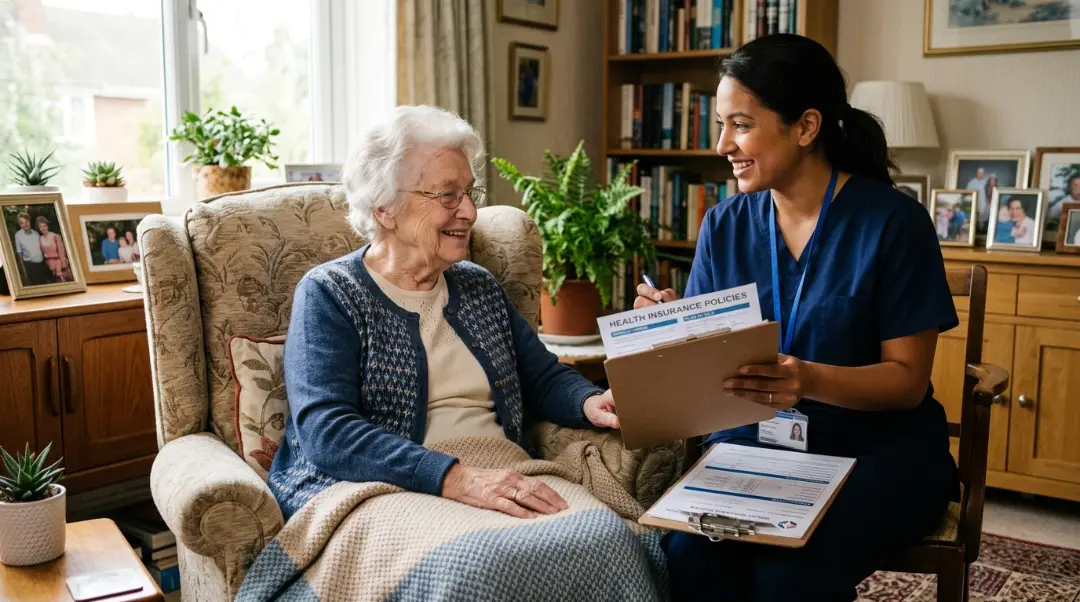
Yes, most long-term care insurance policies cover in-home care, and if you’re reading this, you probably already suspected that but need the specifics before you make a decision or file a claim. You’re not wrong to want a straight answer instead of another wall of insurance jargon. Here’s the promise: by the end of this article, you’ll know what services get covered, what triggers your benefits, how the waiting period works, and what to do if your claim gets denied. So does long-term care insurance cover in-home care in every case? Not automatically. It depends on your policy, your diagnosis, and a few details most people skip over until it’s too late. How Long-Term Care Insurance Covers In-Home Care Long-term care insurance covers in-home care by paying a daily or monthly benefit toward services like personal care, homemaker help, and skilled nursing once you meet your policy’s eligibility requirements. Most modern policies treat home care as a covered setting right alongside assisted living and nursing homes. That wasn’t always true. Older policies written before the mid-1990s sometimes limited benefits to facility care only, so if you’re holding a policy from that era, check the wording closely. Insurers pay benefits one of two ways: reimbursement or indemnity. Reimbursement policies pay you back for actual costs, up to your daily limit, after you submit receipts. Indemnity policies pay a flat amount once you qualify, no matter what you actually spend. Reimbursement is more common, and it’s the type most people mean when they ask about long-term care insurance home care reimbursement. What Types of In-Home Care Services Are Typically Covered? Long-term care insurance policies typically cover personal care assistance, companion care, homemaker tasks, skilled home health nursing, and adult day care services. The care plan must usually be prescribed by a licensed healthcare professional to qualify. Covered in-home services generally include: Personal Care: Assistance with bathing, grooming, dressing, toileting, and mobility. Homemaker Services: Meal preparation, light housekeeping, laundry, and running essential errands. Skilled Nursing: Wound care, medication administration, and physical therapy provided by a Registered Nurse (RN) or Licensed Practical Nurse (LPN). Respite Care: Temporary professional care designed to give family caregivers a short break. Standard home care covered by long term care insurance focuses on functional support rather than intensive medical treatments. What Are the Eligibility Triggers for LTC Benefits? Eligibility triggers for LTC benefits require a licensed physician to certify that you cannot perform at least two Activities of Daily Living (ADLs) or that you suffer from severe cognitive impairment like Alzheimer’s disease. Insurers evaluate two main criteria to approve claims: Activities of Daily Living (ADLs): Standard policies require assistance with two or more of the six core ADLs: bathing, dressing, eating, transferring (moving from bed to chair), toileting, and continence. Cognitive Impairment: If a policyholder has dementia or Alzheimer’s, benefits kick in when supervision is necessary to protect their health and safety, even if they can perform physical ADLs. A physician must submit a formal plan of care documenting these exact needs. Understanding the Elimination Period (The Waiting Period Nobody Talks About) The elimination period is a policy deductible measured in days rather than dollars, requiring you to pay for in-home care out of pocket for 30, 60, or 90 days before insurance payments begin. How your policy counts these days significantly impacts your finances: Calendar-Day Counting: The clock ticks every calendar day once your medical eligibility is certified, regardless of how many days you receive paid care. Service-Day (Paid-Care) Counting: The clock advances only on days you pay a caregiver to enter your home. If you receive care three days a week, a 90-day elimination period takes 30 weeks to satisfy. Knowing how to use ltc insurance to pay for in-home senior care requires planning for these initial out-of-pocket costs during the waiting window. Can You Use Long-Term Care Insurance to Pay for a Home Health Aide? Yes, LTC insurance can pay for a licensed home health aide as long as they work for a licensed home care service and the policy covers custodial care. Some policies have features of cash benefits that allow policyholders to recruit on their own without agency limitations. If your insurance requires an agency, contact the insurer first and check that the agency you choose is an approved provider. Home care organizations that accept LTC insurance will usually do most of the claims paperwork for you, which relieves a lot of load off the family. an a Family Member Be Paid as a Caregiver Under LTC Insurance? A family member can be paid as a caregiver under some long-term care insurance policies, but it depends entirely on your specific plan, since many traditional policies exclude spouses and close relatives from paid caregiver benefits. Cash or indemnity-style policies are far more flexible here because they pay a set amount regardless of who provides the care. Reimbursement policies are stricter. Many require the caregiver to be licensed, trained, or affiliated with a home care agency, which rules out an adult child providing informal help. Some policies make an exception for family members who complete a caregiver training course or get hired through a licensed agency as a formal employee. Step-by-Step: How to File a Claim for In-Home Care Filing an in-home care claim involves notifying your insurer, submitting medical documentation from a physician, completing an assessment, establishing a plan of care, and submitting weekly itemized care invoices. 1.Request Claim Forms and Notify Insurer:Do this as soon as care needs are identified. Contact your policy administrator to open a claim file and request the Home Care Claimant Statement, Attending Physician Statement, and HIPAA release forms. 2.Obtain Medical Certification:Must explicitly state ADL deficits or cognitive impairment. Have your primary physician complete the medical assessment documenting that you need hands-on assistance with at least two ADLs or require continuous supervision. 3.Complete the In-Home Assessment:Conducted by a registered nurse sent by the insurer. Allow the insurance company’s nurse evaluator to visit your home to verify living conditions, safety
What Stage of Dementia Is Anger? A Caregiver’s Honest Guide
Your calm, patient father just accused you of stealing his wallet, and you’re standing there stunned. If this behavior is new, you’re probably typing “what stage of dementia is anger” into Google at midnight, wondering if you missed something. Here’s the short answer: anger and aggression usually show up in the middle stages of dementia, though the exact timing depends on the type of dementia and what’s triggering the outburst that day. We wrote this guide to walk you through it properly. Below, you’ll find exactly when dementia anger tends to start, why evenings often make it worse, how vascular dementia and other types differ, and what you can do to protect your own health while you care for someone you love. What Is the Aggressive Stage of Dementia? The aggressive stage of dementia is a phase in disease progression where individuals display physical, verbal, or emotional hostility due to severe brain damage. It commonly appears in middle to late stages as lost self-control and communication struggles turn fear or physical discomfort into sudden outward outbursts. This behavior is not a character flaw or a deliberate attempt to hurt you. It is a direct medical symptom of brain failure. When the brain can no longer make sense of surroundings, routine daily care can feel like a direct threat. Caregivers generally see hostility show up in four distinct ways: Verbal Abuse: Shouting, cursing, screaming, or making wild accusations. Physical Aggression: Hitting, pushing, kicking, biting, or throwing household items. Property Damage: Slamming doors, breaking objects, or tearing clothes. Care Resistance: Strongly refusing help with bathing, dressing, or taking vital medication. Understanding these actions as symptoms helps separate the illness from the person you love. What Stage of Dementia Is Excessive Anger Most Common? Excessive anger is most common in Stage 5 (Moderate Dementia) and Stage 6 (Moderately Severe Dementia) of the disease. In these middle stages, cognitive impairment is severe enough to cause deep disorientation, yet the individual retains the physical energy and movement required to act out their intense frustration. In early stages (Stages 1 to 3), mood changes usually look like subtle irritability, anxiety, or social withdrawal. Your loved one might feel embarrassed about misplacing keys or forgetting names, but they still hold onto their social filters and logic. By the middle stage (Stages 4 through 6), memory loss accelerates dramatically. This is usually the longest phase, lasting anywhere from two to four years. Key triggers during this time include: Communication breakdowns: Wanting something simple like water or a restroom break, but losing the words to ask. Physical discomfort: Unaddressed pain, dental issues, constipation, or a silent urinary tract infection (UTI). Loss of control: Feeling patronized when asked to accept help with personal hygiene or dressing. Environment overload: Loud televisions, cluttered rooms, or unfamiliar faces overwhelming fragile sensory processing. As the disease moves into Stage 7 (Severe Dementia), physical mobility drops significantly. While internal distress can still happen, vocal screaming or physical resistance naturally decreases because the body lacks the energy and motor function to sustain active anger. Why Does Dementia Make Someone Mean to Family Specifically? Family members are generally the targets of the worst of dementia-related meanness because they are the ones there for the most difficult times, such as when helping with bathing, dressing and medicine reminders. Emotional memory, that deep instinct of who feels safe, tends to outlive factual memory, thus home becomes the location of release of fear and frustration. Being nasty to family is one of the more terrible features of dementia . But once you grasp the mechanisms behind it it rarely feels personal . The stranger doesn’t tell your mother to shower or take her pills so she has nothing to resist them with. You do. Every day. Which makes you the one she pushes against. And there is a biological thing you should know. Frontotemporal dementia affects the front and side of the brain and can create changes in personality which can have nothing to do with normal forgetfulness. If meanness came first, it’s worth mentioning to a neurologist, as a person with this type can become blunt or short-tempered years before memory problems even start. What Stage of Dementia Is Sundowning? Sundowning occurs primarily in the middle and late stages of dementia, usually ramping up during Stages 4 through 6. This condition causes increased confusion, restlessness, anxiety, and sharp anger as daylight fades into late afternoon and early evening. As the sun sets, shadows grow longer, and natural indoor lighting dims. A person with compromised visual processing misinterprets ordinary shadows as intruders, dark corners, or strange shapes, which immediately triggers fear and panic. Sundowning stems from several overlapping factors: Circadian rhythm disruption: Brain changes mess up the body’s natural internal clock, blurring the boundary between day and night. Mental and physical fatigue: After a long day of trying to make sense of a confusing world, the brain runs out of energy to regulate emotions. Shadows and low light: Fading light makes room geometry look distorted, increasing paranoia and visual hallucinations. Managing sundowning starts with environmental adjustments. Turn on bright, warm indoor lights before dusk hits to minimize long shadows. Keep late afternoon routines calm, turn off loud news programs, and offer a light snack or calming background music to ease the transition into evening. What Triggers Anger in Dementia Patients? Anger in dementia patients is usually triggered by unmet physical needs, sensory overload, loss of control, or fear caused by confusion. Pain, hunger, a full bladder, harsh lighting, and crowded rooms are common triggers, since a struggling brain can’t always put discomfort into words. It often feels like walking on eggshells, never knowing which small moment will set things off. But triggers usually aren’t random once you start paying attention. They tend to repeat, which means they’re also predictable, and predictable problems are ones you can plan around. A few of the most common triggers worth watching for: Physical discomfort: pain, hunger, thirst, needing the bathroom, or an infection
What Causes Loss of Appetite in Elderly Adults?
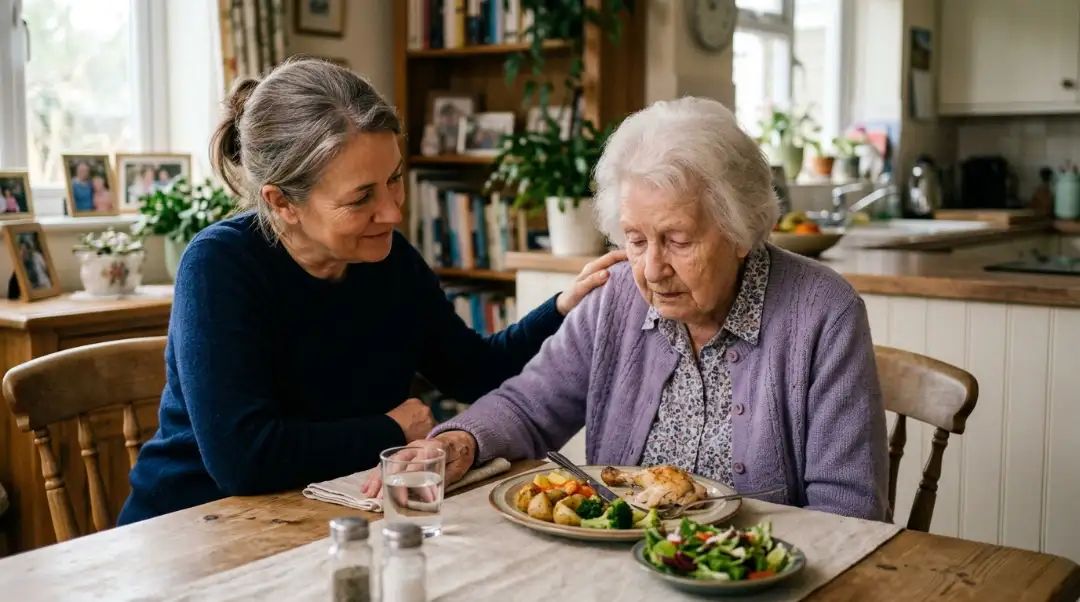
When an aging family member suddenly stops finishing their meals, it naturally triggers immediate worry and stress. What causes loss of appetite in elderly adults usually boils down to a combination of physical health shifts, medication side effects, emotional challenges, and routine age-related metabolic changes. By identifying the root reason behind a declining appetite, you can take practical steps to restore their nutrition and protect their daily energy. Watching an elderly parent not eating enough food is tough, but you don’t have to guess your way through a solution. In this guide, we’ll break down the warning signs to watch for, cover the most common underlying causes, and share real-world strategies to make mealtimes appealing again. You’ll learn how to handle routine appetite drops safely while knowing exactly when it’s time to bring in extra support. Understanding Loss of Appetite in Older Adults Loss of appetite in older adults is a reduced desire to eat that can show up as smaller portions, skipped meals, or a general lack of interest in food. It can creep in slowly over months, or it can show up almost overnight after an illness, a new prescription, or a hard emotional loss. Either way, it’s worth understanding rather than ignoring. Appetite isn’t just about willpower or habit. It’s controlled by a complicated system of hormones, nerve signals, and brain chemistry that shifts as the body ages. Add in a slower digestive tract, weaker senses of taste and smell, and a body that simply burns fewer calories at rest, and you’ve got a recipe for eating less without even trying to. That doesn’t mean every skipped meal is a crisis. But it does mean this deserves a closer look, especially if it’s paired with weight loss, fatigue, or a change in mood. Is Loss of Appetite in Elderly Individuals a Cause for Concern? Loss of appetite in elderly individuals becomes a major cause for concern when it leads to noticeable weight loss, low energy, or signs of dehydration. While minor appetite shifts happen naturally with age, sudden or severe drops in food intake can point to underlying health issues or dangerous nutrient deficiencies. If an elderly person won t eat for several days in a row, subtle physical changes can quickly turn into serious medical risks. Rapid weight loss: Clothes fitting loosely or watchbands sliding off unexpectedly. Frequent fatigue: Trouble standing, walking, or keeping up with daily routines due to lack of calories. Dehydration: Dry mouth, sunken eyes, confusion, or dark-colored urine. Weakened immune system: Taking much longer to bounce back from minor colds or skin cuts. Increased fall risk: Muscle loss leads to instability and balance issues. 7 Common Causes of Loss of Appetite in Elderly Adults There isn’t one single answer to what causes loss of appetite in elderly adults. Usually it’s two or three things happening together. Here are the ones I see most often. 1. A Naturally Slower Metabolism As people age, resting metabolic rate drops, which means the body simply needs fewer calories to keep going. This is one of the most normal, least worrying causes of loss of appetite in elderly adults, and on its own it rarely leads to serious weight loss. 2. Medication Side Effects Many common prescriptions, including some blood pressure medications, antidepressants, and pain relievers, list appetite loss or nausea as a side effect. Older adults are often on five or more medications at once, and those effects can stack up in ways that are easy to miss. A pharmacist reviewing the full medication list can often spot the culprit fast. 3. Dental and Oral Health Problems Missing teeth, ill-fitting dentures, or mouth pain make chewing genuinely unpleasant, not just inconvenient. If eating hurts, people eat less. It’s that simple, and it’s one of the most overlooked reasons an elderly person won’t eat. 4. Changes in Taste and Smell The senses of taste and smell fade with age, and food that used to taste rich can start tasting flat or even metallic. When food stops being enjoyable, the motivation to eat goes with it. 5. Digestive Slowdown The gut moves more slowly in older age, which can cause bloating, constipation, and a feeling of fullness after only a few bites. That early fullness, sometimes called early satiety, is a frequent driver of loss of appetite in elderly adults who otherwise feel fine. 6. Depression, Loneliness, and Grief Eating is social. When a spouse passes away, or mobility issues keep someone from getting out, meals can start to feel pointless rather than enjoyable. Depression and social isolation are among the strongest psychological causes of loss of appetite in elderly adults, and they’re often mistaken for “just getting older.” 7. Underlying Illness Thyroid disorders, chronic kidney disease, liver conditions, infections, and certain cancers can all suppress appetite as an early symptom, sometimes before any other signs appear. This is exactly why a sudden, unexplained change deserves a medical visit rather than a wait-and-see approach. Loss of Appetite Causes and Symptoms: What to Look For Spotting appetite loss early involves watching for subtle daily habits, such as picking at food, skipping entire meals, or complaining that food tastes strange. You should also watch for physical warning signs like loose clothing, lethargy, dry skin, and unexpected weakness during normal walking routines. To catch subtle changes early, keep an eye out for these specific behavioral and physical indicators: Category Warning Signs to Track Mealtime Habits Leaving plates mostly full, moving food around without eating, saying “I already ate” repeatedly. Kitchen Signals Unopened groceries, expired food in the fridge, unused cookware, untouched prepped meals. Physical Appearance Loose-fitting collarbones, sunken cheeks, sudden changes in belt notches. Mood Changes Irritability around meal times, social withdrawal, indifference toward favorite treats. Is Loss of Appetite a Normal Part of Aging? Some decline in appetite is a normal part of aging, driven by a slower metabolism and reduced activity levels, but a sharp or sudden loss of appetite is not something to accept as normal. There’s
What Is Protective Oversight? A Clear Guide for Families and Caregivers
Protective oversight helps a person stay safe when they need another person nearby to notice risks, provide reminders, redirect unsafe actions, or offer standby assistance. It can be useful for older adults and people with disabilities who have difficulty recognizing danger, making safe decisions, or completing certain daily activities without support. What Is Protective Oversight? In simple terms, it means providing appropriate supervision and safety support to someone who may be at risk when left alone. The exact meaning depends on the care program and state. This article explains how protective oversight works, how it differs from protective supervision, what an assessment may consider, and how families can find appropriate non-medical support at home. Understanding the Importance of Protective Supervision Safety can change when memory, judgment, mobility, orientation, or other abilities decline. A person may know how to use a stove but forget that it’s on. Someone who normally follows safety instructions may wander outside, attempt an unsafe transfer, or need help recognizing a hazard. Protective supervision focuses on these situations. The goal isn’t to take away a person’s independence. It’s to provide the right level of support so the person can remain as safe and independent as possible. For example, a caregiver might stay nearby while an older adult moves around the kitchen, remind them to use a walker, redirect them away from a hot surface, or provide standby help during a transfer. The Concept and Significance of Protective Supervision Protective supervision is a non-medical service that provides continuous monitoring to individuals who, due to mental illness or cognitive impairment, cannot safely identify hazards or make safe decisions on their own. It is not about controlling someone it’s about being present so harm doesn’t occur. The service is based on a basic premise: certain individuals need someone with them, not because they can’t move, or eat, but because their judgment is affected in ways that create genuine danger. A person may be wandering around the house, touching a hot stove or misusing household equipment, without knowing they are in risk. That’s when protective monitoring comes in. A caregiver, termed the provider, often stays with the person, observes the behavior, and steps in when needed. It’s not reactive care. It’s preventative. This kind of vigilance is also part of managing chronic illnesses. Such monitoring can be particularly important for someone with diabetes, for example, who could otherwise miss timely reminders to take prescriptions or to identify the early warning signals of high or low blood sugar. (Suggest insert here one data point about the link between unsupervised medication management and hospital readmission rates. What Are the Eligibility Requirements for Protective Supervision? To qualify for protective supervision, an applicant must demonstrate a severe cognitive impairment, such as Alzheimer’s disease, dementia, or an intellectual disability. They must show that without continuous monitoring, they face immediate risk of accidental physical injury or severe self-harm. Assessors review specific eligibility factors during the application process: Cognitive assessment scores: Formal testing showing severe memory loss, impaired judgment, or disorientation. Inability to recognize common hazards: Lack of awareness regarding fire, hot surfaces, toxic chemicals, or heights. Physical capacity for motion: The individual must be physically capable of moving into dangerous situations independently. Continuous need: The requirement for observation must extend across the entire day and night cycle. Program rules generally exclude individuals who require physical restraint, medical nursing care, or direct supervision for violent behavior toward others. What Documentation Do I Need for Protective Supervision? You need formal medical certifications, doctor reports detailing cognitive deficits, a completed 24-hour care log, and official state assessment forms. These documents must clearly demonstrate that the individual cannot safely stay home alone for any length of time. Missing or incomplete documentation remains the leading cause of application delays and denials. Preparing your paperwork carefully establishes a strong record of need. Gather these key documents before your intake appointment: Medical certifications: Written statements from primary physicians or neurologists establishing diagnosis and cognitive limits. 24-hour care log: A detailed diary kept over 7 to 14 days tracking every unsafe attempt, wander event, or moment of severe confusion. Assessment forms: Official state or agency medical forms completed directly by treating physicians. Behavioral logs: Documented instances where the individual attempted dangerous tasks without realizing the risk. Precise records establish the gap between physical independence and mental safety. What Happens at the Assessment for Protective Supervision? During the assessment, a social worker or trained assessor visits the home to evaluate the applicant’s cognitive function, living environment, and physical mobility. They interview family caregivers, review medical records, and observe the individual’s ability to process safety risks. The evaluation phase determines the exact hours of care approved by state programs or private agencies. Prepare for the assessment with these practical steps: Keep daily care logs visible and organized for the assessor to review. Speak openly about bad days rather than downplaying unsafe events. Ensure the individual stays in their natural home environment during the visit. Focus answers on cognitive safety risks rather than physical weakness alone. Medical Equipment Assistance and Supportive Services Medical equipment assistance and supportive services provide physical safety devices, emergency response tools, and non-clinical home modifications alongside direct oversight. These resources help secure the home environment while caregivers monitor individuals with severe cognitive loss. Combining continuous monitoring with specialized safety devices creates a secure living space. Key auxiliary services include: Environmental modifications: Door alarms, window locks, auto-shutoff valves for gas stoves, and wander-prevention systems. Personal alert devices: Wearable GPS trackers and motion sensors that notify caregivers when an individual leaves a safe area. Adaptive home safety items: Grab bars, safe lighting paths, and non-slip surfaces that reduce fall risks during moments of confusion. What Is IHSS Protective Supervision? IHSS protective supervision is a financed program run by California county welfare departments under the supervision of the California Department of Social Services (CDSS) . Provides non-medical, in-home monitoring services to Medi-Cal qualified persons who are unable to live safely alone due to mental impairment. The
How Long Will Medicare Pay for Home Health Care?
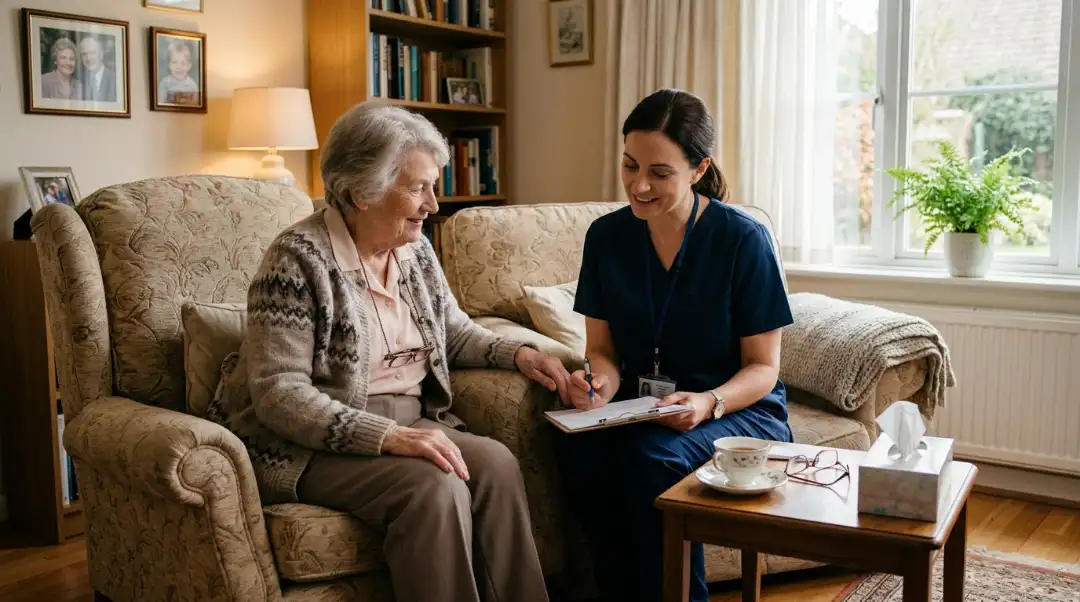
Caregiving for an aging parent or family member with a disability takes a heavy physical and emotional toll over time. Taking a short-term break gives family caregivers a chance to rest, handle personal tasks, or step away while ensuring their loved ones stay safe and supported. Knowing where to start with short-term support can feel overwhelming when you’re managing daily care duties on your own. This complete guide covers everything you need to know about setting up temporary relief, funding options like Medicare, and securing qualified care. Medicare Home Health Care Eligibility Requirements Medicare pays for home health care through Part A or Part B when an eligible beneficiary meets four specific conditions certified by a licensed physician. You must be homebound, need part-time skilled medical care, receive care under an established plan, and use a Medicare-certified agency. Doctor Certification: A physician must examine you and establish a formal plan of care. Skilled Care Need: You require intermittent skilled nursing care, physical therapy, speech-language pathology, or ongoing occupational therapy. Homebound Status: Leaving your home requires a taxing effort and physical assistance or supportive devices. Certified Agency: A Medicare-certified home health agency must deliver all covered services. Many families wonder, does medicare cover home health care for chronic conditions? Yes. Your condition does not need to be temporary or improving. Medicare covers skilled care to maintain your current functional status or slow down decline. Understanding Medicare’s Definition of Homebound Status Medicare considers a patient homebound if leaving the house requires a striking physical effort, specialized equipment, or the help of another person. You can still leave home briefly for medical appointments, religious services, adult day care, or short special family events without losing eligibility. Being homebound does not mean you are bedridden or completely trapped indoors. Medicare focuses on how difficult it is for you to travel safely. Good reasons that support homebound status include: Relying on a wheelchair, walker, crutches, or cane to walk. Needing physical help from a family caregiver or aide to get through the doorway. Having a severe medical condition like advanced dementia, oxygen dependence, or heart failure that makes leaving home unsafe. Short, infrequent trips for non-medical reasons like attending a grandchild’s graduation or getting a haircut will not disqualify you. However, regular outings like grocery shopping or eating at restaurants can cause a denial of benefits. Types of Home Health Services Covered by Medicare Medicare covers skilled nursing care, physical therapy, occupational therapy, speech therapy, medical social work, and part-time home health aide visits. All personal care or custodial care services must be directly tied to skilled medical therapy ordered by your doctor to qualify for coverage. Covered Services Excluded Services Intermittent skilled nursing care 24-hour continuous care at home Physical, speech, and occupational therapy Meal delivery services (e.g., Meals on Wheels) Part-time home health aide visits Homemaker services (cleaning, laundry, shopping) Medical social services and care coordination Standalone personal care (bathing, dressing) Medical supplies (wound dressings, catheters) Long-term custodial care Part-time home health aides can help with bathing, dressing, and grooming. However, Medicare will not pay for aide visits if you only need personal care without a primary need for skilled therapy or nursing. Medicare’s Home Health Benefit Periods Explained Here’s where a lot of confusion starts. Medicare home health care runs in 60-day benefit periods, not one continuous stretch of coverage. Each period starts when your care begins and lasts 60 days. Near the end of that window, your doctor reviews your case and decides whether to recertify you for another 60 days. There’s no limit on how many periods you can have back to back, and your condition doesn’t have to be improving for you to qualify. Following the Jimmo v. Sebelius settlement, Medicare confirmed that coverage can continue to maintain your condition or slow decline, not just to restore you to full health. So when someone asks how long will Medicare pay for home health care, the honest answer is: as long as you keep meeting the rules, period after period. Physician Certification and Face-to-Face Requirements Federal regulations require a doctor or qualified practitioner to complete an in-person or telehealth visit before approving Medicare home health services. This face-to-face meeting must occur within 90 days before care starts or within 30 days after care begins. The certifying physician must document specific details in your medical records: Medical Necessity: Clear explanation of why you need skilled nursing or therapy. Homebound Justification: Specific clinical reasons why leaving home is difficult for you. Plan of Care: A detailed schedule outlining visit frequencies, treatment goals, and medication reviews. Without proper documentation from your doctor, the home health agency cannot bill Medicare, and your coverage request will face immediate rejection. Factors That Affect Medicare Home Health Coverage Duration The duration of Medicare home health coverage depends on your skilled care needs, measurable progress, physician support, and strict adherence to visit schedules. Coverage ends when your treatment goals are met or when skilled care is no longer required. Several key factors shape how long your care lasts: Part-Time Visit Limits: How many hours of home health care does Medicare cover? Medicare defines part-time care as less than 8 hours per day and fewer than 28 hours per week (up to 35 hours per week in special cases). Care Plan Rules: Medicare guidelines for home health visit time typically range from 45 to 60 minutes per visit, depending on your treatment goals. Maintenance Needs: Care can continue even if you are not improving, provided skilled therapy is required to prevent decline. Agency Compliance: The home health team must submit clear notes showing that a non-skilled caregiver cannot safely perform the tasks. If your care team determines that your needs are purely custodial, Medicare coverage stops. How Much Does Medicare Home Health Care Cost You? Medicare home health care typically costs $0 for covered skilled services like nursing and therapy under Original Medicare, as long as you meet eligibility requirements. The only out-of-pocket cost is usually 20% coinsurance