 Skip to main content
Uncategorized
What Is the Best Way to Transport an Elderly Person Long Distances?
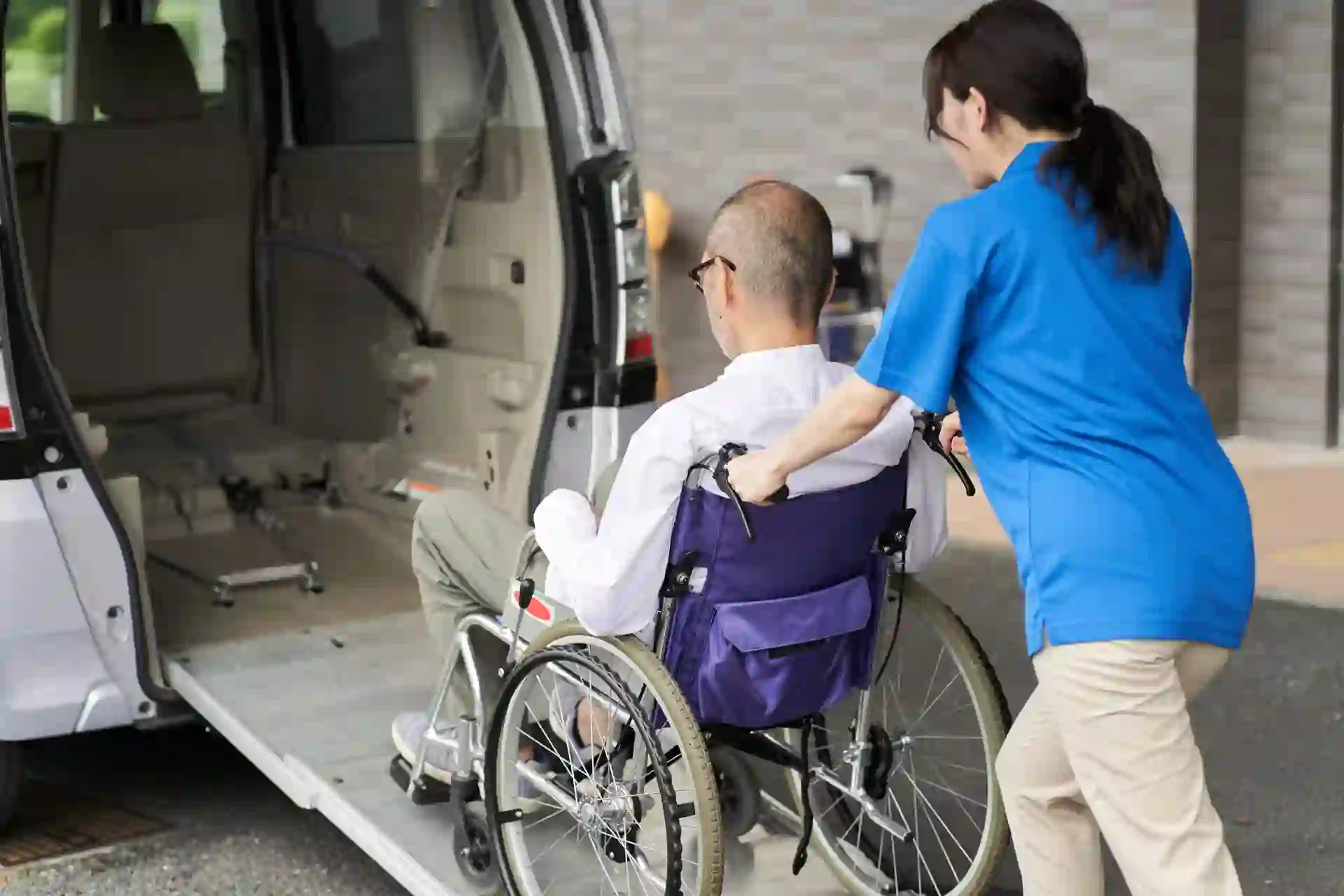
What makes a car journey long and a breeze for an older person? Discover what matters to health, movement, and comfort. A family road trip may be perfect for some seniors, and accessible transport, paid health care travel, or nursing care may be a blessing for others. How can you make the journey manageable? By being prepared. Long-distance travel planning for an elderly person doesn’t only consist of counting the miles. Imagine the medications, bathroom needs, travel pains, and medical problems that can occur. With some planning in advance and the help of Castle Pines Home Care, you can travel and visit your senior with comfort and dignity. How Do You Travel Long Distance with an Elderly Person? The search for the ideal form of transportation for an elderly individual can be daunting. So what is the ideal? Can the elderly individual do a 360-degree turn—or give a 360-degree turn? Can he walk or be comfortably transferred to a car? Can the older person sit in one position for long periods? Can he/or carry his own medical demands? If the older individual is relatively medically stable and is at least fairly mobile, then a private car may be the perfect option—it allows the individual to make stops whenever needed, to have their temperature maintained, and to keep the elderly individual’s possessions in a familiar environment. But beware—it can take a lot of time to make a long journey comfortable. Accessible forms of transport or medical transport may be the better option if the older person has severe mobility challenges and/or medical demands. Best Transportation Options for Elderly People Have you ever wondered how the type of travel can change the experience for an elder? I think that the elder’s medical condition, walking ability, budget, destination, and help availability should be checked before choosing a travel option. The difference that the travel choice makes for an elder can really affect comfort. Traveling by Private Car Imagine you cruising down the highway with someone with you in the driver’s seat, taking your time. For seniors who can relax for a bit and who are not at risk and do not need medical monitoring, a private vehicle is an excellent and cost‑efficient choice. Why not take your time to enjoy the trip? Pre-travel—is your loved one still safely in the seat? – Is the seatbelt on tight? Set a schedule for breaks to stretch, use the restroom, drink fluids, and eat a snack. Can your loved one comfortably enter and leave the car? Is another car better for you and your loved one? Don’t hurry the experience. If you get on a long stretch, try to divide it up or get a hotel space for the evening to cut down on exhaustion as well as make things much more comfortable for you. Wheelchair-Accessible Transportation Have you ever wondered how elderly people who are too frail to ambulate for long distances or who must remain in wheelchairs are able to get around? It is through the wonder of wheelchair transportation—accessible vans that feature ramps, lifts, and securement straps—and, of course, anticipation as you make a reservation and learn that the entire design and layout of the vehicle allows for ample space to accommodate the wheelchair, along with a weight capacity to support it. But not all accessible vans are designated for medical use, and each family needs to inform the transport service provider of any additional health-related needs their loved ones have. Professional Medical Transportation Ever wondered what it takes to safely carry an elderly person who’s simply in need of a little extra assistance to travel? Professional medical transport is the answer! For these situations, it’s the specialized service that covers you in long-distance travel by providing you with one of their trained, professionally equipped vehicles. Whether it’s to provide you with non-emergency medical transport or to take you to another health care facility via ambulance, professional medical transport is a service that’s here for everyone. But when are you actually in need of an ambulance? Whether or not you’re in need of medical monitoring or care is wholly dependent on the nurse or clinician, while age or walking impairments don’t matter. Traveling by Train or Airplane Is the senior loved one traveling? If the senior loved one is in good health, the train or the airplane might be the best solution. The senior loved one will not have to endure car drives and will quickly cover long distances between nearby cities. Finally, whether the dear one considered it or not, what about their aid going through the safety check, strolling around lengthy distances to get through the terminal, or strolling via the line at boarding? Assistance to the airport or support to the airport and the plane, plus baggage, transfers, and delays. Think about reserving ahead of time within the facility services (wheelchair, oxygen, or pills) and consult with baggage and assistance procedures. The train may be best for mobility. Accessibility can vary, so don’t judge the trip on just the travel time. Preparing an Elderly Person for a Long Journey Traveling can be a great event or the beginning of a trip for the aging parent nightmare. So how do you make it the trip that everyone remembers for all the good reasons? Planning, planning, planning. Picture yourself walking into the big, wild, wet world, and you are already tired, and you have lost it a bit: your job is to take care of those fears. Speak slowly so they can hear your excitement about each step you’re taking on your trip: help them get their confidence back and participate in the trip. Do they want to choose the hat or the luggage or the extra shirt or the midnight snack? Bedroom? Want to go then? Preview the weather, roads, access routes, and departure time. Know how to access support upon departure and arrival. And then, add dementia or other cognitive problems, and things get very sticky: carry identification and
10 Everyday Tasks That Become Harder for Seniors Without Support
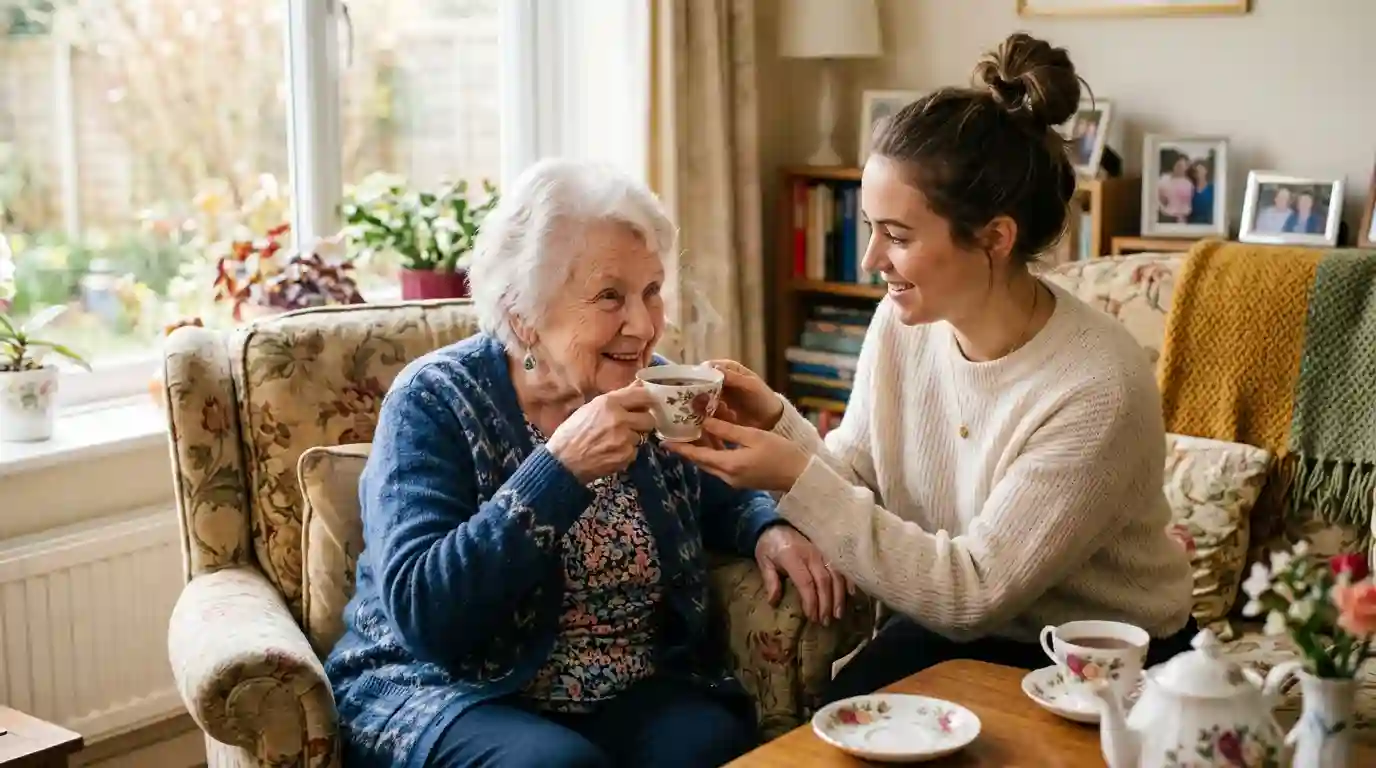
The older you get, the wiser you are,” or the easier it is to get old. As we age, we may begin to experience the inability to do the things that we were once capable of doing for ourselves. Think about the pain of making breakfast every morning, fighting to get up those stairs, and remembering that trip to the store you took last week. For some senior adults, they are still able to care for themselves, but for others, it takes someone to help get them through those most basic of daily activities. I believe that learning about 10 Everyday Tasks That Become Harder For Seniors Without Help is vital for many people, as it could help them understand that they need to pay more attention to someone they love and care for. Because people become older and struggle to do what they used to be able to do before, their family members and close people need to be more conscious about their actions and try to provide comfort and help when it is needed. This way, every senior will be able to live safely and do as much as they can for themselves without putting themselves in any danger. They might need help with something seemingly simple, like getting up from the bed, but without assistance, they might hurt themselves. I think that knowing about common changes that come with aging and how they could affect a person is important because it helps family members know how to behave in certain situations. Not only patience and caring, but also the ability to look after oneself. Have you got it? 1. Bathing and Maintaining Personal Hygiene Taking a bath can be a major hassle for a lot of your senior loved ones. If they are trying to sink into or step out of that tub or shower, then they are probably fighting an uphill battle. They can’t forget about the bathroom too… It’s one of the most dangerous rooms in the house for everyone! Washing, brushing, cutting, and other procedures of personal care that seniors ought to perform are connected with several difficulties. These procedures can be painful for people with arthritis, muscle shortening, decreased mobility, and reduced range of motion in the shoulders. Have you thought about what it’s like for seniors to lift the faucet to wash their hair, trim their nails, brush their teeth, and put on their shoes? For many seniors, those momentous activities of daily living seem as arduous as summiting Everest. What can a caregiver do? Time for a new adventure? It starts with lovingly feeling safe in the bathroom. Think about strong grab bars, slip-resistant flooring, and a good shower chair—and a kindhearted assistant who respects a senior’s desires. 2. Preparing meals and eating healthy food Provision for yourself can be one of the most demanding tasks a senior will tackle. Making the list, doing the shopping, chopping, cooking, and cleaning—it’s a list of ‘must-dos’ that doesn‘t allow for much time or energy to spare. A reduction in strength in the hands and a decrease in agility make even opening a tin or carrying shopping a challenge, and using a sharp knife or stirring a hot pan? No, no! How can we help? With tender, loving hands. This is why a large number of old people lose the will to cook and prefer to only eat a few prepared dishes. Some later forget what they wanted to cook and use ingredients that have already been prepared and sit forgotten on the stove. In addition, many old people do not dare to open jars and food bags. As a result, they can become malnourished. Measures to provide for the welfare of older people can help avoid any of the negative effects of a lack of proper diet as a result of some physical restrictions in the process of cooking. For example, you need to be able to provide the aged with food that is partially prepared, with minimal cooking, and accordingly, less effort and energy. In addition, relatives and carers can support older people in shopping and storing products at their fingertips. Getting Dressed and Choosing Appropriate Clothing It might seem like a relatively insignificant task, but dressing yourself is quite a complex task that involves a good amount of motion, fine motor skills, and more. For older adults who have limited mobility, bending down to tighten your pants, putting socks on your feet, or reaching behind your head to get your bra or shirt buttoned is difficult. The motion of even getting a simple article of clothing on can be a pain in the back or shoulders due to limited range of motion. Taking off the clothing is just as hard, particularly with shoes and socks since you have to bend down to tie your shoes or stand on one good leg to get your socks and shoes on. A senior may have issues with orientation or memory and forget to dress according to weather conditions. In this instance, the answer could be using elastic waistbands, slip-on shoes, and many other types of clothing gear so that one doesn’t have to worry about so many tiny and fiddly details. Then what gentle art of patience would you practice if your employee was helping an elderly person get dressed? Wouldn’t you put the elderly person in charge of their clothing and give them all the time they wanted? 4. Walking, Walking Up and Down Stairs and Moving Around the House Now consider the challenge that even the smallest of things is extremely difficult and painful to carry on with your current condition or pain. How do they get off the chair? What are they doing getting off the bed? Imagine an elderly individual at the bottom of a staircase, the mere thought of falling from the top of the stairs keeps them rooted to the ground level. The fear intensifies, and suddenly they have been confined to narrow hallways by the fear
How to Find a Private Caregiver for Elderly Loved Ones
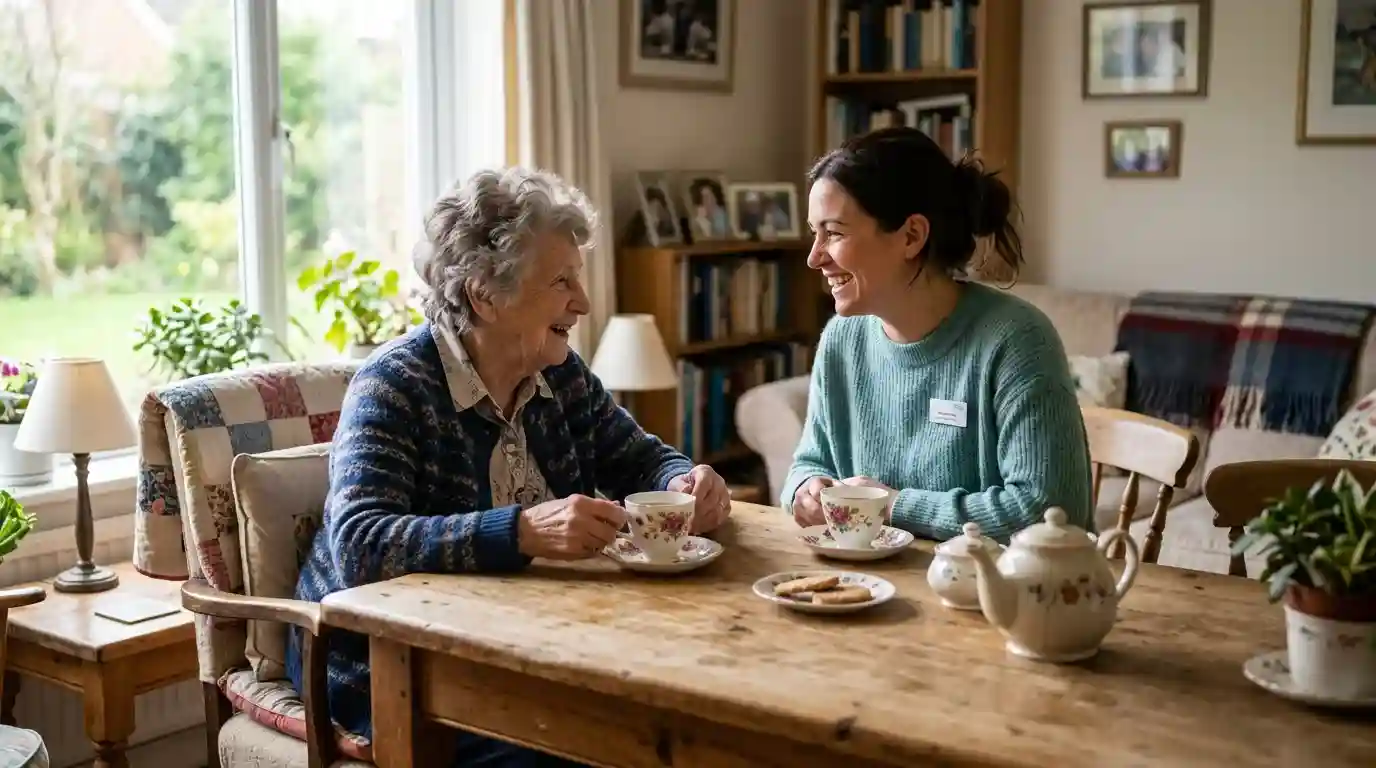
Making the decision of who will care for your loved one or parent can be a difficult process, but you want to be sure to find a dependable, caring person that is committed to your loved one that also wants to live independently. Your loved one may need assistance with daily activities. Before you make the decision to move in to find family help for the elderly it’s necessary to know what help they are going to give every day and whether the experience of this help is going to help your family. It may take you a short time to look into all the options open to you, but you will find just the right fit. Understand Your Loved One’s Care Needs Incidentally, you should consider the kind of assistance you need before you begin your search for an army of the elderly. There are quite a few elders who are very independent. What are some things the nurse might want you to do? Help with bathing, grooming, dressing and toileting. Companionship: Conversation, shared activities, and emotional support. Domestic assistants: Light housework, washing, shopping, catering. Alarm reminders for medications: Reminders to be compliance to your medication plan. Getting up and sitting down or walking around the house. Transportation: trips to and from thedoctor’s appointment, events. Your home may need a few hours of support every week or support for your family in your home every day all week. Keep this information to hand to share with prospective home helpers. Where to Find a Private Caregiver Finding a private caregiver is an important first step. Depending on the level of support you need and the amount of care you’re prepared to give, there are a number of options that families might consider. Request for Recommendations Start by speaking with trusted friends, relatives, neighbors, or other families who have arranged senior care. Personal recommendations can help you identify potential caregivers and learn about their reliability, communication, and approach to working with older adults. Further, consult with your family member’s health care provider if she knows about any good sources of other help with home health care. Search Online Caregiver Directories Online directories and local community groups may list independent caregivers offering services in your area. Review their experience, qualifications, availability, and stated responsibilities before arranging an interview. An online profile is only the beginning. Do some research of your own to make sure the caregiver is trustworthy, and conduct a comprehensive screening prior to the time you will be leaving a professional to work in your loved one’s home. Consider a Home Care Agency A home care agency will help you with: Care planning. Caregiver matching and scheduling. If your caregiver becomes sick or is unable to make it to work for any reason, your agency can refer you to a replacement caregiver. Denver that provides personal care, home making and companionship, medication reminders, and transportation services. Contact our in-home care team to find out about a loved one’s needs. How to Hire a Private Caregiver Before we go any further, you’ve got to determine if your private caregiver choices will work for you. A simple ‘how to hire a private caregiver’ answer is not just the hourly rate. It’s the experience, the communication, their safety, and your loved one’s compatibility. 1. Review Experience and Training Inquire about the position the caregiver previously held—did he or she really take care of seniors? What health problems did they encounter? A caregiver should understand the limits of their role. If your loved one requires skilled nursing or medical treatment, confirm that the person providing those services has the necessary credentials and qualifications. 2. Conduct a Personal Interview Arrange an interview before you make your decision. Use this to get an idea of how they are able to manage life’s minor inconveniences, and assess their outlook. Some questions to ask: Previous experience working with seniors? What types of conditions and situations have you previously experienced? Are there certain tasks you can assist with? What personal care/household chores can you be assisted with? What if an elder doesn’t want assistance or becomes upset? Is it okay if the person has to walk around a lot? What days and hours are you available to work? How do you inform families about the individual’s status or behavior? 3. Check Private Caregiver References Private caregiver references are another key to the interview process. Ask for professional references from previous caregiving clients or employers, then contact them directly with the candidate’s permission. Ask whether the caregiver arrived on time, followed care instructions, communicated effectively, and treated the older adult with dignity. You can also ask whether the former employer would hire the person again. If applicable, check identity, employment history, and relevant qualifications, and apply for background screening when needed and in line with local legislation, and get candidates’ approval if necessary. Never just base your decision on a personal recommendation of a potential employee who would have access to your loved one’s home. 4. Discuss Duties, Schedule, and Payment Your home care agency will help you with: Care planning. Caregiver match and schedule. In case your caregiver gets sick or is unable to work for any other reason, your agency will provide you with a replacement. Denver home care that provides personal care, home making & companionship, medication reminders, and transportation. Contact our home care team to find out what your loved one is in need of. 5. Arrange an Introduction or Trial Period Before we go any further, you need to find out if your alternative private care options are going to work for you. A quick answer to your question about how to hire a private caregiver isn’t always about the hourly rate. It’s the experience. It’s the communication. It’s your loved one. Important Qualities to Look for in a Caregiver Not only what you say, but also how you say it. Read how one caregiver’s attitude toward her loved one impacted his life:
What’s the Best Way to Help My Parents Age in Place?
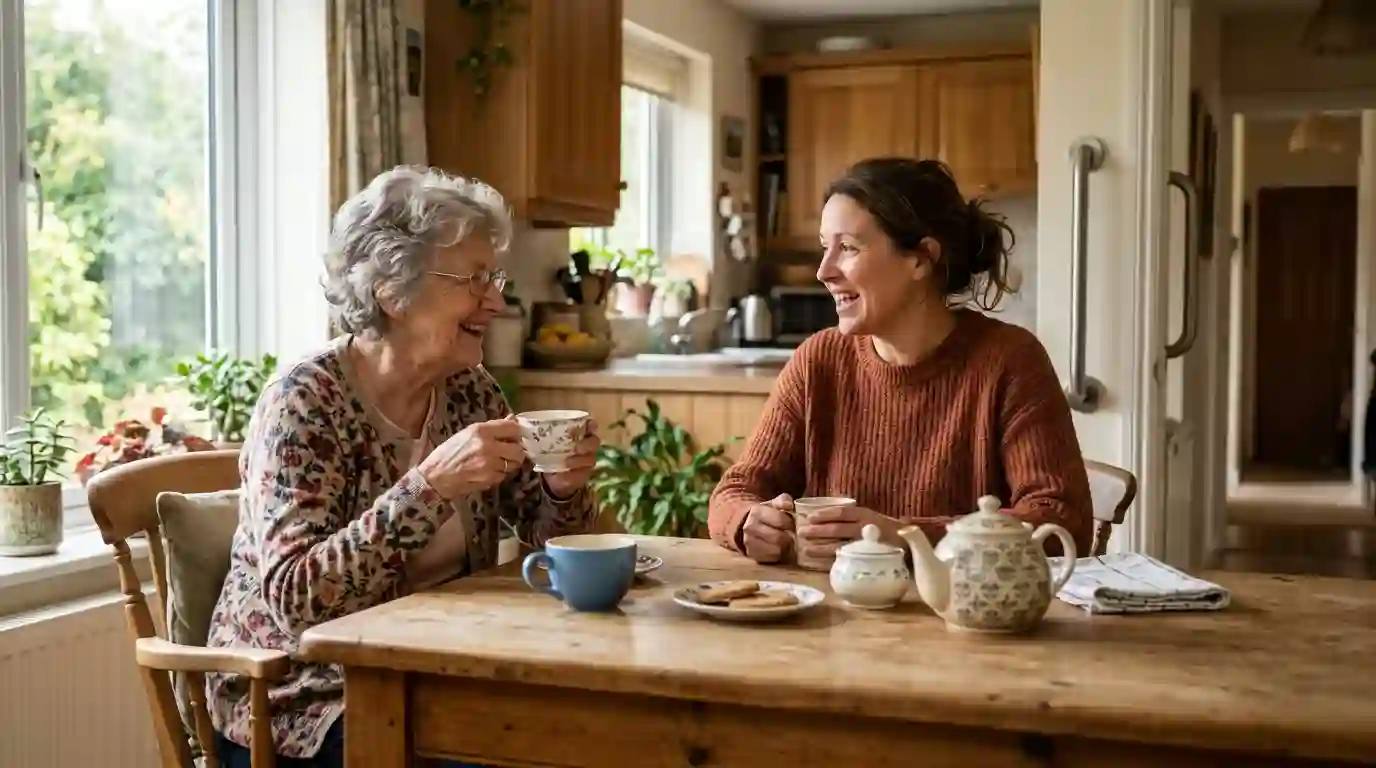
Almost all seniors say they’d rather stay in the familiar surroundings of their home for as long as possible. But as the adult child, the question is how can you make that happen safely? And maybe you’re like, “How do I help my parents age in place?” Of course there’s no easy way that one can point and say this is the magic trick to get the job done. It’s more about understanding needs, home modifications, forming a circle of support, and starting the talk. We will be your hands and guiding force as you go through each step step by step so that you will be armed with all the knowledge you need when you have the talk with your parents. The trick is that tell them truthfully what they actually have to do every day, then come up with the plan based on just three basic points: safe home; dependable support network for any things they cannot do; and review of this plan from time to time. For most families, that includes home modifications, family and neighbors, and home care for aging parents as they stumble when it comes to daily living. It’s about keeping independence, not taking it away. What Does Aging in Place Mean? Aging in place is being able to live in your own home and community safely, independently, and comfortably, regardless of age or ability level. Aging in place doesn’t mean doing everything yourself. Most successful aging in place occurs with the right support, in the right amounts. Examples of seniors’ aging-in-place assistance: Home safety changes and mobility aids Help with meals, housekeeping, and errands Personal care and companionship Medication reminders and appointment transportation Contacts from family, friends,, or home care professionals regularly Every family will have a different combination of approaches, and it will usually change over time. How Do You Start the Conversation With Your Parents? For many families, the biggest challenge is having that first conversation. They fear losing control, being a burden to others, or being told they need to move when they don’t want to. Here are some methods that may be helpful: Let’s begin with a piece of advice: Begin early. Having a conversation ahead of a situation allows members the opportunity to pause and then make some more deliberate decisions. Prioritize their goals. Start by finding out what is the most important part of remaining in the home and develop the plan accordingly. Question, don’t command. “Does anyone feel like they’re struggling more with any part of the day these days?” works much better than “You can’t do this by yourself.” Get brothers and sisters involved and other relatives. Coordinate your concerns so Mum doesn’t have to face too many at once. It’s worth ongoing. Think of it as a matter of multiple conversations, not one big move. Be patient. If your parent is resistant, just starting with small steps like a safety check or a few hours of assistance a week can make a difference. How Do You Assess What Your Parents Need? Make your changes after learning a bit more about your parents’ daily lives. Bear in mind: Mobility: Have they encountered difficulties, for instance, going up and down steps, getting up from the chair, or walking with steady footsteps? Assistance with daily activities: Are you noticing that brushing teeth, washing hair or combing hair, bathing, or using the toilet is a difficulty for the person? An overwhelming amount of unread messages, leftovers being tossed around, and a household that gets progressively dirtier than usual Nutrition: Skipping meals, drastic weight loss or gain, and your cupboard being empty Medicines: Missed medication or no idea what medicine to take Momory and judgement: Forgetting things, getting lost, or making poor decisions Social connection: Loneliness, isolation, or an absence of interest, even in the activities that the person has always liked and done You can also speak to the family doctor regarding health issues and whether support is the right solution. Many families request doctors to perform a formal assessment. Tips for Keeping Seniors Safe at Home Safety is a top concern for families, and many of the most helpful modifications are straightforward. These safety tips for seniors at home zero in on the key trouble spots. Reduce Fall Risks Falls are a real concern for seniors, beginning here. Eliminate loose rugs and cords in passages. Enhance light levels in corridors, stairs, and doorways Use a nightlight to illuminate the hallway from your bedroom to the bathroom. Set up a strong grip railing on both sides of the stairs Position regularly used objects at a level you can retrieve easily without bending over or climbing. Foster the use of non-slip, supportive footwear. Bathroom Safety Hard surfaces and water are the combination factors in the bathroom, thus every little improvement counts. Have grab bars installed close to the toilet and at the shower or bathtub Place non-slip mats or strips in the bathroom It might be wise to think about a shower chair if the standing height is uncomfortable Hold your breath while attempting to use that high showerhead? That means it would be ideal for you if it is portable Consider a toilet seat on a spring if you feel yourself with difficulty getting up Emergencies Pencil down the emergency contacts on the walls so you know who to reach out in case something happens and the phone slips. Consider a personal emergency response device Test smoke and carbon monoxide detectors Remain in touch with a friend, roommate, or neighbor who will have run across your vehicle. Create a list of medication and healthcare contacts that would be accessible to responders Stay on Top of Medications Get yourself a pill organizer for an entire week Remember to set alarms, or, on the other hand, arrange for someone to check in during medicine times Doctor or pharmacist visits for medicines should be regular Make a Home Suitable for People with Reduced
Are Homemaker and Housewife the Same?
Most people use the term “homemaker” and “housewife” as if they are the very same thing. That works fine in regular conversation, and no one’s likely to correct you at a dinner party. But if you look at the origin of these phrases and how they are applied in real life today, especially when dealing with home care, the answer is more specific than just yes. So here’s the short version:Are homemaker and housewife the same? Almost. “Homemaker” is the more general, more modern phrase that today includes paid caretakers as well as wives who work at home. If you are researching home support for yourself or a parent, we’ll cover the origin of the words, what differentiates them now, what a homemaker actually performs on a daily basis, and why the distinction is important. Quick Answer: Are They the Same? No, homemaker and housewife are not entirely the same, though their duties heavily overlap. A housewife is defined by both her marital status and her domestic role as a married woman managing her home. A homemaker describes the functional job of domestic management, regardless of gender, marital status, or whether caregiving services are self-provided or hired. Feature Housewife Homemaker Marital Requirement Requires being married No marital requirement (single, widowed, married) Gender Focus Specifically female Gender-neutral (men, women, non-binary) Core Scope Domestic management for one’s own family Managing a residence, family care, or non-clinical in-home care Formal Recognition Social term Used in legal, insurance, and professional home care contexts What Does “Housewife” Mean? The word housewife is a compound of two ancient ideas: marriage and the management of the house. Historically, the name is derived from Middle English husewif, and has referred to the female head of a family for centuries. Historically, the housewife was an important economic partner. Before the days of modern appliances and industrialization, running a home was a logistical exercise. It took hard labor, food storage, textile manufacture and collaboration in the community. The word today is used especially to refer to a married woman who decides not to work outside the home in the typical paid labor force. Instead she dedicates her time to family care, everyday tasks and upkeep of the property. While some people perceive the phrase through the perspective of traditional family structures, others use it as a term of personal identity. What Does “Homemaker” Mean? A homemaker is somebody who maintains a household on a day-to-day basis, including tasks such as cleaning, cooking and organizing a home, whether married or not, paid or unpaid. The phrase arose in the late 1800s and grew in popularity in the early to mid 1900s as a less gendered and more courteous alternative to “housewife”. Homemaker, unlike housewife, has no assumptions about marriage or gender. Homemaker. A person who manages a household. A stay at home dad is a home maker. And in home care, the trained helper who comes to a client’s home to help with laundry, meals and light housework is termed a homemaker, as well. At this last point the word comes alive a second time. In the caregiving sector, “homemaker services” is a real employment type, sometimes included separately from personal care or nursing on a care plan. Medicaid waiver programs in several states even list “homemaker” as a distinct official service line separate from “personal care aide” or “companion care.” Another widespread but confusing usage of the phrase is as a legal and workforce category, rather than a job description. Our guide on What Is a Displaced Homemaker explains this. If you’re attempting to comprehend a parent’s care plan or benefits letter, There is a lot more that these services can cover for families working with Castle Pines Home Care. Our What Is a Homemaker guide goes into more depth on what is included and what is outside the scope of a homemaker aide’s role. Homemaker vs. Housewife: Key Differences Here’s how the two terms line up side by side. Category Housewife Homemaker Marital status Married Any status Gender Historically women only Any gender Paid or unpaid Unpaid Both Common modern use Personal identity Job title, caregiving role First recorded use Around the 1500s Late 1800s This table shows the real difference between homemaker and housewife in one glance. Housewife describes a role inside marriage. Homemaker describes a set of tasks, which is why it fits far more situations, including professional caregiving, single-parent households, and stay-at-home fathers. The gap between the two words also shows up in how people introduce themselves. Someone who calls herself a housewife is usually making a statement about identity and pride in the role. Someone filling out a job application, a benefits form, or a resume almost always reaches for “homemaker” instead, since it reads as neutral and doesn’t tie the role to marital status. What Does a Homemaker Do? A homemaker manages daily domestic operations to ensure a home remains safe, clean, and functional. Their work spans physical chores, nutritional planning, logistical organization, and personal care support. The primary duties of a homemaker generally cover several essential areas: Meal Preparation and Nutrition: Planning menus, tracking dietary restrictions, grocery shopping, and cooking daily meals. Household Chores and Sanitation: Handling routine cleaning, laundry, washing dishes, taking out trash, and keeping living spaces free of trip hazards. Logistics and Scheduling: Managing household budgets, tracking bill due dates, scheduling repair services, and keeping track of family appointments. Personal and Family Care: Assisting family members with non-medical daily needs, coordinating transport, and providing essential social engagement. Which Term Should You Use: Homemaker or Housewife? Use “homemaker” when you need a professional, gender-neutral, or broad term, and use “housewife” when referring specifically to a married woman who prefers that label. Your choice comes down to context: In casual conversation: Respect personal preference. If a married woman self-identifies as a housewife, use that term. If someone prefers homemaker, honor that choice. In legal, financial, or caregiving contexts: Always use homemaker. Whether you’re filling out official paperwork, evaluating support services, or

What Should a 70 Year Old Body Look Like? A Realistic, Evidence-Based Guide
Aging doesn’t give everybody the same body. At 70, it’s normal to have thinner skin, more wrinkles, decreased muscular mass, changes in body fat, and some loss of height or flexibility. Another healthy 70-year-old may look considerably different from a healthy 70-year-old. If you are asking yourself What should a 70 year old body should look like, the quick answer is there is no single “right” look. How you look at 70 is dependent on genetics, activity level, nutrition, sun exposure, medical history and lifestyle habits. But more important than appearance is the performance of the body. What Is “Normal” Physical Aging at 70? Physical aging at 70 reflects decades of natural biological adjustments. While society often equates aging with decline, physiology views it as a shift in how the body maintains and repairs itself. The primary driver of visible change is the gradual slowing of cellular turnover. Skin cells take longer to replace themselves, structural tissues lose water content, and structural proteins gradually degrade. Recognizing these natural shifts helps distinguish baseline biological changes from acute medical issues. Height and Spine: Most adults lose 1 to 2 inches of total height by age 70 due to disc compression in the spine. Postural Alignment: Muscles supporting the upper back gently relax, creating a slight forward curve in the shoulders. Joint Flexibility: Tendons and ligaments lose elastic fibers, making movements slightly stiffer in the morning. Gait Speed: A slightly shorter stride and more deliberate walking pace are standard adaptations for balance stability. Body Composition at 70: Weight, Muscle Mass & Fat Distribution Body composition changes naturally, even when weight stays constant on the scale. The most significant physical shift is sarcopenia, the age-related loss of muscle mass. Starting in midlife, muscle tissue slowly decreases. By age 70, adults may lose up to 30% of their peak muscle volume without active strength maintenance. This causes arms and legs to appear noticeably leaner or looser. Body Composition Marker Standard Change at Age 70 Primary Physical Cause Skeletal Muscle Mass Decreases by 3% to 8% per decade Lower protein synthesis & lower anabolic hormones Fat Distribution Shifts from limbs to abdominal area Slowed basal metabolic rate & hormonal shifts Subcutaneous Fat Layer Thins across face, hands, and feet Normal age-related lipid redistribution Bone Density Decreases (Osteopenia threshold) Slower mineral absorption & structural wear At the same time, metabolic rates slow down. The body shifts fat away from subcutaneous layers beneath the skin toward visceral areas around internal organs in the abdomen. This shift often results in a rounder midsection despite lean limbs. How Does the Face and Skin Change at 70? By age 70, frequent changes to the face and skin include wrinkles, thinner and drier skin, decreased suppleness, age spots, and bruising more easily. Skin changes are a typical part of aging and can be influenced by variables such as sun exposure, hormones, heredity, smoking and skin care habits. Any uncommon or rapidly changing skin lesions should be examined by a doctor. The National Institute on Aging says aging skin might become thinner, paler, less elastic and more prone to bruising. Decreased Collagen and Elastin Leads to Wrinkles and Skin Texture Changes Sun exposure is also a factor in long-term skin aging. Wrinkles and Fine Lines Wrinkles are a normal part of aging. Skin gradually loses some of its elasticity and fullness, which can make lines around the eyes, mouth, forehead, and cheeks more visible. Sun exposure over many years can add to these changes. Skin May Become Thinner Older skin can become more fragile. It may bruise more easily and take longer to recover from minor injuries. Dryness can also become more common because the skin produces less oil with age. Simple skin care can help. Moisturizing regularly, protecting the skin from excessive sun exposure, avoiding smoking, and staying adequately hydrated can support skin health. How Does a 70-Year-Old Body Change Internally? What happens inside the body directly influences visible energy levels, endurance, and day-to-day functional comfort. Cardiovascular and Respiratory Efficiency Arterial walls stiffen naturally as collagen replaces flexible elastic tissue. The heart muscle works slightly harder to pump blood, raising resting systolic blood pressure. Lung elasticity also declines slightly, which means catching one’s breath after climbing stairs takes a few moments longer. Digestive and Nutrient Absorption Dynamics Digestive motility slows down, often making large meals feel heavier. Stomach acid levels decline, impacting how efficiently the body extracts key nutrients like Vitamin B12, calcium, and magnesium from food. Reduced thirst sensation makes dehydration a frequent, hidden cause of unexpected fatigue or confusion. Mobility, Balance & Posture at 70 Movement is typically the best window into the state of a body’s aging. Reflexes slow down slowly so you see a more careful gait or a longer pause before stepping off a curb. That’s not a failing. That is the nervous system taking a little longer to interpret signals and react, and it is a well-documented feature of natural aging. Posture changes as well. A lot of people over 70 acquire a little of a forward lean or a rounded upper back. This is generally due to changes in the disks of the spine and weak back muscles. It’s not usually spectacular on its own, but a sudden or severe stoop is worth addressing to a doctor, as it can occasionally suggest a spinal compression fracture. Assistive aids like canes or walkers are misunderstood. They are generally used early to prevent falls, not as an indication of decline. It’s a lot more risky to add one in after a bad fall than to use it as a precaution while confidence and strength are still being recovered. Hormonal Changes: Men vs. Women Hormonal shifts alter how male and female bodies hold muscle, distribute weight, and maintain structural strength at 70. Women: Two decades post-menopause, lower estrogen levels accelerate bone mineral loss. Women are more prone to pronounced posture changes or height loss as spinal vertebrae settle. Fat storage sits primarily around the lower abdomen rather
What Is Non-Medical Home Care?
There is a certain type of dread that comes from watching a parent stumble up the stairs, forget a medicine, or halt driving to the grocery store. You begin to look online and each site has different terms: home health, personal care, companion care. It is complicated and you want a simple response. Non-medical home care is assistance with activities of daily living such as bathing, meals and errands from a qualified carer who is not a nurse. That’s the short of what non-medical home care is about and by the conclusion of this post you will know exactly what it is, what it costs and how to determine if it is the appropriate fit for your family. What Services Are Included in Nonmedical Home Care? Non-medical home care focuses on non-clinical assistance that keeps a person safe, comfortable, and well-supported at home. These non medical home care services cover two main areas: basic day-to-day physical needs and household management tasks. Personal Care Services (ADLs) Personal care covers physical support with Activities of Daily Living (ADLs). As adults age or cope with physical limits, routine hygiene tasks become difficult or risky. Bathing and Showering: Assistance with getting in and out of the tub safely, washing, and drying. Dressing and Grooming: Help with buttons, zippers, hair brushing, shaving, and daily oral care. Toileting and Incontinence Care: Respectful help with bathroom visits, changing briefs, and maintaining hygiene. Mobility and Transferring: Assistance with standing up, sitting down, or moving between a bed and a wheelchair. Feeding Assistance: Direct help with eating during mealtime for those with dexterity or hand tremor issues. Homemaker Services (IADLs) Homemaker services focus on Instrumental Activities of Daily Living (IADLs). These chores keep the living environment safe, clean, and organized. Meal Preparation: Cooking nutritious meals tailored to dietary requirements and stocking fresh groceries. Light Housekeeping: Dusting, sweeping, vacuuming, washing dishes, and taking out the trash. Laundry and Linen Changes: Washing, folding, and storing clothes and changing bed sheets regularly. Shopping and Running Errands: Picking up groceries, household supplies, or dry cleaning. Transportation: Driving to doctor visits, social gatherings, religious services, or community events. Companion Care and Emotional Well-Being Isolation poses serious health risks for seniors living alone. Companion care brings friendly conversation, shared hobbies, reading, card games, and walks around the neighborhood. A regular non medical caregiver offers steady human interaction that brightens the day and keeps minds active. Non-Medical Home Care vs. Home Health Care: What’s the Difference? Is nonmedical home care the same as home health care? Non-medical home care provides supportive daily living assistance from trained aides without requiring a doctor’s prescription. Home health care provides skilled clinical medical treatment from licensed nurses or therapists under direct physician orders to manage acute medical conditions, complex wounds, or post-surgical recovery. Understanding this division prevents costly care mistakes and ensures your loved one receives the correct level of care. Feature Non-Medical Home Care Home Health Care Primary Focus Daily living help, personal care, and housekeeping Clinical medical treatment and physical rehabilitation Care Providers Personal Care Assistants (PCAs), CNAs, Companions Registered Nurses (RNs), LPNs, Physical Therapists Doctor’s Order Required? No prescription required Yes, requires a formal doctor’s order Visit Duration Hourly shifts (e.g., 4 to 24 hours per day) Intermittent visits (e.g., 45-minute clinical sessions) Medicare Coverage Not covered by traditional Medicare Covered 100% by Medicare for eligible patients Main Goal Promoting aging in place and safety Medical recovery, wound management, and rehabilitation Clinical Medical Care vs. Daily Living Assistance Home health care acts as an extension of a medical clinic or hospital. A registered nurse visits to check surgical incisions, administer intravenous drugs, or change complex dressings. A physical therapist visits to guide rehabilitation exercises after a joint replacement. Non-medical in home care handles everyday lifestyle support. A non medical caregiver helps your parent get out of bed, prepares breakfast, washes dishes, and makes sure they don’t slip on the floor. Caregiver Credentials and Qualifications Home health care workers must be licensed by the state as a nurse or therapist. They are answerable to tough medical boards . They operate within medical protocols . Other names for non-medical carers are Personal Care Assistants (PCA) or Certified Nursing Assistants (CNA). They are not allowed to do medical jobs, but good organisations do teach them about infection control, fall prevention, emergency procedures and dementia management. Is Nonmedical Home Care Right for My Loved One? Non-medical home care is right for seniors who can live at home with daily assistance but do not require round-the-clock clinical nursing. It works best for individuals needing help with hygiene, cooking, transportation, mobility, or housekeeping, or for families needing temporary respite from caregiving duties. Look out for these common warning signs that suggest home care non-medical services are needed: Unexplained Physical Bruising: Cluttered rooms or weak balance cause hidden slips and stumbles. Spoiled Food in the Fridge: Forgetfulness leads to missed meals or eating expired items. Declining Personal Hygiene: Wearing dirty clothing or skipping showers due to fear of falling. Unopened Mail and Unpaid Bills: Disorganization creeps in when managing tasks gets overwhelming. Social Withdrawal: Refusing to leave the house or stopping former hobbies out of fatigue. Weight Loss or Nutritional Drops: Skipping cooking due to difficulty standing at the stove. State Regulations, Medication Support, and Caregiver Scope State regulations tightly define what a non medical caregiver can and cannot do. A clear understanding of these boundaries protects client safety and keeps expectations clear. Medication Reminders vs. Medication Administration A non-medical worker cannot administer medication. They cannot measure out liquid doses, give injections, or place pills directly into a client’s mouth. They can, however, provide medication reminders. They remind clients when it’s time to take pre-sorted pills from a pillbox, bring a glass of water, and log the time the pill was taken. Direct Physical Assistance Limitations A non-medical helper assists with physical transfers using basic techniques and gait belts. However, if a client needs complex medical machinery like a ventilator or sterile catheter
Caregiver Burnout vs Compassion Fatigue?
If you’re sick and tired and numb about a job you used to love, you’re not messed up. You are human and what you are feeling is named. Most folks want one thing fast in the case of caregiver burnout vs compassion fatigue: a clear answer as to which one they have and what to do next. So here it is in plain terms. The term burnout is often used interchangeably with compassion fatigue, which is usually a quicker, more intense response to continuous exposure to the suffering of others, whereas burnout is a gradual accumulation of physical and emotional strain in caregivers. Both sap you. Both are curable. Neither indicates you are a failure as a care giver. We wrote this because the environment of caring is strewn with ambiguous advice and clinical jargon that doesn’t help when you’re running on four hours of shuteye. What follows is a breakdown of both conditions, how to tell them differently and real strategies for rehabilitation, without the fluff. By the end you’ll know exactly what your situation is, why it happened and how to start feeling like you again. What Is Caregiver Burnout? Caregiver burnout is a state of physical, emotional and mental tiredness and may be accompanied by a change in attitude from positive caring to negative uncaring. It develops over months or years when the demands of caring outstrip your practical resources and this leads to frustration, persistent exhaustion and lack of personal achievement. Caring for a chronically ill or disabled family member can be overwhelming. The daily tasks of caregiving can pile up. You may manage your home chores as well as prescriptions, cooking, personal hygiene and medical appointments. These jobs never really end thus your body is in a permanent state of low level stress. That constant pressure eats away at your physical and mental reserves over time. Burnout is not the occasional tiredness, it does not disappear with a good night’s sleep. What was ten minutes can feel too much now. Burnout is when the core desire to serve is there but your physical body and mental energy just can’t keep up. You still care a lot about your loved one’s comfort but you are totally drained by the amount of labor that is needed every day. What Is Compassion Fatigue? Compassion fatigue is a state of emotional and physical exhaustion that develops from repeated exposure to another person’s pain, trauma, or suffering. Unlike burnout, it can appear suddenly after one difficult event. It often leaves caregivers feeling numb or disconnected from the person they’re caring for. Doctors and researchers sometimes call this secondary traumatic stress, because you’re absorbing trauma that isn’t technically yours. Nurses, hospice workers, and social workers have talked about this for decades, but family caregivers experience it too, especially those caring for a loved one with dementia, a terminal illness, or a severe chronic condition. The tricky part is that compassion fatigue can chip away at empathy itself. You still love the person you’re caring for, but the well of patience and warmth feels dry. That’s not a character flaw. It’s what happens when the nervous system has been on high alert for too long. Understanding Compassion Fatigue vs Burnout Understanding how these conditions interact helps you select the right coping strategies. While both stem from the emotional toll of caregiving, their underlying mechanisms and psychological impacts differ significantly. Feature Caregiver Burnout Compassion Fatigue Primary Origin Relentless physical workload and environmental stress Secondary exposure to trauma and suffering Speed of Onset Gradual onset vs. sudden onset (develops over time) Rapid or sudden onset following stressful events Capacity for Empathy Empathy remains intact, though physical energy is gone Empathy erosion / loss of empathy and emotional withdrawal Dominant Feeling Hopelessness, frustration, physical exhaustion Emotional numbness / detachment and hypervigilance Recovery Focus Physical rest, respite care, workload reduction Psychological processing, boundary setting, self-compassion Causes of Compassion Fatigue and Burnout Caregiver burnout typically stems from a mix of practical and personal pressures. The most common causes include: Providing care with no consistent breaks or respite Financial strain from reduced work hours or caregiving costs Sleep loss from nighttime caregiving duties Isolation from friends, hobbies, and outside support Managing medical tasks without proper training Compassion fatigue has a narrower but heavier set of triggers. It usually comes from: Repeated exposure to a loved one’s pain, confusion, or decline Witnessing traumatic medical events (falls, seizures, hospitalizations) Caring for someone with a terminal or progressive illness Carrying guilt over not being able to ease someone’s suffering A personal history of trauma that gets reactivated by caregiving stress Professional caregivers, nurses, and social workers face compassion fatigue as a known occupational hazard, which is part of why hospitals now run peer support programs and mandatory debriefings after hard cases. Family caregivers rarely get that same structure, even though the emotional exposure is often just as intense, sometimes more, because the person suffering is someone they love. Caregiver Burnout vs. Compassion Fatigue: Key Differences A side-by-side view makes the caregiver burnout vs compassion fatigue comparison easier to apply to your own situation. Factor Caregiver Burnout Compassion Fatigue Onset Gradual, builds over months Can be sudden, tied to specific events Root cause Physical and logistical overload Emotional exposure to another’s suffering Empathy Usually stays intact Often reduced or numbed Emotional tone Frustration, exhaustion, resentment Numbness, detachment, guilt Recovery time Slower, requires rebuilding energy Can improve faster with the right support Who’s affected Anyone in a long-term caregiving role Common in family caregivers, nurses, hospice staff, social workers Common Signs of Compassion Fatigue and Burnout Recognizing the warning signs of caregiver exhaustion allows you to step in before health issues compound. Both conditions produce physical, emotional, and behavioral indicators. Physical Indicators Caregiving stress manifests directly through bodily reactions. Watch for these signals: Somatization: Persistent headaches, muscle stiffness, and gastrointestinal issues / somatization without clear medical cause. Sleep Disturbances: Difficulty falling asleep, waking up early with racing thoughts, or sleeping excessively without

The Best Meal Delivery Services for Seniors?
Cooking gets harder with age. Chopping, lifting hot pots, and planning balanced dinners wears people down, and skipped meals follow fast. If that sounds familiar, you’re in the right place. The best meal delivery services for seniors are Mom’s Meals for insurance-covered refrigerated meals, local Meals on Wheels programs for low-cost delivery with a daily check-in, and prepared brands like Factor or MealPro for more menu choice. No single service fits everyone, so price, diet needs, and coverage matter more than any ranking. Below, I’ll break down real costs, what Medicare pays for, diet-specific options, and what to do when a parent says no. What Are Meal Delivery Services for Seniors? Meal delivery services for seniors bring prepared or ready-to-cook food to a person’s door on a set schedule. Options include refrigerated or frozen heat-and-eat meals, meal kits, and community programs like Meals on Wheels. Many offer low-sodium, diabetic-friendly, and soft-texture menus. Most meals arrive fully cooked. You heat them in a microwave in about three minutes. That means no chopping, no stove, and no grocery run. For someone with arthritis, low vision, or fatigue from a chronic condition, that’s a real safety gain, not just a convenience. How Much Does Meal Delivery for Seniors Cost? Prepared meal delivery for seniors typically costs $7 to $14 per meal. Meals on Wheels programs often charge little or nothing, based on income or donation. Meal kits can reach $13 per serving. Flat shipping fees add to the total. One meal a day for a month runs roughly $210 to $420 with most prepared services. Local community programs can cost far less, and many accept donations instead of fixed fees. Watch the fine print. Shipping, delivery fees, and minimum order sizes change your real price more than the menu price does. Types of Senior Meal Delivery Services Not every service fits every household. The right type depends on mobility, appetite, cooking interest, and budget. Ready-to-Eat and Heat-and-Serve Meals These are fully cooked meals shipped frozen or chilled. Brands like Mom’s Meals and Magic Kitchen fall here, along with Silver Cuisine by bistroMD, which focuses specifically on older adults. Prices typically run $7 to $10 per meal. This category works best for someone who can’t stand at a stove for long, or who simply doesn’t want to anymore. Medically Tailored Meals These meals are built around a diagnosis, not just a preference. A dietitian sets the nutrition targets for conditions like kidney disease, heart failure, or diabetes, and the chef builds meals around those numbers. This is the category most likely to be covered by insurance, because it treats food as part of a treatment plan rather than a convenience purchase. Meal Kits for Active Cooks Services like HelloFresh or Blue Apron ship raw ingredients with instructions. This suits someone who still enjoys cooking but wants help with planning and grocery runs. It’s not the right fit for someone with limited mobility, memory changes, or arthritis that makes chopping painful. Community and Nonprofit Programs Meals on Wheels remains the largest nonprofit option, often on a sliding scale, and it adds a wellness check with every delivery. This matters for someone living alone, since the driver is frequently the only person who sees them that day. Personal Chef Services A chef cooks in the home, usually a few times a week. It costs more than packaged meals but adds social interaction and full customization. Families managing multiple dietary restrictions at once, such as a low-sodium diet plus a texture modification for swallowing difficulty, sometimes find this easier than piecing together packaged options. None of these categories is objectively “best.” A retired teacher who still loves puttering around the kitchen will resent a frozen meal plan, even a good one. Someone recovering from hip surgery might see that same frozen meal as a lifeline. Match the type to the person, not the other way around. Quick Comparison: Top Senior Meal Delivery Options at a Glance This table sums up the best meal delivery services for seniors by format and cost. Prices come from published 2026 listings and change often, so confirm before ordering. Option Format Typical cost Best for Mom’s Meals Refrigerated, heat-and-eat About $8 self-pay, plus shipping Insurance-covered meals, medical diets Meals on Wheels Local, hot or chilled Free to about $10 Tight budgets, daily check-ins Factor or MealPro Fresh prepared About $10 to $14 Menu variety, fresh taste Silver Cuisine Frozen About $7 to $9 Familiar comfort-food menus Meal kits Ingredients plus recipe $9 to $13 per serving Seniors who still cook Does Medicare or Insurance Cover Meal Delivery? Original Medicare does not cover home-delivered meals, and Medigap doesn’t either. Some Medicare Advantage plans cover short-term meals after a hospital stay or for chronic conditions. Medicaid waivers and Older Americans Act programs may also pay, depending on state and eligibility. Call the number on the insurance card and ask one question: “Does my plan include a home-delivered meal benefit?” These benefits often last a few weeks and may need a doctor’s referral. Older Americans Act programs serve adults 60 and older. They usually skip a strict income test and ask for voluntary contributions. Your local Area Agency on Aging can start that app Special Dietary Needs and Chronic Conditions Meal preparation for seniors gets more complicated once a chronic condition enters the picture, and this is where a lot of generic meal kits fall short. Heart-Healthy and Low-Sodium: Built for cardiovascular health, these meals typically cap sodium at 600–800mg per serving, well below a standard restaurant plate. Diabetic-Friendly: Focused on blood sugar management through controlled carbohydrates and consistent portion timing, not just “sugar-free” labeling. Renal and Kidney-Friendly: Manages potassium, phosphorus, and protein levels for people on dialysis or with reduced kidney function. Texture-Modified: Pureed or soft-food options for people with swallowing difficulty, without sacrificing flavor the way hospital purees often do. Allergy and Gluten-Free: Standard across most senior-focused providers now, though cross-contamination policies vary by company and are worth asking about directly. If

How to Care for a Geriatric Patient: Practical Strategies for Families
Caring for an aging parent can feel like starting a new job with no training. If you’re wondering how to care for a geriatric patient, here’s the short answer: get a full health review, make the home safe, organize medications, support mood and nutrition, and protect your own energy. I know that list sounds long, so I’ve broken it into clear steps. Below, you’ll find the 5Ms framework, what a geriatric assessment covers, home safety fixes, medication tips, and ways to prevent burnout. Use it as a map, and take one step at a time. What Is Geriatric Care? Geriatric care is health and personal support designed for older adults, usually age 65 and above. It covers medical treatment, daily living help, mental health, and safety. The goal is to keep an older person as healthy, independent, and comfortable as possible for as long as possible. Many families search “what is geriatric patients” and get jargon back. Here’s the plain version: it’s an older adult, often 65 or over, who lives with several conditions or needs daily help. Frailty and memory changes matter more than the birth year. Common geriatric problems include falls, memory loss, incontinence, poor appetite, depression, chronic pain, and trouble with vision or hearing. Most are manageable when someone spots them early. Understanding Geriatric Care: The 5Ms Framework Geriatric specialists often use the 5Ms to keep care organized. I find it’s a handy checklist for families too. Think of them as a car dashboard, where each light tells you where to look. Mind: Watch memory, mood, and confusion. Mobility: Keep them moving safely and prevent falls. Medications: Review every pill, patch, and supplement. Multicomplexity: Treat all conditions as one picture. Matters Most: Ask what they want from life, then plan around it. The last M matters most. A plan that ignores your parent’s priorities rarely works. When Should You Consider Geriatric Care? Consider geriatric care when an older adult has repeated falls, new memory problems, unplanned weight loss, trouble managing medications, or needs help with bathing and dressing. Acting early lowers the risk of a crisis. A single hospital stay often marks the point where families realize extra support is needed. Watch for patterns, not single bad days. Missed bills, stale food in the fridge, new bruises, or a messy house can all signal trouble. I’ve seen families wait for a crisis, and early help almost always goes smoother. Geriatricians vs. Gerontologists: What Are the Key Differences? Geriatricians are board-certified medical doctors who diagnose, treat, and manage illnesses in older adults. Gerontologists are non-medical specialists who study aging from social, psychological, and biological angles. Geriatricians prescribe medications and direct medical treatments, while gerontologists focus on community support systems, housing, and social care policy. Knowing which professional to contact saves time and prevents confusion: Feature Geriatrician Gerontologist Medical Degree Yes (MD or DO) No (Advanced academic degree) Diagnoses Illness Yes No Prescribes Medications Yes No Primary Focus Medical treatment, chronic disease management Social support, aging policy, housing, care planning When to Call Complex medical changes, polypharmacy issues Social planning, finding community care resources If your aging parent faces complicated health changes, a geriatrician provides direct medical oversight. If you need help organizing home assistance, community resources, or housing arrangements, a gerontologist or care manager guides those transitions. What Does a Geriatric Assessment Include? A geriatric assessment is a full review of an older adult’s health. It checks medical conditions, medications, memory, mood, mobility, nutrition, vision, hearing, and home safety. A care team uses the results to build one coordinated plan instead of treating each problem separately. Bring a current medication list, recent test results, and a notebook of symptoms. Also write down what worries you most. Doctors can only fix what they hear about. If you’re still working out how to care for a geriatric patient, this appointment is your best first step. Staying Mobile: Geriatric Physiotherapy and Exercise Geriatric physiotherapy targets strength, balance, and walking. A physical therapist builds a plan around your parent’s abilities and goals. Sessions often include leg strengthening, balance drills, and safe transfer practice. Ask the doctor for a referral, then practice the home exercises between visits. Even a daily ten-minute walk with a steady arm to hold helps. Consistency beats intensity here. Emotional and Mental Health Care Loneliness hits older adults hard. Retirement, lost friends, and slower bodies chip away at purpose. Depression often looks like irritability, poor sleep, or loss of appetite, not just sadness. Build a steady routine, schedule regular visits or calls, and keep hobbies alive. When memory slips, stay calm and don’t argue over facts. Talk to the doctor if low mood lasts more than two weeks. If your parent mentions self-harm, call or text 988 right away. Conducting a Home Safety Audit & Fall Prevention Falls are the leading cause of injury for adults 65 and older, per the CDC. About one in four older adults falls each year. Many falls are preventable, and a room-by-room audit is the quickest fix. Floors: Remove loose rugs, cords, and clutter. Bathroom: Add grab bars, a shower chair, and non-slip mats. Lighting: Place night lights between bed and bathroom. Stairs: Install sturdy handrails on both sides. Footwear: Choose closed shoes with firm soles. Ask a physical or occupational therapist for a home visit if you’re unsure. They spot hazards families miss. Preventing Common Geriatric Complications Certain health risks appear frequently in elder care. Catching these problems early prevents hospitalizations and keeps your loved one comfortable. Pressure Ulcers (Bedsores) Older adults with limited mobility who spend long periods in chairs or beds face risk of skin breakdown. Pressure sores develop quickly over bony spots like heels, hips, and the tailbone. Change their body position every two hours. Keep skin clean, dry, and moisturized. Use specialized foam cushions to relieve pressure points. Check skin daily for red or discolored spots that don’t fade when touched. Dehydration and Malnutrition Aging bodies often lose the sensation of thirst, making dehydration common. Offer small
