
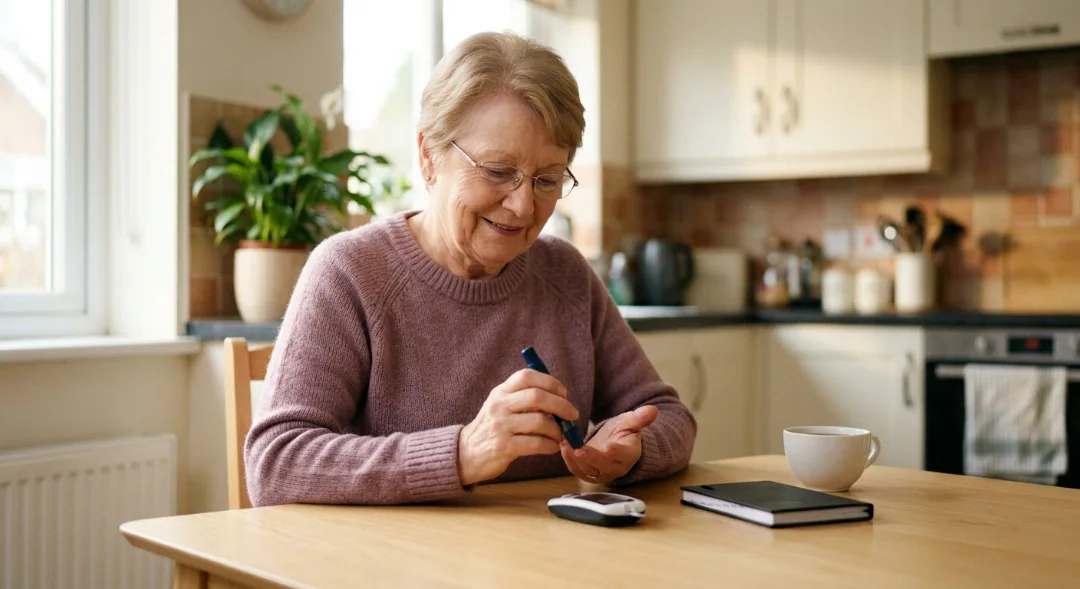
After your 65th birthday, managing your blood sugar becomes a new challenge. As you age, your cells process glucose differently, so the principles your body followed in your 30s or 40s don’t apply anymore. If you are monitoring these figures for yourself or an older parent, you need to know the numbers that signify safety and when a reading necessitates swift action.
You could be searching for a challenging figure, but the reality is that target levels loosen as we age. They do so because the risk of a rapid crash is much greater than the risks of marginally increased readings in older persons. This tutorial clears the complexity regarding target ranges, tracking tech and everyday routines so you can securely keep those numbers in a safe zone.
What Are Typical Blood Sugar Levels for Older Adults?
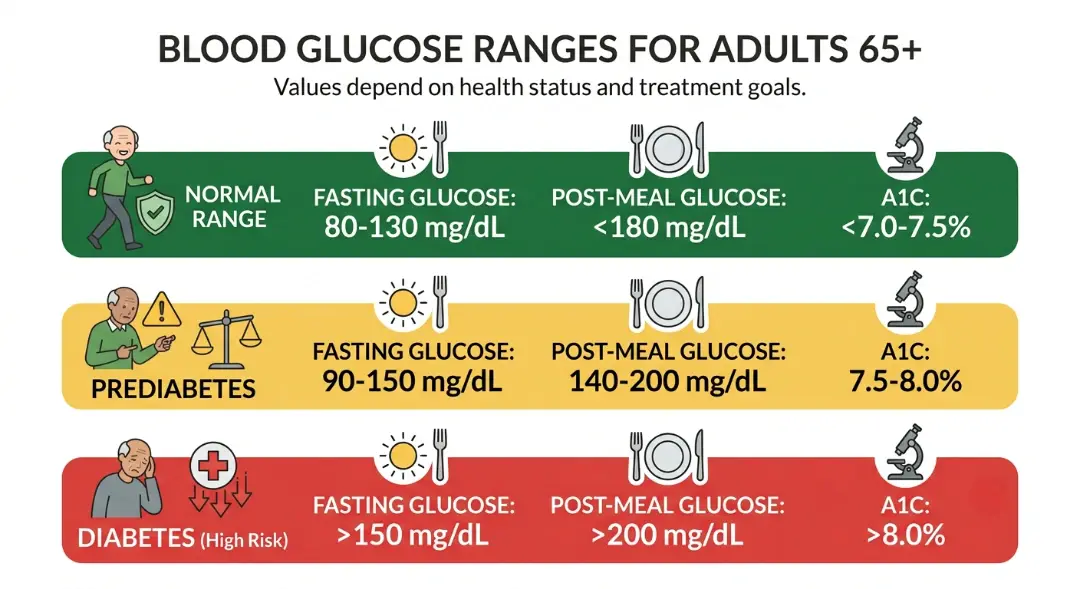
Blood glucose targets for seniors vary by health status. Normal fasting glucose sits between 80–130 mg/dL, while A1C above 8% signals high diabetes risk in older adults.
A normal fasting blood sugar level for older adults sits between 70 and 99 mg/dL for those without diabetes, and up to 130 mg/dL for many seniors managing diabetes. After meals, under 140 mg/dL is normal, while under 180 mg/dL is an acceptable target for older adults on treatment. These numbers aren’t guesses. They come from the American Diabetes Association’s yearly standards of care.
Here’s a simple blood sugar levels chart to keep nearby:
| Category | Fasting | 2 Hours After Eating | A1C |
|---|---|---|---|
| Normal (no diabetes) | Less than 100 mg/dL | Less than 140 mg/dL | Below 5.7% |
| Prediabetes | 100–125 mg/dL | 140–199 mg/dL | 5.7–6.4% |
| Diabetes | 126 mg/dL or higher | 200 mg/dL or higher | 6.5% or higher |
| Seniors on treatment (general target) | 80–130 mg/dL | Under 180 mg/dL | Under 7.5–8% |
Think of these ranges like a speed limit sign. Going five miles over once in a while isn’t a crisis. Sitting well above the limit for months at a time is what causes real trouble. One high reading after a birthday cake doesn’t undo months of steady management, so there’s no need to panic over a single number.
What Happens to Blood Sugar Levels as You Get Older?
Blood sugar naturally creeps up with age because the body becomes less sensitive to insulin over time. Glucose is just sugar in the blood, and it’s the body’s main fuel source. As muscle mass shrinks and activity levels drop, cells don’t pull in glucose as efficiently, so more of it lingers in the bloodstream.
Add in changes to the pancreas, shifts in diet, and common medications like steroids or diuretics, and it’s easy to see why blood glucose levels climb even in people who never had a weight problem. This isn’t a personal failing. It’s biology doing what biology does.
Here’s what specifically changes with age:
- Muscle mass decreases. Muscle is one of the primary places your body stores glucose. Less muscle means less storage capacity.
- Pancreatic function slows. The pancreas produces less insulin over time, and what it does produce may be less effective.
- Physical activity drops. Movement helps cells use glucose. Less movement means glucose builds up.
- Body weight shifts. Extra weight, particularly around the abdomen, worsens insulin sensitivity.
These changes don’t mean diabetes is inevitable. But they do mean seniors need more active monitoring.
Why Blood Winters/Sugars Matter in Diabetes?
In diabetes, blood sugars matter because if you don’t manage your glucose levels, they are like microscopic sandpaper inside your vascular walls and over time they may destroy your vital organs. For seniors, the ability to keep glucose steady is literally the difference between being independent and facing serious, life-altering health consequences.
When your blood glucose normal range is breached consistently, the systemic strain builds up silently. High sugar thickens the blood, damaging the tiny capillaries feeding your eyes, kidneys and nerves. Over time, this gradual friction can lead to eyesight loss, poor renal function and painful peripheral neuropathy.
For older folks, the stakes are considerably higher right now. Glucose spikes and dips directly impact your balance, your eyesight, your mental clarity. A spike can leave you feeling very tired. A fall can produce immediate dizziness that can lead to a dangerous fall.
Stable numbers keep you safe in your day to day. They let you stroll around the grocery store without dizziness, read the labels on your medicine bottles clearly and have the consistent energy you need to live properly at home.
Why Morning Blood Sugar Is Higher in Seniors: The Dawn Phenomenon
Morning blood sugar often runs higher because of the dawn phenomenon, a natural hormone surge between roughly 3 a.m. and 8 a.m. that tells the liver to release stored glucose. This happens in nearly everyone, but it’s more noticeable in seniors and in people with diabetes.
Hormones like cortisol and growth hormone rise before waking, prepping the body for the day ahead. In a healthy pancreas, insulin production adjusts to match. When insulin response is sluggish, as it often is with age, that morning glucose bump sticks around longer than it should. A doctor may adjust evening medication timing or dinner composition to smooth this out.
A Guide to Monitoring Blood Sugar Levels
Seniors can monitor blood sugar at home using a glucometer or a continuous glucose monitor (CGM). Glucometers require a small finger-prick blood sample, while CGMs use a tiny under-skin sensor to track glucose levels around the clock without repeated finger sticks.
Checking glucose before meals and at bedtime is the standard recommendation. Your doctor may adjust that schedule based on your situation.
Glucometer basics:
- Prick fingertip with a lancet
- Place blood drop on test strip
- Read result in seconds
- Affordable, widely available
Continuous glucose monitoring (CGM):
- Sensor placed just under the skin
- Tracks glucose every 5 minutes in real time
- No repeated finger sticks
- Recommended by ADA for those on insulin therapy
- A 2023 study of over 30,000 patients found around 13% used CGM devices
CGM is gaining ground fast especially for seniors managing insulin. It reduces the guesswork and gives caregivers real-time data too.
Time in range (TIR) is a newer metric worth knowing. Instead of just checking one number, TIR measures how long your blood sugar stays within your target range over time. The ADA recommends nonpregnant adults aim for 70% of readings within target range. For seniors at higher hypoglycemia risk, over 50% is a reasonable goal.
Symptoms of Blood Sugar Problems
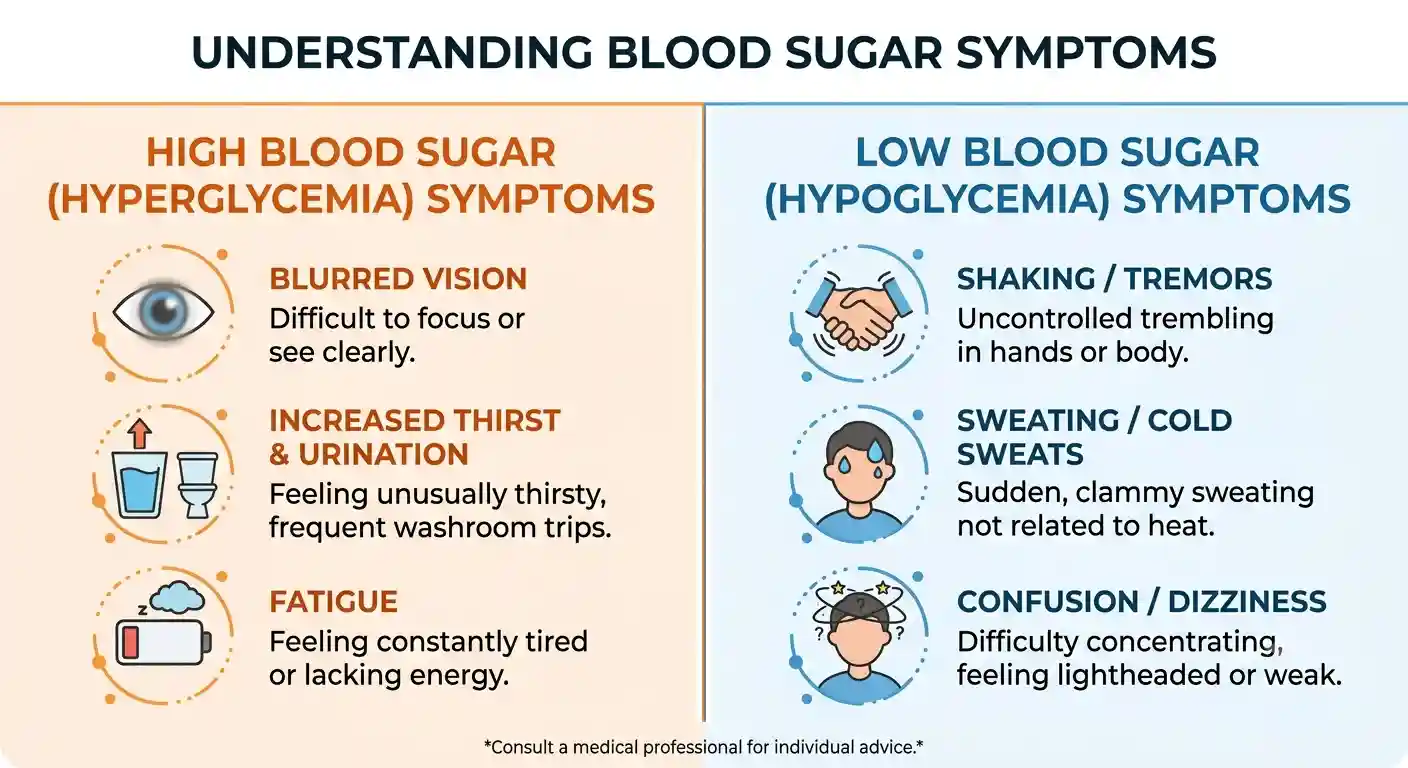
High blood sugar (hyperglycemia) often causes blurred vision, excess thirst, and fatigue, while low blood sugar (hypoglycemia) causes shakiness, sweating, and confusion. Both can look similar to normal signs of aging, which is part of why they get missed.
Watch for these patterns:
- High blood sugar: frequent urination, dry mouth, slow-healing cuts, unusual hunger
- Low blood sugar: trembling hands, rapid heartbeat, sudden irritability, slurred speech
Low blood sugar is especially risky for seniors because it can trigger falls, and it’s frequently underreported since symptoms get mistaken for dementia or low blood pressure. Anyone on insulin or a sulfonylurea medication should know these signs cold.
What Should a 70-Year-Old’s Blood Sugar Be?
A 70-year-old’s blood sugar should typically fall between 80 and 130 mg/dL before meals and remain under 180 mg/dL after eating. However, these numbers are highly personalized, and a doctor may intentionally set a higher fasting target of 90 to 150 mg/dL if the individual has underlying health conditions or memory issues.
When you reach your 70s, strict blood sugar control can actually do more harm than good. If a doctor tries to force a frail 75-year-old’s fasting sugar down to 80 mg/dL, the slightest mistake in meal timing or medication dose can trigger a fatal crash. The risk of a fall or a cardiovascular event from low sugar is far more immediate than long-term complications.
Because of this, medical guidelines break down targets based on three distinct levels of senior health:
Category 1: Healthy and Independent
This group applies to seniors with very few chronic illnesses who maintain their cognitive function. Their targets remain relatively firm to preserve long-term vascular health.
-
Target A1C: Less than 7.0% to 7.5%
-
Fasting Glucose: 80 to 130 mg/dL
Category 2: Intermediate Health
This applies to seniors managing multiple chronic issues, mild cognitive changes, or those who need help with a few activities of daily living.
-
Target A1C: Less than 8.0%
-
Fasting Glucose: 90 to 150 mg/dL
Category 3: Complex or Frail Health
This category covers seniors dealing with advanced illnesses, major cognitive decline, or severe functional dependencies. The primary goal here is comfort and safety, not perfect numbers.
-
Target A1C: Doctors often stop using A1C tracking for this group entirely.
-
Fasting Glucose: 100 to 180 mg/dL
What Other Factors Help Determine Target Blood Sugar Goals?
Blood sugar targets depend on more than a birthdate. Overall health, kidney function, cognitive status, and life expectancy all shape what’s realistic and safe. A fit, independent 75-year-old may aim for tighter control than someone managing several conditions at once.
Doctors typically weigh:
- How long diabetes has been present
- Kidney and heart health
- Risk of falls or hypoglycemia unawareness
- Ability to manage medication independently
This is why two people the same age can have completely different target numbers, and why comparing notes with a neighbor rarely helps.
How Sleep and Stress Affect Blood Sugar in Seniors
Poor sleep and chronic stress both raise blood sugar in older adults. Sleep deprivation increases cortisol, which signals the liver to release more glucose. Ongoing stress has the same effect making mental and emotional wellness a direct part of blood sugar control.
Many seniors deal with interrupted sleep pain, medication side effects, anxiety, or frequent bathroom trips. Each night of poor sleep can push fasting blood sugar higher the next morning.
Stress is just as powerful. A difficult conversation, a hospital visit, even worry about finances all of it sends cortisol up, and cortisol drives blood sugar up with it.
Simple strategies that help:
- A consistent sleep schedule (same bedtime and wake time)
- Limiting caffeine after noon
- Light walks in the evening to reduce stress hormones
- Talking to a doctor if anxiety or insomnia is ongoing
These aren’t just lifestyle tips they’re active parts of elderly diabetes management.
Diet Tips to Keep Blood Sugar Stable for Seniors
Focus on Smart Fiber and Lean Proteins
Building a senior-friendly plate around high-fiber foods and lean proteins slows down digestion. This simple change prevents the sharp blood sugar spikes that often happen after eating refined carbohydrates. Swap white bread and instant oatmeal for nutrient-rich alternatives like steel-cut oats, quinoa, lentils, and non-starchy vegetables. Pair these carbs with baked chicken, fish, or eggs to keep daily numbers perfectly steady.
Address Common Nutritional Hurdles
Many older adults struggle to eat well due to dental pain, poor-fitting dentures, or swallowing difficulties. If chewing hard foods hurts, they may naturally default to soft, highly processed carbohydrates like crackers or white toast, which cause massive glucose spikes. You can help by preparing soft, nutrient-dense meals. Think well-cooked vegetable stews, protein-rich smoothies, and tender baked fish.
Emphasize Proper Daily Hydration
Mild dehydration is incredibly common among older adults because the body’s natural thirst signals fade with age. When a senior does not drink enough water, the concentration of sugar in their bloodstream rises automatically. Encourage them to sip water consistently throughout the day, even if they do not feel thirsty. Keeping a water pitcher on the kitchen counter serves as an excellent visual reminder.
When Should Seniors Call Their Doctor?
This is a section neither competitor includes, but it’s one of the most practical things you can cover.
Contact a healthcare provider if you or your loved one notices:
- Fasting glucose consistently above 180 mg/dL
- Blood sugar below 70 mg/dL with symptoms that don’t improve after eating
- Frequent unexplained confusion or dizziness
- Signs of hypoglycemia unawareness
- A1C results climbing between appointments
- New symptoms like numbness in feet or blurred vision
For families in Colorado, if managing blood sugar has become overwhelming alongside daily care tasks, Castle Pines Home Care provides home care services in Denver and surrounding areas. Their team helps seniors maintain consistent routines, meal preparation, medication reminders, and health monitoring all at home. If you’re noticing changes in a senior’s health patterns, it’s also worth reading about related warning signs in their guide: What Is the Normal Body Temperature for Seniors.
A Note for Caregivers
If you’re managing this on behalf of a parent or loved one, blood sugar monitoring can feel like one more overwhelming task on an already full list. But knowing what is normal blood sugar for seniors and spotting when it’s off is one of the most impactful things a caregiver can do.
Keep a simple log. Note fasting readings, post-meal readings, symptoms, and what was eaten. This data becomes invaluable at doctor appointments.
Final Thought
Managing blood sugar in older age is very manageable when you know what to look for. The numbers we’ve covered here fasting glucose, post-meal glucose, A1C, and time in range give you a clear picture of where things stand and what needs attention.
If you’re looking for support with daily monitoring, meal routines, or helping a senior stay on track at home, Castle Pines Home Care is here to help. Contact us today to learn how our team can support your family.
Frequently Asked Questions
What is a normal fasting blood sugar for a 65-year-old?
A normal fasting blood sugar for a 65-year-old is between 80 and 130 mg/dL according to ADA guidelines. Below 100 mg/dL is ideal. Levels between 100 and 125 mg/dL suggest prediabetes, and 126 mg/dL or higher on two separate tests indicates diabetes.
Is 140 blood sugar high for a senior after eating?
A reading of 140 mg/dL two hours after eating sits right at the upper edge of normal. Below 140 mg/dL is considered normal post-meal. Between 140 and 199 mg/dL suggests prediabetes. At 200 mg/dL or above, a diabetes evaluation is needed.
What is a good A1C for a senior over 70?
For a healthy 70-year-old, an A1C below 7.5% is generally the target. For those with multiple chronic conditions, under 8% is acceptable. The goal is to balance blood sugar control with avoiding the risks of medication overtreatment and hypoglycemia.
What blood sugar level is dangerous for elderly adults?
A blood sugar below 70 mg/dL with symptoms (shakiness, confusion, dizziness) is a medical concern requiring immediate attention. On the high end, levels above 300 mg/dL are considered dangerous and need urgent care. For seniors, even levels above 250 mg/dL warrant a call to the doctor.
Can stress alone raise blood sugar in seniors?
Yes. Emotional and physical stress raises cortisol, which signals the liver to release glucose. Even without eating, a stressful event can push blood sugar up noticeably. This is especially relevant for seniors managing ongoing health challenges or major life changes.