
Uncategorized

What Is the Difference Between Acute and Chronic Conditions?
You’ve probably heard a doctor say “acute” or “chronic” and nodded along without being sure what it meant. That’s normal, and you’re not alone. Knowing What Is the Difference Between Acute and Chronic Conditions helps you ask sharper questions and plan the right support for yourself or a loved one. Quick answer: an acute condition starts fast and usually clears up within days or weeks. A chronic condition lasts a year or more and needs steady management. This guide gives you plain definitions, real examples, and a side-by-side table. You’ll also learn how flare-ups work, how one type can lead to the other, and where help at home fits. What Is an Acute Condition? Acute illness is a health problem that is characterized by fast onset and is usually of a severe kind . It develops quickly but usually recovers within days to few weeks with appropriate treatment . Think fever, broken arm, or a nasty case of food sickness. The symptoms come on quickly and severely but the body normally returns to its normal state with effective treatment. Docs usually describe an acute illness in terms of 3 things: How quickly it came on, how bad it got & how long it lasted. Swollen ankles sprain in hours. Burning and discomfort can occur within a day after exposure to bacteria, as with a urinary tract infection. They are not conditions which develop over years. They appear, they seek attention and then they disappear with treatment. Common acute conditions include: Colds, flu, and strep throat Broken bones and sprains Appendicitis Allergic reactions Migraine attacks Acute bronchitis What makes an acute condition different from a passing symptom is that it often needs medical attention to resolve fully. Left untreated, some acute problems can turn into something more serious, which we’ll get to later. What Is a Chronic Condition? A chronic condition is a health problem that lasts a year or longer, needs ongoing medical attention, or limits daily activities. Common examples include diabetes, heart disease, arthritis, asthma, and dementia. Most chronic conditions can’t be cured, but treatment, lifestyle habits, and support can control symptoms and protect quality of life. The chronic and acute meaning comes down to timing. “Chronic” comes from the Greek word for time, so it’s the condition that sticks around. The CDC describes a chronic disease as a condition lasting a year or more that needs ongoing medical care, limits daily activities, or both. shadac It’s also common. In 2023, about 76% of US adults reported at least one chronic condition, and roughly half reported two or more. cdc Chronic conditions act more like a tide than a storm. Symptoms rise and fall, yet the condition itself stays. Acute vs. Chronic: Key Differences at a Glance If you only have a minute, this table sums up What Is the Difference Between Acute and Chronic Conditions. Both labels describe time, not severity. That’s the core of chronic vs acute. Feature Acute Chronic Onset Sudden Gradual or sudden Duration Days to weeks One year or longer Goal of care Cure or full recovery Control symptoms, slow progression Typical care Short-term, often urgent Daily routines, regular check-ups Examples Flu, broken bone, pneumonia Diabetes, arthritis, heart disease Usual outlook Full recovery Long-term management How Are Acute and Chronic Conditions Diagnosed? Doctors diagnose both types through a physical exam, medical history, and tests such as blood work or imaging. Acute conditions often get a fast diagnosis because symptoms appear suddenly. Chronic conditions may take longer, since symptoms can develop slowly and doctors track patterns over several visits before confirming a diagnosis. Your doctor starts with questions about symptoms and history. Acute problems often show up on a quick exam or a single test. Chronic ones may need repeat blood pressure checks, blood sugar tests, or scans over time. Ask for a written summary of any diagnosis. It keeps family members on the same page. Treatment Approaches: Acute vs. Chronic Care Acute and chronic care have different finish lines. Acute care aims to fix the problem. That may mean antibiotics, surgery, stitches, or a short hospital stay. Chronic care aims to control the condition for the long haul. It usually includes daily medication, regular check-ups, healthy eating, movement, and symptom tracking. A primary care doctor, specialists, and a pharmacist often share the work. The two overlap more than people expect. Pneumonia hits harder when someone already has heart disease, so doctors treat both together. Day-to-day help matters in either case. Non-clinical support, such as meal preparation, medication reminders, rides to appointments, and light housekeeping, keeps recovery and routines on track. Licensed clinicians still make the medical decisions. Can an Acute Condition Become Chronic? Yes, an acute condition can become chronic if an injury heals improperly, an infection causes lasting structural damage, or recurring symptoms go untreated. Medical professionals call this transition disease progression. A classic example involves back injuries. Lifting a heavy box might cause an acute back strain. If the underlying tissue doesn’t heal correctly, or if repetitive stress continues, that temporary injury can transform into persistent symptoms lasting for years. Other common transitions include: Acute Kidney Injury (AKI): Severe, sudden damage to the kidneys can leave permanent scarring, leading directly to chronic kidney disease. Lyme Disease: An acute tick bite infection, if missed early, can trigger chronic joint pain and long-term fatigue. Acute Respiratory Infections: Severe bouts of pneumonia or viral infections can leave behind lung tissue damage, creating long-term respiratory difficulties. Understanding how these states connect helps you realize why treating acute issues early matters. Prompt care prevents temporary problems from turning into permanent challenges. Understanding Acute Flare-Ups Within Chronic Diseases A flare-up is a sudden worsening of symptoms in someone who already has a chronic disease. It’s an acute episode inside a long-term condition. Picture a pot on low heat that suddenly boils over. Common examples include asthma attacks, gout flares, low blood sugar episodes, and fluid buildup in heart failure. Triggers include infections, missed medication, stress, and weather
Does Medicare Cover Eye Care for Seniors?
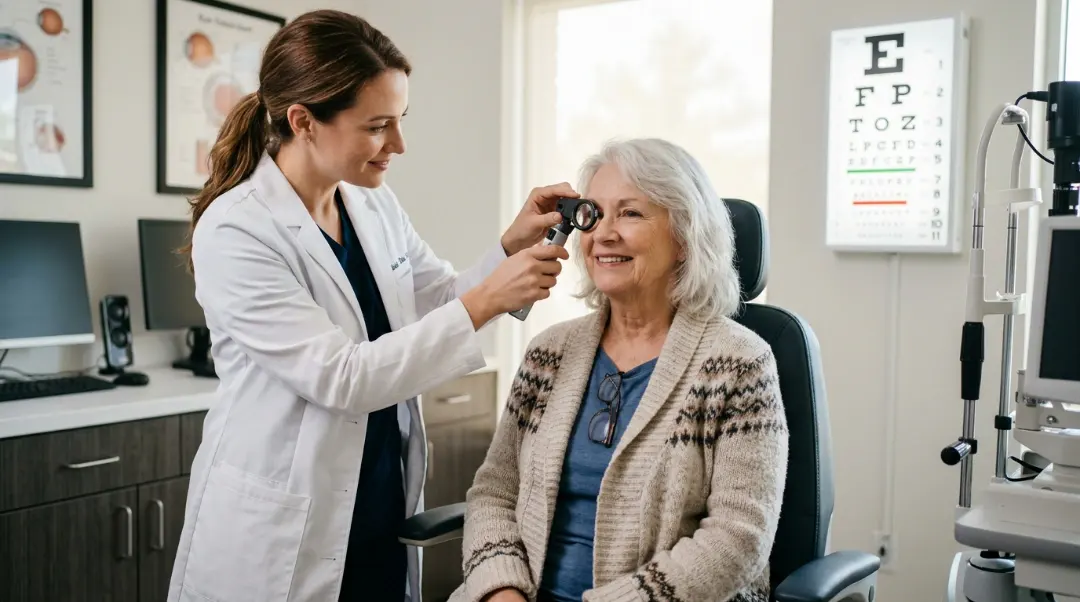
Eye care looks like it should be simple under Medicare. It isn’t. Here’s the quick answer: Original Medicare doesn’t pay for routine exams, glasses, or contacts, but it does cover medical eye services like cataract surgery and glaucoma screening for people at risk. So, does Medicare cover eye care for seniors? Partly. Stick with me and you’ll know what Medicare pays, what it leaves to you, and where to find lower-cost help. I’ll cover covered conditions, Medicare Advantage and Medigap, 2026 costs, and four practical ways to save. What Original Medicare Covers for Eye Care Original Medicare covers medical eye care, not routine vision care. Part B pays for diabetic eye exams, glaucoma screening for people at high risk, cataract surgery with an intraocular lens, and treatment of eye diseases. It doesn’t cover routine eye exams for glasses. Here’s how that looks in practice. Part B covers a yearly diabetic retinopathy exam. It also covers a glaucoma test once every 12 months if you’re at high risk, which means diabetes, a family history of glaucoma, being African American and 50 or older, or being Hispanic American and 65 or older. Part B also covers tests and some treatments for age-related macular degeneration. After cataract surgery with an intraocular lens, Medicare pays for one pair of standard glasses or contacts. The eye care Medicare pays for always needs a medical reason. What Original Medicare Does NOT Cover Knowing what falls outside coverage helps you avoid unexpected bills. Original Medicare leaves noticeable gaps in daily vision care. Routine Vision Screening: Standard yearly checkups to check visual acuity aren’t covered. Eyeglass Frames and Lenses: Part B won’t buy everyday frames, progressive lenses, or anti-glare coatings. Contact Lenses and Fittings: Routine contacts and fitting fees remain 100% your responsibility. Elective Refractive Surgery: Procedures like LASIK or PRK are never covered because Medicare views them as elective cosmetic options. Getting glasses is like a tune-up for the motor of your car. Original Medicare views tune-ups as routine maintenance. It only works when something breaks down. The fact that about 83% of older persons wear corrective lenses means that most people will have to find another way to pay for their eye care because of these exclusions. If you ask your doctor for an eye refraction during a covered diabetic exam, the clinic charges a separate fee for the refraction. You may see a separate charge for that prescription measurement that can range from $40 to $90. Always ask the front desk staff before you come in for your appointment which parts of your visit are diagnostic and which parts are routine. Medical Eye Conditions Covered Under Medicare When age-related vision loss or serious medical issues threaten your eyesight, Medicare Part B provides vital safety nets. Knowing which diagnostic codes trigger coverage ensures you get every benefit you’re owed. Medical Conditions Covered by Medicare Part B Medical Eye Condition Covered Service or Treatment Eligibility Requirements Patient Cost Share (2026) Cataracts Surgical removal, Intraocular Lens (IOL) implant, plus 1 pair of post-surgery glasses Medically necessary visual impairment 20% after $283 Part B deductible Diabetic Retinopathy Annual dilated eye exam by a state-licensed eye doctor Formally diagnosed with Diabetes Mellitus 20% after $283 Part B deductible Glaucoma Annual screening to test optic nerve health and fluid pressure High risk: Diabetes, family history, or qualifying age/ethnicity 20% after $283 Part B deductible Macular Degeneration (AMD) Diagnostic imaging and Anti-VEGF medication injections Diagnosed with wet or progressive dry AMD 20% after $283 Part B deductible Glaucoma Screenings for High-Risk Individuals Glaucoma is often called the silent thief of sight because fluid pressure builds inside the eye without causing early pain. Over time, this pressure harms the optic nerve and damages peripheral vision. Part B covers a full glaucoma screening once every 12 months if you meet high-risk criteria. You qualify as high risk if you meet at least one of these conditions: You have a medical diagnosis of diabetes mellitus. You have a documented family history of glaucoma. You are African American and age 50 or older. You are Hispanic and age 65 or older. The screening includes dilated eye checks, intraocular pressure measurements, and direct optic nerve assessments. Age-Related Macular Degeneration (AMD) Treatments Age-related macular degeneration harms the center of your retina, creating blurry spots or blank areas right in the middle of your visual field. It makes recognizing faces or reading fine print challenging. Does Medicare cover eye exams and advanced treatments for AMD? Part B covers diagnostic optical coherence tomography (OCT) scans and special eye injections. Anti-VEGF medications injected into the eye help stop abnormal blood vessel growth in wet AMD. Because doctors give these injections in outpatient clinic settings, Part B covers the medication and procedure. You pay your standard 20% coinsurance after meeting the $283 Part B deductible. How Medicare Advantage and Medigap Handle Vision Many Medicare Advantage plans include routine vision benefits, such as an annual exam and a glasses allowance. Medigap doesn’t cover routine vision care. It only helps pay your share of costs for services Original Medicare already covers. Benefits vary by plan, so check your plan’s Evidence of Coverage. So, does Medicare cover eye care for seniors who pick Advantage? Often, yes. Plans commonly add an annual exam and a yearly allowance for frames or lenses. Allowances have dollar caps, and you may need an in-network provider. Medigap works differently. It can pay Part B coinsurance on covered eye services, but it adds no routine vision benefit. If you want glasses coverage, look at an Advantage plan or a standalone vision plan. What about Medigap (Medicare Supplement) plans? Medigap policies are designed to cover the deductibles, copays and coinsurance that Original Medicare leaves open. They do not generate new benefit categories. If your Part B covers your cataract surgery, Medigap pays your 20% coinsurance. But if Original Medicare doesn’t pay for a basic refraction exam or a new pair of eyeglasses, Medigap won’t either. Some Medigap companies provide separate vision

How to Build Upper Body Strength for Seniors?
Opening a jar, lifting a grocery bag, pushing up from a chair: your arms do more work than you’d guess. Strength there fades with age, but it comes back with steady practice. If you’re searching for how to build upper body strength for seniors, here’s the short answer. Do two or three light sessions a week with resistance bands, small dumbbells, or your own body weight, and add effort slowly. This guide covers safe exercises, a weekly plan, equipment, and food that helps muscle grow. You’ll also learn which warning signs mean “stop.” Start small, and your arms will notice within a few weeks. Why Upper Body Strength Matters for Seniors Strong arms keep everyday tasks easy and keep you independent. Adults slowly lose muscle and grip strength from midlife on, and the loss speeds up later. Severe muscle loss has a name: sarcopenia. Your shoulders and back matter just as much. Think of them as the roof beams of a house. Let them weaken, and everything below starts to sag, which shows up as stooped posture and a harder time catching yourself in a stumble. Strength training also supports bone density, mood, and sleep. Both the CDC and the World Health Organization advise older adults to do muscle-strengthening activity at least two days a week. Essential Safety Rules Before You Start Talk to your doctor first if you have heart disease, high blood pressure, osteoporosis, a recent surgery, or shoulder pain. Then follow these rules: Warm up for five minutes. March in place and roll your shoulders. Sit when balance feels shaky. Use a sturdy chair without wheels, placed against a wall. Breathe out on the effort. Never hold your breath while you push or pull. Know the difference in pain. Mild muscle burn is fine. Sharp joint pain means stop. Pick a light weight. You should finish 10 to 12 repetitions with smooth form. Keep someone nearby for your first few sessions. The Best Upper Body Exercises for Seniors This section covers the core exercises for an upper body workout for seniors. Each one targets a different muscle group, so together they build balanced strength rather than overworking one area. Shoulder Exercises for Seniors Lateral raises build shoulder mobility and strength without much strain. Stand or sit with a light weight in each hand, arms at your sides. Raise your arms out to the sides until they’re level with your shoulders, then lower slowly. Aim for 8 to 10 reps. Wall angels are gentler and great for those with limited shoulder mobility. Stand with your back against a wall, arms bent at 90 degrees. Slide your arms up and down the wall slowly, keeping contact with the surface. This improves upper body mobility over time. Arm Exercises for Seniors Bicep curls are a classic for a reason. Hold a light dumbbell in each hand, palms facing forward, and curl the weight toward your shoulder. Lower slowly. This is one of the simplest dumbbell exercises for seniors and builds muscle activation in the front of the arm. Tricep extensions balance out the curls by working the back of the arm. Hold a light weight overhead with both hands, then bend your elbows to lower it behind your head before pushing back up. Keep your elbows close to your ears throughout. Chest and Pushing Movements Wall push-ups are one of the safest pushing movement exercises available. Stand an arm’s length from a wall, place your palms flat against it, and lower your chest toward the wall before pushing back. This builds chest and shoulder strength without stressing the wrists or knees. Seated chest press works well with resistance bands looped behind a sturdy chair. Push your arms forward until they’re extended, then return slowly. This is a low-impact way to build pushing strength and muscle endurance. Core Support for Upper Body Work A strong core supports every upper body movement you make. Seated torso twists, done slowly with hands on opposite shoulders, activate the muscles that stabilise your spine during lifting and pushing. Skipping the core is a common mistake that limits progress elsewhere. How Often Should Seniors Train Upper Body? Seniors should train their upper body two to three non-consecutive days per week, with at least one rest day between sessions. Each session needs one to two sets of 8 to 12 repetitions per exercise. Muscles repair and grow during rest, so recovery days matter as much as workouts. A simple start is Monday and Thursday. After four weeks of comfortable sessions, add a second set or a third day. On off days, take a walk or try gentle tai chi. Slow and steady wins here, much like the tortoise in the old fable. Exercise Summary and Safety Matrix Exercise Equipment Position Difficulty Main safety tip Wall push-up None Standing Easy Keep your back straight Seated overhead press Light weights Seated Moderate Stop if shoulders pinch Band row Resistance band Seated Easy Anchor the band firmly Bicep curl Light weights Seated Easy Avoid swinging Lateral raise Light weights Seated Moderate Stay at shoulder height Band pull-apart Resistance band Seated Easy Keep wrists straight Grip squeeze Soft ball Seated Easy Release if hands cramp When you’re learning how to build upper body strength for seniors, start with the “Easy” rows and add the rest over several weeks. Exercise Summary and Safety Matrix Exercise Target Muscles Equipment Needed Primary Daily Benefit Safety Caution Wall Push-Ups Chest, Front Shoulders, Triceps Wall Pushing open heavy doors Avoid letting lower back arch Seated Press Shoulders, Upper Triceps Light Dumbbells or Water Bottles Reaching upper shelves Avoid if sharp shoulder pain occurs Seated Band Rows Rhomboids, Lats, Rear Shoulders Resistance Band Posture support and pull strength Keep spine still; do not rock torso Bicep Curls Biceps Brachii, Forearms Dumbbells or Canned Goods Carrying items securely Avoid swinging arms for momentum Wall Angels Scapular Stabilizers, Upper Back Wall Improving posture and reach Do not force wrists to touch the wall Seated Side Bends Obliques, Deep

What Is the Best Time to Check Blood Sugar?
A glucose number means little without its timing. If you’ve ever wondered what is the best time to check blood sugar, you’re not alone, and the answer isn’t a single moment. Most adults with diabetes get the clearest picture from a fasting check on waking, a check before meals, and a check one to two hours after eating. This guide covers a daily schedule, how timing changes by diabetes type, and what each reading tells you. You’ll also see the mistakes that skew results and the ranges to aim for. Your care team sets your final plan, so treat this as a map to bring to that conversation. Essential Times to Test Your Blood Glucose The best time to check blood sugar depends on your treatment plan, but most people test at four key points: fasting (right after waking), before meals, two hours after meals, and before bed. People on insulin often add overnight checks too. These windows give the clearest picture of how your body handles food, rest, and medication throughout the day. Think of these checkpoints like mile markers on a long drive. Each one tells you something different about the road ahead. Miss too many, and you’re driving blind. Fasting in the morning: Right after waking up and before eating or drinking anything. Before main meals: Before eating breakfast, lunch, or dinner. Two hours after meals: Measured exactly two hours from your first bite of food. Bedtime: Before turning in for the night to ensure safe overnight levels. Around physical activity: Before, during, and after exercise or major movement. Why Blood Sugar Testing Timing Matters Timing matters because glucose rises and falls throughout the day. Food, medicine, activity, stress, and sleep all move it. A reading taken at a random moment can look normal or alarming for the wrong reasons, so checking at consistent times shows patterns your doctor can use to adjust treatment. Think of your glucose log as a weather diary. One sunny afternoon says little, but a month of entries shows the season. Picture a retired teacher who tests only before breakfast. Her mornings look perfect, yet her afternoons run high and nobody knows. Timed checks reveal patterns like that morning spike or a quiet overnight low. The A1C test shows your average over about three months. It hides the swings in between, and timed checks catch them. The Best Times to Check Blood Sugar (Daily Schedule) Establishing a clear daily routine makes monitoring simple and manageable. Following a predictable testing schedule reduces stress for caregivers and aging adults alike. Time of Day Ideal Target Range Purpose of Test Fasting (Morning) 80 – 130 mg/dL Measures baseline glucose after overnight rest Before Meals 80 – 130 mg/dL Helps determine pre-meal insulin or medicine needs 2 Hours After Meals Under 180 mg/dL Shows how the body processes food and carbs Bedtime 100 – 140 mg/dL Prevents overnight hypoglycemia while sleeping Morning Fasting Test Testing your fasting blood sugar level first thing in the morning sets your daily baseline. Take this test before drinking coffee, taking pills, or eating breakfast. Morning tests show how your liver and pancreas manage glucose while resting. A high fasting number often points to overnight hormonal changes or late-night snacks. Pre-Meal Testing Testing right before eating helps you understand your starting point. It tells you if your blood sugar level is already high before adding carbohydrates. Checking before lunch and dinner guides choices for portion sizes. If the pre-meal reading is already high, choosing lighter foods helps prevent a massive spike. The 2-Hour Post-Meal Test What is a typical blood sugar 2 hours after eating? For most non-pregnant adults an optimal reading is less than 180 mg/dL. Start your two-hour clock at the first bite of food. Not when you complete the meal. Food begins to break down into glucose immediately. The two-hour test is the best indicator of the highest glucose level after eating. Bedtime Check A bedtime glucose test protects against low blood sugar while sleeping. Nighttime drops can cause night sweats, confusion, or restless sleep. Checking before sleep ensures levels are stable through the night. If the bedtime reading is below 100 mg/dL, a light snack containing protein and complex carbs can keep numbers safe until morning. Best Testing Times by Diabetes Type Your diagnosis and treatment shape the schedule, which is why what is the best time to check blood sugar has no single answer. Type 1: Most people check four or more times a day, including before meals, at bedtime, and before exercise or driving. Many use a continuous glucose monitor (CGM) instead. Type 2 on insulin: Multiple daily injections call for checks similar to type 1. Long-acting insulin alone often means a daily fasting check. Type 2 on pills or lifestyle changes: Checks are less frequent. Many people test fasting on some days and after meals on others. Prediabetes: Doctors rely mostly on lab tests and A1C. An occasional home check shows how certain foods affect you. Gestational diabetes: Checks happen fasting and after meals. The ADA uses a fasting target below 95 mg/dL during pregnancy. Older adults: Goals depend on health and function, and avoiding lows comes first. A parent with several conditions may need a looser range than a healthy 60-year-old. How Other Factors Affect When You Should Test Illness, new medicines, stress, travel, and changes in meals or sleep all call for extra checks. Glucose climbs during infection and drops when you eat less than usual. During these periods, many care teams ask for checks every few hours, so ask yours for a sick-day plan before you need one. Steroid medicines such as prednisone can raise afternoon and evening glucose. The 2026 ADA Standards of Care reinforce checking after meals or at random times during steroid treatment. Alcohol can also cause a low many hours after you drink. A bedtime check is wise on those nights. Blood Sugar Monitoring Around Exercise & Daily Activities Check before activity and again afterward, because

What Is the 40/70 Rule for Aging Parents?
Most families wait too long to talk about aging. It feels awkward, and nobody wants to play the bad guy. So, what is the 40/70 rule for aging parents? It’s a guideline that says to start the care conversation when you’re around 40 and your parents are around 70. You’re probably here because something nudged you. Maybe a fall, a missed bill, or an odd phone call. This guide explains where the rule came from, which warning signs matter, how to open the talk without a fight, and what to do when a parent pushes back. You’ll also get a checklist you can use this week. What the 40/70 Rule Actually Means The 40/70 rule says adult children around 40 should talk with parents around 70 about future care, money, housing, and health wishes. It’s a timing guideline, not a law. The goal is to plan while everyone is calm and healthy. Home Instead Senior Care built the idea from survey research. Finances, living preferences, and driving ranked among the least discussed topics between adult children and parents. Nearly a third of boomers said old parent-child roles made those talks harder. Why Age 40 and 70 Specifically? Age 70 is when health risks, retirement changes, and care needs begin to rise for many parents. Age 40 is when many adult children have the career stability and emotional bandwidth to plan. Together, the ages create a window where families can talk calmly before a crisis forces rushed decisions. Think of it like fixing a roof. You do it on a sunny day, not in the storm. At 70, many parents can still state clear wishes, which makes this the best time to listen. Wait for a crisis, and decisions get made in hospital hallways. Tired people make them, and they often disagree. 5 Warning Signs It’s Time to Have “The Talk” Age sets the clock, but behavior tells the real story. Watch for these signs: Unpaid bills or piles of unopened mail. Money slips often show up first. An empty fridge, spoiled food, or weight loss. Cooking may feel too hard. New dents on the car or getting lost on familiar roads. Driving safety can’t wait. Falls, bruises, or a new fear of stairs. One fall often leads to another. A messy home, skipped hygiene, or pulling away from friends. These can point to depression or memory trouble. If you spot two or more, don’t wait for the 70th birthday. How to Start the Conversation With Your Parents Pick a quiet moment. Skip holidays, and don’t ambush anyone at a crowded dinner. Start with yourself. Try, “I’ve been thinking about my own plans, and it made me wonder what you’d want.” That opens the door without sounding like an audit. Picture a daughter named Dana. She asks her dad, “If you ever needed help at home, what would you want it to look like?” He talks for twenty minutes. Nobody argued, because nobody was being told what to do. Ask open questions, then listen. “What would make staying home easier?” works better than “You can’t live alone.” Talk with your siblings first, so your parents hear one message instead of three. Expect some resistance. Your parents spent decades looking after you, and role reversal stings. Treat this as a series of short talks, not one big meeting. Use “Blame the Paperwork” Strategies Instead of focusing on their age, bring up your own estate planning or news events. You can say: “I’ve been working on my own will and medical directive lately, and it made me realize I don’t actually know what your preferences would be if you ever faced a medical emergency. What would you want me to know so I don’t have to guess?” Ask About Their Friends Peer experiences offer a gentle doorway into sensitive topics. Try asking: “I know your neighbor recently had a bad fall and needed help at home. Did that make you think about what kind of support you’d want if you ever ran into a physical setback?” The Essential Aging Parent Checklist A Gather these items, even if you start with only two or three: Will and any trust documents Durable power of attorney for finances Health care proxy and advance directive HIPAA release, so doctors can speak with you Medicare and insurance details, including long-term care coverage A list of medications, doctors, and pharmacies Locations of bank accounts, deeds, and key passwords Funeral and end-of-life wishes An elder law attorney can confirm which documents your state requires. What to Cover Once the Conversation Starts Work through topics one at a time. Don’t try to settle everything in one sitting. Housing: Does your parent want to age in place? Which home changes would help? Money: How will they pay for care, and who can see their accounts? Health: Which treatments do they want, and which would they refuse? Driving: What’s the plan when keys become unsafe? Daily help: Who can step in for meals, rides, and bathing? Write down what you hear. Their answers become your guide when a hard choice arrives. How Often Should You Revisit These Conversations? Revisit the conversation once a year and after any major event, such as a fall, hospital stay, diagnosis, or the loss of a spouse. Plans change as health changes. A yearly check-in keeps documents current and wishes clear, and it keeps the topic from feeling like a one-time confrontation. Tie the check-in to a birthday or the new year, so it feels routine. Each visit gets easier. Your parents also see that you’re listening, not planning around them. Getting Support When Family Care Isn’t Enough Even with a solid plan, there comes a point where family alone can’t cover everything, and that’s not a failure on your part. It’s simply a sign the situation has changed. Bringing in outside, non-clinical support can protect your parent’s independence at home while giving you room to breathe. This is where home care services in Denver can fill

How to Care for Bedridden Elderly at Home?
Caring for a parent or spouse who can’t leave bed feels like learning a new language overnight. You worry about hurting them or missing something important, and that worry is normal. This guide shows how to care for bedridden elderly at home safely, with clear steps you can start today. Quick answer: turn them every two hours, check their skin daily, keep them clean, fed, and hydrated, move their joints gently, and call a doctor early when something looks wrong. Below, I’ll cover each step, the equipment worth buying, and the signs that it’s time to bring in help. What Does “Bedridden” Mean? Bedridden means a person can’t get out of bed on their own and spends most or all of the day lying down. The cause is usually illness, injury, frailty, or weakness. Care needs include repositioning, hygiene, feeding, and skin protection around the clock. Some people stay in bed for a few weeks after surgery. Others need bed-based care for years. Ask the doctor which timeline to expect, because it shapes your plan. Understanding Bedbound Care: Definition & Expectations Bedbound care is all about taking care of all physical, hygienic and emotional needs of a person right from the bed. “It sounds easy on paper. “It’s a full-time job in addition to your own job and your own family. Home care for bedridden individuals includes daily cleanliness, meals, water, repositioning and keeping a bedroom clean and well-lit. And you’ll have an emotional load that’s easy to underestimate. Long lengths in bed bring on loneliness rapidly, so plain chat and the familiar music matter as much as the physical activities. Bedbound vs. Bedridden: Is There a Real Difference? Bedbound usually means someone can still shift positions or sit up with help, while bedridden often means almost no independent movement at all. In practice, most caregivers and even some clinicians use the two terms the same way. The distinction matters mostly when you’re talking to a doctor about the level of assistance needed. Term Mobility Level Typical Care Needs Bedbound Some assisted movement possible Daily support, occasional independence Bedridden Minimal to no mobility Full-time hands-on care Bedfast Older clinical term, similar to bedridden Full supportive care Knowing the difference between bedbound and bedridden helps you describe your loved one’s condition accurately when you’re talking to a home health nurse or physical therapist. Accurate language gets you the right kind of help faster. Common Causes of Being Bedridden in Elderly Adults Seniors rarely become immobile overnight unless they suffer an acute injury. Most often, a mix of chronic issues gradually reduces their ability to stand and walk safely. Neurological conditions: Strokes, late-stage Parkinson’s disease, and severe dementia limit motor control and balance. Severe injuries: Hip fractures or major falls lead to sudden loss of mobility. Chronic illnesses: Advanced heart failure, COPD, or severe arthritis make physical movement painful or exhausting. General frailty: Prolonged hospital stays or severe infections often drain an older adult’s remaining physical strength. Recognizing the root cause helps you anticipate specific risks, like swallowing difficulties or joint stiffness. Essential Daily Care Checklist for Bedridden Elderly Keeping a daily schedule keeps your caregiving efforts organized and ensures no critical health checks get skipped. Morning Care Conduct a full body skin inspection during the initial morning check. Provide a complete sponge bath, perineal cleaning, and fresh clothing. Perform oral hygiene care using a soft toothbrush or swabs. Gently turn the person and smooth out all bed sheet wrinkles. Serve a high-protein breakfast and track total fluid intake. Afternoon Care Continue repositioning every two hours to relieve pressure points. Offer water, juices, or broth to support hydration. Carry out passive range-of-motion exercises for the arms and legs. Assist with toileting or change adult underpads promptly after use. Provide mental stimulation through reading, television, or quiet conversation. Evening & Night Care Perform evening oral hygiene and clean hands and face. Apply moisture control barrier cream to high-risk skin areas. Change bed linens if they are damp or soiled. Set up extra pillow support for overnight comfort. Check room lighting and ensure a call bell or chime is within reach. Preventing Complications: Skin Care & Bedsores Preventing bedsores requires changing a patient’s body position every two hours, keeping skin clean and dry, and using pressure-relieving mattress pads. Consistent repositioning relieves targeted pressure on bony areas like hips, heels, and the tailbone, stopping tissue damage before open ulcers form. Pressure sores develop quickly when blood flow to the skin is cut off. If left untreated, a minor patch of red skin turns into a deep medical issue that requires weeks to heal. The 2-Hour Turning Schedule Never let a bed-bound senior stay in one position longer than two hours during the day. Use pillows and foam wedges to prop them on their left side, right side, or back. When turning your loved one, use a draw sheet folded underneath their midsection. Pulling the sheet instead of dragging their limbs prevents friction and shearing, which tear fragile, aging skin. Identifying Early Stage Pressure Sores Inspect the skin thoroughly during every bath and clothing change. Look closely at pressure points: the tailbone, elbows, shoulder blades, ankles, and heels. Stage 1 bedsores look like persistent red patches on light skin or purplish spots on darker skin. If you press the spot with your finger and it stays red instead of turning white, pressure damage has started. Stop all pressure on that spot immediately and keep it dry. Moisture and Incontinence Management Moisture weakens aging skin, making it tear easily. Urine and feces contain chemicals that cause severe skin breakdown, often called incontinence-associated dermatitis. Clean the perineal area right after any incontinence episode using warm water and mild skin cleansers. Avoid harsh rubbing with dry towels; pat the skin dry gently. Always apply a thick layer of zinc-oxide barrier cream to shield delicate skin from moisture. 6 Tips for Caring for a Bedridden Family Member 6 Tips for Caring for a Bedridden Family Member Talk before you

What Are the Different Levels of Senior Care?
Choosing senior care feels overwhelming when you’re facing a confusing list of options. What are the different levels of senior care, and how do you know which option fits your family’s situation? Senior care ranges from low-level daily assistance at home to continuous medical supervision in a specialized facility. Understanding these options helps you protect your loved one’s health, budget, and independence. How Are Senior Care Levels Defined? Senior care levels describe the amount of help a person needs each day. Healthcare professionals measure these needs using two main categories: Activities of Daily Living (ADLs) and Instrumental Activities of Daily Living (IADLs). ADLs include basic physical tasks like bathing, dressing, eating, using the restroom, and moving safely around the house. IADLs involve complex routines like managing medications, cooking meals, handling finances, and shopping. When a senior struggles with IADLs, low-level support usually solves the problem. When physical ADLs or cognitive safety become difficult, higher levels of care are required. The Senior Care Continuum, Explained The senior care continuum structure allows individuals to receive appropriate physical support while maintaining personal autonomy. Aging in place through supportive services often serves as an initial step before residential placement becomes necessary. Understanding how care levels function ensures families select services that align with current functional needs rather than paying for unnecessary levels of care. Key Distinction: Non-clinical personal care assists with everyday physical routines (ADLs/IADLs). Skilled healthcare provides licensed medical interventions like wound management, physical therapy, and intravenous treatment The 6 Levels of Senior Care Level 1: Independent Living Independent living communities suit active older adults who do not require physical assistance or medical supervision. These residential setups offer maintenance-free housing, social activities, and group dining options. Residents manage their own personal routines and healthcare needs without staff involvement. Level 2: In-Home Care (Non-Medical) In-home care allows seniors to remain safely in their own houses while receiving help from trained caregivers. Services focus on daily support rather than clinical medical procedures. Caregivers assist with meal preparation, light housekeeping, personal hygiene, mobility guidance, and companionship. Level 3: Assisted Living Facilities What are the levels of care in assisted living facilities? Assisted living combines housing with personalized daily support for individuals who can no longer live completely independently. Staff members assist with bathing, dressing, and medication administration while providing meals, laundry service, and 24-hour emergency monitoring. Level 4: Memory Care Memory care provides specialized residential support for individuals living with Alzheimer’s disease, dementia, or severe cognitive decline. Facilities feature secure building layouts to prevent wandering, along with structured daily routines designed to reduce anxiety and maintain cognitive skills. Level 5: Skilled Nursing Facilities (Nursing Homes) Skilled nursing facilities offer 24-hour clinical care provided by licensed nurses and physical therapists. This level fits seniors recovering from major surgeries, strokes, or severe chronic illnesses requiring complex medical equipment, wound care, or intensive rehabilitation therapy. Level 6: Palliative and Hospice Care Palliative care focuses on relief from symptoms and stress during serious illness at any stage. Hospice care delivers compassionate comfort measures for individuals nearing the end of life, prioritizing pain management, dignity, and family support over curative medical treatments. How Is a Senior’s Level of Care Determined? The level of care for a senior is established through a thorough assessment that measures ADLs, IADLs, mobility and cognitive function, usually by a nurse or care coordinator. “This is not a five minute talk. It’s a systematic assessment, generally repeated when someone enters a community, following a health event, and then routinely every six months or so. The examination is more than just physical strength. They watch how a person gets out of a chair, if they can pick up a pen and how they react to simple everyday requests. Family members are often startled either way: sometimes a parent needs more help than anyone thought, and occasionally they are doing better than the family gave them credit for. If you ever wonder how the level of care is determined in a certain community, ask to sit in on part of the assessment. Most places allow it and if you see it in person it is better than any brochure can tell you. Cost Comparison by Level of Care Senior care costs vary based on geographical location, required hours, and facility placement. The following table highlights average monthly expenses to help you plan effectively. Senior Care Level Average Monthly Cost Key Inclusions Independent Living $2,500 – $4,000 Rent, maintenance, community amenities In-Home Care $3,000 – $5,000 Hourly non-medical daily help at home Assisted Living $4,500 – $5,800 Room, meals, assistance with 2-3 ADLs Memory Care $5,500 – $7,000 Secure housing, specialized dementia support Skilled Nursing $7,900 – $9,200 24/7 medical supervision, nursing care Signs It’s Time to Move Up a Level of Care Knowing when to adjust senior care levels prevents accidents and caregiver burnout. Watch for these common signs: Unexplained weight loss or spoiled food left in the refrigerator. Frequent stumbles, near-falls, or unexplainable bruises. Unopened mail, unpaid bills, or missed medication doses. Decline in personal hygiene or wearing dirty clothes repeatedly. Caregiver exhaustion, stress, or health issues in family members. How State Regulations Affect Senior Care Levels Senior living regulations vary across state lines because residential care facilities operate under state oversight rather than uniform federal agencies. States define facility licenses, room size specifications, caregiver-to-resident staffing ratios, and medication administration rules differently: Terminology Variations: Some states classify assisted living sites as “personal care homes,” “residential care facilities,” or “assisted care communities.” Staffing Regulations: State laws determine whether non-licensed staff members can administer medications or if licensed practical nurses (LPNs) must oversee drug administration. Transfer Requirements: State rules establish strict safety boundaries regarding when an individual’s health needs exceed what an assisted living facility can legally handle, requiring a transfer to a skilled nursing center. Finding the Right Level of Care Near You Reading about levels of care for elderly loved ones only gets you so far. At some point, you need someone local who knows the actual

What is Elder Care?
Finding reliable assistance for an aging parent or loved one feels overwhelming when you do not know where to start. Navigating the home care landscape often leaves families feeling confused by unfamiliar terms, varying levels of support, and unpredictable costs. Understanding what is elder care helps you make confident, informed decisions about in-home support, safety, and long-term well-being for your family. This guide breaks down how senior care works, what it costs, and how to choose the right services for your needs. Understanding the Process of Eldercare There is no schedule for growing old. Some people stay sharp and solid into their eighties. Some people need help with the basics in their early seventies. That’s why the care each family gives to the older adult is not the same. Fundamentally, eldercare is the services and support that aid seniors with what specialists refer to as activities of daily living, or ADLs. These include bathing, dressing, eating, using the bathroom and moving around safely. When someone begins to struggle with two or more of these, that’s usually where families start to ask what is elder care supposed to look like day to day, and what is caring for the elderly meant to cover in practice. Care may be provided by a relative, a hired aide or a registered nurse. It might happen at home or in a facility built for the purpose. Memory loss frequently alters the view as well. Sometimes you need a little push. Someone who forgets to take a medicine now and then. If somebody leaves the stove on for hours, they need someone who pays better attention. The degree of care always matches the level of need, not the other way around. Who Needs Elder Care? Older adults need elder care when physical limitations, cognitive decline, or chronic health conditions prevent them from safely managing daily tasks independently. It is also essential for family caregivers who require professional relief to prevent burnout while supporting an aging relative. Look for these key indicators that signal it may be time to introduce support services: Frequent slip-and-fall incidents, unsteadiness, or difficulty walking safely. Unintended weight loss, poor nutrition, or forgotten daily meals. Difficulty managing medication schedules or missing essential prescriptions. Neglected household chores, unwashed laundry, or unpaid bills accumulating. Decline in personal hygiene, such as avoiding bathing or dressing. Social isolation, mood changes, or signs of memory loss and confusion. Signs a Loved One May Need Elder Care A few warning signs tend to show up before a family reaches out for help. Watch for these: Unexplained weight loss or spoiled food left in the fridge Missed medications or duplicate doses Bruises, falls, or a fear of falling Unpaid bills or missed appointments A house that’s noticeably messier than it used to be Wandering, confusion, or repeating the same question One or two of these might just be a bad week. A pattern is a different story. That pattern is usually the signal to start looking into home care or a care assessment. What Does Eldercare Cost? Elder care costs range from $25 to $35 per hour for non-medical home care, while specialized nursing facilities can exceed $8,000 per month. Overall expenses depend heavily on the required level of care, location, and total hours of support needed each week. Budgeting effectively requires understanding how different services bill their clients: Care Type Average Hourly Rate Average Monthly Cost In-Home Companion Care $25 – $32 / hour $2,000 – $4,500 In-Home Personal Care $28 – $35 / hour $3,000 – $5,500 Assisted Living Community N/A $4,500 – $6,000 Nursing Home (Private Room) N/A $8,500 – $10,000 Insurance Coverage for Eldercare Standard health insurance and traditional Medicare do not cover non-medical elder care, leaving families to pay out-of-pocket unless they hold long-term care insurance policies. Medicaid provides coverage for personal care services, but eligibility depends strictly on state income limits and demonstrated care needs. Navigating financial coverage requires reviewing specific policy details early: Medicare: Pays only for short-term, medically necessary home health visits prescribed by a physician following an illness or hospital stay. Medicaid: Covers non-clinical personal support through state-specific home care waiver programs for low-income seniors. Long-Term Care Insurance: Covers non-medical personal assistance, companion care, and memory care once a policyholder meets eligibility criteria. Veterans Benefits: Programs like Aid and Attendance offer monthly pension supplements to help wartime veterans pay for home care. Legal Planning Worth Doing Early Early legal planning secures an older adult’s medical choices, assets, and care preferences before cognitive or physical decline limits their decision-making capacity. Establishing essential legal documents ensures family members can manage finances and healthcare decisions smoothly when support becomes necessary. Prioritize establishing these legal tools as early as possible: Financial Power of Attorney: Designates a trusted person to manage bank accounts, pay bills, and handle property decisions. Healthcare Power of Attorney: Appoints a proxy to make medical decisions if the senior becomes unable to speak for themselves. Living Will: Outlines specific preferences regarding life-sustaining medical treatments, resuscitation, and end-of-life interventions. Revocable Living Trust or Will: Directs how assets, real estate, and personal belongings should be managed and distributed. Types of Elder Care Services To find the right fit, you must understand the distinct types of care available today. Every option serves a specific level of need and fits a different family budget. You don’t have to jump straight to a full residential facility if small adjustments at home can solve the current safety issues. In-Home Care Support This option allows your relative to maintain their familiar routine while getting regular assistance. It focuses heavily on helping seniors age in place safely without leaving their neighborhood. The services split into non-medical help and skilled medical care. Non-medical workers handle cooking, light cleaning, and driving to the local grocery store. Skilled home health care involves licensed nurses or physical therapists visiting the property. They handle wound care, manage complex IV medications, and run physical rehab sessions. This setup provides a safe middle ground for seniors

How Does Yoga Improve the Body Seniors? A Clear Guide for Older Adults and Caregivers
Gentle physical movement helps older adults maintain independence, physical strength, and peace of mind. Finding low-impact routines that support aging joints makes a significant difference in daily comfort and confidence. Yoga offers an accessible way to build core balance, flexibility, and joint function without straining gentle bodies. Regular practice reduces fall risks, lowers chronic inflammation, and supports mental clarity for everyday living. What Is Yoga and Why It Works for Older Adults Yoga is a mind-body practice combining deliberate physical poses, controlled breathing, and mindful relaxation. It strengthens muscle groups safely while improving joint range of motion. Aging naturally reduces muscle mass, balance sensitivity, and joint fluid production. Gentle movement routines help counteract these shifts by keeping tissues hydrated and circulation active. Research indicates that low-impact routines significantly reduce fall risk factors in adults aged 65 and older. Health Benefits of Yoga for Seniors Improved Balance and Reduced Fall Risk Yoga enhances equilibrium in elderly individuals by fortifying the minor stabilizing muscles in the ankles, hips, and core, while simultaneously conditioning the brain to respond more swiftly to changes in body posture. Falls pose a significant risk to autonomy in later age, and engaging in balanced exercise is one of the most effective methods to mitigate that danger. Approximately 3 million seniors aged 65 and older need emergency care annually due to injuries sustained from falls. That statistic alone should indicate why balance exercise merits inclusion in any senior’s weekly regimen. Increased Flexibility and Joint Mobility Joints naturally lose range of motion with age, which is part of why bending, reaching, or turning gets harder. Yoga slows that decline through gentle, repeated stretching that keeps connective tissue pliable. It’s not about touching your toes on day one. It’s about moving a little further than you could last month. Flexibility work also reduces the risk of strains during normal daily tasks. Reaching for a high shelf or twisting to check a blind spot while driving both rely on joint mobility most people take for granted until it’s gone. Better Cardiovascular Health Slow-paced yoga still asks the heart to work, especially in sequences that combine movement with steady breathing. Studies have linked regular yoga practice to lower blood pressure, improved cholesterol markers, and reduced resting heart rate. This is a spot where citing a peer-reviewed source, such as a study published in a journal like the Journals of Gerontology, would add real weight and credibility for readers who want more than a general claim. Lower blood pressure and steadier heart rhythms matter more with age, since cardiovascular strain becomes a bigger factor in stroke and heart attack risk after 60. Reduced Joint Pain From Arthritis Yoga reduces arthritis-related joint pain in seniors by increasing blood flow to stiff areas and encouraging gentle movement through a joint’s full range, which lowers inflammation over time. This doesn’t mean pain disappears overnight. It means consistent, gentle practice tends to outperform staying still. Many seniors avoid movement when joints hurt, which sounds logical but often backfires. Stiffness feeds on inactivity. A slow yoga flow, done with modifications, keeps joints from locking up further while respecting pain limits. Stronger Bones and Reduced Osteoporosis Risk Weight-bearing yoga poses, even gentle ones like standing mountain pose or supported warrior poses, place light stress on bones that can help maintain density. This matters most for postmenopausal women, who face a sharper decline in bone density than men of the same age. That said, certain poses involving deep spinal twists or forward folds need caution for anyone with diagnosed osteoporosis, since the wrong movement can raise fracture risk instead of lowering it. A physical therapist or certified instructor can point out which poses to modify or skip. Better Sleep Quality Poor sleep is common in older adults, and it often gets brushed off as a normal part of aging. Research suggests otherwise. A consistent yoga practice, especially in the evening, has been linked to shorter time falling asleep and fewer nighttime wake-ups after around six months of regular practice. The breathing techniques taught in most yoga classes activate the body’s relaxation response, which lowers cortisol and prepares the body for rest. That’s a mechanism worth explaining to readers who assume yoga is only about stretching. Lower Stress, Anxiety, and Improved Mood Yoga integrates physical activity with concentrated respiration, and this synergy accomplishes what walking alone may not: it soothes the nervous system while engaging the body. Elderly individuals who engage in yoga once or twice weekly experience significantly reduced anxiety and diminished depression symptoms relative to those who do not participate. Group sessions introduce an additional dimension in this context. Engaging in conversation with peers prior to or following a class provides socially isolated seniors with motivation to get outside and maintain social connections, so promoting mental well-being. Best Types of Yoga for Seniors Selecting the appropriate style ensures safe progress while avoiding physical strain: Yoga Style Description Key Benefit Chair Yoga Performed sitting or holding a chair Best for beginners and balance concerns Hatha Yoga Slow-paced with static posture holds Builds gentle strength and flexibility Restorative Yoga Uses props to support full body relaxation Reduces stress and chronic pain Yin Yoga Holds deep stretches for longer periods Targets deep connective tissue stiffness Chair Yoga Exercises for Seniors Chair yoga uses a sturdy chair for support while performing seated or standing poses, making it one of the safest entry points for seniors with limited mobility, balance concerns, or joint pain. It removes the fear of falling that keeps many older adults from trying yoga at all. A few simple chair exercises to start with: Seated cat-cow: Sit tall, hands on knees, arch the back on an inhale and round it on an exhale. Repeat 8 to 10 times to loosen the spine. Seated forward fold: Feet flat on the floor, hinge forward from the hips toward the knees, letting arms hang. Hold for a few slow breaths to stretch the lower back. Chair-assisted mountain pose: Stand behind the chair holding
How Do You Determine Body Fat for Senior?
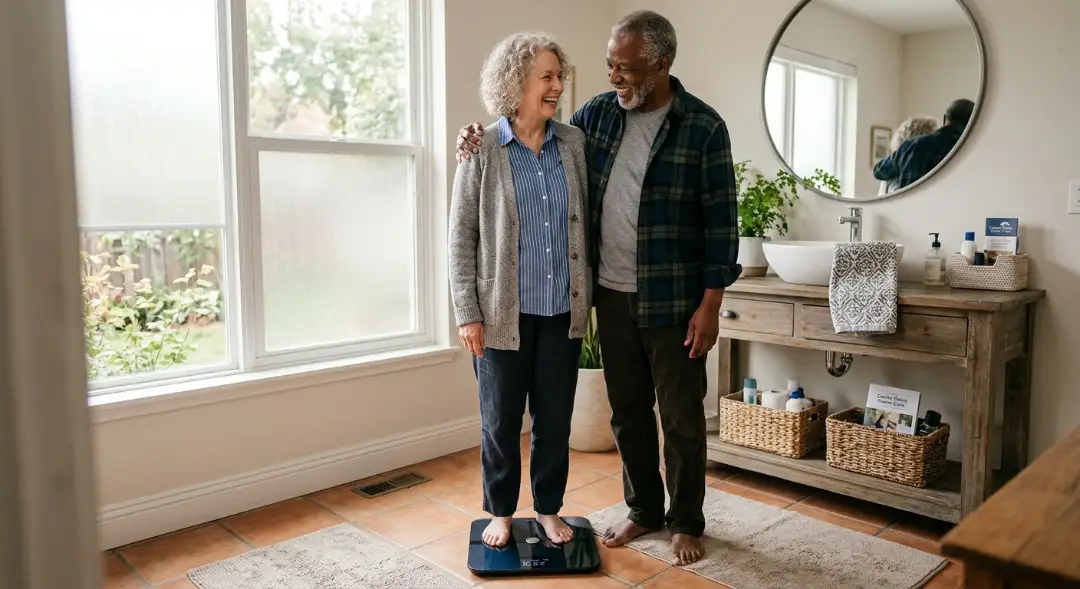
As people age, their bodies naturally change. Muscle mass may decrease, fat may collect around the waist, and body weight may stay the same even when body composition changes. These changes can affect strength, balance, mobility, and overall health, making it useful to understand body fat levels in later life. How Do You Determine Body Fat for Senior? The most practical approach combines body fat measurements, waist circumference, weight trends, and a healthcare professional’s assessment. Body fat scales can provide an estimate at home, while methods such as a DEXA scan can offer more detailed measurements when medically appropriate. No single number tells the whole story, especially for older adults. Why Body Fat Matters More (and Differently) as You Age Body fat matters more after 60 because muscle shrinks while fat moves toward the belly and organs. This change raises the risk of diabetes, heart disease, and falls, even when weight stays steady. Tracking body composition shows what the scale hides. Think of your body as a house. The frame stays put, but the wood slowly gets replaced by foam. Adults lose about 3 to 8 percent of their muscle each decade after 30, and the pace picks up after 60. Deep belly fat, called visceral fat, does the most damage. It raises insulin resistance and heart risk. Doctors call low muscle plus high fat sarcopenic obesity, and you can look slim while having it. Healthy Body Fat Percentage Ranges for Seniors A healthy body fat percentage for older adults generally falls between 24% and 35% for women, and 13% and 24% for men aged 60 to 79. These higher thresholds accommodate natural physiological changes while protecting against lean muscle depletion and fragile bones. Gender Age Range Healthy Target Overweight Threshold Women 60–79 Years 24% – 35% 36% – 41% Men 60–79 Years 13% – 24% 25% – 29% A body fat percentage 16 in a 62 year old woman indicates an unusually low fat reserve. This level requires close attention because inadequate tissue stores can lead to frail bones, nutrient deficiencies, and prolonged illness recovery. Conversely, carrying excess internal body fat increases risks for type 2 diabetes, high blood pressure, and joint inflammation. Finding a comfortable middle ground keeps energy levels high and protects everyday movement. Methods to Measure Body Fat: What’s Safe and Practical for Seniors The safest, most practical way to measure body fat for seniors at home is using a bioelectrical impedance scale combined with a simple waist measurement. These tools avoid pinch skinfold calipers while offering repeatable, stress-free health tracking. Smart scales send a harmless electrical current up through the feet to estimate body fat. They are affordable, quick, and completely pain-free for daily home monitoring. Ensure the individual can stand steadily on the scale without assistance. Avoid this method if the person uses a pacemaker or implanted medical device. Skinfold Calipers Calipers pinch skin and underlying fat at specific body sites to calculate density. While inexpensive, skin elasticity changes in aging adults make caliper testing prone to significant errors. Using calipers on fragile skin can cause pinching or bruising. It’s generally better to rely on non-invasive measurement methods. Waist-to-Hip Ratio Measuring waist circumference right above the hip bones provides quick insights into visceral fat. Divide waist size by hip measurement to determine distribution patterns. A ratio above 0.85 for women or 0.90 for men highlights excess abdominal fat. This quick check requires no special machinery or physical strain. How to Calculate BMI (Step-by-Step) BMI is calculated by dividing weight in pounds by height in inches squared, then multiplying by 703. It’s not a body fat measurement, but doctors still use it as a quick screening tool alongside other methods. Here’s the process: Take your weight in pounds. Take your height in inches and multiply it by itself. Divide your weight by that number. Multiply the result by 703. For example, someone who weighs 160 pounds and is 65 inches tall would calculate: 160 divided by (65 x 65 = 4,225), which equals 0.0379. Multiply that by 703, and the BMI comes out to about 26.6, which falls in the “overweight” category. The categories break down like this: Below 18.5: underweight 18.5 to 24.9: normal weight 25 to 29.9: overweight 30 and above: obesity Keep in mind BMI doesn’t separate muscle from fat, so a senior who’s lost muscle mass but kept the same weight might show a “normal” BMI while actually carrying more fat than the number suggests. This is exactly why BMI works best as one piece of a larger picture, not the whole answer. Factors That Can Skew Results in Older Adults Hydration changes, arthritis swelling, muscle loss, and skin changes can skew body fat results in older adults. Body composition readings shift based on fluid retention and daily physical changes rather than true fat gain. Fluid Retention and Medications Blood pressure drugs, heart medications, and kidney conditions cause rapid fluid shifts. Extra water in tissue tricks smart scales into registering false muscle or fat readings. Sarcopenia (Age-Related Muscle Loss) Loss of lean muscle density changes how electrical currents travel through tissue during BIA scans. Less muscle mass makes standard at-home scales overestimate fat levels. Osteoporosis and Height Loss Compression of spine bones reduces height as years pass. Using an outdated, taller height measurement skews standard BMI calculations toward lower scores than actual. For Caregivers: Helping a Loved One Track Body Fat Safely If you’re caring for an aging parent or loved one, monitoring their physical health is a balancing act between safety and comfort. Your primary goal is to spot sudden, unintended muscle loss or rapid abdominal fat accumulation without causing them physical stress. 1. Choose the Tape Measure Over the Scale A soft, flexible fabric tape measure is your best tool. Once a month, measure their waist just above the hip bone while they’re standing comfortably. If their waist size is creeping up but their weight is staying the exact same, they may be losing muscle and gaining visceral