
Uncategorized

What is Transitional Care for Seniors?
A hospital discharge often feels rushed. One minute your parent is in a hospital bed, and the next you’re signing papers and driving home with a folder of instructions you don’t fully understand. If you’ve stood in a hospital hallway wondering what happens next, you’re not alone. Most families hit this exact moment with almost no warning and even less guidance. So, what is transitional care for seniors? In short, it’s the coordinated support that carries an older adult safely from one care setting to another, such as hospital to home, so nothing falls through the cracks. This article walks through how it works, who provides it, what it costs, and how to tell if a transition is going wrong, so you know exactly what to ask for before the next handoff happens. The Importance of Transitional Care Poorly managed health handoffs cause nearly half of all post-hospital medication errors and unexpected setbacks. When a patient leaves a clinical setting, medical instructions often get lost in translation. Discharge papers are filled with dense medical jargon, leaving families confused about what to do next. Transitional care acts as a protective shield during this vulnerable window. It ensures that treatments continue without dangerous gaps, physical safety is addressed, and follow-up medical visits actually happen. Without proper assistance, simple oversights like missing a daily dose or skipping a follow-up appointment can quickly lead to a health crisis. How to Plan for Transitional Care for Seniors Planning starts before discharge day, not after. Ask the hospital’s discharge planner or social worker about a transition plan as soon as your loved one is admitted, not the morning they’re sent home. Waiting until the last minute is the single biggest reason plans fall apart. A solid plan covers four things: medications, follow-up appointments, home safety, and who’s responsible for what. Write down every medication change, phone number, and appointment date in one place before you leave the building. If your loved one is going home, picture the house in your head. Are there stairs? Is the bathroom safe? Will someone be there for the first 48 hours? How Does Transitional Care for Seniors Work? Transitional care usually starts before discharge and continues after the older adult reaches the next care setting. The process can include discharge instructions, medication review, follow-up appointments, therapy, caregiver education, symptom monitoring, and communication between healthcare providers and community-based services. The exact process depends on the person’s condition and where they’re going next. Before discharge The healthcare team reviews the person’s condition and creates a discharge plan. The plan may identify medications, follow-up care, therapy, equipment, dietary needs, and home support. During the move Important information should move with the patient. This may include medication information, recent treatment details, test results, care instructions, and follow-up plans. After arriving home The family or care team checks whether the plan works in real life. For example, an older adult may technically be cleared to go home but still have trouble getting safely from the bedroom to the bathroom. A caregiver may also realize that transportation to therapy is difficult. Types of Transitional Care for Seniors Different health situations require different levels of support during recovery. Understanding the available options helps you pick the right fit for your family. 1. In-Home Transitional Support This service brings professional help straight to your front door. Caregivers assist with non-clinical tasks like bath safety, meal preparation, medication reminders, and light housekeeping, allowing seniors to rest and rebuild strength. 2. Facility-Based Short-Term Care If returning home right away isn’t physically safe, skilled nursing facilities or rehabilitation centers offer short-term stays. These settings provide round-the-clock medical supervision until the individual regains mobility. 3. Hospital-to-Home Specialized Programs Many health systems offer formal discharge programs where hospital nurses coordinate directly with home health agencies. These programs focus heavily on managing chronic conditions like heart failure or COPD during the initial weeks at home. Benefits of Transitional Care for Seniors Having a structured support plan transforms the entire recovery experience for older adults and their families. Lower Risk of Hospital Readmission: Continuous monitoring catches minor symptoms before they turn into major health emergencies. Accurate Medication Management: Professionals verify that new prescriptions don’t conflict with existing home medications. Faster Physical Recovery: Regular assistance with mobility exercises helps patients regain their independence quicker. Reduced Stress for Family Caregivers: Family members can offer emotional support without feeling overwhelmed by daily care duties. Peace of Mind: Knowing a trained professional is monitoring recovery brings immense relief to everyone involved. Who Provides Transitional Care for Seniors? Transitional care is provided by a team, not one person. Hospital discharge planners, registered nurses, care coordinators, primary care doctors, home health agencies, and family caregivers all play a part, with a designated care coordinator or nurse case manager usually leading communication between everyone involved during the transition. Hospitals often employ discharge planners or social workers whose only job is setting up the next step. Home health agencies send nurses and therapists into the house for the first few weeks after discharge. Some families also bring in a private home care agency to cover the gaps, especially overnight or on weekends when medical staff aren’t available. Is Transitional Care the Same as Hospice Care? No transitional care and hospice care are not the same. Transitional care supports seniors moving between care settings with the goal of recovery or continued health management. Hospice care is specifically for individuals with a terminal diagnosis and a life expectancy of six months or less, focusing entirely on comfort rather than cure. That said, they can work together. A senior might receive transitional care to move from a hospital into a hospice setting making the shift as smooth and compassionate as possible. How Much Does Transitional Care Cost? Transitional care costs vary widely, from no direct cost under Medicare’s Transitional Care Management benefit to several hundred dollars a day for private in-home support. Medicare typically covers post-discharge follow-up visits and care coordination after a deductible and

What is the Best Diet Plan for Seniors?
You’re probably here because a doctor mentioned “watch your sodium” at the last check-up, or because Mom’s been skipping meals and you’re not sure why. Either way, you want a straight answer, not a lecture. Here’s the quick version: the best diet plan for seniors is one built around whole foods, higher protein, and fewer processed extras, adjusted for the specific health issues a person already has. There’s no single plan that fits everyone, but there is a clear pattern that works for most older adults, and we’re going to walk through it piece by piece, including what to eat, what to skip, named diet plans worth trying, and a full week of sample meals. Why Nutrition Changes After 60 Nutritional needs change after 60 because your resting metabolic rate slows down while your body’s demand for specific vitamins and minerals actually increases. This means you require fewer overall calories each day, but every meal must carry higher nutritional density to maintain energy levels and prevent chronic disease. As we age, natural physical shifts transform how our bodies process food: Sarcopenia (Age-Related Muscle Loss): Starting around age 50, adults can lose 3% to 8% of their muscle mass per decade. To protect lean muscle, older adults need higher quality protein intake than younger individuals. Decreased Stomach Acid (Achlorhydria): Lower levels of gastric acid make it harder for your digestive system to extract essential micronutrients like Vitamin B12 and iron from food. Reduced Thirst Perception: The brain’s thirst signals dim over time. Many seniors experience mild dehydration without ever feeling thirsty, leading to fatigue, joint stiffness, and confusion. Data suggests that calorie needs generally drop by about 100 to 200 calories per decade due to reduced physical activity and muscle loss, making nutrient density the top priority for aging bodies. The Best Foods for Seniors to Eat The best foods for seniors focus on high-quality protein, fiber-rich vegetables, and healthy fats to support heart and brain health. These include salmon for omega-3s, leafy greens for vitamin K, and berries for antioxidants. Incorporating these items helps prevent muscle loss and keeps the digestive system running smoothly. Lean Proteins for Muscle Mass Preservation Sarcopenia, or the natural loss of muscle mass, is a major concern. To fight this, we need to eat enough protein. Think of wild-caught salmon, eggs, and beans. These provide the building blocks your body needs to stay mobile and prevent falls. Fiber for Digestive Health Digestion often slows down as we age. Leafy greens, lentils, and whole grains are essential here. They provide the fiber needed to prevent constipation and help manage blood sugar levels. Healthy Fats and Bone Density Don’t fear fats just choose the right ones. Avocados, walnuts, and olive oil support brain health and keep your skin healthy. Pair these with calcium-rich dairy or fortified soy to keep your bone density high and avoid fractures. Dairy or Fortified Alternatives Milk, plain yogurt, and low-fat cheese support bone density. If dairy is an issue, look for fortified soy milk or almond milk with added calcium and vitamin D. Dark Berries Blueberries, raspberries, and dark cherries are rich in antioxidants. Studies from Harvard suggest regular berry consumption is linked to slower cognitive decline in older adults. What Foods Should Seniors Avoid? ertain packaged and processed items accelerate inflammation and worsen chronic health issues: Ultra-Processed & Fast Foods: Packed with hidden trans fats, heavy sodium, and artificial additives that strain the heart and elevate blood sugar. High-Sodium Canned & Frozen Goods: Standard canned soups and deli meats often exceed half your daily salt intake in a single serving. Excess Added Sugars: Sweetened drinks, baked snacks, and flavored yogurt drive up internal inflammation and cause rapid energy crashes. Alcohol: As metabolism slows, alcohol tolerance drops significantly. It can interfere with common prescription medications, disrupt deep sleep, and increase the risk of accidental slips or falls. Best Named Diet Plans for Seniors If you’ve searched for a nutrition plan for seniors, you’ve probably run into named diets like Mediterranean or DASH. Here’s how the main ones stack up. Mediterranean diet. Built around vegetables, olive oil, fish, and whole grains, with red meat kept as an occasional food rather than a daily one. It’s associated with better heart health and is one of the easiest plans to sustain long term because it doesn’t ban entire food groups. DASH diet. Short for Dietary Approaches to Stop Hypertension, this plan was designed specifically to lower blood pressure. It leans on fruits, vegetables, low-fat dairy, and reduced sodium, making it a solid fit for anyone managing hypertension. MIND diet. A hybrid of Mediterranean and DASH, built with brain health in mind. It emphasizes berries, leafy greens, and nuts while limiting butter, cheese, and fried food. How Many Calories Do Seniors Need Per Day? Calorie needs vary by sex, age, and activity level. Here’s a general guide based on USDA data: Group Sedentary Moderately Active Active Women 60+ ~1,600 cal ~1,800 cal ~2,000 cal Men 60+ ~2,000 cal ~2,200 cal ~2,400 cal These are starting points, not rules. Always talk with your doctor before making major changes, especially if you’re managing a chronic condition. 7-Day Sample Meal Plan for Seniors This is a starting pattern that covers protein, fiber, and calcium across the week without repeating the same three meals on a loop. Day Breakfast Lunch Dinner Monday Oatmeal with berries and walnuts Grilled chicken salad with olive oil dressing Baked salmon, brown rice, steamed broccoli Tuesday Greek yogurt with sliced banana Lentil soup with whole grain bread Turkey chili with black beans Wednesday Scrambled eggs with spinach Tuna salad on whole wheat toast Grilled chicken, quinoa, roasted carrots Thursday Whole grain toast with almond butter Vegetable and bean soup Baked cod, sweet potato, green beans Friday Smoothie with spinach, berries, and milk Chickpea salad with cucumber and feta Lean beef stir-fry with mixed vegetables Saturday Cottage cheese with peaches Turkey and avocado wrap Grilled shrimp, brown rice, asparagus Sunday Oatmeal with cinnamon and flaxseed
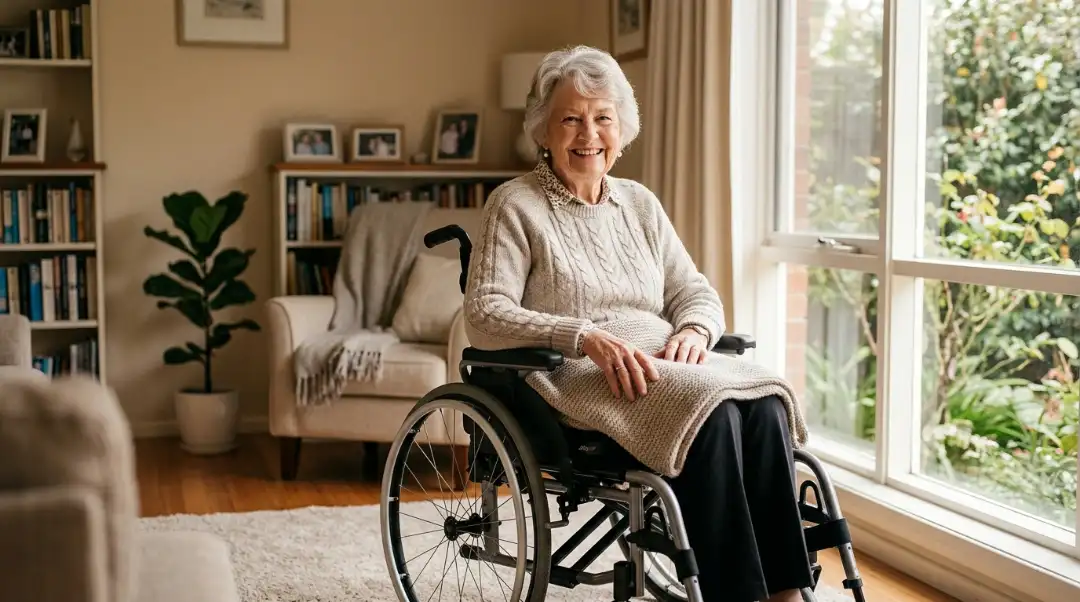
What Is the Best Wheelchair for Seniors?
The best wheelchair depends on the senior’s mobility, strength, body size, home layout, and how often the chair will be used. What Is the Best Wheelchair for Seniors often has no single answer: a manual wheelchair can suit someone with enough upper-body strength or caregiver support, while a power wheelchair may suit someone who cannot self-propel. Choosing a wheelchair can feel like picking shoes for someone else. A model that feels perfect for one person may be awkward or unsafe for another. This guide covers wheelchair types, fit, safety, Medicare, and buying factors. What Are the Different Types of Wheelchairs for Seniors? The best wheelchairs for seniors fall into four main categories: manual wheelchairs for self-propulsion, electric wheelchairs for upper-body weakness, transport chairs for temporary travel, and bariatric models for higher weight capacities. The right choice depends directly on physical strength, daily usage, and living space. Transport Wheelchairs Transport chairs are narrow, lightweight, and built with small wheels on all four corners. They fold down compactly, making them perfect for doctor visits, shopping trips, or quick outings. Because they require another person to push them, they work best for seniors who cannot self-propel. Standard Manual Wheelchairs Standard manual models feature large rear wheels and durable steel or aluminum frames. They provide excellent stability for daily indoor and outdoor use. They are ideal for individuals who retain sufficient upper-body strength to push themselves around the house. Lightweight and Ultra-Lightweight Wheelchairs Built from high-grade aluminum, these chairs reduce propulsion effort significantly. A lightweight manual wheelchair for elderly individuals helps preserve shoulder joints over long-term use while making vehicle loading painless for family members. Heavy-Duty and Bariatric Wheelchairs Featuring reinforced steel frames, wider seat widths (22 to 30 inches), and double cross-braces, heavy-duty models accommodate weight capacities from 350 to over 700 pounds. They ensure long-term durability and structural safety for larger users. Reclining and Tilt-in-Space Wheelchairs For seniors with severe trunk weakness or high risk of skin breakdown, reclining backrests allow position shifts. Tilt-in-space frames shift the entire seat angle while keeping hips at 90 degrees, relieving sacral pressure and aiding postural support. Power Wheelchairs Motorized options use joystick controls, allowing seniors with severe upper-body weakness or limited stamina to travel long distances independently without relying on caregiver muscle. What Factors Should You Consider When Choosing a Wheelchair for an Elderly Person? Choosing the right chair requires matching the user’s upper-body strength, daily activity level, living space, and caregiver lifting capabilities to the appropriate frame. You must evaluate key factors including total weight, frame material, seat dimensions, brake systems, and overall transportability to ensure long-term comfort and safe home navigation. Selecting a mobility device isn’t just about picking a seat on wheels; it’s about preserving dignity and preventing secondary health issues like pressure sores or postural strain. Weight and Frame Materials The overall weight of the chair dictates how easily a senior can self-propel and how effortlessly a family caregiver can load it into a vehicle trunk. Standard steel wheelchairs weigh between 35 and 50 pounds, making them durable but heavy. Aircraft-grade aluminum frames drop that weight down to 15 to 25 pounds without sacrificing structural strength. High-end carbon fiber options can weigh as little as 13 pounds, though they carry a higher price tag. Wheel size directly dictates who controls the movement: Large Rear Wheels (20 to 24 inches): Feature outer handrims that allow seniors with functional arm strength to roll independently. Small Rear Wheels (8 to 12 inches): Found on transport chairs, meaning the occupant cannot self-propel and relies entirely on a caregiver to push. Brake Safety and Caregiver Controls Standard wheel locks sit near the bottom frame to hold the chair stationary during transfers. However, if your family regularly navigates sloped driveways or steep outdoor ramps, look for models featuring companion handbrakes mounted on the top push handles. These squeeze-brakes give caregivers immediate speed control on down slopes. What Are the Key Features to Look for in a Wheelchair for Seniors? Key features to look for include pressure-relieving seat cushions, adjustable armrests, swinging footrests, anti-tip rear wheels, and accessible hand brakes. Prioritizing safety mechanics and customizable ergonomic components prevents falls, skin breakdown, and chronic physical discomfort. Pressure Relief Cushions Sitting for long periods puts direct stress on vulnerable bony prominences. High-density foam, gel-infused inserts, or dynamic air cell cushions distribute weight evenly across the seating surface. Proper pressure management prevents painful decubitus ulcers (pressure sores) and improves overall posture. Anti-Tip Wheels and Braking Mechanics Safety mechanics must be reliable. Anti-tip wheels are small extension pegs mounted near the ground behind the rear wheels. They prevent the frame from flipping backward on inclines or during sudden shifts in weight. Companion hand brakes on the push handles give caregivers immediate control when descending ramps or outdoor slopes. Adjustability and Custom Accessories Look for swing-away footrests and removable armrests. Swing-away footrests clear the front space for safe standing transfers. Desk-length armrests allow the chair to slide close to dining tables and desks, while elevating leg rests reduce swelling in the lower legs and ankles. How to Ensure Proper Wheelchair Fit and Positioning for Seniors? Proper fit requires taking accurate anatomical measurements of seat width, seat depth, and seat-to-floor height while the user sits upright. A properly fitted chair prevents skin shearing, postural slumping, and joint pain, while ensuring your loved one can reach the handrims or rest their feet comfortably. An ill-fitting chair causes physical discomfort and serious health risks over time. Buying a seat that is too wide causes slumping, while a seat that is too narrow creates painful pressure points along the hips. Follow these measuring steps using a flexible tape measure while the senior sits on a flat surface: Seat Width: Measure across the widest part of the hips or thighs, then add 1 to 2 inches to allow comfortable clearance for thick clothing. Seat Depth: Measure from the back of the buttocks to the back of the knee flex space, then subtract 1 to 2 inches to

What Is A Patient Sitter? Roles, Costs & Who Really Needs One
Finding a safe, constant monitoring option for a loved one in a hospital or at home can feel overwhelming. Balancing work, personal life, and medical supervision often leaves family caregivers burnt out and anxious. A patient sitter offers a simple, reliable way to keep your family member safe without adding unnecessary clinical costs. Understanding what a patient sitter is helps you make the right choice for your family’s care needs. This guide breaks down sitter duties, costs, locations, and how these non-medical professionals compare to other home care providers. What Does A Patient Sitter Do? A patient sitter provides continuous, non-medical supervision to patients who are at risk of falling, self-harm, or wandering. They assist with basic daily needs, communicate changes in a patient’s condition to nursing staff, and offer companionship acting as a steady, calming presence at the bedside. Think of a patient sitter like a dedicated spotter at a gym. They’re not doing the heavy lifting, but they’re right there to catch you if something goes wrong. Here’s a breakdown of their core duties: Constant observation They stay in the patient’s room or within close proximity at all times. No stepping out, no distraction. Eyes on the patient. Fall prevention They watch for signs that a patient is trying to get up unsafely and either assist or alert the nurse immediately. Emotional support Hospital stays are isolating. A patient sitter talks with patients, listens to their concerns, and keeps them calm and engaged. Basic personal care assistance Helping with meals, repositioning, or guiding a patient to the bathroom safely. Alerting medical staff The moment something changes behavior, breathing, agitation the sitter reports it to the nurse without delay. Documentation They log observations, behavior changes, and any care provided during their shift. HIPAA compliance Patient sitters handle sensitive information daily. Maintaining patient confidentiality is a non-negotiable part of the job. Who Needs A Patient Sitter? Individuals who need a patient sitter include aging seniors, post-surgery patients, people living with dementia, and individuals experiencing high risks of falls or mental confusion. Anyone who requires uninterrupted supervision to stay safe can benefit from a sitter’s support. The need for continuous observation usually arises during specific health events or long-term conditions: Seniors with Dementia or Alzheimer’s Disease: Memory loss often leads to unexpected wandering, disorientation, or agitation in unfamiliar environments. Post-Operative Patients: People recovering from surgery may feel groggy or disoriented from anesthesia, making self-movement dangerous. High-Risk Fall Patients: Individuals with severe muscle weakness, balance issues, or dizziness require help every time they change positions. Hospital Patients with Delirium: Acute illness can cause sudden confusion, prompting patients to remove necessary medical devices. Adults with Special Needs: Individuals requiring regular supervision to handle daily routines safely. Where Do Patient Sitters Work? Patient sitters work in hospitals, nursing homes, assisted living facilities, rehabilitation centers, and private residential homes. They provide flexible one-on-one supervision wherever an individual resides or receives care. Knowing what a sitter in a hospital versus a home setting is helps you find the right level of support: Care Setting Primary Focus of Sitter Hospitals Monitors bedside safety, prevents equipment pulling, alerts floor nurses during emergencies. Private Homes Offers supervision, prevents wandering, assists with daily routines, and provides companionship. Assisted Living & Nursing Homes Provides extra one-on-one attention beyond standard facility staffing levels. Rehabilitation Centers Supports physical safety during recovery periods between physical therapy sessions. How To Become A Patient Sitter? Becoming a patient sitter typically requires a high school diploma, current CPR certification, and basic training in patient safety and observation. Some employers prefer CNA or personal care experience, while others train new hires directly on the job. No nursing license is required. The path usually starts with a CPR and first aid course, which most community colleges and the American Red Cross offer in a single day. From there, many people gain experience as a home health aide or personal care assistant before applying, since it shows an employer you already know how to work around patients safely. What Are The Requirements To Become A Hospital Sitter? The requirements to become a patient sitter include a high school diploma or GED, CPR and First Aid certifications, clean background checks, and basic training in patient safety and communication. Understanding these qualifications helps families verify that their sitter has the right background to handle supervision safely. Essential Qualifications and Skills Education: High school diploma or equivalent qualification. Certifications: Basic Life Support (BLS), CPR, and First Aid certification. Background Checks: Criminal record screening and drug testing. Physical Stamina: Ability to sit or stand for long periods and help balance individuals safely. Soft Skills: Patience, active listening, clear communication, and emotional empathy. Patient Sitter vs. Caregiver vs. CNA These three roles get confused constantly, and the confusion causes real problems when a family hires the wrong type of help. Here’s how the scope of each one actually breaks down. Role Main Focus Hands-On Medical Tasks Certification Needed Patient Sitter One-on-one observation and safety No Usually none, CPR helpful Caregiver Daily living support, meals, hygiene, companionship Limited, non-medical Varies by state, often none required CNA Personal care plus basic clinical tasks under supervision Yes, vitals, mobility, hygiene State-certified training program A patient sitter’s entire job is watching for danger. A caregiver does that too, but also cooks, helps with bathing, runs errands, and manages a broader slice of daily life. A CNA goes a step further and can check vital signs, assist with mobility, and support a nurse’s care plan, all under a state-issued certification. How Much Does A Patient Sitter Cost? The cost of a patient sitter typically ranges from $15 to $25 per hour for private hire, though hospital-provided sitters may be covered under your care plan or billed separately. Annual salaries for employed sitters range from $20,000 to $35,000 depending on location and experience. A few things affect the final cost: Geographic location Urban areas with higher costs of living tend to pay more. Setting Hospital-employed sitters costs differently than privately

How to Cope With Parents Getting Older?
Watching your mom pause halfway up the stairs or hearing your dad repeat the same story twice in one phone call catches you off guard. You’re not imagining it. Something in the relationship has changed, and it’s normal to feel unsettled by it. The short answer: you cope by accepting that change is happening, learning to spot the signs that actually matter, and putting a plan in place before a crisis makes the decisions for you. This piece walks through what’s really going on emotionally and physically as your parents age, how to catch warning signs early, and how to build a workable care plan without losing your own footing in the process. If you’ve been searching for how to cope with parents getting older, you’ll find both the emotional groundwork and the practical steps here, in plain language, without a guilt trip attached. What Happens When Parents Start Getting Older? Aging brings natural physical and cognitive changes that affect a person’s daily strength, movement, and mental clarity. As bodies age, muscle mass decreases, joints stiffen, and processing speed slows down. These biological shifts make routine activities harder, often forcing a shift in family roles and responsibilities. Cognitive Shifts: Forgetting names occasionally is normal, but repeating questions or struggling with basic math signals a deeper change. Loss of Independence: Driving at night becomes unsafe, leading to frustration over lost freedom. Shift in Family Roles: You find yourself managing their schedules, picking up prescriptions, and checking on their meals. Understanding these biological changes helps you separate normal aging from medical concerns. It also builds empathy, making it easier to handle moments when your parents show frustration or stubbornness. The Emotional Reality: Anticipatory Grief Is Real Before anything practical happens, something emotional does. Psychologists call it anticipatory grief, the sadness that shows up before an actual loss, triggered by watching someone you love change in front of you. It’s a real, documented response, not an overreaction. You might feel sad one day and irritated the next, for no obvious reason. That’s not a character flaw. It’s your mind trying to process a loss that hasn’t fully happened yet, while still dealing with the person who’s still very much here. Naming the feeling helps. Say it out loud to a friend, a partner, or a journal: “I’m scared of what’s coming, and I don’t know how to talk about it.” That single sentence often does more for coping with parents getting older than any checklist. Signs Your Aging Parents May Need Help Your aging parents need extra help if they show noticeable changes in hygiene, uncharacteristic household clutter, unpaid bills, unexplained bruises, or weight loss. These red flags point to struggles with basic Activities of Daily Living (ADLs) or cognitive decline that require structured home support. Spotting these warning signs early keeps minor safety hazards from turning into emergency room visits. Keep an eye out for these key categories: Home Environment Safety Spoiled food left in the refrigerator or unwashed dishes piling up. Unopened mail scattered across tables or unpaid utility notices. Unexplained dents on their car or frequent minor household accidents. Personal and Medical Care Wearing the same unwashed clothes for several days in a row. Forgetting daily medication doses or doubling up on pills by mistake. Poor balance, unsteady walking, or gripping furniture for support. Social and Emotional Health Withdrawal from social groups, hobbies, or church events. Sudden mood swings, extreme suspiciousness, or unusual apathy. Difficulty managing money, making them vulnerable to phone or email scams. Coping When You Live Far Away From Aging Parents Long-distance caregiving works through a mix of scheduled check-ins, local support, and trust in the people already nearby. Weekly phone or video calls at a set time catch problems early. A local contact, whether a neighbor, sibling, or hired home care provider, fills the gaps you can’t. Set a recurring call, same day and time each week. Predictability matters more than length. A consistent ten-minute call beats a random hour-long one that only happens when guilt catches up with you. Build a small local network. Ask a neighbor to check the mail. Ask a sibling nearby to stop by. If nobody’s close, a geriatric care manager can act as your eyes and ears, coordinating appointments and reporting back so you’re not flying blind from three states away. Practical Ways to Support Aging Parents Supporting your parents doesn’t mean taking over their lives. The goal is to make their daily tasks easier while preserving as much of their independence as possible. Simplify the Home Environment: Remove throw rugs, install grab bars in the shower, and increase lighting in dark hallways to lower fall risks. Organize Medical Paperwork: Keep a single binder with doctor names, active prescriptions, insurance cards, and medical histories. Set Up Automatic Payments: Transfer electric, water, and insurance payments to automatic billing to protect their credit score and eliminate late fees. Assist with ADLs and IADLs: Help with Instrumental Activities of Daily Living (like grocery shopping and cooking) first, so they stay in charge of basic daily needs. Make the Most of Your Time Together Turn the focus, when you can, from tasks to connection. Cook a family recipe together instead of just dropping off groceries. Pull out old photo albums instead of only discussing doctor visits. These moments don’t fix the hard parts, but they balance them out. Small rituals hold weight. A Sunday phone call, a shared crossword, a walk around the block. None of it needs to be big. Consistency matters more than scale. This is also where coping with parents getting older stops being only a logistics problem and starts being a relationship you’re actively choosing to protect. The tasks matter, but they’re not the whole story. Creating a Care Plan (Step-by-Step) 1.Assess Core Needs:Identify physical, safety, and cognitive gaps. List every area where your parents struggle. Document their performance with daily tasks like bathing, meal prep, mobility, and medication tracking. 2.Gather Key Documents:Consolidate medical, legal, and financial files. Collect
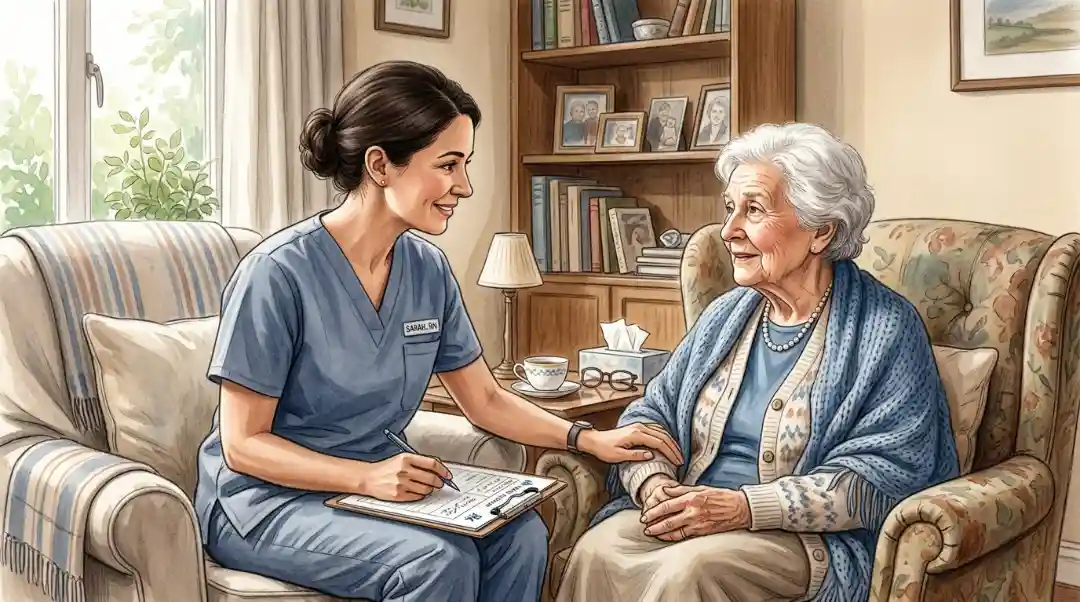
What is the Difference Between Curative and Palliative Care?
Watching a parent or spouse struggle with a serious diagnosis puts you in unfamiliar territory fast. Doctors start using words like “curative” and “palliative” as if you already know what they mean, and nobody hands you a glossary on the way out of the appointment. You just want a straight answer, not a lecture. So here’s the short version. What is the difference between curative and palliative care? Curative care aims to cure the disease itself. Palliative care focuses on comfort and quality of life, whether or not a cure is still possible. Below, we’ll break down both approaches in plain language, cover when each one starts, what it costs, and how to decide which path fits your family right now. What Is Curative Care? Curative care refers to medical treatments designed specifically to cure a disease, reverse an illness, or prolong life. Healthcare providers recommend these interventions when there is a reasonable expectation that a medical condition can be resolved or successfully managed. When a doctor prescribes a curative treatment, the primary target is the disease itself rather than the discomfort it causes. Success gets measured by clear clinical markers. These markers include tumor reduction, negative blood tests, or fully restored physical function. Common examples of what is curative care include: Antibiotics prescribed to clear up a severe bacterial infection Chemotherapy or radiation therapy aimed at putting cancer into complete remission Surgical procedures to remove an inflamed appendix or repair a damaged heart valve Physical therapy sessions designed to restore full mobility after an injury While these treatments aim for a complete recovery, they often bring tough side effects. A patient might experience severe nausea, exhaustion, or physical pain during the process. Families usually tolerate these temporary hardships because the long-term goal is full health restoration. What Is Palliative Care? Palliative care is specialized medical care focused on providing relief from the symptoms, stress, and pain of a serious illness. It aims to improve quality of life for both the patient and their family, regardless of the diagnosis or prognosis. Unlike disease-focused treatments, this approach centers entirely on the person living with the condition. A dedicated team works together to manage physical pain, emotional distress, and day-to-day challenges. This supportive team typically includes: A attending physician and palliative care specialist A registered nurse or home health aide A medical social worker to help with resources A chaplain or spiritual care coordinator for guidance A primary caregiver or family caregiver coordinating daily routines Palliative support fits alongside standard medical treatments. Patients with severe conditions like Congestive Heart Failure (CHF), Chronic Obstructive Pulmonary Disease (COPD), or dementia benefit greatly from this layer of relief. It helps individuals stay comfortable at home while keeping their dignity intact. Curative vs. Palliative Care: Key Differences at a Glance Seeing the two approaches side by side makes the difference between curative and palliative care much easier to picture. Factor Curative Care Palliative Care Primary goal Cure or eliminate the disease Improve comfort and quality of life When it starts Usually right after diagnosis Any stage, even alongside curative treatment Measure of success Disease remission or elimination Reduced pain, better daily functioning Care team Doctors, surgeons, oncologists Doctors, nurses, social workers, chaplains Typical setting Hospital, surgical center, oncology clinic Home, hospital, hospice, or long-term care Insurance coverage Covered under standard medical insurance Often covered by Medicare, Medicaid, and private plans A table like this is a good spot for a small data point, such as the percentage of hospitals with 50 or more beds that now offer a palliative care program, sourced from the Center to Advance Palliative Care (CAPC). Readers respond well to a real number here because it shows how mainstream palliative care has become. Goals and Timing: When Does Each Type of Care Begin? Curative Care Goals and Timing Curative care begins right after diagnosis. The goal is clear: eliminate the disease. Doctors consider the patient’s overall health, disease stage, and realistic chances of recovery before recommending this route. If the odds favor recovery, aggressive treatment makes sense. If not, the conversation shifts. Palliative Care Goals and Timing Unlike curative therapy, palliative care has no timing restrictions. It starts at any point even the day of diagnosis and runs alongside curative treatment if needed. The goal isn’t tied to prognosis. Whether someone has years left or months, palliative care improves how they feel and helps them live more fully. That flexibility is one of its greatest strengths. When Is the Right Time to Consider Palliative Care? Palliative care may be appropriate when a serious illness causes difficult symptoms, affects daily life, creates emotional or practical concerns, or makes treatment decisions harder. It can be considered at any stage, including while treatments intended to control or treat the illness are still being provided. Possible reasons to ask about palliative care include: Pain that is difficult to control Shortness of breath or persistent fatigue Nausea or other treatment side effects Anxiety, depression, or emotional distress related to illness Difficulty managing several symptoms at once Questions about treatment choices Concerns about maintaining independence or daily activities Stress affecting family members or caregivers A need to discuss goals of care A family caregiver or primary caregiver may notice changes before anyone else. If a loved one is struggling with symptoms, losing the ability to manage daily activities, or having difficulty coping with treatment, those observations can be useful during a medical appointment. Real-Life Examples of Curative and Palliative Care Looking at practical health scenarios makes the difference crystal clear. Patients often move between these medical approaches as health conditions change. Cancer Care Curative Example: A surgeon removes a localized tumor, followed by targeted chemotherapy to destroy remaining cancer cells. Palliative Example: A care specialist prescribes targeted medication for severe nausea caused by chemotherapy, while a counselor assists with emotional stress. Heart Failure Curative Example: A cardiologist performs surgery to insert a pacemaker, repairing heart rhythm issues. Palliative Example: A medical team adjusts fluid medications to ease

Who Is Eligible for the Medical Assistance Transportation Program?
Finding reliable rides to medical appointments is often a major hurdle for older adults and individuals managing health conditions. Getting to the doctor on time should not depend on whether you have a working vehicle or a family member available to drive. If you or a family member rely on Medicaid and do not have a reliable way to reach doctor visits, government programs exist to cover those rides at no out-of-pocket cost. The Medical Assistance Transportation Program provides free, non-emergency travel arrangements so you never miss essential care, routine checkups, or life-saving therapy sessions. What Is the Medical Assistance Transportation Program? The Medical Assistance Transportation Program (MATP) is a Medicaid benefit that pays for rides to and from non-emergency medical appointments for people who don’t have another way to get there. It covers visits to doctors, therapists, dialysis centers, and pharmacies. States run their own versions of it under different names. You might see it called MATP, NEMT (non-emergency medical transportation), or the medical transportation assistance program, depending on your state’s paperwork. Pennsylvania uses the term MATP directly. Colorado calls its version Non-Emergent Medical Transportation, delivered through Health First Colorado, the state’s Medicaid program. The names change, but the purpose stays the same: nobody should miss a doctor’s visit because they can’t get a ride. Medicaid Transportation Coverage: The Federal Backbone State Medicaid programs are required by federal law to provide non-emergency medical transportation (NEMT) services to all qualified users. Code of Federal Regulations chapter 42, section 431.53 requires states to provide travel help for people who are unable to otherwise reach covered services. This federal backbone means access to minimum transit safeguards, no matter where you live. States may choose to offer services through regional brokers, managed care companies, or direct county offices, but the basic norm is the same across the country. Feature Federal Standard State-Level Execution Legal Mandate Required under 42 CFR 431.53 Administered by state agencies or contracted brokers Minimum Coverage All medically necessary services Local rules decide trip scheduling windows Transit Options Must provide least-costly appropriate transit Options range from bus passes to wheelchair vans Financing Joint federal and state funding Specific reimbursement rates vary by county Who Is Eligible for MATP? To be eligible for MATP, you must hold an active Medicaid or Children’s Health Insurance Program plan and lack access to alternative transportation. You qualify if you do not own a working vehicle, cannot drive safely, or have no public transit nearby. Understanding who is eligible for the Medical Assistance Transportation Program comes down to meeting two specific conditions at the same time: Active Health Enrollment: You or your family member must have current, active Medicaid coverage on the day of the ride. Demonstrated Need: You must show that you do not have another usable, free way to reach your medical care provider. Eligibility Criteria What Qualifies What Does Not Qualify Medicaid Status Active state Medicaid or CHIP coverage Medicare-only coverage without Medicaid Vehicle Access No working car in the household Household car available and operational Physical Capability Unable to drive due to age, disability, or medical status Fully able to drive with access to a working vehicle Alternative Options Friends or relatives are unable to assist Free, reliable community rides are readily available If you own a working car or live near a direct bus line that you can physically use, program coordinators may ask you to use those options first. However, if your medical condition prevents you from walking to a bus stop, or if your household vehicle is broken, you meet the requirements for assistance. What Types of Transportation Are Covered? MATP covers public transit tokens, mileage reimbursement for private vehicles, sedan services, wheelchair vans, and stretcher transport based on medical necessity. The program assigns the least costly mode of transit that safely matches your physical mobility level. Program coordinators evaluate your mobility needs during the initial phone intake. They select an appropriate option based on your physical capabilities: Public Transit Vouchers: Passes for local buses, trains, or subways if you can walk safely to stops. Gas Mileage Reimbursement: Cash payments per mile if a friend, relative, or caregiver uses their personal car to drive you. Standard Sedan Rides: Direct taxi, rideshare, or vehicle pick-up if public transit is unavailable or unsafe for your condition. Wheelchair Van Service: Hydraulic lift or ramp vehicles for individuals who use power chairs or manual wheelchairs and cannot transfer to a car seat. Stretcher Vans: Non-emergency transport for individuals who must remain lying down during travel. By covering these varied ride styles, the program makes sure physical disabilities or rural locations do not stop you from seeing a doctor. What Medical Appointments Does MATP Cover? The program covers travel to all medically necessary services paid for by Medicaid, including doctor checkups, specialist visits, physical therapy, dental appointments, and mental health treatments. Understanding covered services prevents unexpected ride cancellations: Covered MATP Services Primary and Specialist Care: Routine checkups, cardiology visits, and oncology appointments. Dialysis and Therapy: Frequent trips for kidney care, physical therapy, or occupational rehabilitation. Behavioral Health: Appointments for counseling, psychiatric rehab, and substance use treatment. Pharmacy Pick-Ups: Rides to collect vital prescriptions, usually limited to the two closest participating pharmacies. Medical Equipment Vendors: Travel to fit or collect wheelchairs, oxygen supplies, or orthotics. Non-Covered Trips Emergency Care: MATP does not cover urgent 911 calls or ambulance transport. Personal Errands: Grocery shopping, social gatherings, and bank visits are excluded. Non-Medicaid Providers: Rides to doctors who do not accept Medicaid are not eligible. How Is Transportation Paid For? MATP pays the full cost of the trip when it’s arranged through the program, with no copay for the enrollee in most states. Funding comes from a mix of federal Medicaid dollars and state matching funds, administered through counties, brokers, or managed care plans. You typically won’t see a bill. The transportation provider bills Medicaid directly, similar to how your doctor’s office bills for a checkup. If you’re using your own vehicle and getting mileage
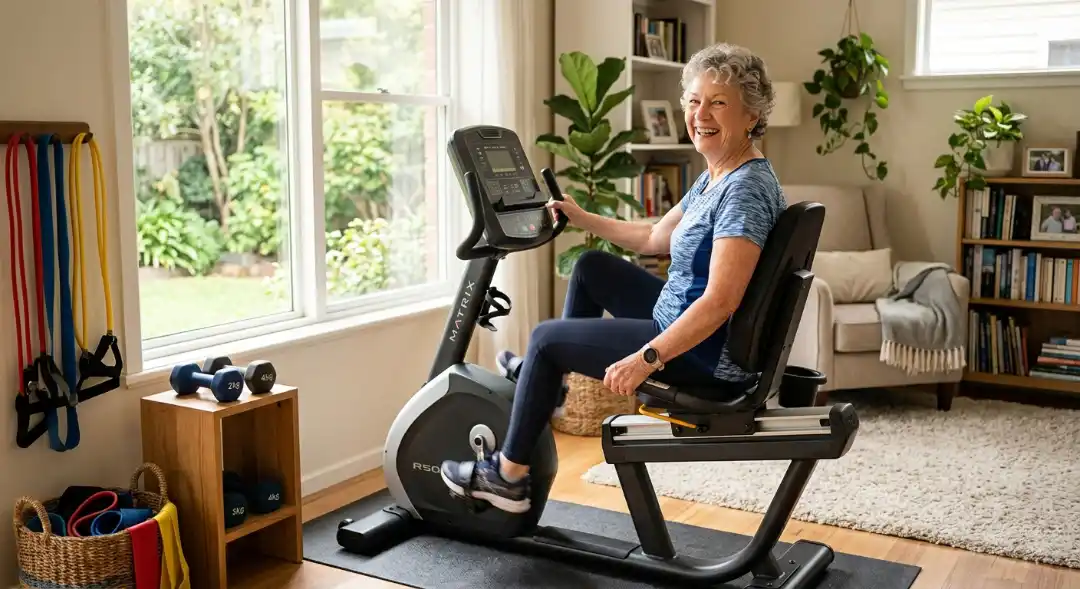
What Is the Best Exercise Equipment for Seniors?
It’s a frustrating place to be, staring at a wall of workout gear and wondering which equipment won’t injure your knees or your parent’s back. Maybe you’re a carer attempting to keep an ageing loved one active and safe from falls. Or maybe you have tight joints yourself and wish to move more without paying the price later. Either way, that uncertainty is genuine, and picking the wrong equipment wastes money, or worse, causes an injury. Best Workout Equipment for Seniors The quick answer is workout equipment designed for low impact, stable support and easy controls. Recumbent cycles, resistance bands, seated ellipticals and stability balls are at the top of the list. This article will walk you through what to look for, the best low-impact machines to buy, chair alternatives for limited mobility, and estimated pricing ranges for each, so you can make the best choice for your fitness goals. Ultimately, you will be able to identify the equipment that best suits your needs, rather than simply choosing the one with the most impressive marketing. What to Look For in Exercise Equipment for Seniors What should you look for in senior exercise gear? Look for equipment that offers low-impact movement, strong stability features, clear user controls, and joint-friendly resistance. Prioritize items with padded seating, non-slip handles, and easy step-through designs to prevent falls and ensure comfortable, safe daily workouts at home. Starting a home fitness routine requires a focus on safety first. The wrong machine can cause joint strain or increase fall risks. Focus on these essential features before buying any home fitness gear: Low-Impact Design: Choose machines that protect knees, hips, and lower back joints from harsh force. High Stability and Weight Capacity: Look for wide bases, heavy-duty frames, and non-slip rubber floor pads. Easy Step-Through Access: Avoid machines requiring high step-overs that trip up unsteady legs. Clear, Simple Consoles: Opt for high-contrast screens with large buttons that are easy to read and push. Adjustable Resistance: Ensure tension changes smoothly without sudden jerks that pull delicate muscles. Seated and Chair-Based Equipment for Seniors Not every senior can stand for extended periods. Chair-based fitness tools are a genuine solution, not a compromise. A seated leg raises machine or leg lift chair attachment builds lower-body strength without requiring balance. This directly supports fall prevention and daily mobility. Resistance bands with handles are another excellent seated option. They’re lightweight, inexpensive, and can train the upper body, core, and legs from a chair. Most physical therapists recommend them as a starting point for seniors with mobility limitations. Seated pedal exercisers round out this category. They’re discreet, quiet, and can even be used while watching television. For many families seeking exercise equipment for elderly at home on a tight budget, these are a top pick. Benefits of Exercise for Older Adults Regular movement can support more than physical fitness. It can help an older adult remain capable of handling everyday tasks such as standing from a chair, walking around the home, carrying groceries, and climbing stairs. The National Institute on Aging notes that physical activity can support physical function, independence, sleep, mood, heart health, and management of several chronic health risks. Strength training can also help maintain muscle strength and make daily activities easier. Here are some practical benefits: Better muscle strength Resistance bands and light weights can challenge the muscles without requiring heavy gym equipment. Stronger legs and hips can make everyday movements easier. Improved balance Balance exercises can help older adults work on stability. A sturdy chair or countertop can provide support during certain movements. Greater mobility Gentle strength, stretching, and aerobic activity can help maintain the movement needed for daily activities. Better cardiovascular fitness Walking, pedal exercisers, stationary bikes, and similar equipment can provide aerobic activity at an appropriate pace. Support for independence Exercise doesn’t guarantee independence, but maintaining strength and physical function can support everyday activities and independent living. Different Types of Exercise Equipment Not every senior needs the same setup. Equipment for older adults generally falls into four categories, and a well-rounded routine touches all four over the course of a week. Cardio equipment keeps the heart and lungs working without straining the joints. Recumbent exercise bikes, which support the back and lower body Seated ellipticals, for a fuller-body motion while staying seated Pedal exercisers, small enough to use from a couch or armchair Treadmills with handrails, for those with steady balance Strength equipment builds the muscle that protects joints and prevents falls. Resistance bands, light and gentle on the joints Adjustable dumbbells, starting as light as one or two pounds Wall-mounted pulley systems, good for shoulder mobility Ankle weights, for targeted leg strengthening Balance equipment trains the small stabilizer muscles that keep a person upright. Balance pads or foam mats Sturdy grab bars or balance rails Wobble boards, used only with supervision Flexibility equipment keeps joints and muscles from stiffening up. Stretching straps Yoga blocks for seated or supported stretches Foam rollers, used gently and never on bare bone or joints A routine that mixes even one item from each category covers far more ground than a single expensive machine ever could. Rotating through them also keeps sessions interesting, which matters more than most people admit. A person is far more likely to stick with movement they don’t find boring. Choosing Equipment Based on a Health Condition The right equipment for an older adult with a health condition depends on the condition, symptoms, mobility, medications, fitness level, and exercise restrictions. A doctor or physical therapist can help determine which movements are appropriate, especially after surgery, injury, or a major change in health. Arthritis People with arthritis may prefer gentle, controlled movements rather than equipment that places heavy stress on painful joints. A light resistance band, pedal exerciser, or recumbent bike may be worth considering when cleared for exercise. Comfort should guide the choice. Limited mobility Someone who spends much of the day sitting may benefit from seated exercises. A pedal exerciser and light resistance bands can provide

What’s the Difference Between ADLs vs IADLs?
Doctors and nurses probably use these words a lot if you’re taking care of an elderly parent or trying to stay healthy after getting a diagnosis. Understanding what’s the difference between ADLs vs IADLs can really affect how you plan for care, even though they sound clinical. It’s one of those differences that doesn’t seem like a big deal at first. The short answer is: ADLs, or activities of daily living, are simple chores that people do to take care of themselves, such as bathing and eating. Instrumental Activities of Daily Living (IADLs) are harder tasks, such as cooking or managing money. Both are important, but they show different levels of independence and need different kinds of help. What Are ADLs? ADLs, or Activities of Daily Living, are the six basic self-care tasks a person needs to survive: bathing, dressing, eating, toileting, transferring, and continence. Health professionals still use this list, created by physician Sidney Katz in 1963, to measure physical independence. If you’re asking what does ADLs mean in medical terms, the short version is this: it’s the checklist doctors, nurses, and care teams use to see whether a person can physically take care of their own body without help. Here’s what each item covers: Bathing. Washing yourself, including getting in and out of the tub or shower safely. Dressing. Picking out and putting on clothes without assistance. Eating. Feeding yourself once food is in front of you, including using utensils. Toileting. Getting to and from the bathroom, and cleaning up afterward. Transferring. Moving between a bed, a chair, and a standing position. Continence. Controlling bladder and bowel function. A struggle with even one of these is worth paying attention to. Loss of ADL function is one of the clearest signs that someone needs a home health aide, an occupational therapist, or a caregiver on a regular basis, and it’s often the first thing a doctor asks about after a fall, a stroke, or a new diagnosis. What Are IADLs? IADLs, or Instrumental Activities of Daily Living, are the eight more complex skills people need to live independently: using the phone, shopping, cooking, housekeeping, laundry, transportation, managing medication, and handling finances. Psychologist M. Powell Lawton and his colleague Elaine Brody created this scale in 1969 to measure independent living skills. Where ADLs are about the body, IADLs are about the mind and the outside world. They ask a bigger question: can this person actually run their own life, not just care for their own body? The eight areas usually include: Using the telephone. Looking up a number and making a call without help. Shopping. Getting to a store and picking out what’s needed. Meal preparation. Planning, cooking, and serving a proper meal. Housekeeping. Keeping a home reasonably clean and organized. Laundry. Washing and putting away clothes. Transportation. Driving or arranging a ride to get where you need to go. Managing medication. Taking the right dose at the right time, without reminders. Handling finances. Paying bills, budgeting, and avoiding scams. Comparing iadls vs adls side by side, you’ll notice IADLs lean on memory, judgment, and planning far more than ADLs do. That’s exactly why they tend to slip first, which we’ll cover in a moment. ADLs vs IADLs: The Core Differences The fastest way to see what’s the difference between ADLs vs IADLs is to line them up next to each other. ADLs IADLs Stands for Activities of Daily Living Instrumental Activities of Daily Living Focus Basic physical self-care Independent living and household management Skill type Physical, mostly automatic Mental, requires planning and judgment Examples Bathing, dressing, eating, toileting Cooking, budgeting, driving, managing medication Assessment tool Katz Index Lawton IADL Scale Who’s affected Anyone with a physical limitation, injury, or advanced cognitive decline Anyone with early cognitive decline, vision loss, or mobility limits Assessing ADLs versus IADLs together gives a care team, or a family, a full picture rather than half of one. A person can fail every ADL test and still balance a checkbook, though that’s rare. It’s far more common to see someone manage their own bathing and dressing just fine while their finances or medication schedule quietly falls apart in the background. Why IADLs Matter More Than Most People Realize IADLs matter because they serve as early warning signals for cognitive decline, physical illness, and home safety hazards. Spotting changes in these high-level tasks allows families to step in with support before a crisis, such as a missed medication or a serious fall, occurs. When a loved one struggles with IADLs, the signs are subtle: Unpaid Bills: Stacks of unopened mail or past-due notices signal trouble with executive function. Weight Loss: An empty refrigerator or spoiled food indicates difficulty with shopping or cooking. Medication Errors: Missed pills or incorrect dosages point to memory problems. Isolation: Giving up driving often leads to missed doctor appointments and social withdrawal. Addressing IADL decline early preserves independence. Simple fixes—like setting up automated bill pay, arranging grocery delivery, or hiring companion care—keep seniors safe in their own homes longer. Which Comes First: ADL or IADL Decline? A person generally loses the ability to perform iadls before adls because IADLs require complex brain function, memory, and multi-step planning. As aging, dementia, or chronic conditions progress, high-level organizational skills deteriorate long before physical motor functions like eating or sitting up fail. Consider how brain health impacts daily performance: Early Phase (IADL Decline): Balancing a checkbook or managing five prescriptions requires clear memory, calculation, and focus. If mild cognitive impairment sets in, these complex activities show strain first. Advanced Phase (ADL Decline): Physical tasks like lifting a fork or washing hands rely on deeply ingrained muscle memory. These skills remain intact until physical mobility declines or cognitive impairment becomes severe. Recognizing that a person generally loses the ability to perform iadls before adls allows families to plan ahead. When family members notice subtle shifts in meal prep or housekeeping, they can build a care plan before basic physical hygiene becomes a struggle. Tools for

How Future Healthcare Technology Is Elevating At-Home Care
If you’re searching for this topic, you’re probably trying to make a difficult decision: Do you continue to manage care at home yourself the way you’ve always done, or do you bring in some sort of technology to make it safer and less stressful? That’s a reasonable question, and you’re not the only one asking it. This is the pledge. You’ll know what home health tech genuinely helps, what’s primarily hype, and how to find the right fit for your scenario by the time you finish this article. We’ll show you the tools real families use, the elements of this sector nobody talks about openly, and the questions you should ask before you spend a single dollar. This is how future healthcare innovation is raising the bar on at-home care – in real, everyday ways, not pie-in-the-sky promises. The Real Gap Between Traditional and Tech-Enabled Home Care Traditional caregiving relies heavily on human presence, manual check-ins, and scheduled office visits. Family caregivers often spend hours driving across town just to check if a parent took their morning pills or to measure basic blood pressure. This reactive pattern leaves large gaps in daily monitoring, where minor health changes can spiral into unexpected emergency room visits before anyone notices a problem. Tech-enabled support changes this dynamic by filling in the hours between physical visits. Non-invasive monitoring tools collect vital health indicators continuously, sending updates to care teams without disrupting daily routines. Feature Traditional Home Care Tech-Enabled Home Care Monitoring Style Scheduled in-person visits Continuous remote tracking Response Time Reactive (after an event occurs) Proactive (early warning alerts) Caregiver Stress High (constant physical presence needed) Low (real-time alerts & assistance) Cost Predictability High hourly labor rates Balanced hardware + scheduled support By combining digital tools with in-person caregivers, families eliminate the guesswork. Modern home care technology creates a middle ground where seniors maintain privacy while loved ones gain immediate peace of mind. 5 Home Healthcare Technologies Making a Real Difference These aren’t experimental gadgets. They’re tools already used in homes across the country, and each one solves a specific, common problem. 1. Remote Patient Monitoring Remote patient monitoring uses connected devices to track blood pressure, heart rate, oxygen levels, or blood sugar and send that data to a doctor or care team automatically. It replaces guesswork with real numbers, checked daily instead of once a month at an appointment. For someone managing diabetes or high blood pressure, this means a doctor can catch a dangerous trend before it turns into an ER visit. That’s the practical value of remote patient monitoring: earlier action, fewer surprises. 2. Telehealth and Telemedicine Telehealth lets a patient see a doctor over video instead of driving to an office. For someone with limited mobility, that single change can mean the difference between getting care and skipping it. Telemedicine visits work well for medication check-ins, follow-up questions, and minor concerns. They don’t replace hands-on exams, but they cut out a lot of unnecessary trips. 3. Wearable Devices with Fall Detection Wearables have moved past step counting. Many now detect a hard fall and send an alert automatically, even if the person can’t press a button. For a senior living alone, that single feature can be the reason help arrives in minutes instead of hours. It’s a small piece of hardware doing a job that used to require constant supervision. 4. Smart Medication Dispensers Missed doses are one of the most common and preventable problems in home care. A smart dispenser locks medication into timed compartments and sends a reminder, or an alert to a family member, if a dose is skipped. This matters most for people managing several prescriptions at once, where a mix-up can cause real harm. 5. Voice-Activated Home Assistants Devices like Alexa or Google Home aren’t marketed as medical tools, but they’ve become one in many households. A voice command can turn on lights, call a family member, or set a medication reminder, all without needing to reach for a phone or walk across a room. For someone with limited mobility or early memory changes, that hands-free control reduces daily risk in small, steady ways. What Competitors Don’t Tell You: The Caregiver Side of the Story Most articles on this topic focus entirely on the patient. That leaves out half the picture. Family caregivers are the ones setting up these devices, reading the alerts, and losing sleep over false alarms. A monitor that sends a 2 a.m. notification for a normal blood pressure blip isn’t helping anyone rest easier. Technology and home care only work well together when the tools are set up correctly for the person, not just installed and left running on default settings. Before adding any device, ask who’s actually going to manage it day to day. If the answer is an already exhausted family member, look for tools with simple alert settings and a support line you can call when something goes wrong. Mental Health Technology at Home (A Gap Most Sites Ignore) Mental health support technology for home care includes simple video portals, digital memory aids, and social engagement platforms designed to reduce isolation in older adults. Loneliness directly impacts physical health, contributing to rapid cognitive decline and higher heart disease risks. Dedicated engagement tablets offer simplified interfaces for video calls with family, interactive brain games, and digital photo frames that update automatically. Artificial intelligence tools now assist in early cognitive tracking by analyzing speech patterns and response times during routine daily chats. These subtle metrics help families catch early signs of memory loss or depression long before formal clinical tests reflect a change. Data Privacy: What You Should Know Before Using Home Health Tech Health information is sensitive, so privacy should be considered before connecting a new device or app. One common misunderstanding is that every health app automatically falls under HIPAA. That isn’t true. HHS explains that HIPAA applies to covered entities and business associates, and information sent to a consumer app that isn’t a covered entity or