
Body Temperature
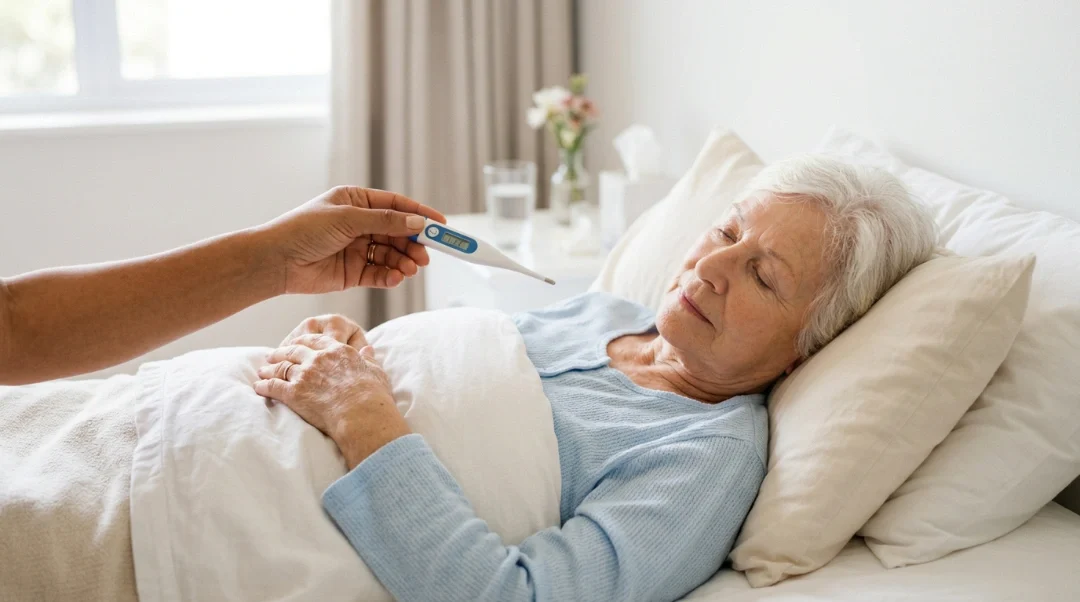
What Is the Normal Body Temperature for Seniors?
Checking a thermometer reading for an aging family member often raises immediate questions. Standard textbook numbers don’t always fit older adults, leaving family members unsure if a reading is safe or signals an illness. Knowing What Is the Normal Body Temperature for Seniors gives you peace of mind and helps you catch health changes early. In this guide, we’ll explain normal temperature ranges, why aging changes body heat, dangerous warning signs, and practical steps to keep your loved ones safe at home. Understanding Body Temperature Body temperature represents the balance between the heat a human body produces and the heat it loses. The brain’s hypothalamus acts as an internal thermostat, adjusting heat production and blood flow to keep internal systems running smoothly. When the body functions normally, it maintains a steady internal environment. Proper heat management supports key biological processes: Metabolic efficiency during rest and activity Immune system response against viral and bacterial threats Enzymatic reactions that support digestion and organ function Blood circulation to vital organs and peripheral limbs As people age, this balance shifts. Knowing how these internal changes work makes daily caregiving far easier. What Is Considered a Normal Body Temperature? Normal Range for Adults vs. Seniors The standard adult body temperature is 98.6°F (37°C), but for seniors, the normal range often sits lower between 96.8°F and 98.2°F (36°C to 36.8°C). This shift is well-documented in medical literature and reflects normal physiological changes that come with aging. This matters a lot in practice. A reading of 99°F (37.2°C) might look harmless on a chart for a younger adult. For a senior, that same reading could signal the early stages of an infection. Their baseline is lower, so the jump is proportionally bigger. A study published in the Journal of the American Geriatrics Society found that healthy older adults had a mean oral temperature of around 97.4°F (36.3°C) notably lower than the 98.6°F standard. [Suggest linking to or citing: Mackowiak et al., or Waalen & Buxbaum, 2011, “Evidence that age-related decline in normal body temperature is not a methodologic artifact. Normal Body Temperature in °F and °C Here’s a simple reference: Category Normal Range (°F) Normal Range (°C) Healthy Adults 97.8°F – 99.1°F 36.5°C – 37.3°C Seniors (65+) 96.8°F – 98.2°F 36°C – 36.8°C Low-Grade Fever (Seniors) 99°F – 100.4°F 37.2°C – 38°C High Fever (Seniors) Above 101°F Above 38.3°C Hypothermia Risk Below 95°F Below 35°C Why Is Senior Body Temperature Different from Younger Adults? Senior body temperature runs lower because aging slows the metabolic processes that generate heat, reduces muscle mass that produces warmth, and thins the layer of fat under the skin that holds heat in. Circulation also becomes less efficient, meaning warmth travels more slowly to the hands, feet, and skin surface. How Aging Affects Thermoregulation Think of a younger body’s temperature control like a new thermostat that reacts the second the room shifts. An older body still works, but it responds more slowly and less precisely, like an aging thermostat that takes a minute to catch up. Several changes drive this. Muscle mass shrinks, which means less heat gets produced through daily movement. Skin thins and loses fat padding, so heat escapes faster than it should. Sweat glands become less active too, which limits the body’s ability to cool down in hot weather. Blood vessels also lose some elasticity, slowing how quickly warmth reaches the extremities. Put together, these shifts explain why grandma reaches for a sweater when everyone else feels perfectly fine. The Role of Chronic Conditions Many seniors manage conditions like diabetes, thyroid disorders, or heart disease, and each one can interfere with temperature regulation in its own way. An underactive thyroid, for instance, slows metabolism and often leads to a consistently low baseline temperature. Diabetes can damage the nerves that sense temperature changes, so a senior might not notice they’re getting dangerously cold or overheated until symptoms are already severe. Factors That Affect Body Temperature in Elderly People Time of day, physical activity, medications, and chronic health conditions directly alter body temperature readings in older adults. Understanding these daily variables prevents misinterpreting routine fluctuations as health emergencies. Several daily elements cause noticeable changes in baseline readings: Circadian Fluctuation: Body heat reaches its lowest point in the early morning hours and climbs to its peak in the late afternoon. This natural cycle causes shifts up to 1°F throughout the day. Daily Living & Mobility: Sitting still for long periods reduces blood circulation, while light movement generates healthy warmth. Chronic Conditions: Health issues like hypothyroidism slow down metabolism. Diabetes can affect nerve signals, while cardiovascular disease limits warmth reaching the hands and feet. Medication Side Effects: Beta-blockers, sedatives, antipsychotics, and diuretics alter how blood vessels widen or narrow, changing how heat releases through the skin. What Body Temperature Is Dangerous for Seniors? A body temperature above 104°F (40°C) or below 95°F (35°C) is considered a medical emergency for seniors and requires immediate attention. Anything between those two extremes still deserves attention, but these thresholds mark the point where the body can no longer regulate itself safely. High Body Temperature Hyperthermia Hyperthermia in seniors is any condition where the body overheats beyond its ability to self-regulate. It includes heat exhaustion (37.7°C–40°C / 100°F–104°F) and heat stroke (above 40°C / 104°F), both of which are medical emergencies in older adults. Seniors are especially vulnerable because they sweat less efficiently and may not recognize heat stress until it’s severe. Heat exhaustion symptoms include: Heavy sweating Dizziness or lightheadedness Nausea or vomiting Rapid heartbeat Muscle cramps Pale, cool, moist skin Heat stroke is a life-threatening emergency. Signs include: Body temperature above 104°F (40°C) Confusion or disorientation Dry, hot skin (sweating stops) Shallow or rapid breathing Seizures or loss of consciousness If you suspect heat stroke, call emergency services immediately. Do not wait. Low Body Temperature Hypothermia Hypothermia in seniors occurs when core body temperature drops below 95°F (35°C). It can develop even indoors in mild weather, especially in seniors with poor circulation, limited mobility, or certain