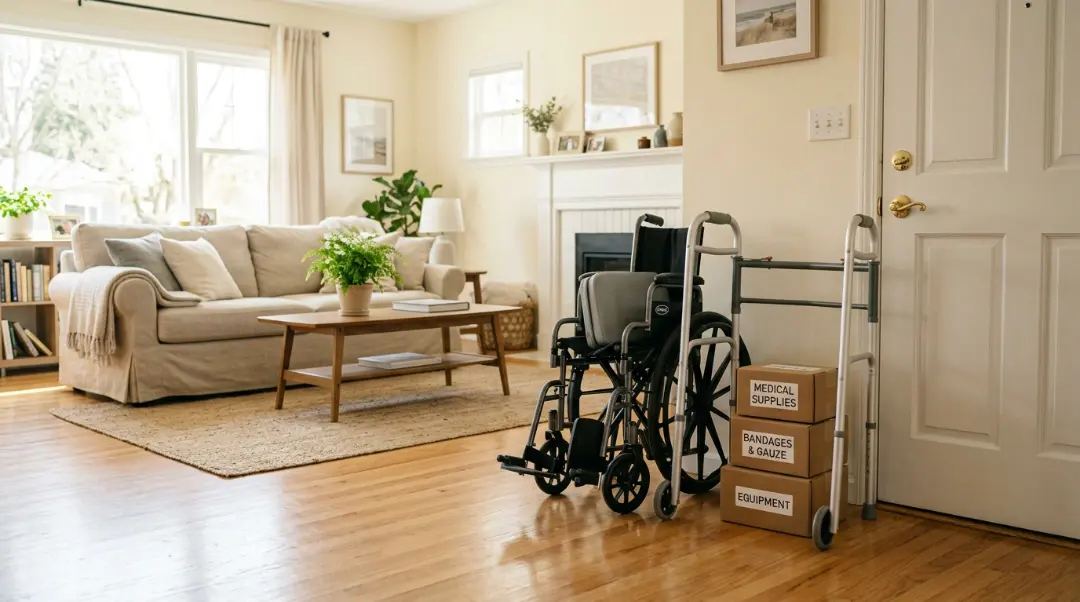
Have unused medical equipment sitting in a garage, closet, or spare room? Donating it can help another person get a wheelchair, walker, hospital bed, or other useful equipment without paying full retail cost. The best place depends on the item, its condition, and whether the organization accepts that type of equipment.
If you’re asking Where to Donate Medical Equipment, start with local medical equipment loan programs, disability organizations, nonprofit reuse programs, and established medical charities. Before loading anything into your car, call the organization and confirm that it accepts your exact item. This guide explains what you can donate, where to look, how to prepare equipment, and what to know about tax records.
What Medical Equipment Can Be Donated?
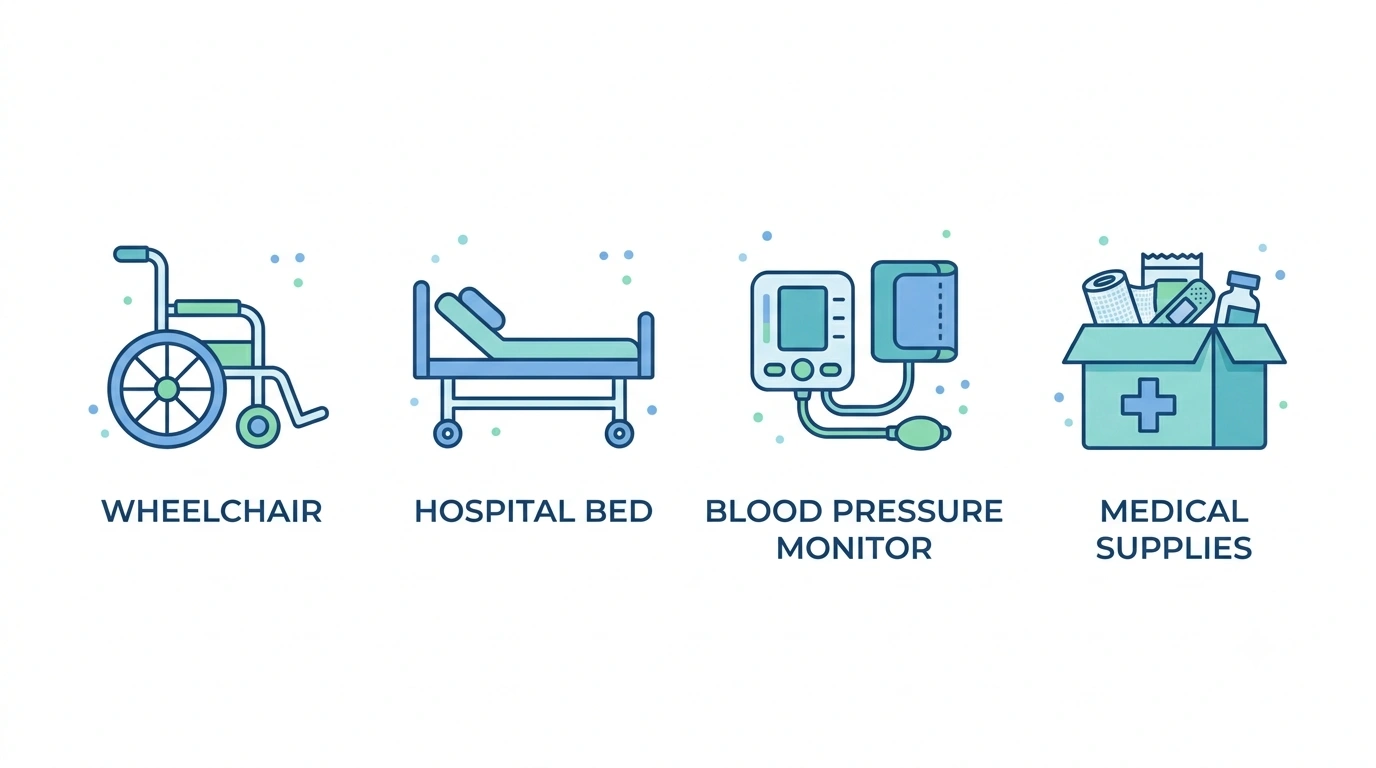
Most clean, working durable medical equipment can be donated. That includes wheelchairs, walkers, canes, hospital beds, commodes, crutches, and shower chairs. Prescription devices like oxygen concentrators and CPAP machines need specialized charities. Opened supplies, medications, and anything broken, recalled, or stained usually get turned away.
Charities want gear that’s clean, safe, and ready to use. Think of it like lending your car to a friend. You’d check the brakes first.
Most places welcome:
- Wheelchairs and transport chairs
- Walkers, rollators, canes, and crutches
- Hospital beds, bedside commodes, and shower chairs
- Patient lifts and knee scooters
- Unopened, unexpired supplies such as briefs and underpads
Expect pushback on:
- Oxygen concentrators and CPAP machines (specialty groups only)
- Opened masks, tubing, and used supplies
- Medications of any kind
- Recalled, rusted, or heavily worn items
Project C.U.R.E., a Colorado-based charity, says it can’t take medications, fluids, or dialysis items from individuals. Other groups set similar rules, so read the list before you pack the car.
Where to Donate Locally
Local beats distant almost every time. Your gear stays in the community, you skip shipping costs, and someone recovering from surgery gets help within days.
Medical Loan Closets
A loan closet lends equipment, usually for free, to people with short-term needs. Denver has several. The South Metro Medical Equipment Loan Closet lends items for up to three months and handles donations by appointment only. Assistance League of Denver runs a Hospital Equipment Lending Program that also accepts donations. Dave’s Locker in Arvada, a community program tied to the Arvada Fire Protection District, lists commodes, crutches, knee scooters, rollators, shower chairs, walkers, and wheelchairs among its accepted items.
Hours and stock change, so call before you drive.
Other Local Options
Hospice agencies, senior centers, hospital discharge teams, and faith groups often know who needs equipment right now. Your Area Agency on Aging can point you in the right direction. Free community groups like Buy Nothing work for non-prescription items. Goodwill and Salvation Army locations take basic mobility aids at times, but policies vary by store.
How to Search Smart
Maybe you’ve typed medical equipment donation centers near me into Google and landed on a messy map. Try searching “medical loan closet” plus your city instead. Then call and ask four questions. What do you accept right now? Do you need photos first? Do you offer pickup? Will you give me a receipt?
Searching medical donations near me also turns up hospice and senior-center listings. Verify each by phone, because online listings go stale fast.
National & International Organizations That Accept Medical Equipment
National and international non-profits aggregate donated medical equipment to serve under-resourced clinics, veterans’ groups, and disaster relief zones across the globe. Entities like Project C.U.R.E., MedShare, Goodwill, The Salvation Army, and the ALS Association process high volumes of supplies. They ensure every item reaches an individual or community clinic with verified needs.
Key Organizations and Their Main Focus Areas
-
Project C.U.R.E.: Collects large-scale medical supplies and durable equipment for shipping to clinics and hospitals in developing nations.
-
MedShare: Focuses on sorting and distributing surplus medical items and biomedical gear to underserved communities globally.
-
Goodwill and The Salvation Army: Select locations accept standard mobility items like wheelchairs, crutches, and walkers for local retail or direct aid programs.
-
ALS Association and MDA (Muscular Dystrophy Association): Accept specialized equipment loans, including powered wheelchairs and communication devices, to help families managing neuromuscular conditions.
-
Veterans Organizations (VFW, DAV, AMVETS): Local posts frequently manage equipment banks for military veterans who need temporary or permanent mobility support.
How to Donate Specific Equipment Types
Walkers, Canes, and Crutches
If you’re asking where to donate walkers and canes, loan closets top the list. Tighten the legs, check that rubber tips aren’t worn, and wipe the grips. These items move fast.
Wheelchairs and Scooters
Test the brakes, tires, footrests, and armrests. Include the charger for power chairs. Battery condition matters, so mention it when you call.
Hospital Beds and Lifts
Check the motor, remote, rails, and mattress. Many places ask for photos first. Beds are bulky, and most small charities can’t pick them up, so line up a helper and a truck.
Oxygen Concentrators
Many people search where to donate oxygen concentrator units and find few answers. That’s because they’re prescription devices. Confirm yours runs, note the model and hours, and include the power cord and filters. Throw away the cannula and tubing.
If a supplier rented it to you, return it to them. Otherwise, ask local respiratory nonprofits and medical charities whether they take concentrators. Never pass one to someone without a prescription.
CPAP and BiPAP Machines
Thrift stores often turn these away, and some destroy them. Look to sleep apnea charities instead, like the American Sleep Apnea Association or the Reggie White Sleep Disorders Research and Education Foundation. Many accept lightly used machines from smoke-free homes and cap the machine’s age at a few years. Dispose of masks, tubing, and used filters. Check the FDA recall list, since recalled units usually can’t be reissued.
Selling vs. Donating Medical Equipment
Donating medical equipment provides immediate community support and tax write-offs, while selling yields financial returns but requires extra time and effort. Choosing between selling and donating comes down to your available time, the item’s financial market value, and your desire to help local families directly.
| Feature | Donating Equipment | Selling Equipment |
| Primary Advantage | Immediate relief to local families; fast removal | Cash recovery for high-value items |
| Tax Impact | Eligible for charitable tax deductions | No tax deduction benefits |
| Time Investment | Low; single drop-off or coordinated pickup | High; listing, messaging, price negotiations |
| Safety and Liability | Non-profit handles safety verification | Seller bears liability for private sales |
| Best Used For | Walkers, shower chairs, standard wheelchairs | Low-hour power wheelchairs, hospital beds |
Financial planners suggest inserting estimated valuation data into your personal expense records before making a final choice.
How to Prepare Your Donation (Step-by-Step)
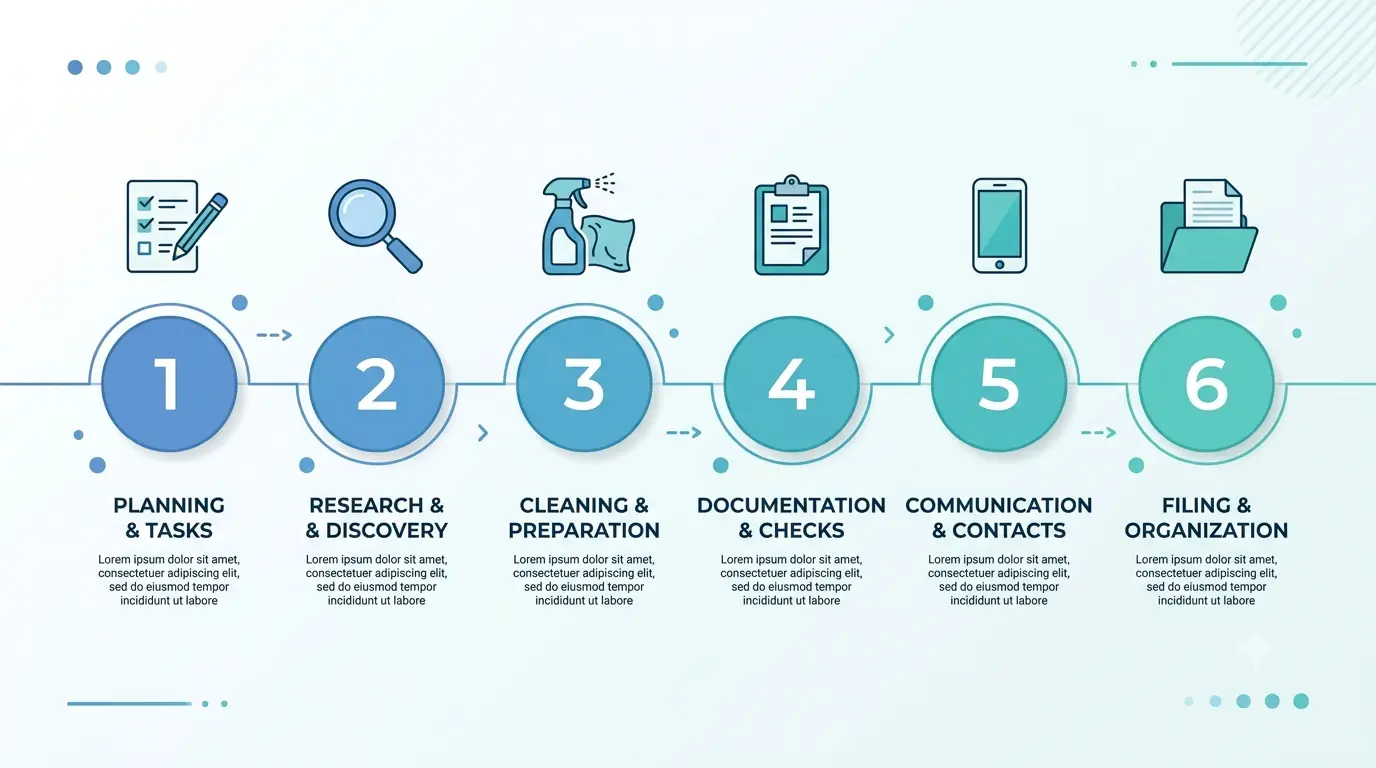
Preparing medical equipment for donation involves thorough cleaning, checking structural safety, gathering original accessories, and securing drop-off receipts. Proper preparation ensures non-profit staff can process and hand off items safely without delay.
Tax Deductions for Medical Equipment Donations
Donating medical gear to a qualified 501(c)(3) organization allows you to claim a tax deduction based on the item’s Fair Market Value (FMV). The Internal Revenue Service (IRS) requires donors to base deductions on the current value of used gear, rather than its original retail purchase price.
Essential IRS Guidelines for Equipment Deductions
-
Verify 501(c)(3) Status: Confirm the recipient charity holds active non-profit status using the IRS Tax Exempt Organization Search tool.
-
Determine Fair Market Value: Estimate value by comparing prices of similar used items on resale platforms or thrift organization valuation sheets.
-
Keep Itemized Receipts: Secure an official receipt from the charity listing their organization name, date, description of items, and statement confirming no goods or services were given in return.
-
Complete Form 8283: For total non-cash charitable donations exceeding $500 in a tax year, attach IRS Form 8283 to your tax return.
-
Secure Written Appraisals: Donations of single specialized equipment items valued at over $5,000 require an independent written appraisal from a qualified professional.
When Grief Makes This Harder Than It Sounds
Sorting through a parent’s medical equipment isn’t just a logistics task, and it’s okay to admit that. A lot of caregivers describe a strange kind of grief when a parent is still alive but clearly declining, sometimes called grieving a living parent. Packing up a walker or hospital bed can bring that feeling right to the surface, even months after the equipment stopped being used.
If you’re the one handling this because a sibling can’t face it, or because you were the primary caregiver, the emotional weight is real. Caregiver anxiety doesn’t switch off just because the caregiving itself has ended. Give yourself permission to take a break in the middle of sorting, or to ask a friend to help load the car. Nobody expects you to do this alone, and you shouldn’t feel like you have to.
The fear of watching a parent age is one of the hardest, quietest parts of caregiving, and donating their old equipment can bring it into focus fast. That’s normal. It doesn’t mean you’re doing anything wrong by letting the equipment go.
Medical Equipment Support Services in Denver
If you’re supporting an aging parent in the Denver area and this whole process feels like one more thing on an already full plate, you’re not the only one. Families working with home care services in Denver often deal with exactly this scenario, moving a loved one from home equipment to a care setting, or scaling back after a hospital stay.
At Castle Pines Home Care, our caregivers see this transition often and can point families toward local loan closets, clinics, and reputable donation programs that fit their specific equipment and timeline. We also help coordinate the practical side of care changes, so donating equipment is one less thing you have to figure out on your own while managing everything else.
Final Thoughts
Deciding where to donate medical equipment doesn’t have to turn into a research project. Start with what’s closest to you, a hospital, a clinic, or a local loan closet, and work outward to national organizations if nothing local fits. Prepare your items ahead of time, keep your paperwork for tax purposes, and don’t be afraid to ask questions before you show up somewhere.
If you’re navigating this alongside caregiving for an aging parent in the Denver area and want a hand figuring out the next steps, contact us at Castle Pines Home Care. We’re happy to help point you in the right direction.
Frequently Asked Questions
Where is the best place to donate medical equipment?
The best place depends on the item and your location, but local hospitals, free clinics, and equipment loan closets are usually the fastest and most direct options. For larger equipment or bulk donations, national groups like MedShare and Project C.U.R.E. offer reliable, well-established donation programs with clear guidelines.
What can I do with spare medical supplies?
Spare medical supplies, if sealed and unexpired, can be donated to free clinics, medical supply banks, or shelters that serve low-income patients. Even a partial box of gloves or gauze can help a clinic that’s stretched thin on basic supplies.
Call ahead to check what a location currently needs. Some clinics are overloaded with certain items and short on others, so a quick phone call saves you a wasted trip.
What medical equipment is typically donated?
Wheelchairs, walkers, hospital beds, oxygen concentrators, and diagnostic tools like blood pressure monitors are among the most commonly donated items. These items tend to have long usable lives and stay in demand at clinics and loan closets nationwide.
Unopened disposable supplies, including bandages, PPE, and incontinence products, also make up a large share of typical donations.
What is the best way to sell used medical equipment?
The best way to sell used medical equipment is through specialized DME resale platforms, local medical supply stores, or Facebook Marketplace, depending on the item’s value and how quickly you need it gone. Specialized platforms often connect you with buyers who understand the equipment’s true worth.
For higher value items like power wheelchairs, a dedicated resale platform usually gets you a fairer price than a general marketplace.
What medical equipment has resale value?
Power wheelchairs, high-end CPAP and BiPAP machines, and newer hospital beds tend to hold the most resale value. Basic manual wheelchairs and older diagnostic tools, by comparison, are harder to sell and often better suited for donation instead.
Condition and age matter more than brand name in most cases, so a well-maintained mid-range item can sometimes outsell a neglected premium one.