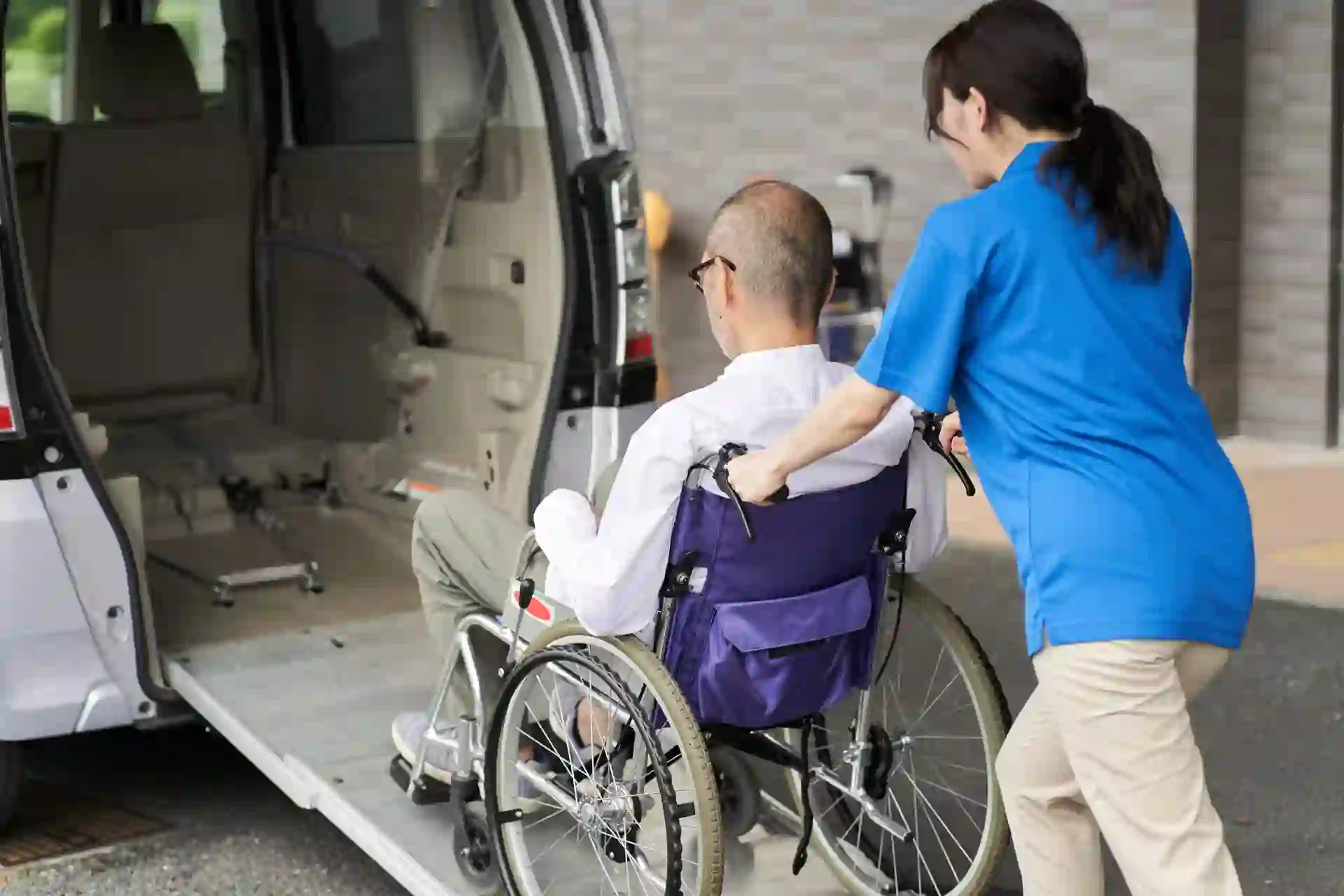

Choosing care for an aging loved one can feel confusing, especially when memory loss or serious health needs enter the picture. What Is the Difference Between Memory Care and a Nursing Home comes down mainly to the type and level of support provided: memory care focuses on people with Alzheimer’s disease and other forms of dementia, while nursing homes provide a higher level of nursing and medical care for people with more complex health needs.
Both settings can offer 24-hour supervision, meals, help with activities of daily living, and medication support. The important difference is what each setting is designed to handle. This guide explains the services, medical care, environment, costs, and signs that may point toward one option or another, so families can make a better-informed choice.
What Is Memory Care?
Memory care is a type of senior living community designed specifically for people with dementia, Alzheimer’s disease, or other forms of memory loss. It offers 24-hour supervision, help with daily tasks like bathing and dressing, and a physical layout built to reduce confusion and wandering.
Staff in memory care communities go through specific training in dementia behaviors. That includes recognizing agitation, sundowning, and confusion, and knowing how to respond without escalating the situation. The buildings themselves are usually designed with secured entrances, color-coded hallways, and enclosed outdoor spaces so residents can move around safely without getting lost.
Most memory care residents don’t need heavy medical intervention. They need structure, patience, and a setting that won’t overwhelm them. That’s the core purpose behind this type of care.
What Is a Nursing Home?
A nursing home, also referred to as a skilled nursing facility (SNF), provides continuous, intensive clinical care for individuals with complex physical health conditions or severe mobility limitations. Unlike settings focused mainly on personal care, nursing homes have licensed practical nurses (LPNs) and registered nurses (RNs) on-site 24 hours a day to handle ongoing medical needs.
Residents in a nursing home often require skilled interventions like intravenous (IV) therapy, advanced wound care, tube feeding, or physical rehabilitation following a stroke or surgery. These facilities resemble medical environments, equipped to assist individuals who are bedbound or need full physical support for mobility.
While many nursing home residents also experience cognitive decline, the primary reason for admission is the need for regular medical oversight rather than dementia-specific behavioral management.
The Difference Between Memory Care and Nursing Home Care

The core difference between memory care and nursing home care comes down to purpose. Memory care exists to support cognitive decline and confusion. A nursing home exists to deliver medical treatment and skilled nursing services. Both offer supervision and daily living help, but the reason someone moves into each one is completely different.
Here’s a side-by-side look at how the two compare:
| Feature | Memory Care | Nursing Home |
|---|---|---|
| Primary focus | Dementia and memory loss support | Medical care and skilled nursing |
| Staff training | Dementia-specific behavioral training | Licensed nurses, medical staff |
| Admission requirement | Care assessment, often no doctor’s order | Usually requires a physician’s order |
| Medical services | Limited, mostly medication management | Wound care, IV therapy, rehab therapy |
| Building design | Secured, low-stimulation, wander-proof | Standard medical facility layout |
| Typical resident | Cognitive decline, otherwise mobile | Chronic illness, recovery, or high medical need |
If you want to see real numbers behind this comparison, this is a good spot for a sourced statistic. For example, citing the percentage of nursing home residents diagnosed with dementia, pulled from a source like the CDC’s National Center for Health Statistics or a recent Genworth or A Place for Mom cost survey, would give readers something concrete to anchor their decision on rather than a general estimate.
What Does a Memory Care Facility Do Differently?
Memory care facilities adjust nearly every aspect of their physical layout and operational routine to accommodate cognitive decline.
-
Anti-Wandering Security: Enclosed courtyards, hidden exits, and keypad-secured doors let residents move freely inside without the risk of walking away or getting lost.
-
Cognitive Spatial Design: Hallways often feature circular pathways so residents don’t hit frustrating dead ends. Color-coded walls, clear signage, and memory boxes outside bedrooms help residents recognize their rooms.
-
Dementia-Specific Programming: Activities avoid overwhelming residents. Instead of large group events, routines feature calm activities like sensory stimulation, aromatherapy, gentle music, and structured reminiscing exercises.
-
Specialized Dining Support: Mealtimes can cause anxiety for people with dementia. Facilities often serve finger foods to help those struggling with utensils, use contrasting plate colors so food stands out, and maintain quiet dining spaces to minimize distractions.
Cost of Memory Care vs Nursing Home Care
ong-term care represents a major financial commitment. When analyzing what is the difference between memory care and a nursing home, monthly expenses play a substantial role in decision-making.
Costs vary depending on geographic location, room size, and specific care needs.
-
Memory Care: The national median cost ranges between $6,450 and $8,019 per month. This rate covers housing, meals, personal support, and specialized dementia activities. Additional fees may apply as care needs increase.
-
Nursing Homes: A semi-private room in a nursing home averages roughly $8,669 to $8,929 per month, while a private room averages around $9,733 to $10,025 per month. Higher rates stem from the 24/7 presence of licensed medical staff and specialized medical equipment.
When comparing costs, ask facilities for an itemized fee sheet to see what services are included in the base rate versus what incurs extra charges.
How to Decide Which Option Is Right
Choosing between these care settings comes down to evaluating your loved one’s current health status, daily safety risks, and medical requirements.
Consider these questions when evaluating your options:
-
What is the primary driver of care? If memory loss, confusion, sundowning, or wandering cause the main safety risks, memory care is typically the appropriate fit. If complex physical health issues, frequent medical interventions, or immobility dominate, a nursing home is better equipped.
-
What level of nursing oversight is required? If your relative needs daily IV medications, active rehabilitation, or complex wound care, memory care staff cannot fulfill those clinical needs.
-
How does your relative handle stress and environments? A clinical, hospital-like setting can trigger confusion or distress in someone with middle-stage Alzheimer’s. Memory care offer calm, homelike surroundings built to ease anxiety.
When to Consider In-Home Care Instead
Not every family is ready for residential care, and that’s completely valid. For many families in the early to moderate stages of dementia or chronic illness, structured in-home support can bridge the gap before a facility becomes necessary.
If you’re exploring options in Colorado, Caste Pine Home Care offers home care services in Denver and the surrounding areas, providing personalized, non-clinical support for seniors and individuals with memory concerns. Services include companionship, daily living assistance, and schedule management that can complement a family caregiver’s efforts. In-home care isn’t the right fit for every situation, but it’s worth knowing it exists as a real option before committing to a residential facility.
FAQs
Is memory care considered skilled nursing?
No. Memory care is classified as custodial care, which focuses on daily living support and cognitive programming. Skilled nursing involves hands-on medical care delivered by licensed nurses. This distinction matters for insurance coverage, since Medicare covers skilled nursing but generally does not cover memory care.
How do I choose between memory care and nursing homes?
Start with the primary diagnosis. If dementia or Alzheimer’s is the main condition, memory care is designed for that. If the person has serious medical needs requiring daily clinical intervention, a nursing home is more appropriate. A geriatrician can help guide this decision.
What is the difference between memory care and assisted living?
Assisted living offers general support for daily activities but isn’t specifically designed for dementia. Memory care is a more specialized version with secured environments, dementia-trained staff, and structured cognitive programming.
Can someone transition from memory care to a nursing home?
Yes, and it happens frequently. As dementia progresses, medical needs can increase to a point where skilled nursing care becomes necessary. Many families start in memory care and transition to a nursing home when the medical complexity increases.
Does Medicaid cover memory care?
It depends on the state. Some states offer Medicaid waiver programs that cover memory care in assisted living or dedicated memory care facilities. Others only cover skilled nursing home care. Check with your state’s Medicaid office directly for accurate information.
What does memory care cost per month on average?
The national median ranges from roughly $6,160 to $6,935 per month, but costs vary widely by region. Urban areas tend to cost more. Always request itemized pricing from individual facilities, since base rates often don’t include all services.