
Home Care Services
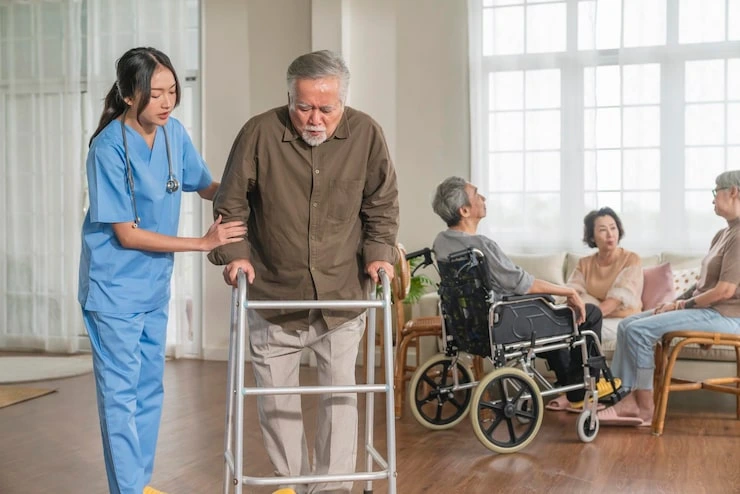
What Are the Different Types of Home Care
If you’re trying to figure out how to get the right support for a parent, a spouse, or even yourself, the options can feel like a maze. What are the different types of home care, and how do you know which one actually fits your situation? The short answer: home care covers everything from help with bathing and cooking to skilled medical visits at home and the right type depends entirely on the level of need. This guide breaks it all down clearly. By the end, you’ll know exactly which type of care fits your loved one’s needs, what it costs, and how to choose a provider you can trust. What Is Home Care? The phrase “home care” is used broadly to describe services provided in a person’s own home rather than at a hospital, nursing home or assisted-living community. It can range from non-medical support with daily activities such as bathing and meal prep to skilled nursing care prescribed by a physician for a specific medical condition. And that range is precisely why the phrase confuses people. Someone seeking for a caregiver to help their mom shower and get dressed is looking for something very different than someone looking for a nurse to handle a feeding tube. Both are under the umbrella of “home care” yet the training, expense and oversight are worlds apart. At one end of the spectrum there’s personal care and companionship, which may include help with activities of daily living (ADLs) including washing, clothing, grooming, toileting, and transferring in and out of a bed or chair. On the other end are skilled medical services provided by registered nurses (RNs), licensed practical nurses (LPNs) or therapists under a doctor’s orders. The majority of families land somewhere in the middle, using a combination of home care kinds that best fit their loved one’s needs, week to week. Types of Home Care Understanding what are the different types of home care starts with one key distinction: medical vs. non-medical. From there, services branch out based on need, frequency, and level of clinical training required. 1. Personal Care Services Personal care covers help with activities of daily living (ADLs) things like bathing, dressing, grooming, toileting, and moving safely around the home. It’s provided by trained aides, not nurses, and it’s ideal for someone who has physical limitations but doesn’t need medical treatment. This type of care keeps people clean, comfortable, and safe. It’s often the first service families bring in when a loved one starts struggling with self-care. Personal care aides are not licensed medical professionals, but they go through training to handle sensitive tasks with dignity and respect. Think of personal care as the foundation. Many people start here and add other services over time as needs change. 2. Companion Care Companion care focuses on social support and light household tasks. Caregivers provide conversation, company, and help with instrumental activities of daily living (IADLs) like meal preparation, grocery shopping, light housekeeping, and errands. Loneliness among seniors is a real health risk. Studies link social isolation to higher rates of cognitive decline and depression. Companion care directly addresses that gap. It’s a good fit for someone who is mostly independent but lives alone and could benefit from regular check-ins and a helping hand. 3. Skilled Nursing Care Skilled nursing care is medical care delivered at home by a registered nurse (RN) or licensed practical nurse (LPN). It includes wound care, IV therapy, medication administration, vital sign monitoring, and management of complex chronic conditions. This type of care is typically ordered by a physician. It fills the gap for people who need clinical attention after a hospital stay but don’t need to stay in a facility. Think of it as hospital-level care, delivered at home. It’s also a core part of chronic illness management for conditions like congestive heart failure, COPD, or diabetes where ongoing monitoring can prevent emergency hospital visits. 4. Home Health Aide Services A home health aide (HHA) is a step between personal care and skilled nursing. They assist with ADLs like a personal care aide, but they also have training in basic health tasks recording vital signs, helping with prescribed exercises, and assisting with medical equipment under a nurse’s supervision. Many families use home health aides as a middle-ground option when a loved one needs more than companionship but doesn’t require a full nurse. 5. Rehabilitation Therapy Services Rehabilitation services bring licensed therapists directly into the home for recovery and skill-building: Physical therapy rebuilds strength, balance, and mobility after surgery, a stroke, or an injury. Occupational therapy helps people relearn daily tasks, often using adaptive tools and techniques. Speech therapy addresses communication challenges and swallowing difficulties, common after a stroke. These services often follow a hospital stay as part of a post-surgery recovery care plan. Getting therapy at home removes a major barrier to travel which makes attendance far more consistent. 6. Respite Care Respite care gives family caregivers a temporary break. A professional caregiver steps in for a few hours, a day, or longer so that the primary caregiver can rest, handle personal matters, or simply recharge. Family caregivers are at high risk of burnout. In fact, the American Journal of Geriatric Psychiatry has noted that caregiver stress can lead to significant physical and mental health consequences. Respite care is not a luxury it’s a health strategy. Whether it’s a weekend away or a few hours every week, respite care keeps the entire caregiving system healthier and more sustainable. 7. Dementia and Alzheimer’s Care Dementia care at home is provided by caregivers trained specifically in cognitive decline. They follow structured routines, use calming communication techniques, and create a safe environment that reduces confusion and anxiety for the person with dementia. This is one of the fastest-growing areas of home care services for seniors. Families dealing with Alzheimer’s or other forms of dementia often prefer home care over memory care facilities, especially in the early and mid-stages of the disease. Consistency matters deeply here. Familiar
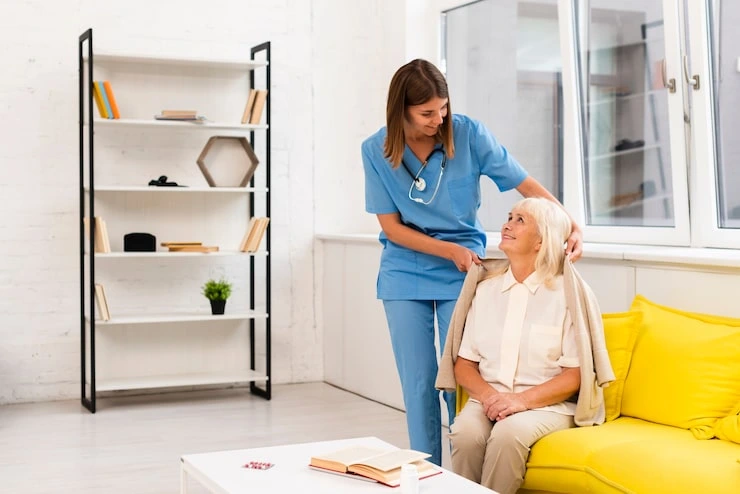
Why Home Health Care Is Important?
You know hospitals aren’t always the answer whether you’re witnessing a parent slow down or you’re dealing with a chronic ailment yourself. The vast majority of individuals want to recuperate, heal, and get back to their everyday lives at home with the people they love. And that’s why home health care is so critical right now. Home health care is crucial because of one basic fact: when individuals are cared for in their own homes, they get better faster, feel safer and live with more dignity. In fact, the Medicare Payment Advisory Commission (MedPAC) has shown that home health care minimizes avoidable hospital readmissions and dramatically lowers long-term care expenditures. In this tutorial, we’ll go over all the basics – benefits and services, fees, coverage, and who qualifies. What Is Home Health Care? Home health care refers to a range of medical and non-medical services delivered directly to a person’s home. These services are provided by trained professionals including registered nurses (RNs), licensed practical nurses (LPNs), physical therapists (PTs), occupational therapists (OTs), speech therapists, and home health aides (HHAs). It’s not just for the elderly. Home-based medical care supports post-surgery recovery patients, people managing chronic illnesses, children with complex medical needs, and adults living with disabilities. The goal is simple: bring quality care to where the patient already is, instead of uprooting their entire life to receive it. Understanding Home Health Care Home health care is a formal medical service ordered by a doctor and delivered by licensed medical professionals, such as registered nurses or physical therapists, directly inside a patient’s home. It provides essential clinical support for individuals recovering from an injury, managing a chronic illness, or dealing with a new medical diagnosis. Unlike casual senior sitters, these specialized programs bring clinical expertise straight to your doorstep. This keeps your loved one safe while lowering the risk of unnecessary trips back to the emergency room. Medical Care vs. Personal Care It’s easy to confuse home health care with non-medical care, but they serve completely different needs. Home Health Care: Focuses entirely on medical necessity. It includes tasks like wound care for surgical incisions, managing complex medication schedules, and speech therapy after a stroke. Non-Medical Personal Care: Focuses on everyday lifestyle assistance. This includes help with bathing, preparing meals, running errands, and basic companionship. Many families combine both types of support to build a comprehensive safety net for their aging relatives. Key Benefits of Home Health Care 1. Patients Recover Faster at Home Research consistently shows that patients recovering in familiar environments heal faster than those in institutional settings. A study published in Health Affairs found that home health care patients experience significantly fewer hospitalizations and complications compared to those in skilled nursing facilities. The reason isn’t complicated. Stress slows healing. Being in a hospital or nursing home, surrounded by strangers and rigid schedules, adds to a patient’s stress load. Being home, sleeping in your own bed, having your family nearby, all of that reduces anxiety and supports the body’s natural recovery process. 2. Reduced Risk of Hospital-Acquired Infections This one is often overlooked. Hospitals carry pathogens. For elderly patients, post-surgery patients, and anyone who is medically fragile, exposure to those pathogens can be life-threatening. Home health care eliminates that exposure. Patients receive skilled nursing at home without the infection risks that come with institutional care settings. 3. Personalized, One-on-One Care In a hospital, a nurse may be responsible for 5 to 7 patients at a time. At home, a nurse or home health aide is focused entirely on one person. That difference changes everything. Care plans are tailored to the individual’s exact needs. Therapies are adjusted as progress happens. And the relationship between caregiver and patient becomes genuinely supportive, not transactional. 4. Preserving Independence and Dignity for Seniors For most seniors, losing independence is a deeper fear than illness itself. Home health care directly addresses that fear. Aging in place, with the right support, allows elderly patients to maintain their daily routines, stay connected to their community, and keep their sense of self intact. This is why home care is important for elderly individuals, not just as a medical option, but as a quality-of-life decision. 5. Cost-Effective Alternative to Nursing Homes For many families, the math is clear. Home health care is significantly more affordable than long-term institutional care, especially when the patient doesn’t need round-the-clock supervision. Even for patients who do need frequent visits, having a home health aide come in for a few hours daily costs a fraction of a nursing home stay. 6. Reduces Caregiver Burnout Family caregivers carry an enormous load. Many are managing their own jobs, households, and children while also providing care for an aging parent or ill family member. Over time, that burden takes a serious toll on physical and mental health. Professional home health care gives family caregivers a break. It provides respite care, practical education on managing the patient’s condition, and emotional support. That support matters for the whole family, not just the patient. 7. Continuity of Care for Chronic Conditions Chronic illness management at home is one of the strongest arguments for home health services. Conditions like COPD, congestive heart failure, diabetes, Alzheimer’s disease, and Parkinson’s disease require consistent, coordinated care over time. Home health professionals monitor symptoms, manage medications, and communicate with the patient’s primary care physician to prevent complications before they escalate into emergencies. This continuity reduces fragmentation and keeps care moving in one clear direction. 8. Mental Health and Emotional Well-Being Social isolation is one of the leading contributors to cognitive decline in elderly adults. When a person is uprooted from their home and placed in a facility, the emotional impact can be severe. Home health care keeps patients socially connected. They’re around family. They have familiar routines. They can maintain hobbies and relationships. That emotional stability directly supports physical healing. Who Benefits Most from Home Health Care? Elderly and Aging Adults Older adults managing multiple health conditions benefit enormously from in-home care for seniors.

How to Hire a Nurse for Home Care: A Complete Guide for Families
Well, it did change fast, didn’t it? Maybe a parent just came home from the hospital following surgery. Perhaps a chronic ailment has taken a turn and everyday medical assistance is no longer optional. Whatever has brought you here, surfing online at a time like this can be like reading a foreign language, full of licensing letters and job names you’ve never heard of.Here’s the TLDR before we delve into the nitty gritty: In the case of hiring a nurse for home care, there are two primary options: working with a registered home care business, or hiring a private nurse directly. The best option for you depends on your budget, the medical intricacy of the situation, and how much time you have to oversee the procedure. By the end of this tutorial, you’ll know exactly how to hire a nurse for home care. We’ll cover the many sorts of nurses, how nurses differ from caregivers, actual cost ranges, red flags to watch out for and what to do this week. Why Choosing the Right Home Care Nurse Actually Matters A mismatched hire costs more than money. It costs peace of mind, and sometimes it costs a hospital readmission. Home nursing isn’t a one-size-fits-all service, and the nurse who’s great at post-surgical wound care might not be the right fit for someone managing dementia or a long-term chronic illness. Think of it like hiring a specialist contractor instead of a general handyman. You wouldn’t call an electrician to fix a leaky pipe, and you shouldn’t hire a nursing assistant when your loved one needs IV therapy or medication titration. Getting this decision right the first time saves you from re-starting the search under pressure, often during a crisis. The stakes are personal too. This person will be in your home, around your family, and responsible for someone you love. That’s why taking the time to understand your options now, before an emergency forces a rushed decision, matters more than most people realize. What Type of Nurse Do You Actually Need? The type of nurse you need depends on the level of medical care required. A Certified Nursing Assistant handles daily living support, a Licensed Practical or Vocational Nurse manages medications and wound care, a Registered Nurse provides skilled clinical care, and a Nurse Practitioner can diagnose and prescribe treatment in the home. Here’s how that breaks down in practice: CNA (Certified Nursing Assistant): Helps with bathing, dressing, mobility, and basic monitoring. No medical procedures. LPN/LVN (Licensed Practical or Vocational Nurse): Administers medications, changes wound dressings, monitors vitals. Works under supervision of an RN or physician. RN (Registered Nurse): Handles IV therapy, complex wound care, medication management, and coordinates with doctors on care plans. APRN/Nurse Practitioner: Can diagnose conditions, order tests, and prescribe medication independently in most states. Match the credential to the need first, then worry about personality fit and schedule. A common mistake is hiring based on cost alone and ending up with a nurse who isn’t licensed for the procedures your loved one actually requires. Nurse vs. Caregiver: What’s the Difference? A nurse is a qualified health care practitioner that may administer drugs, treat wounds and other clinical needs. A caregiver is someone that provides non-medical help including bathing, meals, companionship and light house-keeping. Nurses can use their hands to do medical things. Caregivers can’t deliver medication or clinical treatment. Many families employ both based on health needs. This distinction trips people up all the time and it’s an easy mix-up to make, considering that both types of roles are about caring for someone at home. A caregiver’s role is more of a helping hand for everyday life. A nurse is more like an extension of the doctor’s office, but no waiting room. If your loved one just needs help with meals, errands and companionship, a caregiver is frequently all that’s needed and costs less per hour. If you have a drug regimen or a wound that needs dressing or a clinical condition to monitor you need qualified nursing help. Some families will use both, a caregiver for day time company and a nurse for medical visits on a timetable. What to Look for in a Private In-Home Nurse When you hire a nurse for home care, it’s important to assess both their professional qualifications and personal approach. Here’s what to consider: Licenses and Certifications Check that the nurse is fully licensed and has the right credentials for the type of service you need. Private duty nurses typically get further training in areas like wound care, palliative care, or helping people recuperate after surgery. Experience Experience matters, especially for patients with chronic illnesses, mobility challenges, or complex medication schedules. Ask for references and past experience in a home care setting. Compatibility A nurse that comes to your house should not only be skilled but also personable. Since they will spend significant time in your home, personality fit and communication style are key. Availability Consider whether you need a full-time, part-time, or live-in private nurse. Clarify scheduling and flexibility upfront to avoid misunderstandings. Background Checks Safety is non-negotiable. Conduct thorough background checks to ensure you hire a nurse with a clean professional and personal record. By evaluating these factors, you can feel confident that the nurse you hire at home nurse will provide quality care tailored to your loved one’s needs. Your Options: How to Get a Home Care Nurse There are three main routes when figuring out how to get a home care nurse. Each one has real trade-offs. 1. Home Health Agencies Agencies are Medicare-certified organizations that match you with nurses based on a physician’s order. They handle background checks, scheduling, payroll, and compliance. This is the most common route after a hospital discharge. 2. Nurse Registries A nurse registry connects you directly with independent, licensed nurses. Think of it like a staffing marketplace you choose from a list of qualified candidates. Pros: More control over who you hire, flexible scheduling, often more affordable for private pay.