Caring for a family member with Parkinson’s disease presents daily challenges that can feel overwhelming. You want to keep your loved one safe, comfortable, and independent while managing a progressive condition.
You can successfully handle home care for Parkinson’s patients by creating a safe home, establishing predictable daily schedules, managing medications precisely, and getting support before burnout hits. This guide breaks down practical steps to help you navigate each stage with confidence.
What Is Parkinson’s Disease?
Parkinson’s disease is a brain condition that affects movement, caused by the loss of dopamine-producing cells in an area called the basal ganglia. It leads to tremors, stiffness, slow movement, and balance problems that get worse over time.
It’s the second most common neurodegenerative disease after Alzheimer’s. Right now, around 1.1 million people in the US live with it, and that number’s expected to climb past 1.2 million by 2030.
There’s no cure yet, but there’s a lot you can do to manage symptoms. Medication, physical therapy, and the right home setup can help someone with Parkinson’s stay independent for years
Ensure a Supportive Home Environment

What is the best way to modify a home for a Parkinson’s patient?
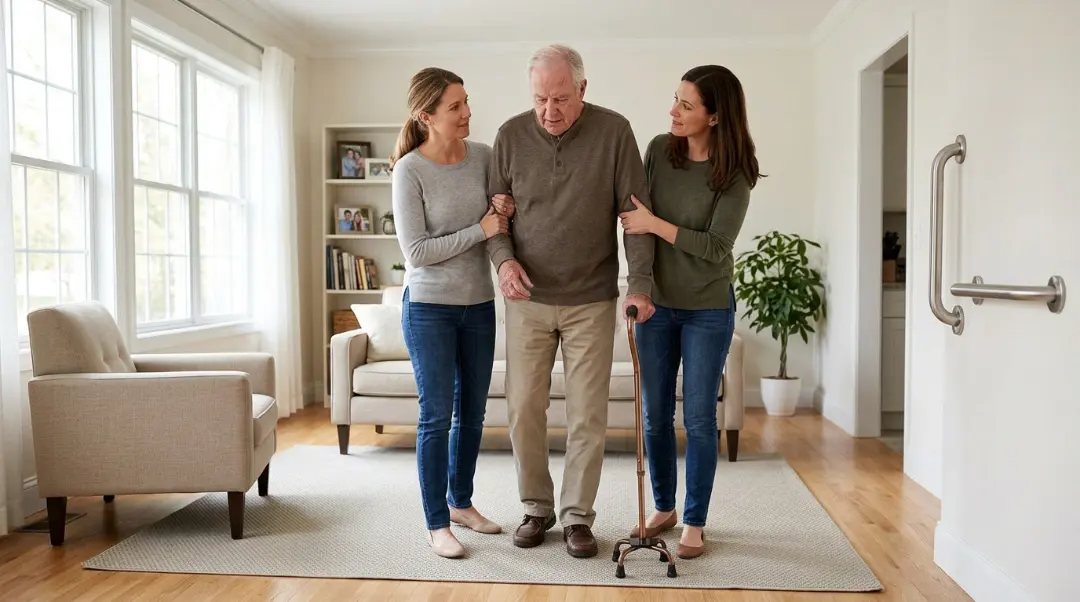
The best way to modify a home for a Parkinson’s patient is to remove fall hazards, install grab bars, clear wide walking paths, and improve lighting. These changes prevent injuries, support independent mobility, and reduce stress for both caregivers and patients during daily activities.
Falls pose the largest physical threat to someone living with movement challenges. Small modifications throughout the living space drastically reduce risks.
-
Remove all throw rugs or secure them with heavy-duty double-sided tape.
-
Install sturdy grab bars next to the toilet and inside the shower.
-
Place non-slip rubber mats inside and outside the bathtub.
-
Keep hallways clear of shoes, electrical cords, and low furniture.
-
Add bright, motion-sensor nightlights along the route from the bedroom to the bathroom.
-
Swap standard door knobs for lever handles that require less hand strength.
Thinking of your home through a safety lens keeps your loved one mobile for longer while giving you peace of mind.
Encourage Physical Activities and Exercises
Physical activity acts as a vital tool for managing stiffness, maintaining balance, and keeping joints flexible. Consistent movement helps brain pathways stay active and slows down functional decline.
Encourage gentle, low-impact routines every day:
-
Daily Walking: Short, frequent walks around the house or garden maintain leg strength.
-
Stretching Exercises: Morning stretches focus on the calves, hamstrings, and shoulders to relieve stiffness.
-
Seated Yoga: Gentle bends and arm lifts build core stability without risking a loss of balance.
-
Physical Therapy Routines: Work with a physical therapist to design target exercises for gait and posture.
Always stand close by during exercises to provide support if freezing or imbalance occurs.
Assure Timely Medication Management

Strict medication timing is important in Parkinson’s care because levodopa and dopamine agonists rely on precise blood levels to control motor symptoms. Missing doses by even thirty minutes can trigger sudden symptom flare-ups, severe stiffness, or painful freezing episodes.
Managing prescriptions requires strict attention to detail. Carbidopa-levodopa works best when taken consistently at exact intervals.
Set up an organized system to prevent missed doses:
-
Use a pill organizer with separate compartments for morning, noon, evening, and night.
-
Set recurring alarms on your smartphone or a loud kitchen timer.
-
Keep a daily log tracking when medications are given and any side effects observed.
-
Take dopamine medications on an empty stomach (30 to 60 minutes before meals) unless a doctor advises otherwise, as dietary protein can block absorption.
Follow Right Nutrition and Hydration Guidelines
A balanced diet maintains energy levels, supports bone health, and keeps the digestive system moving smoothly. Constipation is a very common non-motor symptom, making fluid and fiber intake critical.
Focus on foods that are easy to chew, digest, and swallow:
-
High-Fiber Foods: Offer whole grains, cooked vegetables, beans, and berries to prevent sluggish digestion.
-
Hydration: Aim for 6 to 8 glasses of water daily. Offer small sips throughout the day using a sturdy cup with a lid and straw.
-
Soft Textures: Chop meat finely, cook vegetables until soft, and serve soups or stews if swallowing becomes difficult.
-
Timed Protein: Serve high-protein foods like meat, fish, and dairy during dinner rather than lunch to keep daytime medication working efficiently.
Understanding Parkinson’s Symptoms
Parkinson’s symptoms split into two main categories: motor (movement-related) and non-motor. Recognizing both ensures balanced care.
Primary Motor Symptoms
-
Bradykinesia: Slowness of movement that makes simple tasks take longer.
-
Resting Tremors: Involuntary shaking in hands, fingers, or chin when muscles are at rest.
-
Rigidity: Muscle stiffness and tightness in arms, legs, or trunk.
-
Postural Instability: Impaired balance that increases fall risks.
Common Non-Motor Symptoms
-
Cognitive Changes: Slowness in processing information or mild memory shifts.
-
Mood Fluctuations: Mild anxiety, apathy, or depression.
-
Autonomic Issues: Constipation, low blood pressure when standing, or excessive sweating.
-
Sleep Disturbances: Insomnia or vivid dreams.
Data from Parkinson’s clinical studies suggests that proactive home modifications and early physical therapy intervention can reduce fall risks by up to 50 percent in home-care environments.
Communication and Emotional Support
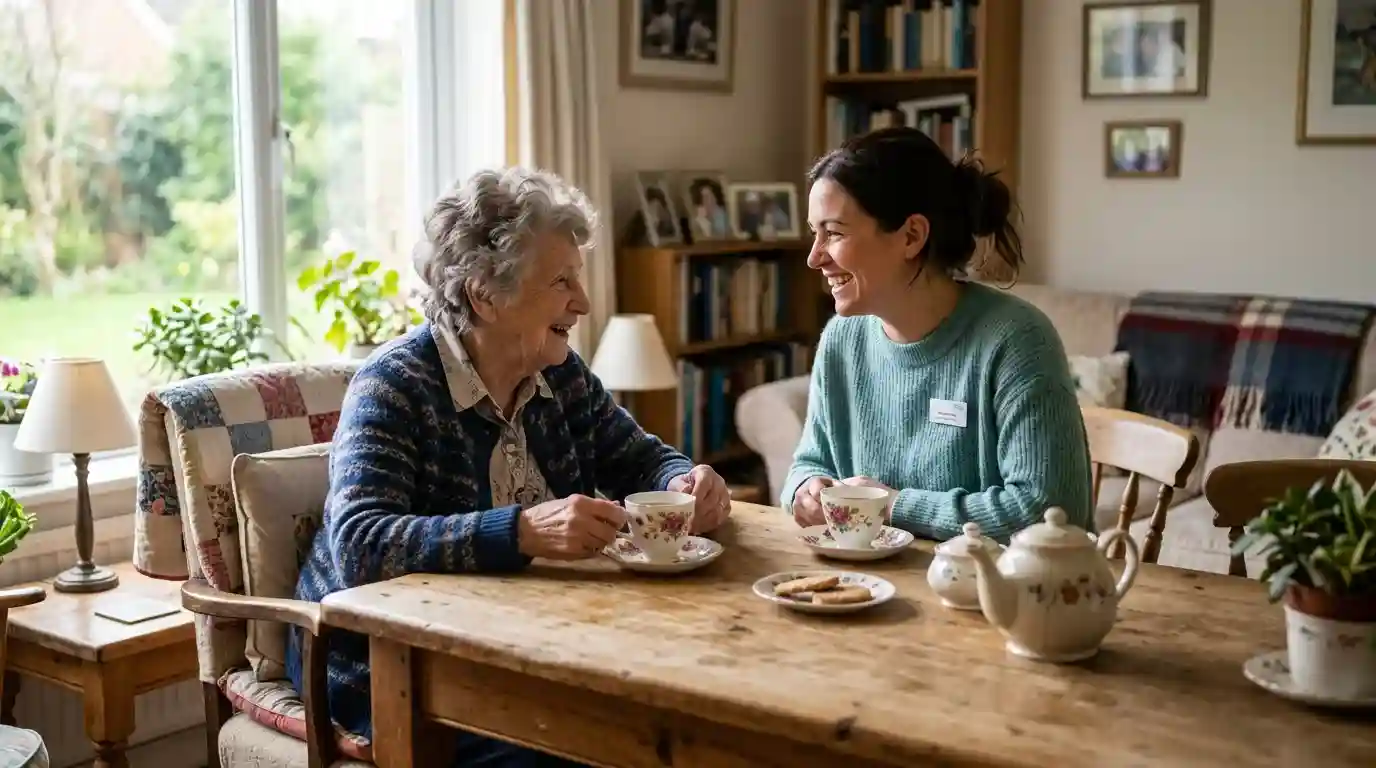
Parkinson’s can affect speech volume, facial expression, and emotional processing, which makes communication and emotional support just as important as physical care. Speaking softer or showing less facial expression doesn’t mean someone feels less. Patience and direct eye contact help both sides stay connected.
One of the harder parts of this disease is something called facial masking, where muscles that control expression stiffen up. A person might feel happy or amused and their face won’t show it. Families sometimes misread this as disinterest or depression when it’s actually just the disease at work. Knowing this changes how you interpret a quiet dinner.
Speech can also grow softer over time, a symptom called hypophonia. Ask the person to repeat themselves gently rather than guessing what they said, and consider a referral to a speech therapist trained in Parkinson’s-specific voice programs like LSVT LOUD. These programs are backed by real clinical results and worth pursuing early.
Empowerment Through In-Home Parkinson’s Care
arkinson’s takes things away gradually, and that loss of independence is often harder on patients emotionally than the physical symptoms themselves. Good in home care for parkinson’s patients works to preserve dignity and choice wherever possible, not just manage tasks.
Let the person do what they can, even if it takes longer than you’d do it yourself. Buttoning a shirt slowly is still buttoning a shirt. Stepping in too quickly, even with good intentions, can chip away at confidence faster than the disease itself does.
Involve them in decisions about their own routine. Ask what time they’d prefer to shower, which meals they actually want, how they like their space arranged. These choices seem small from the outside but matter enormously to someone who feels control slipping away in bigger areas of life.
When to Consider Professional Home Care
Professional home care for Parkinson’s becomes worth considering when daily tasks like bathing, dressing, or medication management become too much for family caregivers to manage safely and consistently. It’s also worth exploring if the primary caregiver is showing signs of burnout.
There’s no shame in needing help. Caregiving for someone with a progressive condition is physically and emotionally demanding, and burnout is common, not rare.
Signs it might be time include frequent missed medications despite your best efforts, increasing fall risk that’s hard to manage alone, or noticing your own health starting to slip because you’re stretched too thin.
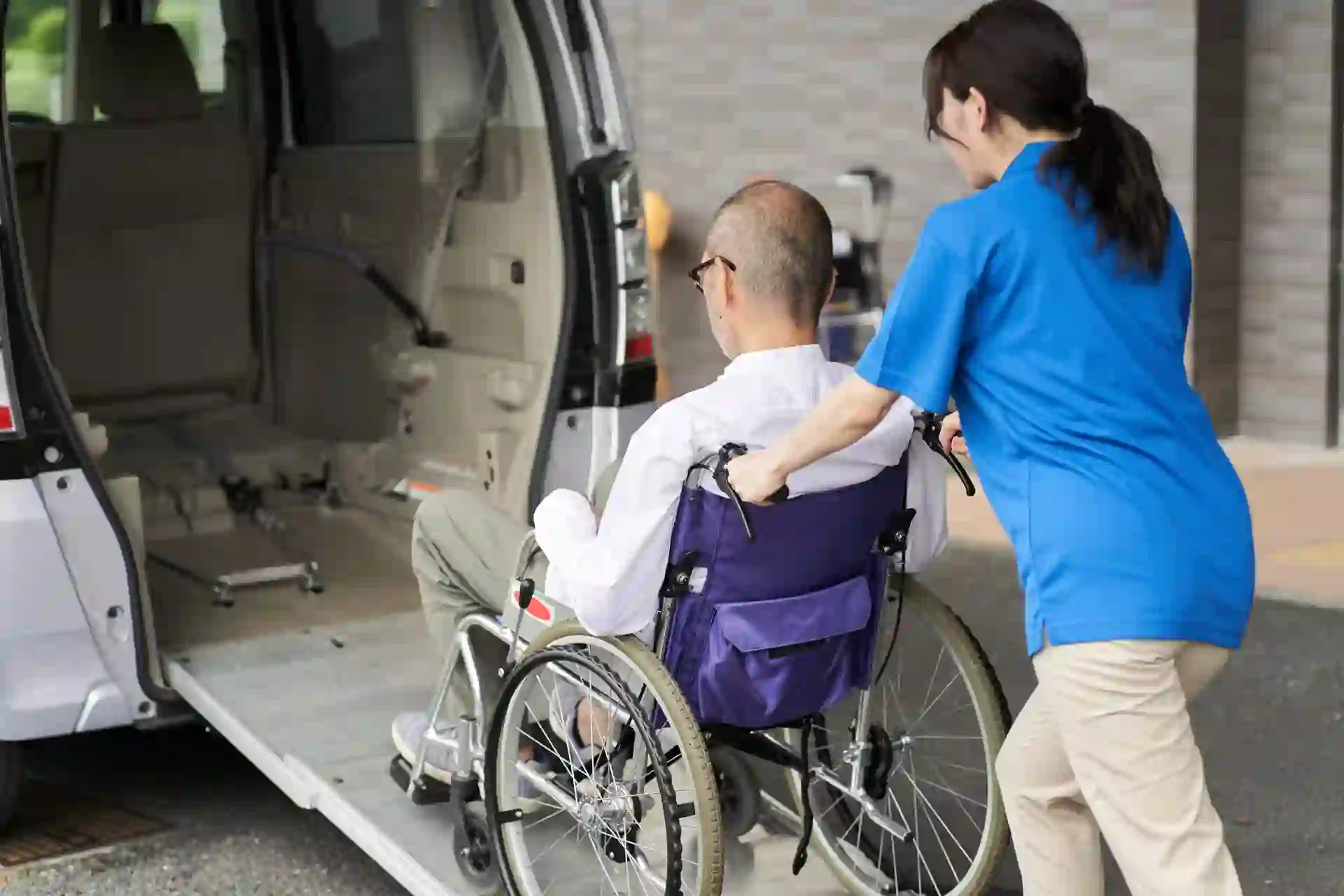
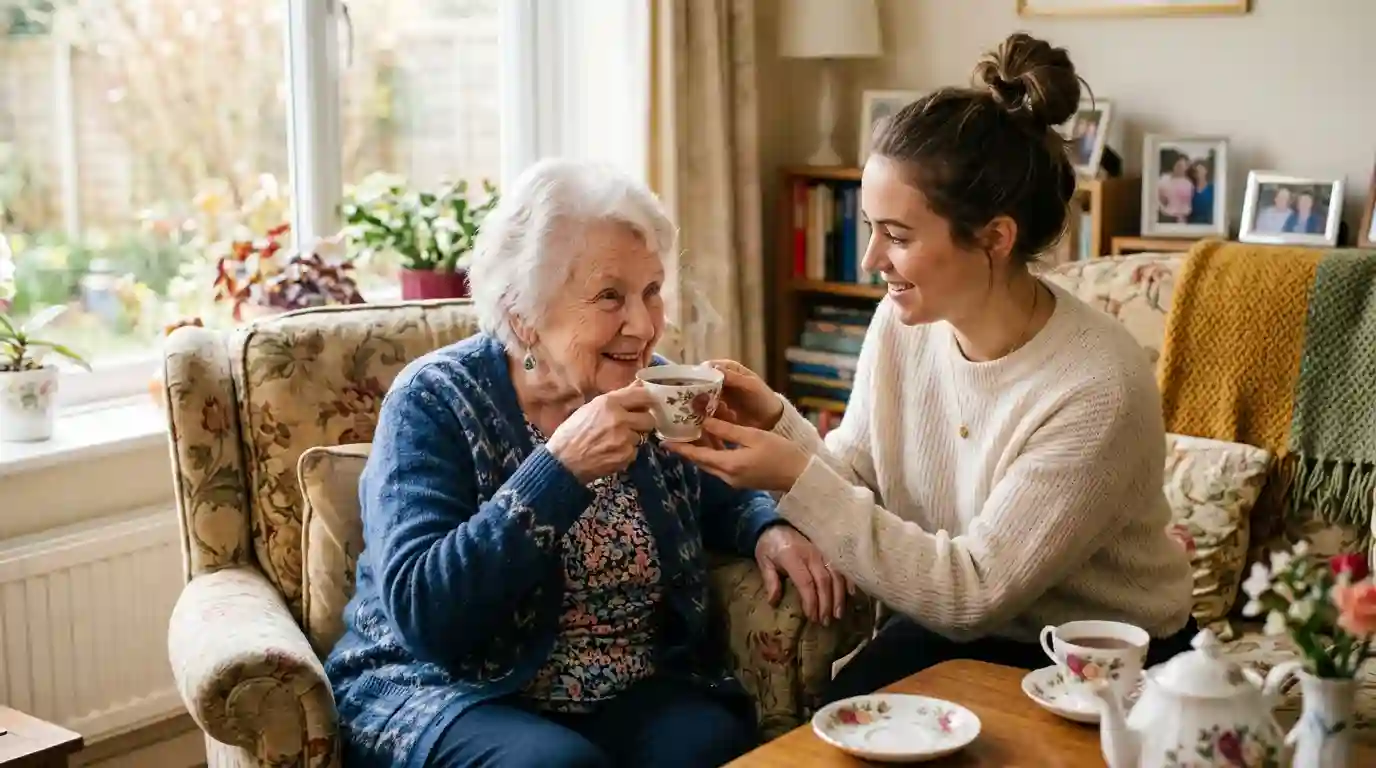
Professional caregivers can step in for a few hours a day, overnight, or full-time, depending on what your family needs. This might mean help with bathing and dressing, medication reminders, light housekeeping, or simply companionship so your loved one isn’t alone for long stretches.
If you’re in the Denver area and exploring home care services in Denver, Castle Pines Home Care works with families dealing with Parkinson’s and other chronic conditions, building care plans around what each household actually needs rather than a one-size-fits-all package.
Final Thoughts
Caring for someone with Parkinson’s at home is a long road, and there’s no single right way to do it. What works for one family might not work for another, and that’s normal.
The most important things are safety, routine, movement, good food, and honest conversations, both with your loved one and with the medical team helping you. Small, steady changes add up more than big dramatic ones.
If you’re looking for extra support, whether that’s a few hours of help a week or something more involved, contact us at Castle Pines Home Care. We’re happy to talk through what your family’s dealing with and figure out what kind of support might actually help.
Frequently Asked Questions
What is the best way to care for a Parkinson’s patient at home?
The best way to care for a Parkinson’s patient at home combines a safe living space, consistent medication timing, daily exercise, and proper nutrition. Emotional support and clear communication round out a solid care routine.
How long can a Parkinson’s patient live at home?
Many people with Parkinson’s live at home for years, sometimes decades, depending on how the disease progresses and what support is in place. Home modifications and in-home care can extend this significantly.
What foods should Parkinson’s patients avoid?
Parkinson’s patients should be cautious with high-protein meals close to medication times, since protein can interfere with levodopa absorption. Processed foods low in fiber can also worsen constipation, a common Parkinson’s symptom.
Can Parkinson’s patients live alone?
In early stages, many Parkinson’s patients live alone safely with some support for tasks like driving or grocery shopping. As symptoms progress, especially balance and cognitive changes, living alone becomes riskier without regular check-ins or in-home care.
What is the average caregiver burnout rate for Parkinson’s caregivers?
Caregiver burnout is common among those caring for Parkinson’s patients, with studies showing a significant portion of family caregivers report high stress levels and depression. Respite care and support groups help reduce this burden.