
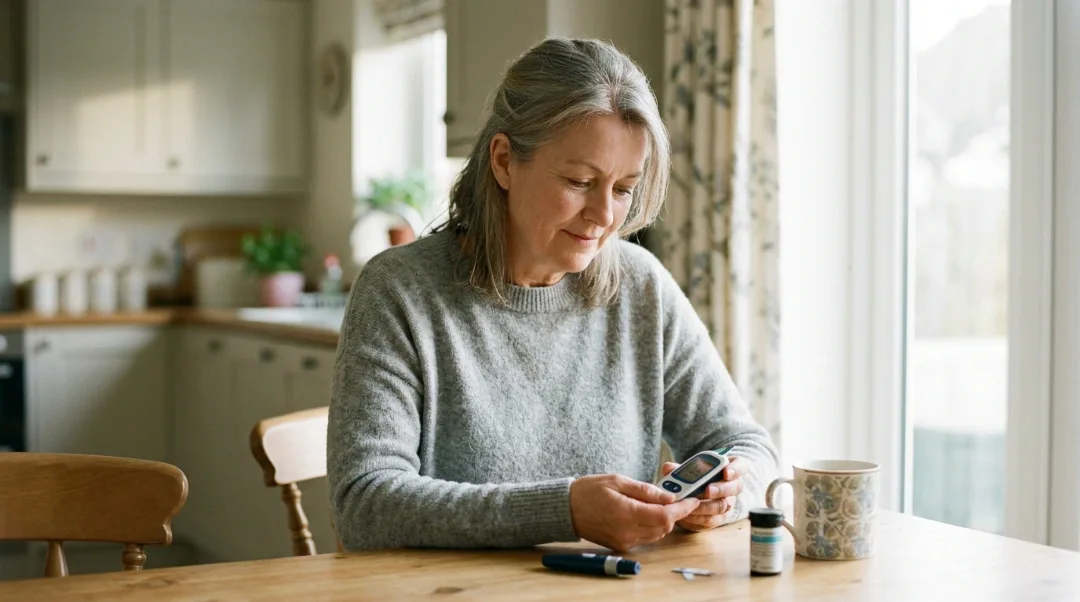
A glucose number means little without its timing. If you’ve ever wondered what is the best time to check blood sugar, you’re not alone, and the answer isn’t a single moment. Most adults with diabetes get the clearest picture from a fasting check on waking, a check before meals, and a check one to two hours after eating.
This guide covers a daily schedule, how timing changes by diabetes type, and what each reading tells you. You’ll also see the mistakes that skew results and the ranges to aim for. Your care team sets your final plan, so treat this as a map to bring to that conversation.
Essential Times to Test Your Blood Glucose
The best time to check blood sugar depends on your treatment plan, but most people test at four key points: fasting (right after waking), before meals, two hours after meals, and before bed. People on insulin often add overnight checks too. These windows give the clearest picture of how your body handles food, rest, and medication throughout the day.
Think of these checkpoints like mile markers on a long drive. Each one tells you something different about the road ahead. Miss too many, and you’re driving blind.
- Fasting in the morning: Right after waking up and before eating or drinking anything.
- Before main meals: Before eating breakfast, lunch, or dinner.
- Two hours after meals: Measured exactly two hours from your first bite of food.
- Bedtime: Before turning in for the night to ensure safe overnight levels.
- Around physical activity: Before, during, and after exercise or major movement.
Why Blood Sugar Testing Timing Matters
Timing matters because glucose rises and falls throughout the day. Food, medicine, activity, stress, and sleep all move it. A reading taken at a random moment can look normal or alarming for the wrong reasons, so checking at consistent times shows patterns your doctor can use to adjust treatment.
Think of your glucose log as a weather diary. One sunny afternoon says little, but a month of entries shows the season. Picture a retired teacher who tests only before breakfast. Her mornings look perfect, yet her afternoons run high and nobody knows. Timed checks reveal patterns like that morning spike or a quiet overnight low.
The A1C test shows your average over about three months. It hides the swings in between, and timed checks catch them.
The Best Times to Check Blood Sugar (Daily Schedule)

Establishing a clear daily routine makes monitoring simple and manageable. Following a predictable testing schedule reduces stress for caregivers and aging adults alike.
| Time of Day | Ideal Target Range | Purpose of Test |
| Fasting (Morning) | 80 – 130 mg/dL | Measures baseline glucose after overnight rest |
| Before Meals | 80 – 130 mg/dL | Helps determine pre-meal insulin or medicine needs |
| 2 Hours After Meals | Under 180 mg/dL | Shows how the body processes food and carbs |
| Bedtime | 100 – 140 mg/dL | Prevents overnight hypoglycemia while sleeping |
Morning Fasting Test
Testing your fasting blood sugar level first thing in the morning sets your daily baseline. Take this test before drinking coffee, taking pills, or eating breakfast.
Morning tests show how your liver and pancreas manage glucose while resting. A high fasting number often points to overnight hormonal changes or late-night snacks.
Pre-Meal Testing
Testing right before eating helps you understand your starting point. It tells you if your blood sugar level is already high before adding carbohydrates.
Checking before lunch and dinner guides choices for portion sizes. If the pre-meal reading is already high, choosing lighter foods helps prevent a massive spike.
The 2-Hour Post-Meal Test
What is a typical blood sugar 2 hours after eating? For most non-pregnant adults an optimal reading is less than 180 mg/dL.
Start your two-hour clock at the first bite of food. Not when you complete the meal. Food begins to break down into glucose immediately. The two-hour test is the best indicator of the highest glucose level after eating.
Bedtime Check
A bedtime glucose test protects against low blood sugar while sleeping. Nighttime drops can cause night sweats, confusion, or restless sleep.
Checking before sleep ensures levels are stable through the night. If the bedtime reading is below 100 mg/dL, a light snack containing protein and complex carbs can keep numbers safe until morning.
Best Testing Times by Diabetes Type
Your diagnosis and treatment shape the schedule, which is why what is the best time to check blood sugar has no single answer.
- Type 1: Most people check four or more times a day, including before meals, at bedtime, and before exercise or driving. Many use a continuous glucose monitor (CGM) instead.
- Type 2 on insulin: Multiple daily injections call for checks similar to type 1. Long-acting insulin alone often means a daily fasting check.
- Type 2 on pills or lifestyle changes: Checks are less frequent. Many people test fasting on some days and after meals on others.
- Prediabetes: Doctors rely mostly on lab tests and A1C. An occasional home check shows how certain foods affect you.
- Gestational diabetes: Checks happen fasting and after meals. The ADA uses a fasting target below 95 mg/dL during pregnancy.
- Older adults: Goals depend on health and function, and avoiding lows comes first. A parent with several conditions may need a looser range than a healthy 60-year-old.
How Other Factors Affect When You Should Test
Illness, new medicines, stress, travel, and changes in meals or sleep all call for extra checks. Glucose climbs during infection and drops when you eat less than usual. During these periods, many care teams ask for checks every few hours, so ask yours for a sick-day plan before you need one.
Steroid medicines such as prednisone can raise afternoon and evening glucose. The 2026 ADA Standards of Care reinforce checking after meals or at random times during steroid treatment.
Alcohol can also cause a low many hours after you drink. A bedtime check is wise on those nights.
Blood Sugar Monitoring Around Exercise & Daily Activities
Check before activity and again afterward, because exercise can lower glucose for hours. Long walks, gardening, and housework count, not only gym sessions. Ask your care team for a safe starting range, since it depends on your medicine.
Check before driving too, especially on insulin. A low behind the wheel is dangerous, and a test takes seconds. Skipped meals and evening activity deserve a bedtime check as well.
Blood Glucose Meter vs Continuous Glucose Monitoring: Does Timing Change?
Modern technology has expanded how people track glucose levels. Choosing between a traditional blood glucose meter and a wearable continuous glucose monitoring device changes your daily routine.
Traditional Blood Glucose Meter (BGM)
A standard glucose meter uses a small finger prick to place a blood drop on a test strip. Finger-stick tests measure glucose in capillary blood, giving an exact snapshot of that specific second.
This method requires manual planning. You must choose specific times to stop, prick your finger, and record the result.
Continuous Glucose Monitoring (CGM)
A continuous glucose monitoring system uses a tiny sensor worn under the skin, usually on the arm or stomach. It measures glucose in interstitial fluid every few minutes, day and night.
With a CGM, you do not need to pause for finger pricks throughout the day. The device sends real-time glucose readings directly to a smartphone or receiver.
It alerts you automatically if levels rise or drop too quickly. However, manual finger pricks are still needed if your sensor readings do not match how you feel.
Certain common over-the-counter supplements can alter CGM accuracy. High doses of Vitamin C (ascorbic acid) or standard doses of pain relievers like acetaminophen (Tylenol) can cause CGM sensors to report artificially high readings. Always double-check strange readings with a standard finger prick.
What High or Low Readings at Each Time Mean
- High fasting: Common causes include too little evening medicine, a large late snack, or the dawn effect, a natural early-morning hormone rise. Track it for several days before changing anything.
- High after meals: A big carbohydrate portion or a mismatch between food and medicine is the usual cause. A short walk afterward often helps.
- Low before a meal: A delayed meal or too much medicine often explains it.
- Low overnight: Evening exercise, alcohol, or insulin dosing can contribute. Repeated lows call for a plan change from your doctor.
Anything below 70 mg/dL counts as low. Eat 15 grams of fast-acting carbohydrate, such as juice or glucose tablets, then recheck in 15 minutes. Below 54 mg/dL, or any confusion or trouble swallowing, needs urgent help.
Common Testing Mistakes to Avoid
Knowing what is the best time to check blood sugar only helps if the reading itself is accurate. Small errors add up to unreliable numbers, so here’s what trips people up most often.
- Testing right after washing hands with lotion. Residue on your fingers can throw off a reading. Wash with plain soap and dry completely first.
- Reusing expired test strips. They lose accuracy over time, even if the box looks unopened.
- Squeezing the finger too hard for a sample. This can dilute the blood with tissue fluid and skew results low.
- Testing from the same finger every time. Rotate fingers to avoid soreness and calluses that make future pricks harder.
- Ignoring the meter’s code or calibration requirements. Some meters need matching to each new box of strips.
- Skipping the log. A number without context, like what you ate or how you felt, is far less useful later.
What Is Normal Blood Sugar?
Normal blood sugar for seniors generally falls between 80 and 130 mg/dL before meals and under 180 mg/dL two hours after eating, similar to general adult targets, though doctors often set slightly higher goals for older adults to reduce the risk of dangerous lows. Age, other health conditions, and medication routines all factor into a senior’s personal target range.
Older adults face a tricky balance. Tight blood sugar control lowers long-term health risks, but it also raises the chance of a low blood sugar episode, which can be more dangerous for seniors due to slower recovery and higher fall risk. That’s why many doctors relax the target range slightly for patients over 65, especially those managing multiple conditions at once.
Family caregivers often find that consistent testing becomes one more task on an already full plate. If you’re supporting an aging parent through daily glucose checks, medication reminders, and meal planning, you don’t have to manage it all solo. Castle Pines Home Care provides trained support for exactly this kind of daily routine, and our home care services in Denver help families keep testing schedules on track without adding stress to the household.
Final Thoughts
Testing at the right times turns blood sugar management from a guessing game into a routine you can actually trust. Fasting, before meals, two hours after eating, and before bed cover the core of most schedules, with adjustments based on your diabetes type, medications, and daily activity. If you’re managing this routine for yourself or an aging loved one and want extra hands on deck, contact us at Castle Pines Home Care to talk through daily support options that fit your family’s needs.
Frequently Asked Questions
What should I do if my blood sugar is unexpectedly high?
Drink a large glass of water immediately to help your kidneys flush out excess sugar. Take a gentle 10-minute walk if you feel able, and check your medication log to ensure no doses were missed. Contact your healthcare team if levels remain elevated.
Can I test my blood sugar using my forearm instead of my finger?
Some blood glucose meters allow alternate site testing on your forearm or palm. However, alternate sites are less accurate when blood sugar is changing rapidly, such as right after meals or during exercise. Stick to fingertip testing at those times.
How often should I check my blood sugar if I take insulin?
If you take insulin, your doctor will likely advise testing four or more times daily. Common times include before main meals, before bedtime, and prior to driving or operating machinery to ensure safe operation.
Why is my blood sugar different when I test twice in a row?
Blood glucose meters have a small margin of acceptable variance, typically within 15%. Blood flow, slight differences in blood drop size, and skin moisture can cause minor variations between consecutive drops.
Does drinking water affect my blood sugar reading?
Drinking water does not directly drop blood sugar, but staying hydrated prevents blood from concentrating, which avoids artificially high readings. Drinking plenty of water supports your body in flushing excess glucose out through urine.