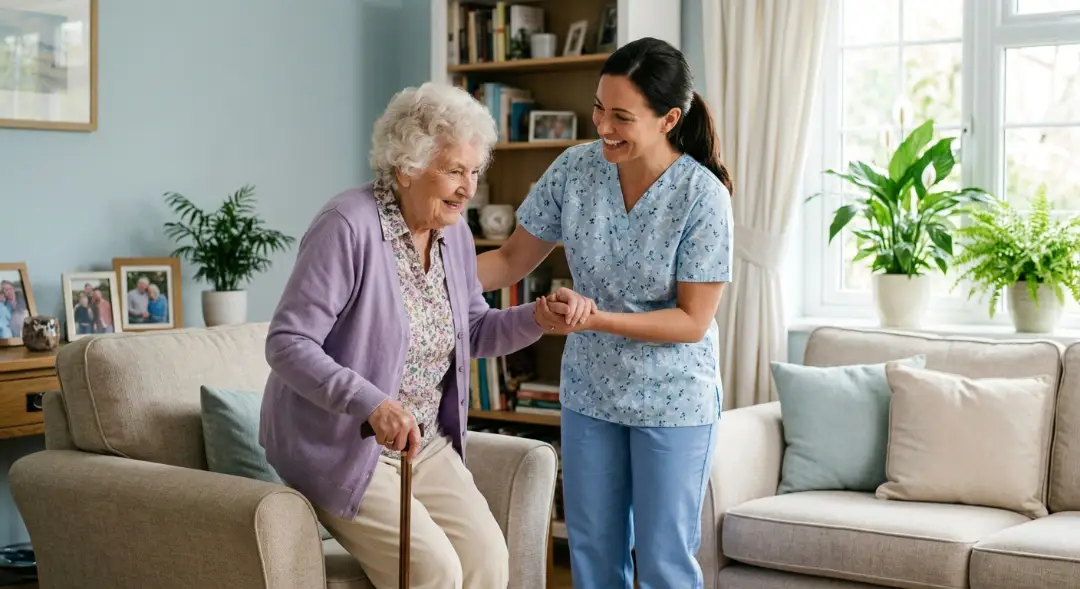
Managing the daily needs of an aging parent or a family member living with a chronic illness can quickly feel overwhelming. You want to give them the best support possible while protecting their independence, but knowing where to start isn’t always clear. Taking on this role brings up a lot of questions about daily routines, safety, and health management.
By understanding the exact expectations, you can provide confident care and prevent feeling burned out. This guide breaks down what a caregiver actually does every day, from hands-on personal support to crucial legal and medical tasks. Here is a look at what are the duties and responsibilities of a caregiver and how you can manage them effectively.
What Does a Caregiver Do?
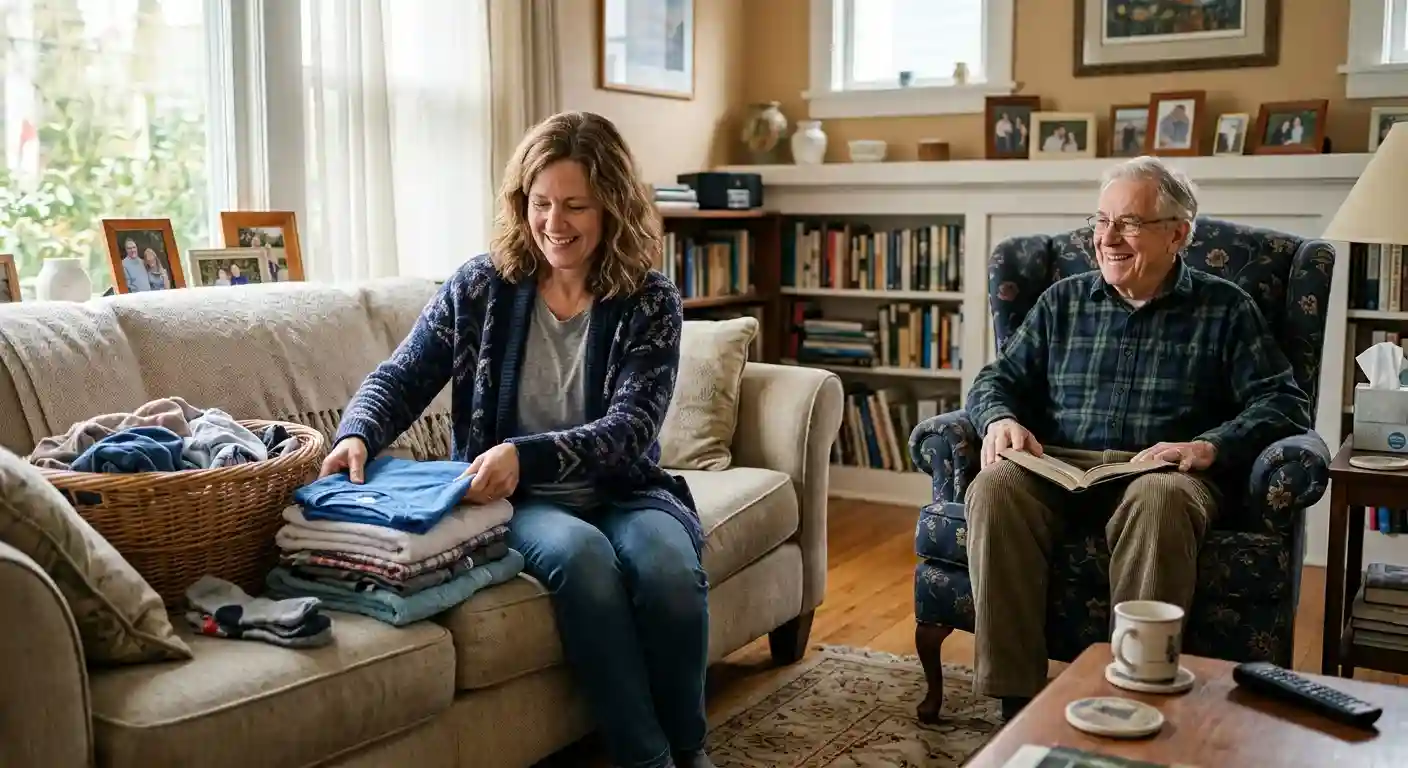
A caregiver assists individuals who face challenges with daily living due to aging, chronic illness, or disability. Their primary responsibilities include personal hygiene care, meal planning, medication reminders, light housekeeping, transportation, and emotional support.
Caregivers act as essential partners in health management. They help individuals maintain independence while providing peace of mind for family members.
Understanding what are the duties and responsibilities of a caregiver begins with recognizing that daily care split into two distinct categories:
-
Activities of Daily Living (ADLs): Fundamental self-care tasks including bathing, dressing, eating, toileting, and transferring from a bed to a chair.
-
Instrumental Activities of Daily Living (IADLs): Complex organizational tasks required for independent living, such as grocery shopping, preparing meals, managing finances, managing transportation, and keeping up with household maintenance.
By assisting with both ADLs and IADLs, caregivers bridging the gap between total independence and total reliance on institutional facilities.
Core Duties and Responsibilities of a Caregiver

Understanding what are the duties and responsibilities of a caregiver starts with the daily, hands-on tasks that keep someone safe, comfortable, and cared for.
Daily Personal Care Support
Personal care forms the foundation of daily assistance for those with limited physical abilities. We focus heavily on activities of daily living, which professionals call ADLs. These tasks include helping your loved one get out of bed, get dressed, and wash up safely.
Dignity is the most critical element during these close interactions. We must ensure our loved one feels respected, not embarrassed, when they need help with toileting or bathing. Consistent routines help reduce anxiety and create a predictable environment for them.
Medication reminders and health-related support
Caregivers assist people to deal with everyday life when age, disability, disease or limited mobility make some activities more difficult.
Medication management is not the same as medication administration. Caregivers should not adjust doses, diagnose problems or make treatment decisions unless they have the proper authorization, training and direction. But primarily personal care aides provide nonmedical services, says the Bureau of Labor Statistics; certain home health aides may do some prescription or vital-sign activities under healthcare supervision.
Meal Preparation and Nutrition
Caregivers prepare meals based on the patient’s specific dietary needs. Some patients require soft foods, low-sodium diets, or thickened liquids due to swallowing difficulties.
Go with what the person enjoys eating especially in later stages of illness. Nutrition matters, but comfort matters too. Friends and family can often help with meals; accepting that help isn’t a weakness, it’s smart.
Healthcare and Medication Oversight
Managing a person’s medical needs requires careful organization and steady attention. We must track all prescriptions, watch for side effects, and schedule regular doctor visits. A minor mistake in timing can cause major health setbacks for an older adult.
We also serve as the main link between the individual and their medical team. We write down symptoms, track vital signs, and share updates with doctors clearly. This active communication ensures the care plan remains accurate and effective.
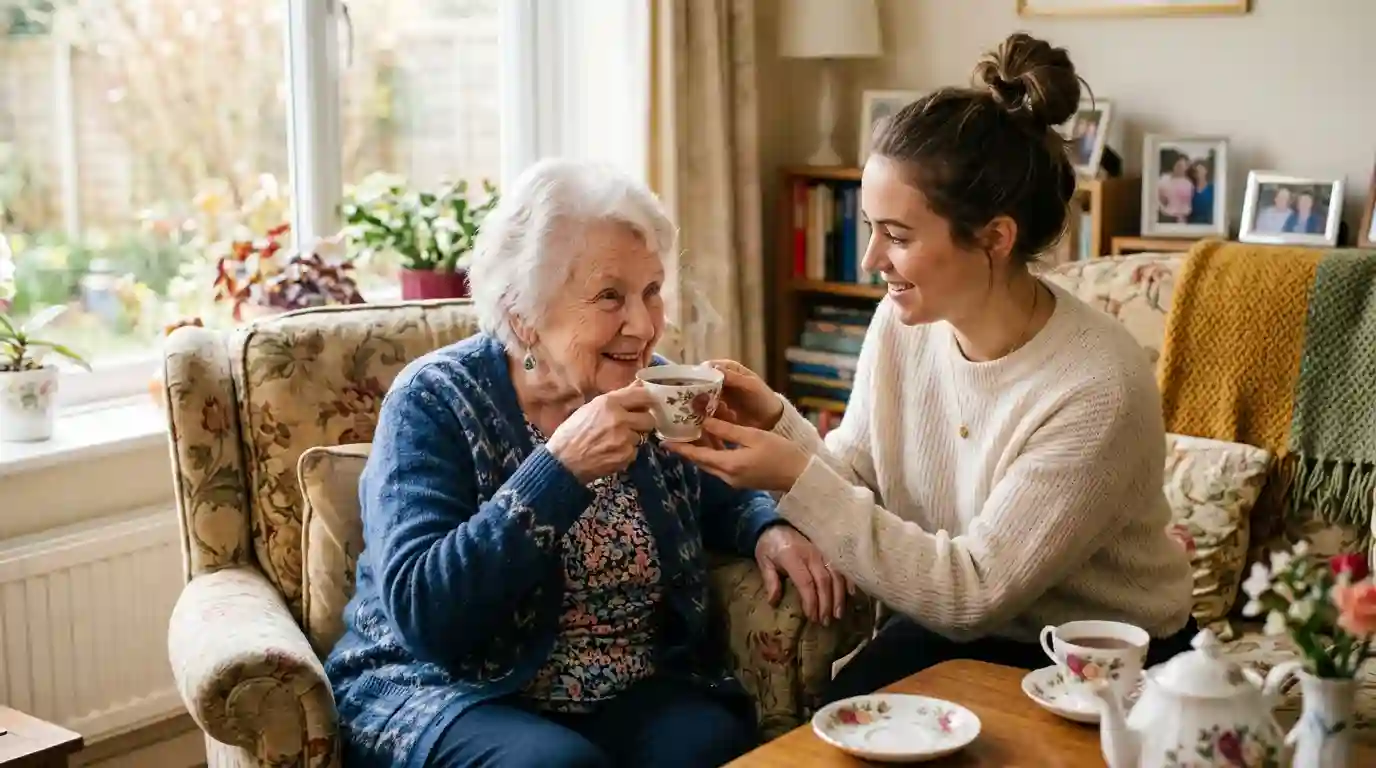
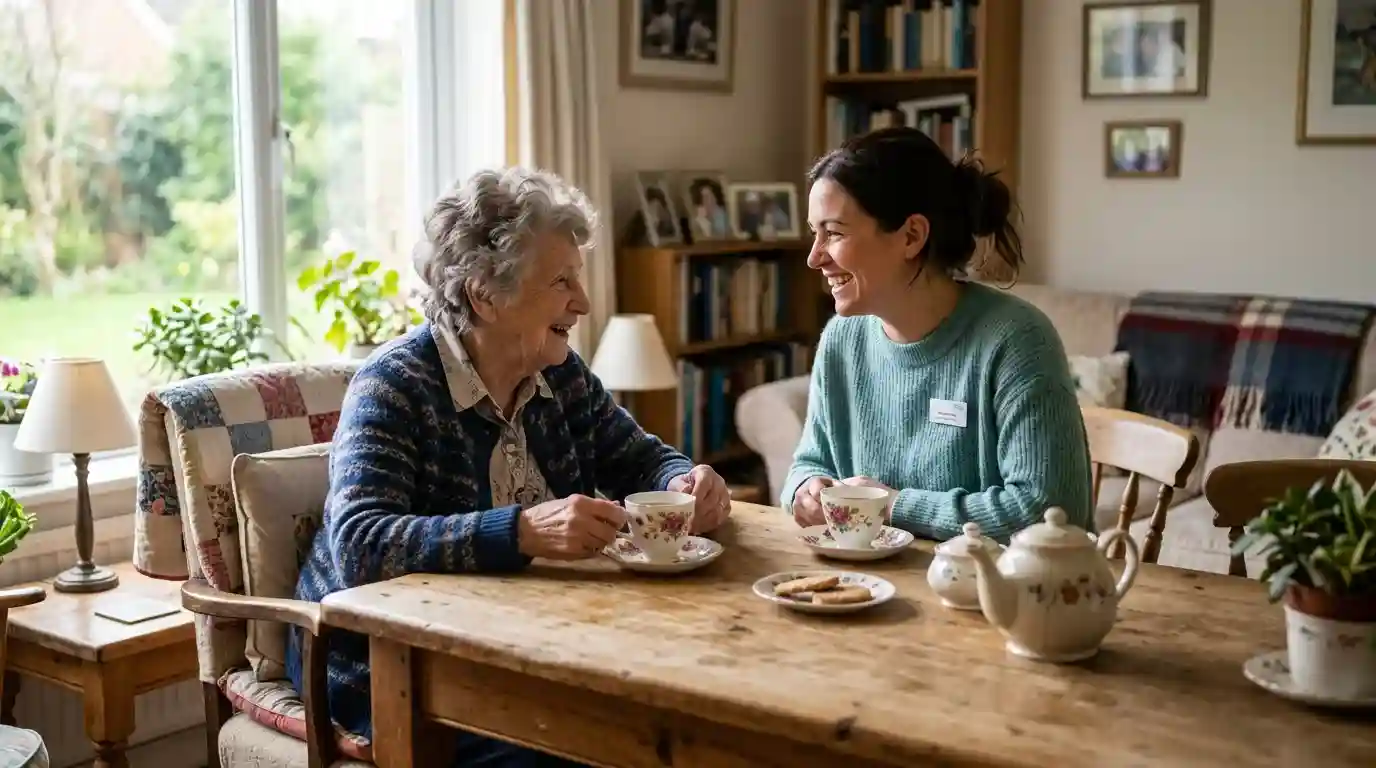
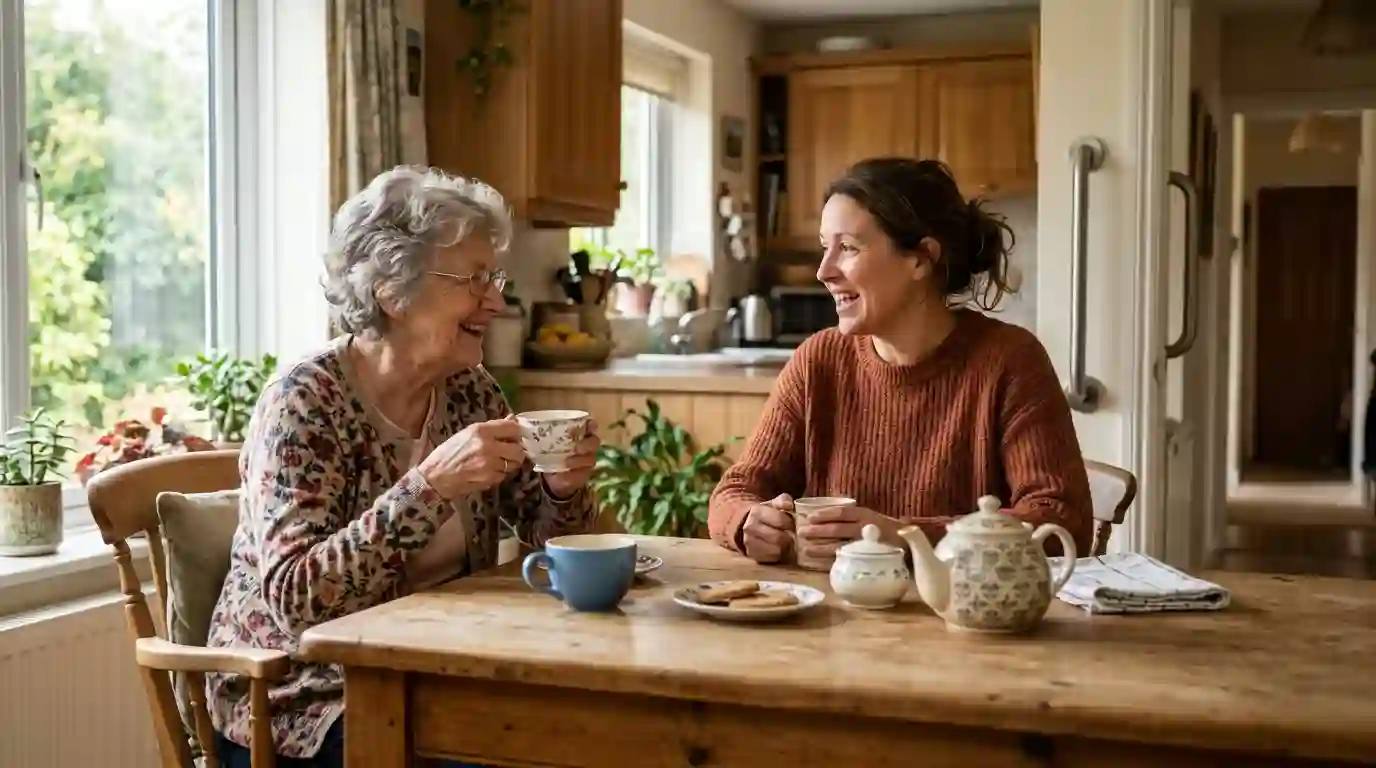
Companionship and Emotional Support
This part of the job doesn’t show up on a checklist but it’s just as important as physical care. Sitting with someone, having a conversation, reading aloud, or simply being present matters deeply to a person’s mental well-being.
Loneliness is a serious health risk for elderly patients. Companionship care isn’t a luxury, it’s part of the job.
Transportation and community activities
Transportation can help with medical appointments, necessities, family visits, and community activities. Caregivers should consider mobility limits, vehicle safety, weather, and safe entry and exit.
Safety and supervision
Safety can include keeping walkways clear, checking that commonly used items are within reach, watching for fall hazards, and following the person’s emergency plan.
Supervision may be especially important for someone with cognitive impairment or a high risk of wandering. A caregiver should report serious changes rather than trying to solve a medical emergency alone.
What Caregivers Should Know When Providing Personal Care
Personal care is often the most sensitive part of the job, and it’s worth doing right. Helping someone bathe or use the bathroom touches on dignity, not just hygiene, so the approach matters as much as the task itself.
A good rule of thumb: let the person do whatever they can still do on their own. If someone can still hold a washcloth, hand it to them instead of doing it for them. This keeps their sense of independence intact and slows the loss of physical ability that comes from being over-helped.
Skin checks matter here too. Caregivers who assist with bathing are often the first to notice a new bruise, a pressure sore, or swelling that needs a doctor’s attention. Catching these early can prevent a small issue from turning into a hospital visit.
Dressing and Hygiene Routines
Choosing the right clothing choices makes daily dressing much faster and safer. We recommend soft fabrics with elastic waistbands or simple closures instead of complicated buttons. These choices allow seniors to dress themselves as much as possible, boosting their self-confidence.
Oral and Nutritional Care
Oral health directly affects how well an older adult can eat and speak. We assist with brushing and flossing to prevent cavities and painful infections. Clean teeth make meals much more enjoyable and protect overall systemic health.
When we look at dietary needs, meal preparation involves more than just cooking food. We must adapt textures for individuals who have trouble chewing or swallowing safely. Preparing soft meals like pureed vegetables or moist scrambled eggs ensures they get vital nutrients.
Home Safety: What Every Caregiver Must Address
Home safety is a non-negotiable part of caregiver roles and responsibilities. A standard household becomes a hazard zone for someone with limited mobility, vision problems, or cognitive decline.
Falls can permanently alter a senior’s independence, but a few simple adjustments can prevent most household accidents. Use this quick checklist to inspect your loved one’s home:
Key Household Safety Checks
-
Bathroom Modifications: Install sturdy grab bars near the toilet and inside the shower stall. Place non-slip rubber mats inside tubs and on surrounding floor tiles.
-
Lighting Upgrades: Add nightlights along hallways, inside bedrooms, and near staircases to ensure clear visibility during nighttime bathroom trips.
-
Floor Maintenance: Remove throw rugs completely or secure them firmly with heavy-duty double-sided rug tape. Keep extension cords out of primary walking paths.
-
Equipment Upgrades: Consider raised toilet seats and durable shower chairs to make transfers easy and secure.
The Emotional and Legal Responsibilities Nobody Talks About
While physical chores take up most of the daily schedule, the emotional and administrative weight of caregiving often demands the most energy. You are handling someone’s personal affairs while supporting their emotional health.
Managing Financial and Legal Tasks
Many caregivers step in to help manage financial affairs. This includes tracking monthly bills, organizing insurance forms, and coordinating with attorneys regarding legal authorizations like Power of Attorney (POA). Having clear legal documentation in place ensures you can make medical or financial decisions if your loved one experiences severe cognitive decline.
Dealing with Cognitive Decline and Behavior Changes
Caring for someone with Alzheimer’s disease or dementia presents distinct challenges. Cognitive conditions can cause unexpected mood swings, agitation, or confusion about time and place. Caregivers must adapt their communication style. Speak in short, direct sentences, remain patient, and avoid arguing when confusion arises.
Family vs. Professional Caregiver Duties

While both family caregivers and professional caregivers share the goal of keeping individuals safe, their daily realities differ significantly.
| Feature | Family (Informal) Caregiver | Professional In-Home Caregiver |
| Primary Role | Unpaid emotional & physical support | Trained, paid service provider |
| Schedule | Often 24/7 with minimal breaks | Defined shifts and hourly coverage |
| Training | On-the-job, trial-and-error | Certified training (CPR, ADLs, safety) |
| Burnout Risk | Very high due to personal emotional ties | Managed through professional boundaries |
| Coverage | Relies entirely on personal availability | Backed by agency shift coverage |
Informal caregiving usually starts gradually picking up groceries or dropping off prescriptions. before scaling up into a full-time commitment. According to a landmark 2025 AARP and National Alliance for Caregiving report, over 63 million Americans serve as unpaid family caregivers. Over one-third of these individuals manage care duties for five years or longer, often while balancing separate jobs and raising children.
Caregiver Skills That Make the Biggest Difference
Technical knowledge alone does not guarantee great caregiving. The most effective caregivers combine practical skills with strong interpersonal strengths:
-
Patience: Giving individuals time to express themselves or complete tasks at their own speed preserves their dignity.
-
Observation: Noticing subtle shifts like a loss of appetite, slight limping, or mild confusion—helps catch health issues early.
-
Active Listening: Understanding preferences and fears creates a foundation of trust.
Personal Care Services: Getting Extra Support When You Need It
There comes a point in many caregiving situations where one person simply isn’t enough. That’s not a reflection of your commitment, it’s a reflection of the reality of complex care needs.
Castle Pines Home Care offers professional personal care support tailored to each individual’s needs. Whether you need help with daily hygiene, mobility assistance, or consistent companionship, trained caregivers can step in and provide reliable, compassionate support.
If you’re in the Denver area, our home care services in Denver are designed specifically for seniors who need regular social engagement alongside practical daily care. Loneliness and isolation are as damaging to health as many physical conditions and consistent companionship addresses that directly.
Frequently Asked Questions
What are the 10 duties of a caregiver?
The 10 core caregiver duties are personal hygiene assistance, meal preparation, medication management, mobility support, light housekeeping, transportation, health monitoring, companionship, appointment coordination, and communication with family or medical staff. Not every caregiving situation requires all ten, but most caregivers handle some combination of these on a regular basis.
What are 5 qualities of a good caregiver?
The five qualities that matter most are patience, compassion, reliability, clear communication, and flexibility. A caregiver who consistently shows up, adjusts to changing needs, and treats the person they’re caring for with respect tends to build the strongest, most trusted relationships.
What are your main duties and responsibilities as a care worker?
A care worker’s main duties include assisting with daily living activities, monitoring health and safety, managing medications, and maintaining accurate care records. Depending on the setting, care workers may also coordinate with nurses, doctors, or family members to keep everyone informed about changes in condition.
What are the three main roles of a caregiver?
The three main roles of a caregiver are physical support, emotional support, and health coordination. Physical support covers daily tasks like bathing and mobility. Emotional support means companionship and encouragement. Health coordination involves medication management and communication with medical providers.
What are the 6 main roles and responsibilities of a caregiver?
The six main caregiver responsibilities are personal care, meal preparation, medication management, household management, transportation, and emotional support. Together, these cover the physical, practical, and emotional needs of most people who require in-home assistance.