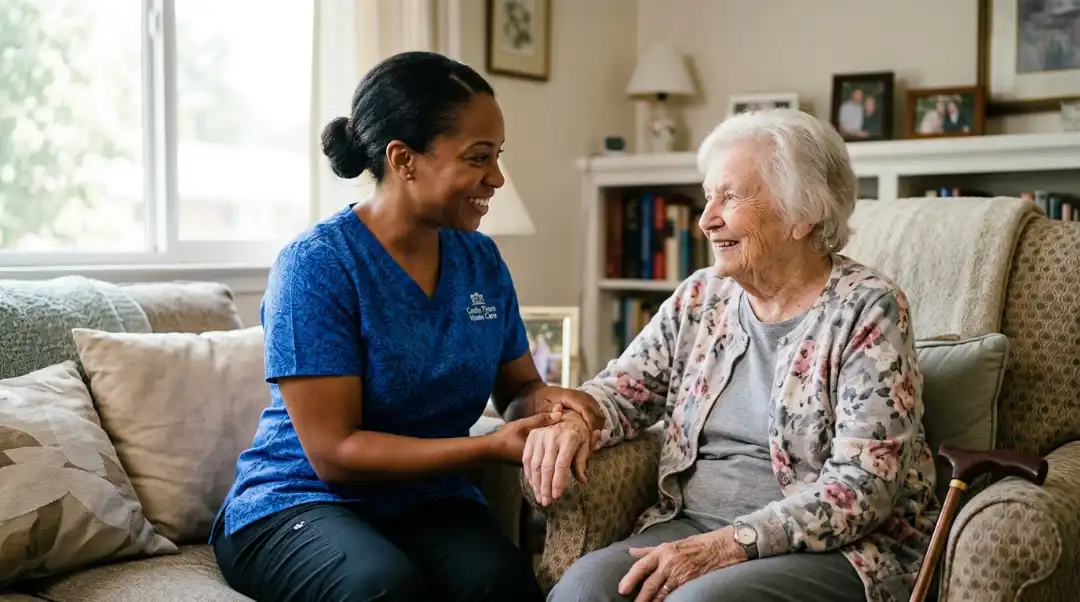
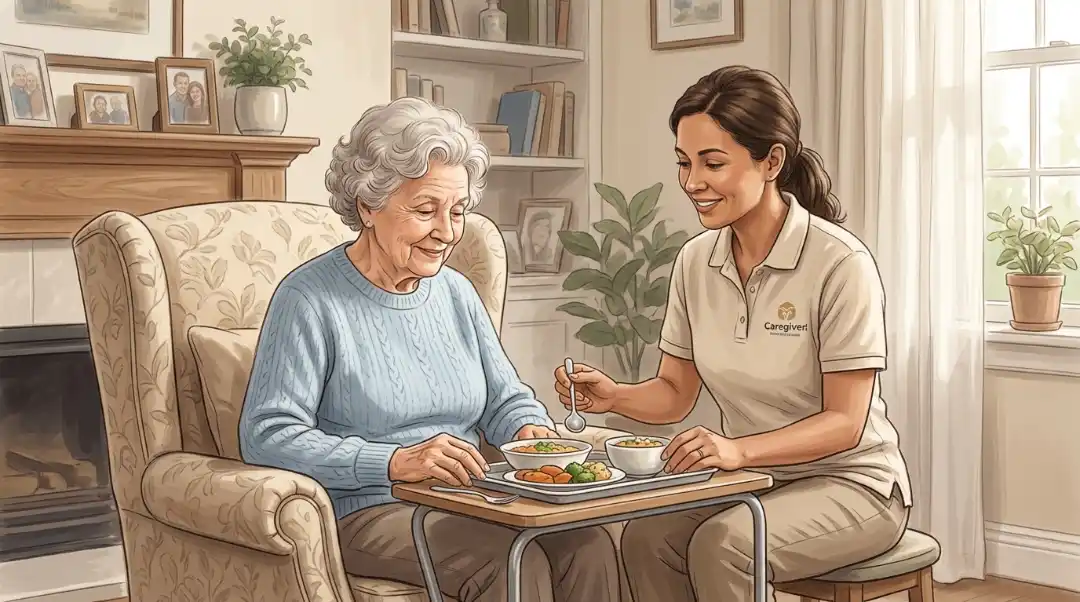
It’s awful to see a parent have trouble buttoning their shirt or forget to eat. You want to help, but you can’t be there all the time. Non-medical home care is meant to fill that gap, and millions of families in the U.S. use it every year.
What is non medical home care? It’s a type of support service that helps seniors, people with disabilities, or those managing chronic illnesses with daily tasks like bathing, dressing, meal preparation, and light housekeeping, all from the comfort of their own home. No hospitals. No nursing facilities. Just real, practical help delivered where your loved one feels safest.
Key Takeaways
- Non medical home care covers daily living tasks, not medical treatments
- Home care aides don’t need medical licenses, but many have formal training
- The national average cost is around $33 per hour (A Place for Mom, 2025)
- Medicare typically does not cover non medical home care
- It can delay or prevent the need for a nursing home
- Payment options include private funds, VA benefits, Medicaid waivers, and long-term care insurance
What Services Are Included in Non Medical Home Care?
Non-medical in-home care services cover the everyday tasks that keep a person safe, clean, fed, and socially connected. These services don’t include medical care, wound care, or therapy. A home caregiver’s job is to help with personal care and domestic tasks.
Here’s what a typical non medical home care agency provides:
Personal Care (ADLs)
Activities of daily living, or ADLs, are the basic self-care tasks most people do without thinking. When someone can no longer manage these alone, a home care aide steps in.
- Bathing and dressing
- Grooming and personal hygiene
- Toileting and continence care
- Mobility and transfers (helping someone move from bed to chair)
- Light housekeeping (vacuuming, dusting, cleaning bathrooms)
- Laundry and linen changes
- Grocery shopping
- Meal preparation and planning based on dietary needs
Companionship and Social Support
- Conversation and emotional support
- Reading, card games, watching TV together
- Planning and joining social outings
- Pet care for cats, dogs, or other household animals
- Rides to doctor appointments
- Help with grocery runs
- Transportation to community events or family visits
Medication and Schedule Reminders
- Reminding clients to take medications (not administering them)
- Appointment reminders and scheduling support
Note: Non medical companion care and personal care are the two main categories under this umbrella. Think of them as the “life support” side of care, not the clinical side.
Non Medical vs. Medical Home Care: What’s the Difference?
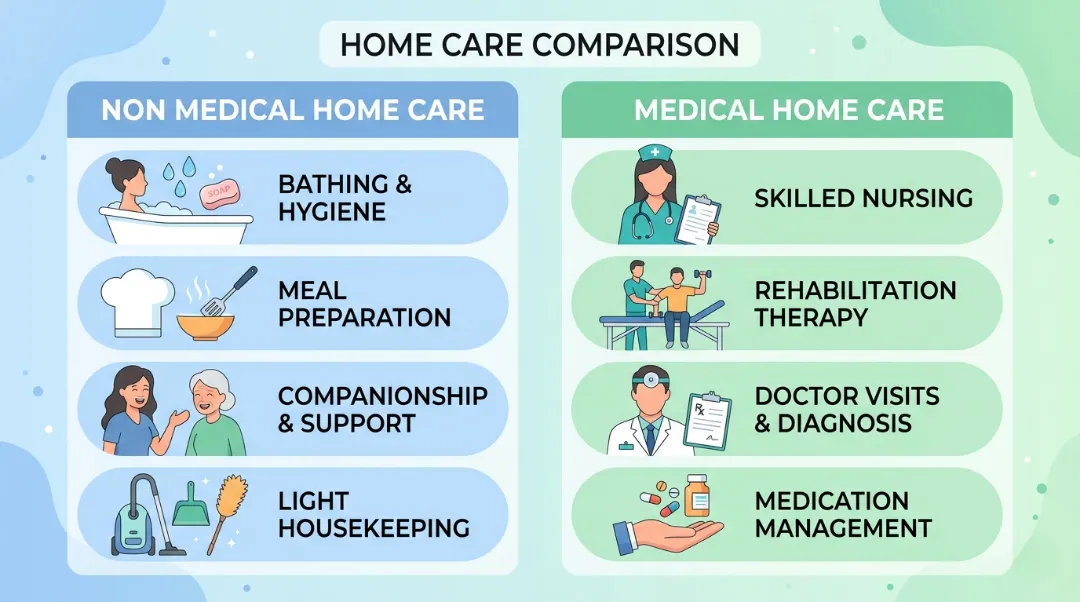
This is the question most families get confused by. Here’s a simple breakdown:
| Feature | Non Medical Home Care | Medical Home Care (Home Health) |
| Services | ADLs, housekeeping, companionship | Skilled nursing, physical therapy, wound care |
| Provider | Home care aide, companion | Registered nurse, physical therapist |
| Doctor’s order needed? | No | Yes |
| Covered by Medicare? | Usually not | Yes, if criteria are met |
| Goal | Independence and quality of life | Medical recovery or management |
Private duty care sits firmly in the non-medical category. It’s flexible, customizable, and can run anywhere from a few hours per week to 24-hour live-in care.
Is Non Medical Home Care Right for Your Loved One?
Non medical home care is a strong fit for someone who is mostly independent but needs regular support with daily tasks. It works best for seniors aging in place, adults with chronic illnesses, or anyone recovering at home who doesn’t need clinical medical attention.
Ask yourself these questions:
- Does your loved one struggle with bathing, dressing, or preparing meals?
- Are they at risk of social isolation or loneliness?
- Do they miss medications or forget appointments regularly?
- Can they no longer drive safely?
- Is household upkeep becoming too much?
- Does your family need a break from caregiving duties (respite care)?
If you answered yes to two or more of these, non-medical in-home care services are worth exploring seriously.
Non-medical home care is also a good idea when someone is between levels of care. They might have been released from the hospital, but aren’t ready to take care of themselves yet. Or they might be on a waiting list for assisted living. A home carer can fill that gap while keeping them secure and comfortable at home.
Real example: Margaret, who is 79 years old, lives alone and has mild COPD. Her daughter works full-time but worries constantly. A private duty carer comes four mornings a week to help with breakfast, bathing, and reminding the person to take their medicine. Margaret stays at home. Her daughter feels better. That’s the whole point.
How Much Does Non Medical Home Care Cost?
The national average cost of non medical home care is $33 per hour in the U.S., based on 2025 data from A Place for Mom. Costs vary significantly based on your location, the type of services needed, and how many hours of care per week are required.
Here’s a rough breakdown to give you a realistic picture:
- Part-time care (4 hrs/day, 3 days/week): ~$1,584/month
- Full-time care (8 hrs/day, 5 days/week): ~$5,280/month
- Live-in or 24-hour care: Can reach $10,000–$15,000/month depending on location
According to Genworth’s Cost of Care Survey, costs in cities like San Francisco or New York run 30-40% higher than the national average.
Care scheduled in 2-to-24-hour shifts gives families the flexibility to pay only for what they actually need. That’s often far cheaper than long term care in a skilled nursing facility, where costs can exceed $8,000 per month nationally.
How to Pay for Non Medical Home Care
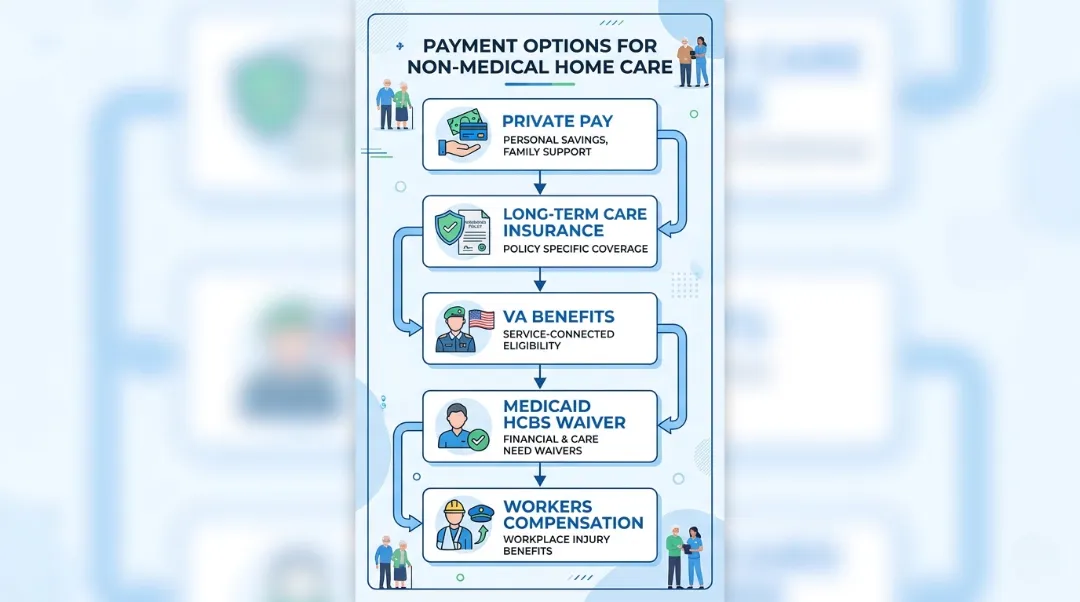
Most non medical home care is paid out-of-pocket through personal or family funds. However, several financial programs can reduce or cover costs, including VA benefits, Medicaid waivers, and long-term care insurance policies.
Here are the main payment options:
1. Private Pay (Out-of-Pocket)
Most families start here. You pay directly to the home care agency or caregiver on an agreed schedule.
2. Long-Term Care Insurance
If your loved one has a policy, it may kick in once they need help with two or more ADLs. Review the policy terms carefully with the insurer.
3. Veterans Benefits (VA)
The VA’s Aid and Attendance program offers monthly stipends to qualifying veterans and their spouses. To qualify, a veteran typically needs help with two or more ADLs or must be housebound. This is an underused benefit that many families don’t know about.
4. Medicaid (HCBS Waivers)
Some states offer Home and Community Based Services (HCBS) waivers that cover specific non medical home care services for income-qualifying seniors. Coverage varies widely by state, so contact your local Medicaid office directly.
5. Workers’ Compensation
In cases where a disability results from a work injury, workers’ comp may cover private duty care costs.
What Medicare won’t cover: Standard Medicare does not pay for non medical personal care or homemaker services. It only covers skilled nursing and home health care when medically necessary and ordered by a doctor.
Pros and Cons of Non Medical Home Care
Competitors don’t touch this. Here’s the honest picture:
Pros:
- Keeps your loved one in a familiar, comfortable environment
- More affordable than assisted living or skilled nursing facilities
- Flexible schedules based on real needs
- Reduces family caregiver burnout through respite care
- Supports aging in place and long-term independence
Cons:
- Not covered by Medicare or most standard health insurance
- Quality varies between agencies and individual caregivers
- May not be enough if medical needs are complex
- Finding and vetting a trustworthy home care agency takes time
How to Find Non Medical Home Care Providers
Finding a trustworthy non medical home care agency starts with knowing what to look for. The right agency will screen and train its caregivers, carry proper liability insurance, and match care plans to your loved one’s specific needs.
Here’s a practical checklist when choosing an agency:
- Are caregivers background-checked and insured?
- Does the agency offer a care plan tailored to your loved one?
- What happens if a regular caregiver is sick or unavailable?
- Are there minimum-hour requirements per visit?
- Can you read reviews or speak to current clients?
If you’re searching for home care services in Denver or the surrounding area, Castle Pines Home Care is a trusted local provider that connects families with qualified, compassionate caregivers. Their team helps match care needs with the right level of support, so you’re not figuring it out alone.
Start by listing your loved one’s top five daily challenges. Bring that list to any agency consultation. It immediately moves the conversation from vague to practical.
Conclusion
Non medical home care isn’t a last resort. It’s typically the best first action to take to keep someone you care about safe, independent, and at home. The appropriate help can make all the difference, whether it’s a few hours of companionship each week or full-time personal care.
Start with one conversation. Talk to a local home care agency, ask the hard questions, and build a plan that fits your family’s real life.
FAQs About Non Medical Home Care
What is the difference between home health care and non medical home care?
Home health care involves skilled medical services like skilled nursing, wound care, or physical therapist visits, typically ordered by a doctor. Non medical home care covers daily living support like bathing, dressing, and meal preparation with no medical license required.
Can non medical home care aides give medications?
No. A home care aide can remind someone to take their medication, but administering or managing medications falls under medical home care services and requires licensed professionals.
How many hours of care does my loved one need?
It depends on their level of independence. Some people need 3-4 hours a day for personal care. Others need 12-hour or live-in shifts. A needs assessment from a home care agency will give you a clearer answer.
Is private duty care the same as non medical home care?
Yes, private duty care and non-medical in-home care services refer to the same category of support. The difference is mostly in terminology used by different agencies.
Can non medical home care delay nursing home placement?
Yes, and that’s often the goal. Consistent home caregiver support helps seniors manage daily tasks safely and comfortably, which can delay or even prevent the need to move into a long term care facility.