If you’re comparing Caretaker vs Caregiver, the simplest answer is this: a caregiver usually helps a person with daily needs related to aging, illness, or disability, while caretaker has a broader meaning and is often used for someone responsible for a home, property, animal, or sometimes another person. In U.S. senior care, “caregiver” is usually the clearer term.
Both words can describe someone who takes responsibility for another person, so the confusion is understandable. The difference becomes easier to see when the setting is considered. This guide explains what each term means, what the roles involve, when the words overlap, and which term makes more sense when looking for support at home.
Key Takeaways
-
Core Focus: A caregiver provides physical, medical, and emotional personal care to a person. A caretaker focuses on maintaining physical spaces, grounds, and property.
-
Emotional Dynamic: Caregiving relies on building personal trust and supporting daily living activities. Caretaking stays task-focused and transactional.
-
Terminology Matters: Searching for a “caregiver” connects you to home health agencies, respite care, and state aid. Searching for a “caretaker” often brings up building maintenance or security services.
-
Boundary Management: Slipping into a “caretaking” mindset with a family member can cause emotional strain and caregiver burnout.
The Quick Answer: Caretaker vs Caregiver
Here’s the short version, in case you’re in a hurry. A caregiver takes care of a person. A caretaker traditionally takes care of a place, a building, or an animal. The confusion happens because English speakers, especially in casual conversation, often swap the two words without noticing.
| Caregiver | Caretaker | |
|---|---|---|
| Cares for | A person | Property, animals, or a space |
| Typical pay | Often paid, sometimes unpaid family care | Usually paid |
| Main focus | Physical and emotional support | Maintenance and security |
| Common settings | Homes, hospitals, senior communities | Buildings, farms, parks, estates |
The rest of this guide breaks down the Caretaker vs Caregiver question in more detail, including pay, warning signs, and where to find real support.
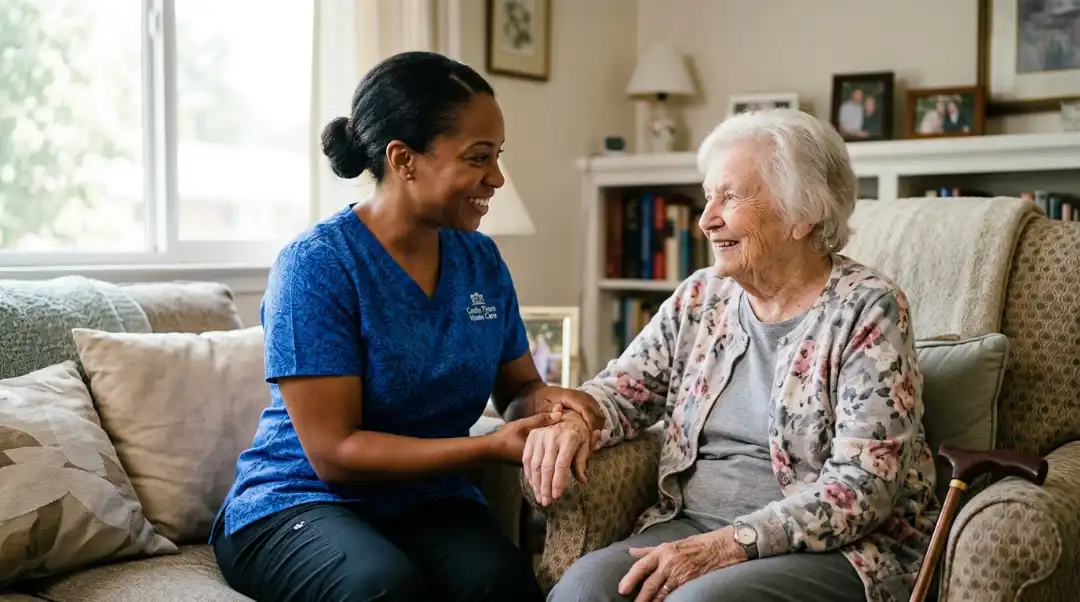
What Is a Caregiver?
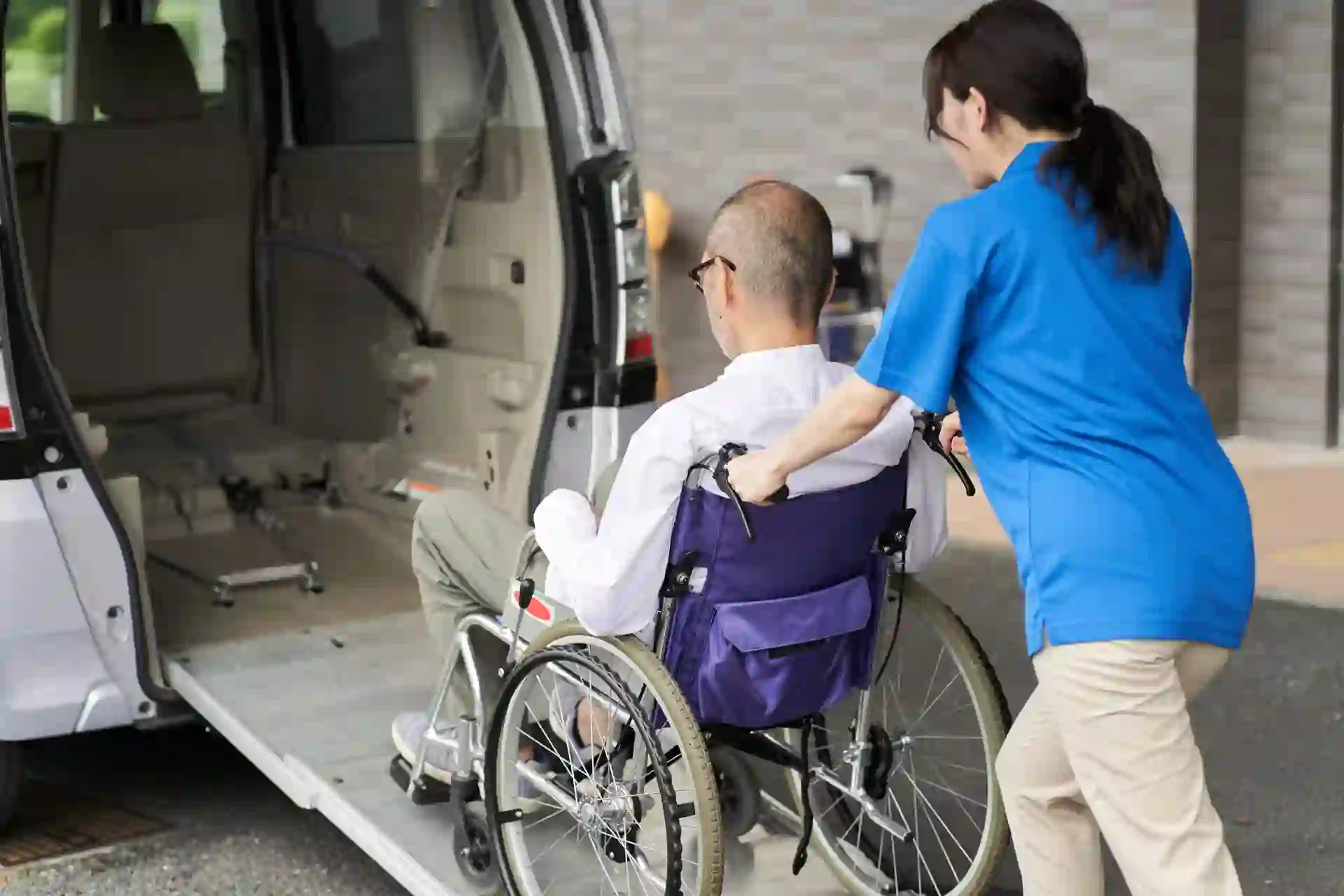
A caregiver is a professional or family member who supports individuals who cannot fully care for themselves due to aging, chronic illness, or disability. The central goal of caregiving is helping the individual maintain independence, comfort, and dignity while remaining safely in their home or community.
Core Duties and Responsibilities
Caregivers assist with two main categories of daily support:
-
Activities of Daily Living (ADLs): Essential self-care tasks including bathing, dressing, grooming, feeding, and mobility assistance.
-
Instrumental Activities of Daily Living (IADLs): Household support tasks such as meal preparation, light housekeeping, managing medication schedules, running errands, and arranging transportation to doctor appointments.
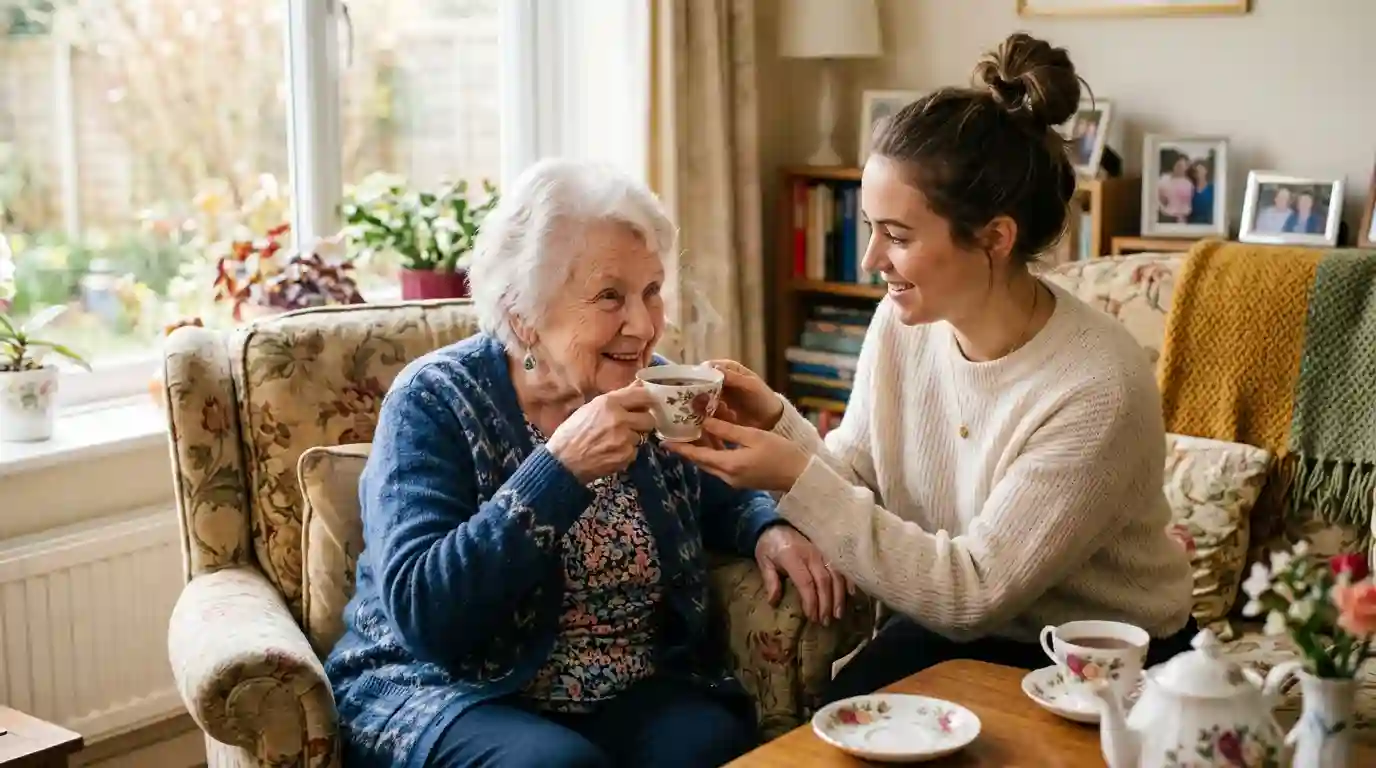
Caregivers offer vital companionship. They listen, engage in meaningful conversations, and provide emotional stability that protects seniors and individuals with disabilities from social isolation.
What Does a Caregiver Do?
Caregivers wear many hats. On any given day, their responsibilities may include:
- Personal care: Helping with bathing, dressing, grooming, and mobility
- Medical care: Managing medications, tracking symptoms, and attending medical appointments
- Daily tasks: Preparing meals, doing laundry, grocery shopping, and light housekeeping
- Emotional support: Offering companionship, listening, and reducing feelings of isolation
- Health monitoring: Relaying changes in the care recipient’s condition to doctors or nurses
According to the National Alliance for Caregiving, there are over 53 million family caregivers in the United States alone.
One important thing to understand: a caregiver’s role is not to take over someone’s life. It’s to walk alongside them. Think of it like being a co-pilot, not the captain.
Most family caregivers don’t get paid. They do it out of love, obligation, or both. That emotional investment is what separates caregiving from a transactional service.
What Is a Caretaker?
A caretaker is someone who’s responsible for looking after a property, a home, or sometimes animals while the owner is away. In everyday conversation, people also use “caretaker” for a paid worker who handles basic physical tasks without the emotional bond a caregiver usually builds.
Outside of home care, you’ll find caretakers managing apartment buildings, farms, and even museums or historical estates. Their days revolve around maintenance, security checks, and seasonal upkeep like snow removal or lawn care. Some home care agencies still use “caretaker” as a job title for a non-medical helper, which adds to the mix-up.
What Does a Caretaker Do?
A caretaker’s duties often overlap with a caregiver’s, but the motivation is different. Their responsibilities may include:
- Supervising and assisting with personal hygiene and physical care
- Transporting individuals to medical appointments
- Maintaining routines and daily schedules
- Reporting behavioral or health changes to medical staff
- Working overnight shifts in nursing homes or memory care facilities
Caretakers working in memory care facilities, for example, may need specific dementia training and CPR certification. Many assisted living facilities pay for this training directly.
The median annual wage for home health aides in the U.S. is around $33,000, according to the Bureau of Labor Statistics.
The caretaker role is a job. That’s not a criticism. It’s a structure that provides professional care and support to thousands of people who need it every day.
What’s the Difference Between a Caretaker and a Caregiver?
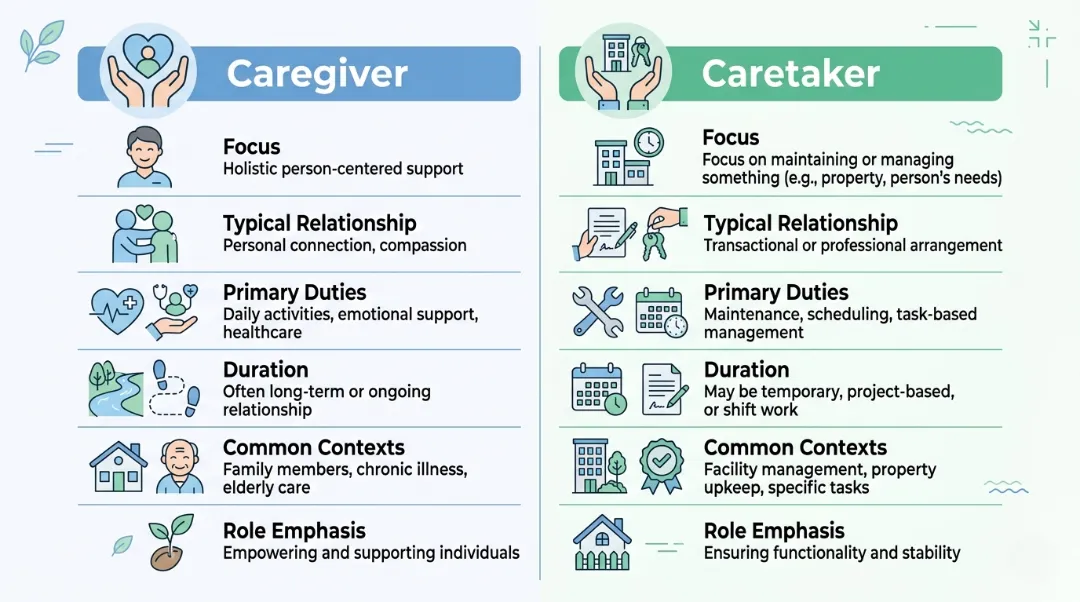
While both roles focus on protection and upkeep, their targets, required skill sets, and relationships are entirely distinct.
| Feature | Caregiver | Caretaker |
| Primary Focus | Human health, safety, and emotional well-being | Buildings, property, equipment, and grounds |
| Key Tasks | Bathing, dressing, grooming, feeding, meal preparation | Repairs, lawn care, security patrols, cleaning |
| Skill Set Needed | Personal care training, empathy, patience, CPR/First Aid | Technical repairs, carpentry, groundskeeping, security |
| Relationship | Deep personal connection and companionship | Transactional and task-oriented |
| Industry Context | Home care agencies, healthcare, senior living | Property management, real estate, facility maintenance |
Which One Do You Actually Need?
Most families searching for help with an aging parent or a family member with a chronic condition need a caregiver, not a caretaker. If someone requires bathing, dressing, meal preparation, or company throughout the day, a trained caregiver fits the job. Reserve “caretaker” for property or pet care.
Ask yourself a few practical questions before you search for help:
- Does the person need hands-on help with bathing, dressing, or meal preparation? That’s caregiver territory.
- Do you need someone to check on an empty house, mow a lawn, or feed pets while you’re away? That’s a caretaker.
- Are you filling out paperwork for benefits or a job application? Use the exact term the form or employer requests, since agencies define these roles differently.
Picture a daughter driving across town every morning to help her father shower and take his medication. She’s not maintaining a house. She’s caring for a person. That makes her a caregiver, plain and simple.
Most people who land here are asking the Caretaker vs Caregiver question because they’re trying to support a parent, spouse, or family member, not manage a rental property. If that’s your situation, use the word “caregiver” when you call agencies or search job boards. It pulls more accurate results.
Does Terminology Differ by Country?
Yes, terminology differs by country. In the United States, “caregiver” is standard for anyone helping a person with daily needs. In the United Kingdom, Australia, and much of the Commonwealth, the word “carer” is used instead, and “caretaker” almost always refers to property or building maintenance work.
This matters if you’re researching international resources or hiring an aide trained abroad. A British website discussing “carers” is talking about the same role Americans call caregivers. Don’t let the different vocabulary convince you the job itself is different, because it isn’t.
How Do You Know You Have Crossed Over From Caregiving to Caretaking?

You’ve crossed from caregiving into caretaking when you start controlling the person’s choices instead of supporting them, often out of fear or exhaustion rather than respect. This shift happens slowly. It usually starts with good intentions and ends with resentment on both sides.
Here are signs that boundary has slipped:
- You make decisions for your loved one without asking what they want.
- You feel resentful or unseen, even when you’re doing everything right.
- You’ve stopped letting them try things on their own, even small tasks.
- You measure your worth by how needed you feel.
- You’re more focused on controlling outcomes than supporting the person.
This pattern connects closely to anticipatory grief. Watching a parent decline triggers a strange kind of mourning while they’re still alive, sometimes called grieving a living parent. That grief can quietly turn into a need for control, because control feels safer than helplessness.
If you recognize yourself in that list, it doesn’t make you a bad person. It makes you human, and it’s a sign to pull back and ask for support before the relationship suffers further.
Think of it like holding a rope too tight. The tighter you grip, hoping to keep someone safe, the more your hands cramp up until you can’t hold on at all. Loosening that grip a little, by letting your parent make their own small choices, actually keeps you both steadier in the long run.
Caregiver Burnout: A Real and Overlooked Problem
Caregiver burnout is a state of physical, emotional, and mental exhaustion caused by prolonged stress. It happens when family care providers neglect their own health while supporting a relative.
Warning Signs of Burnout:
-
Persistent fatigue and sleep disruption.
-
Irritability, anxiety, or feelings of hopelessness.
-
Withdrawal from friends, hobbies, and social activities.
-
Frequent minor illnesses due to a weakened immune system.
Preventing burnout requires setting clear emotional boundaries, sharing tasks among family members, and arranging professional home support before reaching a crisis point.
Support for Caretakers and Caregivers
Whether you’re a family member or a professional, support resources exist to help you manage the weight of caregiving and caretaking responsibly.
For family caregivers:
- Family Caregiver Alliance (caregiver.org): Offers educational guides, legal resources, and emotional support tools
- Caregiver Action Network (caregiveraction.org): Provides a help desk and community forums
- National Alliance for Caregiving (caregiving.org): Research-based resources for family caregivers
For professional caretakers:
- Seek CPR and first-aid certification through the American Red Cross
- Look into dementia care training through the Alzheimer’s Association
- Connect with professional networks like the National Association for Home Care & Hospice
These resources don’t just offer information. They offer a community of people who genuinely understand what caregiving and caretaking looks like up close.
Find the Perfect Caretaker For Your Loved One in Denver CO
If you’re based in Denver and searching for reliable, compassionate professional care for an aging parent or family member, Castle Pines Home Care is here to help. Our team provides trusted home care services in Denver tailored to the specific needs of your loved one, whether they need part-time assistance or full-time personal care support.
Every caregiver on our team is carefully vetted, trained, and matched with clients based on personality, needs, and preferences. Good care isn’t one-size-fits-all, and we take that seriously.
Reach out today to talk through your options and find the right fit for your family.
Conclusion
The difference between a caretaker vs caregiver goes deeper than job titles. One is built on emotional connection and the drive to support someone’s independence. The other is a professional role with defined duties, training, and compensation. Both matter, and both serve real purposes in the world of care.
Knowing which position is right for you can help you make better choices, create better boundaries, and, in the end, give better care. And if you are now a caregiver, don’t forget about your own needs while you are doing it.
Frequently Asked Questions
Is a caretaker the same as a caregiver?
Not exactly. While both roles involve care and support, a caregiver typically provides personal, often unpaid care rooted in emotional connection. A caretaker usually refers to a paid professional role. The terms are sometimes used interchangeably, but they carry different meanings in healthcare and elder care.
What’s it called when you take care of old people professionally?
The most common terms are caregiver, caretaker, home health aide, or personal care aide. In formal medical settings, you might also see terms like certified nursing assistant (CNA) or patient care technician.
Can a family member be both a caregiver and a caretaker?
Yes. Family members often start as caregivers and gradually take on caretaker-like responsibilities as the person’s needs increase. The key is to stay aware of limits and avoid the controlling dynamics that lead to codependency.
What is caretaker vs caregiver in psychology?
In psychology, caretaker vs caregiver psychology refers to the emotional motivations behind each role. A caregiver acts from empathy and mutual respect. A caretaker, in psychological terms, may act from a need for control or validation, often at the expense of the care recipient’s independence.
What are the other terms for caregiver?
Other terms include carer (UK), personal care aide, home health aide, support worker, patient advocate, and companion caregiver, depending on the setting and country.