
Personal Care
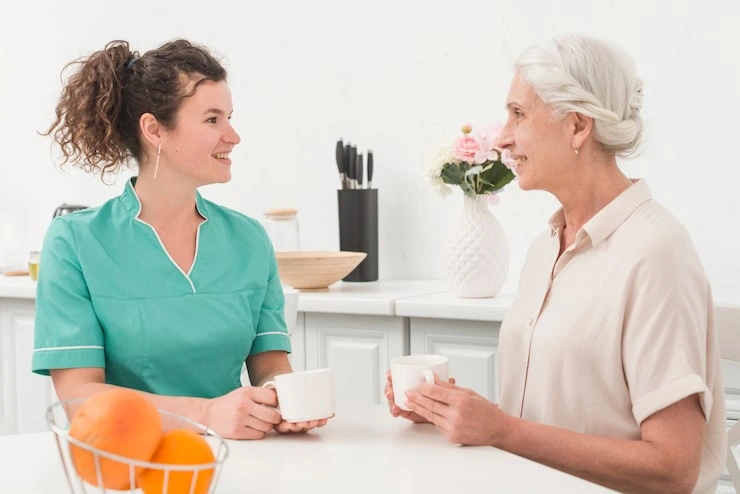
What Is a Personal Care Home? Services, Costs, and Benefits
Finding the perfect senior living arrangement for a loved one can often feel like trying to get through a complicated maze. You may have heard of assisted living, nursing homes, and adult care homes, but the personal care home is the one that confuses people the most because the rules and names for them vary from state to state. This all-encompassing guide will clear up any confusion. We’ll talk about what a personal care home is, how it varies from other types of care, the specific services they offer, and most importantly, how to choose the correct one for your family with confidence. We want to give you information that is so clear and authoritative that it not only answers your questions but also gives you the confidence to make a decision based on what you know. What Is a Personal Care Home? A personal care home is a residential facility designed for older adults or adults with disabilities who require assistance with daily activities but do not need full-time medical care. If you’ve ever wondered what is a personal care home, the simplest description is this: it’s a safe, supportive living environment where residents receive help with tasks that support daily comfort and independence. One important thing to know is what personal care is: it means helping someone with their daily activities (ADLs) in a hands-on way. It usually doesn’t involve skilled nursing services like wound treatment or continuing medical care. Most personal care facilities are small and cozy, with a strong sense of community. Some appear like big family homes, while others look more like little boutique senior living spaces. They usually have fewer residents than regular assisted living homes, which many families like since they get more personalized care and feel more at home. Difference Between Personal Care and Assisted Living Families often compare personal care home vs assisted living, and the differences can be subtle but meaningful. Understanding the difference between personal care and assisted living helps you find the ideal setting for your loved one’s needs. 1. Level of Care 2. Size & Environment 3. Regulations Each state defines its own personal care home requirements. In many areas, assisted living facilities are required to meet stricter medical and operational guidelines because they sometimes provide more advanced care. 4. Cost Personal care homes often cost slightly less due to their smaller size and more residential model. Assisted living may be more expensive due to the wider range of services and amenities. 5. Atmosphere Personal care homes feel like a family home quiet, calm, and very personal. Assisted living feels more like a structured senior community, offering more activities, amenities, and social opportunities. Is Assisted Living Considered Long-Term Care? Yes. Is assisted living considered long-term care? In most cases, yes, because it supports individuals who need ongoing assistance with daily tasks. Personal care homes also fall under this long-term care umbrella. In short, personal care homes are best for individuals who enjoy a home-like setting and need modest levels of daily support. Assisted living suits those who want a larger environment with more services. Services and Amenities to Expect While the regulatory framework focuses on the required level of care, the actual experience within a PCH is focused on comfort, dignity, and engagement. The services offered in a PCH go far beyond simple ADL assistance. Comprehensive Support Services These are the essential services that relieve the burden of daily living for residents: Lifestyle and Amenities The shift from the home to a PCH is often justified by the increase in social engagement and quality of life. Benefits and Drawbacks of Personal Care Homes Like any senior care option, personal care homes come with advantages and limitations. Understanding both sides helps families make more confident decisions. Benefits Homelike Environment Many families choose personal care homes because they feel warm, welcoming, and familiar often resembling a family residence rather than a medical facility. High Staff-to-Resident Ratio Because adult care homes are smaller, staff can spend more one-on-one time with each resident, offering personalized attention. Greater Sense of Community Residents often form meaningful relationships with both staff and other residents, creating a close-knit family atmosphere. Cost-Effective Care In many regions, personal care homes cost less than large assisted living communities while still providing excellent care. Peace of Mind Families appreciate knowing their loved one is supervised, safe, and supported throughout the day and night. Drawbacks Limited Medical Services These homes are not designed for individuals who require extensive medical care or skilled nursing. Fewer Amenities Compared to large assisted living communities, there may be fewer structured activities, fitness centers, or on-site services. Availability Can Be Limited Because homes house only a few residents, openings can be hard to find, especially in popular areas. Variability in Standards Personal care home requirements differ by state, so the quality may vary. This makes touring and researching each home essential. Cost of Personal Care Homes The cost of a personal care home depends on several factors: On average, the monthly cost can range from moderate to mid-high, but still often remains below traditional assisted living facilities. What’s Included in the Cost? Typical monthly fees cover: Additional services, such as memory care, extra personal assistance, or specialized diets, may add to the cost. Does Insurance Cover Personal Care Homes? Most personal care homes are private-pay. Long-term care insurance may provide coverage, depending on the policy details. Medicaid coverage varies by state and is generally limited. How to Choose a Good Personal Care Home Identify Your Loved One’s Care Needs Determine what level of daily support is required, such as help with mobility, bathing, or medication reminders. Check Licensing and Safety Requirements Make sure the home meets state regulations, has a valid license, and follows safety standards and emergency protocols. Tour the Home in Person Observe cleanliness, staff behavior, resident interactions, and the overall atmosphere. A good personal care home should feel warm and welcoming. Evaluate Staff Experience and Care Plans Ask about caregiver training, staffing ratios, turnover,