
Home Care Services
Personal Care Home vs Assisted Living: Which One Is Right for Your Loved One?
Watching a parent age is hard. You want them to be safe, comfortable, and cared for. But when it comes to choosing the right living situation, the options can feel overwhelming. If you have been searching for answers, you are not alone. When comparing a personal care home vs assisted living, the key difference comes down to the level of medical care provided. Personal care homes follow a medical model with nursing staff on-site. Assisted living follows a social model focused on independence with personal support. In this guide, you will get a clear breakdown of both, including costs, services, and how to make the right call for your family. What Is a Personal Care Home? A personal care home is a licensed residential facility that provides 24-hour supervision, personal assistance, and nursing care. It serves seniors who need more than basic help but do not yet require full nursing home placement. Personal care homes operate under a medical model. That means that licensed staff or registered nurses are always on duty. Most of the time, residents need help with more than one daily task, like getting dressed, taking a bath, grooming, and moving around. These facilities also offer: Medication management and administration Continence support Help getting in and out of bed Meal preparation and feeding assistance Housekeeping and laundry Personal care homes are best for older adults who have ongoing medical conditions, need regular monitoring, or are expected to need increasing levels of care over time. In states like Pennsylvania, personal care homes are licensed separately from assisted living. Since 2011, Pennsylvania legally separated these two care communities into distinct categories with different requirements, staffing standards, and oversight rules. The average cost of a personal care home ranges from $3,500 to $6,500 per month, depending on location, level of care, and facility type. In states like Colorado, costs can reach the higher end of that range. What Is Assisted Living? Assisted living is a residential care option for seniors who are mostly independent but need some help with daily tasks. Staff provide personal support, but medical care beyond first aid is not available on-site. Assisted living communities focus on quality of life. The goal is to keep residents active, social, and independent for as long as possible. Staff help with everyday tasks, but they are not licensed medical professionals. Core services in assisted living include: Help with bathing, dressing, and grooming Medication management (but not prescribing or adjusting dosages) Housekeeping and laundry Three meals per day in a communal dining area Transportation to appointments and outings 24-hour security and emergency call systems Many assisted living communities also offer fitness classes, social events, movie nights, and organized trips. Some even allow pets, which research shows can improve senior well-being. If a resident’s health declines and they need skilled nursing care, they are typically transferred to a nursing home or health care center. Assisted living staff can contact medical providers, but they cannot deliver clinical treatment on-site. The average monthly cost of assisted living in the United States is around $4,500 to $5,500 per month. In cities like Denver, Colorado, costs often range between $4,800 and $6,200 per month. Similarities Between Personal Care and Assisted Living Both options serve seniors who need support but do not require full-time nursing home care. Here is what they share: Housing in a residential setting with private or semi-private rooms Three meals per day Assistance with personal care tasks like bathing and dressing Medication management support Housekeeping and laundry services Social activities and community engagement 24-hour staff availability Both care communities also prioritize resident dignity and privacy. Trained staff are expected to provide care respectfully, without compromising personal boundaries. Key Differences Between Personal Care and Assisted Living The main difference is the level of medical care available. Personal care homes have nursing staff on-site and follow a medical model. Assisted living follows a social model and does not provide skilled nursing care. Here is a side-by-side breakdown: Factor Personal Care Home Assisted Living Medical model Yes No Nursing staff on-site Yes (24-hour) No ADL assistance Full support Moderate support Medication administration Yes Management only Skilled nursing care Yes Not available Age in place potential Limited Higher (in licensed AL) Licensing Separate license Separate license Average monthly cost $3,500 – $6,500 $4,500 – $6,200 Room requirements Varies by state Private room often required Best for Medical needs, monitoring Independent seniors needing support In Pennsylvania, assisted living residences are also required to provide a private room with a lockable door, a private bathroom, and a small kitchen area. Personal care homes are not required to offer these amenities under state law. Another important difference has to do with Medicaid. Medicaid usually doesn’t pay for the extra staff and administrative costs that come with getting an assisted living license. This is one reason why many communities operate as personal care homes even though they offer similar services. Factors to Consider When Choosing Choosing between a personal care home and assisted living depends on your loved one’s current health, their expected future needs, your budget, and their personal preferences. Ask yourself these questions before making a decision: 1. What is their current health status? If your loved one has ongoing medical conditions, needs frequent monitoring, or requires nursing care, a personal care home is likely the better fit. If they are still relatively healthy and just need daily support, assisted living may be enough. 2. What are their expected future needs? Think about where they may be in one to three years. Assisted living communities with full licensure allow residents to age in place, meaning they can stay even as their care needs grow. Personal care homes often connect to a broader continuum of care, including nursing homes and memory care. 3. What does the budget allow? Both options carry significant monthly costs. Most private health insurance does not cover these expenses. Long-term care insurance may help offset costs. Medicaid eligibility varies by state and facility type. 4.

Does Medicare Cover Companion Care?
If you or a loved one needs help at home, you may be wondering, does Medicare cover companion care? This is a common question, and the answer is not always simple. Many people assume Medicare covers all types of home care, but companion care is often treated differently. In this article, we will explain what companion care is, how Medicare and Medicaid handle it, and what options you have if you need this kind of support. We will also talk about costs, eligibility rules, and how to make the best decision for your situation. What Is Companion Care? Companion care is a special kind of support that focuses on emotional well-being and daily help. Unlike nursing care, it does not involve medical needles or therapy. Instead, it is about making life easier and less lonely for seniors. Common non-medical home care services included in companion care are: At Castle Pines Home Care, we believe that “companionship” is the heart of aging in place. It helps seniors stay independent while giving their families peace of mind. Does Medicaid Cover Companion Care? Yes! Medicaid is often much more helpful than Medicare when it comes to staying at home. While Medicare is a federal program for everyone over 65, Medicaid is for people with lower incomes. Most states use something called a Medicaid HCBS waiver companion care program. HCBS stands for “Home and Community-Based Services.” These waivers are designed to help seniors stay in their own homes instead of moving into a nursing home. Because it costs the state less money to help someone at home than in a facility, they are often happy to pay for companion care through these waivers. What Are the Requirements for Medicare to Cover Companion Care? Because Medicare usually does not cover companion care, the rules are strict. To qualify for any home care under Medicare, you usually must meet these requirements: Does Medicaid Cover Companion Care? Yes, Medicaid can cover companion care, but it depends on your state and your specific program. Medicaid is a state-run program, so the rules can vary widely. Many states offer Medicaid HCBS waiver companion care, which is part of Home and Community-Based Services (HCBS). These programs allow seniors and people with disabilities to receive support at home instead of moving to a nursing home. Medicaid may cover companion care through: This is why the keyword State-by-state Medicaid companion care rules is important. Each state has different rules, coverage levels, and eligibility criteria. What Are the Requirements for Medicaid to Cover Companion Care? Every state has different state-by-state Medicaid companion care rules. However, most follow these general steps: It is important to check your specific state’s 2026 guidelines, as some states have “waiting lists” for these waivers. How Much Does Companion Care Cost? Companion care costs can vary widely depending on where you live, how many hours of care are needed, and whether you hire through an agency or a private caregiver. On average, companion care usually ranges from $20 to $30 per hour, but rates can be higher in major cities. For someone needing about 10 hours per week, the monthly cost typically falls between $800 and $1,200, while 20 hours per week can range from $1,600 to $2,400 per month. Since Medicare usually does not cover companion care, many families pay out of pocket or use options like Medicaid HCBS waivers, long-term care insurance, or veteran benefits to help cover the cost. Estimated Companion Care Costs Hours per Week Estimated Cost per Hour Estimated Weekly Cost Estimated Monthly Cost 10 hours $20 – $30 $200 – $300 $800 – $1,200 20 hours $20 – $30 $400 – $600 $1,600 – $2,400 40 hours $20 – $30 $800 – $1,200 $3,200 – $4,800 Conclusion In summary, Does Medicare Cover Companion Care is a common question for families looking for non-medical support at home. While Medicare usually does not cover companion care, there are still options such as Medicaid HCBS waiver companion care, Medicare Advantage companion care benefits, and private payment plans. Knowing the difference between home health aide vs. companion care, understanding companion care eligibility criteria, and reviewing state-by-state Medicaid companion care rules can help you choose the right care solution. If you’re in the Denver area and need dependable support, Castle Pines Home Care offers compassionate Companion Care Services in Denver, CO to help with daily tasks, safety, and companionship. Contact us today to learn more and get a personalized care plan for your loved one. FAQs Does Medicare cover companion care?In most cases, Medicare does not cover companion care because it is not considered medical care. Medicare mainly covers medical services like doctor visits, hospital stays, and skilled home health care. Can Medicare Advantage cover companion care?Some Medicare Advantage companion care benefits may include limited support, but it varies by plan and state. You should check your plan details or call your insurance provider. Does Medicaid cover companion care?Yes, Medicaid may cover companion care through Medicaid HCBS waiver companion care programs, depending on your state and eligibility. Each state has different rules. What is the difference between companion care and a home health aide? A home health aide provides medical support like medication reminders or wound care, while companion care focuses on daily living help like meal prep, errands, and companionship. What are the eligibility criteria for companion care?Eligibility depends on your situation and program. Medicaid usually requires a functional assessment and proof of need, while Medicare only covers medically necessary home health care. How much does companion care cost?Companion care typically costs around $20 to $30 per hour, but it can be higher in big cities. Costs also depend on the number of hours and services needed.

Homecare Tips: 7 Simple Ways to Improve Home Care
Caring for a family member at home can feel overwhelming, especially if you’re new to it. Whether you’re helping an aging parent, supporting a spouse recovering from surgery, or assisting a relative with daily activities, knowing the right homecare tips can make all the difference. Quality home care isn’t just about medical assistance it’s about creating a safe, comfortable environment where your loved one can thrive with dignity and independence. In this guide, we’ll share seven practical and effective home care tips that will help you provide better care while reducing stress for both you and your family member. These strategies have helped countless families create positive caregiving experiences at home. TIP #1: Conduct a Comprehensive Needs Assessment Understanding Daily Living ActivitiesBefore you start any care routine, you need to understand exactly what kind of help your loved one needs. A comprehensive needs assessment is like creating a roadmap for your caregiving journey. This isn’t something you do once and forget it’s an ongoing process that changes as your family member’s condition evolves. Start by making a list of daily activities. Can your loved one bathe independently? Do they need help with medications? What about cooking or cleaning? Write down everything, from the simplest tasks to the most complex ones. This gives you a clear picture of where assistance is needed most. Evaluating Medical and Emotional NeedsMedical needs should be your next focus. Talk to their doctor about current health conditions, medications, and any special dietary requirements. Ask about warning signs you should watch for and when to seek emergency help. Understanding these medical aspects helps you prepare for potential challenges before they become serious problems. Don’t forget emotional and social needs. Many elderly individuals struggle with loneliness or depression when they require home care. Consider how often they need social interaction, whether they have hobbies they can still enjoy, and what activities bring them joy. Mental health is just as important as physical health in elderly care tips. Planning for Financial and Practical ConsiderationsFinancial considerations matter too. Calculate the costs of care supplies, medications, and any professional services you might need. This helps you plan your budget and explore options like insurance coverage or community assistance programs. Being financially prepared reduces stress and ensures consistent care quality. Document everything you discover during this assessment. Keep a notebook or digital file where you track needs, preferences, medications, and important contact information. This becomes invaluable when multiple family members share caregiving responsibilities or when you need to communicate with healthcare providers. TIP #2: Create a Comfortable Environment Optimizing Mobility and AccessibilityYour home’s physical environment plays a huge role in successful home health care tips implementation. A well-designed space promotes independence, prevents accidents, and makes both the caregiver and care recipient feel more relaxed. Start with mobility considerations. Remove tripping hazards like loose rugs, electrical cords, and clutter from walkways. If your loved one uses a walker or wheelchair, ensure doorways are wide enough and create clear paths through each room. Consider installing grab bars in bathrooms and handrails on both sides of staircases these simple additions can prevent serious falls. Improving Lighting and Temperature ControlLighting makes an enormous difference, especially for those with vision problems. Bright, even lighting throughout the house helps prevent accidents and reduces eye strain. Add nightlights in hallways, bathrooms, and bedrooms so your loved one can move safely at night. Motion-sensor lights are particularly helpful because they turn on automatically. Temperature control is another important factor. Older adults often have difficulty regulating body temperature, so maintain a comfortable environment year-round. Keep the home between 68-74 degrees Fahrenheit, and provide blankets or fans as needed. Check on your loved one regularly during extreme weather to ensure they’re comfortable. Organizing Spaces for IndependenceOrganize essential items within easy reach. Place frequently used objects at waist height to eliminate unnecessary bending or stretching. This includes dishes, clothing, medications, and personal care items. The easier it is for your loved one to access what they need, the more independence they maintain. Create dedicated spaces for different activities. Set up a comfortable chair with good lighting for reading, a stable table for meals, and a safe area for exercises or physical therapy. When each activity has its own space, daily routines become smoother and more enjoyable. Personal touches matter significantly in personalized home care planning. Display family photos, favorite decorations, and meaningful objects that bring comfort and joy. These familiar items help your loved one feel at home and can reduce anxiety or confusion, especially for those with memory issues. TIP #3: Communicate Openly and Clearly with Your Loved One Practicing Active ListeningEffective caregiver communication forms the foundation of quality home care. Without clear, respectful dialogue, even the best care plans can fail. Your loved one needs to feel heard, valued, and involved in decisions about their own care. Practice active listening every day. When your family member speaks, give them your full attention. Put down your phone, make eye contact, and show genuine interest in what they’re saying. Sometimes they just need someone to listen without immediately jumping to solutions or advice. Using Clear and Simple LanguageUse simple, clear language when explaining care activities or health information. Avoid medical jargon that might confuse them. Instead of saying “We need to monitor your cardiovascular function,” say “We’re going to keep track of your heart health.” Clear communication prevents misunderstandings and helps your loved one feel more in control. Involve them in decisions whenever possible. Even if they can’t make every choice independently, offering options gives them a sense of autonomy. Ask questions like “Would you prefer to bathe in the morning or evening?” or “Which of these two meals sounds better for lunch?” These small choices matter greatly to someone who may feel they’ve lost control over their life. Addressing Challenges with PatienceBe patient with communication challenges. If your loved one has hearing difficulties, speak clearly at a moderate pace and face them directly so they can read your lips. For those
10 Qualities of a Good Caregiver: Choosing the Best for Your Family
When you are looking for someone to care for your aging parent or a loved one with a disability, you want to get it right. A good caregiver does more than help with daily tasks. They bring comfort, safety, and dignity to someone who is vulnerable. The 10 qualities of a good caregiver listed in this article will help you know exactly what to look for before you hire. We understand how hard this decision is. You need someone you can trust completely. By the end of this article, you will know which caregiver traits matter most, which red flags to watch out for, and how to choose the right professional caregiver for your family. Key Takeaways: A good caregiver needs both personality traits and practical skills to provide quality care. Empathy, patience, and reliability are the three most important qualities families look for. Knowing what qualities to look for helps you ask better questions during the hiring process. A professional caregiver enhances quality of life, reduces loneliness, and supports daily routines. Watch for red flags like poor communication, lack of punctuality, and boundary issues. What Is a Caregiver? A caretaker is someone who helps someone who can’t take care of themselves completely. This includes those who are elderly, have disabilities, or are getting better from an illness. A professional caregiver can help with personal care tasks like washing, dressing, and grooming. They also help with things like cooking meals, reminding them to take their medicine, and light cleaning. According to AARP, over 41 million Americans provide unpaid caregiving services each year. Many family members eventually reach a point where they need outside help. That is where a trained, professional caregiver from a home care agency makes all the difference. Understanding caregiving responsibilities helps families set clear expectations and choose the right person for the job. Top Caregiver Skills: 10 Qualities of a Good Caregiver These qualities cover both who a caregiver is as a person and what skills they bring to the role. Both matter equally when providing consistent, high-quality care. Personality Traits of a Good Caregiver 1. Empathy and Compassion Empathy is the ability to know how someone else feels. A caregiver who really cares about you doesn’t just go through the motions. They care about the individual they are assisting. This is especially crucial when someone you care about is having trouble remembering things, is in pain all the time, or is feeling sad. Being compassionate implies being there for someone emotionally, even when they don’t require help with physical duties. This is always the most important quality that families look for in a caregiver. 2. Patience Daily tasks that take most people minutes can take older adults or disabled individuals much longer. They may need to repeat questions. They may become frustrated or confused. A caregiver who loses patience makes the situation worse. Patience is not just a nice trait to have. It is a core part of successful caregiving. Caregivers who stay calm and collected create a safe, stress-free environment for those in their care. 3. Trustworthiness and Reliability You are trusting this person with your loved one’s safety, home, and daily routines. A reliable caregiver shows up on time, every time. They follow through on what they say they will do. Building trust takes time, but it starts with consistent, dependable behavior. Families cannot have peace of mind if their loved one’s caregiver cannot be counted on. 4. Excellent Communication Skills Effectively communicating is one of the most practical caregiver traits. A good caregiver keeps family members informed about any changes in their loved one’s condition. They listen carefully to the care recipient and ask clear questions. They also communicate well with healthcare professionals, doctors, and other members of the care team. Poor communication can lead to missed medications, missed appointments, and serious safety issues. 5. Kindness and Respect A person who needs care is often in a vulnerable position. They may feel embarrassed about needing help with personal care tasks. A kind caregiver treats every person with full dignity and respect. They knock before entering a room. They ask before touching. They never talk down to the person or make them feel like a burden. This type of consistent kindness builds strong relationships and makes the care experience far better for everyone. Physical Traits of a Good Caregiver 6. Physical Stamina and Strength Taking care of someone can be hard on the body. Caregivers may need to help a loved one go from their bed to their wheelchair. They might aid someone who can’t move around much with bathing, lifting, and supporting them. Physical stamina is important because taking care of someone doesn’t end with one task. A physically fit caregiver keeps both themselves and the person they are caring for safe from harm. 7. Attention to Detail Small details matter a great deal in caregiving. A caregiver with strong attention to detail will notice a change in a care recipient’s behavior, skin condition, or appetite. They keep accurate notes and follow care plans precisely. Attention to detail means the right medication is given at the right time. It means a fall hazard is identified before an accident happens. This quality can quite literally save lives. 8. Adaptability and Problem-Solving Health conditions change. Care plans evolve. A good caregiver adapts without getting flustered. They can think on their feet and find solutions to unexpected situations. This is especially true in home care, where there is no hospital team standing by. Flexibility and problem-solving skills help a caregiver stay effective no matter what the day brings. 9. Healthy Boundaries and Self-Care A caregiver who does not take care of themselves cannot take care of anyone else. Good caregivers know their limits. They set healthy boundaries and are not afraid to ask for help or use respite care when needed. According to AARP, nearly one in four family caregivers report that caregiving has affected their own health. A professional caregiver who prioritizes their well-being
Will Social Security Pay for a Caregiver?
Caring for a loved one is a rewarding but challenging responsibility. Families often ask, will Social Security pay for a caregiver? Understanding how Social Security interacts with caregiver pay, respite care, and home care options can make a huge difference when planning for long-term care. In this guide, we’ll break down everything you need to know about caregiver pay, Social Security programs, Medicare support, and special needs home care. Understanding Social Security and Caregiver Support Social Security is a federal program designed to provide financial support for retirees, disabled individuals, and survivors of deceased workers. While Social Security offers important benefits, it usually does not directly pay someone to act as a caregiver. When Social Security May Help Social Security may indirectly assist families by providing benefits to the person receiving care. These benefits can then help fund caregiver services. Examples include: In some cases, families use these benefits to hire caregivers, especially when managing special needs home care. While Social Security itself does not issue payments directly to caregivers, it can be part of a broader financial plan to cover caregiving costs. Caregiver Pay from Social Security It’s natural to wonder about caregiver pay from Social Security. The short answer is that direct payments are rare. Social Security typically supports the person receiving care rather than the caregiver. However, programs like State Medicaid Waivers or Veteran Aid and Attendance may allow families to pay caregivers using Social Security benefits indirectly. Respite Care and Medicare Caring for someone full-time can lead to burnout. This is where respite care Medicare programs come in. Respite care provides temporary relief for caregivers while ensuring the care recipient continues to receive quality attention. How Medicare Supports Caregivers Medicare itself generally does not pay caregivers directly, but it may cover certain in-home services if they are medically necessary. For example: By combining Medicare services with Social Security benefits, families can better manage care without overwhelming the caregiver. Special Needs Home Care Families caring for someone with physical or cognitive disabilities may require special needs home care. This can include full-time caregiving, therapy sessions, and specialized equipment. Planning for Special Needs Home Care Funding for special needs care often requires combining resources, including: Even with Social Security support, families often need additional funding to cover caregiver wages and specialized services. Hiring experienced caregivers is essential for ensuring safety and maintaining quality of life for the care recipient. Choosing a Care Provider When considering a caregiver for special needs home care, look for: Castle Pine Home Care specializes in connecting families with qualified caregivers and helping navigate these funding options. Financial Planning Tips for Caregivers Families should consider multiple strategies when planning care funding: By combining resources, families can ensure caregivers are compensated fairly and care recipients receive the attention they need. Castle Pine Home Care: How We Help Castle Pine Home Care provides guidance for families seeking caregivers for: Our team helps families navigate Social Security, Medicare, and other funding programs, ensuring caregivers are qualified and the care recipient’s needs are met. Conclusion So, will Social Security pay for a caregiver? The answer is nuanced. Social Security typically does not pay caregivers directly but can provide important funding for those who need care. When combined with Medicare, Medicaid, and other assistance programs, families can ensure their loved ones receive quality support without overwhelming caregivers. By understanding the realities of caregiver pay from Social Security, utilizing respite care Medicare options, and planning for special needs home care, families can make informed decisions and secure professional guidance. Castle Pine Home Care is here to help families navigate these options, connect with qualified caregivers, and ensure everyone receives the support they need. FAQs Can a family member be paid as a caregiver?In limited cases, yes. Certain state programs or Medicaid waivers may allow payment to family members providing care. How does respite care work with Medicare?Medicare covers short-term medical services, not long-term daily caregiving. Respite care may be partially covered if it’s part of a medical plan. What is the difference between SSI and SSDI for caregiver funding?SSI supports individuals with limited income, while SSDI supports those who are disabled but have a work history. Both can indirectly fund caregiver services. Are there alternatives to Social Security for paying caregivers?Yes. Medicaid programs, veteran benefits, local grants, and nonprofit support are often used alongside Social Security to fund caregivers.
What Are the Different Types of Home Care
Choosing the right care for a loved one can feel overwhelming, especially when you want them to stay comfortable at home. Understanding what are the different types of home care makes this decision easier. Home care allows individuals to receive the support they need whether for daily tasks, companionship, or medical assistance without leaving the familiarity of their own home. It’s particularly helpful for families taking care of elderly parents at home, as it combines safety, independence, and personalized attention. In this guide, we’ll explain the main types of home care services, how to choose the right option, and what to expect in terms of costs and benefits, so you can make informed decisions for your loved ones. What Is Home Care? Home care refers to services and support provided in a person’s own home when they need help with daily life or health needs. This support can range from basic personal care to medical care delivered by licensed professionals. Technology and modern health services now mean that many treatments once limited to hospitals can happen right where someone feels safest. People who may need home care include: Home care fills the gap between independence and needing a hospital or nursing home stay. It supports dignity, comfort, and personalized care plans tailored to each person’s needs. Types of Home Care There isn’t just one type of home care. The services range widely based on the person’s health needs, independence level, and whether medical care is required. Below are the main types of home health care services you should know about. Personal Care Services Personal care focuses on everyday tasks that many of us take for granted. Caregivers help with things like bathing, dressing, grooming, using the restroom, and moving safely around the home. These services make it possible for people to stay home while getting help with daily living tasks. They are often provided by trained aides rather than medical professionals. This type of care is perfect for someone who still has good physical health but needs support with personal activities. Companion Care Companion care is about human connection as much as practical support. Caregivers offer company, sit with individuals so they aren’t alone, and help with light household tasks like meal prep, putting away groceries, or running errands. You’d be surprised how big a difference regular conversation and a friendly presence can make. Many families look to companion care to support emotional health, especially for older adults living alone. Skilled Nursing Care When a person needs medical support at home, skilled nursing care comes into play. Registered nurses or licensed practical nurses visit to provide clinical services such as wound care, medication administration, vital sign checks, and complex health monitoring. This type of home health care service is often ordered by a physician and might be covered by health plans if certain conditions are met. Skilled nursing allows people to receive medical attention without long hospital stays. Rehabilitation Therapy Services Rehabilitation services come in several forms: These services are provided by licensed therapists and can be part of a home care plan when someone works on recovery goals. Rehab at home often feels a lot less intimidating than clinic visits, especially for someone with limited mobility. Respite Care Family caregivers do a remarkable job, but they need breaks. Respite care gives temporary relief so you can rest, run errands, or take care of your own health without worry. Whether it’s a few hours or a few days, respite care can reduce stress and prevent burnout. This is especially helpful for those taking care of elderly parents at home while juggling other responsibilities. Dementia and Alzheimer’s Care Memory-related conditions require a gentle and structured approach. Specialized caregivers trained for dementia care support routines that help reduce confusion and anxiety. These professionals know how to manage behaviors, keep people safe, and provide consistent care that aligns with the person’s cognitive needs. This is a growing area of home care, given rising rates of cognitive conditions. Hospice and Palliative Home Care When someone is facing a serious illness or nearing the end of life, hospice care focuses on comfort, pain relief, and dignity rather than curative treatment. Palliative care provides symptom management earlier in the health journey. Both can be delivered at home to support quality of life. These services include emotional and spiritual support for families as well. Homemaker Services These are practical, day-to-day supports that keep a home safe and functional. Homemaker services can include light housekeeping, laundry, cooking, and grocery shopping. They keep the home environment clean and reduce hazards or stress for someone with limited mobility. Good homemaker care helps the entire household run more smoothly. How to Choose the Right Home Care With all these options, picking the right care might feel overwhelming. Here’s a simple way to frame your decision: Cost and Insurance Considerations Home care expenses vary widely based on the type and frequency of services. Medical home care through programs like Medicare may cover skilled nursing or therapy when ordered by a doctor. Non-medical services like personal care, companion care, or homemaker support are often paid out of pocket or through long-term care insurance if the individual has a policy. Some public programs offer support based on age or disability, so it’s worth checking what’s available in your region. Remember that paying for care at home can still be less than full-time facility care, and many families treat it as an investment in comfort and independence. Talking with a financial advisor or care coordinator before committing can clarify options and prevent surprises. Benefits of Professional Home Care Choosing professional home care brings several advantages beyond convenience: In many cases, families report better satisfaction and peace of mind when loved ones receive care at home instead of relocating to unfamiliar environments. Conclusion Understanding what are the different types of home care helps families make informed decisions and provide the best support for their loved ones. From personal care and companion services to skilled nursing
Why Home Health Care Is Important?
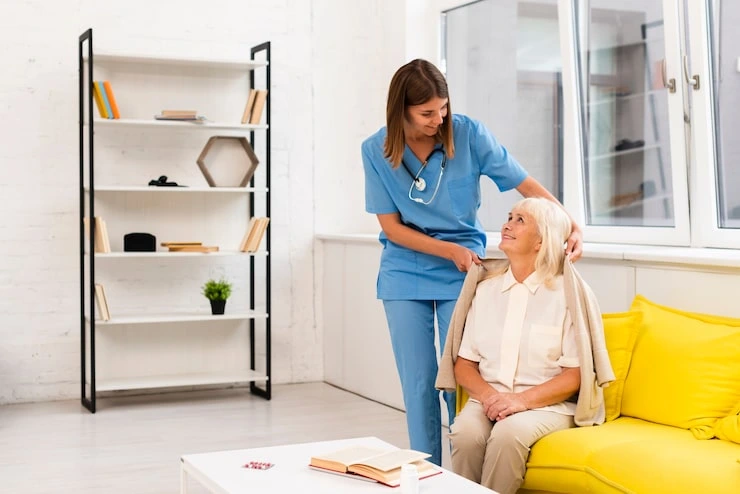
These days, more families demand safer and more pleasant ways to help their loved ones. Many people are choosing home health care because they are busy, medical prices are going up, and there are more seniors. It gives people the help they need when they feel safest at home. If you’re wondering why home health care is important, the answer lies in how it blends professional care with the comfort of home. It offers medical care, emotional support, and day-to-day help straight to the door, which makes life easier for both patients and their families. Understanding Home Health Care Home health care is medical and personal help that people get in their own homes. It involves support with everyday tasks, professional nursing, physical therapy, medication, and even checking vital signs. The emphasis on comfort and individual needs is what makes it unique. This is when the importance of home really shines through. Healing generally happens better in a familiar, calm place. The primary goal of home health is simple: to keep people safe, healthy, and independent without having to go to the hospital all the time. It also helps caregivers, patients, and families get to know one other better. Families stay involved when care is given at home, patients feel seen, and recovery is often easier. Advantages of Home Health Care Home health care has several benefits that go beyond just being easy. It gives you specialized medical care and emotional support that hospitals can’t always supply. Let’s have a look at the most important benefits: Care in a Familiar and Safe Environment Many people feel anxious or uncomfortable in hospitals. Being at home allows patients to relax and feel secure. This atmosphere supports healing and lowers stress. One of the biggest home nursing care advantages is the sense of peace patients experience in their own space. Personalized One-on-One Support Hospitals are busy. Nurses and staff often manage many patients at once. At home, the caregiver’s attention is focused on one person. This personalized care lets caregivers quickly notice changes, adjust routines, and offer comfort. This is a major home health care advantage families appreciate. Reduced Risk of Infections Hospitals carry a higher risk of infections, especially for seniors or people with weak immune systems. Receiving care at home lowers that risk. It protects patients who may be more fragile. Better Emotional Well-Being Home is filled with memories, comfort, and family. This emotional support is one of the biggest benefits of home care for older adults. Being near their loved ones helps reduce loneliness, stress, and confusion especially for those living with dementia or mobility challenges. Cost-Effective Care Option Compared to long hospital stays or facility care, home health care often costs less while still providing high-quality support. Families get more value for their money without sacrificing professional assistance. Who Can Benefit From Home Health Care? Home health care is not only for seniors, people of all ages can benefit. Here are some groups who gain the most from these services: 1. Seniors Who Want Independence Many seniors want to stay in their homes as long as possible. Home health care helps them maintain independence while staying safe. 2. People Recovering From Surgery or Illness After surgery, recovering at home with support speeds up healing. It also reduces stress and hospital readmissions. 3. Individuals With Chronic Conditions People with heart disease, diabetes, COPD, or mobility challenges gain steady medical support and monitoring at home. This ongoing help reduces emergencies and keeps their health stable. 4. Those With Disabilities or Special Care Needs Personalized home care plans help individuals manage their condition while continuing daily routines in a familiar environment. 5. Families Needing Extra Support Caring for a loved one can be overwhelming. Home health care supports families, eases stress, and helps prevent burnout. Home Health Care vs Hospital Care Both options have value, but they serve different purposes. Understanding the differences helps families make clearer choices. Comfort and Personalization Hospitals provide structured medical care but lack personal comfort. Home care brings professional help into a relaxing environment where routines feel familiar. Cost and Flexibility Hospital stays can be expensive. Home care is more flexible and usually more affordable. Families can choose part-time or full-time support based on their needs. Infection Risk Hospitals expose patients to more germs. Staying at home lowers that risk significantly. Family Involvement With home health care, families stay involved in daily routines and decisions. This strengthens trust and leads to better care results. Home Care Impact on Daily Life The home care impact goes beyond medical support it enhances quality of life. Patients stay closer to loved ones, maintain their routines, and enjoy a sense of control over their day. If you’re still pondering about why is home health care vital, it’s because it integrates medical skill with emotional connection in a way no hospital can. Why Castle Pine Care Services? Picking the correct home health care provider is very important. There are several things that make Castle Pine Home Care stand apart. Our caregivers are experienced, caring, and dedicated to helping you. We think that everyone should get care that feels personal and respectful. Here’s what makes us different: 1. Skilled and Caring Professionals Our team includes trained nurses, caregivers, and therapists who tailor care plans to each person’s needs. 2. Focus on Independence and Dignity We support daily tasks, medication routines, mobility, and health goals all while encouraging independence. 3. Reliable, Flexible, and Family-Centered Care We work closely with families to create a routine that works best for everyone. Whether it’s part-time help or full-time support, our services fit each unique situation. 4. High-Quality Standards Castle Pine Home Care follows strong care guidelines so every patient feels safe, respected, and valued. We aim to bring comfort and confidence to families who want dependable, compassionate support at home. Conclusion Understanding why home health care is important comes down to a simple truth people heal better, feel safer, and enjoy life more when they are