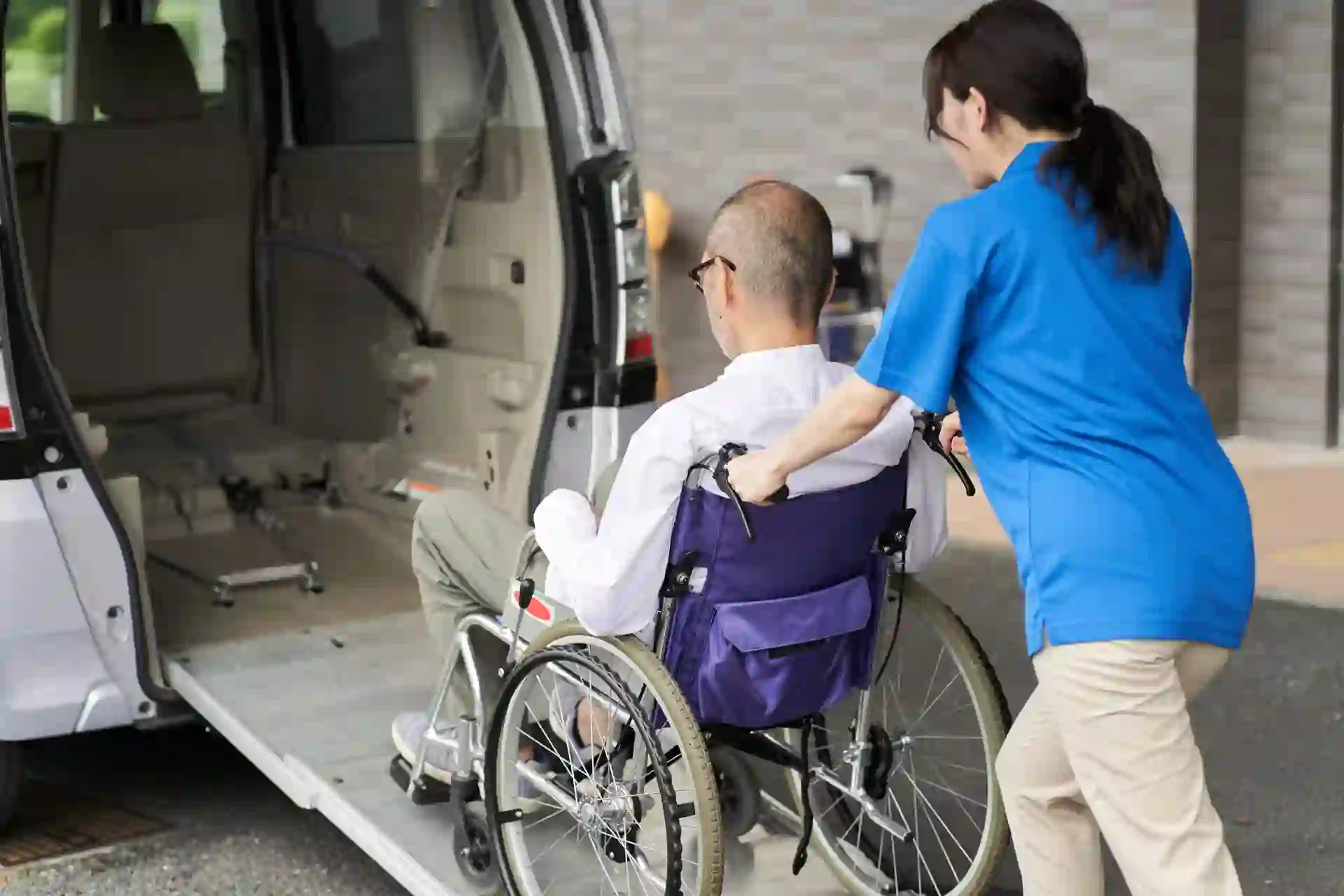
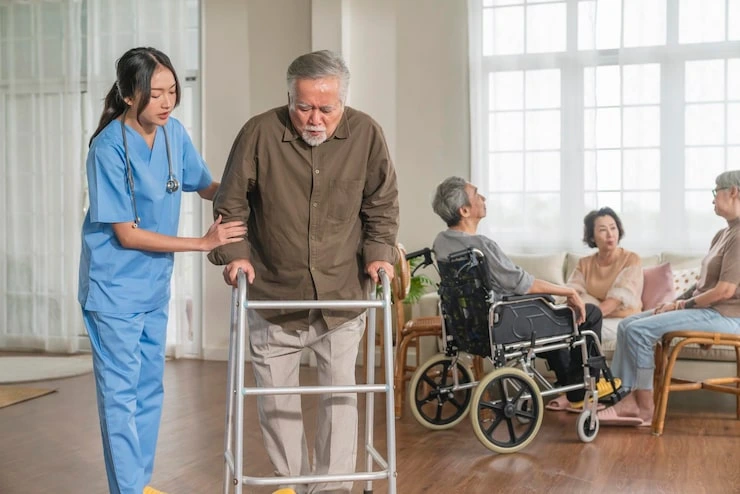
Home care can mean very different things depending on a person’s needs. What Are the Different Types of Home Care usually comes down to several categories, including non-medical home care, home health care, private duty nursing, hospice, palliative care, and respite care. Some services help with bathing, meals, housekeeping, and companionship, while others involve nurses or therapists providing skilled medical care.
If you’re comparing care options for yourself or a loved one, the right choice starts with one simple question: What kind of help is needed at home? In this guide, I’ll explain the main types of care services, what each one includes, who may need them, how medical and non-medical care differ, and what to consider before choosing a provider.
Types of Home Care at a Glance
Choosing the right care depends on whether your loved one needs clinical medical treatment, help with routine household tasks, or daily personal care. Here is how the primary categories compare:
| Care Category | Primary Goal | Provided By | Typical Services | Payment Sources |
| Personal Care & Companion Care | Maintain safety, household management, and personal independence | Home Care Aides, Personal Care Assistants (PCAs), Companions | Meal prep, mobility assistance, light housekeeping, medication reminders, hygiene | Private pay, Long-Term Care Insurance, Medicaid Waivers |
| Skilled Home Health Care | Recover from illness/surgery, manage chronic conditions | Registered Nurses (RNs), Physical Therapists (PTs), Occupational Therapists (OTs) | Wound care, physical therapy, IV therapy, clinical health assessments | Medicare, Private Health Insurance, Advantage Plans |
| Private Duty Nursing Care | Provide continuous clinical care for severe illness | RNs, Licensed Practical Nurses (LPNs) | Ventilator management, tracheostomy care, tube feeding, ongoing vital monitoring | Private pay, specialized Medicaid programs |
| Specialized Memory Care | Support cognitive changes and prevent wandering | Trained Caregivers, Dementia Care Specialists | Behavioral support, structured daily routines, cognitive stimulation, safety monitoring | Private pay, Long-Term Care Insurance |
| Hospice & Palliative Care | Relieve pain and optimize comfort during advanced illness | Multidisciplinary Medical Teams | Symptom control, emotional support, pain management, end-of-life care | Medicare Hospice Benefit, Medicaid, Private Insurance |
What Is Home Care?

Home care includes professional support services that allow individuals to remain safely in their homes while receiving extra assistance. It serves older adults who want to age in place, individuals recovering from surgery, and adults living with chronic disabilities or illnesses.
Rather than moving into a residential care facility, home care brings trained helpers right to the front door. These services range from basic help with household chores to complex medical treatment supervised by doctors. The overarching purpose of home care is to support daily routines, maintain personal dignity, and give family caregivers relief.
Medical vs. Non-Medical Home Care
Understanding the difference between medical and non-medical home care is essential because these options require different caregiver qualifications, meet different health needs, and rely on completely different funding sources.
Non-Medical Care (Personal & Companion Support)
Non-medical care focuses on lifestyle balance, mobility support, and practical help around the house. Caregivers do not need clinical degrees, but they are trained in safety protocols, transfer techniques, and personal hygiene management.
Non-medical care focuses heavily on supporting Activities of Daily Living (ADLs) and Instrumental Activities of Daily Living (IADLs):
- Activities of Daily Living (ADLs): Essential physical self-care tasks including bathing, dressing, grooming, using the toilet, transferring safely from bed to chair, and basic eating assistance.
- Instrumental Activities of Daily Living (IADLs): Operational tasks required for independent living, such as light housekeeping, grocery shopping, laundry, meal preparation, transportation to appointments, and setting up medication reminders.
Because non-medical care is non-clinical, it is generally not covered by standard health insurance or traditional Medicare.
Medical Care (Skilled Home Health & Nursing)
Medical care involves clinical healthcare services delivered directly in the home under a doctor’s active treatment plan. These services require licensed health professionals, such as Registered Nurses, Licensed Practical Nurses, and licensed physical, occupational, or speech-language therapists.
Clinical care addresses specific health conditions, including:
- Professional wound management and dressing changes.
- Direct medication administration, catheter changes, and IV treatments.
- Rehabilitation exercises following stroke, joint replacement, or major surgery.
- Vital sign tracking and ongoing condition management.
When prescribed by a physician as part of a short-term recovery plan, medical home health care is usually covered by health insurance or Medicare.
Detailed Breakdown of the Main Types of Home Care
Knowing the sub-categories within non-medical and medical care helps you pinpoint the exact match for your family’s daily situation.
Companion Care and Homemaker Services
Companion care focuses on emotional well-being, social interaction, and basic housekeeping. It is best suited for seniors who are mostly independent but live alone and struggle with household chores or social isolation.
Homemakers and companions assist with light cleaning, washing dishes, folding laundry, preparing fresh meals, and driving to social outings or doctor visits. Caregivers also provide meaningful social connection, which helps lower the risk of depression and isolation among aging adults.
Personal Care Services
Personal care steps in when physical limitations make self-care difficult or unsafe. Trained home health aides or personal care assistants assist with daily activities like showering, getting dressed, managing incontinence, and moving around the home safely.
Caregivers offer steady physical support to reduce fall risks while protecting your loved one’s independence and privacy during sensitive personal care routines.
Skilled Home Health Care
Home health care brings medical rehabilitation into the home following a hospital stay or illness. A physician creates a structured care plan, and licensed therapists and nurses carry out scheduled visits.
Physical therapists work on rebuilding strength and balance, occupational therapists modify home habits for safer daily movement, speech-language pathologists help rebuild swallowing or speaking skills, and skilled nurses handle clinical tasks like dressing surgical wounds.
Private Duty Nursing Care
Private duty nursing provides long-term, intensive medical care for individuals with complex, chronic medical needs. Unlike intermittent home health visits, private duty nursing provides dedicated shifts of clinical care.
Licensed nurses (RNs or LPNs) handle advanced medical tasks, including continuous ventilator management, tracheostomy care, tube feeding, and around-the-clock monitoring of severe health conditions.
Respite Care for Family Caregivers
Respite care offers short-term relief for family members who provide primary care day after day. Caring for a relative is rewarding, but it can also lead to mental exhaustion and burnout without regular breaks.
Respite services bring a professional caregiver into the home for a few hours, a weekend, or a week. This lets family members step away, rest, attend to personal obligations, and recharge, knowing their loved one is safe.
Specialized Memory Care (Alzheimer’s & Dementia)
Dementia and memory loss introduce safety and behavioral challenges that require specialized support. Memory care caregivers are trained to handle confusion, anxiety, sundowning, and wandering risks.
These caregivers maintain structured routines, offer gentle orientation, and use engaging activities to stimulate cognitive function, helping individuals stay safe and comfortable in familiar surroundings.
In-Home Hospice and Palliative Care
Hospice and palliative care focus on pain relief, comfort, and emotional support for individuals facing serious or end-of-life conditions.
Palliative care can begin at any stage of a serious illness alongside active medical treatment. Hospice care begins when curative treatments stop, focusing entirely on comfort, symptom management, and peaceful quality of life for both the individual and their family.
Coverage Models: Hourly, Overnight, and Live-In Care
When setting up services, agencies offer different scheduling options to match family schedules and support requirements.
- Part-Time / Hourly Care: Caregivers visit for a set number of hours per day or week (usually a 4-hour minimum). This option works well for assistance with morning routines, meal preparation, or weekly errands.
- Overnight Care: A caregiver stays in the home throughout the night (typically an 8- to 12-hour shift) to help with midnight bathroom trips, manage night confusion, and prevent falls.
- Live-In Care vs. 24/7 Care: Live-in care uses one caregiver who lives in the home for several days, requiring an uninterrupted 8-hour sleep period and a private room. True 24/7 care uses two to three caregivers working rotating 8- to 12-hour shifts to ensure someone is awake, alert, and available at every moment.
How to Pay for Different Types of Home Care
Understanding how care is funded helps families build realistic financial plans and avoid surprise out-of-pocket expenses.
Important Funding Distinction: Traditional health insurance and Medicare cover short-term clinical medical care. They do not cover long-term, non-medical daily personal care or companionship.
Out-of-Pocket / Private Pay
Most non-medical home care is paid for out-of-pocket using personal savings, retirement funds, pension income, or proceeds from home equity. Families pay the agency or caregiver directly based on an agreed hourly or daily rate.
Medicare Coverage Rules
Medicare Parts A and B cover short-term, medically necessary home health care if a doctor certifies that the individual is homebound and requires intermittent skilled nursing or physical therapy. Medicare does not cover ongoing non-medical help with cooking, bathing, or round-the-clock care.
Medicaid and State Waiver Programs
Medicaid provides long-term care coverage for individuals with limited income and assets. Many states offer Home and Community-Based Services (HCBS) Waivers that help pay for personal care, homemaker assistance, and respite services to prevent unnecessary moves into nursing homes.
Long-Term Care Insurance & Veterans Benefits
Private Long-Term Care Insurance (LTCI) policies usually cover non-medical personal care once an individual needs help with at least two ADLs.
For military veterans, the VA offers funding through programs like Aid and Attendance, Homemaker and Health Aide Care, and Veteran-Directed Care, which provide monthly financial allowances for home-based help.
How Much Does 24/7 In-Home Care Cost Per Month?
Around-the-clock non-medical home care generally costs between $17,000 and $22,000 per month nationally. This cost accounts for multiple caregivers working back-to-back shifts to cover 168 hours of care every week.
Care costs vary significantly depending on local living costs, caregiver skill requirements, and geographic location. For families looking for specialized home care services in Denver, partner with local providers like Castle Pines Home Care to get clear cost estimates tailored to your family’s needs.
Which Type of Home Care Does a Senior Need?
A senior typically needs non-medical personal care if they’re managing a chronic condition but can still handle most daily tasks, and needs medical home health care or private duty nursing if they require skilled treatment, monitoring, or recovery support after a hospital stay. The right fit depends on the specific health picture, not age alone.
A few signs point toward personal care and companionship: missed meals, a messy house that used to be tidy, trouble managing bills, or simply being alone too much. These are quality of life issues more than medical ones, and a caregiver can often resolve them without any clinical involvement.
Other signs point toward medical home care: a recent hospital discharge, a new diagnosis like heart failure or Parkinson’s, a wound that needs regular dressing changes, or a fall risk tied to a real physical condition. In these cases, a physician usually gets involved in setting up the plan anyway, so the path becomes clearer.
How to Choose the Right Type of Home Care
Selecting a home care provider requires careful research, honest conversations, and thorough evaluation of local agencies.
- Conduct a Thorough Needs Assessment: List all daily tasks your loved one struggles with, including physical mobility, personal hygiene, household chores, and medical appointments.
- Choose Between an Agency or an Independent Caregiver: Home care agencies screen employees, handle taxes, provide liability insurance, and supply backup caregivers when someone is sick. Independent caregivers may charge lower hourly rates, but your family assumes employer responsibilities, tax filings, and backup scheduling.
- Verify Licenses, Background Checks, and Credentials: Ensure the agency is licensed by the state, carries liability insurance, and runs background checks on all care staff.
- Ask Key Interview Questions:
- How do you create and update individual care plans?
- What is your protocol for handling emergencies or sudden health shifts?
- How do you handle scheduling conflicts or caregiver absences?
- Can we meet and approve the assigned caregiver before care starts?
Frequently Asked Questions
Can you combine medical and non-medical home care services?
Yes, families frequently mix both options. A skilled home health nurse may visit twice a week for wound care, while a personal caregiver comes every morning to assist with showering, dressing, and meal prep.
What is the difference between home care and assisted living?
Home care brings professional support directly into your personal residence, allowing you to keep your familiar routine. Assisted living is a residential community that provides housing, meals, and care services in a shared environment.
Does Medicare pay for 24/7 in-home care?
No, Medicare does not pay for continuous 24/7 in-home care. Medicare only covers short-term, intermittent skilled medical care prescribed by a doctor for homebound individuals.
How quickly can in-home care services start?
Most home care agencies can begin services within 24 to 48 hours after an initial home safety assessment. In urgent situations, such as an unexpected hospital discharge, many agencies can arrange care the same day.
Finding the right support for a loved one takes time, but breaking down care levels into distinct categories makes the decision process far easier. Focus on your family’s current daily needs, verify caregiver qualifications, and choose options that preserve comfort and independence at home. If you have questions about setting up care, contact us today to discuss your options.