
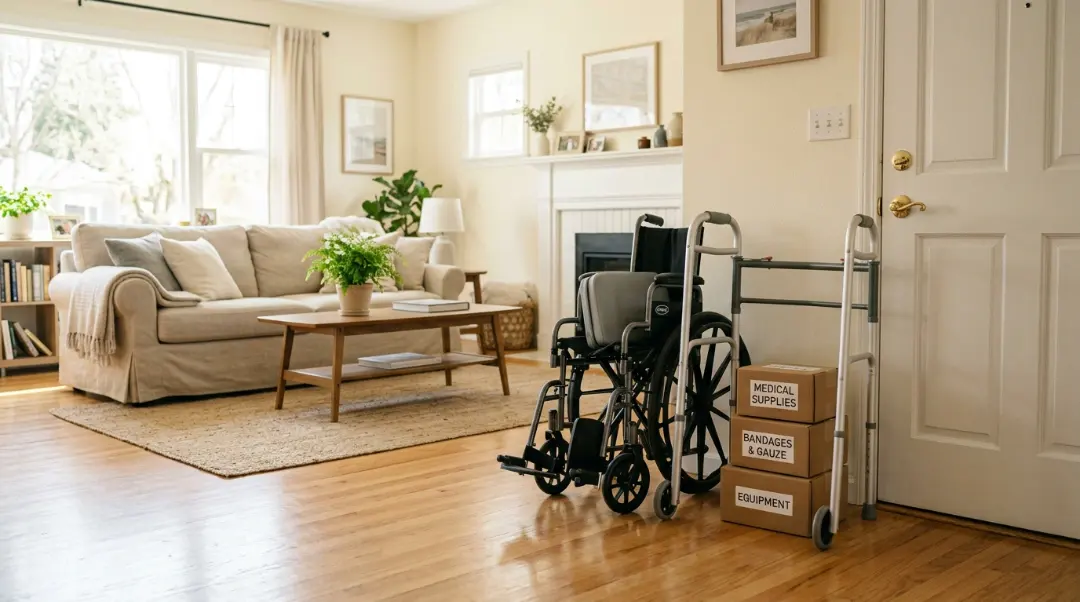
If you have a wheelchair, hospital bed or oxygen concentrator sitting idle in a spare room right now, you’re not alone. Every month, thousands of families ask the same question when a loved one recovers, moves to assisted living, or goes away, and the equipment that once meant so much just takes up room. It’s a bit strange to look at. That equipment helped someone breathe easier or move around the house, and now it is a reminder of a chapter that has closed.
The short answer: You can contribute medical equipment locally through hospitals, free clinics, and equipment loan closets or nationally through groups like MedShare, Project C.U.R.E., and Medical Bridges. I’ll tell you what products are accepted, which groups take what, how to prepare your donation to avoid rejection, and if selling makes more sense for your situation. You’ll know where to donate medical equipment instead of wasting time on hold with groups that don’t accept it.
What Medical Equipment Can Be Donated?
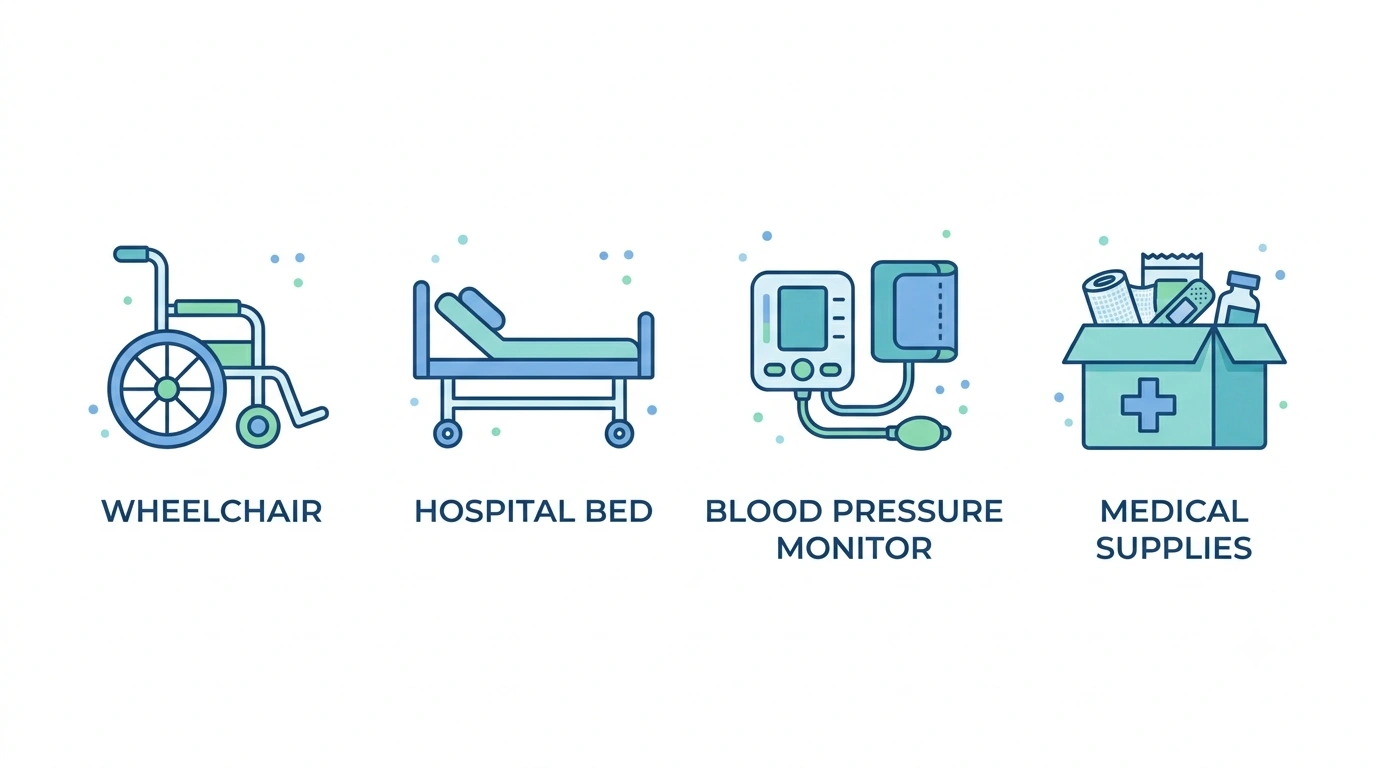
Most durable medical equipment and unopened supplies can be donated, including wheelchairs, walkers, hospital beds, oxygen concentrators, CPAP machines, shower chairs, and diagnostic tools like blood pressure monitors. Items need to be clean, in working condition, and free of major damage. Sealed disposable supplies such as gloves, bandages, and incontinence products are also welcome at most locations.
Not everything qualifies, though. Expired items, opened packaging, and anything with visible wear or missing parts usually get turned away. This isn’t the organizations being picky for no reason. Medical donations go to real patients who depend on this equipment working the first time they use it.
Here’s a general breakdown of what’s typically accepted:
- Mobility aids: wheelchairs, walkers, canes, crutches, rollators
- Durable medical equipment (DME): hospital beds, oxygen concentrators, CPAP and BiPAP machines
- Diagnostic tools: blood pressure cuffs, pulse oximeters, thermometers, glucose meters
- Bathroom safety items: shower chairs, raised toilet seats, grab bars
- Unopened supplies: gauze, gloves, syringes, surgical masks, wound care items
Prescription medications are the one category almost no group will touch, even sealed. Drug donation laws vary by state and require licensed programs, so don’t include these with your donation box.
Knowing what qualifies is really the first step in figuring out where to donate medical equipment, since some organizations specialize in supplies while others focus only on larger DME. Sorting your items by type before you start calling around saves a lot of back and forth.
Where to Donate Locally
The best local option depends on what you’re donating, but hospitals, free clinics, and equipment loan closets are usually your fastest route. Local donation avoids shipping costs and often means someone in your own community benefits directly.
Hospitals and Free Clinics
Smaller hospitals and community health centers frequently run their own donation programs, especially in areas with a lot of uninsured patients. Call the clinic manager directly rather than the general front desk. Ask what they need right now, not just what they’ll technically accept.
Medical Equipment Loan Closets
These are the best kept secrets in home health care. Many counties and nonprofit groups have “loan closets” where worn mobility aids and DME are cleaned, inspected and handed out free to anyone needing them temporarily. Your local Area Agency on Aging can often direct you to one within reasonable driving distance.
Nursing Homes and Hospice Centers
Nursing homes don’t always accept donations, but some will take unopened incontinence supplies or basic DME for residents with limited resources. Hospice centers sometimes know families in the community who need exactly what you’re offering. It doesn’t hurt to ask.
Local Chapters of National Charities
Goodwill, the Salvation Army, and Catholic Charities sometimes accept medical items, though policies vary a lot by branch. Call ahead before loading up your car. One location’s yes is another location’s no, even within the same city.
National & International Organizations That Accept Medical Equipment
When local groups cannot accept your items, national and international networks can step in to help. These large-scale entities specialize in gathering excess supplies from manufacturers, clinics, and individuals to ship them to clinics in developing countries. They possess the infrastructure to handle large volumes of items safely.
Project C.U.R.E.
This organization stands as one of the largest providers of donated medical relief in the world. They accept a massive variety of physical items from individual donors. They maintain large distribution warehouses across multiple states where volunteers check, sort, and pack items for international cargo shipments.
MedShare
MedShare focuses heavily on improving health outcomes in underserved communities across the globe. They collect surplus gear and clean clinical supplies, keeping useful tools out of local landfills. You can drop off items at their regional collection centers or arrange for delivery to their main collection hubs.
MAP International and Medical Bridges
MAP International is geared on disaster relief and long-term health crises. They take new, unexpired items to deliver in catastrophes. Texas-based Medical Bridges works directly with overseas hospitals to connect donor products with particular clinical demands. Both parties have tight guidelines on donations, to conform with international customs legislation.
How to Donate Specific Equipment Types
Different items have different paths, and it helps to know which door to knock on.
Where to Donate a Wheelchair
Wheelchairs can be donated to local loan closets, Goodwill locations with medical programs, or national groups like MedShare and Project C.U.R.E. Manual wheelchairs are easier to place than power chairs, since power models need working batteries and often a technician to verify function first.
Check the wheels, brakes, and folding mechanism before you donate. A wheelchair with a cracked frame or missing footrest usually can’t be placed, even by groups with generous guidelines.
How to Donate a Hospital Bed
Hospital beds are bulky, so pickup availability matters more here than with smaller items. Some medical supply companies and home health agencies offer free pickup for working beds. Loan closets and hospice organizations are often your best bet locally, since shipping a full bed frame overseas gets expensive fast.
Where to Donate an Oxygen Concentrator
Oxygen concentrators need to power on and run correctly, since a broken unit isn’t just useless, it could be unsafe. Home medical equipment resellers, respiratory therapy departments at hospitals, and groups like MedShare accept working units. Always disclose the hours of use if you know them.
Donating Diagnostic and Diabetic Supplies
Blood pressure monitors, glucose meters, and test strips are almost always in demand, especially at free clinics serving diabetic patients without insurance. These smaller items are easy to ship, too, if a local option doesn’t need them.
Selling vs. Donating Medical Equipment
Choosing whether to list your items online or give them away depends entirely on your current financial needs, your available time, and the specific condition of the gear. Both paths have distinct advantages, but they require very different amounts of effort.
| Feature | Selling Used Equipment | Donating to Charity |
| Time Investment | High (listing, cleaning, meeting buyers) | Low (quick drop-off or scheduled pickup) |
| Financial Return | Direct cash payment (often 20-40% of retail) | Tax deduction value if you itemize returns |
| Logistical Effort | You must handle all lifting and transport | Some charities provide free residential pickup |
| Emotional Value | Can help offset recent home care costs | Offers immediate support to an underserved family |
How to Prepare Your Donation (Step-by-Step)
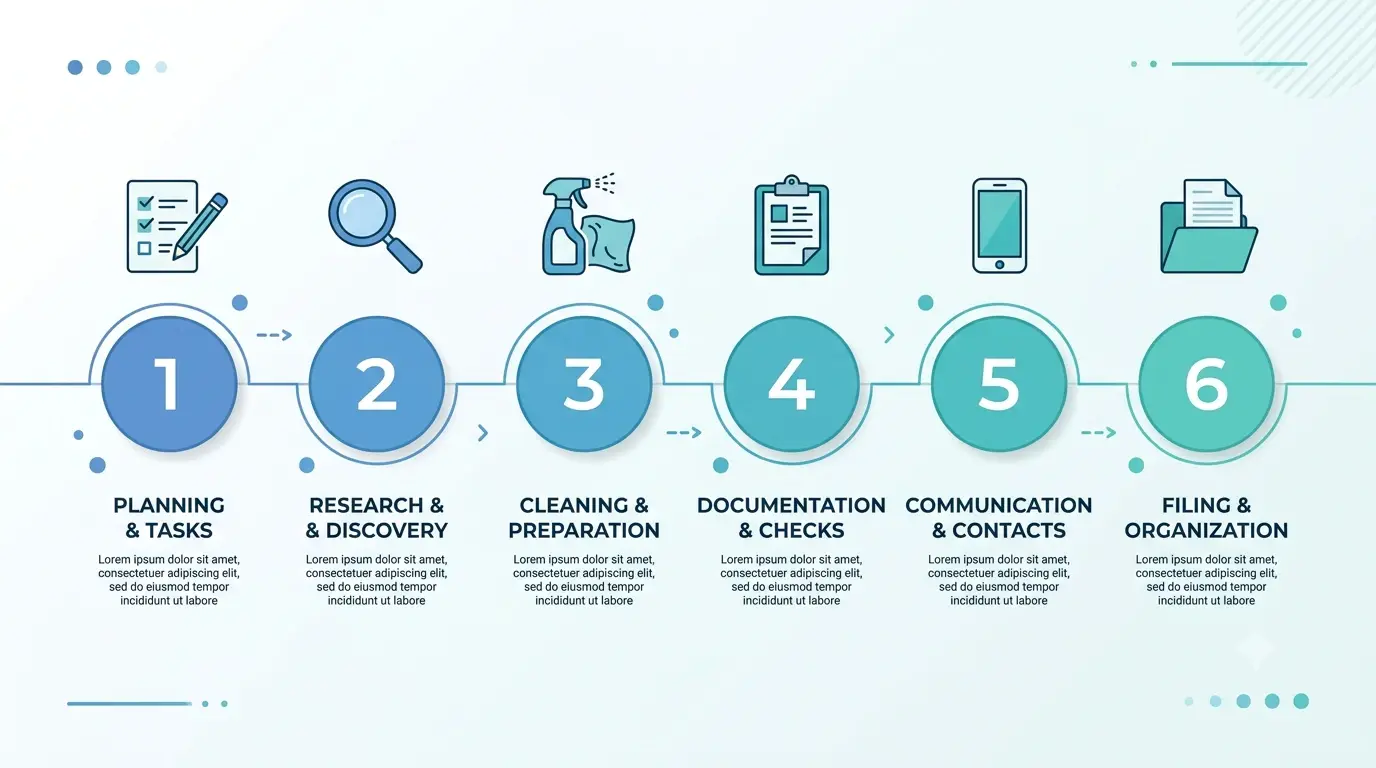
Preparing items for a charity involves more than just loading them into a vehicle. Taking time to properly clean and organize everything ensures that the receiving organization can accept your items without any issues.
1.Check the Expiration Dates:Review all labels.
Look closely at every box of adult briefs, gauze, or diagnostic strips. Discard anything that has already expired or is within thirty days of expiring. Charities cannot distribute outdated items.
2.Verify the Factory Seals:Check for open packaging.
Separate any items that have been opened or partially used. Even if the items inside look clean, a broken factory seal means the item must go into the household trash for safety reasons.
3.Sanitize Every Surface:Clean all durable gear.
Wipe down the frames of all mobility aids, shower chairs, and lifts using a medical-grade disinfectant. Remove any personal name labels, velcro straps, or custom cushions that cannot be thoroughly washed.
4.Gather Accessories and Manuals:Keep components together.
Place battery chargers, remote controls, and instruction booklets into a clear plastic bag. Securely tape this bag directly to the main equipment frame so vital parts do not get lost during transport.
Tax Deductions for Medical Equipment Donations
Tax Deduction Donating medical equipment to a qualifying 501(c)(3) organization is generally tax deductible and based on the fair market value of the item at the time of the donation, not the original purchase price. You will require a formal receipt from the organization and, for items of greater worth, an appraisal or some recorded method of assessment.
This will need you to itemize your deductions, so it won’t help everybody. But if you’re itemizing, this is worth tracking. Put *all* your receipts in one folder, even if the deduction is minimal. It adds up more than people think, especially when you have more than one piece of equipment.
When Grief Makes This Harder Than It Sounds
Sorting through a parent’s medical equipment isn’t just a logistics task, and it’s okay to admit that. A lot of caregivers describe a strange kind of grief when a parent is still alive but clearly declining, sometimes called grieving a living parent. Packing up a walker or hospital bed can bring that feeling right to the surface, even months after the equipment stopped being used.
If you’re the one handling this because a sibling can’t face it, or because you were the primary caregiver, the emotional weight is real. Caregiver anxiety doesn’t switch off just because the caregiving itself has ended. Give yourself permission to take a break in the middle of sorting, or to ask a friend to help load the car. Nobody expects you to do this alone, and you shouldn’t feel like you have to.
The fear of watching a parent age is one of the hardest, quietest parts of caregiving, and donating their old equipment can bring it into focus fast. That’s normal. It doesn’t mean you’re doing anything wrong by letting the equipment go.
Medical Equipment Support Services in Denver
If you’re supporting an aging parent in the Denver area and this whole process feels like one more thing on an already full plate, you’re not the only one. Families working with home care services in Denver often deal with exactly this scenario, moving a loved one from home equipment to a care setting, or scaling back after a hospital stay.
At Castle Pines Home Care, our caregivers see this transition often and can point families toward local loan closets, clinics, and reputable donation programs that fit their specific equipment and timeline. We also help coordinate the practical side of care changes, so donating equipment is one less thing you have to figure out on your own while managing everything else.
Final Thoughts
Deciding where to donate medical equipment doesn’t have to turn into a research project. Start with what’s closest to you, a hospital, a clinic, or a local loan closet, and work outward to national organizations if nothing local fits. Prepare your items ahead of time, keep your paperwork for tax purposes, and don’t be afraid to ask questions before you show up somewhere.
If you’re navigating this alongside caregiving for an aging parent in the Denver area and want a hand figuring out the next steps, contact us at Castle Pines Home Care. We’re happy to help point you in the right direction.
Frequently Asked Questions
Where is the best place to donate medical equipment?
The best place depends on the item and your location, but local hospitals, free clinics, and equipment loan closets are usually the fastest and most direct options. For larger equipment or bulk donations, national groups like MedShare and Project C.U.R.E. offer reliable, well-established donation programs with clear guidelines.
What can I do with spare medical supplies?
Spare medical supplies, if sealed and unexpired, can be donated to free clinics, medical supply banks, or shelters that serve low-income patients. Even a partial box of gloves or gauze can help a clinic that’s stretched thin on basic supplies.
Call ahead to check what a location currently needs. Some clinics are overloaded with certain items and short on others, so a quick phone call saves you a wasted trip.
What medical equipment is typically donated?
Wheelchairs, walkers, hospital beds, oxygen concentrators, and diagnostic tools like blood pressure monitors are among the most commonly donated items. These items tend to have long usable lives and stay in demand at clinics and loan closets nationwide.
Unopened disposable supplies, including bandages, PPE, and incontinence products, also make up a large share of typical donations.
What is the best way to sell used medical equipment?
The best way to sell used medical equipment is through specialized DME resale platforms, local medical supply stores, or Facebook Marketplace, depending on the item’s value and how quickly you need it gone. Specialized platforms often connect you with buyers who understand the equipment’s true worth.
For higher value items like power wheelchairs, a dedicated resale platform usually gets you a fairer price than a general marketplace.
What medical equipment has resale value?
Power wheelchairs, high-end CPAP and BiPAP machines, and newer hospital beds tend to hold the most resale value. Basic manual wheelchairs and older diagnostic tools, by comparison, are harder to sell and often better suited for donation instead.
Condition and age matter more than brand name in most cases, so a well-maintained mid-range item can sometimes outsell a neglected premium one.