
If you love him, he will love you. If you don’t like him, he doesn’t even like you, but he still loves you and can show you compassion if you are a parent, brother, mother, friend, or relative of his or your loved one. If you love him, he will love you back. If you have a son or daughter and you love him, and you want him to love you back, you will find that if you love your son or daughter, he will love you too.
Your family and friends know your loved one best. They can tell you what your loved one needs and what is possible. You might become your loved one’s care provider. Learn how to meet your loved one’s needs and get help.
What Does It Mean to Be a Family Caregiver?
A family caregiver is a person who cares for a different family member who is related to them by marriage, blood, or adoption in some or all of the activities of daily living, personal care, or other aging, illness, or disability issues. A family caregiver is not an employee of a care agency.
Common caregiving responsibilities include:
- Assisting with bathing, dressing, grooming, and hygiene.
- Preparing meals and assisting with grocery shopping.
- Providing reminders to take prescribed medications.
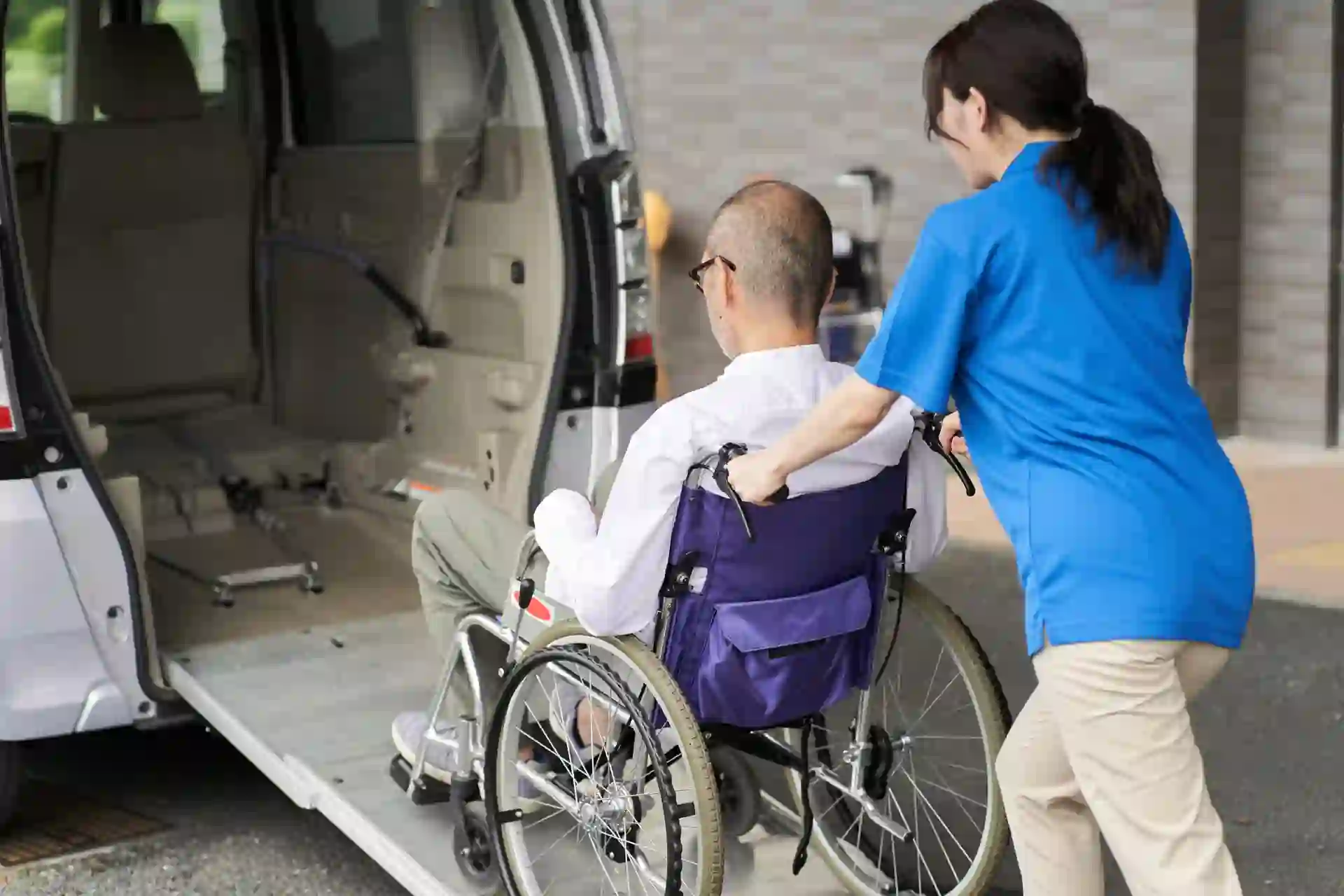
- Supporting safe movement around the home.
- Arranging transportation to medical appointments.
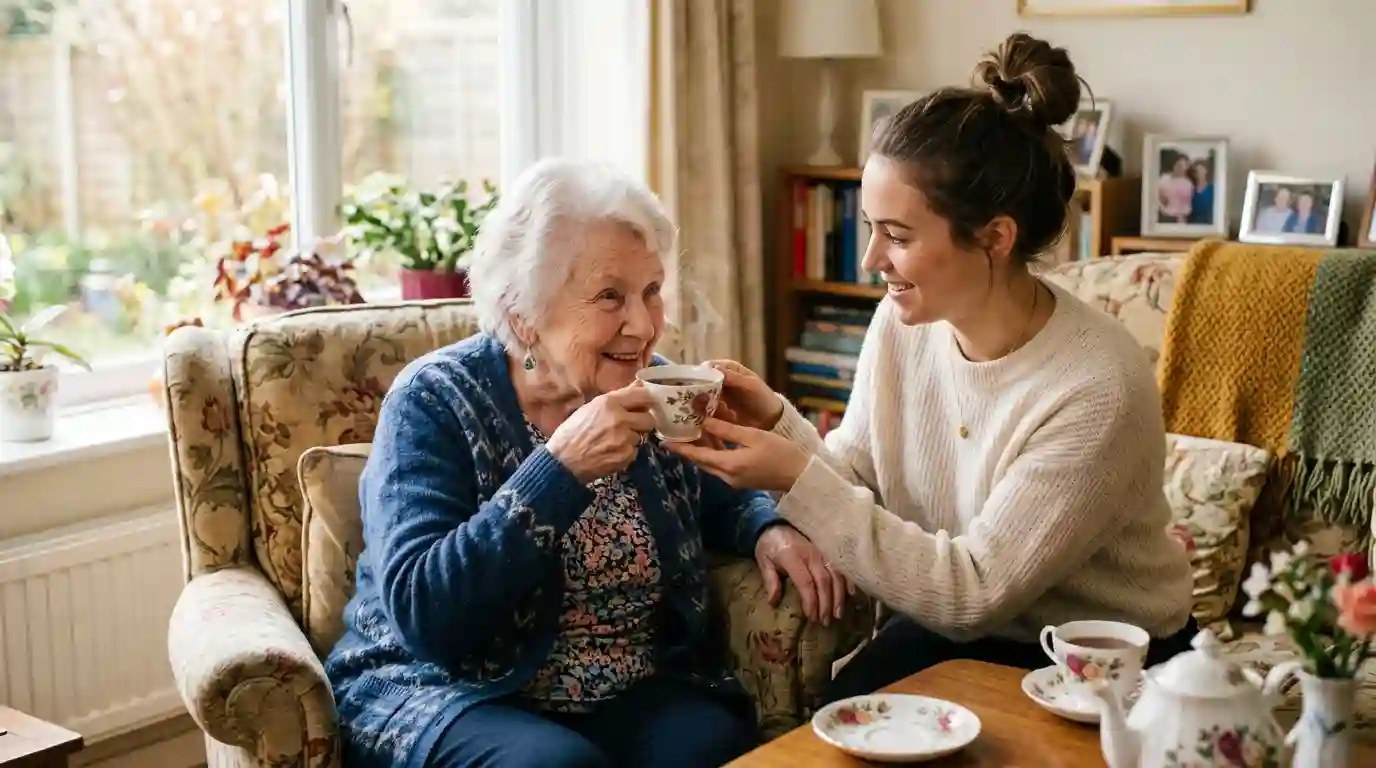
- Offering companionship and emotional support.
- Assistance with laundry, housekeeping, and daily living.
“Having these conversations more frequently with your doctor.” “Having these conversations more often with your other family members.”
The connection and the levels of autonomy will be able to be taken out after a while. For a few mothers and fathers, they’ll need to be aided in the form of assistance from these people when busy doing their tasks. And for a few more, they are going to be monitored at all times and will require assistance with physical self-dependence.
How to Become a Family Caregiver: Step-by-Step Guide
 You will typically not require any qualification to be a family carer but might have some conditions for being paid under a government scheme or to work as a regulated carer. Here are a few things you could do to begin your first step.
- Assess Your Family Member’s Care Needs
Can you describe the setting of your relation’s new home, the activities of the day, their hobbies, and how their goals change? Comment on what your relation is able to do alone, with help, and without help.
Ask if you have a problem with your ADLs. Your ADLs include bathing, walking, cooking, driving to places, recalling to take your medicines. If you have difficulty with these problem areas, ask your doctor about managed care.
And also think about their environment! What about the house they are in, are there any places they could stumble on, objects out of reach, dark corners or anywhere else that they would find difficult.
- Understand Family Caregiver Requirements
Family care giving options will also depend on what kind of caregivers you are in to and if you are in your location, and if you are seeking for paid or free family caregivers.
When providing support to an informal family carer, you do not require to be qualified. Training to help informal family carers find work in the workforce may be different to the training required for training programmes for the paid carer working in the formal sector.
You will (maybe) have to:
- Meet minimum age requirements.
- You must show proof of legal authorization to work in the US.
- Complete a background check.
- Attend an orientation or caregiver training program.
- Meet program-specific employment or certification standards.
- Complete required paperwork and document caregiving hours.
- Establish and oversee a safe care plan and safe throughput through the development and adherence to safety standards, criteria, and protocols.
A few programs might limit payees to only specific types of relatives. Other programs might differentiate between a parent or spouse caring for a young child and an adult child caring for a parent.
You might need to contact your state Medicaid agency (the organization that runs the program) to get an application before you apply.
- Learn Essential Caregiving Skills
Helpful skills would include such as safe mobilisation, prevention of falls, personal care and hygiene, cookery skills, communication skills, hand hygiene, infection control, and changes in a resident/consumer.
If mobility training is necessary for a loved one with dementia, or if the condition is very complicated, then you can speak with your health professional regarding particular forms of training.
Please never carry out procedures that you are not competent and skilled to do, e.g., changing doses. Always make sure you are competent and skilled to do any procedures (e.g., changing doses)—seek advice from the medical team.
- Explore Family Caregiver Training and Certification
However, you may need less training if you are an unpaid family caregiver.
Training options might be:
- Training for family caregivers: Feasible experience-training in physical and basic hygiene and daily-lifestyle functions, medication safety, and other caregiver skills.
- Taking action in an emergency is a useful skill.
- Training for certain kinds of paid caregiving, by state.
- CNA (Certified Nursing Assistant): Education: a program approved by a healthcare supporting position.
- Knowledge and expertise: How to assist people with special needs such as dementia or mobility.
You might not want or need to get a CNA accreditation or home health and wellness assistant certification. Some well-paid family members’ treatment training programs could call for an orientation and also training, yet others do have accreditations to meet.
This must also be required in some states. For example, the state of Washington requires many paid family caregivers to undergo training, unlike Colorado, where training is not required at all. Verify your state’s requirements before enrolling in any class.
- Create a Practical Caregiving Plan
Divide if it gets too much! I.e. one adult focus on organising travel, another look for bookings and two adults have a check in at certain intervals.
Consider your time, money and health. It’s difficult to take care of yourself when you have work responsibilities as well as family and home commitments.
Help with breaks and other options can take some of the pressure off you as a carer.
Can You Get Paid for Caring for a Family Member?
Yes, you can even get paid for caring for someone. It all depends on how well the individual is, what kind of insurance or program they have, your state’s rules and laws, and the relationship you have with the person you are caring for.
Several options may be worth exploring.
Medicaid Self-Directed Care Programs
Certain Medicaid home- and community-based services programs have a service that enables the consumers who are enrolled in the program to choose and utilize a caregiver (which may include a relative). This may be known as a consumer-directed, self-directed, or participant-directed service.
In most cases, the care recipient is already enrolled in the most appropriate Medicaid plan and has a care plan. The family member may be required to take training and meet criteria, pass a background check, or enroll in a program.
Community First Choice or Consumer-Directed Attendant Support Services (CDASS): Community First Choice and CDASS are programs that help you get your home care provider. The services and workers are different in each program.
Medicaid caseworker or Single Entry Point agency to determine what would be needed and if they are eligible to be evaluated.
Veterans Benefits and Caregiver Programs
Department of Veterans Affairs For families caring for eligible veterans, there could be additional options. There are specific programs that can help with the cost of caregiving or providing support to family caregivers, but the requirements to receive these benefits will differ.
Ask the VA or a Veterans Service Officer to find out what benefits they could possibly qualify for.
Long-Term Care Insurance
Coverage for some types of home care might be included in your long term care insurance or some policies might provide reimbursement for home care. There are many considerable variations from policy to policy.
Review the policy language and verify with the insurer if you can pay a family member, what the services include, and if they require pre-approval.
Paid Family Leave and Other Support
Wherever you live and wherever you work, paid family leave could enable you to receive part of your paycheck while you’re out of work to care for a covered family member.
Note: Medicare usually will not pay family members providing continuous custodial care in the home. Do not take it for granted that a family member will be paid just because the person receiving care has Medicare or Medicaid. Contact the program to which your loved one is applying.
How to Apply to Become a Paid Family Caregiver
Request reimbursement before using paid services.
Step 1: Contact the Appropriate Program
Contact the Medicaid office in your state, or your local aging services office or program administrator who is responsible for your home care benefits.
Step 2: Arrange a Care Needs Assessment
It may need to be determined to qualify for home care. A case manager or someone other than the nurse can evaluate activities of daily living, health concerns, and level of assistance needed.
Step 3: Confirm Your Eligibility
Ask which family members can act as paid caregivers and whether there are age, background, training, or work restrictions.
See if waiting lists exist, an endorsed hours limit, or if any activities are restricted.
Step 4: Complete Enrollment and Training
Submit the other applications and do background screenings, orientation, or training. You may be employed by a company or you may work as an individual provider, depending on the program.
Step 5: Follow the Approved Care Plan
When allowed to provide paid care follow the directions of the program for approved activities, scheduling and time recording. Record your time accurately and let someone know if there are changes in your relative’s care needs.
Compulsory services done before the order to bill approval can not be considered for retro billing as a standard.
How to Balance Family Responsibilities With Caregiving
Learning how to become a caregiver for a family member is only part of the process. Maintaining your own well-being is equally important, particularly when caregiving becomes a daily responsibility.
Set Realistic Expectations
You may not be able to handle every task alone. Identify which responsibilities you can manage and where you need assistance. A realistic schedule is more sustainable than trying to provide constant care without breaks.
Ask for Help From Other Family Members
Open communication can reduce misunderstandings and make caregiving responsibilities easier to share. Discuss schedules, expenses, appointments, and emergency arrangements with relatives who are able to help.
Make Time for Rest
Caregiver fatigue can affect your mood, concentration, and ability to provide consistent support. Arrange regular breaks whenever possible. Respite care or temporary assistance from a professional caregiver may give you time to rest or attend to other responsibilities.
Know When Professional Support Is Needed
Some needs require more assistance than a family member can safely provide alone. If your relative needs extensive mobility support, specialised dementia care, or medical services, consult the appropriate healthcare professionals and consider additional home care.
Professional support can complement your involvement without taking away your role in your loved one’s life.
How Castle Pines Home Care Can Support Your Family
When you employ a professional provider, your loved one’s quality time may be increased with a professional helping him/her.
Additional help will also enable family caregivers to take some time off and share some of the pressures and responsibilities that come with being the primary care provider when they are trying to balance their employment, household, and family responsibilities.
Learn what we offer at Castle Pines Home Care or talk to a care expert about how we can plan your care to fit your requirements. We can help to support you at home in conjunction with the care you receive from family and to ease the burden on family carers.
Conclusion
How to be a paid family caregiver To become a paid family caregiver, learn what your loved one needs and learn the care skills. Paying for family care: Formal care differs from informal family care in that it can require an eligibility requirement, training and approval.
Frequently Asked Questions
- Do I need a certificate to become a caregiver for a family member?
Not necessarily for family caregivers. But many paid caregiver programs, including professional caregivers, you may get training, background checks, certification, or other skills. Requirements, qualifications are different in each state and each job.
- Can I get paid to care for my elderly parent?
It’s possible. Certain Medicaid self-directed care programs and veteran’s programs allow eligible individuals to employ family members as caregivers. What kind of employment you’re eligible for will depend on the program, the needs of your parent and the laws, regulations and policies of your state. Medicare typically will not pay family members for long-term custodial home care.
- How long does it take to become a family caregiver?
You can begin to provide informal family caregiving whenever your elderly loved one requires assistance and you are able to, at least somewhat safely, provide it. Becoming approved to become a paid caregiver may take a little more time, due to screening, paperwork, classes, and processing.
- What skills are most important for a family caregiver?
It would help if you had patience, communication skills, organization skills, empathy, and safety consciousness. Practical skills include assisting with everyday tasks, assisting with mealtimes, avoiding falls, and picking up signs of change in the condition of the person.
- Where can I find family caregiver training?
Enroll in a paid caregiver training course or by an employer. Start with your state’s aging services agency, Medicaid program, local Area Agency on Aging or a caregiver training organization. Not all courses are approved by a program you like.
- Can I work and care for a family member at the same time?
Absolutely, although it’s hard to handle two stressful roles. A less hectic day will allow you to share the load at home, have flexible working hours, take a break from working with a professional, and take control of your time and caregiver stress.