
You don’t want a lecture; you want a direct response. Here it is: walking or similar moderate cardiovascular activity, two strength training sessions, daily balancing exercises, and stretching make up the ideal weekly fitness regimen for seniors. That’s all. No costly equipment, no guesswork, and no gym membership is necessary.
I understand your purpose for being here. Perhaps it’s your own knees telling you that “getting up” isn’t as easy as it once was. Perhaps you’re staring down a doctor’s letter that says “get more active” but doesn’t specify how, or you’re assisting a parent who has experienced a fall scare. In any case, you don’t need another wall of ambiguous advice you need a plan that you can actually follow. That’s just what this article offers you: a straightforward, physician-recommended regimen that you can begin this week, divided into manageable sections, with actual workouts you can perform in your living room.
What are the most beneficial exercises for seniors?
Four components make up the best workouts for seniors: daily stretching, cardiovascular activities like swimming or walking, strength training with small weights or resistance bands, and balance exercises like standing on one leg. When combined, these reduce the risk of falls, protect the heart, and maintain muscular mass.
These don’t have to take place in a gym. Your aerobic base is covered by a daily 20-minute stroll. You can prevent muscle deterioration by doing two quick strength training sessions per week with just your own body weight or resistance bands. Over time, balance drills reduce your risk of falling, even if you do them while brushing your teeth.
When older folks combine all four categories, the results are better than when they concentrate on just one. A person with weak grip strength but a strong heart may only be able to walk. If a person solely lifts weights, they may gain muscle but still stumble on uneven surfaces. Because it fills up all the gaps at once, the routine is effective.
Why Exercise Matters for Older Adults
Contrary to popular belief, muscle loss often begins in the 30s and accelerates after age 60. The silent cause of so many elderly people’s difficulties getting out of a chair or carrying groceries is a condition known as sarcopenia. Frequent strength training slows it down and often reverses some of it.
The other major issue is falls. According to the National Council on Ageing, one in four individuals over 65 fall annually, and falls continue to be a major cause of injury in that age range. When combined, strength and balance training significantly reduce that risk, not just slightly.
Additionally, there is a cognitive benefit that is underappreciated. Frequent exercise is associated with improved cognitive performance and a decreased risk of dementia. Exercise, which includes everything from walking to bathing to cooking without assistance, has been identified by Harvard Medical School as one of the more effective strategies for preserving independence as one ages.
Why Exercise Becomes More Important After Age 60
Something shifts around 60. Metabolism slows, bone density drops faster, and recovery from inactivity takes longer than it used to. A missed week of movement in your 30s barely registers. In your 60s and beyond, it can mean noticeably stiffer joints by the time you start again.
Bone health becomes a bigger concern here too. Weight-bearing activity like walking and light strength training helps slow bone density loss, which lowers the risk of osteoporosis and fractures down the road. This is also the age range where cardiovascular fitness starts to matter more directly, since heart disease risk climbs with age.
The good news: it’s never too late to start. Studies on older adults who begin exercising later in life still show real gains in strength, balance, and even mood. Age doesn’t close that door. Inactivity does.
What Makes the Best Exercise Routine for Seniors?
The ideal senior exercise program combines core stability, progressive muscle strengthening, moderate aerobic activity, and fall prevention exercises customised to each person’s mobility level. It relies on manageable time blocks, acknowledges joint restrictions, adjusts to your present state of health, and emphasises useful motions utilised in everyday home life.
We always stress safety, regularity, and individual comfort when families ask us what the ideal senior fitness regimen is. When you participate in a high-quality program, you never wake up with joint discomfort or gasping for air.
Instead, a proper routine fits smoothly into your week without exhausting your energy reserves. Breaking your physical activity into two or three 10-minute sessions across the day offers the exact same health gains as one long, tiring session.
Every safe plan should focus on four core pillars:
- Aerobic Endurance: Activities that raise your heart rate gently while letting you talk comfortably.
- Muscle Preservation: Resistance work that protects bone health and maintains leg strength.
- Balance Training: Drills that train your footwork and equilibrium on uneven surfaces.
- Flexibility Exercises: Motion stretches that relieve morning stiffness and protect your joints.
The 5 Best Exercise Modalities for Older Adults
Choosing exercise formats designed for mature bodies helps you build physical strength without risking unexpected joint strain.
1. Chair Yoga and Pilates
Chair yoga brings classic body stretches into a secure, seated position. It builds core strength, improves neck movement, and helps you relax without forcing you down onto the floor. Seated pilates movements strengthen deep abdominal muscles while keeping joint pressure near zero.
2. Swimming and Water Aerobics
Water supports your body weight, removing heavy pressure from stiff knees, ankles, and hips. The natural resistance of water acts as an adjustable weight system. Swiping your arms and legs through a warm pool soothes sore joint tissue while building total-body endurance.
3. Tai Chi for Fall Prevention
Tai chi relies on deliberate, flowing movements combined with deep breathing. The slow weight shifts train your brain and legs to adjust to sudden balance changes. Physical therapists often recommend tai chi as an top choice for senior exercise classes aimed at fall defense.
4. Recumbent Cycling and Walking
Wide bucket seats with back support on recumbent stationary bikes relieve strain on your lumbar spine while your legs cycle. For seniors, walking is still one of the easiest aerobic exercises. Cardiovascular fitness can be developed without expensive equipment by taking a quick stroll around your neighbourhood or through your hallway.
5. Resistance Band Training
Elastic bands allow smooth muscle resistance without the danger of dropping heavy iron weights. They provide continuous tension throughout a movement, protecting your elbows and shoulders. You can easily adjust the resistance level by picking lighter or thicker bands.
Essential Step-by-Step Home Exercises

You don’t need equipment to start. Here are five exercises you can do today, right in your living room.
Chair stand. Sit in a sturdy chair with feet flat on the floor. Cross your arms over your chest and stand up without using your hands, then sit back down slowly. Repeat 8 to 10 times. This builds leg strength you use every time you get up from a couch or a car.
Wall push-up. Stand an arm’s length from a wall, hands flat at shoulder height. Bend your elbows to bring your chest toward the wall, then push back. Repeat 10 times. It strengthens your chest and shoulders without any pressure on your wrists or lower back.
Heel raises. Stand behind a chair for support, then rise onto your toes and lower back down slowly. Do 15 to 20 reps. This strengthens the calves, which matters more than people realize for staying steady on your feet.
Single-leg stand. Hold onto a counter or chair, lift one foot slightly off the floor, and hold for 10 seconds. Switch legs. Work up to 30 seconds over a few weeks. This is one of the simplest and most effective balance exercises for seniors.
Seated marching. Sit tall in a chair and lift one knee at a time, as if marching in place. Do this for one minute. It’s a gentle way to get the heart rate up without standing.
Do these three to four times a week, resting a day between strength-focused sessions so muscles can recover.
Exercises Seniors Should Avoid Over Age 65
Protecting your body requires knowing which popular workouts create high injury risks. Mainstream fitness moves designed for younger adults can place dangerous strain on aging spines and joint cartilage.
Avoid these high-risk movements:
- Heavy Deadlifts and Squats: Loaded barbell weights compress aging spinal discs and stress knee cartilage.
- Abdominal Crunches: Repeated forward neck pulls strain cervical vertebrae and aggravate spinal stiffness.
- High-Intensity Interval Training (HIIT): Rapid heart rate spikes and jumping moves risk muscle tears and dizzy spells.
- Behind-the-Neck Lat Pulldowns: Forceful shoulder rotations pinch rotators and strain neck joints.
- Long-Distance Running on Hard Pavement: Repeated concrete impacts degrade worn ankle, hip, and knee joints.
Swap weighted squats for simple chair sit-to-stands. Trade floor crunches for seated abdominal contractions or pelvic tilts. Replacing high-risk moves keeps your routine safe while delivering identical strength benefits.
The Best Weekly Exercise Routine for Seniors

Structure your physical activity across the week so your body has time to rest and rebuild. Use these three custom schedules depending on your current fitness level.
Tier 1: Active Senior Schedule
| Day | Aerobic Activity (150 Mins/Week Target) | Strength & Core | Balance & Flexibility |
| Monday | 30-min brisk outdoor walk | Wall pushups & chair squats | Single-leg balance & neck stretch |
| Tuesday | 30-min water aerobics class | Rest day | Shoulder squeezes & heel raises |
| Wednesday | 30-min recumbent cycling | Resistance band row & arm curls | Weight shifts & pelvic tilts |
| Thursday | 15-min walk (Morning + Afternoon) | Rest day | Seated chair yoga stretches |
| Friday | 30-min swimming or water walk | Wall pushups & seated knee lifts | Single-leg holds & ankle circles |
| Saturday | 30-min social walking or dancing | Rest day | Full body gentle stretch routine |
| Sunday | Active rest (light household chores) | Rest day | Gentle neck and upper back stretch |
Tier 2: Beginner and Low-Impact Schedule
- Monday: 15-minute gentle walk, 5 wall pushups, single-leg balance holds.
- Tuesday: 15-minute chair yoga session, seated shoulder squeezes.
- Wednesday: 15-minute gentle walk, 8 seated knee lifts, heel raises.
- Thursday: Rest day, gentle neck and arm stretching.
- Friday: 15-minute water walk or pool stretch, weight shifts.
- Saturday: 15-minute neighborhood walk, chair sit-to-stands.
- Sunday: Rest day, seated relaxation breathing.
Tier 3: Seated and Limited Mobility Schedule
- Monday: 10-minute seated arm cardio, seated abdominal contractions.
- Tuesday: 10-minute chair yoga posture routine.
- Wednesday: 10-minute seated leg lifts and ankle rotations.
- Thursday: Rest day, seated shoulder blade squeezes.
- Friday: 10-minute seated resistance band pulls, toe taps.
- Saturday: 10-minute seated arm circles and side stretches.
- Sunday: Rest day, breathing and neck stretches.
How to Measure Effort Safely with the RPE Scale
When starting what is the best exercise routine for seniors, checking your exercise intensity stops you from overexerting your heart. We recommend using the Rate of Perceived Exertion (RPE) scale, which rates your effort from 1 to 10 based on how your body feels.
Target an RPE level between 4 and 6 during your aerobic activities for seniors. At level 4 to 6, your breathing speeds up, but you can still talk in full sentences with a workout partner. If you feel too breathless to speak, slow down your pace immediately to return to a moderate intensity range.
Supporting Mobility with Home Care Services in Denver
Staying consistent with a weekly workout plan can prove challenging if you or an aging loved one face mobility barriers, balance concerns, or fatigue. Having dedicated physical support right at home often makes all the difference in keeping up with healthy routines safely. Having the right tools also plays a huge role exploring options like What Is the Best Exercise Equipment for Seniors can help you set up a safe, low-impact environment in your living room. For those dealing with joint stiffness, pairing gentle indoor moves with pool routines like What Is the Best Water Exercises for Seniors offers an ideal, zero-impact way to build strength.
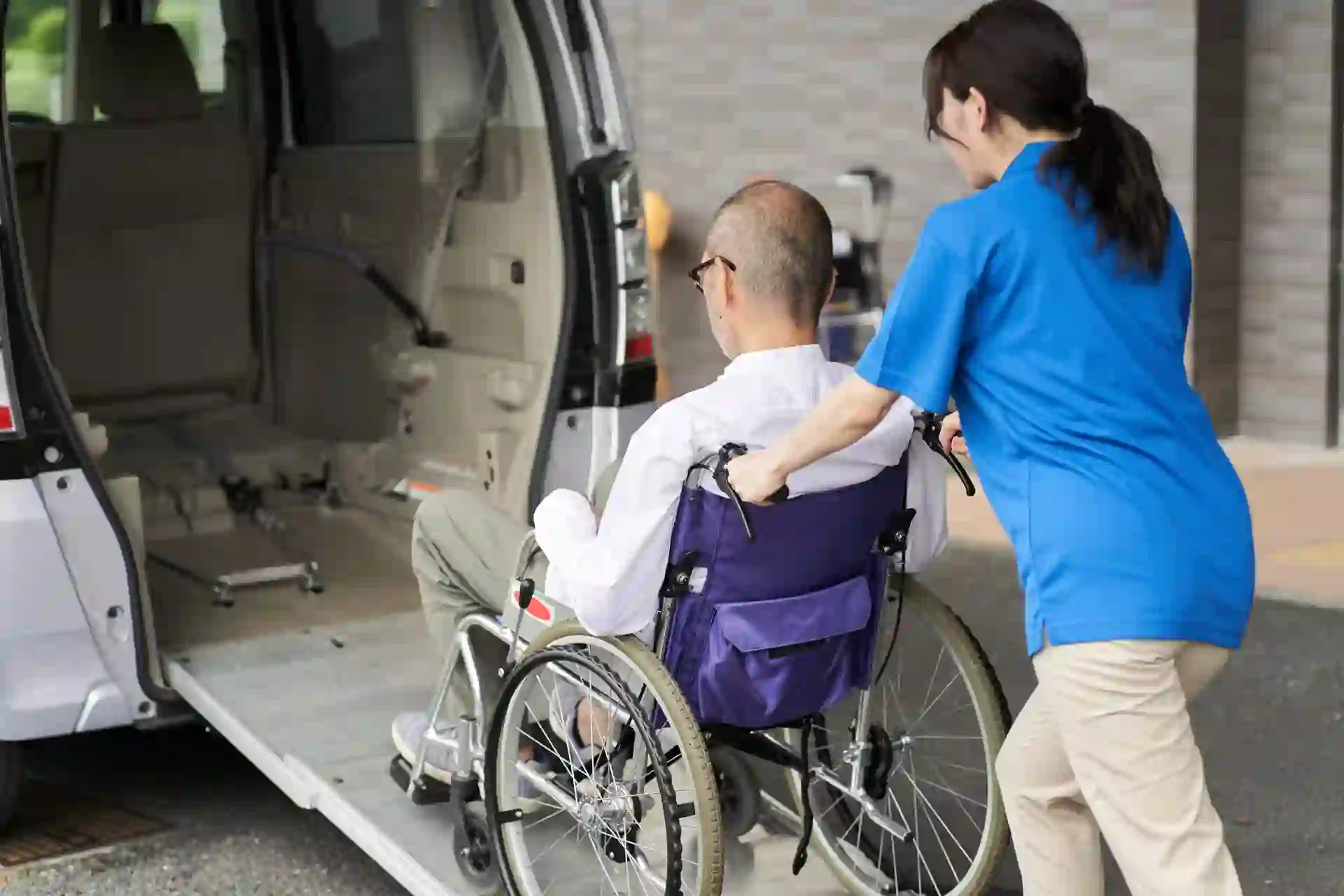
Professional caregivers assist with daily living activities, offer steady hands during balance exercises, and provide friendly encouragement for daily walks. If your family requires non-clinical support in Colorado, exploring reliable home care services in Denver helps ensure your loved one stays safe while remaining active.
At Castle Pines Home Care, our compassionate care team helps seniors maintain their independence right in the comfort of home. We assist with safe walking routines, daily meal preparation, medication reminders, and light household tasks so older adults can focus on feeling their absolute best every day.
Final Thoughts
A good routine doesn’t need to be complicated. Walk most days, add strength and balance work a few times a week, stretch daily, and adjust as your body tells you to. That’s the entire foundation, and it holds up whether you’re 62 or 85.
If getting to a class or gym isn’t realistic right now, in-home support can make a real difference. Castle Pines Home Care works with families across the area looking for home care services in Denver, including help building and sticking to a safe exercise routine at home. Contact us if you’d like support putting a plan like this into practice for yourself or someone you’re caring for.
Frequently Asked Questions
How many days a week should a senior work out?
Older adults should aim for physical activity at least 5 days per week to meet national health guidelines. This target includes 150 total minutes of moderate aerobic work alongside 2 days of muscle strengthening. Spreading workouts across multiple short sessions keeps energy levels high.
Can older adults build muscle after age 70?
Yes, older adults can build new muscle mass well past age 70 through regular progressive resistance training. Studies show that seniors doing bodyweight exercises or resistance band work gain noticeable leg strength, improved balance, and denser muscle fibers within 8 to 12 weeks of starting.
What is the safest exercise for older adults with arthritis?
Water aerobics and pool swimming are the safest exercises for seniors living with joint arthritis. Water supports up to 90% of your body weight, removing harsh pressure from inflamed joints while gentle fluid resistance builds muscle strength and improves painful joint stiffness.
How many days a week should seniors exercise?
Most seniors benefit from moving on five to six days a week, mixing aerobic activity, strength work, and balance drills. Rest days matter too, so the body can recover between strength sessions.
Can seniors build muscle after 70?
Yes. Muscle responds to strength training at any age, though gains may come more slowly. Consistency matters more than intensity here.