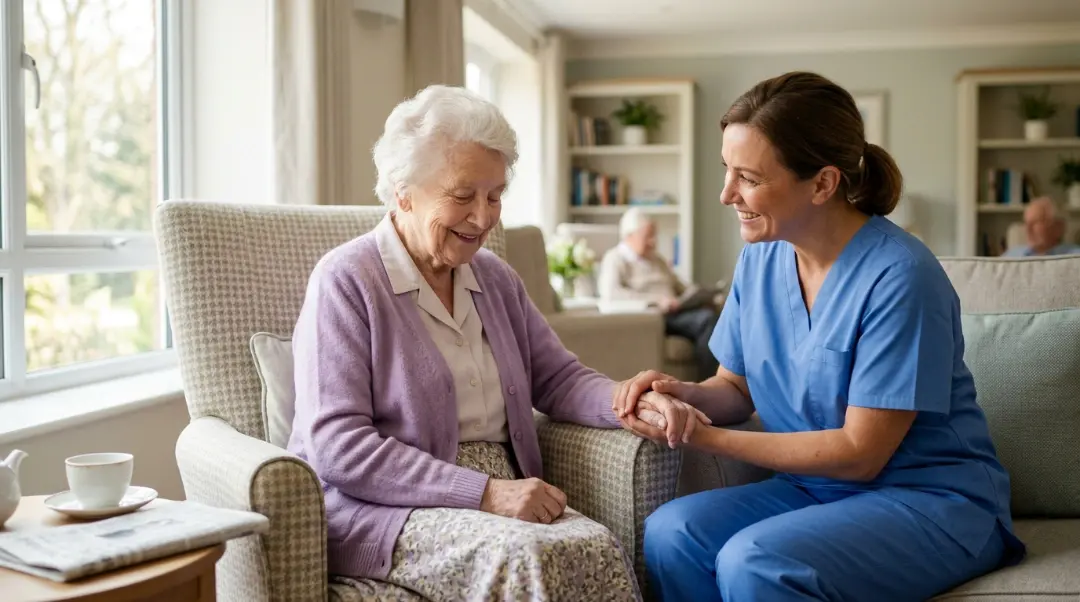
Caring for a loved one with memory loss brings unexpected challenges every day. Finding the right balance between safety, comfort, and independent living often leaves families feeling overwhelmed and exhausted.
Deciding when a higher level of daily support becomes necessary is never simple. This guide offers clear indicators, practical steps, and direct advice to help you evaluate your options and choose the safest path forward.
What to Know About Care Homes for People With Dementia
Care homes provide long-term residential housing with constant supervision, help with personal tasks, and specialized daily support. They offer a structured environment designed to keep residents safe, comfortable, and social when staying at home is no longer a practical option.
These facilities are not a place of last resort. For many families, they represent the point where a relative gets structured, professional support rather than fragmented help. Moving into a dedicated residence can significantly improve a person’s quality of life when their daily needs exceed what a household can provide.
-
Key takeaway: Residential facilities focus on security, personal care, and social interactions.
-
Core benefit: They remove the heavy strain of constant care from family members.
What Is Dementia and How Does It Progress?
Dementia is not a single disease, but an umbrella term for conditions affecting memory, language, problem-solving, and daily reasoning. It is progressive, meaning symptoms gradually worsen over time. Alzheimer’s disease accounts for 60% to 80% of these cases, though vascular dementia and Lewy body dementia are also common.
Understanding the stages of dementia helps families prepare for changing needs:
-
Early Stage (Mild): The person functions independently. They may drive, work, and attend social activities, though they experience minor memory slips, like misplacing objects or forgetting familiar words.
-
Middle Stage (Moderate): This is typically the longest stage. Symptoms become more pronounced. Individuals struggle with daily tasks, experience mood shifts, confuse words, and begin wandering or acting unexpectedly.
-
Late Stage (Severe): Memory and cognitive abilities decline significantly. Individuals lose awareness of their environment, require full-time assistance with personal care, and eventually lose the physical ability to walk, sit, or swallow.
How Long Can a Person With Dementia Live at Home?
A person can live at home for several years during the early to middle stages if they have adequate family support or part-time professional help. However, as memory loss advances, safety concerns and constant supervision needs usually require a change in living arrangements.
Many families manage well for years by making minor home modifications and setting up simple routines. But cognitive decline doesn’t stay still. What keeps someone safe this month might not work six months from now.
| Stage | Home Management Options | Primary Focus |
| Early | Family visits, reminders, meal prep | Maintaining independence |
| Middle | Part-time aides, adult day care | Personal safety & routine |
| Late | 24/7 home care or care home placement | Full medical & physical support |
For families in Colorado, Castle Pines Home Care provides professional in-home dementia support that can help bridge that gap during the early-to-middle stages. If you’re researching home care services in Denver, this is a trusted local option worth considering before a full care home transition becomes necessary. You can also read our related post, What Stage of Dementia Is Anger?, which covers behavioral changes that often signal a shift in care needs.
How Do You Know It’s Time for a Dementia Care Home?
You know it’s time for a dementia care home when the person faces immediate physical dangers at home, skips vital medications, wanders into unsafe areas, or when the primary caregiver experiences severe physical exhaustion, depression, or health complications. These factors signal that home support is no longer enough.
1. The Signs Dementia Patient Needs Care Home Placement

Physical safety hazards are usually the first clear indicator that the status quo is collapsing. You might notice your parent leaving the gas stove burning unattended, getting lost on familiar neighborhood streets, or failing to wear clothes matching the freezing or boiling weather outside.
Other warning signs include severe weight loss from forgetting to eat, unhygienic living conditions, and missing critical doses for conditions like high blood pressure or diabetes. If you find yourself constantly checking indoor cameras or rushing over to prevent a fire or injury, the home environment has crossed from stable to hazardous.
2. Severe Caregiver Burnout and Stress
Caregiver health directly impacts the quality of care provided. Physical exhaustion, chronic anxiety, sleep deprivation, or feelings of resentment signal that the current care setup is unsustainable.
3. Decline in Basic Personal Hygiene
Unwashed clothes, missed medication doses, weight loss, and skipped baths indicate that managing daily life alone or with minimal help has become too difficult.
4. Behavioral Changes and Aggression
Unprovoked anger, physical lashing out, severe paranoia, or late-day confusion (sundowning) can make home care unsafe for both the care recipient and family members.
| Indicator | Home Care Management | Residential Care Needs |
| Mobility | Requires assistance with one person | Requires two-person transfer or mechanical hoist |
| Medication | Needs simple daily reminders | Needs 24/7 clinical monitoring and administration |
| Wandering | Managed with door alarms and supervision | Requires secure, specialized memory care units |
| Night Routines | Sleeps through the night consistently | Experiences severe nocturnal agitation and roaming |
When Is Dementia Too Advanced for Home Care?
Dementia is too advanced for home care when a person requires continuous, round-the-clock supervision, two-person physical transfers, specialized medical interventions, or when home safety modifications can no longer prevent severe injuries, wandering, or malnutrition.
As the condition advances, physical needs often rival cognitive challenges. In the late stages of dementia, swallowing difficulties, severe incontinence, and total mobility loss require continuous clinical oversight.
At this point, family caregivers often struggle with:
-
Lifting and transferring without causing injury.
-
Preventing bedsores and managing skin integrity.
-
Managing complex medical regimens alongside behavioral changes.
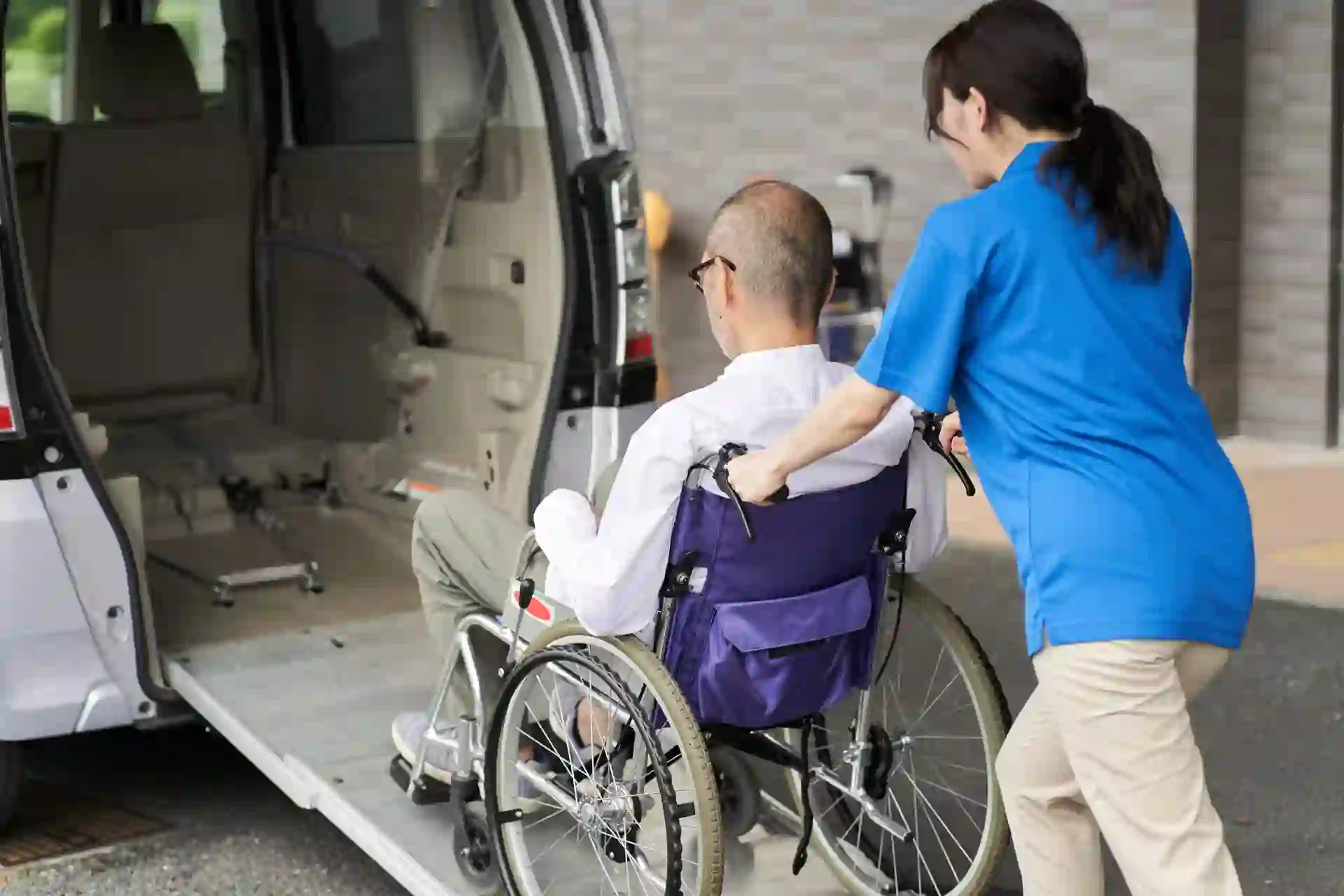
When home modifications like grab bars, ramps, and door alarms no longer ensure safety, transitioning to a dedicated residential facility ensures your loved one receives trained, round-the-clock care.
What Happens If You Wait Too Long
Delaying care transitions past the point of safety often leads to avoidable health crises. Waiting until an emergency occurs reduces your time to research facilities, evaluate options, and prepare emotionally.
Common risks of delayed placement include:
-
Serious Physical Injury: Falls, fractures, accidental poisonings, or severe dehydration often result from unmonitored home settings.
-
Emergency Hospitalization: Sudden moves from an emergency room to an available care bed cause intense confusion and trauma for someone with memory loss.
-
Caregiver Health Collapse: Chronic stress weakens the caregiver’s immune system, leading to cardiovascular issues, clinical depression, or sudden medical emergencies that leave the patient without support.
What Are the Types of Care Homes for Dementia?
Dementia care homes fall into three main types: assisted living, memory care, and nursing homes. Assisted living helps with daily tasks. Memory care adds secure spaces and dementia-trained staff. Nursing homes provide 24-hour skilled nursing for complex needs. The right type depends on health, behavior, and mobility.
Families who search “when is it time for a nursing home dementia” are often asking which level fits. Here’s a rough guide:
- Assisted living: Early to middle stage, mobile, and safe with prompts and help.
- Memory care: Middle stage, especially with wandering, exit-seeking, or evening agitation. Some sit inside assisted living buildings as a secured wing.
- Nursing home: Late stage, or when daily medical care is needed, such as wound care or feeding support.
Ask each home one question: “What happens when my loved one’s needs increase?” Some homes make residents move. Others adjust care in place.
Who Makes the Decision When Someone Has Dementia?
The designated healthcare power of attorney makes care decisions when the individual can no longer make informed medical choices for themselves. If no legal document exists, family members must complete a legal guardianship process through local courts.
It’s best to name a medical power of attorney early in the diagnosis process. This allows the individual to share their personal preferences before cognitive decline limits their ability to sign legal documents.
If siblings or relatives disagree on timing, scheduling a formal dementia care assessment with a doctor provides an objective recommendation that keeps family dynamics grounded.
The Conversation No One Wants to Have
Discussing care home placement with a family member who has memory loss requires patience, empathy, and clear communication. Avoid big family confrontations, which can feel overwhelming or aggressive.
Here are tested strategies for navigating this conversation:
-
Focus on Health, Not Limitations: Reframe the move around wellness, safety, and professional support rather than personal failure or loss of independence.
-
Involve Their Physician: Seniors often accept guidance from a trusted doctor or medical professional more readily than from their adult children.
-
Keep Explanations Simple: Avoid long, complicated arguments. Use simple, reassuring phrases like, “This is a safe place where people can help with meals and medicine.”
-
Validate Their Feelings: Acknowledge their fear, sadness, or frustration. Avoid arguing about memory gaps or distorted facts.
How Much Does Dementia Care Home Placement Cost?
Dementia care home placement costs range from $55,000 to over $115,000 annually, depending on whether you choose basic assisted living, a specialized memory care unit, or a private room in a skilled nursing facility. Rates depend heavily on your geographic area and the hands-on care level required.
Understanding the Financial Breakdown
Long-term care costs vary based on the specific type of environment and the amount of medical supervision involved.
| Care Setting Type | National Annual Median Cost | Primary Funding Mechanisms |
| Assisted Living (Basic) | $58,000 – $72,000 | Private Pay, Long-Term Care Insurance |
| Dedicated Memory Care Unit | $75,000 – $90,000 | Private Funds, VA Aid & Attendance |
| Nursing Home (Semi-Private) | $100,000 – $105,000 | Medicaid (if eligible), Private Pay |
| Nursing Home (Private Room) | $115,000 – $125,000 | Long-Term Insurance, Private Assets |
Traditional health insurance and standard Medicare do not pay for long-term residential room and board. They only cover short-term rehabilitation stays after a formal hospital admission, meaning families must rely on personal assets, veterans benefits, or Medicaid programs to cover long-term costs.
How to Help Someone With Dementia Transition Into a Care Home

A smooth transition requires careful planning, consistency, and ongoing emotional support. Moving to a new environment can trigger temporary confusion or agitation, known as relocation stress syndrome.
Follow this step-by-step approach to ease the move:
-
Recreate Familiar Surroundings: Decorate their new room with familiar bedding, family photos, a favorite chair, and cherished personal items before they arrive.
-
Establish a Predictable Routine: Maintain consistent times for meals, morning wake-ups, and evening wind-downs to build a sense of security.
-
Coordinate with Care Staff: Share detailed information about your loved one’s personal preferences, past career, favorite music, and life habits with the facility care team.
-
Manage Initial Visits Thoughtfully: Follow facility guidance on initial visiting schedules. Brief, positive, and reassuring visits often work better than long stays during the first two weeks.
Final Thoughts
Deciding when someone with dementia should go into a care home is never simple. It’s emotional, practical, and often feels like you’re choosing between bad options. But the truth is, getting your loved one the right level of care, at the right time, is one of the most loving things you can do.
If you’re in the early-to-middle stages and looking for support that keeps your loved one at home a little longer, Castle Pines Home Care is here to help. We provide professional, compassionate home care services in Denver and surrounding areas, supporting families through every stage of the dementia journey.
Contact us today to talk through your options. You don’t have to figure this out alone.
Frequently Asked Questions
At what stage of dementia should someone go into a care home?
There’s no fixed stage. The decision depends on safety, caregiver capacity, and the level of care needed. Many families make the move during middle-stage dementia, when daily supervision becomes necessary and home care can no longer manage behavioral or physical needs safely.
Can someone with dementia refuse to go into a care home?
Yes, and this is common. If the person still has mental capacity, their refusal must be respected. If capacity has been lost, the legal decision-maker, typically someone holding power of attorney, can make the decision in the person’s best interest.
How do you know if a care home is good for dementia?
Visit in person and unannounced if possible. Look at how staff interact with residents. Ask about dementia-specific training, staff turnover rates, and how behavioral symptoms are managed. Check inspection reports from the relevant regulatory body.
Is it better to keep someone with dementia at home?
Not always. Familiar surroundings offer comfort, but if the home environment becomes unsafe, or the caregiver is exhausted, the person with dementia may actually receive better, more consistent care in a specialist facility.
What is the difference between a nursing home and memory care for dementia?
Memory care units specialize exclusively in dementia care. They have secure environments, trained staff, and activities designed for cognitive engagement. Nursing homes offer broader medical care but may not have the same dementia-specific focus.