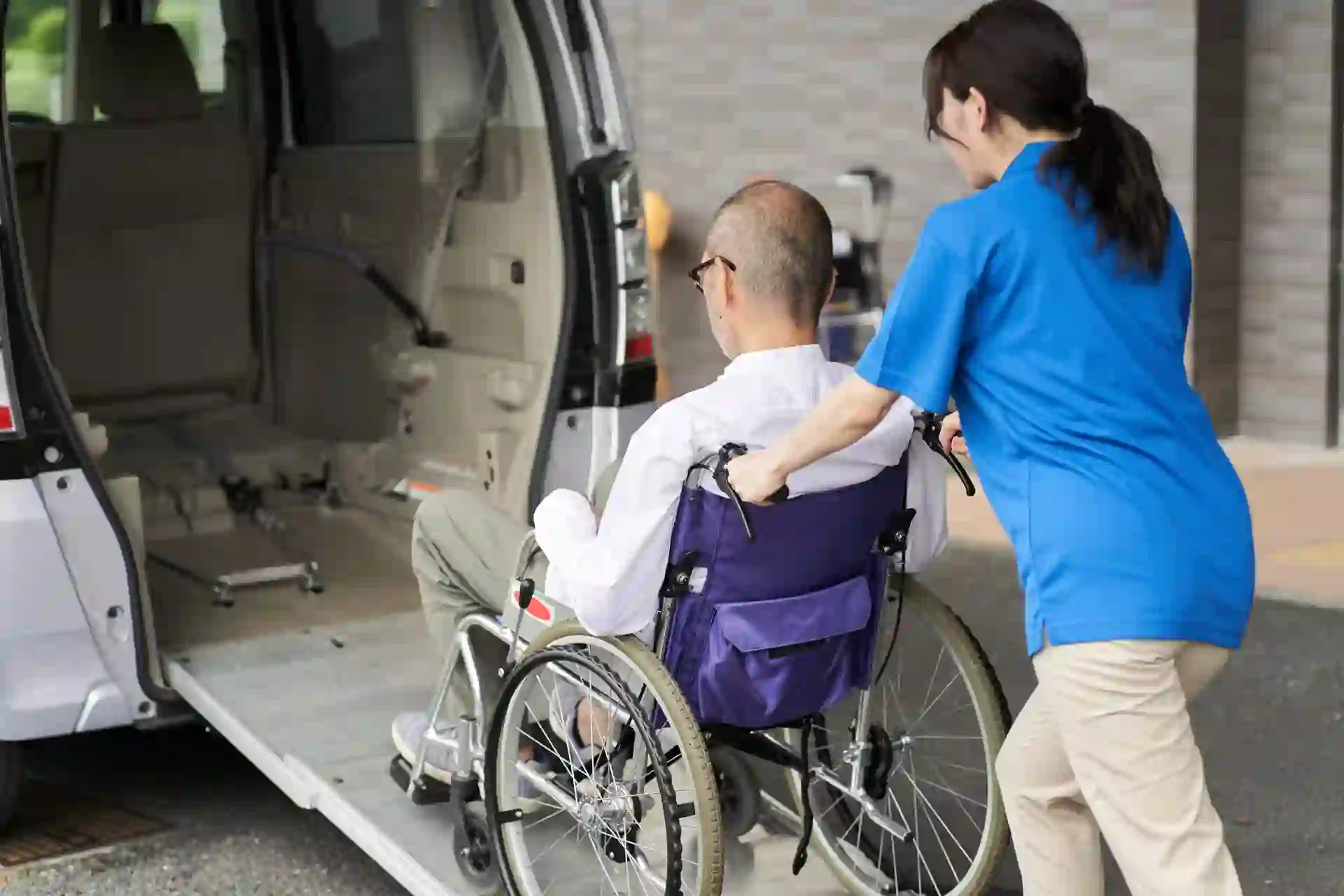
Finding reliable rides to medical appointments is often a major hurdle for older adults and individuals managing health conditions. Getting to the doctor on time should not depend on whether you have a working vehicle or a family member available to drive.
If you or a family member rely on Medicaid and do not have a reliable way to reach doctor visits, government programs exist to cover those rides at no out-of-pocket cost. The Medical Assistance Transportation Program provides free, non-emergency travel arrangements so you never miss essential care, routine checkups, or life-saving therapy sessions.
What Is the Medical Assistance Transportation Program?
The Medical Assistance Transportation Program (MATP) is a Medicaid benefit that pays for rides to and from non-emergency medical appointments for people who don’t have another way to get there. It covers visits to doctors, therapists, dialysis centers, and pharmacies. States run their own versions of it under different names.
You might see it called MATP, NEMT (non-emergency medical transportation), or the medical transportation assistance program, depending on your state’s paperwork. Pennsylvania uses the term MATP directly. Colorado calls its version Non-Emergent Medical Transportation, delivered through Health First Colorado, the state’s Medicaid program. The names change, but the purpose stays the same: nobody should miss a doctor’s visit because they can’t get a ride.
Medicaid Transportation Coverage: The Federal Backbone
State Medicaid programs are required by federal law to provide non-emergency medical transportation (NEMT) services to all qualified users. Code of Federal Regulations chapter 42, section 431.53 requires states to provide travel help for people who are unable to otherwise reach covered services.
This federal backbone means access to minimum transit safeguards, no matter where you live. States may choose to offer services through regional brokers, managed care companies, or direct county offices, but the basic norm is the same across the country.
| Feature | Federal Standard | State-Level Execution |
| Legal Mandate | Required under 42 CFR 431.53 | Administered by state agencies or contracted brokers |
| Minimum Coverage | All medically necessary services | Local rules decide trip scheduling windows |
| Transit Options | Must provide least-costly appropriate transit | Options range from bus passes to wheelchair vans |
| Financing | Joint federal and state funding | Specific reimbursement rates vary by county |
Who Is Eligible for MATP?
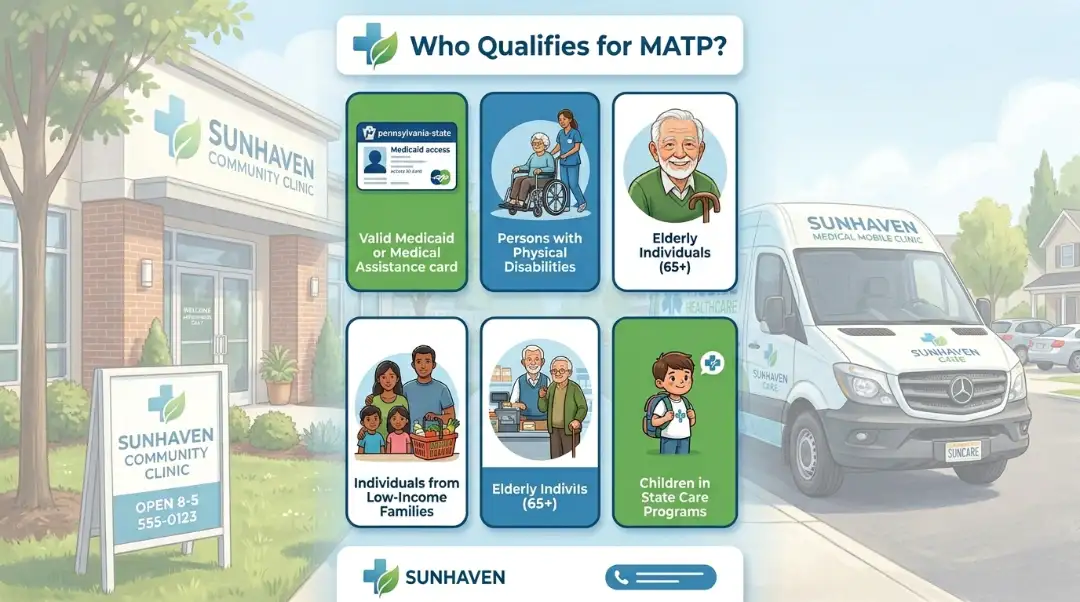
To be eligible for MATP, you must hold an active Medicaid or Children’s Health Insurance Program plan and lack access to alternative transportation. You qualify if you do not own a working vehicle, cannot drive safely, or have no public transit nearby.
Understanding who is eligible for the Medical Assistance Transportation Program comes down to meeting two specific conditions at the same time:
-
Active Health Enrollment: You or your family member must have current, active Medicaid coverage on the day of the ride.
-
Demonstrated Need: You must show that you do not have another usable, free way to reach your medical care provider.
| Eligibility Criteria | What Qualifies | What Does Not Qualify |
| Medicaid Status | Active state Medicaid or CHIP coverage | Medicare-only coverage without Medicaid |
| Vehicle Access | No working car in the household | Household car available and operational |
| Physical Capability | Unable to drive due to age, disability, or medical status | Fully able to drive with access to a working vehicle |
| Alternative Options | Friends or relatives are unable to assist | Free, reliable community rides are readily available |
If you own a working car or live near a direct bus line that you can physically use, program coordinators may ask you to use those options first. However, if your medical condition prevents you from walking to a bus stop, or if your household vehicle is broken, you meet the requirements for assistance.
What Types of Transportation Are Covered?
MATP covers public transit tokens, mileage reimbursement for private vehicles, sedan services, wheelchair vans, and stretcher transport based on medical necessity. The program assigns the least costly mode of transit that safely matches your physical mobility level.
Program coordinators evaluate your mobility needs during the initial phone intake. They select an appropriate option based on your physical capabilities:
-
Public Transit Vouchers: Passes for local buses, trains, or subways if you can walk safely to stops.
-
Gas Mileage Reimbursement: Cash payments per mile if a friend, relative, or caregiver uses their personal car to drive you.
-
Standard Sedan Rides: Direct taxi, rideshare, or vehicle pick-up if public transit is unavailable or unsafe for your condition.
-
Wheelchair Van Service: Hydraulic lift or ramp vehicles for individuals who use power chairs or manual wheelchairs and cannot transfer to a car seat.
-
Stretcher Vans: Non-emergency transport for individuals who must remain lying down during travel.
By covering these varied ride styles, the program makes sure physical disabilities or rural locations do not stop you from seeing a doctor.
What Medical Appointments Does MATP Cover?
The program covers travel to all medically necessary services paid for by Medicaid, including doctor checkups, specialist visits, physical therapy, dental appointments, and mental health treatments.
Understanding covered services prevents unexpected ride cancellations:
Covered MATP Services
-
Primary and Specialist Care: Routine checkups, cardiology visits, and oncology appointments.
-
Dialysis and Therapy: Frequent trips for kidney care, physical therapy, or occupational rehabilitation.
-
Behavioral Health: Appointments for counseling, psychiatric rehab, and substance use treatment.
-
Pharmacy Pick-Ups: Rides to collect vital prescriptions, usually limited to the two closest participating pharmacies.
-
Medical Equipment Vendors: Travel to fit or collect wheelchairs, oxygen supplies, or orthotics.
Non-Covered Trips
-
Emergency Care: MATP does not cover urgent 911 calls or ambulance transport.
-
Personal Errands: Grocery shopping, social gatherings, and bank visits are excluded.
-
Non-Medicaid Providers: Rides to doctors who do not accept Medicaid are not eligible.
How Is Transportation Paid For?
MATP pays the full cost of the trip when it’s arranged through the program, with no copay for the enrollee in most states. Funding comes from a mix of federal Medicaid dollars and state matching funds, administered through counties, brokers, or managed care plans.
You typically won’t see a bill. The transportation provider bills Medicaid directly, similar to how your doctor’s office bills for a checkup. If you’re using your own vehicle and getting mileage reimbursement, you’ll usually submit a simple form after the trip rather than paying anything upfront.
How to Apply for MATP Step-by-Step
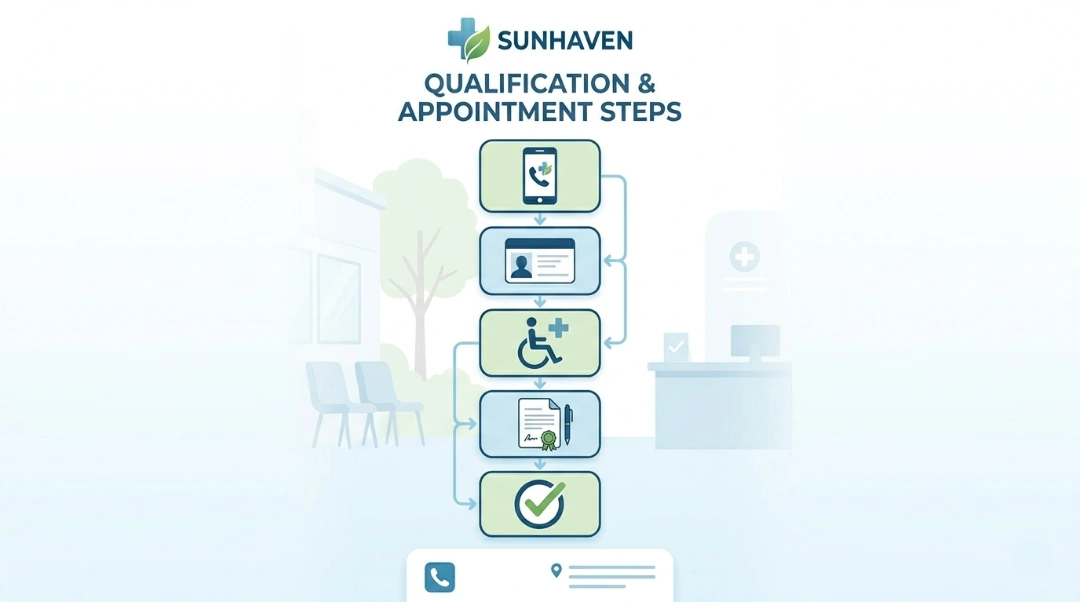
Locate your state Medicaid identification card, full home address, physician’s address, and exact appointment time.
Dial your regional transportation provider or local county human services office to request ride coordination.
Explain your physical capabilities, state whether you use a wheelchair or walker, and confirm that you lack other transportation options.
Provide your appointment details at least 48 to 72 hours before your scheduled visit to lock in your transport.
Can Someone Come With Me?
Yes. Most MATP programs allow an escort a family member, caregiver, or friend to ride with you to your appointment. This is especially common for children, seniors, or individuals who need support during their visit.
You must request this when scheduling your ride. Don’t assume the escort is automatically included. Some counties limit escort rides based on vehicle availability.
What If Your MATP Application Is Denied?
If your MATP application is denied, you have the right to appeal the decision through your state’s Medicaid fair hearing process. You must typically request a hearing within a specific time window often 30 to 90 days from the denial notice so act quickly.
Here’s what to do:
- Read the denial letter carefully it must state the reason
- Gather supporting documents (medical records, doctor notes, proof of Medicaid enrollment)
- Request a fair hearing through your state Medicaid office
- Consider contacting a Medicaid legal aid organization for free help
Denials often happen due to incomplete applications or missing information. In many cases, simply resubmitting with the right documents resolves the issue without a formal hearing.
Accessing Senior Transportation in Denver
If you’re searching for Senior Transportation in Denver or support for an aging loved one beyond just rides, Castle Pines Home Care offers trusted home care services in Denver that complement medical transportation benefits. From companionship to help with daily activities, having in-home support alongside reliable transport means seniors never have to navigate their care alone.
Frequently Asked Questions
Does MATP provide door-to-door service?
Yes, in most cases. MATP typically picks you up from your home and drops you off at the medical facility entrance. Availability of door-to-door service depends on your county provider and the type of vehicle assigned.
Most MATP offices require at least 2 to 3 business days’ notice. For specialist appointments or long-distance trips, scheduling a week ahead is safer.
What if I miss my scheduled ride?
Contact your MATP provider immediately. Frequent no-shows can affect your eligibility. Always cancel rides you no longer need as early as possible.
Does MATP cover rides to mental health appointments?
Yes. Transportation to a psychologist, psychiatrist, or substance abuse treatment provider is fully covered under MATP as long as those services are Medicaid-covered.
Is MATP available in every state?
Every state must provide some form of Medicaid transportation under federal law. The name and structure of the program may differ, but the core benefit free rides to Medicaid-covered appointments exists nationwide.