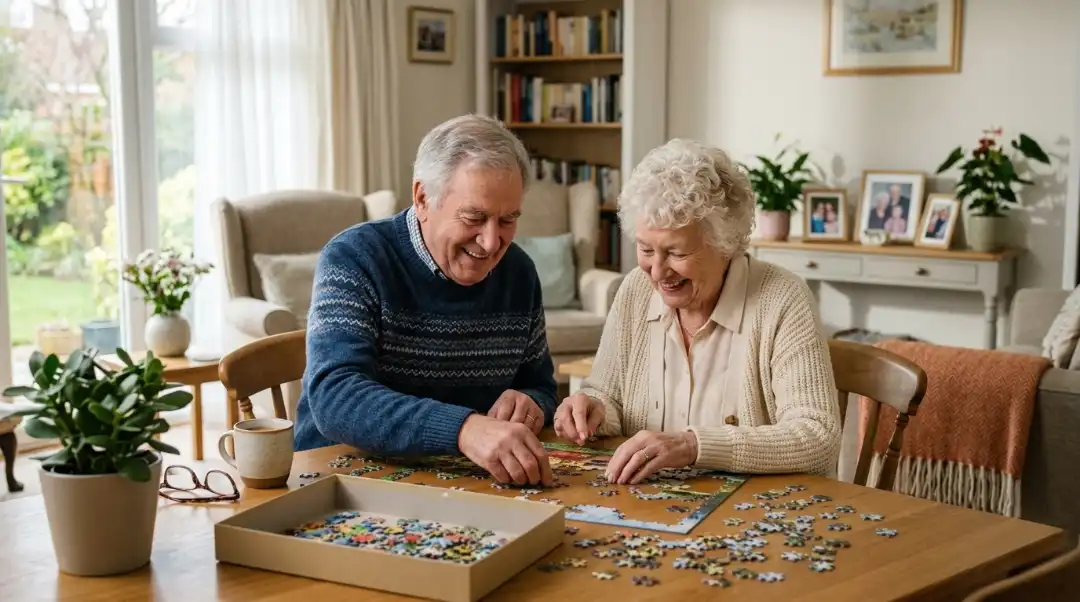
Keeping a senior active at home is not always easy. You worry about boredom, loneliness, and health slipping away and that worry is valid. Studies show that physical inactivity and social isolation in older adults significantly raise the risk of cognitive decline, depression, and chronic illness. You are not alone in searching for better ways to help.
Here is the good news: indoor activities for seniors do not have to be dull or complicated. In this guide, you will find 12 practical, low-cost activity ideas that support physical health, mental stimulation, and emotional well-being whether you are a caregiver, an adult child, or a senior looking for something meaningful to do today.
Key Takeaways
-
Holistic Health Support: Engaging indoor activities directly support cognitive function, preserve hand dexterity, and boost emotional well-being.
-
Simple Adaptations Matter: Modifying activities for seated positions or limited hand strength ensures everyone can participate safely without frustration.
-
Routine Prevents Isolation: Setting up a predictable daily schedule filled with varied interests helps combat loneliness and gives older adults something to look forward to.
-
Shared Experiences Build Connection: Family members and caregivers can easily join in, turning simple pastimes into opportunities for multi-generational bonding.
Benefits of Indoor Activities for Seniors

Indoor activities provide far more than a way to pass time. They protect the brain, strengthen the body, and lift the spirit all from the comfort of home.
Here is what the research shows:
- Reduced risk of cognitive decline. Activities that involve problem-solving skills like puzzles, board games, or learning a language help keep the brain sharp. According to the National Institute on Aging, staying mentally active may delay the onset of dementia.
- Lower stress levels. Creative activities like arts and crafts, coloring, and indoor gardening have been shown to reduce cortisol, the body’s stress hormone.
- Better cardiovascular health. Light physical activity, including chair exercises and gentle stretching, improves circulation and supports heart health even in older adults with limited mobility.
- Stronger social connection. Loneliness is a serious health risk for seniors. Group activities, even virtual ones, reduce feelings of isolation and improve emotional well-being.
- Improved fine motor skills. Crafting, knitting, and writing help maintain hand coordination and dexterity, which are often affected by arthritis and aging.
- Sense of accomplishment. Completing a puzzle, finishing a recipe, or learning a new skill gives seniors a real boost in confidence and mood.
Safety First: The Home Care Advantage
Safety matters more indoors than most people expect, since throw rugs, slick bathroom floors, and cluttered walkways cause more falls at home than most outdoor settings do. A senior living alone might not notice a frayed rug edge until it’s too late.
This is where a second pair of eyes helps. A caregiver or family member can walk through the house once and spot the small things: a lamp cord across a hallway, a step stool left out, poor lighting near the stairs. None of that takes long to fix, but it takes someone paying attention.
12 Indoor Activities for Elderly People at Home

1. Create a Family Memory Box
A memory box turns ordinary household items into conversation starters. Use photographs, postcards, old greeting cards, letters, ticket stubs, recipes, or other safe keepsakes that have personal meaning.
Place a few items in a box and talk about the story behind each one. A senior can write short notes, label photographs, or ask a family member to record the stories.
This activity can become a gentle form of life-story writing. It also gives family members a chance to hear stories they may not have heard before.
Best for: Seniors who enjoy family history, photographs, and storytelling.
2.Chair Yoga and Seated Stretching
Chair yoga keeps joints flexible without asking anyone to get down on the floor. A few gentle stretches each morning can loosen stiff shoulders and hips. Free videos online walk through routines that take fifteen minutes or less.
Best for: Seniors with limited mobility, arthritis, or balance issues.
Cost: Free (YouTube), or $10–$15 for a DVD.
3. Arts and Crafts
Creative activities like painting, drawing, or making crafts give seniors a meaningful outlet for self-expression while also sharpening fine motor skills.
You do not need expensive supplies. A basic watercolor set costs around $8. Adult coloring books, available for $6 to $12, are a low-effort way to start. Etsy sells DIY craft kits designed for seniors, typically priced between $15 and $30. Art therapy has strong evidence behind it research published in the Arts in Psychotherapy journal links creative activities to reduced anxiety and improved mood in older adults.
Best for: Seniors who enjoy making things with their hands, those managing anxiety.
Cost: $6 to $30 depending on supplies.
4.Indoor Gardening
Tending a few pots of herbs or a small windowsill garden gives a senior something living to care for. It’s calming, and it turns a bare kitchen counter into something worth checking on each day. Basil, mint, and succulents are forgiving choices for beginners.
Best for: Seniors who enjoyed outdoor gardening and are now homebound.
Cost: $10 to $25 for starter plants and pots.
5. Board Games and Card Games
Board games and card games are social activities that sharpen memory, build concentration, and give seniors something fun to look forward to especially when played with family.
Classic games like Scrabble, Rummikub, and Uno are easy to learn and inexpensive. Card games like Bridge, Go Fish, and Gin Rummy need only a standard deck, which costs around $5. For seniors who want to play virtually with family members in other cities, Tabletopia.com offers free online versions of popular games.
Best for: Social seniors, family caregiving settings, group home environments.
Cost: $5 to $30.
6. Learn Something New Online
Learning doesn’t have to stop after retirement. Online videos and classes can introduce seniors to cooking, history, photography, languages, music, crafts, or basic technology.
Choose one small skill instead of trying to learn everything at once. A senior might learn one new recipe, a few words in another language, or how to organize photos on a phone.
The National Institute on Aging includes learning new skills and meaningful activities among areas that may support healthy aging and cognitive health.
Best for: Curious seniors who enjoy learning at their own pace.
10. Make a Family Recipe Book
Turn favorite recipes into a personal family cookbook. A senior can choose recipes, write down ingredients, share cooking stories, or dictate instructions while someone else types.
Include a short story with each recipe. For example, explain who traditionally made the dish or when the family usually ate it.
If cooking is safe and comfortable, prepare one simple recipe together. If using a stove or sharp tools isn’t appropriate, the project can focus on writing and organizing recipes instead.
Best for: Seniors who enjoy cooking, food, and family traditions.
8. Cooking and Baking New Recipes
Trying a new recipe gives seniors a creative challenge, a sense of accomplishment, and a delicious result. It also helps people become more mindful of nutrition, which is especially essential for older persons.
YouTube and the Food Network website offer thousands of simple, healthy recipes for free. If your senior enjoys baking, cookie and bread recipes are a good starting point. For those with mobility challenges, slow cooker meals require minimal standing. Cooking together as a family is also a beautiful bonding activity.
Best for: Seniors who enjoy food, family caregiving settings.
Cost: Grocery costs only; recipe resources are free.
9. Writing Memoirs, Letters, or a Journal
Writing is deeply therapeutic. It helps seniors process memories, maintain language skills, and leave something meaningful behind for their family.
A simple blank journal from a dollar store works perfectly. Seniors can write short stories, document family memories, or simply record daily thoughts. Some may want to write letters to grandchildren or old friends. This practice goes nicely with looking at old images, which can help you remember things and write stories.
Best for: Reflective seniors, those managing loneliness or grief.
Cost: $1 to $5 for a journal.
10. Virtual Tours of Museums and Places
Virtual tours let seniors explore the world without leaving home. They are mentally stimulating, visually engaging, and can spark wonderful conversations.
Google Arts and Culture (artsandculture.google.com) offers free virtual tours of the Louvre, the Smithsonian, and hundreds of other museums. NASA’s website offers virtual space tours. Many national parks have free online 360-degree tours. This is a great activity to do together with a family member over a video call.
Best for: Curious seniors, those with physical limitations who love travel.
Cost: Free.
11. Knitting, Crocheting, or Sewing
Knitting and crocheting are calming activities that improve fine motor skills, reduce stress, and give seniors a tangible product: a scarf, a blanket, or a small gift for a grandchild.
Beginner knitting kits are available on Amazon for $12 to $20 and include needles, yarn, and simple pattern instructions. YouTube tutorials from channels like “Very Pink Knits” walk beginners through every stitch. Local knitting clubs and community center classes are also great options for social connection.
Best for: Seniors with arthritis (light knitting can help), those managing stress or anxiety.
Cost: $12 to $20 for a starter kit.
12. Video Calls and Online Social Activities
Staying connected to family and friends is one of the most important things a senior can do for emotional well-being. Regular social contact reduces loneliness and supports mental health.
Zoom and FaceTime are free and easy to use. Set up a weekly virtual family dinner, movie night, or even a virtual book club. For seniors in home care settings, scheduled video calls with family members can significantly improve mood and motivation. Helping your seniors feel connected, not just occupied, is the real goal.
Best for: All seniors, especially those living alone or in home care.
Cost: Free.
Activities for Seniors with Limited Mobility or Cognitive Challenges

Most of the activities above can be adapted. Here is a quick guide:
For seniors with limited mobility: Focus on chair exercises, crafts done at a table, audio content, video calls, and indoor gardening with low containers.
For seniors with dementia or memory loss: Simple puzzles (under 100 pieces), music from their youth, coloring books, gentle hand crafts, and looking through family photos are the most effective. Keep instructions short and repeat them calmly.
For seniors with arthritis: Large-grip knitting needles, thicker paintbrushes, and audiobooks are easier on the hands. Avoid activities that require tight gripping or precise finger movements.
How Caregivers Can Join In
Caregivers play a vital role in transforming solo hobbies into rewarding social experiences. Joining in with genuine enthusiasm encourages participation without making the senior feel supervised.
-
Focus on Connection over Perfection: Emphasize the enjoyment of the process rather than insisting on flawless finished results.
-
Break Tasks into Manageable Steps: Present one step at a time to prevent feelings of overwhelm during complex projects.
-
Encourage Choice: Offer clear options between two activities so your loved one retains full autonomy over their time.
-
Participate Directly: Sit down and complete a puzzle section or color a page alongside them to create a shared experience.
Senior Living With Castle Pines Home Care Agency
At Castle Pines Home Care, we believe that staying active, engaged, and connected is just as important as medical care. Our home care services are built around the whole person, not just their health conditions.
Our caregivers are trained to encourage daily activities that support mental stimulation, physical activity, and social connection. Whether your loved one needs help with light exercises, companionship during a movie night, or support getting supplies for arts and crafts, we are here to help.
We also offer guidance on building a weekly activity routine that works for your senior’s specific abilities and interests including seniors with dementia, limited mobility, or chronic health conditions.
If you are exploring home care options for yourself or a loved one, we invite you to learn more about our home care services, our approach to senior wellness, and how we support aging in place with dignity.
Contact Castle Pines Home Care today to schedule a free consultation.
Final Thoughts
Staying active at home does not require expensive equipment or a lot of energy. Even simple activities such as a 20-minute puzzle, a phone call with a grandchild, or tending to a small herb garden can make a real difference in a senior’s daily mood and long-term health.
The best activity is the one your senior will actually do. Start small. Stay consistent. And remember that your presence and encouragement matter just as much as the activity itself.
FAQs About Activities for Seniors at Home
What are the best indoor activities for seniors with limited mobility?
Chair exercises, arts and crafts, puzzles, audiobooks, and indoor gardening are all excellent options. They require minimal movement but provide strong mental and physical benefits.
How do indoor activities help seniors with cognitive decline?
Activities that involve problem-solving, creativity, and learning like puzzles, language apps, and writing stimulate the brain and may slow the progression of cognitive decline, according to research from the National Institute on Aging.
What indoor activities are good for seniors with dementia?
Simple puzzles, music from their youth, coloring, gentle crafts, and looking through family photos are most effective. Keep tasks short, familiar, and low-pressure.
How much do senior indoor activities cost?
Many of the best activities are free virtual tours, YouTube exercise videos, audiobooks via library apps. Others cost between $5 and $30 for supplies. You do not need to spend much to keep a senior engaged.
How often should seniors do indoor activities?
Aim for at least one mentally stimulating and one light physical activity each day. Even 20 to 30 minutes of purposeful activity can improve mood, sleep, and cognitive health.
Can caregivers participate in activities with seniors?
Yes and they should. Shared activities build social connection, reduce loneliness, and create meaningful moments between caregivers and the seniors they support.