
Managing care for a loved one at home often feels overwhelming, especially when you are balancing safety, daily schedules, and medical needs with limited professional experience. You want simple, practical adjustments that immediately make daily life safer and more manageable without causing unnecessary financial stress.
This guide provides seven direct ways to upgrade home care routines, along with a detailed comparison of personal care options. You will get clear steps to improve home safety, coordinate daily caregiving tasks, and manage long-term support effectively.
What Does “Improving Home Care” Actually Mean?
Improving home care is about making tiny, practical improvements to a person’s daily living environment, routine and support system so they may remain safer, healthier and more independent in their home. It’s not about adding more equipment, or adding more people. It’s about making what exists better for the individual who lives in that space.
Think about it like car tuning. You don’t need a new motor. You need the oil changed, the tires examined and the brakes adjusted so the whole thing runs smooth. The same is true of home care. Most families already have the building blocks, they just need to be fine-tuned a little.
According to the Administration for Community Living, every year more than 53 million Americans offer unpaid care to a family member or acquaintance. That’s a mind-boggling amount, and it tells you something important: You’re part of a vast, usually unseen workforce.
TIP #1: Conduct a Comprehensive Needs Assessment
A needs assessment is a simple review of what someone can and can’t do on their own, covering physical, emotional, and cognitive areas. Skipping this step is the number one reason home care plans fail within the first few months.
Start with the basics. Can your loved one shower, dress, and prepare meals without help? Write it down. Don’t guess; observe them doing it, or ask them directly how it feels.
Physical Mobility and Daily Living
Watch how they move around the house for a day. Do they hesitate on stairs? Hold onto furniture for balance? These small clues tell you where extra support matters most.
Emotional and Social Needs
Loneliness is a real health risk, not just a sad feeling. A 2023 study published by the National Institute on Aging linked social isolation in older adults to higher risks of heart disease and depression. (Data suggestion: cite this study directly with a link, since isolation statistics carry real weight with readers who feel guilty about not visiting enough.)
Cognitive and Memory Considerations
If memory lapses are becoming common, simple tools help. Labeled drawers, a big wall calendar, and consistent daily cues can reduce confusion without making anyone feel babied.
When to Bring in a Professional
If you’re noticing multiple medications, recent falls, or signs of confusion that weren’t there before, it’s worth talking to a doctor or geriatric care manager. They can spot patterns you might miss because you see your loved one every day and small changes sneak up on you.
TIP #2: Create a Comfortable Environment

Optimizing Mobility and Accessibility
Your home’s physical environment plays a huge role in successful home health care tips implementation. A well-designed space promotes independence, prevents accidents, and makes both the caregiver and care recipient feel more relaxed.
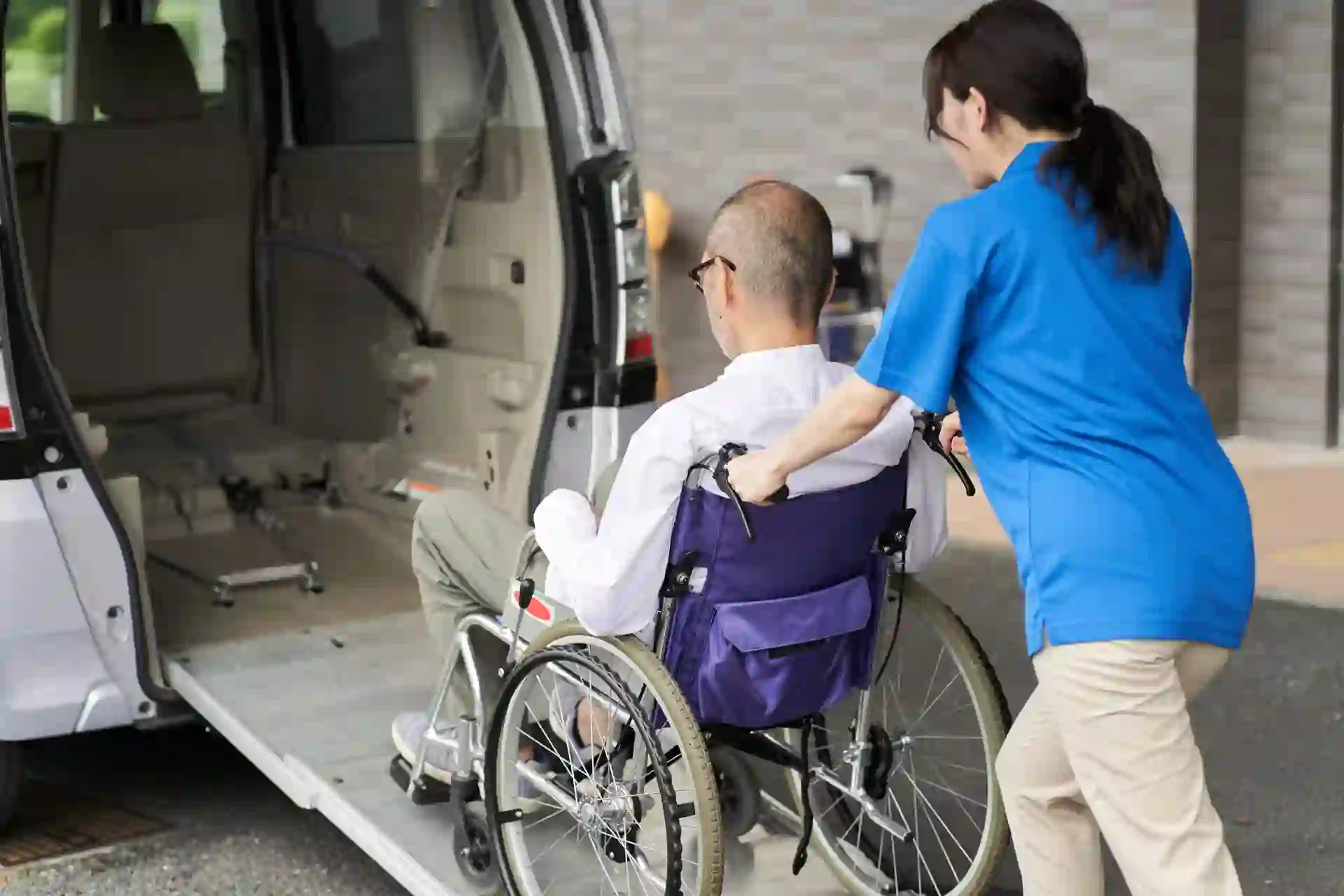
Start with mobility considerations. Remove tripping hazards like loose rugs, electrical cords, and clutter from walkways. If your loved one uses a walker or wheelchair, ensure doorways are wide enough and create clear paths through each room. Consider installing grab bars in bathrooms and handrails on both sides of staircases these simple additions can prevent serious falls.
Improving Lighting and Temperature Control
Lighting makes an enormous difference, especially for those with vision problems. Bright, even lighting throughout the house helps prevent accidents and reduces eye strain. Add nightlights in hallways, bathrooms, and bedrooms so your loved one can move safely at night. Motion-sensor lights are particularly helpful because they turn on automatically.
Temperature control is another important factor. Older adults often have difficulty regulating body temperature, so maintain a comfortable environment year-round. Keep the home between 68-74 degrees Fahrenheit, and provide blankets or fans as needed. Check on your loved one regularly during extreme weather to ensure they’re comfortable.
Organizing Spaces for Independence
Organize essential items within easy reach. Place frequently used objects at waist height to eliminate unnecessary bending or stretching. This includes dishes, clothing, medications, and personal care items. The easier it is for your loved one to access what they need, the more independence they maintain.
Create dedicated spaces for different activities. Set up a comfortable chair with good lighting for reading, a stable table for meals, and a safe area for exercises or physical therapy. When each activity has its own space, daily routines become smoother and more enjoyable.
Personal touches matter significantly in personalized home care planning. Display family photos, favorite decorations, and meaningful objects that bring comfort and joy. These familiar items help your loved one feel at home and can reduce anxiety or confusion, especially for those with memory issues.
TIP #3: Communicate Openly and Clearly with Your Loved One
Practicing Active Listening
Effective caregiver communication forms the foundation of quality home care. Without clear, respectful dialogue, even the best care plans can fail. Your loved one needs to feel heard, valued, and involved in decisions about their own care.
Practice active listening every day. When your family member speaks, give them your full attention. Put down your phone, make eye contact, and show genuine interest in what they’re saying. Sometimes they just need someone to listen without immediately jumping to solutions or advice.
Using Clear and Simple Language
Use simple, clear language when explaining care activities or health information. Avoid medical jargon that might confuse them. Instead of saying “We need to monitor your cardiovascular function,” say “We’re going to keep track of your heart health.” Clear communication prevents misunderstandings and helps your loved one feel more in control.
Involve them in decisions whenever possible. Even if they can’t make every choice independently, offering options gives them a sense of autonomy. Ask questions like “Would you prefer to bathe in the morning or evening?” or “Which of these two meals sounds better for lunch?” These small choices matter greatly to someone who may feel they’ve lost control over their life.
Addressing Challenges with Patience
Be patient with communication challenges. If your loved one has hearing difficulties, speak clearly at a moderate pace and face them directly so they can read your lips. For those with memory problems, you might need to repeat information or use visual reminders. Frustration helps no one patience creates better outcomes.
Discuss difficult topics with honesty and compassion. When changes in care needs arise, address them directly but gently. Explain why certain adjustments are necessary and how they’ll improve quality of life. Honest conversations build trust and reduce resistance to necessary changes.
Establish regular check-ins to discuss how things are going. Set aside time weekly to talk about what’s working well and what could improve. This home care advice keeps communication channels open and allows you to address small issues before they become major problems.
TIP #4: Prioritize Safety Measures to Prevent Accidents
Preventing Falls and Injuries
Safety in home care should be your top priority because accidents can have devastating consequences for vulnerable individuals. Falls, medication errors, and preventable injuries send thousands of elderly people to hospitals every year. With proper precautions, you can dramatically reduce these risks.
Fall prevention requires multiple strategies. Beyond removing tripping hazards, consider installing non-slip mats in bathrooms and other areas prone to moisture. Ensure all stairways have sturdy handrails and adequate lighting. If balance is a significant concern, consult with a physical therapist about exercises that improve strength and stability.
Ensuring Bathroom and Kitchen Safety
Bathroom safety deserves special attention since most home accidents occur there. Install grab bars near the toilet and in the shower or bathtub. A shower chair allows your loved one to bathe while seated, reducing fall risk. Set the water heater below 120 degrees Fahrenheit to prevent scalding injuries. Keep floors dry and use non-slip bath mats.
Kitchen safety prevents burns, cuts, and other injuries. If cognitive decline is present, consider disconnecting the stove or using appliances with automatic shut-off features. Keep knives and other sharp objects safely stored. Check that all electrical appliances are in good working condition without frayed cords.
Managing Medications and Fire Safety
Medication management is critical for safety. Create a system for tracking medications—pill organizers work well for daily doses. Keep an updated list of all medications, including dosages and timing. Set alarms as reminders for medication times. Never let prescriptions run out, and always check expiration dates. Store medications in a cool, dry place away from sunlight.
Fire safety requires preparation and vigilance. Install smoke detectors in every bedroom and on each floor of your home. Test them monthly and replace batteries twice yearly. Keep a fire extinguisher in the kitchen and know how to use it. Create and practice an emergency escape plan that accounts for any mobility limitations your loved one has.
Preparing for Emergencies
Emergency preparedness gives you peace of mind. Post emergency numbers where they’re easily visible, including poison control, your doctor’s office, and Castle Pines Home Care if you use professional services. Consider a medical alert system that allows your loved one to call for help with the push of a button. Keep a first aid kit fully stocked and accessible.
TIP #5: Develop a Consistent Routine for Better Well-Being
Establishing Morning and Meal Routines
Humans thrive on routine, and this becomes even more important as we age or deal with health challenges. A consistent daily schedule provides structure, reduces anxiety, and helps maintain physical and mental health. These effective home care tips about routines can transform your caregiving experience.
Morning routines set the tone for the entire day. Wake up at the same time each day and follow a predictable sequence of activities. This might include personal hygiene, breakfast, medications, and light exercise or stretching. Consistency helps your loved one know what to expect and can be especially beneficial for those with memory issues.
Meal times should remain regular. Eating at the same times daily helps regulate digestion and ensures proper nutrition. Plan balanced meals that meet dietary requirements and preferences. Involve your loved one in meal planning when possible it gives them something to look forward to and maintains their sense of choice.
Incorporating Physical and Social Activities
Build in physical activity appropriate for their ability level. This could be a short walk, gentle stretching, chair exercises, or physical therapy activities. Regular movement prevents muscle loss, improves circulation, and boosts mood. Even ten minutes of activity daily makes a difference.
Include social interaction in the routine. Schedule regular phone calls with family members, video chats with grandchildren, or visits from friends. Social connection combats loneliness and keeps the mind engaged. If mobility allows, plan outings to community centers, religious services, or other activities they enjoy.
Balancing Mental Stimulation and Rest
Cognitive stimulation should happen daily. This might include reading, puzzles, crafts, music, or watching educational programs. Activities that challenge the mind help maintain mental sharpness and provide enjoyable ways to pass time. Choose activities based on interests and current abilities.
Rest periods are equally important. Schedule quiet time for naps or relaxation, especially if fatigue is an issue. Adequate rest prevents exhaustion and helps maintain overall health. Evening routines that wind down gradually promote better sleep.
Flexibility within structure matters too. While consistency is important, allow room for spontaneity and special occasions. If your loved one feels unwell or particularly tired one day, adjust the schedule accordingly. The routine should serve your family member, not become a rigid rule that causes stress.
TIP #6: Leverage Technology for Enhanced Care
Using Apps and Alert Systems
Modern technology offers incredible tools that make home care easier, safer, and more effective. You don’t need to be a tech expert to use these innovations many are designed specifically for simplicity and ease of use.
Medication management apps send reminders when it’s time to take pills and track whether doses were taken. Some apps even allow multiple family members to monitor compliance, which is helpful when caregiving responsibilities are shared. This technology reduces medication errors and gives everyone peace of mind.
Medical alert systems provide safety for your loved one when you can’t be present. These devices, worn as pendants or wristbands, allow the user to call for help by pressing a button. Many newer models include fall detection that automatically alerts emergency services if a fall is detected. This technology enables greater independence while maintaining safety.
Connecting Through Video and Smart Devices
Video calling platforms keep families connected regardless of distance. Regular video chats with children, grandchildren, and friends combat isolation and depression. Teaching your loved one to use these platforms might take patience, but the emotional benefits are worth the effort.
Smart home devices can simplify daily tasks. Voice-activated assistants can set reminders, play music, control lights, or call family members all without pushing buttons or manipulating complex devices. Smart thermostats maintain comfortable temperatures automatically. Motion-sensor lights turn on when someone enters a room, preventing fumbling for switches in the dark.
Monitoring Health and Accessing Telehealth
Health monitoring devices track vital signs like blood pressure, heart rate, and blood sugar levels. Many of these devices sync with smartphone apps, allowing you to monitor trends and share data with healthcare providers. Early detection of concerning changes can prevent medical emergencies.
Telehealth services connect your loved one with doctors through video appointments. This reduces the stress and logistics of transportation to medical offices, especially for routine check-ups or follow-up appointments. Many insurance plans now cover telehealth visits.
GPS tracking devices provide safety for those who might wander due to dementia or confusion. These devices, worn as watches or attached to clothing, allow you to locate your loved one quickly if they leave home unexpectedly.
Don’t let technology overwhelm you. Start with one or two tools that address your biggest challenges, then gradually add more as you become comfortable. Many senior centers offer classes on using technology, or you can Contact Us at Castle Pines Home Care for guidance on implementing these tools effectively.
TIP #7: Choose Skilled and Compassionate Caregivers
Identifying Your Caregiving Needs
Sometimes family caregivers need help and that’s completely normal. Professional caregivers can provide respite, specialized skills, or full-time assistance depending on your needs. Choosing the right caregiver is one of the most important home care experience tips you’ll ever receive.
Identify exactly what type of help you need. Are you looking for someone to assist with bathing and dressing? Do you need medication management? Would companionship and light housekeeping suffice? Understanding your needs helps you find caregivers with the right qualifications.
Verifying Credentials and Compatibility
Look for proper credentials and training. Certified nursing assistants (CNAs), home health aides (HHAs), and licensed practical nurses (LPNs) have different levels of training and can perform different tasks. Verify that any professional caregiver has current certifications and has passed background checks. Don’t hesitate to ask for references.
Compassion and personality fit matter as much as skills. Your loved one will spend significant time with this person, so compatibility is crucial. During interviews, observe how the caregiver interacts with your family member. Do they show patience? Do they speak respectfully? Does your loved one seem comfortable with them?
Experience with specific conditions is valuable. If your loved one has dementia, Parkinson’s disease, or another specific condition, seek caregivers who have experience with those challenges. They’ll better understand the unique needs and behaviors associated with the condition.
Establishing Clear Communication and Expectations
Clear communication is essential. Your caregiver should provide regular updates about your loved one’s condition, activities, and any concerns. Establish preferred communication methods whether text, phone calls, or a written log and stick to them.
Establish clear expectations from the beginning. Provide detailed written instructions about care routines, medications, dietary preferences, and emergency procedures. The more information you provide, the better care your loved one receives.
Professional home care agencies thoroughly vet their employees, provide ongoing training, and offer backup caregivers when someone is sick or on vacation. While hiring independently might seem less expensive, agencies provide reliability and accountability that’s hard to match. Services like those offered by Castle Pines Home Care ensure consistent, professional support.
Trust your instincts. If something doesn’t feel right about a caregiver, address it immediately. Your loved one’s safety and comfort are too important to ignore concerns.
Signs It Might Be Time for Additional Support
Not every family needs outside help right away, and some situations improve with just a few of the changes above. But a few patterns are worth paying attention to.
Watch for repeated missed medications, unexplained bruises or falls, weight loss, a messier home than usual, or a caregiver who seems constantly exhausted or short-tempered. None of these on their own means it’s time to call an agency. Together, or getting worse over a few weeks, they usually mean it’s time to bring someone else in.
Final Thoughts
Homecare tips are more than simple tasks. They are a way to create safety, comfort, and dignity for someone you love. By conducting a needs assessment, improving the home environment, communicating clearly, prioritizing safety, creating routines, using technology wisely, and choosing compassionate caregivers, you can build a strong care plan that works.
These steps also help improve the home care experience and reduce stress for both the caregiver and the loved one. If you want to learn more about how to support your loved one at home, visit our site to explore our services and resources.
If you need professional support or want to explore home care options, Castle Pines Home Care can help you find the right care solution for your family. Please Contact Us to speak with a home care specialist and get personalized guidance.
FAQs
What are the most important homecare tips for seniors?
The most important homecare tips include creating a safe living space, maintaining a daily routine, ensuring medication safety, and building clear communication. A comfortable and secure environment helps seniors feel confident and reduces the risk of falls.
How do I choose the right caregiver for my loved one?
Look for a caregiver who has experience, patience, and strong communication skills. Ask for references, check their background, and confirm they understand your loved one’s needs. A good caregiver should be kind, reliable, and skilled in home health care.
What should I include in a homecare safety plan?
A homecare safety plan should include fall prevention measures (grab bars, non-slip mats), medication management, emergency contacts, and a simple routine for daily activities. It should also include steps for responding to emergencies and keeping the home clutter-free.
How can I improve communication with my loved one?
Use clear and simple language, speak slowly, and give them time to respond. Ask one question at a time and listen carefully. Showing patience and respect builds trust and makes caregiving easier.
How do I build a routine for home care?
Start with basic daily needs like meals, medication, hygiene, and rest. Add gentle movement or short walks, and include enjoyable activities like reading or listening to music. A consistent routine helps reduce stress and improves well-being.
When should I consider professional home care services?
Consider professional home care when your loved one needs help with daily tasks, medication management, mobility support, or when you feel overwhelmed. Professional caregivers can provide skilled support and improve the overall home care experience.
How can I prevent caregiver burnout?
Caregiver burnout can be prevented by taking breaks, asking for help, staying connected with friends, and keeping a healthy routine. It’s important to prioritize your own well-being so you can provide better care.