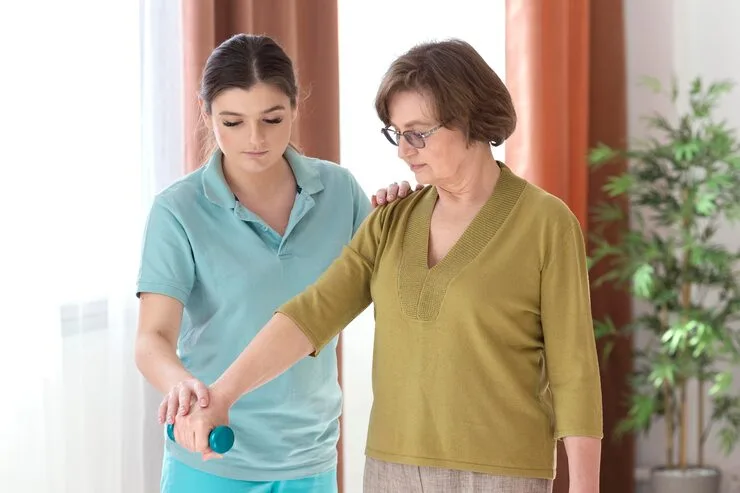
Because finding someone who will truly be kind to your aging parent or partner is not only a goal, it’s a peace of mind. It can be scary when you don’t know which attributes really matter to try to navigate home care. Knowing the 10 key attributes of a good caregiver can help you find a companion to keep your loved one secure, respected and happy at home.AARP’s latest numbers show that more than 63 million Americans provide unpaid help to persons with health issues or disabilities. When you need a little more help, the proper professional can make all the difference. The good partner is one who has technical proficiency and profound insight into the emotional life.
Key Takeaways:
-
Core Traits: Exceptional support combines emotional warmth like empathy with practical habits like punctuality.
-
Red Flags: Watch out for chronic lateness, poor communication, lack of active listening, or sudden behavioral changes.
-
Hiring Tips: Ask scenario-based interview questions to test problem-solving before hiring any home health aide.
-
Quality of Life: The right care partner reduces social isolation, prevents accidental falls, and lightens family stress.
What Is a Caregiver?
A caregiver is a person who assists another person with everyday activities that they can no longer safely perform on their own. These activities may include showering, preparing meals, reminding them to take medications, assisting them with movement, and offering company. This might be a paid professional, home care aide or an unpaid family member. The position involves physical support and emotional presence.
“Caregiver” is a broad term, so it’s helpful to distinguish between the two primary sorts. The typical family caregiver is a spouse, adult child or close member who assumes this position unexpectedly, frequently overnight after a diagnosis or a fall. A professional caregiver, often called a home health aide or personal care assistant, is trained and generally works for an agency.
Both categories require the same basic traits. The distinction is that a professional caregiver’s obligations are normally stated out in a care plan, while a family caregiver learns on the job. That’s why this list is so important to both factions.
There’s also an emotional aspect to the job that employment descriptions rarely portray. For a caregiver there is more to it than simply following a schedule. They are the first to see a terrible day coming before anyone else. They are the ones who sit thru an unpleasant chat regarding a diagnosis. They may be the only constant in someone’s week. That’s why character attributes are as important as skill in this area of business.
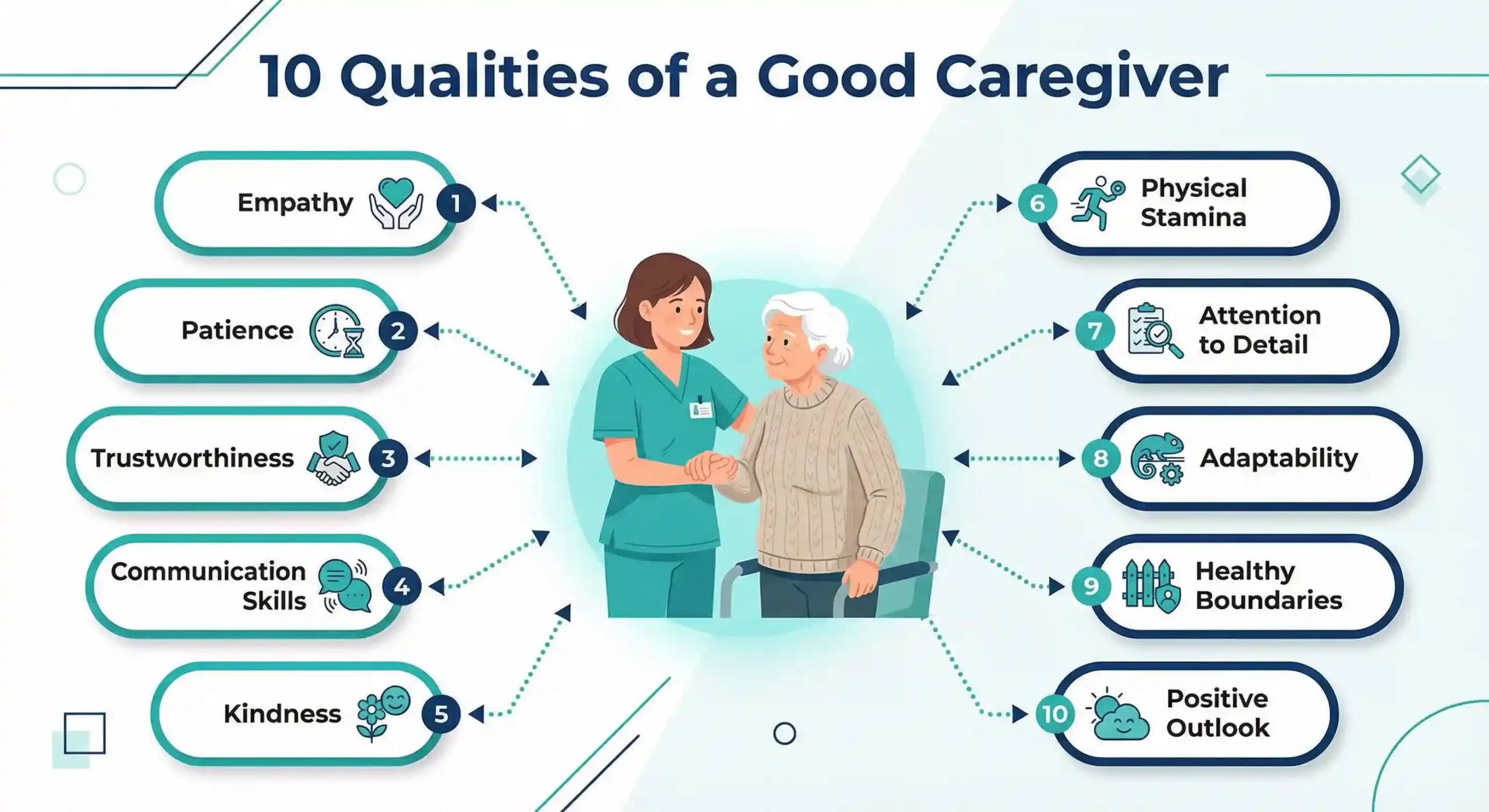
Top Caregiver Skills: 10 Qualities of a Good Caregiver
T
Choosing a professional helper requires looking beyond a resume. The most effective aides blend human warmth with practical work habits. Here are the top traits that define exceptional care.
1. Compassion & Deep Empathy
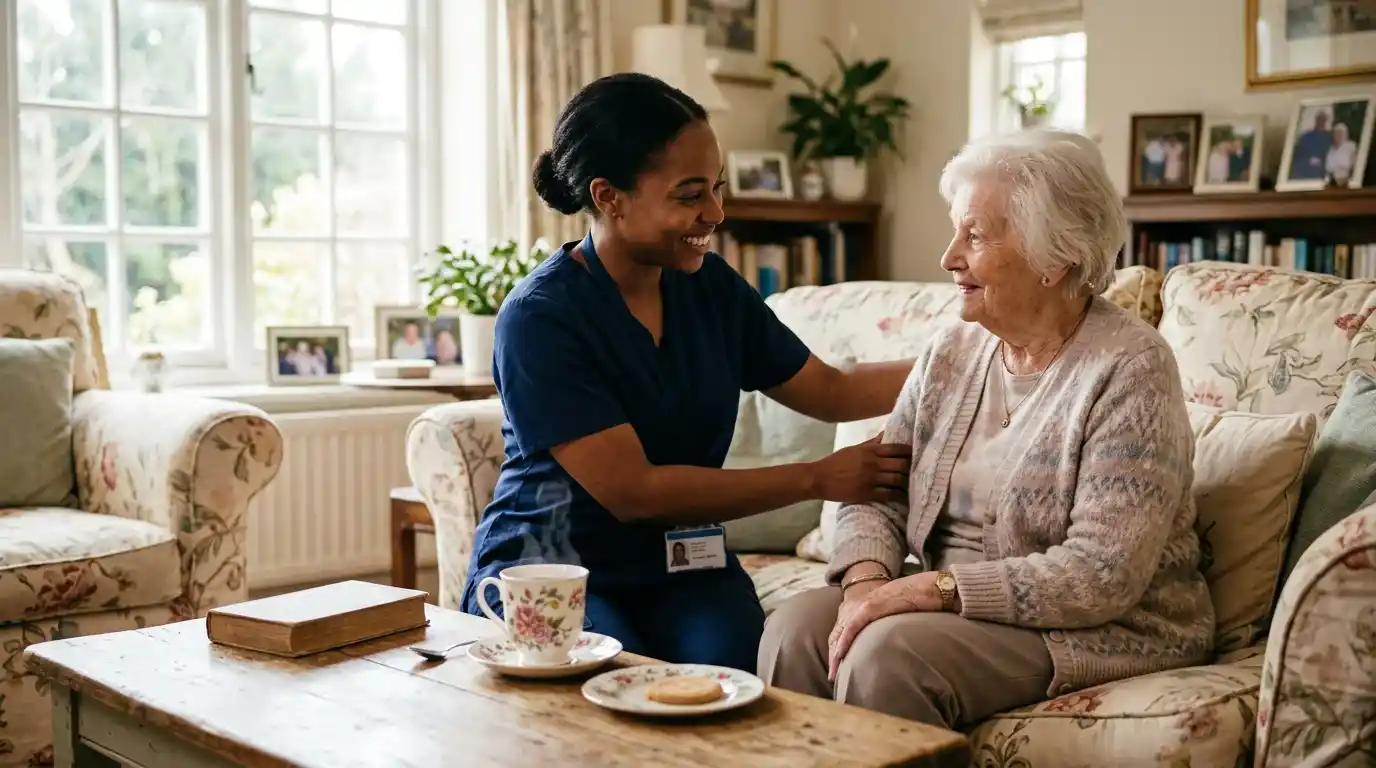
Empathy lets a companion see the world through their client’s eyes. Aging or dealing with chronic conditions often brings frustration over lost independence. A compassionate helper validates those feelings rather than brushing them off. They handle personal care with gentleness, ensuring your relative feels respected during vulnerable moments like bathing or dressing.
2. Active Communication Skills
Clear communication builds trust across the entire care network. A skilled helper listens carefully to your loved one’s preferences and speaks with warmth. They also keep family members informed about daily routines, meal intake, or minor mood changes. When speaking with doctors or home care agencies, they clearly explain what they observe without missing details.
3. Patience Under Pressure
Patience keeps a home environment calm, especially during unexpected challenges. Tasks like walking to the dinner table or buttoning a shirt can take three times longer for someone with limited mobility or arthritis. In memory care situations involving dementia or Alzheimer’s, confusion can lead to repetitive questions. An patient helper never rushes or raises their voice, keeping the household peaceful.
4. Reliability & Punctuality
Dependability is non-negotiable when someone relies on daily support. Families depend on aides to arrive on time for morning routines, medication reminders, and scheduled doctor visits. A dependable companion respects your family’s schedule and follows agreed-upon care plans consistently.
5. Trustworthiness & Personal Integrity
Inviting someone into your private residence, is a matter of absolute trust. Trusted aides respect personal property, sensitive documents and financial information. They are quite open about the happenings of the day and they keep the home life private.
6. Physical Stamina & Safety Awareness
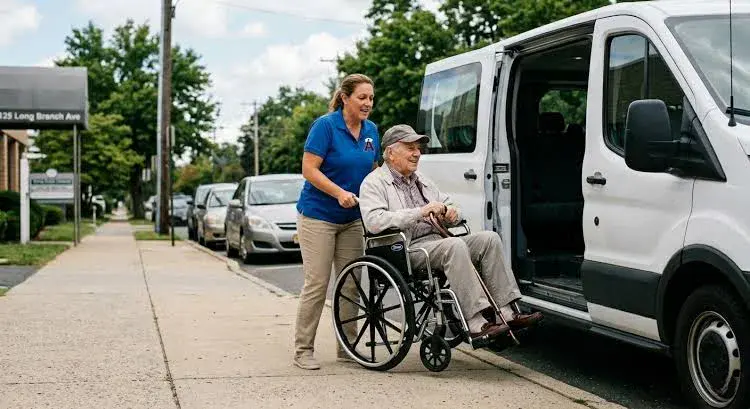
Caregiving involves continuous physical effort throughout the day. Companions spend hours on their feet, bending, lifting, and assisting with transfers from chairs to wheelchairs. They must possess the physical strength to support client movements safely, alongside strong safety awareness to prevent falls and household accidents.
7. Adaptability & Quick Problem-Solving
Daily needs change without warning. A care recipient might wake up with lower energy, a sudden shift in appetite, or a minor mobility setback. Adaptable helpers adjust daily schedules smoothly. They stay calm during minor emergencies, like power outages or sudden slips, knowing exactly when to call family or emergency services.
8. Emotional Resilience & Healthy Boundaries
It can be emotionally draining to help someone with health issues. Good mates have close ties and good boundaries. That balance helps stave off caregiver fatigue and enables them to be an encouraging, steady presence. Knowing their professional boundaries will in the end safeguard both the assistant and the client.
9. Sharp Observation & Attention to Detail
Subtle physical or behavioral shifts often point to underlying health issues. An observant helper notices small changes early—such as reduced fluid intake, new skin redness, minor memory slips, or unsteady steps. Spotting these signs early lets families address potential concerns before they become medical emergencies.
10. A Positive Outlook & Constructive Humor
A warm smile and a lighthearted spirit lift the mood of any home. Dealing with illness or aging can feel heavy, but a helper who brings gentle humor brightens the day. Sharing a laugh over a funny story or enjoying a sunny afternoon together turns routine care into meaningful companionship.
Red Flags: What Makes a Bad Caregiver
Knowing the qualities of a good caregiver also means knowing what to avoid. Watch for these warning signs:
- Frequent lateness or unexplained absences.
- Poor communication with family members or the care team.
- Dismissing the care recipient’s feelings or preferences.
- Ignoring care plans or skipping medication reminders.
- Showing frustration, impatience, or irritability with the care recipient.
- Refusing to update family on changes in condition.
- Crossing personal boundaries or making the care recipient uncomfortable.
If you notice any of these signs, address them quickly. Your loved one’s safety and comfort come first.
Soft Skills vs. Technical Skills in Home Support
Finding the right support means striking a balance between emotional warmth and hands-on capability. Both skill sets are necessary for safe, high-quality care at home.
| Skill Type | Key Traits & Focus | Daily Care Application |
| Soft Skills (Personality & Instincts) | Empathy, patience, humor, emotional resilience, active listening. | De-escalating anxiety during memory loss episodes, offering comfort, building trust. |
| Technical Skills (Practical Execution) | Safe mobility transfers, fall prevention, ADL assistance, hygiene protocols. | Assisting with walker usage, tracking daily fluid intake, managing meal preparation safety. |
How to Check for These Qualities When Hiring
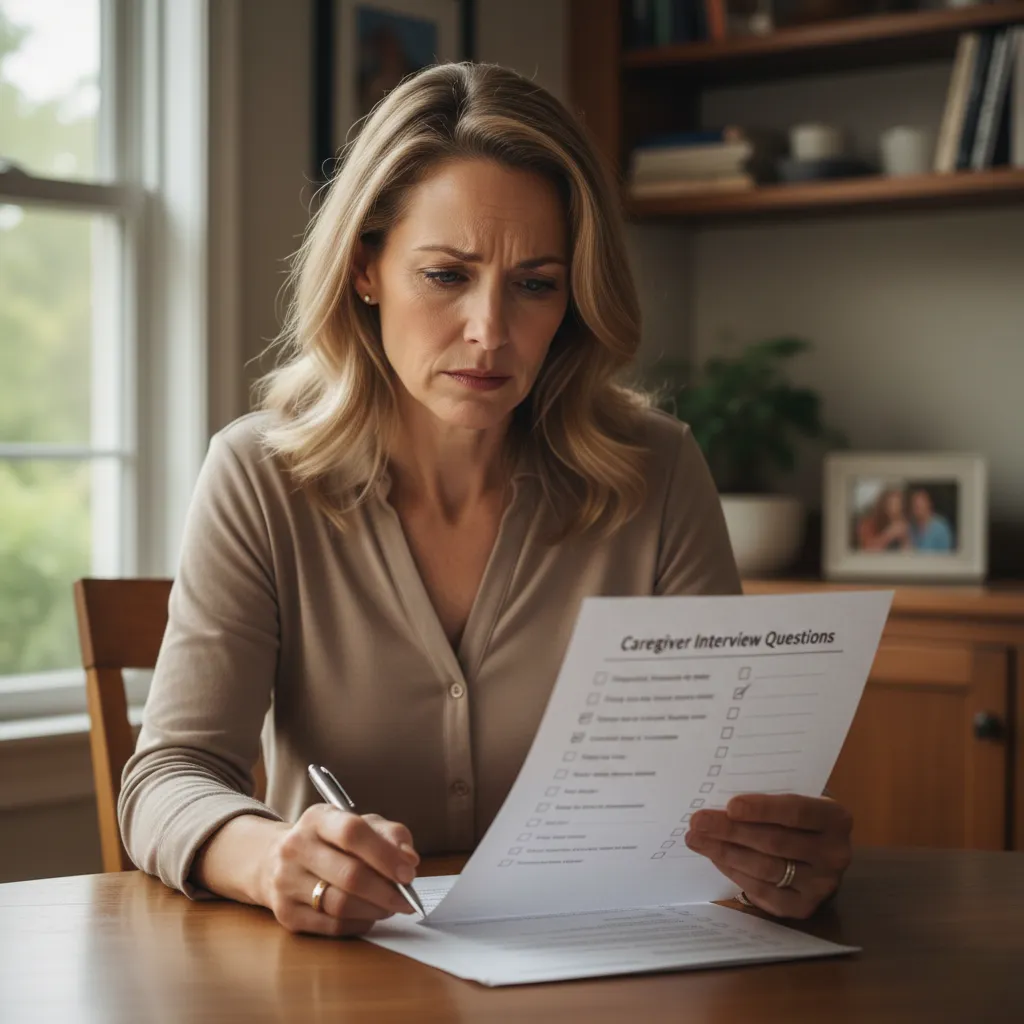
You can’t fully judge character from a resume, but a short interview and a few pointed questions get you most of the way there. Ask for two specific examples: a time they handled a difficult moment with a client, and a time they made a mistake. How they answer the second question tells you more than the first.
Call references and ask direct questions instead of general ones. Instead of “Were they good?” try “Did they ever cancel last minute?” or “How did they handle a bad day with your parent?” Specific questions get specific, honest answers.
If you’re working through an agency rather than hiring independently, ask how caregivers are screened, trained, and matched to clients. A reputable agency will have a clear answer about background checks, ongoing supervision, and what happens if a match isn’t working out.
It also helps to treat the first few weeks as a trial period, even if everything looks good on paper. Ask family members to check in occasionally during that stretch and pay attention to how the care recipient reacts, not just what the caregiver reports. A good match usually feels obvious within the first month, and so does a poor one.
The Impact of a Good Caregiver on Quality of Life
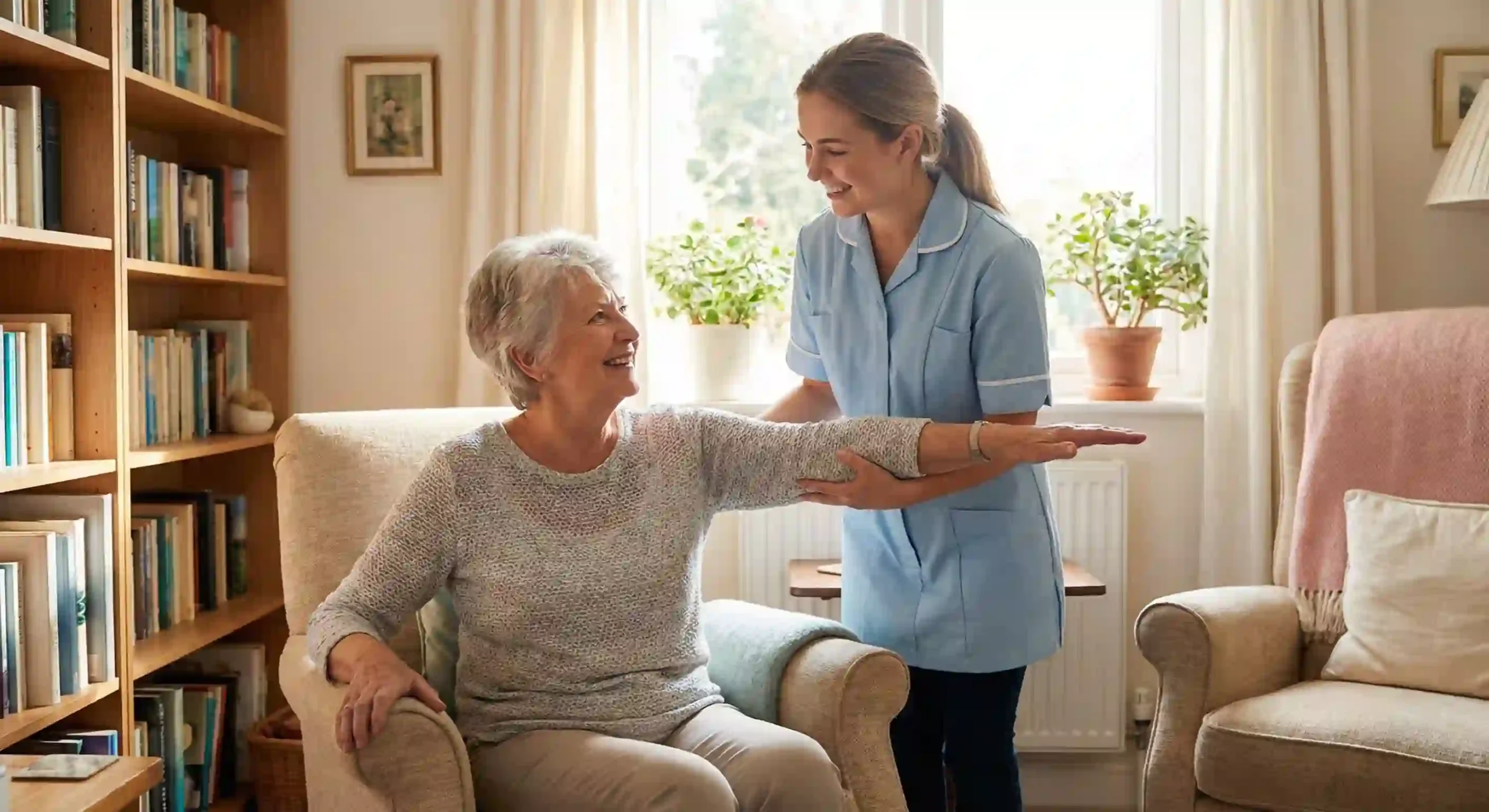
Good caregivers do more than just change the practical side of someone’s day. Research on aging in place has demonstrated that ongoing, compassionate care is associated with decreased rates of depression and improved physical outcomes for older persons. A 2025 analysis from AARP and the National Alliance for Caregiving showed that 65% of family caregivers now aid with at least one daily living task, underscoring how much a person’s quality of life depends on the person caring for them.
And a good caregiver not only provides physical support, they help lessen isolation as well. More than most people realize going in, what the little things in a person’s life, a familiar face and regular conversation can accomplish for their mental health. It’s not so much about the work, as about the person doing the work.
It is also good for the health of family caregivers especially to have the correct attributes. Part of the reason about a quarter of family caregivers experience health effects related to the role: Caregiving done without patience or the correct kind of support tends to burn out faster.
Choose Castle Pines Home Care Agency for Exceptional Care
At Castle Pines Home Care, we know that finding someone who possesses all 10 qualities of a good caregiver is your top priority. We take the guesswork out of the process by strictly vetting every professional on our team.
Our agency specializes in providing personal, homemaker, and companionship care services in Denver and the surrounding communities. We focus on building trust through consistency and compassion. Whether your loved one needs help with basic household chores or more intensive daily support, Castle Pines Home Care matches your family with a professional who fits your specific needs and personality.
We don’t just send a worker; we send a partner in your loved one’s health. Our team is trained to handle the physical demands of care while providing the emotional support that makes aging in place a dignified experience.
Call Castle Pines Home Care today to schedule a free consultation. Let us help you find a caregiver your family can trust.
Conclusion
Choosing the right caregiver is one of the most important decisions you will make for your loved one. The 10 qualities of a good caregiver covered in this article give you a clear, practical framework for making that choice with confidence.
Look for empathy, patience, reliability, communication skills, kindness, physical stamina, attention to detail, adaptability, healthy boundaries, and a positive outlook. When a caregiver brings all of these qualities to the role, your loved one receives care that truly improves their quality of life. And that is what matters most.
FAQs About Characteristics of a Good Caregiver
What are the three most important qualities of a caregiver?
Most families say empathy, reliability, and communication skills are the top three. A caregiver who genuinely cares, always shows up, and keeps the family informed covers the essentials of successful caregiving.
What is the difference between a family caregiver and a professional caregiver?
A family caregiver is typically an unpaid relative providing care out of love and duty. A professional caregiver is trained, certified, and employed by a home care agency. Professional caregivers bring formal training, consistent availability, and agency accountability to the role.
How do I know if a caregiver is trustworthy?
Look for consistency. A trustworthy caregiver is always on time, follows through on commitments, communicates with family members regularly, and has verifiable references. Hiring through a licensed home care agency adds an extra layer of accountability.
What certifications should a professional caregiver have?
Common certifications include Home Health Aide (HHA), Certified Nursing Assistant (CNA), and CPR or first aid training. These credentials show that a caregiver has received formal instruction in personal care and home health practices.
What is respite care and how does it help?
Respite care provides temporary relief to family caregivers. A professional caregiver steps in so that family members can rest, travel, or attend to their own needs. It helps prevent caregiver burnout and keeps the care arrangement sustainable long-term.