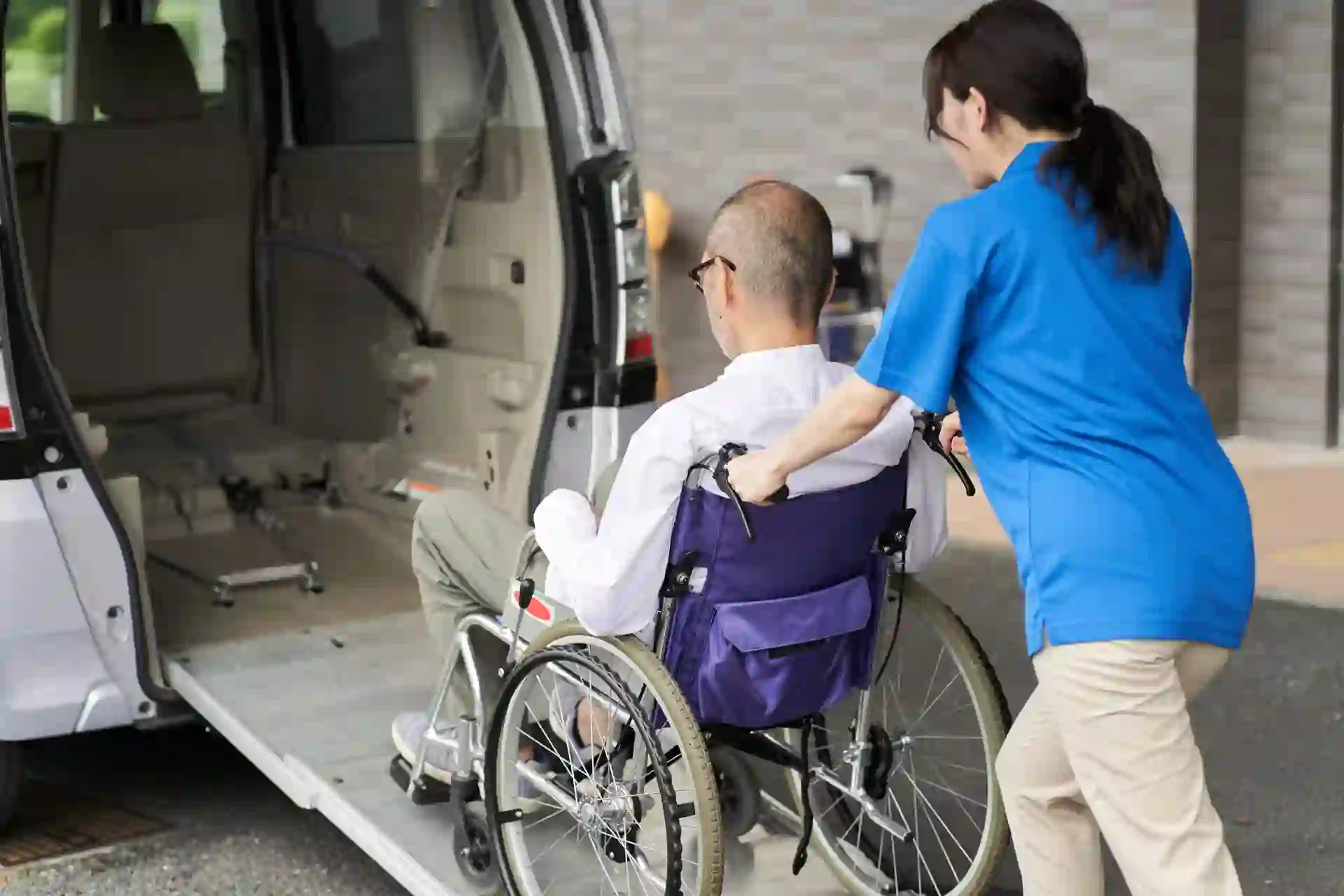

If you’re caring for a veteran who would prefer to stay home instead of going into a facility, you know what a challenging task that may be. You’re managing meds, driving to appointments, and trying to keep your personal life together at the same time. I get it. I’ve seen enough families go through this to know the tiredness is real.
Here’s my pledge to you: By the end of this post, you’ll know exactly which VA programs cover home health care, who qualifies, and what to do when the benefits don’t go far enough. No technical language, no dodging.
Is Home Health Care Covered by the VA for Veterans?
Yes, the VA covers home health care for veterans who are enrolled in VA health care and meet clinical eligibility. Coverage isn’t based on disability rating or income. It’s based on whether a veteran has trouble with daily tasks like bathing, dressing, or moving around the house safely.
This trips people up because they assume a disability rating decides everything. It doesn’t. A veteran with a 0% rating who struggles to get out of bed can qualify. A veteran with a 100% rating who’s fully independent might not need the service at all. What matters is a documented functional need, confirmed by a VA provider or social worker during a clinical assessment.
Once that need is established, the VA arranges care through one of several programs, which I’ll break down next. The short version: home health care for veterans exists, it’s real, and it’s more accessible than most families expect once they know where to look.
Does the VA Cover Home Health Care?
VA also offers home health care, which has clinical services and aid with activities of daily living. Services must be medically necessary for eligible veterans. If accepted, the VA pays for in-home care provided by licensed local providers to help with daily living and medical needs.
Many families don’t aware that the subject of does the VA pay for home health care isn’t a simple yes or no question. The answer depends a lot on the type of care your loved one needs. The VA divides its coverage into two separate buckets: medical home health care and non-medical personal care support.
Medical home health care services include skilled nursing, wound care, and physical therapy. Non-medical assistance includes support with bathing, dressing, preparing meals and home safety. The VA covers both, but they are handled by separate internal programs. I’ll explain each program so you can decide which is best for your family.
What Services Does the VA Offer the Elderly?
The VA offers elderly veterans a range of services, including primary medical care, physical therapy, memory care, and assistance with daily activities. These services are provided through community-based outpatient clinics, VA medical centers, adult day health centers, and contract home care agencies.
As we age, managing health requires more than just occasional doctor visits. The VA recognizes this reality by structuring its programs around long-term independence.
Key offerings include:
-
Standard Medical Services: Routine checkups, specialist referrals, blood work, and prescription delivery.
-
Rehabilitative Therapies: Occupational and physical therapy delivered at clinics or in your living room to maintain mobility.
-
Mental Health and Dementia Support: Specialized care teams trained to assist veterans experiencing memory loss, PTSD, or depression.
-
Geriatric Evaluations: Detailed assessments by specialized care teams to create long-term health management plans.
VA Home Care Programs Explained

The VA provides home care through several main programs, including Homemaker and Home Health Aide care, Skilled Home Health Care, Respite Care, and Veteran-Directed Care. Each program targets specific health needs, ranging from hands-on nursing to help with basic household chores.
Understanding how these programs differ helps you ask for the right service during your medical assessment.
1. Homemaker and Home Health Aide (H/HHA) Program
This program sends trained aides to your home to help with daily living activities. Aides assist with eating, dressing, bathing, and moving around safely. They can also help with light meal preparation and grocery shopping. The VA contracts with local licensed home care agencies to deliver these visits.
2. Skilled Home Health Care (SHHC)
Skilled care focuses strictly on clinical needs. Registered nurses, physical therapists, or speech pathologists visit your residence to deliver medical treatments. This includes wound care, intravenous therapy, health monitoring, and post-surgery rehabilitation.
3. Respite Care Services
Caregiving is noble work, but it takes a heavy toll over time. Respite care offers short-term relief for primary family caregivers. The VA pays for a substitute caregiver to step in at home, or covers a temporary stay in an approved facility, giving family members a necessary break.
4. Veteran-Directed Care (VDC)
This program offers maximum flexibility. Eligible veterans are given a monthly budget to purchase their own care services. Under VDC, you can hire your own personal care workers, including trusted friends or family members, to assist with daily tasks.
How to Apply for VA Home Health Care (Step-by-Step)

Getting started is less complicated than the paperwork makes it look. Here’s the order that actually works.
Step 1: Enroll in VA health care. If the veteran isn’t already enrolled, this comes first. Nothing else moves until this step is done.
Step 2: Talk to the primary care team. Bring up the specific daily struggles: trouble bathing, missed meals, falls, whatever’s happening at home. Be specific. Vague concerns get vague responses.
Step 3: Request a referral to a VA social worker. The social worker is usually the person who connects the dots between a veteran’s needs and the right program.
Step 4: Complete a clinical assessment. This determines which services fit and how many hours or how much budget gets approved.
Step 5: Get matched with an approved agency or start the Veteran Directed Care hiring process, depending on which path fits best.
Keep a written list of daily challenges before your first appointment. Doctors move fast, and a clear, specific list gets you a faster, more accurate assessment than trying to recall everything on the spot.
The Difference Between VA Health Care and the Aid & Attendance Pension
It’s incredibly common for families to confuse standard health benefits with the VA Aid and Attendance pension. While both programs help cover care costs, they operate through completely different sides of the agency and have separate rules.
The table below breaks down the major operational differences:
| Feature | Standard VA Health Care Benefits (CCN) | Aid & Attendance Pension Supplement |
| Type of Benefit | Direct clinical and non-clinical services | A monthly cash addition to a veteran’s pension |
| How It’s Paid | The VA pays the contracted home care agency directly | Cash is deposited into the veteran’s bank account |
| Financial Rules | Based on clinical need; priority groups manage copays | Strict income limits and a 2026 net worth cap of $163,699 |
| Caregiver Choice | Must use a VA contracted agency or approved provider | You can hire private agencies, independent aides, or family |
| Service History | Any eligible enrolled veteran | Requires active duty during an official wartime period |
How Much Does Home Health Care Cost for Veterans?
VA also offers home health care, which has clinical services and aid with activities of daily living. Services must be
Home health care costs for veterans are often zero out-of-pocket, though some veterans may owe small copayments based on their VA priority group. Veterans with high disability ratings or service-connected conditions pay nothing for approved in-home care services.
-
Priority Group 1: Veterans with service-connected disabilities rated at 50% or higher pay $0 for home care services.
-
Other Groups: Veterans in lower priority groups receiving care for non-service-connected conditions may incur small copays. These fees are set by federal limits and are significantly lower than private home care rates.
To compare, hiring private non-medical caregivers out-of-pocket averages $28 to $35 per hour nationally. Using approved VA benefits saves families thousands of dollars every month.
What Veterans Are Not Eligible for VA Health Care?
Veterans not eligible for VA home health care typically include those who never enrolled in VA health care, those with a dishonorable discharge, and those who don’t meet the clinical need requirement, regardless of their disability rating. A high income alone doesn’t disqualify someone, though it may affect copay amounts.
This is where a lot of families get stuck without realizing it. A veteran can have a strong disability rating and still not qualify for H/HHA if a clinical assessment doesn’t show a functional need for daily assistance. On the flip side, a veteran with no rating at all can qualify if the need is documented.
What If VA Benefits Aren’t Enough?
If VA benefits do not cover all required home care hours, you can combine VA care with Medicaid, private insurance, or supplemental home care services. Combining multiple funding sources ensures continuous care without overwhelming a family’s personal finances.
The VA provides essential support, but approved hours might not cover round-the-clock needs. When extra help is necessary, consider these options:
-
Medicaid Home and Community-Based Services (HCBS): Medicaid offers waivers that pay for long-term care at home. You can safely receive Medicaid care alongside VA health benefits.
-
State-Specific Veteran Programs: Many states offer supplemental grants and assistance for local military families.
-
Private Pay In-Home Agencies: Families often hire private agencies to fill coverage gaps, such as overnight watch or weekend visits.
If you live in Colorado and need extra care beyond what military benefits supply, look into reliable non-medical options. Professional home care services in Denver can seamlessly fill in schedule gaps, providing continuous comfort and safety right at home.
Private Home Care Agencies
For veterans or families who need services beyond what the VA provides, private home care is a direct option. If you’re looking for home care services in Denver and the surrounding area, Castle Pines Home Care provides personalized, non-medical in-home support tailored to the needs of seniors and veterans. From help with daily activities to companionship and light household assistance, their team works around each client’s schedule and care goals.
Final Thoughts
Figuring out will the VA cover home health care for a veteran you love isn’t always simple, but the answer is often yes. The VA offers real, meaningful programs that help veterans stay home safely from personal care aides to full medical teams that visit the home. The key is knowing which program fits, enrolling early, and working with a VA social worker who can walk you through the process.
If VA benefits don’t cover everything your loved one needs, there are options. The Aid and Attendance pension, Medicaid waiver programs, and private home care agencies can all fill in the gaps.
If you’re in the Denver area and need support beyond what the VA provides, Castle Pines Home Care is here to help. Reach out today to learn how their team can support your veteran or aging loved one at home. Contact us to get started.
Frequently Asked Questions
Does the VA make home visits?
Yes, the VA makes home visits through the Home-Based Primary Care program. Veterans enrolled in HBPC receive visits from a VA care team at home, typically those with complex medical needs who have difficulty traveling to a VA facility.
Can a veteran’s spouse receive VA home care benefits?
Possibly. Eligibility depends on the individual situation. Surviving spouses who meet specific requirements may qualify for certain benefits. A VA social worker or case manager can clarify what applies. You can also reach the VA 24/7 at 800-698-2411.
Does VA help with house cleaning?
The VA doesn’t cover standard house cleaning. However, the H/HHA program does include light housekeeping as part of broader personal care support. The focus is on daily living tasks rather than general cleaning services.
Can I use VA home care and Medicare at the same time?
Yes. Many veterans use both. VA benefits and Medicare can work together to cover different aspects of care, which often reduces out-of-pocket costs. A VA social worker can help coordinate coverage between the two.
How long does it take to get approved for VA home care?
It varies. Some veterans get connected to services within weeks; others wait longer due to program availability in their area. Enrolling in VA health care and requesting an assessment as early as possible speeds things up.
What is the VA Caregiver Support Program?
The Program of Comprehensive Assistance for Family Caregivers (PCAFC) supports family members who care for eligible veterans. To qualify, the veteran must have a combined disability rating of 70% or higher, need at least six months of continuous personal care, and have been discharged from military service. Caregivers must be at least 18 and be a family member willing to live with the veteran.