It’s terrifying to see an aged parent or loved one struggle to catch their breath. You want answers today, about what is happening in their body, and how to heal it now. The first and most important step in restoring comfort and maintaining long-term health is the identification of the exact reason for shortness of breath in the elderly.
We will take you through the main medical issues, daily lifestyle factors and underlying physiological changes behind these sudden or prolonged breathing difficulties. You will learn to spot crucial warning signs, learn how everyday assistance keeps vulnerable adults safe at home, and master practical methods that can help them breathe peacefully again.
Understanding Dyspnea: Is Breathlessness a Normal Part of Aging?
No, breathing distress is never a normal part of growing older. While healthy aging lungs lose some natural elasticity and respiratory muscle mass over time, these subtle shifts only cause mild fatigue during heavy exertion rather than unexpected panting, persistent gasps, or frightening chest tightness.
It’s common for older adults to minimize these symptoms by claiming they’re just slowing down. You must look closer at how the body adapts over the decades. Healthy aging changes the structural frame of the chest wall. The ribs become more rigid, and the protective air sacs lose their springy quality.
These changes mean the lungs hold slightly less oxygen reservoir than they did in younger years. A senior might feel winded while climbing a steep hill or lifting heavy boxes. However, if they find themselves gasping while walking to the mailbox, or if they wake up clutching their chest, that points directly to an underlying medical issue rather than simple aging.
Understanding Respiratory Sarcopenia
It is a disorder characterized by a gradual age-related decline in the mass and strength of the respiratory muscles, such as the diaphragm and intercostal muscles. When the diaphragm loses its baseline power, the body has to double-time to get deep breaths in.
This loss of muscle decreases the maximum pressure the lungs can exert. It turns ordinary acts of movement into difficult physical struggles. This muscle weakening, combined with the normal loss of strength throughout the body, puts seniors in a precarious position in which simple respiratory colds can become serious breathing crises.
What Is Shortness of Breath in Elderly Individuals?
Shortness of breath, or dyspnea as it is medically known, is the sense of not obtaining enough air when you are breathing. In older persons, this is because the lungs, heart and chest muscles can not carry air as efficiently as they used to. Plus any illness that may also be present.
Think of the lungs as a bellows . “That bellows is flexible and strong in a young body. As you get older your chest wall stiffens a little, the muscles of your diaphragm and ribs lose some strength, and the tiny air sacs in your lungs lose some elasticity. None induce serious dyspnea by themselves, but they reduce the reserve. So when you add something more, a cold, a hot day, a flight of stairs, the body has less room to compensate for.
This is why two seniors with the same illness can have totally different levels of shortness of breath. The baseline is age related changes in the lungs. Disease, fitness level, weight, worry, all of it is built on top of that baseline.
What Are the Symptoms of Shortness of Breath?
The symptoms include rapid shallow breathing, persistent gasping, an inability to speak in full sentences without stopping for air, visible flaring of the nostrils, and a tight chest. Individuals might also experience heart palpitations, a dry hacking cough, audible wheezing, or profound physical exhaustion.
You can often spot these signs before the senior even mentions them. Watch their shoulders when they talk. If their shoulders rise and fall dramatically with each breath, they’re using accessory muscles to force air into their body.
- Air hunger: The constant feeling of needing to take a deep breath but failing to satisfy the lungs.
- Orthopnea: Shortness of breath that hits immediately when lying flat on the back, forcing the person to sleep propped up on multiple pillows.
- Bendopnea: Breathlessness that occurs within thirty seconds of bending forward at the waist, which frequently signals fluid pressure around the heart.
- Paroxysmal nocturnal dyspnea: Sudden attacks of severe gasping and coughing that wake a person up from sound sleep, usually a few hours after lying down.
What Diseases Cause Shortness of Breath?
Shortness of breath is one of the most common symptoms across heart and lung disease because both organs work together to deliver oxygen through the body. When either one struggles, breathing effort increases, which is why breathlessness is often the first sign families notice.
Heart and lungs share one job: get oxygen into the blood and move it where it’s needed. A problem in either system shows up as the same symptom, breathlessness, which is exactly why it’s such an unreliable clue on its own. Two people can describe identical symptoms and have completely different diagnoses.
That overlap is also why doctors run several tests rather than guessing from symptoms alone. A chest X-ray, an EKG, and bloodwork often get ordered together for this exact reason.
Chronic Medical Causes of Shortness of Breath in Older Adults
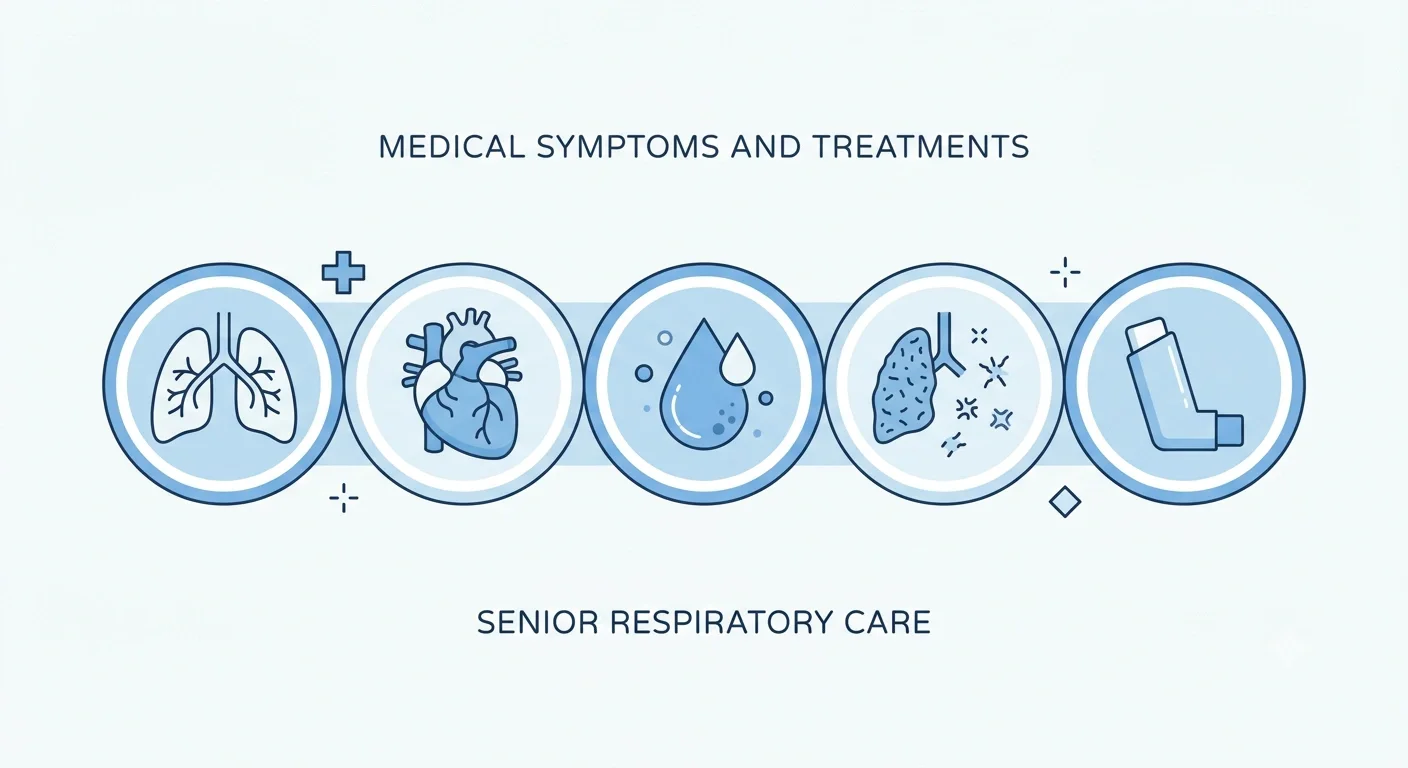
Chronic conditions develop slowly over many months or years. They require careful, consistent chronic disease management to prevent sudden flare-ups that lead to hospital visits.
Chronic Obstructive Pulmonary Disease (COPD)
This term covers a group of progressive lung diseases, most notably chronic bronchitis and emphysema. Long-term exposure to cigarette smoke, air pollution, or industrial dust destroys the tiny air sacs where oxygen enters the blood.
Seniors with this condition often produce excessive amounts of thick mucus, which plugs up their airways. They experience a persistent, hacking cough alongside daily wheezing. Managing this condition involves using prescribed bronchodilator inhalers every day to keep the airways as open as possible.
Congestive Heart Failure (CHF)
When the heart muscle weakens or stiffens with age, it can no longer pump blood efficiently through the body. This creates a backup of pressure in the veins leading to the lungs, forcing fluid to leak into the lung tissue itself.
This fluid accumulation makes it incredibly difficult for oxygen to pass into the bloodstream. Seniors with heart failure will notice their breathing worsens significantly when they lie flat in bed. They will also notice sudden swelling in their feet, ankles, and lower legs due to fluid retention.
Chronic Asthma and Lung Tissue Scarring
Many people think asthma only affects children, but it frequently presents challenges for older adults. Senior asthma causes the muscles around the airways to tighten suddenly when exposed to cold air, pet dander, or dust mites.
Additionally, interstitial lung disease causes permanent scarring throughout the delicate lung tissues. This scarring makes the lungs stiff like cardboard rather than flexible like balloons. It restricts how far the lungs can expand, causing permanent, everyday breathing challenges.
Medical Conditions That Cause Shortness of Breath in Seniors
Beyond the classic heart and lung diseases, several specific medical conditions can trigger sudden or progressive breathing difficulties.
Multimorbidity and Complex Interactions
Older adults rarely manage just one health issue at a time. When a senior balances multiple chronic conditions simultaneously, it is called multimorbidity. For example, a senior might have mild kidney disease, moderate asthma, and early heart strain all at once.
Each condition might be manageable on its own. However, when they combine, they create a compound strain on the body. A mild asthma trigger can cause stress that causes a heart failure flare-up, making it difficult to pinpoint a single cause without detailed medical laboratory work.
Hidden Physical Influences
Sometimes the root problem sits outside the chest area entirely. A hiatal hernia occurs when the upper portion of the stomach pushes upward through the small opening in the diaphragm muscle.
This physical shift places direct upward pressure on the lungs, preventing them from expanding fully down into the abdomen. Seniors often notice this type of breathlessness immediately after eating large meals, as the full stomach pushes harder against the breathing muscles.
Environmental and Lifestyle Triggers That Catch Seniors Off Guard
Daily surroundings and personal habits play a huge role in determining how well an older adult breathes from hour to hour.
Climate Extremes and Air Quality
Very cold weather causes the airways to spasm and constrict, reducing the amount of air that can flow through. On the flip side, extremely hot, dry climates can irritate the delicate linings of the throat and bronchial tubes.
High levels of outdoor air pollution or urban smog can trigger immediate inflammation in aging lungs. Indoor air hazards like carbon monoxide leaks from old furnaces, hidden mold growth behind bathroom walls, and accumulated dust layers also pose serious threats.
Altitude and Travel Changes
Traveling to a location at a significantly higher altitude can trigger immediate air hunger. Higher elevations have fewer oxygen molecules in the air, forcing the lungs to work much harder to gather the same amount of fuel.
Healthy younger bodies can adapt to these changes within a day or two. Aging bodies take much longer to acclimate, meaning an older adult visiting family in a mountainous area might experience severe fatigue and breathlessness from simple tasks like walking across a room.
The Emotional Feedback Loop: Anxiety and Breathing Distress
Physical breathlessness and emotional panic are deeply linked. When a senior suddenly feels winded, their survival instincts kick in, generating a sudden wave of intense anxiety.
This anxiety causes the brain to speed up the breathing rate even further. The individual begins taking fast, shallow breaths using their chest muscles rather than their diaphragm. This hyperventilation traps old air inside the lungs and prevents fresh oxygen from getting in.
The physical sensation of suffocating intensifies, which drives the panic higher. Breaking this loop requires immediate, calm reassurance from a caregiver and the use of targeted grounding techniques to slow the physical breathing rate down.
How Is Shortness of Breath Diagnosed and Treated?
Doctors diagnose the underlying cause using physical examinations, chest X-rays, blood tests, and lung function measurements. Treatment focuses directly on the root trigger, utilizing rescue inhalers for asthma, diuretic medications to clear fluid from the lungs in heart failure, and targeted oxygen therapy.
The diagnostic path always begins with a comprehensive review of the senior’s medical history. Medical teams listen closely to the heart and lungs with a stethoscope to check for fluid sounds or wheezing.
Advanced Diagnostics
Doctors frequently order an electrocardiogram (EKG) or an echocardiogram to view the physical structure of the heart muscle and check its pumping capacity. Blood tests like a B-type natriuretic peptide (BNP) test help confirm whether heart failure is causing the fluid buildup.
Pulmonary function tests require the senior to blow into a tube to measure exactly how much air their lungs can hold and how fast they can expel it. These precise numbers allow doctors to rule out specific conditions and build a highly customized treatment plan.
Modern Treatment Options
If an infection like bacterial pneumonia is present, the doctor will prescribe a targeted course of antibiotics. For chronic conditions like advanced COPD, pulmonary rehabilitation programs teach seniors how to maximize their remaining lung capacity through controlled physical training.
Daily management also involves adjusting medications to keep blood pressure stable and checking that existing prescriptions are not causing breathing issues as an unintended side effect.
Practical Ways to Manage and Improve Lung Function at Home
You can implement several concrete changes right now to make the home environment safer and help your loved one breathe with less effort.
Safe Home Breathing Exercises
Teaching a senior how to perform targeted breathing exercises can give them a sense of control during an episode of air hunger. These techniques strengthen the respiratory muscles over time and maximize oxygen intake.
- Pursed-lip breathing: Have the senior inhale slowly through their nose for two seconds, then pucker their lips like they are blowing out a candle and exhale gently for four seconds. This keeps the airways open longer.
- Diaphragmatic breathing: Have them sit back comfortably, place one hand on their chest and one hand on their belly. Instruct them to breathe in so that their belly moves outward while their chest stays relatively still, forcing the diaphragm to do the heavy work.
Optimizing the Living Environment
Creating a low-trigger environment reduces the workload on aging lungs. Remove heavy fabric carpets that trap dust mites, pet dander, and outdoor pollen.
Use a high-quality freestanding air purifier equipped with a true HEPA filter in the bedroom where the senior spends the most time. Keep indoor humidity levels balanced between thirty and fifty percent using a small humidifier or dehumidifier, as air that is too dry or too damp can trigger sudden coughing fits.
Warning Signs That Require Emergency Care
While many chronic breathing issues can be managed safely over the long term with proper medical guidance, sudden shifts can indicate a life-threatening crisis. You must know exactly when to bypass the family doctor and head straight to the nearest emergency room.
| Urgent Emergency Red Flags | Potential Underlying Cause | Required Action |
| Blue, gray, or pale tint to the lips, tongue, or fingernails | Critical lack of oxygen in the blood (Cyanosis) | Call 911 immediately |
| Sudden, sharp chest pain that spreads to the arm, neck, or jaw | Acute myocardial infarction (Heart Attack) | Call 911 immediately |
| Sudden confusion, slurred speech, or fainting spells | Severe lack of oxygen reaching the brain tissue | Call 911 immediately |
| Inability to speak more than two or three words without gasping | Complete respiratory exhaustion or airway blockage | Call 911 immediately |
Navigating In-Home Support and Long-Term Senior Wellness
Managing chronic health issues while keeping up with daily household chores can quickly overwhelm an older adult. When physical exhaustion sets in, self-care routines begin to slip, which can cause underlying health conditions to worsen over time.
The Role of Non-Clinical Daily Assistance
Many families do not realize that affordable, non-clinical help can prevent medical emergencies before they happen. Professional caregivers do not replace doctors or home health nurses. Instead, they provide the essential daily support that keeps vulnerable adults stable, clean, and comfortable in their own homes.
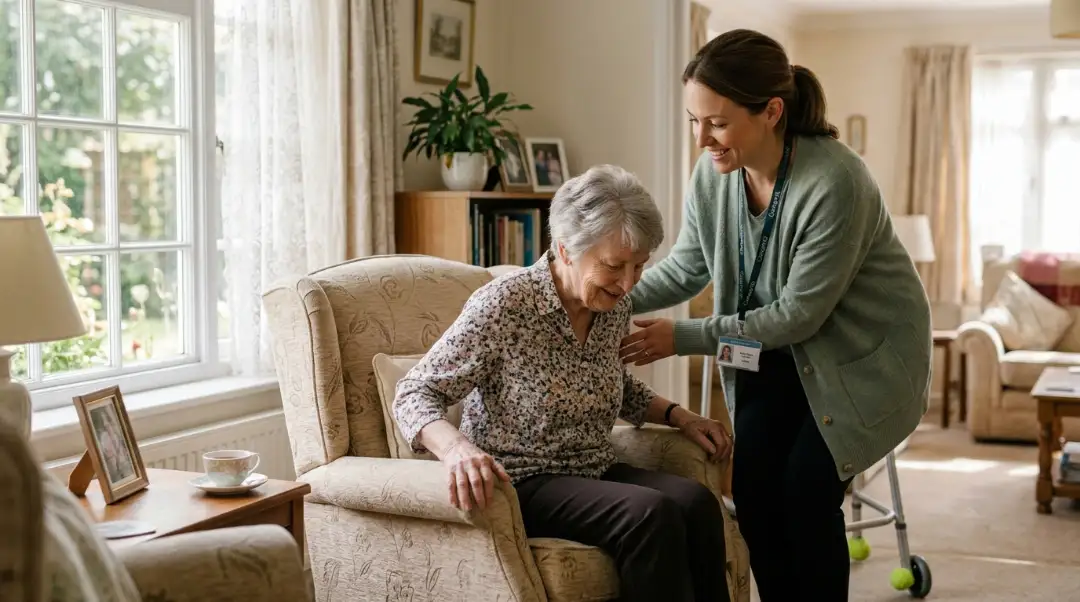
A caregiver can assist with light housekeeping chores like vacuuming away thick dust layers, carrying laundry baskets up steep basement stairs, and preparing nutritious meals that support heart health. They provide crucial caregiver support by keeping a watchful eye on daily changes, ensuring the senior takes their heart or lung medications exactly as prescribed, and offering steady companionship that reduces health-related anxiety.
Getting Support at Home
Understanding what causes shortness of breath in seniors is only half the job. The other half is having someone around who notices changes early and knows when a symptom needs a phone call versus an ER visit. That’s where in-home support makes a real difference, especially for families who can’t be there every hour of the day.
For families searching for home care services in Denver, having a trained caregiver in the house means someone is there to catch the early signs, a shorter walk to the mailbox, a new cough, a skipped meal, before they turn into a crisis. At Castle Pines Home Care, our caregivers are trained to recognize these changes and communicate them clearly to families and doctors, so nothing important slips through the cracks.
Final Thoughts
Protecting an older adult’s breathing health requires consistent observation, rapid action when medical warning signs appear, and a clean, stress-free home environment. By addressing daily lifestyle triggers and setting up reliable personal support systems, you can help your aging loved one live safely and comfortably. If you need help managing these daily care challenges or want to set up a safe, low-stress environment for an aging parent, please contact us today to discuss your family’s needs.
Frequently Asked Questions
Can dehydration cause breathing problems in older adults?
Yes, a severe lack of fluids causes the protective mucus linings inside the lungs and bronchial tubes to become thick and sticky. This thick mucus plugs up the smaller airways, making it significantly harder to move air back and forth and triggering frequent coughing fits.
Why does my elderly parent breathe heavily while sitting down?
Breathing heavily while completely at rest is a major red flag that usually points to an advanced medical issue, such as fluid accumulation from congestive heart disease or a severe drop in blood oxygen levels. It requires an immediate diagnostic evaluation by a medical professional.
How does regular low-impact exercise help seniors with chronic dyspnea?
Gentle, consistent movement like walking or light stretching conditions the large muscles of the body, allowing them to use oxygen more efficiently. This reduces the total workload placed on the heart and lungs during daily activities, helping seniors stay independent longer.
Is shortness of breath in seniors always a sign of heart disease?
No. While heart disease is a common cause, breathlessness can also come from lung conditions, anemia, anxiety, medication side effects, or simple deconditioning after a period of low activity.
Can anxiety alone cause shortness of breath in older adults?
Yes, anxiety can cause real physical breathlessness on its own, and it can also make breathlessness from another cause feel more intense, so it’s often part of the picture rather than the whole story.