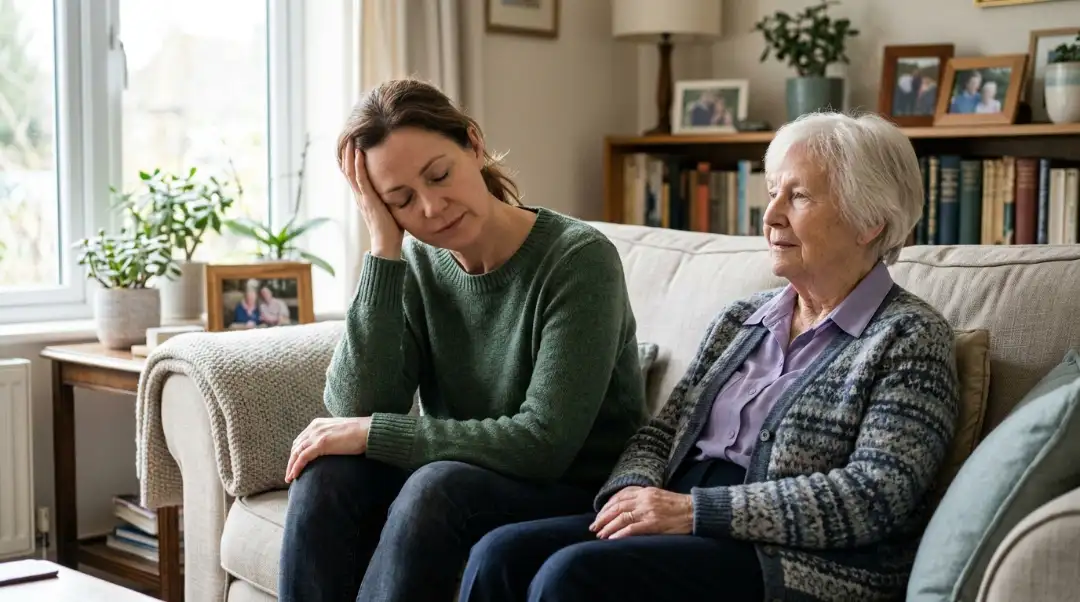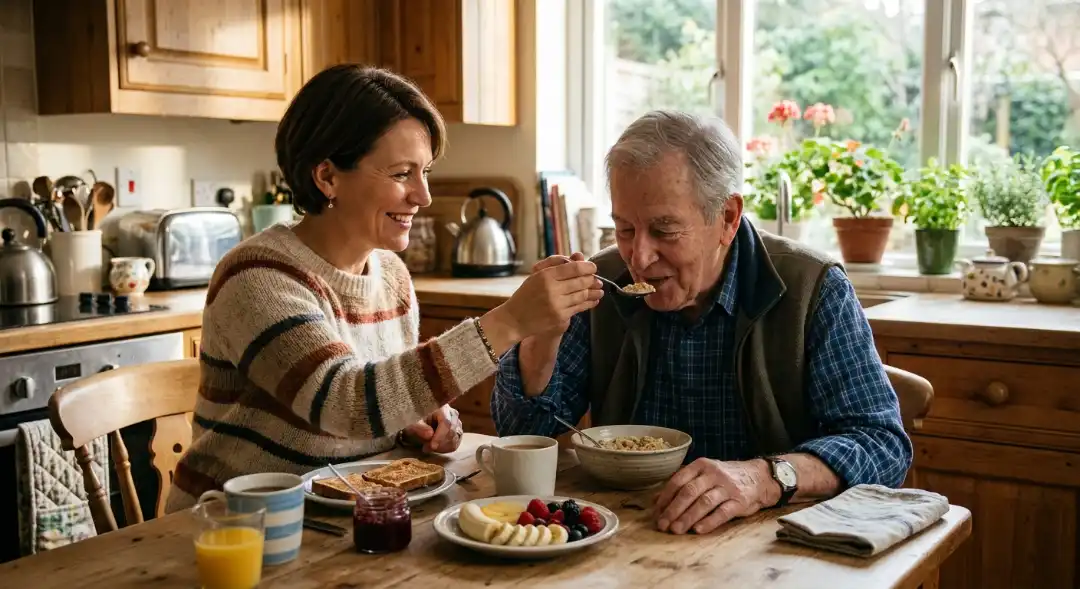

There is a kind of caregiver anxiety that is hard to define when you see your parent (or elder family member) get their prescriptions mixed up. We want them to be well and independent, yet the stress over missed doses or extra dosing can be a great emotional load of caregiving.” If you feel anxious about managing their treatment plan, you’re not alone.
Getting your family member on schedule is possible in safe, practical ways and it’s easier than it looks. In this tutorial, we’ll talk about the best low-tech and high-tech ways to keep medications safe without generating friction or conflicts. So by combining simple habits with the correct instruments, we can protect their physical health and give you peace of mind. This post will demonstrate specific stress-free, effective strategies to remind seniors to take medication.
Why Seniors May Struggle with Medication Management
Before jumping to solutions, it helps to understand the root of the problem. Medication non-adherence in older adults isn’t usually about laziness or carelessness. It’s often tied to real, physical and cognitive barriers.
Here’s what makes it harder:
- Memory loss or cognitive decline. A senior with early dementia may genuinely not remember whether they took their morning pill or they may take it twice.
- Vision problems. Small print on medication bottles, similar packaging, and poor lighting can cause dangerous mix-ups.
- Complex schedules. Morning, afternoon, and bedtime doses with different dosage instructions it’s a lot to track without a system.
- Side effects that discourage compliance. If a medication causes nausea or dizziness, seniors sometimes stop taking it without telling anyone.
- Physical limitations. Arthritis, tremors, or weakness can make opening a child-resistant pill bottle feel impossible.
Understanding these barriers is the first step toward building a medication management plan that actually holds up in real life.
Why Seniors Often Forget Their Medication
Aging affects short-term memory, executive function, and daily organization, which may cause seniors to forget their medicine. Medication can be easily forgotten in a busy or confusing day without some external cue – an alarm, a reminder from a caregiver, a visual prompt.
It’s not necessarily a memory issue, either. Retirement removes the natural time moorings of working life… Mornings and afternoons blur together without the 9 to 5. Days feel the same. What used to be automatic routine has become conscious consideration.
And then there is the emotional side the concern of family members who are caregivers, the quiet terror of aging parents and occasionally seniors themselves who feel the weight of a large list of medications as a reminder of declining health. That emotional weight might make missing a dose feel like a little bit of control.
The positive news? Most of this can be fixed with small, consistent changes to the daily routine.
10 Best Ways to Remind Seniors to Take Medication
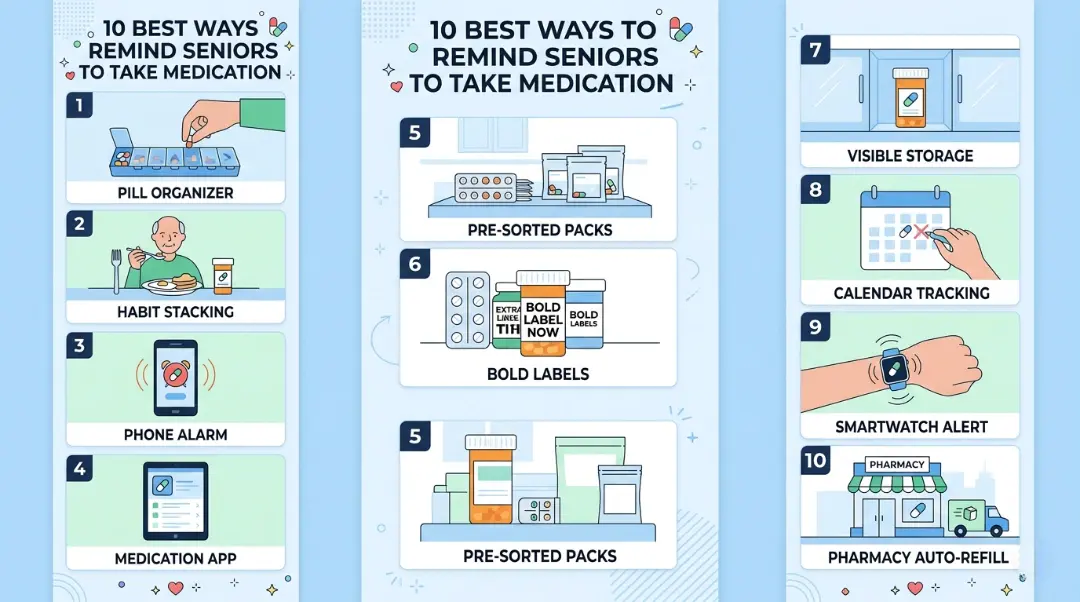
Managing an older adult’s prescription list requires a mix of reliable tools and clear organization. What works for one person might fail for another, so we need options that match their physical strength and comfort with technology. Here are ten practical systems to keep your loved one safe and on track.
1. Build a Routine Around Daily Habits
The easiest system involves pairing pills with an activity that happens every single day without fail. This concept is called habit stacking. We do not just tell them to take a pill at eight in the morning; we ask them to place their morning pillbox right next to the coffee maker or their favorite breakfast bowl.
Linking the treatment plan to a meal has an extra safety benefit. Many prescriptions require food to prevent stomach upset and assist with proper absorption. If they always take their pills after the first bite of toast, the habit becomes automatic over time.
2. Switch to Pre-Sorted Pharmacy Blister Packs
Manual pill sorting at home creates a high risk for errors. We can eliminate this chore completely by asking their pharmacist for pre-sorted packaging or specialized blister packs. Services like PillPack by Amazon Pharmacy organize daily doses into individual plastic pouches labeled with the exact date and time.
These individual pouches tear off in chronological order. Your family member only needs to open the packet marked with the current day and time. This system removes the guesswork and stops people from digging through five different bottles every morning.
3. Use an Old-Fashioned Labeled Pillbox
For people who prefer simple, tactile solutions, a classic seven-day pill organizer remains highly effective. Look for a model that features distinct color-coding and large, raised lettering for morning, noon, and night.
To prevent accidental spills, choose an organizer with secure locking latches that require a deliberate push to release. This design ensures that if the box drops, the contents do not scatter across the room. We should set a fixed day each week, like Sunday afternoon, to manage the pill sorting for the upcoming week.
4. Program Voice Alerts on Smart Home Assistants
Great support for elderly folks who have difficulty with technology comes from gadgets like Amazon Alexa or Google Home. Instead of having to go through the app on a smartphone, we can set these speakers to play loud and clear voice messages at certain times.
We may tailor the message to be welcoming and specific. For instance, the device can say, “It is eight o’clock, please take your blue blood pressure pill now. The vocal cue is a pleasant reminder hands-free that cuts through the household background noise.
5. Install a Specialized Medication Reminder App
If your family member is comfortable using a smartphone, mobile applications offer excellent tracking features. Popular options like Medisafe, MyTherapy, and Dosecast send clear alerts that repeat until the user marks the dose as taken.
These applications do more than just make sound alerts. They display visual pictures of the specific pill shape and color, helping the user verify they have the right medication. If the person ignores the alert for more than an hour, some apps can send an alert to a family caregiver’s phone.
6. Introduce a Medical Alert Smartwatch or Wearable Device
Wearable devices provide a private, moving reminder system that stays with the person throughout the day. A smart medical alert bracelet or specialized watch can vibrate gently on their wrist when a pill is due.
This vibrating sensation is incredibly useful for individuals with mild hearing loss who routinely sleep through standard alarm sounds. Many of these modern wearables also track daily steps and monitor heart rates, providing a broader look at overall wellness.
7. Hang a Visual Medication Calendar
A low-tech visual system provides deep comfort to older adults who like physical checklists. We can place a large, brightly colored calendar directly on the refrigerator door or the kitchen wall at eye level.
Beside the calendar, hang a bold black marker on a string. Every time your loved one completes their daily dose, they draw a large “X” over that specific date. A quick look at the wall lets both the senior and visiting family members verify compliance instantly.
8. Set Up an Automatic Electronic Pill Dispenser
An automatic dispenser is an excellent tool when we worry about an older adult accidentally taking too many pills. These locked, circular devices rotate at programmed intervals to expose only the specific dose needed at that exact hour.
When the internal timer goes off, the device flashes a bright light and sounds a loud alarm. The alarm will not turn off until the senior tilts the machine to pour the pills into their hand. Because the rest of the medication remains locked inside, double dosing becomes impossible.
9. Use Brightly Colored Labels and Visual Cues
When medicine bottles look identical, confusion is inevitable. We can solve this by using bright, color-coded electrical tape or oversized fluorescent labels on each container.
For example, we can use bright yellow tape for morning pills and deep blue tape for evening doses. Writing the purpose of the medicine in plain, large text, such as “FOR HEART” or “FOR BLOOD PRESSURE,” helps much more than trying to decipher complex chemical names.
10. Establish Pharmacy Refill Text and Email Alerts
A gap in a medication schedule often happens because a bottle runs out before anyone notices. We can prevent this by logging into the pharmacy portal and turning on automatic refill notifications.
These systems send an automatic text message to your phone or your loved one’s device five days before a prescription runs out. This warning gives the family plenty of time to manage the prescription refill and coordinate a pickup before the last pill is gone.
Medication Reminder Tips for Seniors With Dementia

For seniors with dementia, standard reminder methods often fall short. The most effective approach combines routine, visual cues, and caregiver oversight not relying on the senior to self-manage.
Dementia affects memory and judgment in ways that go beyond ordinary forgetfulness. A senior with Alzheimer’s disease may refuse medication because they don’t believe they need it, or may become frightened or confused by unfamiliar pills.
Here are strategies that tend to work:
- Color-coded systems. Use colored tape or labeled containers blue for morning, red for evening. Color is easier to process than text for many dementia patients.
- Caregiver-assisted administration. At moderate-to-advanced stages, a caregiver should be present at dose time, not just setting out pills and hoping for the best.
- Crushed or liquid medications. Ask the doctor or pharmacist if medications can be crushed or given in liquid form. Some can be mixed into food or drink.
- Consistent timing and environment. Give medications at the same time, in the same room, with the same verbal prompt every day. Routine reduces resistance.
- Stay calm. If a senior with dementia refuses, don’t force it. Note the refusal, try again in 15-20 minutes with a calm explanation, and contact the doctor if refusals become frequent.
How Family Caregivers Can Monitor Missed Doses
Smart pill dispensers with digital alerts to a phone, daily check-in calls, and weekly pillbox checks can notify family caregivers about missed doses. Regular pill counts at home visits and shared digital tracking apps can clearly demonstrate daily compliance, without diminishing a senior’s independence.
If you live an hour away, it adds a lot of caregiver worry to manage a distant parent’s treatment plan. And to do that, we may create a series of digital monitoring devices that plug straight into our cellphones. Many automatic pill dispensers send a text message to family members the instant a lid opens or if a window is missed using a modest cellular connection.
What to Do When a Senior Refuses to Take Medication
When a senior refuses medication, the first step is to understand why not to push harder. Refusal is often a signal of a side effect, fear, confusion, or a desire to maintain control over their own health decisions.
This situation is more common than most families expect, and it carries real emotional weight. The anticipatory grief and caregiver anxiety that comes with watching a loved one resist their own treatment plan is exhausting and scary.
Start here:
- Ask, don’t tell. “I noticed you didn’t take your blood pressure medication today. Is something wrong with it?” goes further than “You have to take your pills.”
- Check for side effects. Nausea, dizziness, or fatigue are common reasons seniors stop taking medications without telling anyone. Ask the doctor about alternatives.
- Review the medication list. Sometimes older prescriptions are no longer necessary, or dosage adjustments can reduce side effects. A formal medication review with the prescribing doctor can help.
- Involve the doctor. Seniors often respond better when guidance comes from their physician rather than a family member. Ask the doctor to address the importance of adherence directly.
- Don’t escalate. Forcing or shaming leads to conflict and deeper resistance. Calm, consistent conversations work better over time.
If refusal is persistent and puts the senior’s health at serious risk, a geriatric care manager or social worker can help mediate and find solutions the family hasn’t considered.
When to Consider Professional Support
If a senior is consistently missing doses despite all the reminder systems in place, it may be time to bring in professional help. This isn’t a failure, it’s a practical decision.
Professional caregivers can:
- Set up and refill pill organizers weekly
- Provide hands-on medication reminders at each dose time
- Monitor and report side effects to the family or doctor
- Communicate medication changes to healthcare providers
Home care aides are especially valuable for seniors with polypharmacy, dementia, or those recovering from a hospitalization when medication schedules often change.
Find the Perfect Caretaker For Your Loved One in Denver CO
If you’re looking for trusted Medication Management for Seniors in Denver, Castle Pines Home Care provides professional in-home caregivers who specialize in daily medication support, safety monitoring, and personalized senior care. Whether your loved one needs occasional check-ins or full-time assistance, the team at Castle Pines Home Care is here to help families across the Denver area feel confident their loved ones are cared for.
Ready to get started? Contact us today to speak with a care specialist and find the right support plan for your loved one. Reaching out takes just a few minutes and it could make all the difference in their safety and quality of life.
Frequently Asked Questions
What is the best medication reminder for elderly adults?
The greatest way to remind someone to take their medicine depends on what they require. Apps like Medisafe or MyTherapy perform well for seniors who are familiar with technology. A simple pill organizer with a phone alarm or smart speaker works quite well for people who don’t use technology very much.
How do I get my elderly parents to take their medicine?
To begin, you need to know why people are resistant. Common explanations include side effects, confusion, or feeling like you are taking too many medications. Talk to their doctor about the regimen, make it as simple as possible, and link taking the pills to something they already like doing every day.
What app reminds seniors to take medication?
Medisafe, MyTherapy, CareZone, and Dosecast are among the most reliable options. Medisafe is particularly popular because it supports caregiver notifications and visual pill identification.
Can Alexa remind seniors to take medication?
Yes. Amazon Alexa can be programmed with recurring daily voice reminders at specific times. It’s a hands-free, easy-to-set-up option that works well for seniors who are comfortable with smart home devices.
How often should a senior’s medications be reviewed?
The National Institute on Aging recommends scheduling a medication review with a doctor or pharmacist at least once a year and after any hospitalization, new diagnosis, or prescription change. Regular reviews reduce unnecessary medications and lower the risk of dangerous drug interactions.