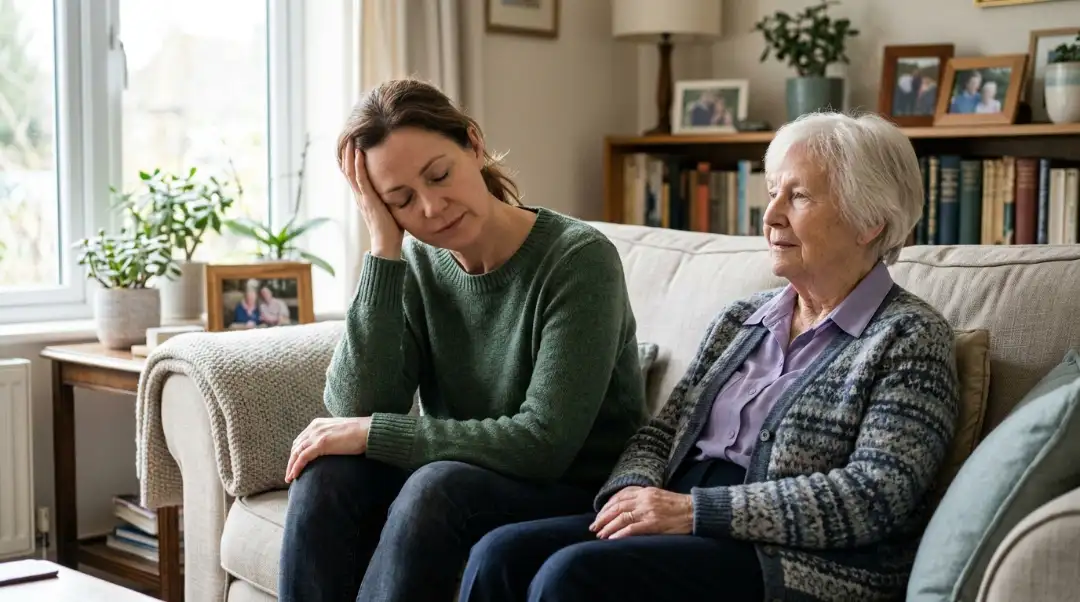
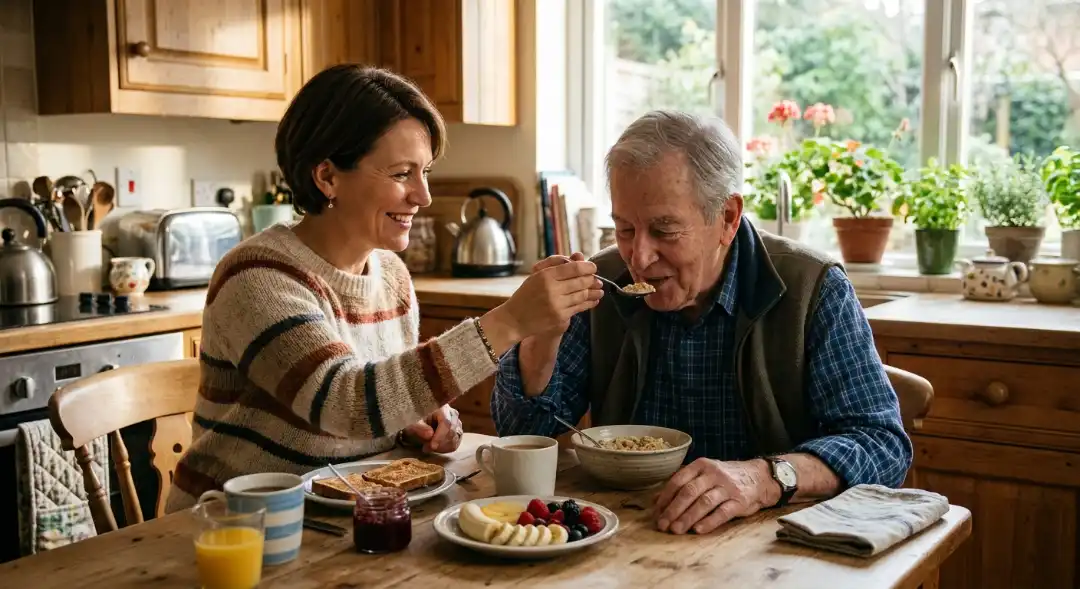
When a family member’s health unexpectedly changes, caring for them can often feel overwhelming. When someone asks how you take care of an elderly patient, they want specific actions that preserve their dignity while safeguarding their health. You want precise solutions, trustworthy methods, and a strategy that protects your loved one without making your house a hospital ward.
In order to simplify elder care into everyday, doable routines, we developed this useful guide. You will learn how to plan everyday activities, how medical evaluations operate, and how to recognize early indicators of cognitive or physical decline. You can manage your own physical and emotional energies while safeguarding your loved one’s independence by establishing scheduled help at home.
What Is Geriatric Care?
Geriatric care is specialized support for senior citizens that focuses on their individual health conditions rather than just their age. It includes medical care, assistance with everyday life, and emotional support. Usually, a variety of medical professionals, nurses, therapists, and family members collaborate on a common plan.
The five Ms multicomplexity, mind, mobility, meds, and what matters most to the patient—are how doctors in this discipline arrange their thinking. The final one is frequently overlooked. A care plan isn’t really a plan at all if it doesn’t take into account what a person truly wants for their final years.
Daily living activities, including as eating, dressing, bathing, and moving around the house securely, are also included in geriatric care. These seem insignificant until you’re the one assisting a parent in taking a shower without slipping.
Stopping the clock is not the goal of healthy aging. It’s about maintaining a person’s independence and standard of living for as long as possible through effective condition management. Even if they are the same age, a retired teacher with slight arthritis and a bright mind need a completely different plan than someone with heart failure and early memory loss.
Understanding Geriatric Care: The 5Ms Framework
Medical experts organize elder care around five core pillars known as the Geriatrics 5Ms. Using this framework makes daily planning simpler for family caregivers:
- Mind: Addressing memory loss, depression, and cognitive changes. Watching for early signs of dementia in elderly family members ensures timely medical checks.
- Mobility: Keeping seniors moving safely. Maintaining strength helps prevent falls and keeps people active in their communities.
- Medications: Reviewing prescriptions regularly. Managing multiple drugs prevents adverse side effects and dangerous chemical interactions.
- Multicomplexity: Managing several chronic conditions in seniors simultaneously without overwhelming the individual.
- What Matters Most: Aligning all care choices with the senior’s personal goals, preferences, and lifestyle values.
Centering daily efforts on these five areas helps families avoid unnecessary hospital visits and creates a predictable environment.
When Should You Consider Geriatric Care?
When an elderly person has untreated chronic diseases, memory loss, frequent falls, abrupt weight loss, or issues with everyday personal hygiene, you should think about geriatric care. It’s particularly essential when a primary family caregiver struggles to securely handle complicated drug schedules or experiences excessive physical tiredness.
The decision to switch to specialized senior support is not just based on an individual’s age. A 68-year-old with diabetes, heart problems, and limited mobility may require rapid, focused assistance. An energetic 82-year-old, on the other hand, might just need regular wellness examinations. Age is not the primary signal for additional assistance; rather, functional changes are.
Keep an eye out for minute changes in everyday routines. Is there an accumulation of unopened mail? Do bills get overlooked? Have you observed any changes in your personal hygiene or cleanliness? These little indicators typically indicate trouble with everyday living tasks. Early intervention keeps small safety risks from developing into serious medical emergencies.
Geriatricians vs. Gerontologists: What Are the Key Differences?
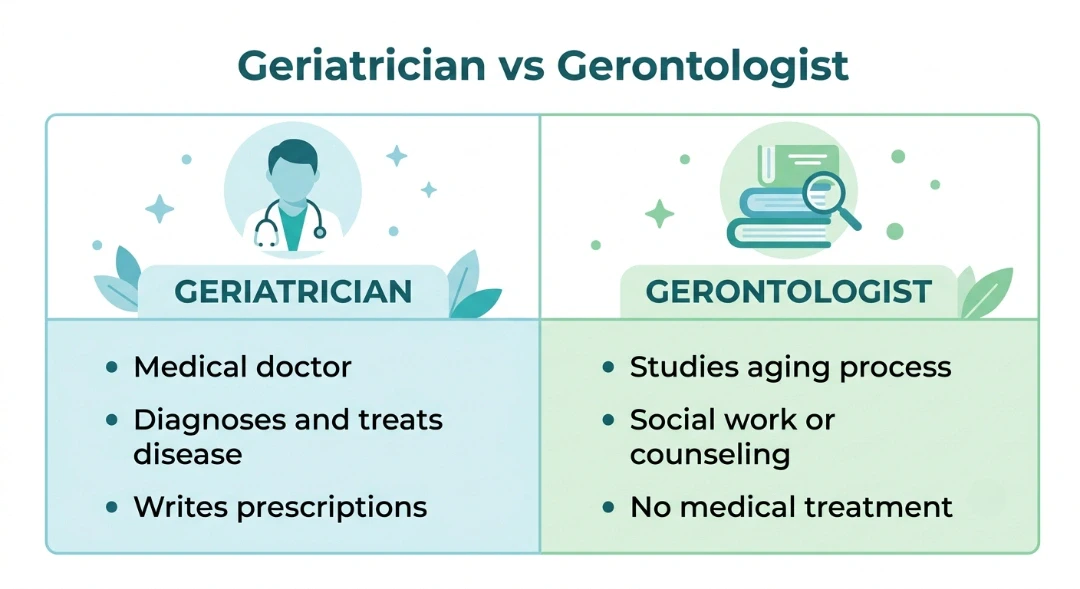
Geriatricians are board-certified medical doctors who diagnose, treat, and manage illnesses in older adults. Gerontologists are non-medical specialists who study aging from social, psychological, and biological angles. Geriatricians prescribe medications and direct medical treatments, while gerontologists focus on community support systems, housing, and social care policy.
Knowing which professional to contact saves time and prevents confusion:
| Feature | Geriatrician | Gerontologist |
| Medical Degree | Yes (MD or DO) | No (Advanced academic degree) |
| Diagnoses Illness | Yes | No |
| Prescribes Medications | Yes | No |
| Primary Focus | Medical treatment, chronic disease management | Social support, aging policy, housing, care planning |
| When to Call | Complex medical changes, polypharmacy issues | Social planning, finding community care resources |
If your aging parent faces complicated health changes, a geriatrician provides direct medical oversight. If you need help organizing home assistance, community resources, or housing arrangements, a gerontologist or care manager guides those transitions.
What Does a Geriatric Assessment Include?
A geriatric assessment includes a thorough review of physical health, cognitive function, medication lists, home safety, and emotional well-being. Medical professionals use detailed tests and interviews to build a personalized care plan, identifying subtle safety risks and health changes that standard routine office visits often miss.
This full evaluation goes far beyond a typical fifteen-minute checkup. It gathers input from doctors, nurses, and social workers to form a clear picture of daily life.
Here is what the team evaluates:
- Physical Health: Medical history, physical strength, vision, hearing, and balance testing.
- Functional Capacity: Ability to complete Activities of Daily Living (ADLs) like dressing, eating, and bathing, as well as Instrumental Activities of Daily Living (IADLs) like cooking and managing finances.
- Cognitive Function: Screening tests for memory retention, problem-solving skills, and executive brain function.
- Environmental Safety: Assessing home layout, stair railings, bathroom setup, and lighting choices.
Families walk away from an assessment with a clear roadmap detailing exactly what assistance is required today and what to prepare for in the future.
Emotional and Mental Health Care
Physical care gets most of the attention, but loneliness can hurt just as much as a fall. Isolation in older adults is linked to higher rates of depression, and depression in seniors often gets mistaken for “just getting older.”
Watch for the signs of dementia in elderly parents early: repeating questions, misplacing everyday items, getting lost on familiar routes, or sudden changes in mood. These aren’t always Alzheimer’s. Some are caused by medication side effects, thyroid issues, or untreated depression, all of which are treatable.
Regular conversation, shared meals, and simple activities like cards or puzzles do more for mental health than most people realize. A phone call every day beats a long visit once a month.
Grief plays a role here too, often an unspoken one. Losing a spouse, a driver’s license, or the ability to live alone all count as losses, even without a funeral attached. Acknowledge that loss out loud instead of rushing past it. Pretending everything is fine rarely helps anyone involved.
Conducting a Home Safety Audit & Fall Prevention
Falls cause a large percentage of serious injuries among older adults, yet most falls are avoidable. Simple home updates significantly reduce accident risks.
Begin by inspecting floors throughout the house. Remove small throw rugs or secure them firmly with heavy-duty double-sided tape. Clear electrical wires away from main walking areas.
Upgrade lighting across your home. Aging eyes need brighter spaces to see changes in floor levels clearly. Add plugin nightlights along hallways, bedrooms, and bathrooms to prevent midnight trips.
In bathrooms, install wall-anchored grab bars inside showers and right beside toilets. Never rely on towel racks for balance support because they cannot hold human body weight. Placing anti-slip mats inside tubs prevents dangerous slipping incidents.
Preventing Common Geriatric Complications
Certain health risks appear frequently in elder care. Catching these problems early prevents hospitalizations and keeps your loved one comfortable.
Pressure Ulcers (Bedsores)
Older adults with limited mobility who spend long periods in chairs or beds face risk of skin breakdown. Pressure sores develop quickly over bony spots like heels, hips, and the tailbone.
- Change their body position every two hours.
- Keep skin clean, dry, and moisturized.
- Use specialized foam cushions to relieve pressure points.
- Check skin daily for red or discolored spots that don’t fade when touched.
Dehydration and Malnutrition
Aging bodies often lose the sensation of thirst, making dehydration common. Offer small sips of fluids throughout the day rather than relying on large glasses of water at mealtime. Hydration can also come from liquid-rich foods like soups, stews, melons, and applesauce.
Serve a balanced diet loaded with lean protein, healthy fats, fiber, and essential nutrients to protect muscle mass. If chewing becomes difficult, adapt food textures by mashing vegetables or chopping meats into tiny pieces.
Urinary Tract Infections (UTIs)
UTIs in older adults frequently present differently than in younger people. Instead of complaining of pain or burning, an aging adult with a UTI might suddenly display severe confusion, agitation, or sudden balance loss. If you notice a sudden, unexpected shift in mental state, contact their primary physician promptly to test for underlying infections.
Medication Management & Polypharmacy Safety
Polypharmacy is the term used by doctors to describe the practice of many elderly persons taking five or more pills every day. Without a system, handling several bottles might easily result in missed doses or unintentional double dosing.
Make a current medicine list first. Note dosages and schedules for any prescription, over-the-counter, vitamin, and herbal supplements. Give this list to each physician your loved one visits.
Purchase a reliable weekly pill organizer that divides doses into morning, noon, evening, and night categories. To keep schedules on track, pair this box with basic medicine reminders like automated pill dispensers or smartphone alarms.
Request a comprehensive medication review from their primary care physician or pharmacist every year. They can determine whether present medication combinations increase the risk of falls because of sleepiness or dizziness, or whether any long-standing medications are no longer necessary.
Preventing Caregiver Burnout: Respite Care and Self-Care
Caring for aging parents is rewarding, but taking on continuous caregiving tasks without help leads directly to caregiver burnout. Physical fatigue, emotional exhaustion, and constant worry damage your own health and lower the quality of care you can offer.
Recognize warning signs of burnout early:
- Constant physical exhaustion despite resting.
- Short patience, irritability, or frequent anger.
- Withdrawing from personal hobbies and friends.
- Changes in sleep patterns or appetite.
- Feeling trapped, overwhelmed, or hopeless.
Protect your personal well-being by scheduling planned breaks using respite care services. Respite care brings trained care providers into the home for a few hours or days, allowing you to run errands, attend personal medical appointments, or simply rest.
You do not have to handle everything alone. Joining local or online caregiver support groups connects you with others who understand the day-to-day challenges of elder care. Sharing practical tips and venting frustrations with peers reduces feelings of isolation.
Navigating Support Options with Castle Pines Home Care
When daily tasks start exceeding what family members can manage comfortably, bringing in non-clinical in-home assistance provides relief. Professional home care assists with everyday physical needs while keeping your loved one safe in familiar surroundings.
Non-clinical care providers assist with bathing, dressing, meal preparation, light housekeeping, and mobility around the home. They also offer valuable companionship, helping older adults stay social while giving family caregivers time to catch up on rest.
For families seeking dependable home care services in Denver, Castle Pines Home Care delivers personalized non-clinical assistance tailored to your family’s daily routine. Whether you need a few hours of weekly respite or continuous non-clinical support, professional caregivers help balance safety, independence, and peace of mind at home.
Final Thoughts
Learning how to manage elder care takes time, patience, and a willingness to adapt as needs shift. By establishing safe home environments, creating structured routines, keeping up with medical assessments, and staying alert for signs of physical or cognitive decline, you build a supportive environment where your loved one feels safe and respected.
You don’t need to navigate this journey by yourself. Recognizing when you need help and using community support or professional care options protects both your relative’s health and your own well-being. If you’re ready to explore dedicated support options for your family, contact us today to discuss how personalized in-home care can assist your daily routine.
Frequently Asked Questions
What is the most important rule in caring for elderly patients?
Preserving personal dignity and independence is the most important rule in senior care. Always involve the older adult in decisions about their daily routine, healthcare, and lifestyle choices whenever possible. Treating them with patience and respect helps maintain their self-esteem, mental health, and overall quality of life.
How do you care for a geriatric patient who refuses help?
Listen to their concerns calmly without arguing. Frame assistance as a way to preserve their independence rather than take it away. Start with small, non-threatening adjustments like hiring help for light housekeeping or meal preparation, and slowly introduce personal care assistance as trust builds between them and their caregivers.
What are the main goals of geriatric care?
The primary goals focus on improving daily function, preventing unnecessary hospitalizations, managing chronic conditions, and supporting personal independence. Geriatric care aims to maximize comfort and safety while honoring the senior’s personal choices and values as they age in place.
What is the management of care for the elderly?
Management of elderly care means organizing medical appointments, medications, daily assistance, and communication between family members and healthcare providers into one coordinated plan. A geriatric care manager often handles this directly for families who can’t manage it alongside full-time jobs.
What is the role of a nurse in the care of elderly patients?
A nurse monitors health changes, manages medications, provides direct medical care, and acts as a bridge between the patient, family, and doctor. In home settings, nurses also train family caregivers on safe techniques for lifting, bathing, and wound care.