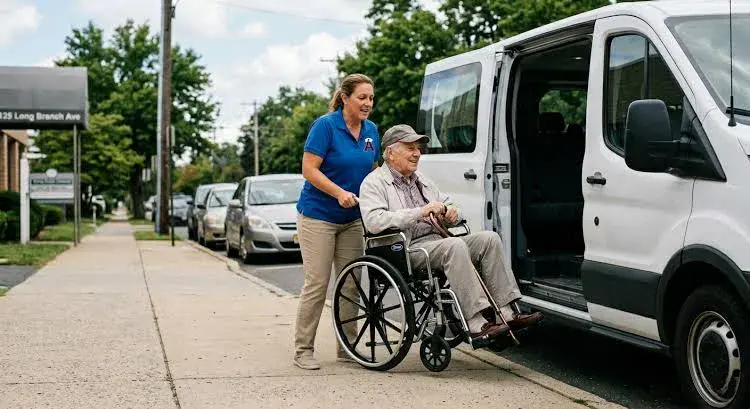

You’re caring for a parent, a spouse, or a sibling, and the hours keep piling up. Between doctor’s appointments, meal prep, and sleepless nights, you’ve probably wondered if any of this work comes with a paycheck. That question is fair. Caregiving is real work, and money stress on top of it makes an already hard job harder.
Here’s the quick answer: family caregivers typically earn somewhere between $12 and $25 an hour through Medicaid programs, or a monthly stipend of roughly $1,900 to $3,800 through VA caregiver benefits, depending on where you live and which program you qualify for. This guide breaks down how much do family members get paid for caregiving, which programs actually pay, what the paperwork looks like, and what to expect once the money starts coming in. By the end, you’ll know exactly where to start.
Understanding Family Caregiver Employment Programs
Family caregiver employment programs allow seniors and adults with disabilities to hire trusted family members as paid care providers. These initiatives redirect public or private health funding directly to family members who assist with daily personal needs, keeping individuals comfortable at home rather than moving into facility care.
States across the country run self-directed care options within public health plans. Under these frameworks, the person receiving care acts as the legal employer. They select their preferred caregiver, manage weekly hours, and approve timesheets.
If you take on this role, you perform non-clinical duties like assistance with bathing, dressing, meal preparation, mobility, and medication reminders. Rather than paying a traditional home care agency, state or private insurance funds pay you directly via direct deposit or check.
Can a Family Member Get Paid for Caregiving?
Yes, a family member can get paid to be a caregiver through Medicaid waivers, Department of Veterans Affairs programs, long-term care insurance policies, or private employment agreements. Most state options allow adult children, siblings, and extended relatives to receive hourly wages for non-clinical home assistance.
Eligibility depends heavily on the care recipient’s financial situation and medical needs. The person receiving assistance must require help with basic routines to qualify for funded programs.
| Family Relationship | Medicaid HCBS Waivers | VA Programs (PCAFC) | Personal Contracts |
| Adult Children | Approved in most states | Approved | Approved |
| Spouses | Restricted in many states | Restricted (Allowed in VDC) | Approved |
| Parents of Adult Kids | Approved | Approved | Approved |
| Siblings & Grandchildren | Approved | Approved | Approved |
Program policies set distinct rules on who can serve as an employee. While adult children commonly receive pay, spouses face stricter limits under standard state Medicaid programs. However, options like Veteran Directed Care offer flexible arrangements that allow spouses to receive hourly pay for taking care of family member needs.
Factors That Influence Family Caregiver Pay
Family caregiver pay rates vary based on state Medicaid budgets, regional cost of living, care recipient medical needs, and specific funding sources. Hourly wages typically follow local minimum wage laws or Medicaid reimbursement limits, while weekly hour caps limit total earnings.
Regional Wage Caps and Local Budgets
Medicaid reimbursement rates differ significantly between states. A caregiver performing identical duties in California or New York receives a higher hourly base rate than one in Mississippi or Alabama due to regional wage mandates and state legislative funding allocations.
Assessed Level of Care Needs
State case managers evaluate care recipients using standardized assessment tools. Individuals requiring extensive physical assistance or constant supervision for cognitive conditions qualify for more authorized weekly hours, directly increasing the total compensation a family caregiver receives each month.
Programs That Pay Family Members for Caregiving

Several distinct programs exist, and knowing which one fits your situation saves you weeks of confusion.
Medicaid Waiver Programs
Medicaid is the single biggest source of family caregiver pay in the country. Every state and Washington D.C. now offers at least one Home and Community-Based Services (HCBS) waiver that lets a care recipient direct their own funding toward a family caregiver instead of an outside agency. Consumer Directed Personal Assistance Programs, known as CDPAP in New York and by other names elsewhere, work the same way. Some states also offer Community First Choice, a state plan option with no waiting list where available.
VA Caregiver Support Program
Veterans have more paths to paid family care than most people realize. The Program of Comprehensive Assistance for Family Caregivers (PCAFC) pays a monthly stipend directly to a veteran’s primary caregiver when the veteran was seriously injured in the line of duty. Separately, the Aid and Attendance pension benefit adds extra monthly income for veterans or surviving spouses who need daily help, and Veteran Directed Care gives a monthly budget the veteran can use to pay almost any relative, spouses included.
Structured Family Caregiving
This model works best when you live with the person you’re caring for. Instead of an hourly wage, you receive a set daily stipend and partner with an approved home care agency that checks in regularly and helps you document care. It sits somewhere between casual family help and a licensed home health job.
Paid Family Leave and Other Options
If you’re still working, paid family leave laws in states like California, New York, and Washington let you take up to 12 weeks off at partial pay to care for a seriously ill relative. It’s temporary, but it covers you while you sort out longer term options. Long-term care insurance is another route if your loved one has a policy, since some plans pay family members directly rather than requiring an outside agency. And if there’s no public program available, a personal care agreement, a written contract between you and your family member, lets them pay you privately while protecting both of you legally and for tax purposes.
State-by-State Breakdown of Family Caregiver Pay

Here’s a general picture of what family caregivers earn in different parts of the country:
| State | Common Program | Approximate Hourly Rate |
| New York | CDPAP | $17 – $21/hr |
| California | IHSS | $16 – $20/hr |
| Washington | COPES Waiver | $17 – $19/hr |
| Pennsylvania | Medicaid Waiver (HHA) | $13 – $16/hr |
| Colorado | Family CNA Program | $14 – $17/hr |
| Florida | AMFC Program | $12 – $15/hr |
| Indiana | HHA Waiver | $13 – $15/hr |
| Texas | STAR+PLUS Waiver | $12 – $15/hr |
Most programs approve between 20 and 40 hours of care per week. At $15/hour and 30 hours per week, that’s roughly $1,800 per month not a full-time income, but meaningful financial relief for families already stretched thin.
Tax and Legal Considerations for Paid Family Caregivers
Income earned as a paid family caregiver counts as taxable wage income in most situations, requiring proper IRS reporting, payroll withholding, and formal employment contracts. Some specialized programs, like certain Medicaid difficulty-of-care payments, offer specific federal tax exclusions.
Most self-directed care programs process payroll through a Financial Management Service (FMS) vendor, issuing a standard Form W-2 at tax time. Under IRS Notice 2014-7, Medicaid waiver payments received by a caregiver for care provided to a person residing in the same home qualify as “Difficulty of Care” payments. This classification allows eligible caregivers to exclude those wages from federal gross income calculations.
Personal Care Agreements and Medicaid Look-Back Rules
If a family pays you directly out of private savings rather than through a public program, you must draft a formal, written Personal Care Agreement beforehand. Medicaid enforces a strict 5-year look-back window on asset transfers. Undocumented payments to family members look like gifted money to Medicaid caseworkers, which triggers severe penalty periods and delays long-term care eligibility.
-
Set hourly rates equal to local professional care averages.
-
Document exact start dates, work tasks, and schedule expectations.
-
Log every shift using detailed daily care journals or digital timesheets.
-
Never make lump-sum payments retroactively for past unpaid care.
Step-by-Step Guide: How to Apply and Get Paid
To start getting paid as a caregiver for family members, assess your loved one’s financial eligibility, contact local social services, undergo formal care assessment, and complete caregiver onboarding through an approved fiscal intermediary.
Getting approved takes patience, clear documentation, and administrative follow-through. Follow this operational checklist to start learning how to get paid as a caregiver:
-
Verify Medical and Financial Eligibility: Gather medical records, primary care physician notes, income statements, and asset records. Medicaid programs require both medical need and financial qualification.
-
Contact Your Local Area Agency on Aging (AAA): Reach out to your local AAA caseworker or county social services department. Ask specifically about “self-directed home care,” “consumer-directed services,” or “HCBS waiver programs.”
-
Schedule a Formal Level-of-Care Assessment: A nurse or social worker visits the home to evaluate the applicant’s daily care requirements, establishing the maximum authorized weekly hours.
-
Select the Self-Directed Option: Name yourself as the intended personal care assistant during program intake.
-
Complete Onboarding and Background Checks: Complete state-mandated background checks, submit identification documents, and register with the state’s fiscal payroll agency.
-
Track Hours Diligently: Use required Electronic Visit Verification (EVV) mobile apps or paper timesheets to document shifts accurately every week.
The Emotional Side Nobody Talks About Enough
Caregivers’ burdens are not merely financial. There are other costs as well anxiety and anguish and the daily grind of seeing someone you love fade away. No paycheck can replace that. Getting paid doesn’t alleviate the tiredness, but it does eliminate one pressure point that makes everything else tougher to cope with.
If you’re feeling the onset of burnout, check into respite care through your local Area Agency on Aging. Many have free or low-cost coverage so you can step away for a few hours without guilt. Family Caregiver Alliance support communities also connect you with others who know precisely what you’re going through, which is worth more than it might sound on paper.
Support groups run through the Family Caregiver Alliance (caregiver.org) offer both practical advice and community with people who understand what you’re going through.
Final Thoughts
Understanding how much do family members get paid for caregiving comes down to knowing which programs exist in your state, whether your loved one qualifies, and being willing to go through the application process. It’s not instant, but it’s real.
If you’re in the Denver area and looking for support services alongside your caregiving role, Castle Pines Home Care offers home care services in Denver and surrounding communities, including Homemaker Services in Denver for families who need extra hands-on help at home. Whether you need professional support to supplement what you’re already doing, or you want guidance navigating local caregiver programs, reach out to our team.
Frequently Asked Questions
Can a spouse get paid for caregiving?
In most standard Medicaid waiver programs, spouses are not eligible to be paid caregivers. However, some states allow spousal pay through self-directed care programs or specific waivers. California’s IHSS program and New York’s CDPAP are two notable exceptions where spouses may qualify under certain conditions.
Check your state Medicaid agency directly, as rules have been changing in recent years and more states are expanding spousal eligibility.
How many hours per week can a family caregiver get paid for?
Most Medicaid waiver programs approve between 20 and 40 hours of paid caregiving per week, depending on the care recipient’s assessed needs. The exact number is set during the initial needs assessment and can be reviewed if the care recipient’s condition changes.
Is caregiver pay considered employment income?
Yes. Whether paid through an agency or a self-directed program, caregiver pay is taxable earned income. Agency-paid caregivers typically receive a W-2; self-directed caregivers may receive a 1099 and be responsible for self-employment taxes.
What if there’s a waitlist for Medicaid waiver programs?
Some states have waitlists that can stretch months or even years, particularly for certain HCBS waivers. In the meantime, contact your Area Agency on Aging for any bridge programs or interim support options. Getting on the waitlist early is critical don’t wait until caregiving becomes a crisis to apply.
Can I get paid retroactively for care I already provided?
Generally, no. Most programs only pay for care provided after official enrollment and approval. There are very limited exceptions for emergency situations. This is one reason to start the application process as early as possible.
What’s the difference between a Medicaid waiver and self-directed care?
A Medicaid waiver is the broader program that funds home and community-based services. Self-directed care (or consumer-directed care) is a specific model within some waivers that gives the care recipient control over hiring and managing their caregiver including a family member. Not all waivers offer self-directed options, and not all states have both.