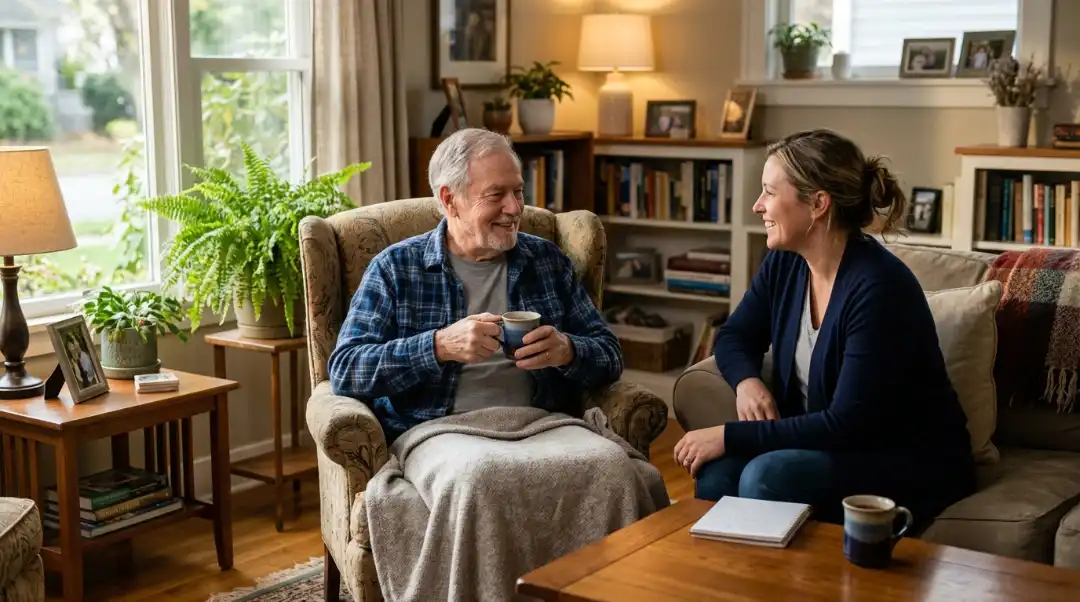
Heart disease can change ordinary routines in ways that aren’t always obvious at first. A senior who once walked to the mailbox, cooked meals, climbed stairs, or went shopping without help may begin feeling tired or short of breath after much less activity. That can affect confidence, independence, sleep, and social life.
How Heart Disease Affects a Senior’s Daily Life depends on the type and severity of the condition. It can reduce stamina, make physical tasks harder, cause swelling or breathing problems, and create emotional stress. With proper medical care and the right daily support, many older adults can continue living meaningful lives at home.
How Heart Disease Changes Everyday Life for Seniors
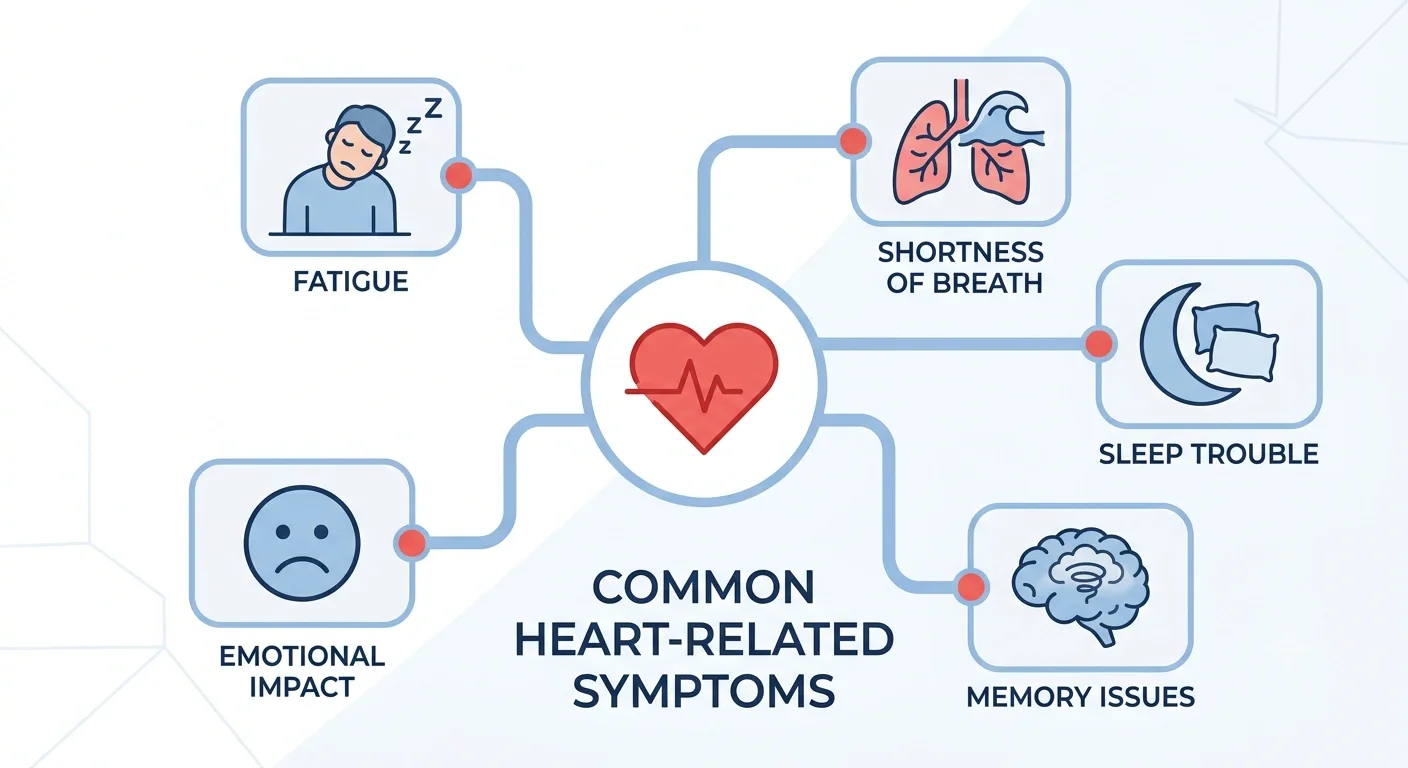
Picture the heart as a pump in an old house. When it weakens, every room gets less water. Muscles, lungs, and kidneys all feel the shortage.
That’s why elderly heart disease touches nearly every part of the day:
- Mobility: Stairs, short walks, and standing up from a chair feel harder.
- Energy: Fatigue hits by midday, and naps grow longer.
- Personal care: Bathing and dressing can leave someone breathless.
- Meals: Cooking takes stamina, so many skip meals or reach for salty convenience food.
- Sleep: Lying flat can cause breathlessness, so pillows pile up.
- Social life: Outings feel risky, so invitations get declined.
Medications add another layer. Water pills mean more bathroom trips, including at night, which raises fall risk. Missed doses can quickly turn into a hospital stay.
Independence takes the biggest hit. Tasks that once took ten minutes now take thirty, with rest breaks. Many seniors stop trying rather than ask for help.
Living Well After a Heart Disease Diagnosis
A diagnosis isn’t a verdict. Many seniors stay active and independent for years with the right plan. Treat energy like a bank account and spend it on what matters most.
- Weigh in every morning, on the same scale at the same time, and log the number.
- Use a weekly pill organizer and set phone alarms.
- Keep a one-page list of medications, doctors, and allergies by the door.
- Space out chores with rest breaks, and do hard tasks in the morning.
- Ask the doctor about cardiac rehabilitation, which pairs supervised exercise with education.
- Bring a notebook to appointments and write down questions beforehand.
Picture a retired teacher named Ruth, who loved gardening until bending left her dizzy. Raised beds and a sturdy stool brought the hobby back. Adapting beats giving up.
I’d start with one system, not six. Small routines beat good intentions.
Healthy Habits That Protect Your Heart
Building consistent health habits protects cardiac function and stops existing conditions from worsening over time. Small, deliberate actions every day yield steady improvements in physical stamina and comfort.
A heart-healthy eating routine centers on low-sodium foods, lean protein sources, and fiber-rich meals to manage blood pressure and swelling. Gentle daily movements, like light walking or sitting stretches, keep circulation moving without straining the heart muscle.
-
Monitor Sodium Intake: Keep daily sodium low to prevent fluid buildup in feet and ankles.
-
Stay Consistently Active: Practice short, gentle walks to build stamina without causing exhaustion.
-
Track Daily Symptoms: Record weight, blood pressure, and swelling levels every morning.
6 Heart Problems Every Senior Should Know About
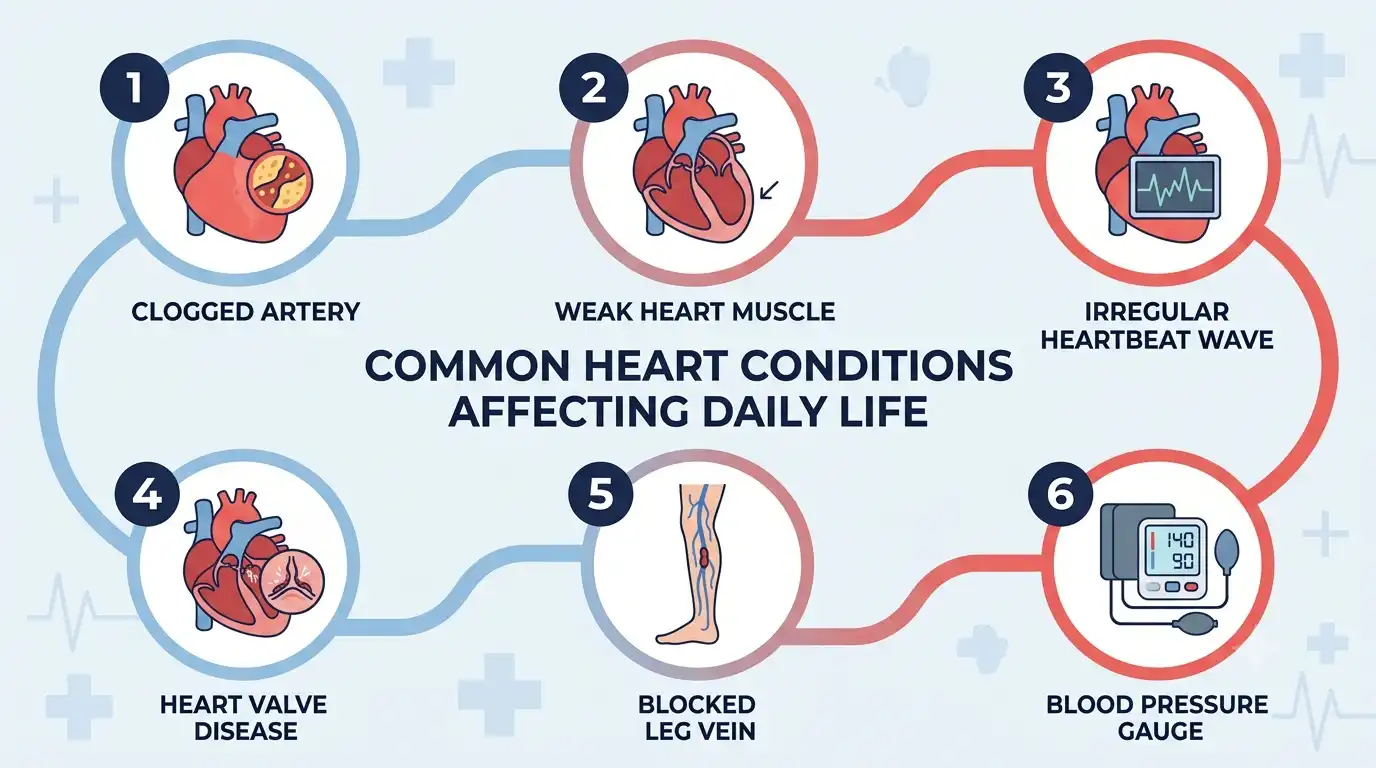
Not all heart disease looks the same. Here are six conditions that show up often in older adults, along with what makes each one distinct.
Six common cardiac issues frequently impact aging adults: coronary artery disease, heart failure, arrhythmias, heart valve disease, peripheral artery disease, and high blood pressure.
Coronary artery disease reduces blood flow to the heart, causing chest pressure. Heart failure causes fluid build-up, swelling in legs, and shortness of breath during light movements. Arrhythmias trigger irregular heartbeats, leading to sudden dizziness or fatigue. Valve defects force the heart to pump harder, while peripheral artery disease causes leg pain during brief walks. Uncontrolled high blood pressure silently damages blood vessels over time.
-
Coronary Artery Disease: Blocked vessels restrict essential blood circulation.
-
Heart Failure: Weakened muscles cause fluid retention and fatigue.
-
Arrhythmias: Irregular heartbeats cause sudden lightheadedness.
-
Heart Valve Disease: Poor valve closure limits oxygen delivery.
-
Peripheral Artery Disease: Poor leg circulation causes cramping during walking.
-
High Blood Pressure: Silent vessel strain increases overall strain.
How Professional Home Care Helps Promote Senior Heart Health
Professional home care covers the hours between appointments, when most daily struggles happen. It’s non-clinical, so caregivers don’t give medical care or adjust medications. They handle practical tasks that keep a routine steady.
- Meal preparation that follows low-sodium guidelines
- Medication reminders on schedule
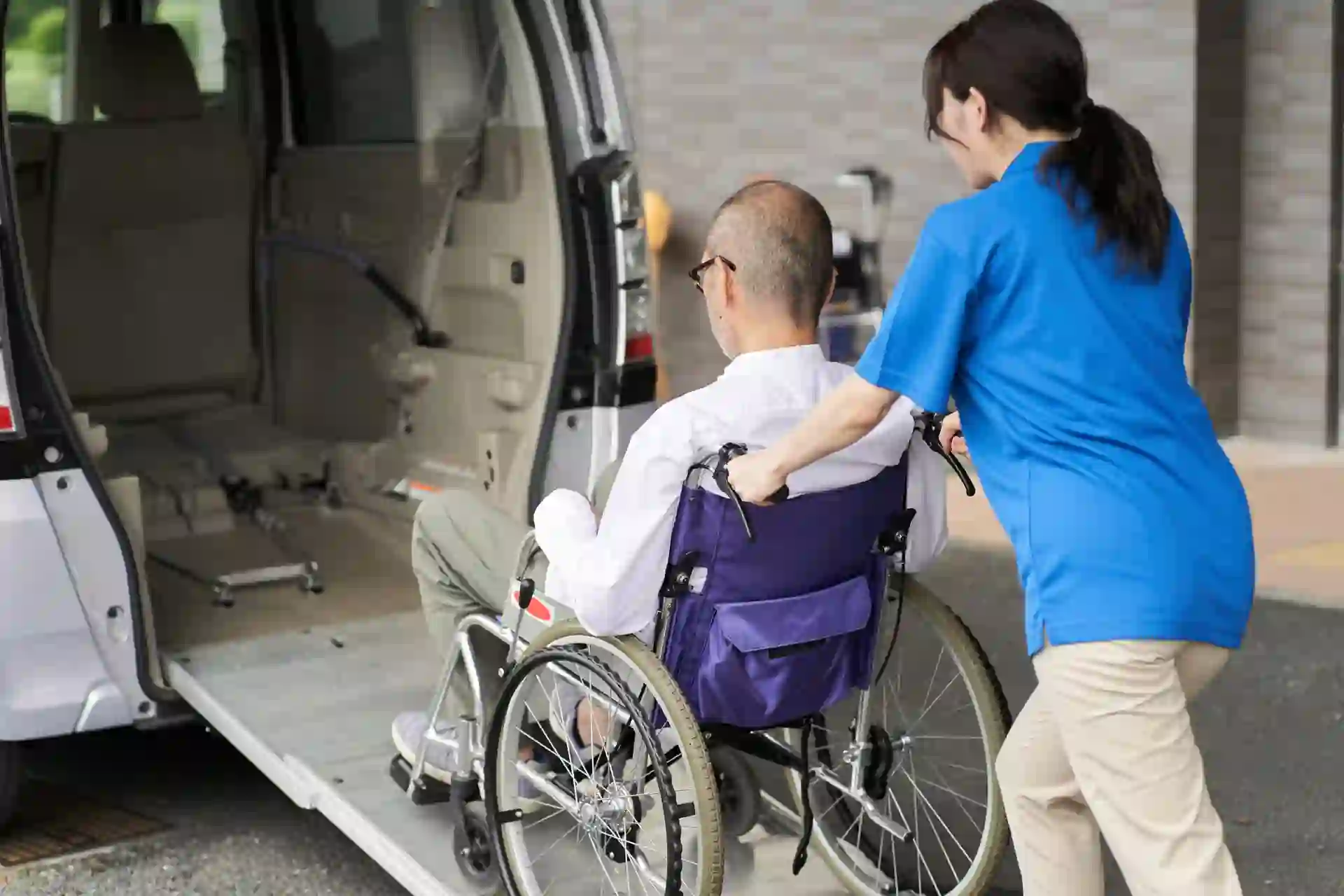
- Bathing, dressing, and mobility help to prevent falls
- Rides to cardiology visits and the pharmacy
- Light housekeeping so energy goes elsewhere
- Companionship that eases isolation and low mood
- Noting changes in weight, swelling, or breathing, and telling the family
Families searching for home care services in Denver can turn to Castle Pines Home Care for this kind of steady, practical help. A caregiver notices small changes early, such as new swelling or skipped meals, and passes them along. That early signal can keep a minor issue from becoming an ER visit.
The Hidden Emotional and Mental Toll
Managing chronic heart issues frequently creates ongoing anxiety, fear of sudden events, and elevated distress during quiet routine moments. Constant symptom monitoring creates persistent worry about emergency hospital visits or losing personal independence.
Physical limitations force many older adults to drop hobbies, leading to social isolation and sadness. Reduced social interaction compounds daily stress, creating a frustrating cycle that negatively impacts recovery efforts.
| Emotional Challenge | Daily Impact | Practical Coping Strategy |
| Fear of Overexertion | Avoidance of light walking or household tasks | Setting small, timed exercise intervals |
| Loss of Independence | Frustration over relying on others for errands | Delegating non-essential physical tasks |
| Social Isolation | Staying home due to fatigue or mobility fears | Scheduling short visits during peak energy hours |
Companion Care and Safety Supervision
Having a dedicated professional in the home provides invaluable peace of mind. Caregivers offer essential companion care to fight off loneliness, keep seniors mentally engaged, and assist with safe transfers in and out of the shower to prevent dangerous falls. They can also provide reliable medication reminders so vital prescriptions are taken exactly as directed.
If you are looking for reliable, personalized support for an aging parent in Colorado, Castle Pines Home Care offers dedicated non-clinical assistance tailored to your family’s needs. Our caregivers focus on safety, nutrition, and companionship to keep your loved one comfortable and secure in their own home.
To help your loved one maintain their independence, you can learn more about our dedicated home care services in Denver or explore our specialized Personal Care Services in Denver to find the perfect level of daily support.
Final Thoughts
Heart disease changes daily life, but it doesn’t erase it. The seniors who do best are usually the ones with a clear routine, a support system, and a little help filling in the gaps that come with a chronic condition. Understanding how heart disease affects a seniors daily life is the first step toward building a plan that actually works for your family.
If you’re looking for support managing heart disease at home, contact us at Castle Pines Home Care to talk through what daily assistance could look like for your loved one.
Frequently Asked Questions
Can seniors live a normal life with heart disease?
Yes, many seniors live full, independent lives for years after a heart disease diagnosis with proper management. Success depends on following medication schedules, staying active within safe limits, and attending regular checkups. Life changes, but it doesn’t have to shrink.
What are the early signs of heart disease in the elderly?
Early signs often include fatigue after light activity, shortness of breath, swelling in the ankles or legs, and a persistent cough. These symptoms can be subtle at first and are sometimes mistaken for normal aging, so it’s worth mentioning them to a doctor early.
How does heart failure affect mobility in seniors?
Heart failure reduces the amount of oxygen-rich blood reaching the muscles, causing fatigue and weakness during movement. Seniors may need to rest more often, use assistive devices like a cane, or shorten the distance they walk in one stretch.
What lifestyle changes help seniors manage heart disease?
A heart-healthy diet, regular light exercise, consistent medication use, and stress management all play a role in slowing disease progression. Small, sustainable changes tend to work better long-term than dramatic overhauls that are hard to maintain.
How can caregivers support a senior with heart disease?
Caregivers help most by assisting with physically demanding tasks, tracking symptoms, managing medication schedules, and encouraging social connection. Support works best when it respects the senior’s independence rather than replacing it entirely.