As people age, their bodies naturally change. Muscle mass may decrease, fat may collect around the waist, and body weight may stay the same even when body composition changes. These changes can affect strength, balance, mobility, and overall health, making it useful to understand body fat levels in later life.
How Do You Determine Body Fat for Senior? The most practical approach combines body fat measurements, waist circumference, weight trends, and a healthcare professional’s assessment. Body fat scales can provide an estimate at home, while methods such as a DEXA scan can offer more detailed measurements when medically appropriate. No single number tells the whole story, especially for older adults.
Why Body Fat Matters More (and Differently) as You Age
Body fat matters more after 60 because muscle shrinks while fat moves toward the belly and organs. This change raises the risk of diabetes, heart disease, and falls, even when weight stays steady. Tracking body composition shows what the scale hides.
Think of your body as a house. The frame stays put, but the wood slowly gets replaced by foam. Adults lose about 3 to 8 percent of their muscle each decade after 30, and the pace picks up after 60.
Deep belly fat, called visceral fat, does the most damage. It raises insulin resistance and heart risk. Doctors call low muscle plus high fat sarcopenic obesity, and you can look slim while having it.
Healthy Body Fat Percentage Ranges for Seniors
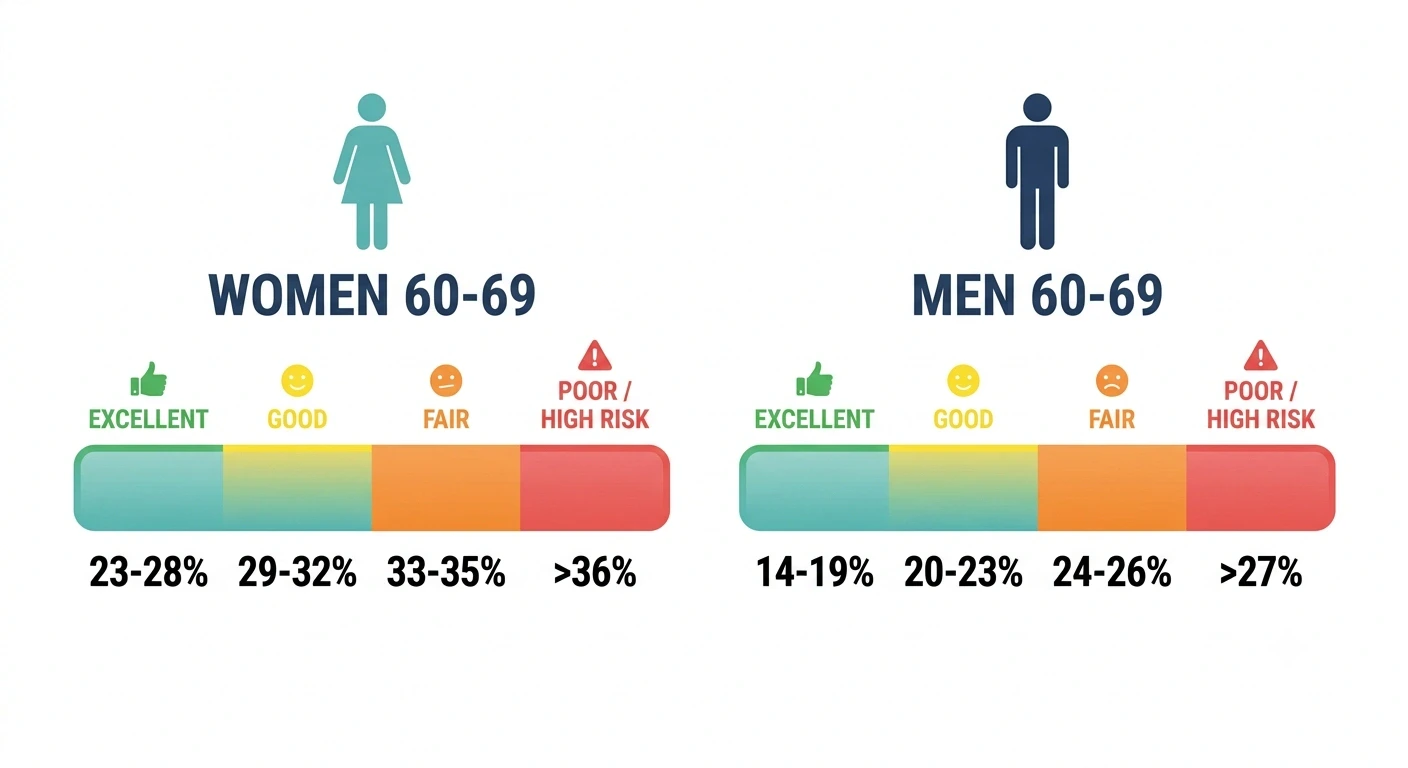
A healthy body fat percentage for older adults generally falls between 24% and 35% for women, and 13% and 24% for men aged 60 to 79. These higher thresholds accommodate natural physiological changes while protecting against lean muscle depletion and fragile bones.
| Gender | Age Range | Healthy Target | Overweight Threshold |
| Women | 60–79 Years | 24% – 35% | 36% – 41% |
| Men | 60–79 Years | 13% – 24% | 25% – 29% |
A body fat percentage 16 in a 62 year old woman indicates an unusually low fat reserve. This level requires close attention because inadequate tissue stores can lead to frail bones, nutrient deficiencies, and prolonged illness recovery.
Conversely, carrying excess internal body fat increases risks for type 2 diabetes, high blood pressure, and joint inflammation. Finding a comfortable middle ground keeps energy levels high and protects everyday movement.
Methods to Measure Body Fat: What’s Safe and Practical for Seniors
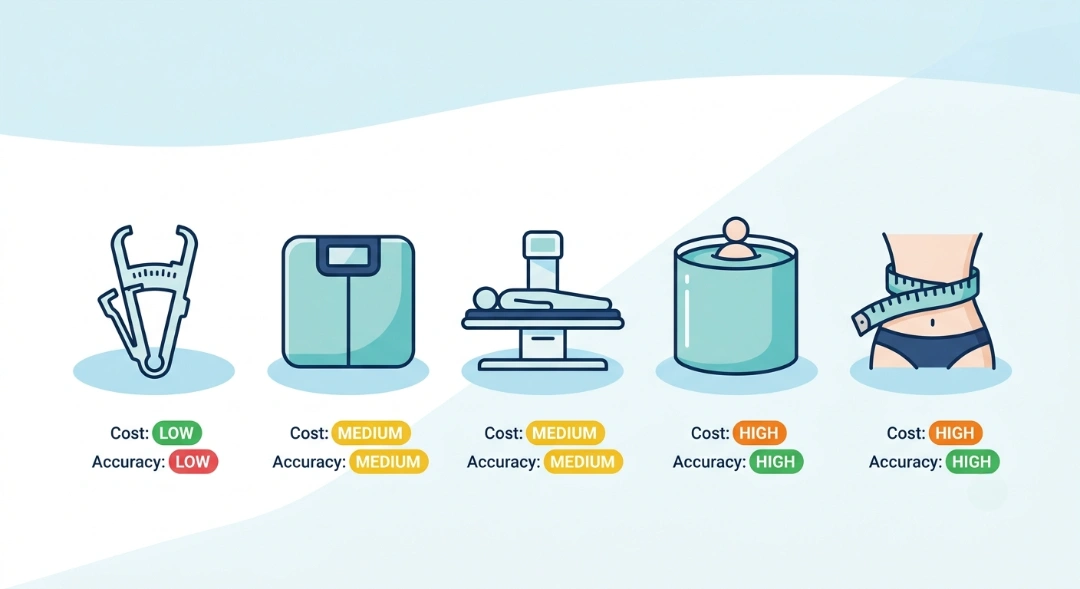
Cost and accuracy comparison of five body fat measurement methods, from skinfold calipers to DEXA scans and waist circumference.
The safest, most practical way to measure body fat for seniors at home is using a bioelectrical impedance scale combined with a simple waist measurement. These tools avoid pinch skinfold calipers while offering repeatable, stress-free health tracking.
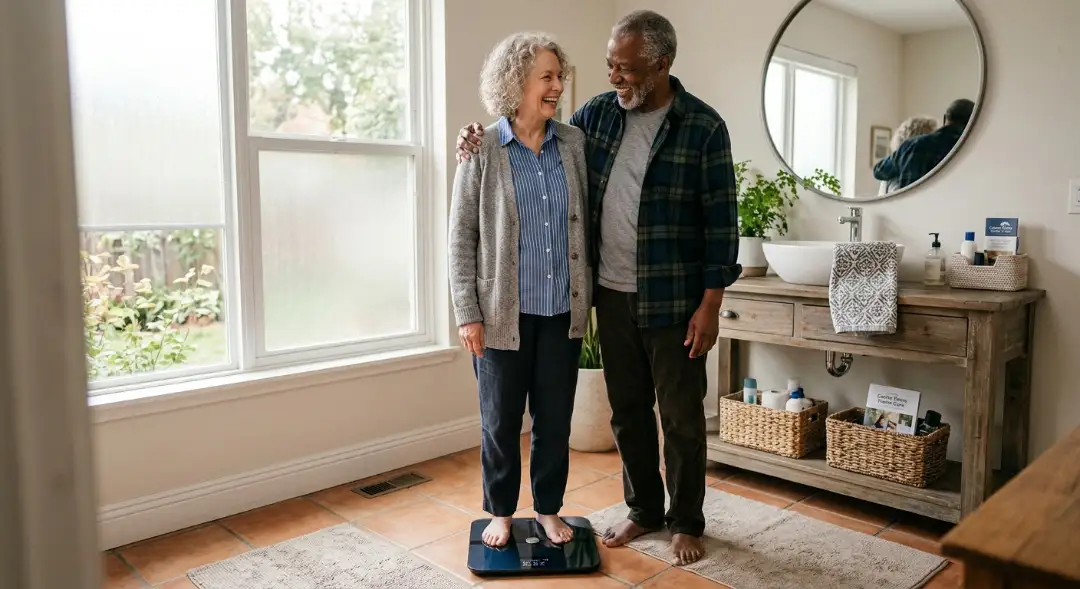
Smart scales send a harmless electrical current up through the feet to estimate body fat. They are affordable, quick, and completely pain-free for daily home monitoring.
Ensure the individual can stand steadily on the scale without assistance. Avoid this method if the person uses a pacemaker or implanted medical device.
Skinfold Calipers
Calipers pinch skin and underlying fat at specific body sites to calculate density. While inexpensive, skin elasticity changes in aging adults make caliper testing prone to significant errors.
Using calipers on fragile skin can cause pinching or bruising. It’s generally better to rely on non-invasive measurement methods.
Waist-to-Hip Ratio
Measuring waist circumference right above the hip bones provides quick insights into visceral fat. Divide waist size by hip measurement to determine distribution patterns.
A ratio above 0.85 for women or 0.90 for men highlights excess abdominal fat. This quick check requires no special machinery or physical strain.
How to Calculate BMI (Step-by-Step)
BMI is calculated by dividing weight in pounds by height in inches squared, then multiplying by 703. It’s not a body fat measurement, but doctors still use it as a quick screening tool alongside other methods.
Here’s the process:
- Take your weight in pounds.
- Take your height in inches and multiply it by itself.
- Divide your weight by that number.
- Multiply the result by 703.
For example, someone who weighs 160 pounds and is 65 inches tall would calculate: 160 divided by (65 x 65 = 4,225), which equals 0.0379. Multiply that by 703, and the BMI comes out to about 26.6, which falls in the “overweight” category.
The categories break down like this:
- Below 18.5: underweight
- 18.5 to 24.9: normal weight
- 25 to 29.9: overweight
- 30 and above: obesity
Keep in mind BMI doesn’t separate muscle from fat, so a senior who’s lost muscle mass but kept the same weight might show a “normal” BMI while actually carrying more fat than the number suggests. This is exactly why BMI works best as one piece of a larger picture, not the whole answer.
Factors That Can Skew Results in Older Adults
Hydration changes, arthritis swelling, muscle loss, and skin changes can skew body fat results in older adults. Body composition readings shift based on fluid retention and daily physical changes rather than true fat gain.
Fluid Retention and Medications
Blood pressure drugs, heart medications, and kidney conditions cause rapid fluid shifts. Extra water in tissue tricks smart scales into registering false muscle or fat readings.
Sarcopenia (Age-Related Muscle Loss)
Loss of lean muscle density changes how electrical currents travel through tissue during BIA scans. Less muscle mass makes standard at-home scales overestimate fat levels.
Osteoporosis and Height Loss
Compression of spine bones reduces height as years pass. Using an outdated, taller height measurement skews standard BMI calculations toward lower scores than actual.
For Caregivers: Helping a Loved One Track Body Fat Safely
If you’re caring for an aging parent or loved one, monitoring their physical health is a balancing act between safety and comfort. Your primary goal is to spot sudden, unintended muscle loss or rapid abdominal fat accumulation without causing them physical stress.
1. Choose the Tape Measure Over the Scale
A soft, flexible fabric tape measure is your best tool. Once a month, measure their waist just above the hip bone while they’re standing comfortably. If their waist size is creeping up but their weight is staying the exact same, they may be losing muscle and gaining visceral fat. Keep a simple log of these measurements to share with their doctor.
2. Guard Against Fall Risks
Never let an older adult step onto a home smart scale unsupervised. Many of these scales have sleek, glass surfaces that can be incredibly slippery. Ensure they have a steady hand to hold onto like a sturdy wall bar or your arm to maintain their balance while stepping on and off.
3. Spotting the Warning Signs of “Sarcopenic Obesity”
Be on the lookout for functional warning signs rather than just numbers. Is your loved one struggling to get up from a low chair? Are they having more difficulty opening jars, or walking slower than they used to? These are classic physical signs of muscle loss, even if their body weight looks completely stable and healthy.
Final Thoughts
Learning how do you determine body fat for senior family members is a powerful step toward ensuring a high quality of life, preserving physical independence, and supporting healthy aging. Remember that a single number on a scale or chart never tells the whole story. The real focus should always be on preserving strength, staying physically active, and supporting daily mobility.
Sometimes, keeping up with healthy routines, preparing nutritious meals, and tracking these vitals safely at home can feel overwhelming for busy families. If you or your loved one could benefit from dedicated, professional assistance with daily routines, meal preparation, or safe mobility exercises, we can help.
At Castle Pines Home Care, we provide professional, compassionate care customized to support physical wellness and daily safety. To learn more about how our personalized care plans can assist your family, please feel free to contact us to schedule a friendly, no-obligation consultation. If you’re currently looking for trusted support options in Colorado, you can also explore our professional home care services in Denver to see how we help seniors live comfortably and independently in the homes they love.
Frequently Asked Questions
Is BMI accurate for seniors?
BMI gives a rough estimate but doesn’t account for muscle loss, so it can understate fat percentage in older adults. It works best paired with a waist measurement or a body fat test rather than used alone.
What is a healthy body fat percentage for a 70-year-old?
Most clinical charts put a healthy range for women around 24 to 33 percent and for men around 19 to 26 percent at this age, though individual health history matters more than hitting an exact number.
Can smart scales be used with a pacemaker?
Many manufacturers advise against it because the electrical signal these scales use can interact with implanted devices. Checking with a doctor or the device manufacturer before use is the safer route.
Does muscle loss affect body fat percentage readings?
Yes. As muscle shrinks, body fat percentage can rise even if total weight stays the same, since the two are measured relative to each other. This is part of why BMI alone often misses the full picture.
How often should body fat be measured in seniors?
Every three to six months is reasonable for most home methods, since body composition doesn’t shift quickly. More frequent testing (daily or weekly) usually just captures hydration swings rather than real change.