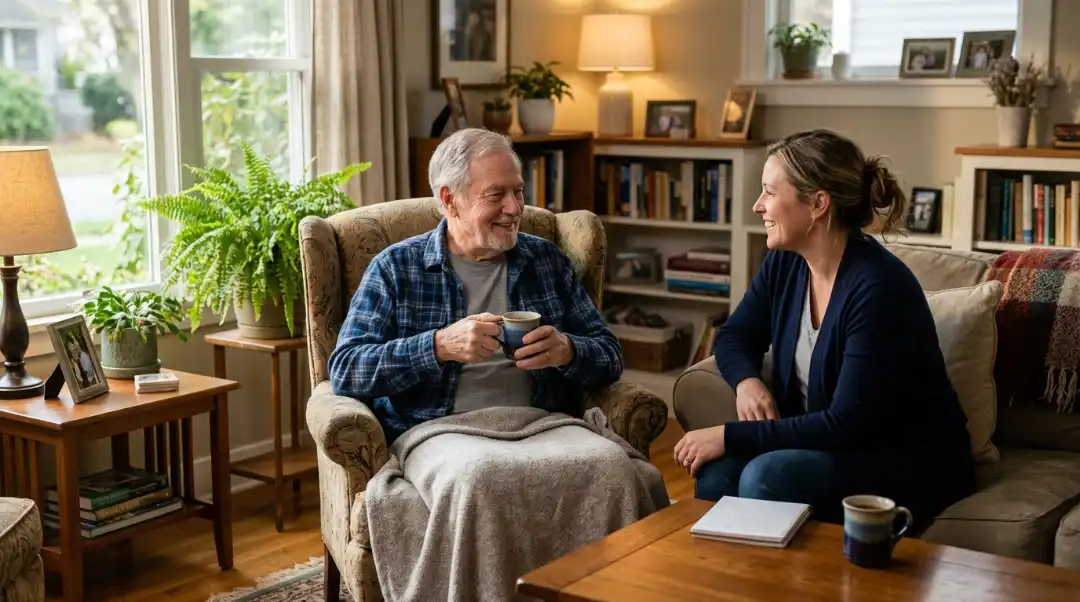
If you’re observing a parent slow down, become winded on the stairs or nap more than they used to, you’re likely asking yourself what’s natural aging and what’s something more. You are right to notice. It’s not just about a sudden, dramatic incident at a hospital with ‘heart disease’. Most of the time it arrives silently, in the minor stuff: a shorter walk, a skipped shopping run, a snooze that extends into the whole afternoon. What I can promise you is this: You will walk away from this essay knowing how heart disease affects the daily lives of a senior, what symptoms to watch for, and what genuinely helps.
Short answer: Heart disease impacts a senior’s daily life by diminishing stamina, limiting mobility, interfering with sleep, and making everyday activities such as cooking, cleaning, and even dressing more difficult than it was before. It also influences mood, memory and independence. We’ll walk through each of these areas, looking at the heart problems most common in older folks and what actual help looks like in the home.
How Heart Disease Changes Everyday Life for Seniors
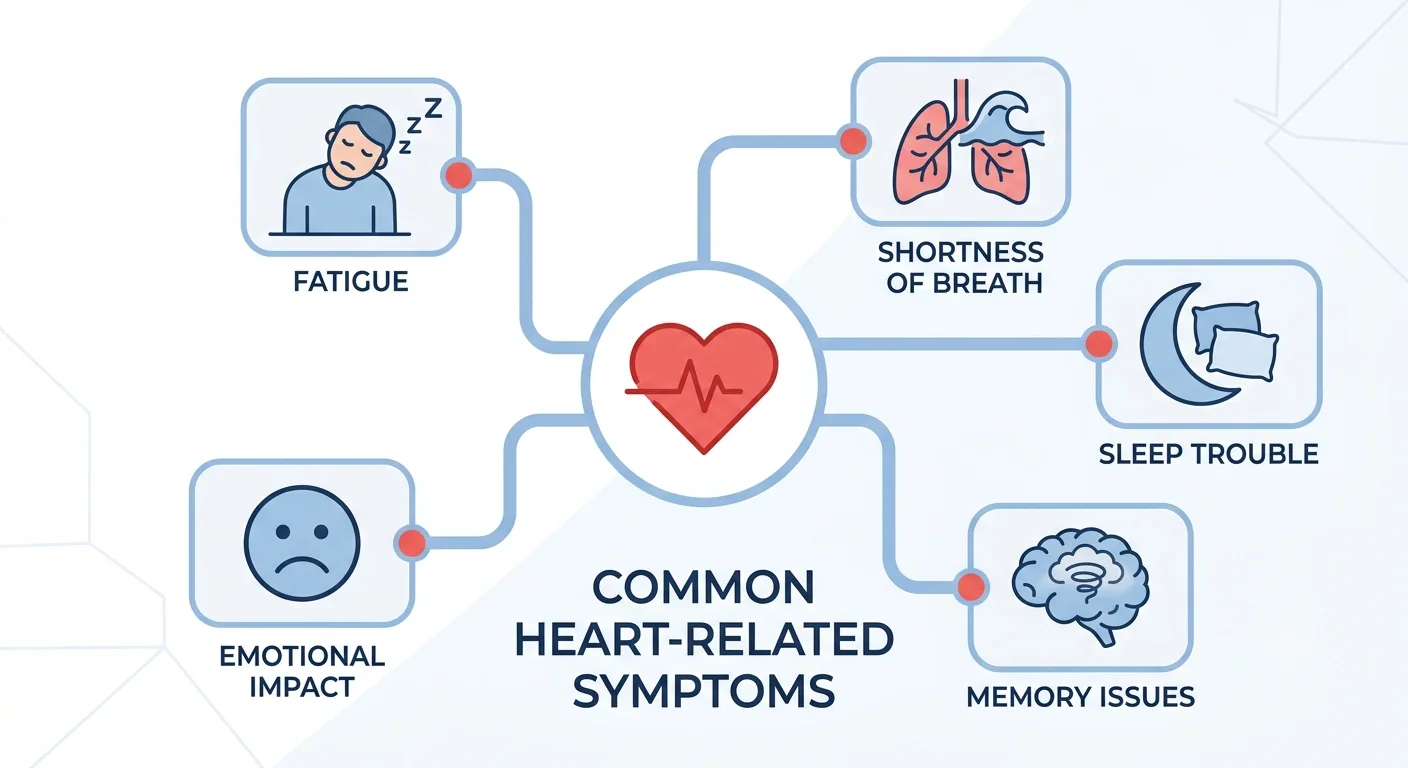
Heart disease changes the daily lives of an older person in ways that slowly accumulate, then suddenly seem obvious. The heart’s role is to pump oxygen-rich blood around the body. If it can’t do that efficiently, everything from the legs to the brain feels the pressure.
Think of the heart as the engine of a classic car. It does okay on the flat roads, but as soon as there’s a hill or stairs or a long stroll or a stressful afternoon, it’s hard for it to keep up. That fight is what presents itself in exhaustion, breathlessness and the need to slow down.
Fatigue and Reduced Stamina
A weaker heart struggles to keep up with the body’s demand for blood flow, leaving seniors with low energy and decreased endurance for tasks they once handled without a second thought. This isn’t laziness or “just getting older.” It’s the cardiovascular system working overtime and losing ground.
Simple activities like folding laundry, walking to the mailbox, or taking a shower can leave a senior needing to sit down and rest. Family members often notice this before the senior admits it. Grandma used to garden for two hours; now she’s tired after fifteen minutes.
Shortness of Breath
When the heart can’t pump efficiently, fluid can back up into the lungs. This makes breathing harder, especially during activity or when lying flat. Some seniors start sleeping propped up on extra pillows without realizing why they’re doing it.
Climbing a single flight of stairs might trigger breathlessness that didn’t exist a year ago. This is one of the clearest signs that heart disease is progressing and worth mentioning to a doctor right away.
Sleep Disruption
Heart disease and sleep don’t mix well. Fluid retention, irregular heartbeats, and anxiety about symptoms can all interrupt rest. Poor sleep then makes fatigue worse the next day, creating a cycle that’s hard to break without help.
This is a good spot for a statistic: a source like the American Heart Association or a peer-reviewed sleep study could support a claim about what percentage of heart failure patients experience disrupted sleep, and why untreated sleep apnea worsens cardiac outcomes.
Cognitive Changes
Reduced blood flow to the brain can cause brain fog, forgetfulness, and slower thinking. Families sometimes mistake this for early dementia when it’s actually a circulation problem tied to the heart. This connection surprises a lot of people, but it’s well documented in cardiology research.
Emotional and Social Effects
Living with a chronic condition changes how people see themselves. Seniors may skip social events out of fear of overexerting themselves or embarrassment about needing to rest often. Isolation creeps in, and with it, anxiety or low mood.
Emotional well-being matters just as much as physical symptoms here. A senior who withdraws from friends and hobbies is at higher risk for depression, which can, in turn, worsen heart health. It’s a loop worth watching closely.
Living Well After a Heart Disease Diagnosis
A heart disease diagnosis doesn’t imply life stops. This implies life is managed differently, exercise levels, diet, medicine and rest are given consideration. The majority of seniors are able to drive, socialize and live independently for years following diagnosis, especially when they have the correct routine in place.
The first few weeks after diagnosis are frequently the hardest. There is the anxiety, the bewilderment about what the diagnosis implies, and a long list of new orders from the doctor. Allow yourself, or your loved one, to feel overwhelmed. That’s a typical answer.
From there the idea is to develop a routine that works with the condition not against it. This implies spacing out tasks throughout the day rather than trying to complete everything at once. It means having a prescription schedule on paper, not relying on recollection. And that involves regular visits to your doctor, not waiting until you’re in crisis.
Healthy Habits That Protect Your Heart
Adjusting daily habits can slow down age-related heart changes and help seniors regain a sense of control over their bodies. Focus on small, sustainable changes that fit naturally into an existing routine.
Cook with Low-Sodium Ingredients
Sodium acts like a sponge, holding water in the bloodstream and forcing the heart to work harder. Cutting back on salt doesn’t mean eating bland food. Replace the salt shaker with fresh herbs, garlic, lemon juice, and salt-free spice blends. Focus on fresh vegetables, lean proteins like chicken or fish, and whole grains while avoiding frozen dinners and canned soups.
Incorporate Gentle Physical Activity
Can physical movement improve a senior’s heart health?
Yes, regular low-impact exercise strengthens the heart muscle and improves overall blood circulation. While it cannot reverse permanent structural damage to the valves or arteries, gentle movement increases the body’s ability to use oxygen. This directly reduces daily fatigue and boosts walking stamina.
Seniors should aim for short, 10-to-15-minute walks twice a day, or perform seated leg lifts and stretching routines. Always consult with a doctor or a cardiac rehabilitation specialist to establish safe heart-rate boundaries before starting any new exercise routine.
The Hidden Emotional and Mental Toll
The daily struggle with a chronic heart condition impacts a senior’s emotional well-being just as much as their physical strength. When simple tasks become exhausting, a senior’s world often shrinks, leading to quiet mental health struggles that family members easily miss.
The Cycle of Isolation and Depression
Shortness of breath and low energy make it difficult for seniors to leave the house, visit friends, or attend community events. Over time, this forced isolation often turns into deep depression.
Seniors may feel like they’re a burden to their families, causing them to withdraw even further. This lack of social interaction and physical movement can accelerate cognitive decline, making it harder for them to manage their own care safely.
Anxiety and the Fear of Exertion
Many seniors develop intense anxiety surrounding physical movement. Because climbing stairs or walking to the kitchen makes their heart race or leaves them gasping for air, they begin to fear these sensations.
This anxiety causes them to avoid movement entirely, which unfortunately accelerates muscle loss and weakens the cardiovascular system even further. Breaking this cycle requires a calm, supportive presence to help them move safely and confidently.
6 Heart Problems Every Senior Should Know About
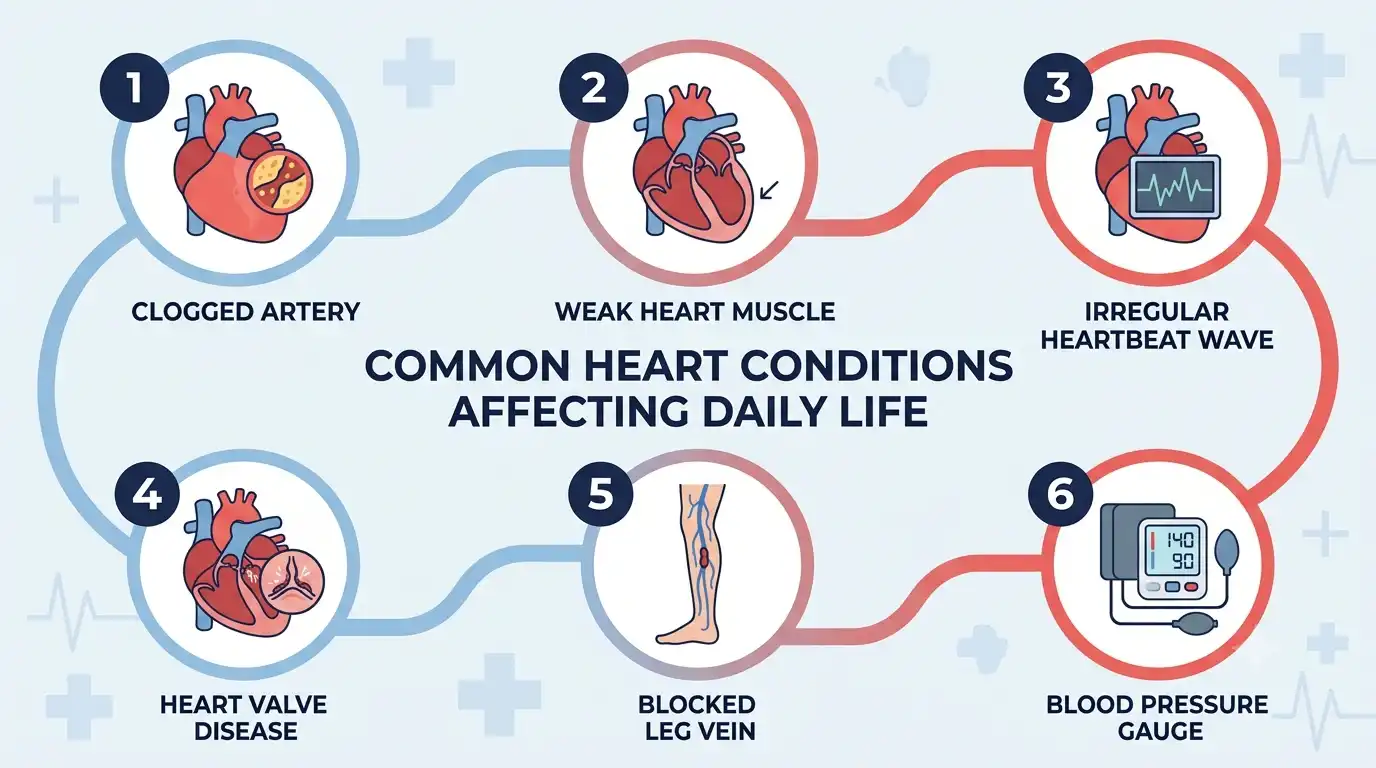
Not all heart disease looks the same. Here are six conditions that show up often in older adults, along with what makes each one distinct.
1. Coronary Artery Disease
Plaque builds up inside the arteries, narrowing the space blood has to travel through. This restricts blood flow to the heart muscle and is the most common cause of heart attacks in seniors.
2. Heart Failure
The heart muscle weakens and can’t pump blood as effectively as it should. Heart failure in seniors often shows up as swelling in the legs, fatigue, and shortness of breath, and it tends to worsen gradually rather than all at once.
3. Atrial Fibrillation (AFib)
This irregular heart rhythm becomes more common with age and raises the risk of stroke significantly. Some people feel a fluttering in their chest; others have no symptoms at all and only find out during a routine checkup.
4. Heart Valve Disease
Valves can thicken, stiffen, or leak as a person ages, forcing the heart to work harder to move blood through its chambers. Aortic stenosis is one of the more common valve issues seen in adults over 70.
5. Peripheral Artery Disease
Reduced blood flow to the legs and feet can cause pain while walking, slow healing wounds, and increased fall risk. It’s often overlooked because the symptoms get blamed on general aging or arthritis.
6. Hypertension (High Blood Pressure)
Nearly two out of three adults over 60 deal with high blood pressure, according to CDC data, and it’s a major driver behind most other heart conditions on this list. Left unmanaged, it quietly damages arteries over years.
How Professional Home Care Helps Promote Senior Heart Health
When a senior wants to remain at home but struggles with the daily demands of a heart condition, non-clinical home care bridges the gap. It provides essential, practical help with daily tasks without taking away a senior’s sense of independence or control.
Assistance with Daily Routines and Household Chores
Professional caregivers can take over the heavy physical tasks that drain a senior’s energy. By handling laundry, running errands, vacuuming, and cleaning the kitchen, a caregiver preserves the senior’s limited stamina for the things they enjoy, like visiting family or working on hobbies. Caregivers also prepare fresh, low-sodium meals daily, ensuring the senior follows their heart-healthy diet plan without the stress of cooking.
Companion Care and Safety Supervision
Having a dedicated professional in the home provides invaluable peace of mind. Caregivers offer essential companion care to fight off loneliness, keep seniors mentally engaged, and assist with safe transfers in and out of the shower to prevent dangerous falls. They can also provide reliable medication reminders so vital prescriptions are taken exactly as directed.
If you are looking for reliable, personalized support for an aging parent in Colorado, Castle Pines Home Care offers dedicated non-clinical assistance tailored to your family’s needs. Our caregivers focus on safety, nutrition, and companionship to keep your loved one comfortable and secure in their own home.
To help your loved one maintain their independence, you can learn more about our dedicated home care services in Denver or explore our specialized Personal Care Services in Denver to find the perfect level of daily support.
Final Thoughts
Heart disease changes daily life, but it doesn’t erase it. The seniors who do best are usually the ones with a clear routine, a support system, and a little help filling in the gaps that come with a chronic condition. Understanding how heart disease affects a seniors daily life is the first step toward building a plan that actually works for your family.
If you’re looking for support managing heart disease at home, contact us at Castle Pines Home Care to talk through what daily assistance could look like for your loved one.
Frequently Asked Questions
Can seniors live a normal life with heart disease?
Yes, many seniors live full, independent lives for years after a heart disease diagnosis with proper management. Success depends on following medication schedules, staying active within safe limits, and attending regular checkups. Life changes, but it doesn’t have to shrink.
What are the early signs of heart disease in the elderly?
Early signs often include fatigue after light activity, shortness of breath, swelling in the ankles or legs, and a persistent cough. These symptoms can be subtle at first and are sometimes mistaken for normal aging, so it’s worth mentioning them to a doctor early.
How does heart failure affect mobility in seniors?
Heart failure reduces the amount of oxygen-rich blood reaching the muscles, causing fatigue and weakness during movement. Seniors may need to rest more often, use assistive devices like a cane, or shorten the distance they walk in one stretch.
What lifestyle changes help seniors manage heart disease?
A heart-healthy diet, regular light exercise, consistent medication use, and stress management all play a role in slowing disease progression. Small, sustainable changes tend to work better long-term than dramatic overhauls that are hard to maintain.
How can caregivers support a senior with heart disease?
Caregivers help most by assisting with physically demanding tasks, tracking symptoms, managing medication schedules, and encouraging social connection. Support works best when it respects the senior’s independence rather than replacing it entirely.