Black ice on the front porch. A quiet 2 a.m. furnace. A brief trip to the car that turns into a long, frigid walk. None of them sound dramatic on their own, but for an older adult any one of them can mean a visit to the hospital.
That’s why winter safety guidelines for seniors are more important than most people realise. This article discusses the real dangers of cold weather for seniors, what really causes most winter injuries, and specific measures that make a home, a car and a daily routine safer from December to March. It’s for anyone helping a parent keep their independence this season or for seniors who desire a clear, no-nonsense strategy of their own.
Why Winter Can Be More Dangerous for Older Adults
Aging bodies naturally produce less internal heat, lose body warmness faster, and process environmental changes more slowly. Decreased metabolic rates, reduced muscle mass, and thinned blood vessel walls make cold regulation difficult. Certain common medications for blood pressure or heart conditions also impair the body’s natural thermal control.
Physical agility naturally changes over time. Reduced muscle strength, stiff joints, and slower reflexes make quick balance corrections harder when slipping on sudden patches of black ice. Additionally, lower winter light levels impair visual depth perception, making uneven or frozen surfaces difficult to spot.
Cold air also forces the heart to work much harder to keep the body warm. Blood vessels narrow in freezing temperatures to conserve core heat, which raises blood pressure and increases strain on the cardiovascular system.
Most Common Causes of Injury for Seniors in Winter

The leading causes of winter injury for seniors are falls on ice or snow, hypothermia from inadequate heating or clothing, house fires linked to space heaters, and carbon monoxide poisoning from furnaces and generators. Flu and pneumonia round out the list, since cold weather keeps people indoors in close contact and immune response weakens with age.
Falls deserve the most attention, because they’re the most common. About one in three adults over 65 experiences a fall every year, and roughly 1.8 million seniors are treated in emergency rooms annually because of one. Winter conditions make this worse in a measurable way. A study from McGill University found that falls among people 75 and older jumped by 20 percent during freezing rain advisories, which tells you the ice itself, not just general winter caution, is doing real damage.
How to Minimize Risk With Winter Safety Tips for Seniors at Home
Preventing Falls on Ice and Snow

Slick walkways are the number one single concern to senior mobility from December through March. To help reduce this risk, you’ll need to change your footwear and how you maintain outside surfaces before the freezing weather hits.
Every pair of winter shoes should have deep, multidirectional treads in strong rubber bottoms. Avoid slippery plastic surfaces or flat soles altogether. If seniors are using assistive devices such as canes or walkers, make sure to install specialized ice tip attachments that dig into frozen ground.
Correct materials are required for driveways and steps to be treated. Rock salt melts ice but it can injure concrete and pet paws if dogs are around. Sand doesn’t melt ice, but it gives you instant traction on slippery areas. As soon as the storm is over, spread a thick layer of sand or environmentally friendly ice melt, or use a local snow removal company to do the hard work before anyone ever goes outdoors.
Maintaining Proper Lighting and Visibility
Install high-lumen, non-glare LED light bulbs in entryways, staircases, hallways, and outdoor walkways. Bright, clear lighting eliminates deep shadows that hide ice patches, raised door thresholds, and loose electrical cords.
Plug automatic motion-sensor nightlights into wall outlets along paths leading from the bed to the bathroom. These lights illuminate dark hallways instantly without forcing you to fumble for wall switches in the dark.
Keep a bright, lightweight flashlight on every nightstand and next to the main entry door. Check the batteries monthly so you have immediate light if a winter storm cuts electrical power.
Winter Health Tips for Seniors
How can seniors maintain physical health in cold weather?
Seniors maintain physical health in cold weather by dressing in loose, warm layers, staying well hydrated, eating nutrient-rich hot meals, and maintaining moderate indoor physical movement. Protecting skin from cold air and getting regular vitamin D also supports vital immune function throughout the season.
| Health Risk | Key Warning Signs | Immediate Preventive Action |
| Hypothermia | Cold skin, pale appearance, slow speech, shivering, confusion | Wrap in warm blankets, offer warm drinks, raise thermostat to 70°F |
| Dehydration | Dark urine, dry mouth, headache, sudden dizziness | Drink 6-8 glasses of water or warm herbal tea daily |
| Winter Blues / Isolation | Low energy, withdrawal from calls, altered sleep patterns | Schedule daily phone check-ins, maintain simple home hobbies |
| Skin Damage & Chapping | Redness, flaking, cracked fingertips, persistent itch | Apply thick moisturizing creams, use a bedroom humidifier |
Winter Storm Preparedness & Emergency Planning
Managing Prescription Medications and Medical Supplies
Maintain at least a full seven-day to two-week reserve supply of all critical daily prescription medications. Order prescription refills several days before severe winter storms hit to avoid running out of vital pills while snowbound.
Keep medical equipment, such as oxygen concentrators, motorized wheel chairs, and blood pressure monitors, plugged into surge protectors. Keep backup manual equipment, such as a manual wheelchair or extra oxygen tanks, accessible in case of long electrical blackouts.
Inform your local public utility providers if home medical equipment requires constant electrical power. Power companies maintain priority restoration lists for households with documented medical needs during widespread power outages.
Carbon Monoxide and Smoke Detector Maintenance
Test every smoke detector and carbon monoxide alarm once a month by pressing the test button on the faceplate. Replace internal batteries every six months, or choose sealed ten-year lithium battery alarms.
Install carbon monoxide detectors on every level of the home, placing them near sleeping areas and at least fifteen feet away from fuel-burning appliances. Replace carbon monoxide units every five to seven years according to manufacturer directions.
Never run gasoline generators, charcoal grills, or gas camp stoves inside the home, garage, basement, or enclosed porch. Keep operating generators outside at least twenty feet away from all home windows, doors, and air vents.
Winter Driving Tips for Seniors
Driving conditions change fast in winter, and reaction time that was already a little slower gets tested by ice, glare, and reduced visibility. It’s worth being honest about whether a drive is necessary before getting in the car.
Keep the gas tank at least half full, since a stalled car with a near-empty tank in freezing weather turns a minor inconvenience into a real emergency. A basic car kit helps here too: blankets, a flashlight, sand or kitty litter for traction under tires, and a phone charger that works from the car battery. Clear all windows and mirrors completely before driving, not just a peephole through the frost, and increase following distance well beyond the usual gap since stopping on ice takes far longer than on dry pavement.
Tips for Family Caregivers
FrKeeping elderly parents or loved ones safe in winter often falls on family members who don’t live nearby and can’t check the porch steps every morning. A short, regular check-in routine matters more than any single big gesture.
Call or visit often enough to notice changes, since a house that’s colder than usual, an unstocked fridge, or unshoveled steps are all early warning signs worth investigating. Ask directly whether the heating bill has been paid and whether the thermostat is set where it should be, since some seniors quietly turn the heat down to save money without mentioning it. A simple written list of emergency contacts, taped near the phone or the fridge, removes guesswork during a stressful moment.
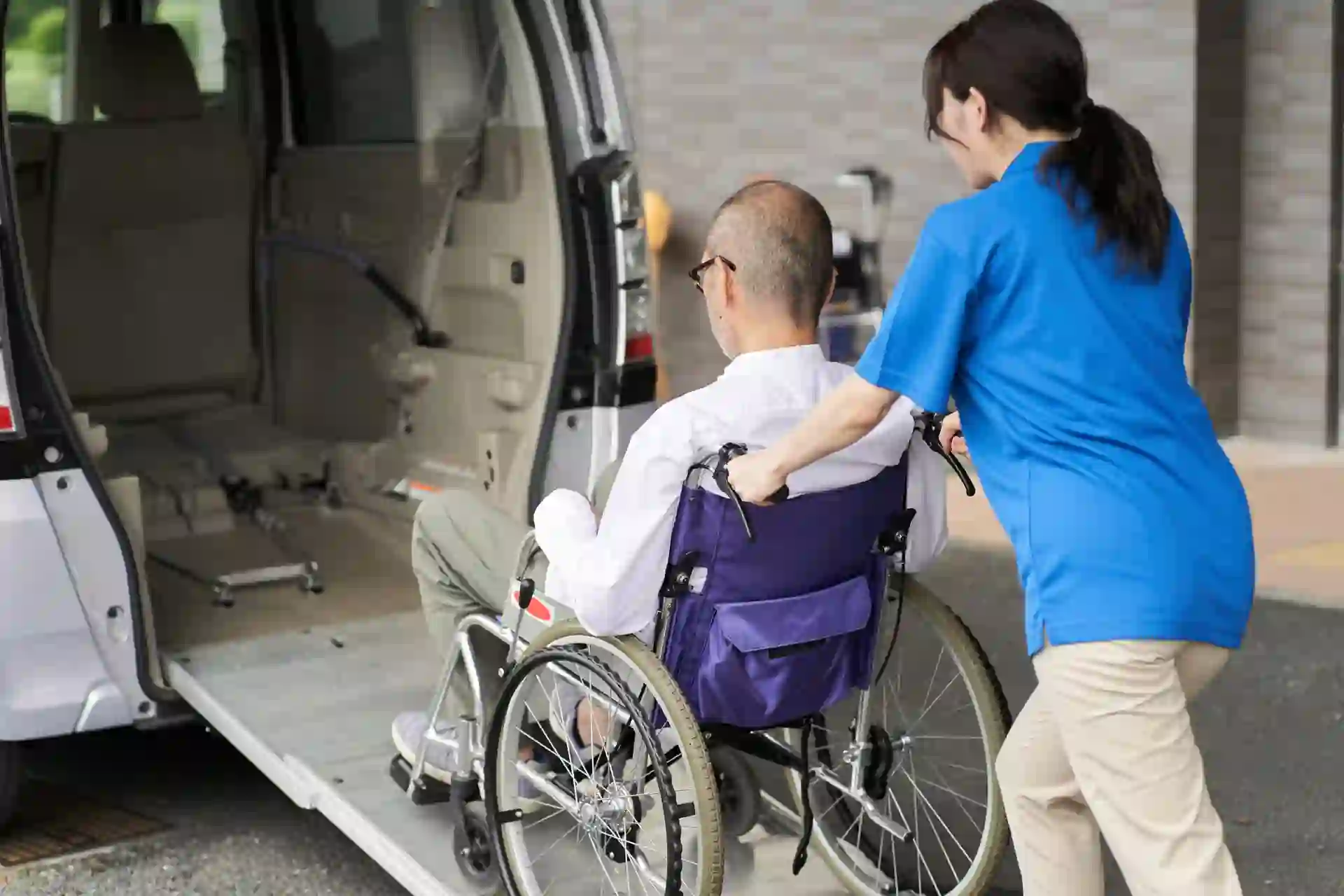
If daily visits aren’t realistic because of distance or a caregiver’s own work schedule, a home care aide can fill that gap safely. Regular in-home visits catch small problems, like a loose rug or a missed meal, before they become emergencies, and they give family members some peace of mind during the months when checking in matters most.
Final Thoughts on Seasonal Safety
Balancing independence with physical safety during the harsh winter months is a challenge many families face. Implementing practical home modifications, planning for power emergencies, and adjusting outdoor routines can prevent the most common winter injuries. You don’t have to manage these cold-weather challenges completely on your own.
If you are looking for dependable, compassionate assistance to keep your loved one safe and comfortable at home, contact us today. Our dedicated professionals at Castle Pines Home Care provide high-quality, personalized home care services in Denver to give your family true peace of mind all season long.
Frequently Asked Questions
What indoor temperature is safe for elderly individuals?
The indoor temperature for elderly individuals should always be set to at least 68°F. Living spaces that drop between 60°F and 65°F can cause older adults to lose core body heat, increasing the risk of indoor hypothermia over time.
How do you prevent seniors from falling on ice?
Prevent seniors from falling on ice by equipping their boots with high-traction rubber soles and putting ice-grip attachments on canes or walkers. Keep all walkways clear by spreading sand for traction, and use reliable snow removal services to handle heavy accumulation.
What are the early signs of hypothermia in older adults?
The early signs of hypothermia in older adults include frequent shivering, slurred or mumbled speech, fumbling hands, and unusual confusion. Because aging bodies struggle to regulate temperature, these symptoms can appear gradually without the senior realizing they are in danger.
Why is snow shoveling dangerous for older adults?
Snow shoveling is dangerous for older adults because lifting heavy snow in freezing air forces blood vessels to constrict, dangerously spiking blood pressure. This intense combination of physical overexertion and cold temperatures significantly increases the risk of severe heart strain.