If your dad has just had a tumble down the stairs, or your husband can’t do the stairs like he once could, you already know the concern that keeps you up at night: Is home still the safest place for them? You wouldn’t be incorrect in asking it. We hear this same worry from families every week, and the short answer is this: in-home care helps seniors stay where they feel most like themselves while obtaining the daily attention that keeps them safe.
We’ll cover: how home-based care safeguards independence, how it boosts physical and mental health, what it means for families who feel stretched thin, and what to actually look for when evaluating options. We’ll also direct you to what types of data and research you should trust before you decide. By the conclusion, you’ll have a clear image of how in-home care enhances quality of life for seniors, not just in theory, but in the small everyday moments that add up to a better life at home.
The Benefits of Home Care in Enhancing Seniors’ Quality of Life
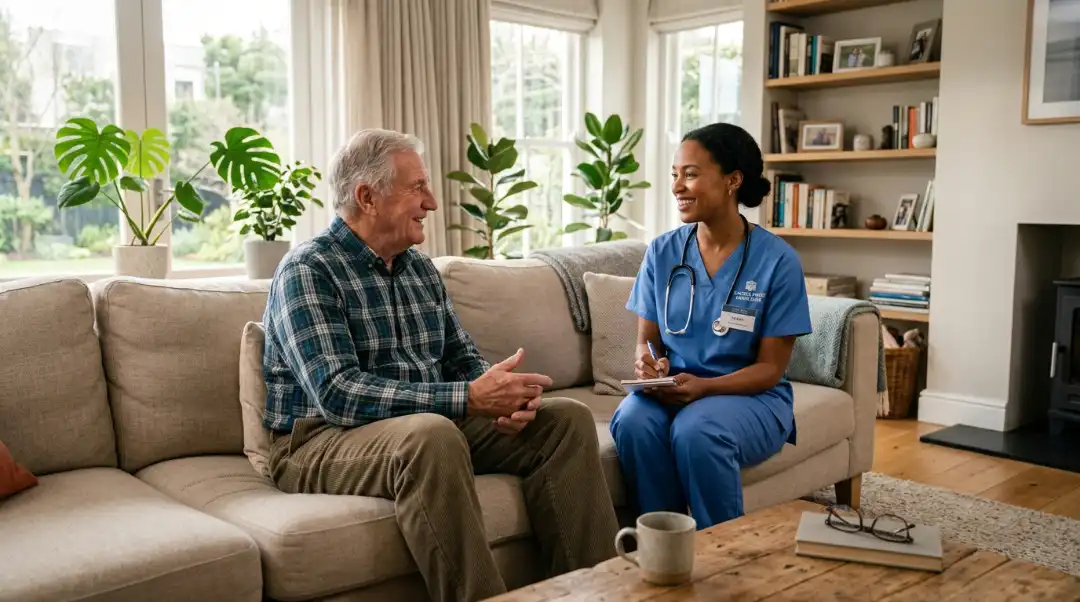
Home care changes daily life in ways that are easy to underestimate until you see them up close. A senior who gets help bathing, dressing, and preparing meals isn’t just getting tasks done. They’re keeping their routine, their dignity, and their say in how their day goes.
Quality of life home care isn’t only about safety, though that matters. It’s about a person still deciding what time they eat breakfast, which chair they sit in, and who they spend the afternoon with. Those small choices add up to something bigger: a sense of control that many seniors lose the moment they move into an unfamiliar facility.
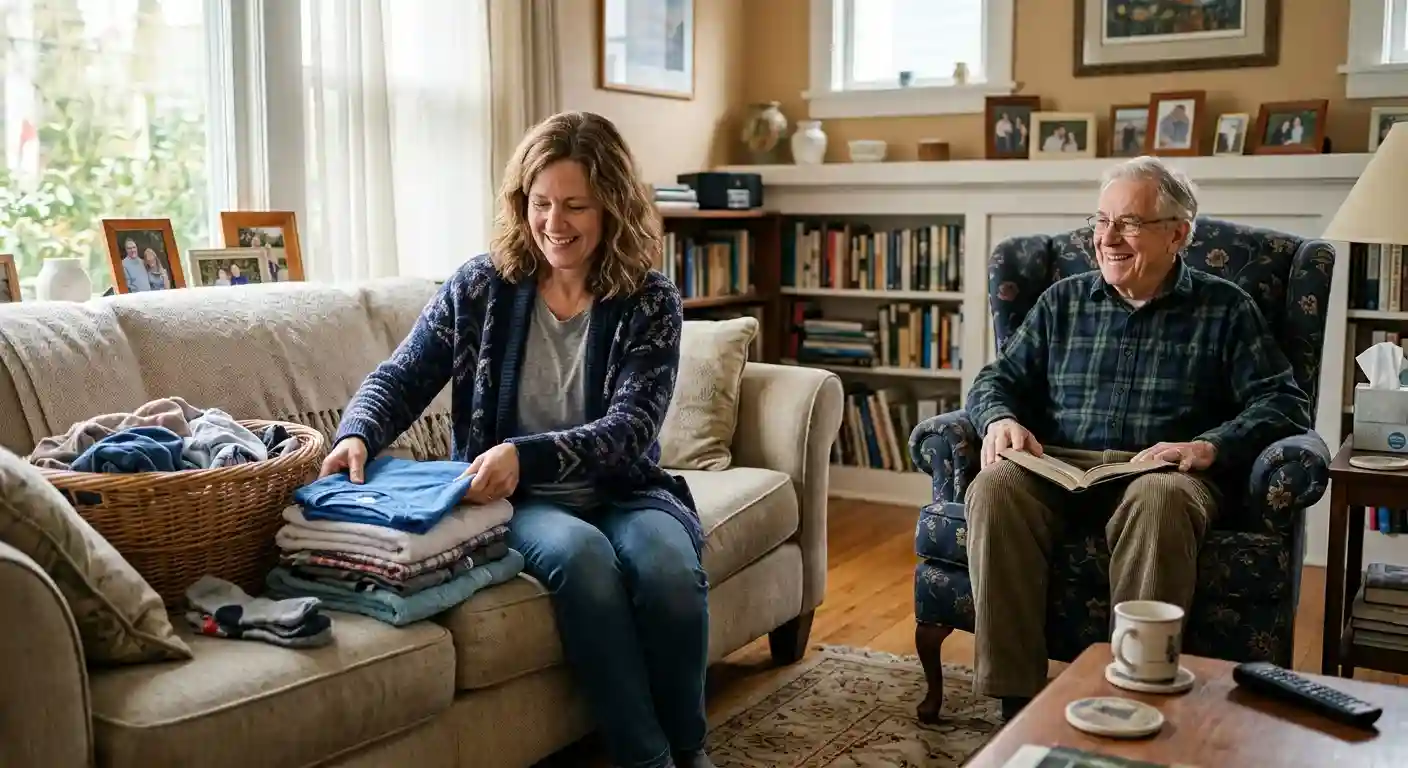
Family caregivers benefit too. When a trained aide handles the physical demands of care, adult children get to go back to being a son or daughter instead of a full-time nurse. That shift alone tends to lower tension in the household.
The Critical Role of Companionship in Senior Happiness and Mental Health
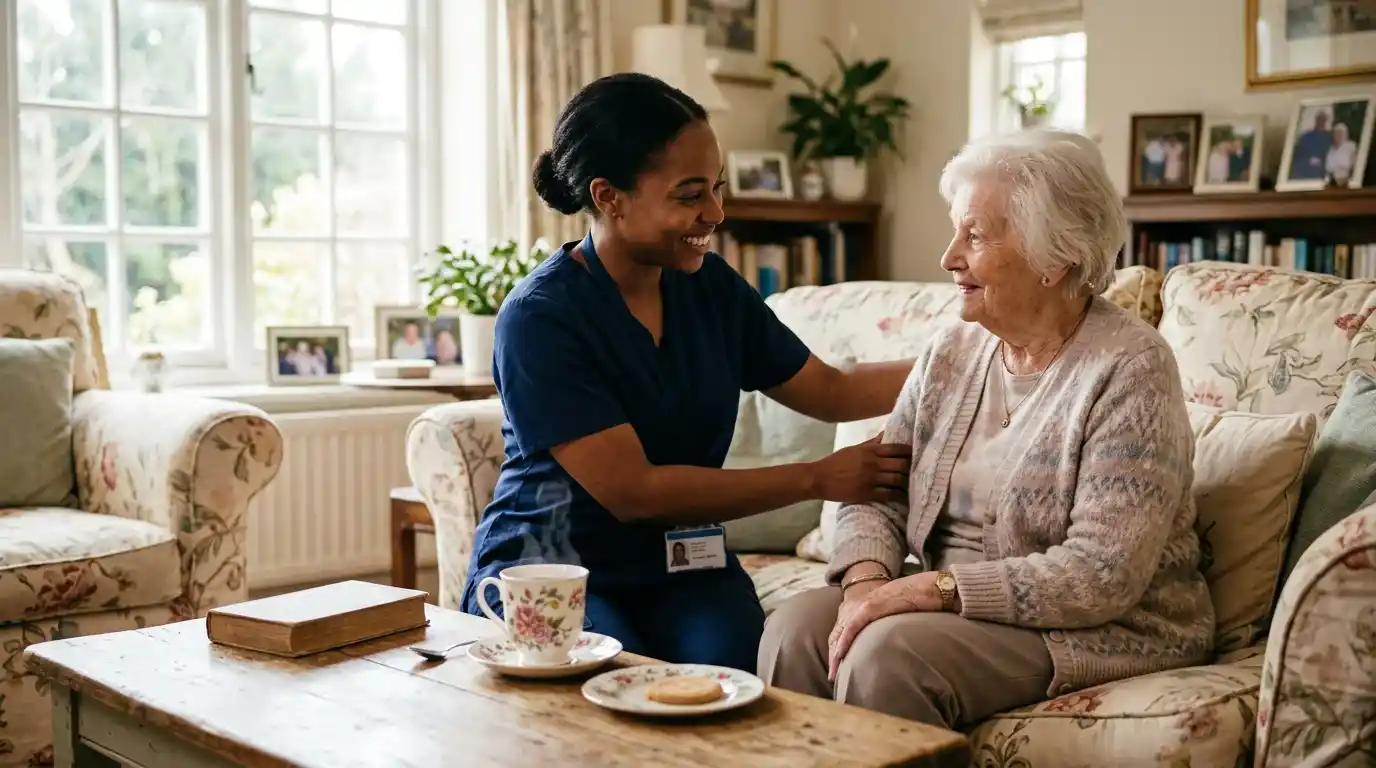
Companionship reduces loneliness in seniors by giving them regular, predictable human contact, which lowers the risk of depression and cognitive decline. A caregiver who visits consistently becomes a familiar face, not just a service provider, and that relationship supports both mood and mental sharpness over time.
Isolation is one of the quieter risks of aging. A senior living alone might go days without a real conversation, especially if family lives far away or works long hours. That kind of silence wears on a person, even if they’d never say so out loud.
An in-home caregiver changes that pattern. They talk during meals, sit through a favorite show, or take a slow walk around the block. These moments look small, but they’re often the highlight of someone’s week.
Supporting Physical and Mental Health through In-Home Care Services
Physical wellness and mental health depend directly on consistent daily care habits and regular routines. Professional aides help aging individuals stay active, eat nutritious meals, and stick to recommended wellness plans.
Caregivers offer gentle encouragement for light physical exercises, stretching, or doctor-recommended mobility routines. They also ensure timely medication reminders so prescriptions are taken as directed by physicians.
Mental stimulation is equally important for overall health. Caregivers engage seniors in brain games, reading, and creative hobbies that keep cognitive faculties sharp and active.
Creating a Safe and Comfortable Home Environment for Seniors
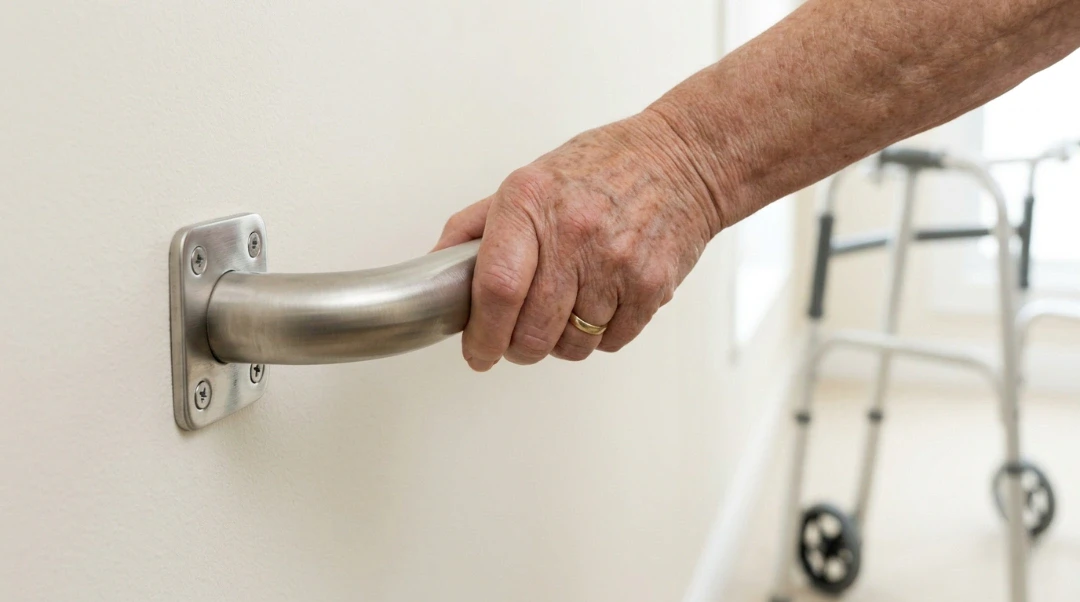
Preventing accidents is essential for protecting senior independence. The Centers for Disease Control and Prevention (CDC) reports that more than one out of four older adults falls each year. A single fall can lead to severe injuries, hospital stays, and a permanent loss of mobility.
In-home care addresses safety hazards directly inside the home.
Proactive Fall Prevention and Mobility Assistance
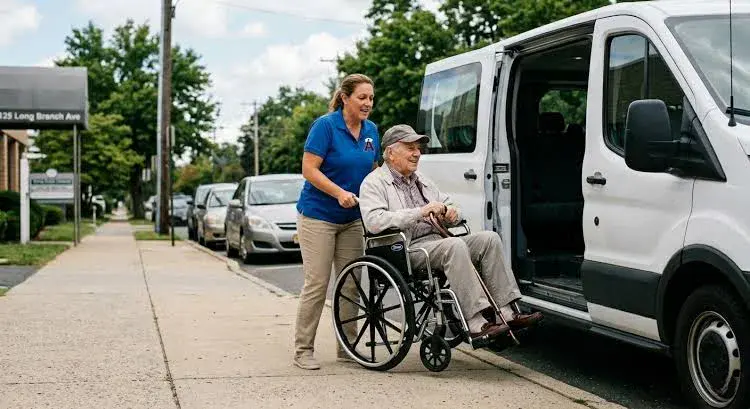
Caregivers are trained to identify everyday safety hazards. They help remove tripping obstacles, ensure pathways are well-lit, and provide steady physical support when seniors transfer from beds or chairs.
Having a watchful aide nearby gives seniors the confidence to move around safely rather than staying seated out of fear.
Medication Reminders and Daily Structure
Forgetting to take medication—or taking wrong dosages—is a primary cause of emergency room visits among older adults.
Non-medical caregivers provide timely medication reminders, help organize pill boxes, and encourage adequate hydration and regular meal schedules.
How In-Home Care Helps Seniors With Chronic Conditions
Managing ongoing conditions like heart disease, diabetes, or arthritis requires daily effort and consistency.
In-home care supports chronic condition management by establishing reliable daily routines that prevent sudden health complications.
Supporting Routine and Symptom Tracking
Caregivers notice small changes in energy levels, appetite, or physical mobility before they develop into major emergencies.
By keeping a consistent routine for meals, rest, and light movement, caregivers help keep chronic conditions stable.
Post-Hospitalization Recovery Support
Returning home after a surgery or hospital stay carries a high risk of readmission if post-discharge instructions are missed.
In-home care aides assist with meal prep, mobility support, and daily monitoring to ensure a smooth, safe recovery process at home.
7 Ways In-Home Care Improves Quality of Life
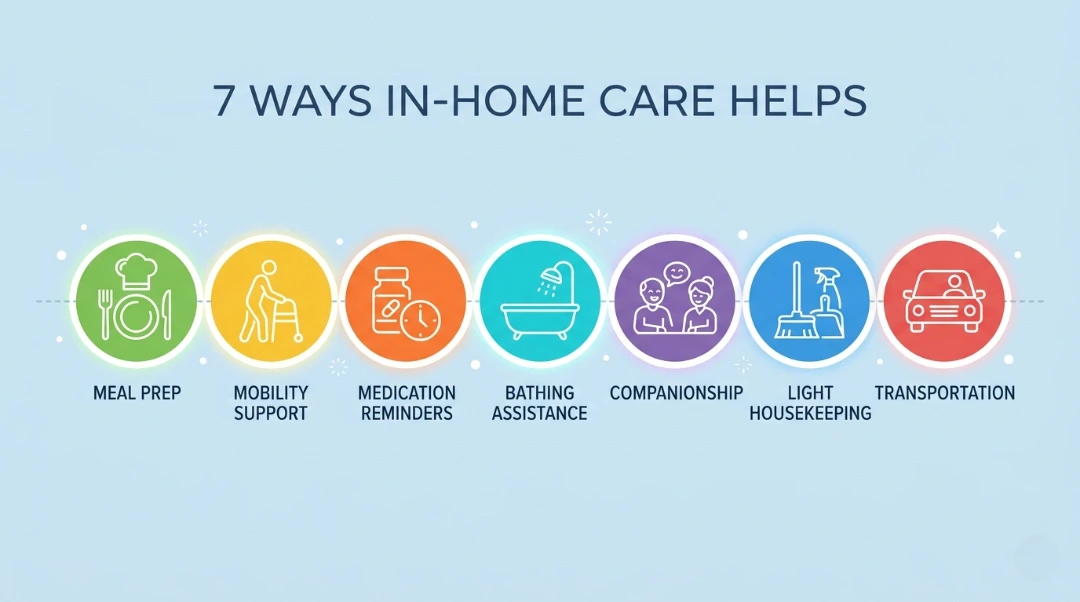
Knowing how in-home care improves quality of life for seniors helps families make confident, informed choices about long-term support.
-
Preserves Independence: Seniors keep control over their daily schedules, sleeping habits, and personal choices.
-
Prevents Falls: Hands-on mobility support reduces hazards in high-risk zones like bathrooms and stairways.
-
Ensures Medication Consistency: Timely reminders prevent missed doses and accidental double-dosing.
-
Combats Isolation: Regular social visits from a dedicated companion keep spirits high and reduce loneliness.
-
Supports Nutrition: Aides prepare fresh, balanced meals tailored to specific dietary requirements.
-
Relieves Family Caregivers: Family members get reliable breaks, preventing personal exhaustion and burnout.
-
Customizes Daily Support: Services scale easily from a few hours a week to round-the-clock non-medical coverage.
Understanding how in-home care improves quality of life for seniors gives families a practical roadmap to long-term safety.
What Are the Benefits of Senior Home Care Facilities?
When researching care, families frequently ask: what are the benefits of senior home care facilities? Senior home care facilities offer centralized, round-the-clock supervision, structural safety, and immediate access to group social activities. These communal settings work well for individuals who require constant medical monitoring. However, they lack the one-on-one attention and residential comfort found in personalized home care plans.
Understanding the core differences between various senior options helps families make informed choices for their long-term situations.
| Care Model | Primary Focus | Daily Schedule Flexibility | Staff-to-Resident Ratio |
| In-Home Care | One-on-one attention in your personal residence | Fully customized by the individual | 1:1 dedicated ratio |
| Assisted Living | Shared community living with general aid | Set by facility management | One staff member to multiple residents |
| Nursing Home Care | High-level clinical care and medical supervision | Highly structured and rigid | Group clinical care environment |
Evaluating the advantages of home health care reveals that private support offers a level of customization that group environments cannot replicate. In a personal house, the daily routine belongs entirely to the resident, keeping their identity front and center.
Final Thoughts
If you are searching for trusted, high-quality non-clinical support in the Denver metro area, professional assistance is nearby. We provide compassionate care designed around your family’s unique daily needs and schedules. Contact us today at Castle Pines Home Care to schedule a complimentary home consultation, and let us help you build a safe, reliable, and comfortable home care services in Denver plan for your loved one.
Frequently Asked Questions
What are the main benefits of in-home senior care over a facility?
In-home support provides dedicated one-on-one attention while allowing your parent to keep their preferred daily habits and familiar living spaces. This personalized model preserves personal independence, reduces the risk of community infections, and costs less than full-time residential facility placement.
How do caregivers provide reliable medication reminders?
Caregivers track the family’s established schedule and give clear verbal reminders when it is time to take specific dosages. They ensure the senior has fresh water ready and document that the medication was taken correctly, though they do not fill pill organizers or dose prescriptions themselves.
Can in-home care help seniors who are struggling with mobility support?
Yes, caregivers are specifically trained to assist with walking, moving from chairs to beds, and navigating household steps safely. This steady physical backup reduces the risk of accidental falls while helping seniors stay active and moving comfortably around their living space.
What should a comprehensive personalized care plan include?
A complete care plan outlines exact service hours, detailed personal histories, specific dietary needs, and required movement assistance. It also establishes clear emergency protocols and sets goals for daily companionship to ensure the senior thrives both physically and emotionally.
Is in-home care a safe choice for seniors with advanced dementia?
Yes, receiving support in a familiar home environment reduces the daily confusion, anxiety, and wandering often triggered by unfamiliar facility settings. Caregivers use gentle distraction techniques and maintain a predictable household routine to keep the senior feeling completely safe and secure.