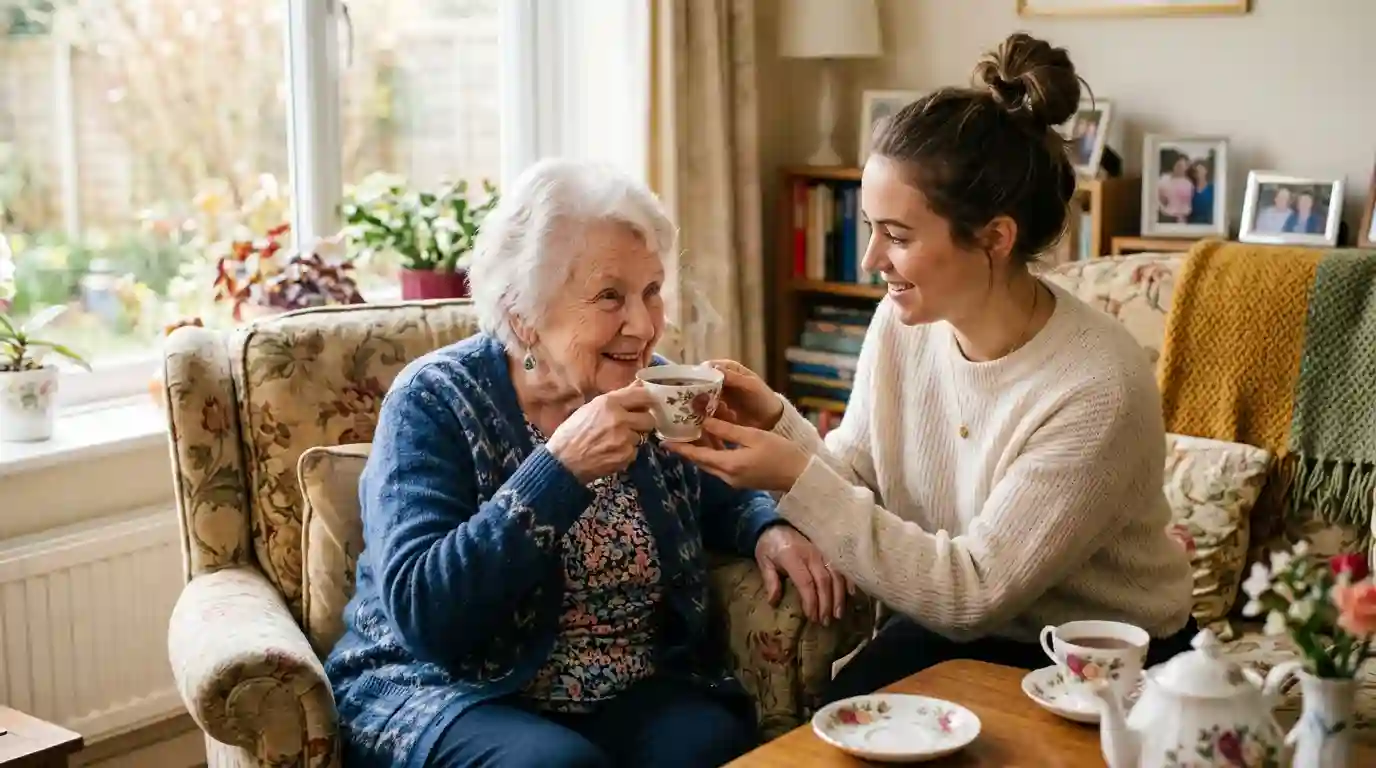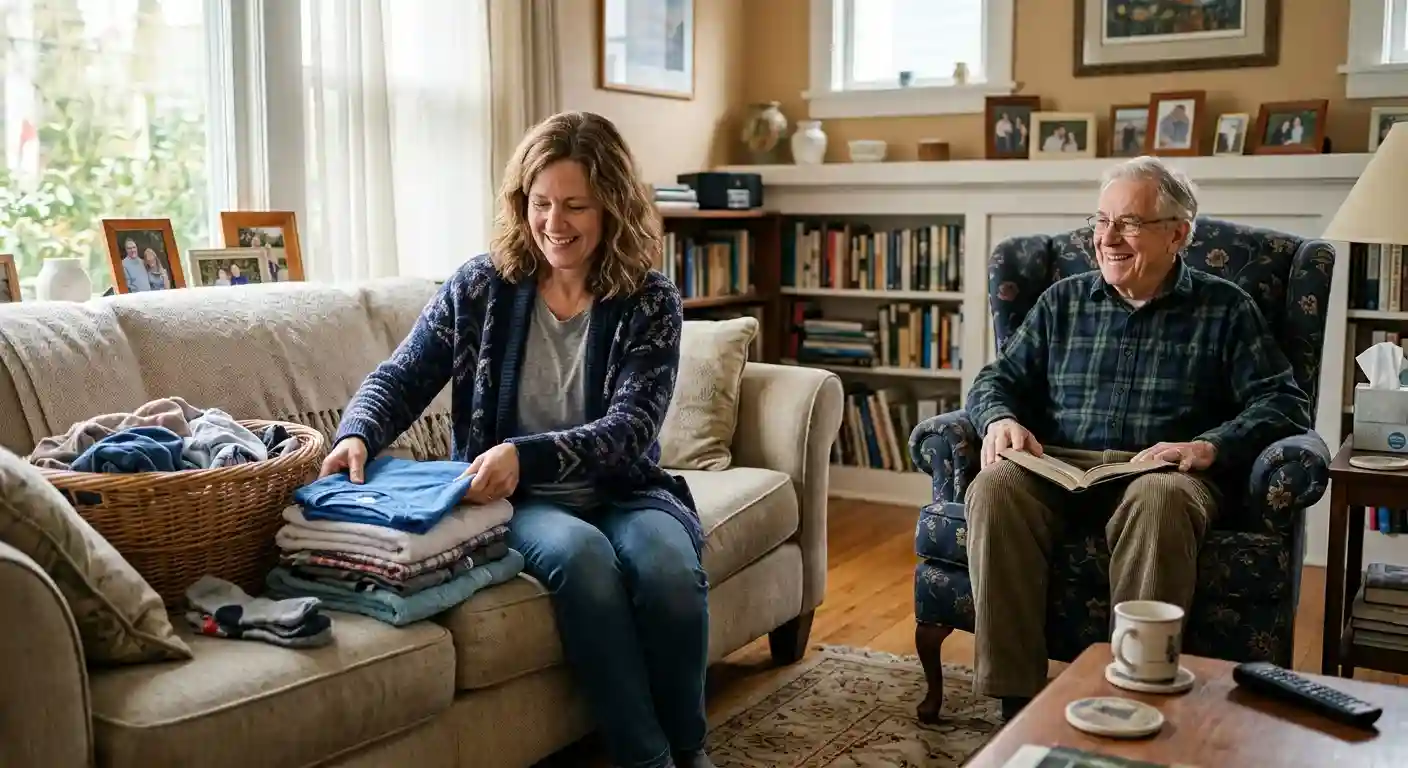
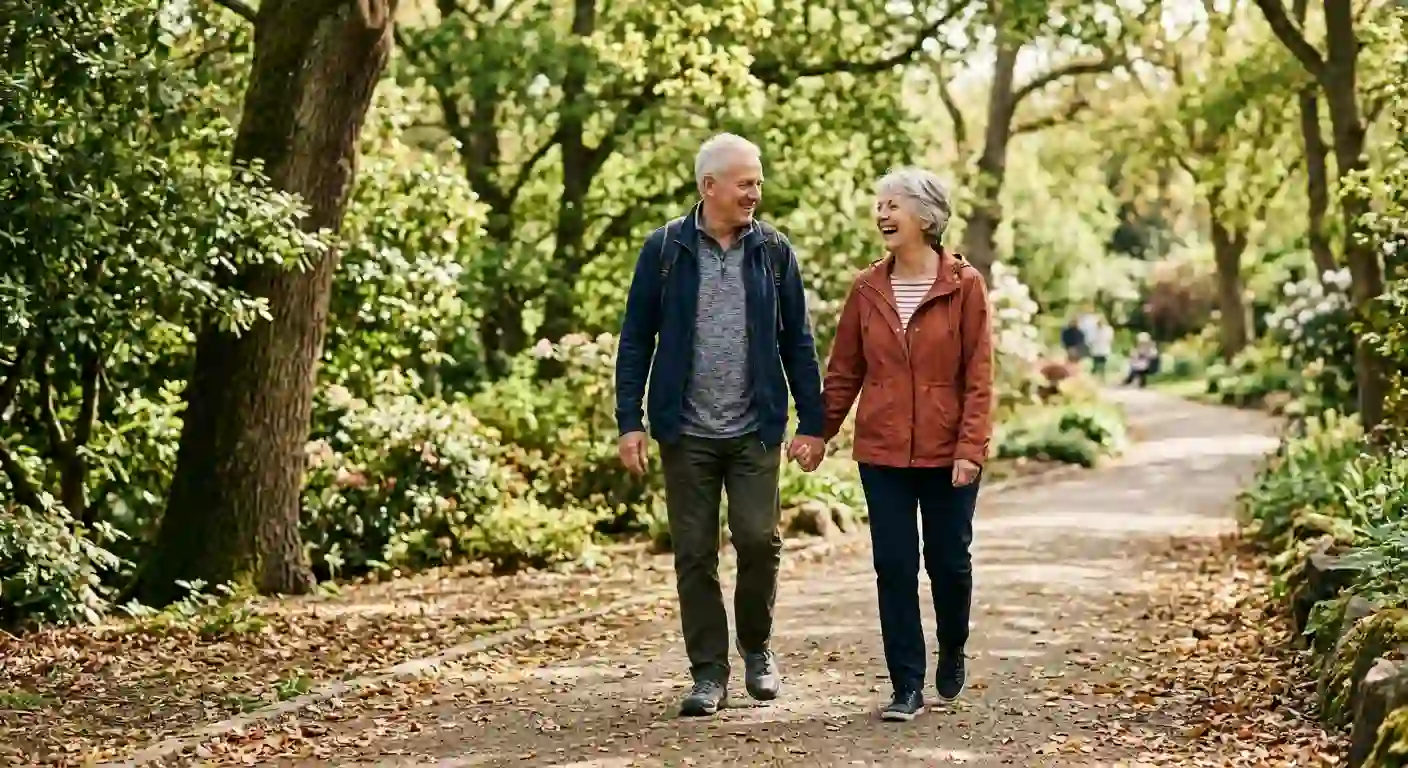
Aging doesn’t give everybody the same body. At 70, it’s normal to have thinner skin, more wrinkles, decreased muscular mass, changes in body fat, and some loss of height or flexibility. Another healthy 70-year-old may look considerably different from a healthy 70-year-old.
If you are asking yourself What should a 70 year old body should look like, the quick answer is there is no single “right” look. How you look at 70 is dependent on genetics, activity level, nutrition, sun exposure, medical history and lifestyle habits. But more important than appearance is the performance of the body.
What Is “Normal” Physical Aging at 70?
Physical aging at 70 reflects decades of natural biological adjustments. While society often equates aging with decline, physiology views it as a shift in how the body maintains and repairs itself.
The primary driver of visible change is the gradual slowing of cellular turnover. Skin cells take longer to replace themselves, structural tissues lose water content, and structural proteins gradually degrade. Recognizing these natural shifts helps distinguish baseline biological changes from acute medical issues.
- Height and Spine: Most adults lose 1 to 2 inches of total height by age 70 due to disc compression in the spine.
- Postural Alignment: Muscles supporting the upper back gently relax, creating a slight forward curve in the shoulders.
- Joint Flexibility: Tendons and ligaments lose elastic fibers, making movements slightly stiffer in the morning.
- Gait Speed: A slightly shorter stride and more deliberate walking pace are standard adaptations for balance stability.
Body Composition at 70: Weight, Muscle Mass & Fat Distribution

Body composition changes naturally, even when weight stays constant on the scale.
The most significant physical shift is sarcopenia, the age-related loss of muscle mass. Starting in midlife, muscle tissue slowly decreases. By age 70, adults may lose up to 30% of their peak muscle volume without active strength maintenance. This causes arms and legs to appear noticeably leaner or looser.
| Body Composition Marker | Standard Change at Age 70 | Primary Physical Cause |
| Skeletal Muscle Mass | Decreases by 3% to 8% per decade | Lower protein synthesis & lower anabolic hormones |
| Fat Distribution | Shifts from limbs to abdominal area | Slowed basal metabolic rate & hormonal shifts |
| Subcutaneous Fat Layer | Thins across face, hands, and feet | Normal age-related lipid redistribution |
| Bone Density | Decreases (Osteopenia threshold) | Slower mineral absorption & structural wear |
At the same time, metabolic rates slow down. The body shifts fat away from subcutaneous layers beneath the skin toward visceral areas around internal organs in the abdomen. This shift often results in a rounder midsection despite lean limbs.
How Does the Face and Skin Change at 70?
By age 70, frequent changes to the face and skin include wrinkles, thinner and drier skin, decreased suppleness, age spots, and bruising more easily. Skin changes are a typical part of aging and can be influenced by variables such as sun exposure, hormones, heredity, smoking and skin care habits. Any uncommon or rapidly changing skin lesions should be examined by a doctor.
The National Institute on Aging says aging skin might become thinner, paler, less elastic and more prone to bruising. Decreased Collagen and Elastin Leads to Wrinkles and Skin Texture Changes Sun exposure is also a factor in long-term skin aging.
Wrinkles and Fine Lines
Wrinkles are a normal part of aging. Skin gradually loses some of its elasticity and fullness, which can make lines around the eyes, mouth, forehead, and cheeks more visible.
Sun exposure over many years can add to these changes.
Skin May Become Thinner
Older skin can become more fragile. It may bruise more easily and take longer to recover from minor injuries.
Dryness can also become more common because the skin produces less oil with age.
Simple skin care can help. Moisturizing regularly, protecting the skin from excessive sun exposure, avoiding smoking, and staying adequately hydrated can support skin health.
How Does a 70-Year-Old Body Change Internally?
What happens inside the body directly influences visible energy levels, endurance, and day-to-day functional comfort.
Cardiovascular and Respiratory Efficiency
Arterial walls stiffen naturally as collagen replaces flexible elastic tissue. The heart muscle works slightly harder to pump blood, raising resting systolic blood pressure. Lung elasticity also declines slightly, which means catching one’s breath after climbing stairs takes a few moments longer.
Digestive and Nutrient Absorption Dynamics
Digestive motility slows down, often making large meals feel heavier. Stomach acid levels decline, impacting how efficiently the body extracts key nutrients like Vitamin B12, calcium, and magnesium from food. Reduced thirst sensation makes dehydration a frequent, hidden cause of unexpected fatigue or confusion.
Mobility, Balance & Posture at 70
Movement is typically the best window into the state of a body’s aging. Reflexes slow down slowly so you see a more careful gait or a longer pause before stepping off a curb. That’s not a failing. That is the nervous system taking a little longer to interpret signals and react, and it is a well-documented feature of natural aging.
Posture changes as well. A lot of people over 70 acquire a little of a forward lean or a rounded upper back. This is generally due to changes in the disks of the spine and weak back muscles. It’s not usually spectacular on its own, but a sudden or severe stoop is worth addressing to a doctor, as it can occasionally suggest a spinal compression fracture.
Assistive aids like canes or walkers are misunderstood. They are generally used early to prevent falls, not as an indication of decline. It’s a lot more risky to add one in after a bad fall than to use it as a precaution while confidence and strength are still being recovered.
Hormonal Changes: Men vs. Women
Hormonal shifts alter how male and female bodies hold muscle, distribute weight, and maintain structural strength at 70.
- Women: Two decades post-menopause, lower estrogen levels accelerate bone mineral loss. Women are more prone to pronounced posture changes or height loss as spinal vertebrae settle. Fat storage sits primarily around the lower abdomen rather than the hips or thighs.
- Men: Testosterone declines at a steady rate of about 1% per year after age 30. By 70, reduced testosterone contributes to milder upper-body muscle retention, thinner skin on the arms, and higher accumulation of visceral belly fat.
What Signs Are Not Normal at 70?
Some symptoms go beyond typical aging and need medical attention. Sudden weight loss, severe memory loss, chronic pain, extreme fatigue, or difficulty swallowing are not standard parts of getting older. These signs often point to an underlying condition, and catching them early makes treatment far more effective.
Here’s a short list worth watching for:
- Unexplained weight loss of more than 5 percent of body weight in a few months
- Getting lost in familiar places or forgetting close family members
- New difficulty swallowing, chewing, or speaking clearly
- Persistent pain that doesn’t improve with rest or over-the-counter care
- Sudden changes in mood, like withdrawal or ongoing sadness
- Frequent falls, even minor ones
None of these should be dismissed as “just getting old.” A geriatrician or primary care physician can run simple tests to rule out treatable causes like medication side effects, vitamin deficiencies, or thyroid issues, all of which can mimic normal aging but respond well to treatment.
Actionable Steps to Optimize Your Body at 70

Adapting daily habits ensures a 70-year-old body remains strong, flexible, and comfortable.
- Prioritize Daily Protein: Aim for 25 to 30 grams of protein per main meal to help offset sarcopenia and build lean muscle tissue.
- Focus on Balance and Mobility: Simple routines like standing on one foot near a counter or doing sit-to-stand exercises strengthen core stabilizer muscles.
- Hydrate Proactively: Drink water on a set schedule throughout the day instead of waiting until thirst kicks in.
- Support Non-Clinical Daily Care: When household tasks or personal care become physically taxing, engaging compassionate non-clinical support helps preserve energy for meaningful activities.
When Body Changes Call for More Support at Home
Sometimes the changes we’ve covered here start affecting daily independence in ways that exercise and diet alone can’t fully address. Getting dressed takes longer, cooking becomes harder to manage safely, or a fall leaves someone understandably nervous about being home alone. That’s a normal turning point, not a failure, and it’s worth exploring what non-clinical, in-home support could look like before assuming a bigger move is the only option.
If you’re at that stage, it’s fair to ask what are you actually paying for your home care aide before signing anything. A good home care aide isn’t just a helping hand for chores; the cost typically covers trained personal care assistance, mobility support, medication reminders, meal preparation, and a level of companionship that directly reduces the isolation and fall risk we talked about earlier. Understanding exactly what’s included helps families compare options honestly instead of guessing based on price alone.
This is also where a local, trustworthy provider matters. Families across the metro area searching for home care services in Denver often start exactly where you are right now: unsure what’s normal, unsure what’s needed, and wanting real answers instead of a sales pitch.
Final Thoughts
A 70-year-old body carries real, visible signs of a life fully lived, along with some predictable changes worth understanding rather than fearing. Knowing the difference between normal aging and something that needs attention puts you back in control, whether you’re looking after your own body or a parent’s.
At Castle Pines Home Care, we talk with families every week who are working through exactly these questions. If you’d like guidance on what kind of support makes sense at this stage, contact us and we’ll walk through your options together.
Frequently Asked Questions
Is it normal to lose muscle at 70?
Yes, some muscle loss is a normal part of aging. Most adults lose 3 to 8 percent of muscle mass per decade after 30, with the rate increasing after 60. Strength training and adequate protein intake can slow this process significantly, even when started later in life.
How much should a 70-year-old weigh?
There’s no single “correct” weight for every 70-year-old, since healthy weight depends on height, frame, and muscle mass, not age alone. A doctor can calculate a healthy range using BMI alongside muscle mass and overall function, which matters more than the number on a scale.
What does a healthy 70-year-old body look like on the outside?
A healthy 70-year-old body typically shows thinner, less elastic skin, some gray or thinning hair, and a slightly stooped posture, alongside visible but manageable joint stiffness. These outward signs vary widely and don’t necessarily reflect internal health or fitness level.
Can a 70-year-old build muscle and strength?
Yes, older adults can build meaningful muscle and strength through consistent resistance training, even into their 80s and beyond. Studies on aging adults show strength training two to three times weekly, paired with sufficient protein, produces measurable gains regardless of starting point.
When should body changes at 70 be checked by a doctor?
Any sudden or severe change, including rapid weight loss, memory problems, chronic pain, or frequent falls, warrants a doctor’s visit rather than waiting it out. Gradual, mild changes that don’t limit daily activities are usually normal and can be discussed at a regular checkup.