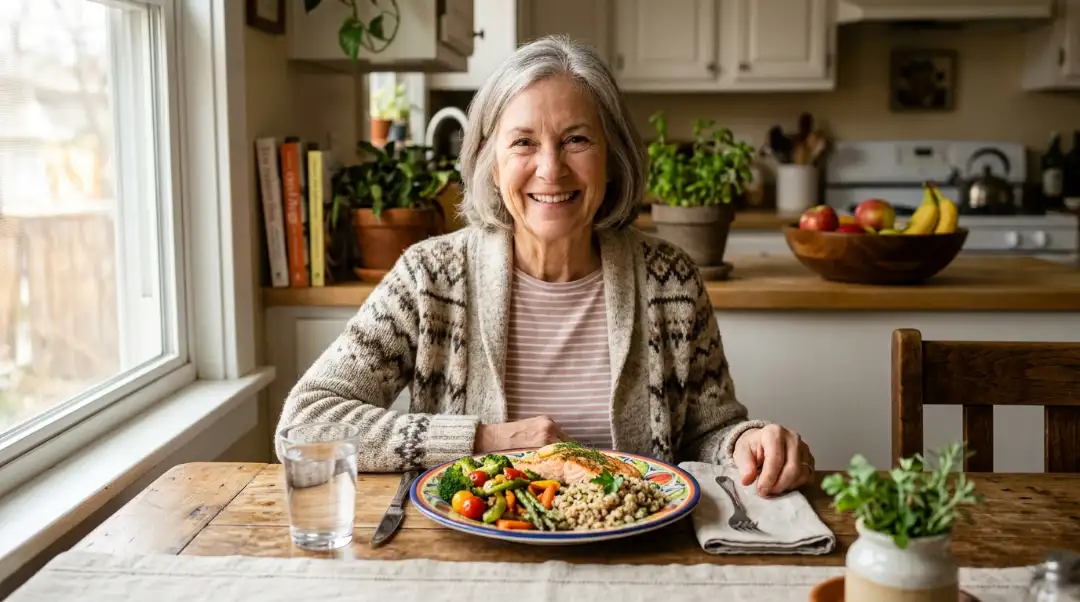
As you become older, your body processes food differently. You might not want to eat as much. Muscle mass might get smaller. You can feel like you have less energy than previously. That’s why a lot of families look for answers on what older people should eat to stay healthy, active, and independent. The good news is that seniors don’t have to find healthy food hard to get or expensive.
So, what is the best diet plan for older people? A balanced diet that includes a lot of nutrient-dense foods, lean protein, healthy fats, fiber, fruits, vegetables, and whole grains is usually the best choice. Diets like the Mediterranean diet and DASH diet are often good because they are feasible for everyday life and help with heart health, brain health, bone density, and managing chronic diseases.
Why Nutrition Changes After 60
At 65, your body works differently than it did at 40. Your metabolism slows down, so you need less calories. But here’s the catch: you really need more of some nutrients.
The density of the bones goes down. Muscle mass gets smaller, which is a condition known as sarcopenia. Your digestion slows down. Less hungry. And you don’t feel as thirsty anymore, which makes dehydration a silent but substantial concern.
The National Institute on Aging says that older people require more calcium, vitamin D, vitamin B12, and fiber, even though they need less calories overall. That means that each meal has to do more work.
The Best Foods for Seniors to Eat
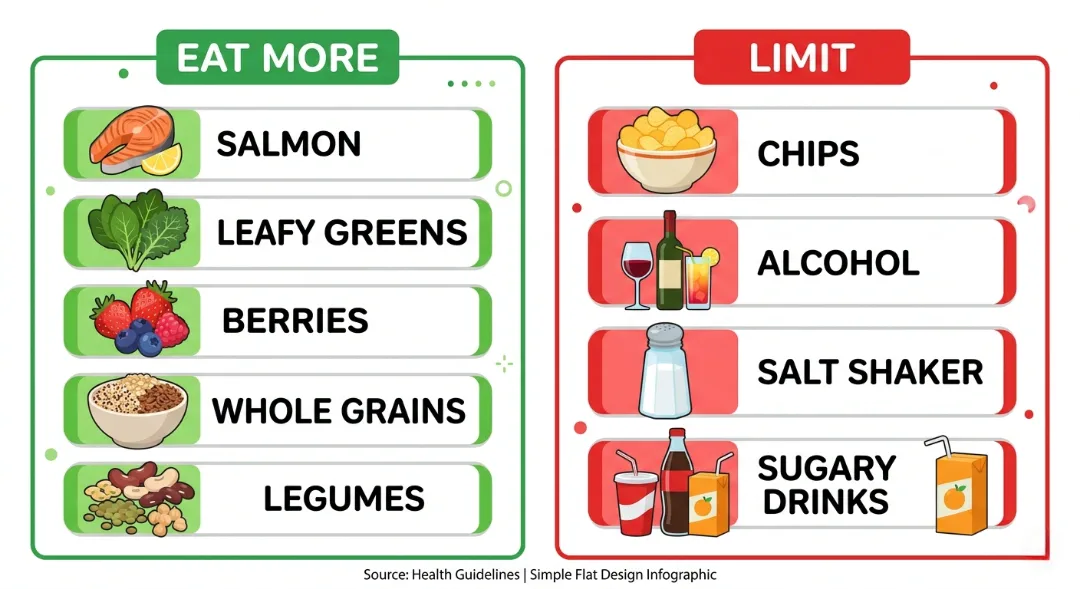
The best foods for seniors focus on high-quality protein, fiber-rich vegetables, and healthy fats to support heart and brain health. These include salmon for omega-3s, leafy greens for vitamin K, and berries for antioxidants. Incorporating these items helps prevent muscle loss and keeps the digestive system running smoothly.
Lean Proteins for Muscle Mass Preservation
Sarcopenia, or the natural loss of muscle mass, is a major concern. To fight this, we need to eat enough protein. Think of wild-caught salmon, eggs, and beans. These provide the building blocks your body needs to stay mobile and prevent falls.
Fiber for Digestive Health
Digestion often slows down as we age. Leafy greens, lentils, and whole grains are essential here. They provide the fiber needed to prevent constipation and help manage blood sugar levels.
Healthy Fats and Bone Density
Don’t fear fats just choose the right ones. Avocados, walnuts, and olive oil support brain health and keep your skin healthy. Pair these with calcium-rich dairy or fortified soy to keep your bone density high and avoid fractures.
Dairy or Fortified Alternatives
Milk, plain yogurt, and low-fat cheese support bone density. If dairy is an issue, look for fortified soy milk or almond milk with added calcium and vitamin D.
Dark Berries
Blueberries, raspberries, and dark cherries are rich in antioxidants. Studies from Harvard suggest regular berry consumption is linked to slower cognitive decline in older adults.
What Foods Should Seniors Avoid?
The three foods seniors should most commonly avoid are high-sodium processed foods, sugary drinks, and alcohol. These three alone are linked to increased risk of high blood pressure, blood sugar spikes, and falls in older adults. Cutting back on them is one of the fastest ways to feel better.
High-Sodium Foods
The CDC recommends no more than 2,300 mg of sodium per day. Most canned soups, frozen meals, and deli meats blow past that in a single serving. High sodium raises blood pressure and increases stroke risk.
Ultra-Processed Foods
Chips, packaged pastries, and fast food are calorie-dense but nutrient-poor. They offer little value for older adults who need every calorie to count.
Alcohol
As the body ages, alcohol tolerance drops. It disrupts sleep, raises blood pressure, worsens diabetes, and increases fall risk. It can also interfere with common medications like blood thinners and statins.
Added Sugars
Sugary drinks, flavored yogurts, and cereals spike blood sugar and contribute to weight gain. Seniors managing diabetes or pre-diabetes should be especially careful here.
Best Named Diet Plans for Seniors
Mediterranean Diet
The Mediterranean diet is widely considered the gold standard for healthy aging. It focuses on whole grains, olive oil, fish, legumes, vegetables, and moderate dairy, with very little red meat or processed food. Research consistently links it to lower rates of heart disease, dementia, and type 2 diabetes.
It’s not a strict rulebook. It’s a flexible, enjoyable way of eating that fits naturally into daily life.
DASH Diet (For High Blood Pressure)
DASH stands for Dietary Approaches to Stop Hypertension. It’s specifically designed to lower blood pressure through a diet rich in potassium, calcium, and magnesium, while reducing sodium intake. Studies show it can reduce systolic blood pressure by 8 to 14 points.
If your doctor has mentioned blood pressure concerns, this is worth discussing at your next visit.
MIND Diet (For Brain Health)
The MIND diet is a mix of the Mediterranean and DASH diets, but it focuses on foods that are good for the brain. It stresses whole grains, nuts, berries, leafy greens, seafood, and olive oil, while reducing butter, cheese, red meat, and sweets. A study from Rush University indicated that people who follow it closely may have a 53% lower risk of getting Alzheimer’s.
How Many Calories Do Seniors Need Per Day?
Calorie needs vary by sex, age, and activity level. Here’s a general guide based on USDA data:
| Group | Sedentary | Moderately Active | Active |
| Women 60+ | ~1,600 cal | ~1,800 cal | ~2,000 cal |
| Men 60+ | ~2,000 cal | ~2,200 cal | ~2,400 cal |
These are starting points, not rules. Always talk with your doctor before making major changes, especially if you’re managing a chronic condition.
7-Day Sample Meal Plan for Seniors
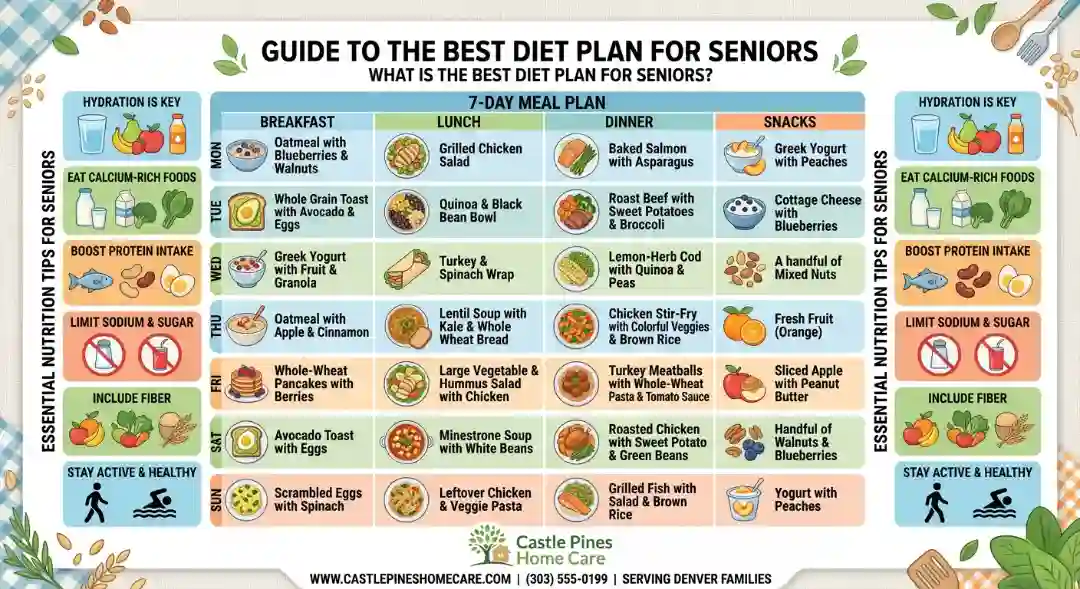
Here’s a simple, practical week of meals built around nutrient-dense foods, caloric needs decline principles, and ease of preparation.
Day 1 Breakfast: Oatmeal with blueberries and walnuts. Lunch: Lentil soup with whole-grain bread. Dinner: Baked salmon with roasted vegetables. Snack: Greek yogurt.
Day 2 Breakfast: Scrambled eggs with spinach. Lunch: Quinoa salad with chickpeas and cucumber. Dinner: Chicken breast with sweet potato and steamed broccoli. Snack: Apple with natural peanut butter.
Day 3 Breakfast: Whole-grain toast with avocado. Lunch: Tuna salad on leafy greens. Dinner: Lentil curry with brown rice. Snack: A handful of almonds.
Day 4 Breakfast: Smoothie with spinach, banana, and low-fat yogurt. Lunch: Black bean and sweet potato quesadilla. Dinner: Turkey meatballs with whole-wheat pasta and tomato sauce. Snack: Carrot sticks with hummus.
Day 5 Breakfast: Banana oatmeal with chia seeds. Lunch: Vegetable omelet. Dinner: Roasted salmon with zucchini and quinoa. Snack: Orange slices.
Day 6 Breakfast: Fortified cereal with low-fat milk. Lunch: Chicken and avocado wrap in a whole-grain tortilla. Dinner: Bean soup with a side salad. Snack: Yogurt with mixed berries.
Day 7 Breakfast: Whole-grain pancakes with fresh fruit. Lunch: Grilled vegetables with hummus and whole-grain pita. Dinner: Baked cod with roasted sweet potato. Snack: Celery with peanut butter.
Healthy Eating Tips for Seniors Living Alone
Cooking for one can feel pointless. But a healthy diet for old people doesn’t require elaborate meals or a full kitchen operation.
Plan and prep ahead.
Batch cooking once or twice a week saves time and removes the temptation of grabbing something unhealthy when you’re tired. Cook a big pot of soup or a grain like quinoa and portion it out.
Keep it simple.
A handful of almonds, a hard-boiled egg, and a piece of fruit is a solid snack. A can of low-sodium beans over leafy greens with olive oil is a real meal. Healthy menus for elderly don’t need to be complicated.
Stay hydrated.
The thirst response weakens with age. A practical tip: drink a glass of water before each meal. Add water-rich foods like watermelon, cucumber, and celery to your daily routine.
Read labels.
When buying packaged food, focus on sodium, saturated fat, and added sugars. Aim for foods high in fiber, calcium, and vitamin D.
Don’t eat alone if you can help it.
Social isolation affects appetite. Sharing meals with a neighbor, family member, or at a local senior center can meaningfully improve how much and how well you eat.
Essential Vitamins and Supplements for Seniors
Even with a solid diet, some gaps are hard to fill through food alone. These four are worth discussing with your doctor:
- Vitamin D3 Most seniors are deficient. It supports bone density and immune function.
- Vitamin B12 Absorption declines with age. Fortified foods or a supplement can help.
- Omega-3 Fatty Acids Supports heart health and cognitive decline prevention.
- Magnesium Supports muscle function, sleep, and blood pressure regulation.
Never start supplements without checking with your doctor, especially if you take prescription medications.
Using Your Medicare Annual Wellness Visit
If you’re on Medicare, your annual wellness visit is a free, underused resource. Bring your questions about nutrition, portion sizes, and any recent weight changes.
For those with type 2 diabetes or chronic kidney disease, Medicare Part B may cover medical nutrition therapy with a registered dietitian. That’s professional, personalized diet guidance at no extra cost.
If you’re caring for an aging parent, this visit is also a good time to address questions around how to get seniors to eat well, especially if appetite has declined significantly.
Diet Support for Seniors with Specific Conditions
- Diabetes: Limit refined carbs and added sugars. Focus on fiber-rich foods that stabilize blood sugar.
- High Blood Pressure: Follow a low-sodium diet. The DASH diet is your best tool here.
- Osteoporosis: Prioritize calcium and vitamin D daily.
- Kidney Disease: Limit potassium, phosphorus, and protein as directed by your doctor.
- Chewing Difficulties: Soft, nutrient-dense options like mashed sweet potato, yogurt, scrambled eggs, and blended soups work well.
A Note for Family Caregivers
If you’re managing a parent’s diet from a distance, or helping someone who resists dietary changes, you’re not alone. Caregiver anxiety around nutrition is real and valid. Small wins matter: swapping white bread for whole grain, adding a fruit to breakfast, reducing one salty snack per day.
At Castle Pines Home Care, we understand that nutrition is one of many daily challenges families navigate. Our team supports seniors in the Denver area with practical, compassionate in-home assistance, including meal preparation tailored to specific health needs. If you’re exploring home care services in Denver for a loved one, we’re here to help you figure out the right fit.
Frequently Asked Questions
What is the healthiest diet for a 70-year-old?
The healthiest diet for a 70-year-old focuses on nutrient-dense whole foods: lean proteins, leafy greens, whole grains, and healthy fats. The Mediterranean diet is consistently ranked first by dietitians and researchers for older adults due to its heart, brain, and bone health benefits.
What three foods should seniors avoid?
Seniors should most avoid high-sodium processed foods, sugary beverages, and alcohol. These three are directly linked to high blood pressure, blood sugar instability, increased fall risk, and medication interactions, all of which are more serious concerns after age 60.
How can I get my elderly parents to eat more?
Make meals social when possible, offer familiar and favorite foods in smaller portions, and avoid power struggles. If appetite loss is significant, talk to their doctor, as it can be a sign of medication side effects, depression, or an underlying condition.
Do seniors need protein supplements?
Not always. Most seniors can meet protein needs through food: eggs, fish, dairy, legumes, and chicken. If appetite is very low or muscle loss is significant, a doctor or dietitian may suggest a supplement like a protein shake.
Is the Mediterranean diet good for seniors?
Yes. Research consistently supports the Mediterranean diet for older adults. It reduces risk of heart disease, type 2 diabetes, and cognitive decline, while being flexible enough to adapt to individual tastes and health conditions.