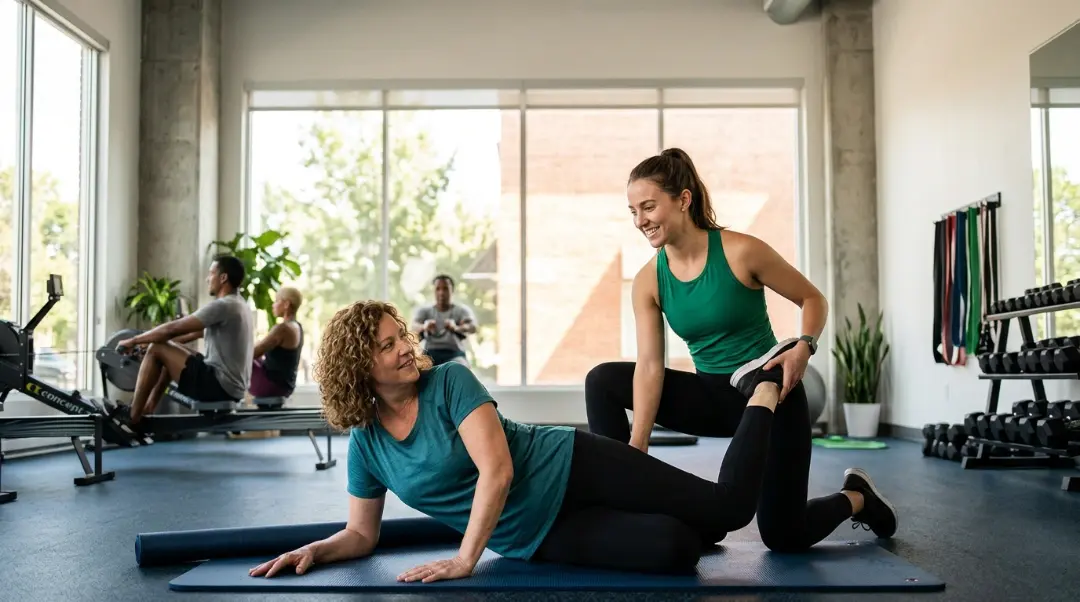
What is an Assistance Exercise? Assistance exercise: is a movement performed with extra help from another person, equipment or a modified approach to assist someone to accomplish the exercise safely and correctly. In weight training the phrase can also mean a support exercise that helps build a certain muscle, movement pattern or weakness.
If you are searching for guidance with fitness for an older senior, the language can be perplexing. “Assistance exercise” and “assisted exercise” are not usually the same. One can be an exercise that serves a bigger strength-training objective, while the other can mean someone gets physical assistance when moving. This guide covers both, and focuses on safe, practical movement for elders and those who require extra help.
What Is Assisted Stretching?
Assisted stretching is a flexibility exercise where another person, a strap, or a piece of equipment helps move a joint further than the person could move it alone. It’s used to improve range of motion, ease stiffness, and reduce fall risk, and it’s especially common in senior fitness and physical therapy settings.
Think about trying to touch your toes. On your own, you might get to your shins before your hamstrings say “that’s far enough.” Now imagine a caregiver gently guiding your leg a bit higher while you relax into it. That extra help is the “assisted” part. It’s not about pushing past pain. It’s about getting a slightly deeper, safer stretch than you’d manage solo.
Assistance Exercise Definition
An assistance exercise definition refers to any movement where secondary physical help or specialized tools are used to support a person through an exercise. This support allows individuals with weak muscles or joint issues to safely practice functional movements without risking a sudden fall or joint strain.
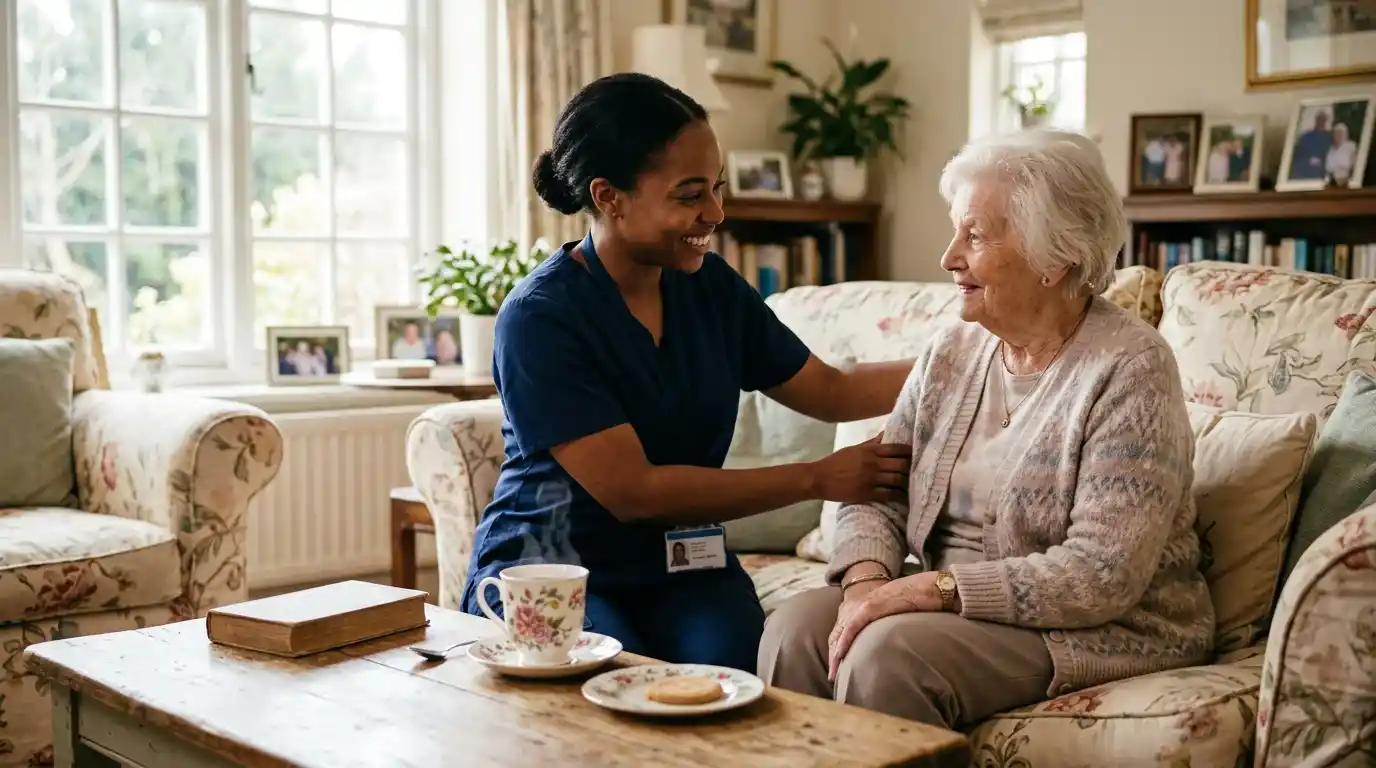
In a home setting, assisted exercise bridges the gap between total rest and complete independence. When a chronic condition or aging weakens a person’s body, they often lose the strength needed to complete a full movement on their own.
With assistance, a caregiver supports just enough of the person’s body weight to allow their muscles to work safely. For example, during a sit-to-stand movement from a dining chair, a caregiver might hold a person’s hands or use a gait belt around their waist to offer light upward support.
Assistance vs. Accessory vs. Supplemental Are They the Same?
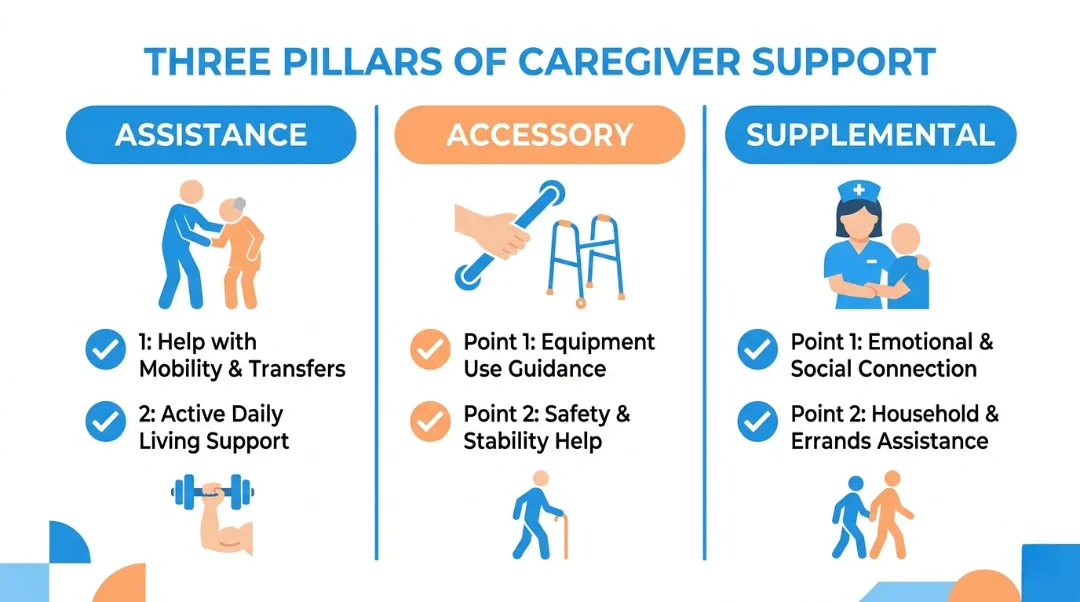
Assistance exercises in strength training build muscle mass and support heavy compound movements, while in physical therapy they isolate weak tissues to restore joint function and rehabilitate injuries. Both approaches use targeted movements to reinforce the body, but therapy prioritizes safety, stability, and pain-free daily functioning over athletic performance.
| Feature | Strength Training Focus | Physical Therapy Focus |
| Primary Goal | Build muscle and back up heavy lifts | Restore movement and reduce daily pain |
| Movement Type | Often uses machines or free weights | Uses bodyweight, bands, or light resistance |
| Target Area | Larger secondary muscle groups | Specific stabilization muscles and joints |
| Success Metric | Increased weight capacity or repetitions | Pain-free performance of daily household tasks |
In a traditional gym setting, a weightlifter uses these movements to improve their main lifts, like using a leg press to help their squat. In a home care setting, we look at these movements through the lens of physical therapy and daily survival. The focus shifts entirely from lifting heavy objects to making sure your joints move without clicking, catching, or hurting.
For example, a therapist might have someone do a side-lying leg lift. The goal isn’t to build bulky muscles, but to strengthen the side hip muscles that keep the pelvis level while walking. If those side hip muscles are weak, a person will waddle or lose their balance on uneven carpets.
Assistance Exercises in Strength Training vs. Physical Therapy
This is where things get interesting, because the concept shows up in two very different worlds.
In strength training, assistance exercises build the muscle groups and movement patterns that support your squat, bench, deadlift, and overhead press. A powerlifter doing single-leg Romanian deadlifts isn’t doing it for fun. They’re fixing a hamstring imbalance that’s slowing their pull.
In physical therapy, the same principle applies, but the goal shifts. A therapist might prescribe clamshells, banded walks, or terminal knee extensions not to increase your max lift, but to restore proper function after surgery or injury. The logic is identical: strengthen what’s weak so the whole system works better.
For seniors or individuals managing chronic conditions, physical therapy assistance exercises often bridge the gap between recovery and independent daily movement. The kinetic chain matters in the gym, but it matters even more when the goal is walking without pain.
When Assistance Exercises Are Especially Important
Assisted movement becomes essential whenever a person’s balance, coordination, or muscle strength drops to a point where unassisted movement creates a high risk of falling.
-
Recovering After a Hospital Stay: Extended time in a hospital bed leads to rapid muscle loss. Simple supported movements help rebuild basic strength once your loved one comes home.
-
Managing Chronic Conditions: Illnesses like Parkinson’s disease, multiple sclerosis, or severe arthritis often cause unpredictable muscle weakness and stiffness.
-
Recovering from a Stroke: Stroke recovery frequently leaves one side of the body weaker than the other. Guided physical assistance helps retrain the brain to connect with those weaker limbs.
-
Addressing Progressive Frailty: As adults age into their late 80s and 90s, natural muscle loss makes basic movements difficult. Gentle support allows them to stay active without pushing past safe physical limits.
Why Assistance Exercises Matter
Assistance exercises matter because appropriate support can make physical activity more accessible while helping a person work within their current abilities. Regular physical activity can support strength, balance, physical function, and independent living, although individual results depend on the activity, health status, and consistency.
Here are several practical reasons support may matter.
They can make movement more accessible
A person may want to exercise but lack the strength or balance to perform a movement independently. A stable chair, resistance band, or trained helper can sometimes make a modified version possible.
They can support daily function
Strength and balance aren’t just gym goals.
Standing from a chair, walking to the kitchen, carrying a light object, reaching for something on a shelf, and getting in and out of a vehicle all require physical function.
They can encourage regular activity
Some people find it easier to stay active when another person provides reminders, preparation, or companionship.
They can provide a safer environment
A helper can check that the exercise area is clear, make sure equipment is positioned correctly, and stay nearby when supervision is appropriate.
That doesn’t remove every risk. Exercise should still match the individual’s abilities.
Types of Assistance Exercises
Understanding how to categorize these supportive movements makes it much easier to select the right options for a daily wellness routine. They generally fall into distinct categories based on how many joints move and how much external support the individual requires to complete the motion safely.
Compound Accessory Movements
These involve multiple joints working together but are performed with lower tracking demands or added structural support. A seated leg press is a prime example because it builds leg strength without forcing the lower back or core to balance a heavy weight in space.
Isolation Exercises
These isolate a single joint to focus energy on one specific muscle group. Seated leg extensions or gentle bicep curls allow a person to strengthen an isolated area without exhausting their energy reserves or risking a sudden loss of physical balance.
Assisted Stretching Techniques
These use manual human guidance or flexible straps to lengthen tight connective tissues safely. Utilizing explicit assisted stretching exercises allows individuals to safely expand their functional range of motion without forcing the heart rate to spike.
Examples of Assistance Exercises
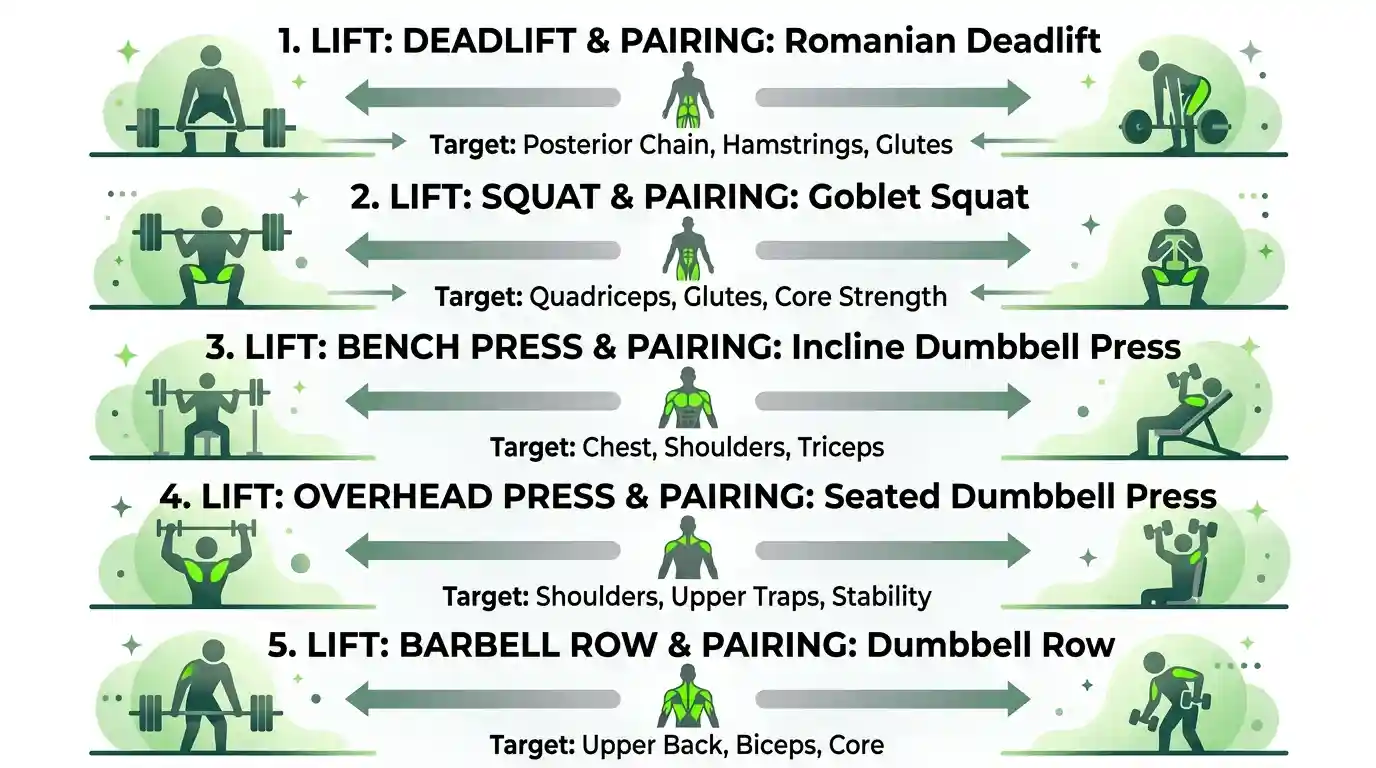
The right selection of movements depends entirely on which daily activities require the most immediate support. Below are practical, low-impact examples designed to rebuild functional strength and improve daily structural stability.
| Target Daily Goal | Assistance Movement Example | Primary Benefit |
| Standing up from chairs | Seated Box Squats | Rebuilds thigh strength while ensuring a safe surface is always directly underneath the hips. |
| Walking without tripping | Seated Toe Raises | Strengthens the shins to help lift the feet cleanly off the ground with every step. |
| Opening tight heavy doors | Standing Wall Push-Ups | Restores upper body pushing strength without placing intense pressure on weak spinal discs. |
| Reaching up to high shelves | Supported Shoulder Raises | Gently opens the shoulder joints using a light resistance band to guide the arm upward. |
For individuals dealing with severe systemic tightness, scheduling dedicated assisted stretching sessions can provide rapid relief for stiff hips and lower back structures. These sessions focus heavily on stretching for seniors, ensuring that tight leg muscles do not pull the pelvis out of alignment and cause chronic walking discomfort.
How to Start Assistance Exercises Safely at Home
The safest way to start assistance exercises at home is with a professional assessment first, followed by low-repetition, supervised practice before adding resistance or repetitions. Rushing this stage is the most common cause of setbacks.
Before trying any of the exercises above, it helps to know which muscles actually need the work. A physical therapist, a doctor, or a trained caregiver can point out where someone’s balance or strength is weakest, so the exercises target the right area instead of a guess.
Starting small isn’t a compromise, it’s the point. Two or three sets of five to eight repetitions is often plenty for someone new to this kind of movement. Adding a caregiver or family member nearby for the first few sessions also matters, both for physical support and for catching early signs of dizziness or overexertion.
Exercise Assistance Services in Denver
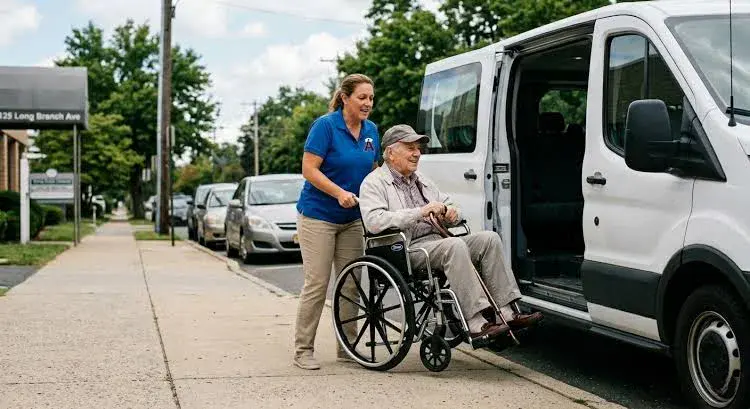
If you or a loved one needs hands-on support with movement whether after surgery, during recovery, or as part of aging-in-place care professional assistance makes all the difference.
At Castle Pines Home Care, we offer personalized Home Care in Denver that includes guided movement support, assisted stretching techniques, and daily exercise routines tailored to each individual’s needs and mobility level. Our caregivers work alongside physical therapy recommendations to help clients stay active safely at home.
Whether it’s full body assisted stretching for a senior, post-surgical mobility work, or just consistent movement support, our Exercise Assistance Services in Denver are designed to keep people moving with confidence. If you’re ready to get started or have questions about our services, contact us today and our team will be happy to help you find the right care plan.
Frequently Asked Questions
What is an example of assisted exercise?
An assisted leg raise is a simple example. A physical therapist holds the patient’s leg and guides it upward, helping the hip flexors complete the movement when they’re too weak to do it independently. It’s also common in post-surgery rehab and neurological recovery programmes.
In a gym context, a spotter helping you complete the last two reps of a bench press is technically an assisted exercise too. The principle is the same external support helps complete a movement.
Which exercise is best for knee strengthening?
Straight leg raises, terminal knee extensions, and quad sets are some of the best exercises for strengthening the knees, especially in the early stages of recovery. They make the muscles around the knee stronger without putting stress on the joint.
As strength grows, more and more step-ups, wall sits, and light squats are added. Before starting a knee rehab program, always talk to a physiotherapist.
Can exercise help numbness in feet?
Yes, targeted exercises can improve circulation and nerve function, which may reduce numbness in the feet. Walking, ankle circles, and calf raises are commonly recommended. However, persistent numbness should always be evaluated by a doctor first, as it may indicate an underlying condition.
Assisted range of motion exercises are sometimes used in clinical settings when active movement is difficult.
What exercise gets rid of crepey arms?
Tricep dips, overhead tricep extensions, and resistance band pull-downs target the loose skin area on the back of the upper arms. Consistent resistance training builds the underlying muscle, which improves the appearance of crepey skin over time.
These movements also happen to be excellent assistance exercises for improving pressing strength.
How to tighten an old lady’s arms?
The most effective approach combines resistance training and assisted stretching techniques. Tricep kickbacks, push-ups, and dumbbell curls build muscle tone. Assisted stretching sessions improve circulation and tissue quality in the upper arm area.
Stretching for seniors combined with light resistance work two to three times per week produces noticeable results within six to eight weeks.