Most people use the term “homemaker” and “housewife” as if they are the very same thing. That works fine in regular conversation, and no one’s likely to correct you at a dinner party. But if you look at the origin of these phrases and how they are applied in real life today, especially when dealing with home care, the answer is more specific than just yes.
So here’s the short version:Are homemaker and housewife the same? Almost. “Homemaker” is the more general, more modern phrase that today includes paid caretakers as well as wives who work at home. If you are researching home support for yourself or a parent, we’ll cover the origin of the words, what differentiates them now, what a homemaker actually performs on a daily basis, and why the distinction is important.
Quick Answer: Are They the Same?
No, homemaker and housewife are not entirely the same, though their duties heavily overlap. A housewife is defined by both her marital status and her domestic role as a married woman managing her home. A homemaker describes the functional job of domestic management, regardless of gender, marital status, or whether caregiving services are self-provided or hired.
| Feature | Housewife | Homemaker |
| Marital Requirement | Requires being married | No marital requirement (single, widowed, married) |
| Gender Focus | Specifically female | Gender-neutral (men, women, non-binary) |
| Core Scope | Domestic management for one’s own family | Managing a residence, family care, or non-clinical in-home care |
| Formal Recognition | Social term | Used in legal, insurance, and professional home care contexts |
What Does “Housewife” Mean?
The word housewife is a compound of two ancient ideas: marriage and the management of the house. Historically, the name is derived from Middle English husewif, and has referred to the female head of a family for centuries. Historically, the housewife was an important economic partner. Before the days of modern appliances and industrialization, running a home was a logistical exercise. It took hard labor, food storage, textile manufacture and collaboration in the community. The word today is used especially to refer to a married woman who decides not to work outside the home in the typical paid labor force. Instead she dedicates her time to family care, everyday tasks and upkeep of the property. While some people perceive the phrase through the perspective of traditional family structures, others use it as a term of personal identity.
What Does “Homemaker” Mean?
A homemaker is somebody who maintains a household on a day-to-day basis, including tasks such as cleaning, cooking and organizing a home, whether married or not, paid or unpaid. The phrase arose in the late 1800s and grew in popularity in the early to mid 1900s as a less gendered and more courteous alternative to “housewife”.
Homemaker, unlike housewife, has no assumptions about marriage or gender. Homemaker. A person who manages a household. A stay at home dad is a home maker. And in home care, the trained helper who comes to a client’s home to help with laundry, meals and light housework is termed a homemaker, as well.
At this last point the word comes alive a second time. In the caregiving sector, “homemaker services” is a real employment type, sometimes included separately from personal care or nursing on a care plan. Medicaid waiver programs in several states even list “homemaker” as a distinct official service line separate from “personal care aide” or “companion care.”
Another widespread but confusing usage of the phrase is as a legal and workforce category, rather than a job description. Our guide on What Is a Displaced Homemaker explains this. If you’re attempting to comprehend a parent’s care plan or benefits letter, There is a lot more that these services can cover for families working with Castle Pines Home Care. Our What Is a Homemaker guide goes into more depth on what is included and what is outside the scope of a homemaker aide’s role.
Homemaker vs. Housewife: Key Differences

Here’s how the two terms line up side by side.
| Category | Housewife | Homemaker |
| Marital status | Married | Any status |
| Gender | Historically women only | Any gender |
| Paid or unpaid | Unpaid | Both |
| Common modern use | Personal identity | Job title, caregiving role |
| First recorded use | Around the 1500s | Late 1800s |
This table shows the real difference between homemaker and housewife in one glance. Housewife describes a role inside marriage. Homemaker describes a set of tasks, which is why it fits far more situations, including professional caregiving, single-parent households, and stay-at-home fathers.
The gap between the two words also shows up in how people introduce themselves. Someone who calls herself a housewife is usually making a statement about identity and pride in the role. Someone filling out a job application, a benefits form, or a resume almost always reaches for “homemaker” instead, since it reads as neutral and doesn’t tie the role to marital status.
What Does a Homemaker Do?

A homemaker manages daily domestic operations to ensure a home remains safe, clean, and functional. Their work spans physical chores, nutritional planning, logistical organization, and personal care support.
The primary duties of a homemaker generally cover several essential areas:
- Meal Preparation and Nutrition: Planning menus, tracking dietary restrictions, grocery shopping, and cooking daily meals.
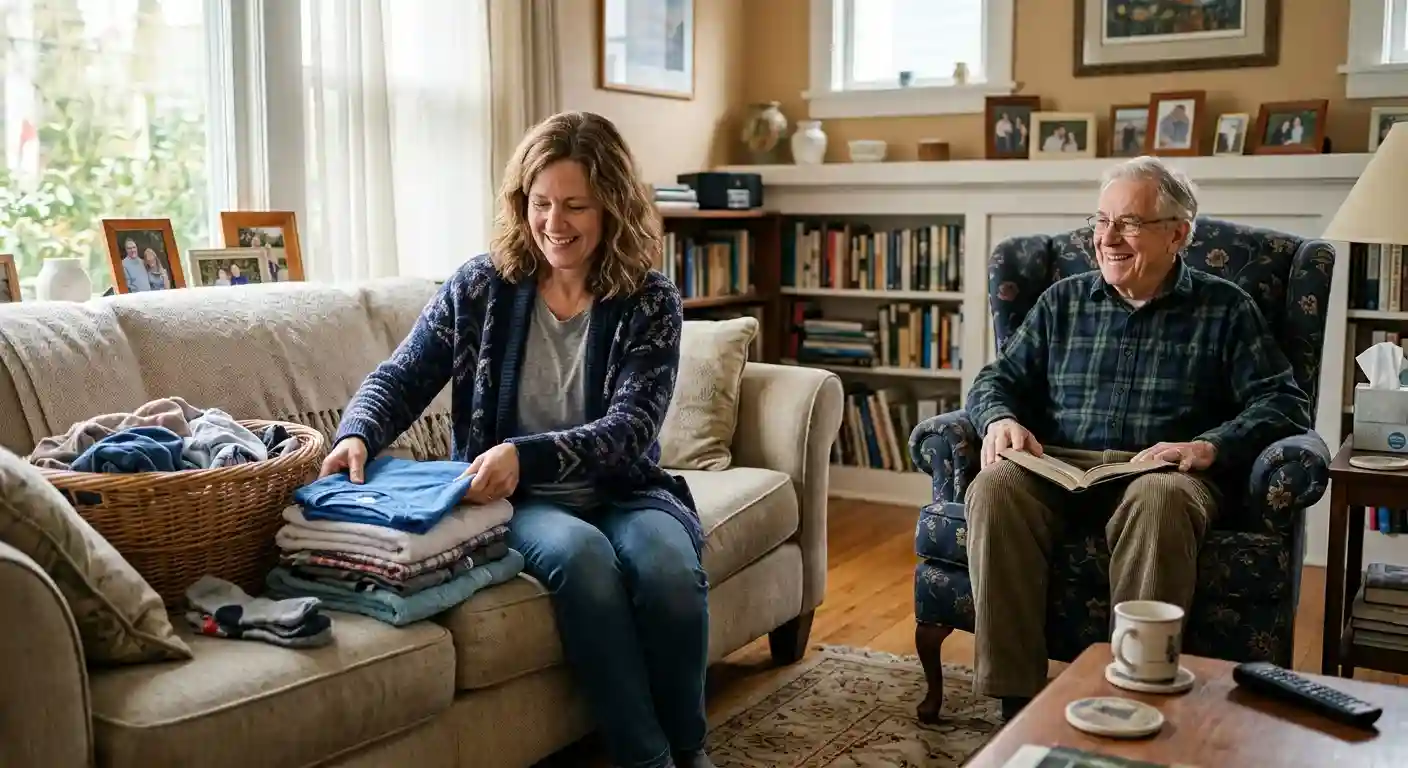
- Household Chores and Sanitation: Handling routine cleaning, laundry, washing dishes, taking out trash, and keeping living spaces free of trip hazards.
- Logistics and Scheduling: Managing household budgets, tracking bill due dates, scheduling repair services, and keeping track of family appointments.
- Personal and Family Care: Assisting family members with non-medical daily needs, coordinating transport, and providing essential social engagement.
Which Term Should You Use: Homemaker or Housewife?
Use “homemaker” when you need a professional, gender-neutral, or broad term, and use “housewife” when referring specifically to a married woman who prefers that label.
Your choice comes down to context:
- In casual conversation: Respect personal preference. If a married woman self-identifies as a housewife, use that term. If someone prefers homemaker, honor that choice.
- In legal, financial, or caregiving contexts: Always use homemaker. Whether you’re filling out official paperwork, evaluating support services, or organizing care for a relative, homemaker is the recognized, precise term.
- When discussing family support options: Use homemaker to clearly separate practical household assistance from personal marital roles.
Are Men Considered Homemakers Too?
Yes, men can be homemakers. The term describes responsibility for managing a household rather than a person’s gender. A man who handles cooking, cleaning, childcare, shopping, budgeting, and other household duties can accurately be described as a homemaker.
A man who stays home while his spouse works may also be called a stay-at-home dad or househusband.
The responsibilities are still homemaking.
Language sometimes makes household roles sound more gender-specific than they actually are. Cooking, laundry, cleaning, childcare, and household planning aren’t inherently male or female tasks.
Which Term Should You Use: Homemaker or Housewife?
Use “housewife” only if it accurately describes your situation, meaning you’re a married woman managing your own home without outside pay. Use “homemaker” in nearly every other case, including job applications, resumes, benefits paperwork, and conversations about paid in-home help.
If you’re filling out a form that asks for occupation and you manage your own household, “homemaker” reads as more current and is understood the same way across different states and industries. If you’re researching support for a parent or a spouse, “homemaker” is also the correct search term, since that’s the title used in most state programs, Medicaid waivers, and private home care agencies.
So, are homemaker and housewife the same in casual conversation? Close enough that most people won’t blink if you swap them. But once you’re dealing with paperwork, job titles, or a care plan, the difference between homemaker and housewife stops being a technicality and starts shaping what services you actually qualify for and what you’ll be billed for.
What Is a Homemaker in the Home Care Industry?
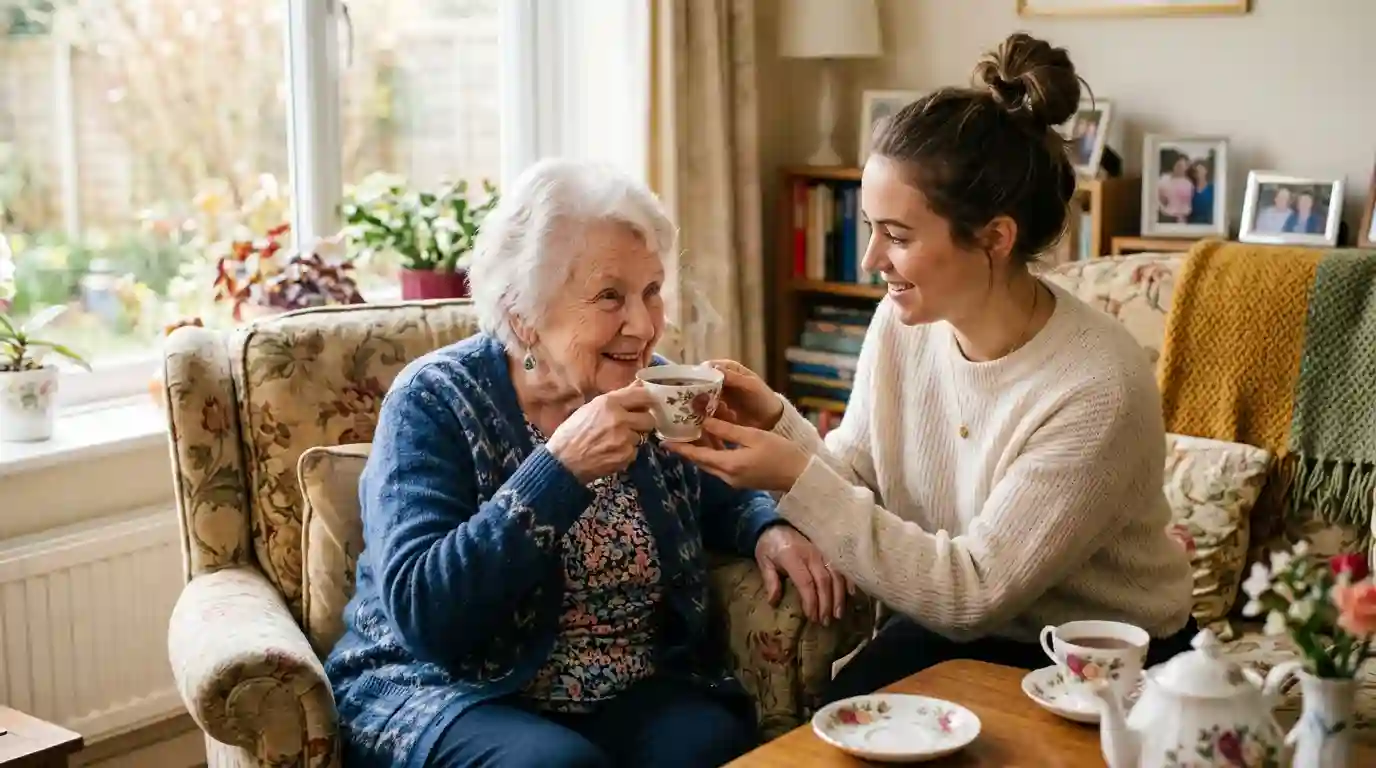
In the home care sector, a homemaker is a trained professional who enters a client’s residence to provide non-clinical support. This service helps older adults and individuals with disabilities maintain their independence without leaving the comfort of their home.
Unlike skilled nurses or certified nursing assistants (CNAs) who perform clinical duties like wound care or medication administration, a home care homemaker handles foundational daily tasks.
They make sure the sink isn’t full of dirty dishes, the refrigerator contains fresh food, and the floors are clear of dangerous clutter. For many families, hiring a professional homemaker is the most affordable way to prevent caregiver burnout while keeping a loved one safe.
If you’re researching support options for an aging parent, you might also run into related legal terms. For instance, understanding What Is a Displaced Homemaker helps clarify how state programs support individuals who must re-enter the workforce after years of unpaid domestic service.
For families seeking reliable home care services in Denver, agencies like Castle Pines Home Care provide dedicated homemakers who handle meal prep, light housekeeping, and daily companionship tailored to your family’s schedule.
Final Thoughts
While “housewife” and “homemaker” overlap in everyday speech, they aren’t identical. “Housewife” highlights a specific marital identity, while “homemaker” describes the vital work of managing a home.
Understanding this distinction helps families make clear, informed choices when organizing domestic duties or setting up care plans for loved ones.
If you need guidance setting up non-clinical support for an aging relative, feel free to contact us to explore caregiving solutions tailored to your household.
Frequently Asked Questions
Is homemaker a paid job?
Yes. In many states and home care agencies, “homemaker” is an actual paid job title. Homemaker aides help with cooking, cleaning, laundry, and errands for people who need support but don’t require medical or nursing care.
What is the difference between a homemaker and a stay-at-home mom (SAHM)?
A stay-at-home mom specifically focuses on raising child dependents while managing domestic life. A homemaker manages the household environment regardless of whether children live in the home.
Is “housewife” considered an outdated word?
Not necessarily, but its usage has evolved. While some view it as dated, many women actively reclaim the title to describe their intentional dedication to their marriage and home.
Can a single person be a homemaker?
Yes. Anyone who manages their own residence and maintains their living environment functions as a homemaker.
Does insurance cover professional homemaker services?
Original Medicare generally does not cover non-clinical homemaker services alone. However, Long-Term Care Insurance, specific Medicaid waiver programs, and select Medicare Advantage plans frequently help cover these costs.