
Choosing the right care for a loved one can feel overwhelming, especially when you want them to stay comfortable at home. Understanding what are the different types of home care makes this decision easier. Home care allows individuals to receive the support they need whether for daily tasks, companionship, or medical assistance without leaving the familiarity of their own home. It’s particularly helpful for families taking care of elderly parents at home, as it combines safety, independence, and personalized attention.
In this guide, we’ll explain the main types of home care services, how to choose the right option, and what to expect in terms of costs and benefits, so you can make informed decisions for your loved ones.
What Is Home Care?
Home care refers to services and support provided in a person’s own home when they need help with daily life or health needs. This support can range from basic personal care to medical care delivered by licensed professionals. Technology and modern health services now mean that many treatments once limited to hospitals can happen right where someone feels safest.
People who may need home care include:
- Older adults with limited mobility
- People recovering from surgery or illness
- Individuals with chronic conditions
- Anyone who finds daily tasks increasingly difficult
Home care fills the gap between independence and needing a hospital or nursing home stay. It supports dignity, comfort, and personalized care plans tailored to each person’s needs.
Types of Home Care
There isn’t just one type of home care. The services range widely based on the person’s health needs, independence level, and whether medical care is required. Below are the main types of home health care services you should know about.
Personal Care Services
Personal care focuses on everyday tasks that many of us take for granted. Caregivers help with things like bathing, dressing, grooming, using the restroom, and moving safely around the home. These services make it possible for people to stay home while getting help with daily living tasks. They are often provided by trained aides rather than medical professionals.
This type of care is perfect for someone who still has good physical health but needs support with personal activities.
Companion Care
Companion care is about human connection as much as practical support. Caregivers offer company, sit with individuals so they aren’t alone, and help with light household tasks like meal prep, putting away groceries, or running errands. You’d be surprised how big a difference regular conversation and a friendly presence can make.
Many families look to companion care to support emotional health, especially for older adults living alone.
Skilled Nursing Care
When a person needs medical support at home, skilled nursing care comes into play. Registered nurses or licensed practical nurses visit to provide clinical services such as wound care, medication administration, vital sign checks, and complex health monitoring. This type of home health care service is often ordered by a physician and might be covered by health plans if certain conditions are met.
Skilled nursing allows people to receive medical attention without long hospital stays.
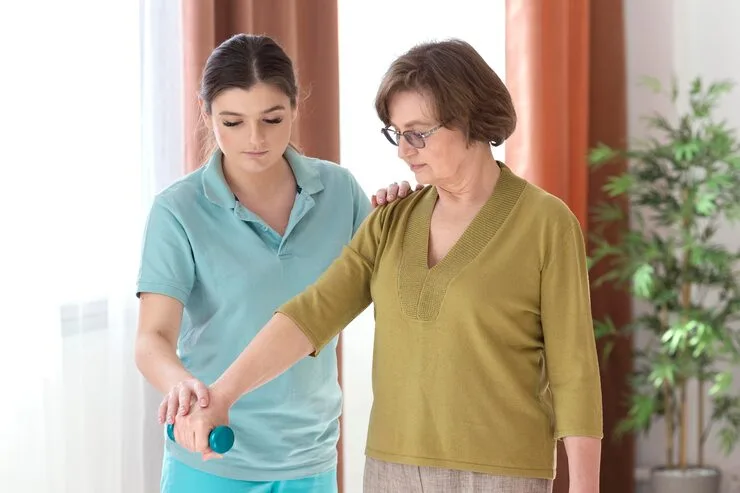
Rehabilitation Therapy Services
Rehabilitation services come in several forms:
- Physical therapy helps regain strength and mobility after injury or illness.
- Occupational therapy focuses on relearning daily tasks using adaptive techniques.
- Speech therapy helps with communication or swallowing difficulties.
These services are provided by licensed therapists and can be part of a home care plan when someone works on recovery goals.
Rehab at home often feels a lot less intimidating than clinic visits, especially for someone with limited mobility.
Respite Care
Family caregivers do a remarkable job, but they need breaks. Respite care gives temporary relief so you can rest, run errands, or take care of your own health without worry. Whether it’s a few hours or a few days, respite care can reduce stress and prevent burnout.
This is especially helpful for those taking care of elderly parents at home while juggling other responsibilities.
Dementia and Alzheimer’s Care
Memory-related conditions require a gentle and structured approach. Specialized caregivers trained for dementia care support routines that help reduce confusion and anxiety. These professionals know how to manage behaviors, keep people safe, and provide consistent care that aligns with the person’s cognitive needs.
This is a growing area of home care, given rising rates of cognitive conditions.
Hospice and Palliative Home Care
When someone is facing a serious illness or nearing the end of life, hospice care focuses on comfort, pain relief, and dignity rather than curative treatment. Palliative care provides symptom management earlier in the health journey. Both can be delivered at home to support quality of life. These services include emotional and spiritual support for families as well.
Homemaker Services
These are practical, day-to-day supports that keep a home safe and functional. Homemaker services can include light housekeeping, laundry, cooking, and grocery shopping. They keep the home environment clean and reduce hazards or stress for someone with limited mobility. Good homemaker care helps the entire household run more smoothly.
How to Choose the Right Home Care
With all these options, picking the right care might feel overwhelming. Here’s a simple way to frame your decision:
- Assess the Level of Need: Ask “Does the person need medical care, or mainly help with daily tasks? A physician or care coordinator can help evaluate needs.
- Talk with Family Members: Honest conversations about expectations, routines, and comfort levels matter. Everyone needs to be on the same page about what care looks like. Family input is especially important when taking care of elderly parents at home.
- Check Credentials and Licensing: Look for licensed professionals for medical care and trained aides for personal tasks. If insurance will help cover costs, make sure the provider accepts it.
- Trial Periods Work: Trying services for a short period can help you see what fits best without long-term commitment.
- Stay Flexible: Needs change. A good home care plan is flexible and adjusts as the person’s health or daily life evolves.
Cost and Insurance Considerations
Home care expenses vary widely based on the type and frequency of services. Medical home care through programs like Medicare may cover skilled nursing or therapy when ordered by a doctor.
Non-medical services like personal care, companion care, or homemaker support are often paid out of pocket or through long-term care insurance if the individual has a policy. Some public programs offer support based on age or disability, so it’s worth checking what’s available in your region.
Remember that paying for care at home can still be less than full-time facility care, and many families treat it as an investment in comfort and independence.
Talking with a financial advisor or care coordinator before committing can clarify options and prevent surprises.
Benefits of Professional Home Care
Choosing professional home care brings several advantages beyond convenience:
- Comfort of Home: Most people feel better in familiar surroundings with bedrooms, kitchens, pets, and favorite chairs.
- Personalized Support: Care plans are built around individual needs and adjusted over time.
- Emotional Well‑Being: Regular interaction with caregivers and reduced loneliness improve mood and mental health.
- Family Relief: Even short periods of professional support give family members time to rest, work, or focus on other tasks.
- Reduced Hospital Readmissions: Medical home care can prevent complications that lead to hospital visits, saving stress and expense.
In many cases, families report better satisfaction and peace of mind when loved ones receive care at home instead of relocating to unfamiliar environments.
Conclusion
Understanding what are the different types of home care helps families make informed decisions and provide the best support for their loved ones. From personal care and companion services to skilled nursing and dementia support, the options are designed to meet a wide range of needs while keeping individuals safe and comfortable at home.
At Castle Pine Home Care, we create personalized care plans that fit each person’s unique situation. Whether you’re taking care of elderly parents at home or arranging professional medical support, our team is ready to help. We also offer specialized services Personal Care and Home Making Service in Denver South to assist with household tasks and maintain a safe, comfortable environment. Reach out today for a quote or consultation and ensure your loved ones get the care they deserve.
FAQs
What exactly does home care include?
Home care typically refers to services provided in a person’s own home to support daily living and health needs. This can include personal care like bathing and dressing, household help, companionship, and even medical support from nurses or therapists. Home care can be non‑medical or medical depending on what the person needs.
What are the main types of home care services available?
There are many forms of home care, including personal care, companion care, skilled nursing, rehabilitation therapies, respite care, and dementia support. Some people receive a mix of these services based on their situation.
How do I know if my loved one needs home care?
Signs someone might benefit from home care include difficulty with daily tasks like bathing or meal prep, recent falls, trouble managing medications, or increasing isolation. A professional assessment can help you decide the right level of support.
Is home care the same as types of home health care services?
Not always. Home care often refers to non‑medical assistance with everyday tasks. Home health care services usually involve licensed medical care, like skilled nursing or therapy, and are ordered by a doctor.
Can someone receive home care even if they don’t need medical treatment?
Yes. Many people receive non‑medical home care for help with daily activities, companionship, and maintaining independence at home. This is a common part of taking care of elderly parents at home.
Who provides home care services?
Home care can be delivered by professionals like aides, nurses, therapists, and companions. Some caregivers are licensed and trained for medical support, while others focus on non‑medical daily assistance.
How do I choose the right home care provider?
Ask about the services offered, caregiver qualifications, flexibility of care plans, insurance acceptance, and whether they can adjust care as needs change. It helps to speak with multiple providers to compare.
What if I only need help part‑time?
Home care can be arranged for a few hours a day, a few days a week, or around the clock. The schedule can be tailored to your needs.
Will home care help reduce hospital visits?
Yes, professional care at home can help prevent complications and provide monitoring that keeps people healthier and out of the hospital.
How do I pay for home care?
Payment methods vary. Non‑medical care is often private pay or through long‑term care insurance. Medical home health care services may be covered by certain health plans when prescribed by a physician. Checking coverage options can clarify costs before care begins.