
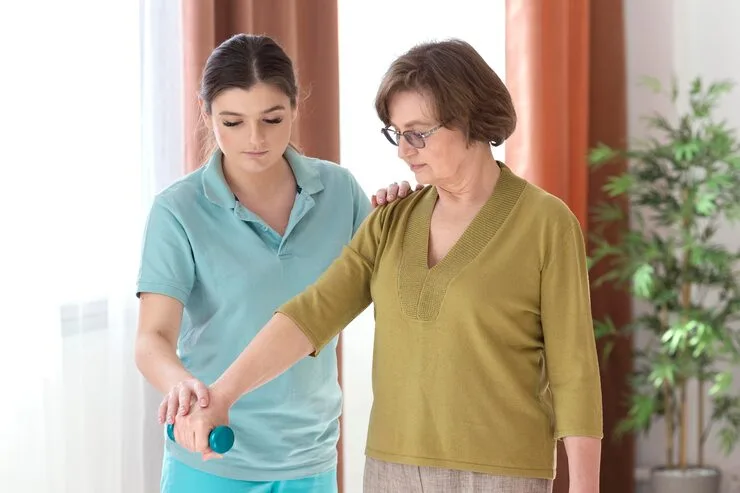
When you are looking for someone to care for your aging parent or a loved one with a disability, you want to get it right. A good caregiver does more than help with daily tasks. They bring comfort, safety, and dignity to someone who is vulnerable. The 10 qualities of a good caregiver listed in this article will help you know exactly what to look for before you hire.
We understand how hard this decision is. You need someone you can trust completely. By the end of this article, you will know which caregiver traits matter most, which red flags to watch out for, and how to choose the right professional caregiver for your family.
Key Takeaways:
- A good caregiver needs both personality traits and practical skills to provide quality care.
- Empathy, patience, and reliability are the three most important qualities families look for.
- Knowing what qualities to look for helps you ask better questions during the hiring process.
- A professional caregiver enhances quality of life, reduces loneliness, and supports daily routines.
- Watch for red flags like poor communication, lack of punctuality, and boundary issues.
What Is a Caregiver?
A caretaker is someone who helps someone who can’t take care of themselves completely. This includes those who are elderly, have disabilities, or are getting better from an illness. A professional caregiver can help with personal care tasks like washing, dressing, and grooming. They also help with things like cooking meals, reminding them to take their medicine, and light cleaning.
According to AARP, over 41 million Americans provide unpaid caregiving services each year. Many family members eventually reach a point where they need outside help. That is where a trained, professional caregiver from a home care agency makes all the difference. Understanding caregiving responsibilities helps families set clear expectations and choose the right person for the job.
Top Caregiver Skills: 10 Qualities of a Good Caregiver
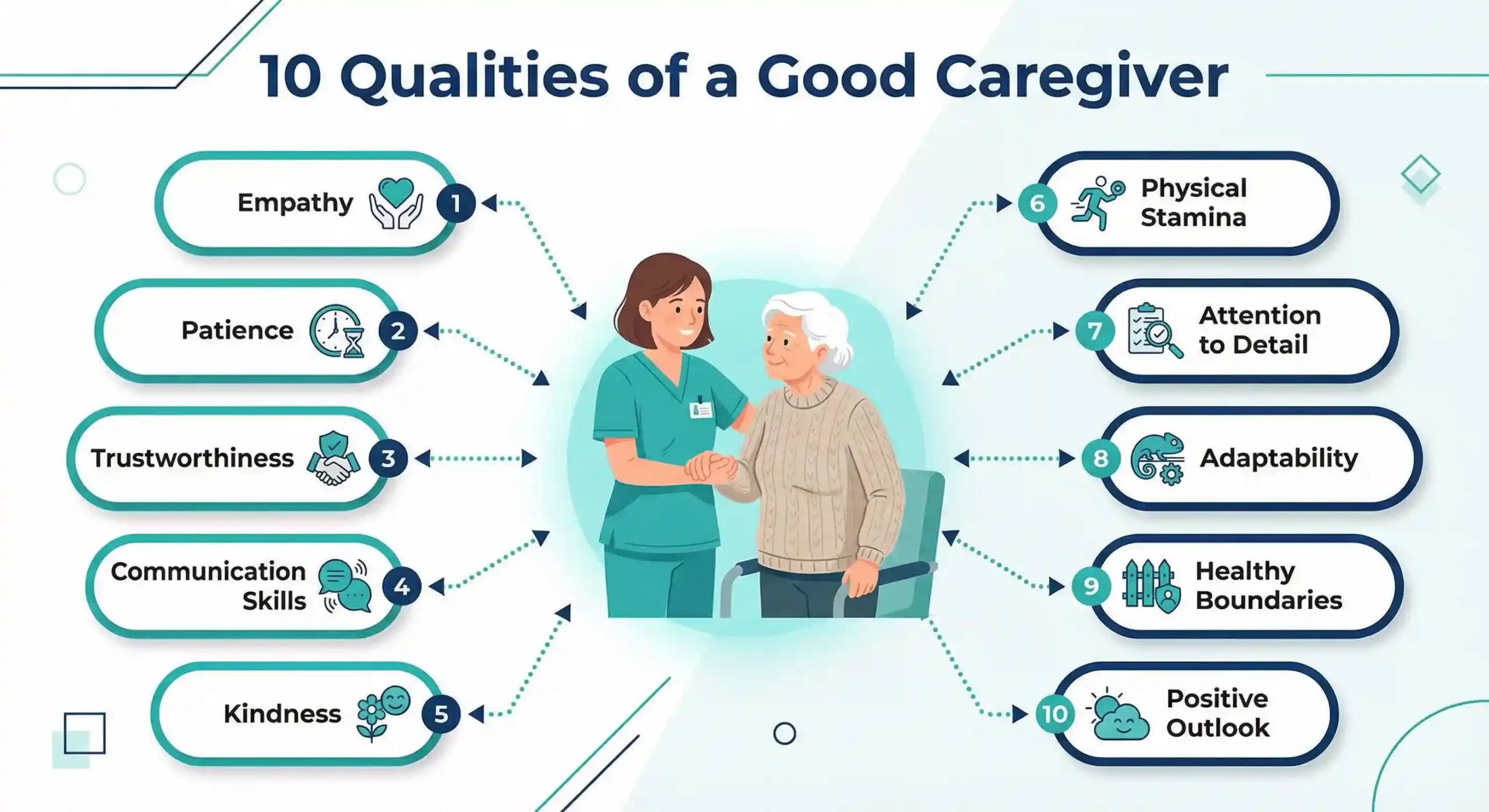
These qualities cover both who a caregiver is as a person and what skills they bring to the role. Both matter equally when providing consistent, high-quality care.
Personality Traits of a Good Caregiver
1. Empathy and Compassion
Empathy is the ability to know how someone else feels. A caregiver who really cares about you doesn’t just go through the motions. They care about the individual they are assisting. This is especially crucial when someone you care about is having trouble remembering things, is in pain all the time, or is feeling sad. Being compassionate implies being there for someone emotionally, even when they don’t require help with physical duties. This is always the most important quality that families look for in a caregiver.
2. Patience
Daily tasks that take most people minutes can take older adults or disabled individuals much longer. They may need to repeat questions. They may become frustrated or confused. A caregiver who loses patience makes the situation worse. Patience is not just a nice trait to have. It is a core part of successful caregiving. Caregivers who stay calm and collected create a safe, stress-free environment for those in their care.
3. Trustworthiness and Reliability
You are trusting this person with your loved one’s safety, home, and daily routines. A reliable caregiver shows up on time, every time. They follow through on what they say they will do. Building trust takes time, but it starts with consistent, dependable behavior. Families cannot have peace of mind if their loved one’s caregiver cannot be counted on.
4. Excellent Communication Skills
Effectively communicating is one of the most practical caregiver traits. A good caregiver keeps family members informed about any changes in their loved one’s condition. They listen carefully to the care recipient and ask clear questions. They also communicate well with healthcare professionals, doctors, and other members of the care team. Poor communication can lead to missed medications, missed appointments, and serious safety issues.
5. Kindness and Respect
A person who needs care is often in a vulnerable position. They may feel embarrassed about needing help with personal care tasks. A kind caregiver treats every person with full dignity and respect. They knock before entering a room. They ask before touching. They never talk down to the person or make them feel like a burden. This type of consistent kindness builds strong relationships and makes the care experience far better for everyone.
Physical Traits of a Good Caregiver
6. Physical Stamina and Strength
Taking care of someone can be hard on the body. Caregivers may need to help a loved one go from their bed to their wheelchair. They might aid someone who can’t move around much with bathing, lifting, and supporting them. Physical stamina is important because taking care of someone doesn’t end with one task. A physically fit caregiver keeps both themselves and the person they are caring for safe from harm.
7. Attention to Detail
Small details matter a great deal in caregiving. A caregiver with strong attention to detail will notice a change in a care recipient’s behavior, skin condition, or appetite. They keep accurate notes and follow care plans precisely. Attention to detail means the right medication is given at the right time. It means a fall hazard is identified before an accident happens. This quality can quite literally save lives.
8. Adaptability and Problem-Solving
Health conditions change. Care plans evolve. A good caregiver adapts without getting flustered. They can think on their feet and find solutions to unexpected situations. This is especially true in home care, where there is no hospital team standing by. Flexibility and problem-solving skills help a caregiver stay effective no matter what the day brings.
9. Healthy Boundaries and Self-Care
A caregiver who does not take care of themselves cannot take care of anyone else. Good caregivers know their limits. They set healthy boundaries and are not afraid to ask for help or use respite care when needed. According to AARP, nearly one in four family caregivers report that caregiving has affected their own health. A professional caregiver who prioritizes their well-being is a more consistent, safer, and better caregiver in the long run.
10. A Positive Outlook and Sense of Humor
Caregiving is not easy. Some days are genuinely hard. A caregiver who brings a positive attitude and can find moments of humor makes the experience much easier for the care recipient. Laughter and lightness reduce anxiety and build connections. Families often say that a caregiver who made their loved one smile was worth more than they can describe. This quality ties directly into the overall quality of life for the person receiving care.
Red Flags: What Makes a Bad Caregiver
Knowing the qualities of a good caregiver also means knowing what to avoid. Watch for these warning signs:
- Frequent lateness or unexplained absences.
- Poor communication with family members or the care team.
- Dismissing the care recipient’s feelings or preferences.
- Ignoring care plans or skipping medication reminders.
- Showing frustration, impatience, or irritability with the care recipient.
- Refusing to update family on changes in condition.
- Crossing personal boundaries or making the care recipient uncomfortable.
If you notice any of these signs, address them quickly. Your loved one’s safety and comfort come first.
How to Check for These Qualities When Hiring
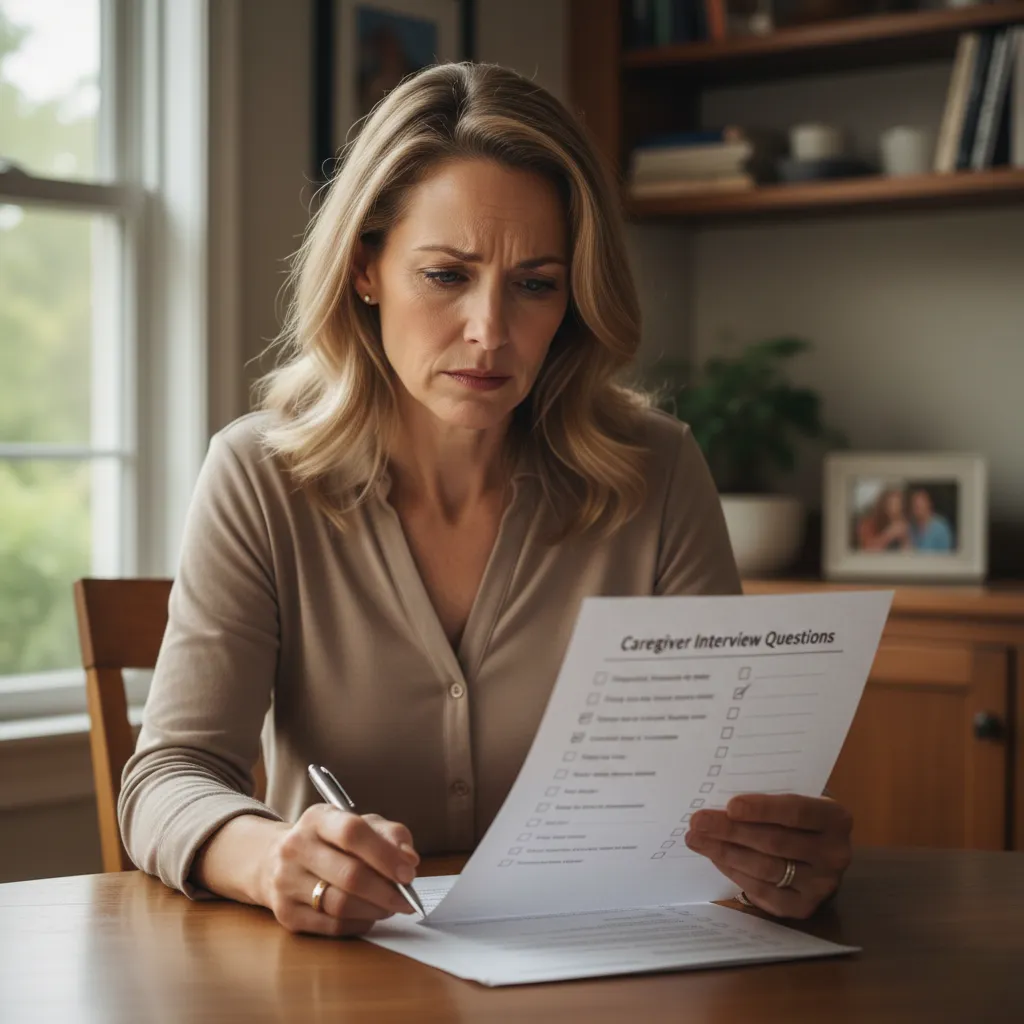
Reading about caregiver traits is one thing. Seeing them in person during an interview is another. Here are practical questions to help you screen for the essential qualities of a good caregiver:
- “Tell me about a time a care recipient became upset. How did you handle it?” — Tests patience and empathy.
- “What would you do if you noticed a change in the person’s health condition?” — Tests attention to detail and communication.
- “How do you handle days when you feel overwhelmed?” — Tests self-care and healthy boundaries.
- “Can you describe your daily routine when caring for a client?” — Tests reliability and organization.
- “What certifications or training do you have?” — Tests professionalism. Look for Home Health Aide (HHA), Certified Nursing Assistant (CNA), or CPR training.
A reputable home care agency will have already screened caregivers for these qualities before placing them with your family. Always ask the agency how they vet, train, and monitor their staff.
The Impact of a Good Caregiver on Quality of Life
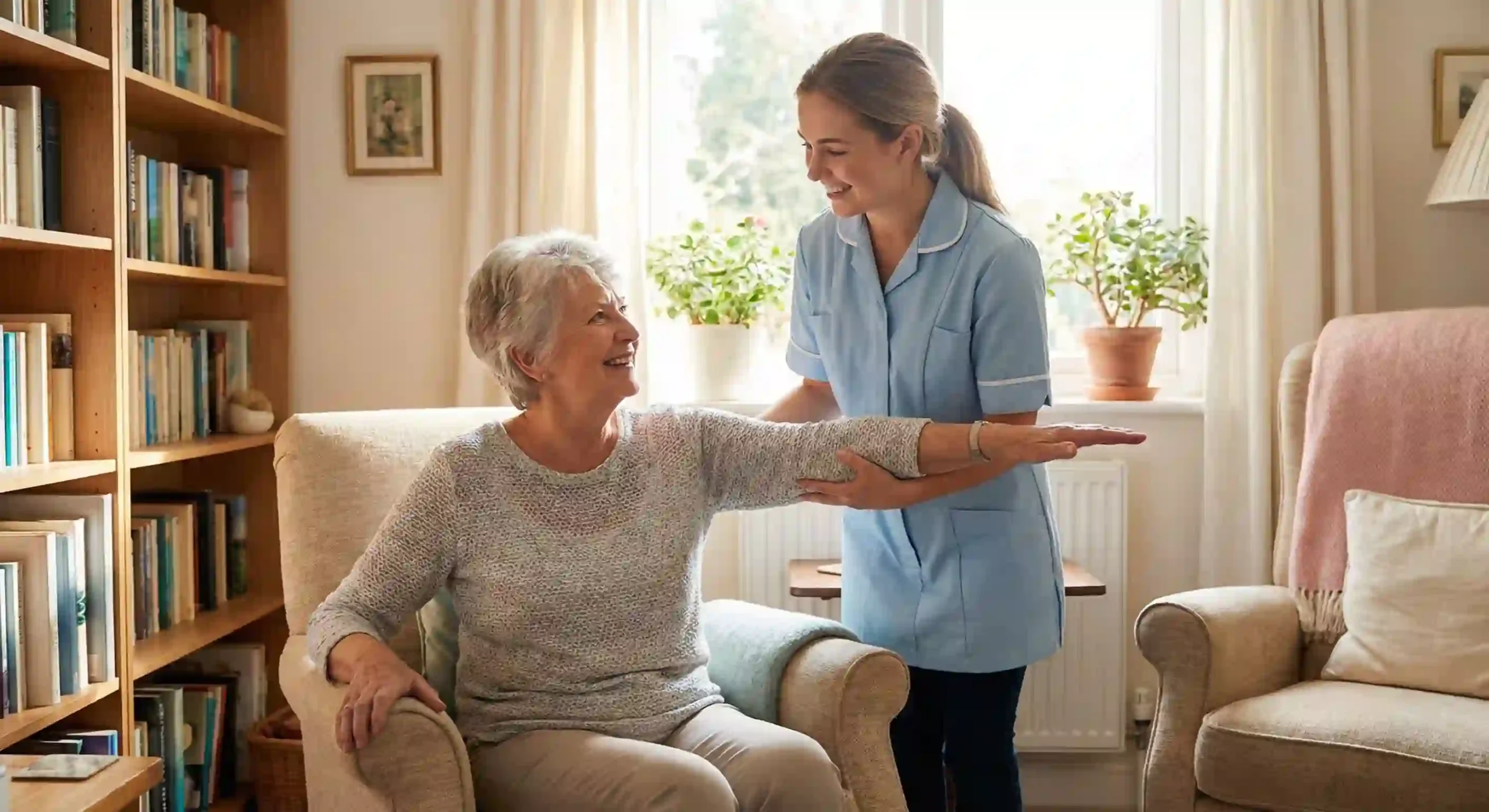
A skilled caregiver does far more than help with daily routines. Research shows that older adults and individuals with disabilities experience better emotional well-being and improved health outcomes when they receive compassionate, professional care. Loneliness is one of the biggest health risks for seniors. A caregiver providing companionship care creates meaningful connection every single day.
A good caregiver helps a person maintain independence and a sense of dignity. They support daily tasks without taking over. They encourage the care recipient to do what they still can. This balance between helping and empowering is one of the most important parts of home health care.
For families, knowing their loved one has a trustworthy, skilled caregiver brings peace of mind. It reduces family stress and allows family members to be present as sons, daughters, and spouses rather than full-time caregivers. Respite care options also give family caregivers the break they need to stay healthy themselves.
Choose Castle Pines Home Care Agency for Exceptional Care
At Castle Pines Home Care, we know that finding someone who possesses all 10 qualities of a good caregiver is your top priority. We take the guesswork out of the process by strictly vetting every professional on our team.
Our agency specializes in providing personal, homemaker, and companionship care services in Denver and the surrounding communities. We focus on building trust through consistency and compassion. Whether your loved one needs help with basic household chores or more intensive daily support, Castle Pines Home Care matches your family with a professional who fits your specific needs and personality.
We don’t just send a worker; we send a partner in your loved one’s health. Our team is trained to handle the physical demands of care while providing the emotional support that makes aging in place a dignified experience.
Call Castle Pines Home Care today to schedule a free consultation. Let us help you find a caregiver your family can trust.
Conclusion
Choosing the right caregiver is one of the most important decisions you will make for your loved one. The 10 qualities of a good caregiver covered in this article give you a clear, practical framework for making that choice with confidence.
Look for empathy, patience, reliability, communication skills, kindness, physical stamina, attention to detail, adaptability, healthy boundaries, and a positive outlook. When a caregiver brings all of these qualities to the role, your loved one receives care that truly improves their quality of life. And that is what matters most.
FAQs About Characteristics of a Good Caregiver
What are the three most important qualities of a caregiver?
Most families say empathy, reliability, and communication skills are the top three. A caregiver who genuinely cares, always shows up, and keeps the family informed covers the essentials of successful caregiving.
What is the difference between a family caregiver and a professional caregiver?
A family caregiver is typically an unpaid relative providing care out of love and duty. A professional caregiver is trained, certified, and employed by a home care agency. Professional caregivers bring formal training, consistent availability, and agency accountability to the role.
How do I know if a caregiver is trustworthy?
Look for consistency. A trustworthy caregiver is always on time, follows through on commitments, communicates with family members regularly, and has verifiable references. Hiring through a licensed home care agency adds an extra layer of accountability.
What certifications should a professional caregiver have?
Common certifications include Home Health Aide (HHA), Certified Nursing Assistant (CNA), and CPR or first aid training. These credentials show that a caregiver has received formal instruction in personal care and home health practices.
What is respite care and how does it help?
Respite care provides temporary relief to family caregivers. A professional caregiver steps in so that family members can rest, travel, or attend to their own needs. It helps prevent caregiver burnout and keeps the care arrangement sustainable long-term.