If you’re staring at a stack of pamphlets from home health agencies, wondering if any of this actually matters, you’re not overthinking it. Watching a parent struggle up the stairs, or a spouse forget their pills again, is scary. It’s fair to want real answers instead of a sales pitch. Why home health care is important comes down to one simple idea: it lets people heal and live safely in the place they already know, with trained support that adjusts to their needs, instead of a hospital bed or a facility room nobody asked for.
This article breaks down what home health care actually includes, who it’s built for, what it costs, and how it stacks up against a hospital stay or a nursing home. By the end, you’ll know whether it fits your situation and what questions to ask before you sign anything.
What Is Home Health Care?
Home health care is skilled medical care delivered inside a patient’s home by licensed professionals such as nurses, physical therapists, and home health aides. A doctor orders it, a specific care plan guides it, and it usually follows a hospital stay, surgery, or a chronic diagnosis that needs regular monitoring.
It’s not the same as a friend dropping by to check in. Every visit ties back to a physician’s plan of care, and the team documents progress the same way a hospital unit would. That’s what separates it from casual help around the house.
Understanding Home Health Care
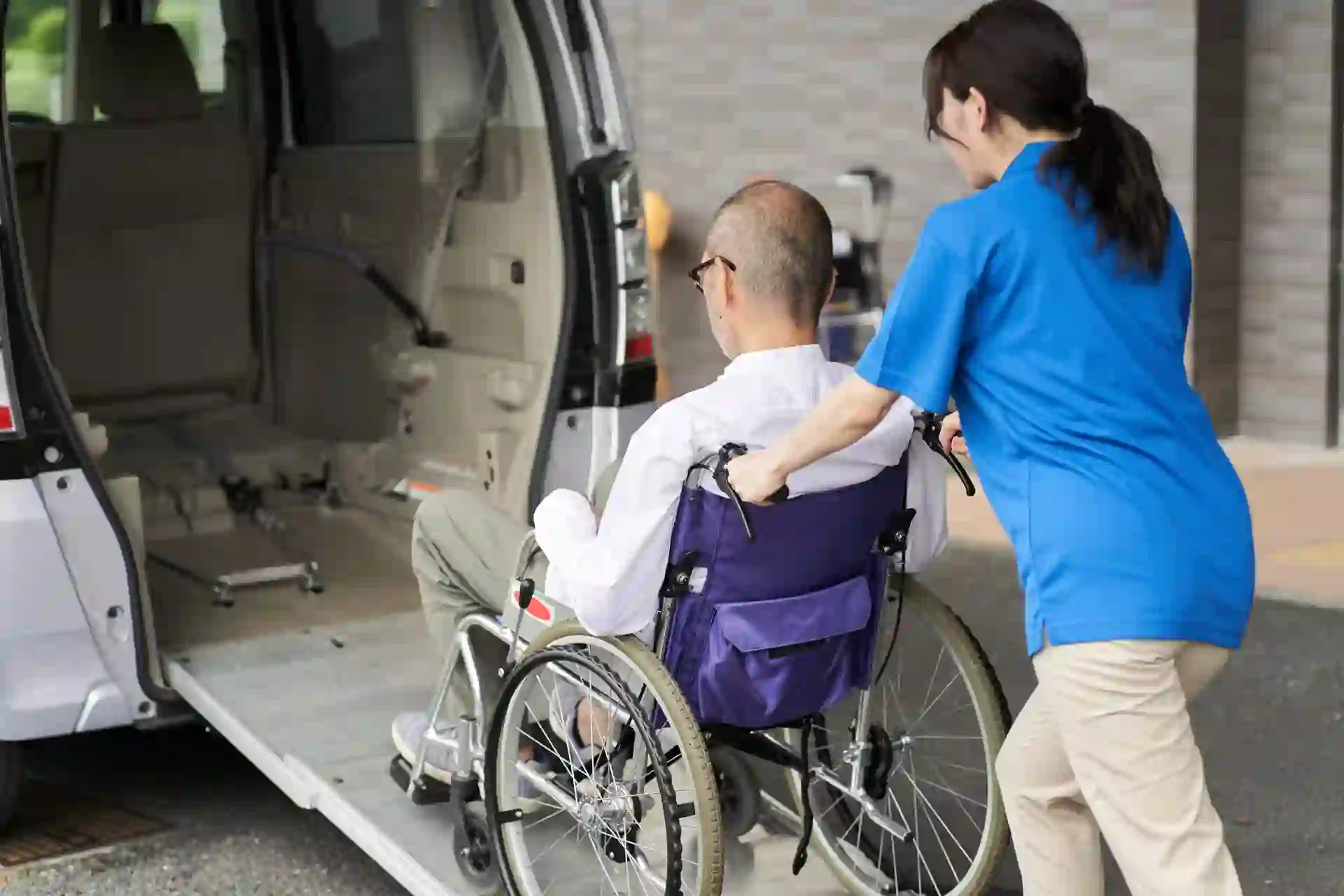
Home health care covers two different worlds that often get lumped together, and mixing them up leads to confusion fast. Home health refers to skilled nursing and therapy ordered by a physician. Home care, sometimes called personal care or companion care, covers non-medical support like bathing assistance, dressing assistance, toileting assistance, meal preparation, and light housekeeping.
Both fall under the umbrella of helping someone manage activities of daily living, or ADLs. A senior recovering from hip surgery might need both at once: a nurse for wound checks and a home health aide for the parts of the day that involve getting dressed and eating. Family members and caregivers often patch these services together depending on what insurance will pay for and what the household can afford.
Medical Care vs. Personal Care
It’s easy to confuse home health care with non-medical care, but they serve completely different needs.
- Home Health Care: Focuses entirely on medical necessity. It includes tasks like wound care for surgical incisions, managing complex medication schedules, and speech therapy after a stroke.
- Non-Medical Personal Care: Focuses on everyday lifestyle assistance. This includes help with bathing, preparing meals, running errands, and basic companionship.
Many families combine both types of support to build a comprehensive safety net for their aging relatives.
Key Benefits of Home Health Care
When an aging family member needs assistance, staying in their home offers physical, financial, and emotional advantages.
1. Preserving Independence and Comfort
Staying at home lets older adults keep control over their schedules, habits, and personal space. Simple things—like sleeping in their own bed, eating preferred meals, and keeping pets—greatly boost mental outlook and overall happiness.
2. Tailored, One-on-One Attention
Unlike nursing homes where staff split time among dozens of residents, in-home personal care gives your relative dedicated attention. Caregivers adapt directly to individual needs, whether that means steadying a step during a morning walk or offering gentle encouragement during daily routines.
3. Lower Risk of Infections
Hospitals and large residential facilities carry higher risks of shared illnesses. Receiving assistance at home protects vulnerable seniors from unnecessary exposure to viral infections and communal outbreaks.
4. Relief for Family Members
Family caregivers frequently experience physical exhaustion and personal stress. Bringing in professional caregivers gives primary family members essential time to rest, work, and focus on their own well-being while knowing their relative is safe.
Who Benefits Most from Home Health Care?
People who may benefit most include eligible patients recovering from surgery or injury, older adults with functional limitations, and people managing chronic or serious health conditions who need part-time or intermittent skilled services at home. Eligibility depends on medical need and other requirements.
Home health isn’t limited to seniors. Adults with disabilities, people recovering from an injury, and patients managing long-term conditions may also receive home-based skilled services when they meet the applicable requirements.
Common situations include:
- Recovery after surgery
- Stroke rehabilitation
- Wound care
- Mobility problems
- Chronic disease management
- Recovery after hospitalization
- Need for physical, occupational, or speech therapy
- Certain skilled nursing needs
The person’s medical condition should guide the decision. A healthcare provider can determine whether skilled home health is appropriate.
Home Health Care vs. Hospital Care vs. Nursing Home

Choosing between these three options usually comes down to how much medical support someone needs and where they want to be.
| Factor | Home Health Care | Hospital Care | Nursing Home |
|---|---|---|---|
| Setting | Patient’s own home | Medical facility | Residential facility |
| Best for | Recovery, chronic condition management | Acute or emergency conditions | 24/7 long-term supervision |
| Independence | High | Low | Moderate to low |
| Typical cost | Lower, often insurance-covered | Highest per day | High, ongoing monthly cost |
| Family involvement | Direct and frequent | Limited by visiting hours | Scheduled visits |
A hospital makes sense when someone needs constant monitoring or emergency equipment. A nursing home fits when round-the-clock supervision is required long term. Home health care sits in between, ideal for someone who’s medically stable but still needs skilled support to recover or manage a condition safely.
What Services Does Home Health Care Include?
In-home support spans several specific services built around everyday routines. These tasks are broadly categorized into personal care, companion care, and homemaker services.
Assistance with Activities of Daily Living (ADLs)
Basic functional tasks required for independent living are called activities of daily living or ADLs. In-home aides provide respectful support for:
-
Bathing assistance: Ensuring safe entry and exit from showers to prevent dangerous slip falls.
-
Dressing assistance: Helping select and put on comfortable clothing each morning.
-
Toileting assistance: Maintaining hygiene, mobility support, and personal dignity in the bathroom.
-
Personal care: Assisting with hair brushing, oral hygiene, and skin care routines.
Essential Instrumental Support
Beyond basic personal hygiene, caregivers handle practical household tasks that keep a home safe and clean:
-
Meal preparation: Cooking nutritious dishes catered to dietary guidelines.
-
Light housekeeping: Dusting, taking out trash, running laundry, and washing dishes.
-
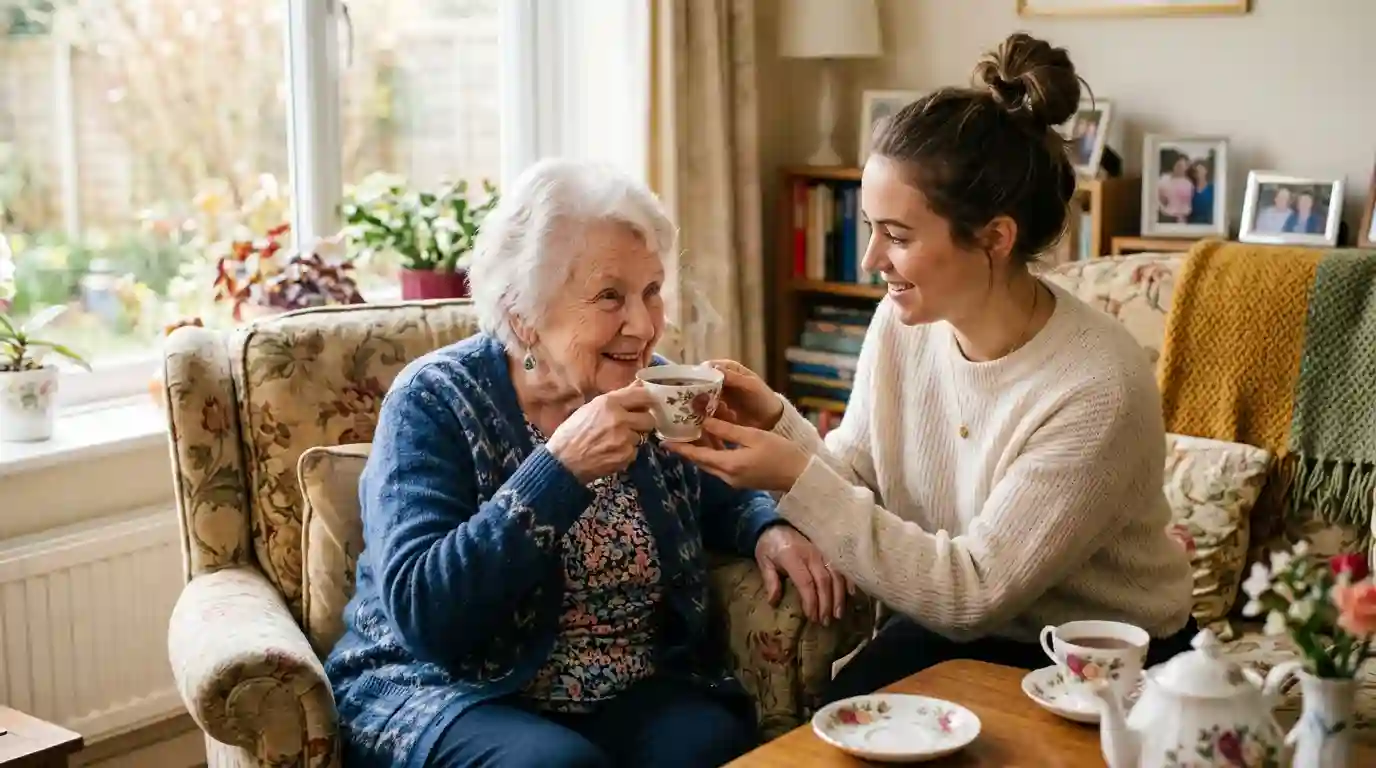
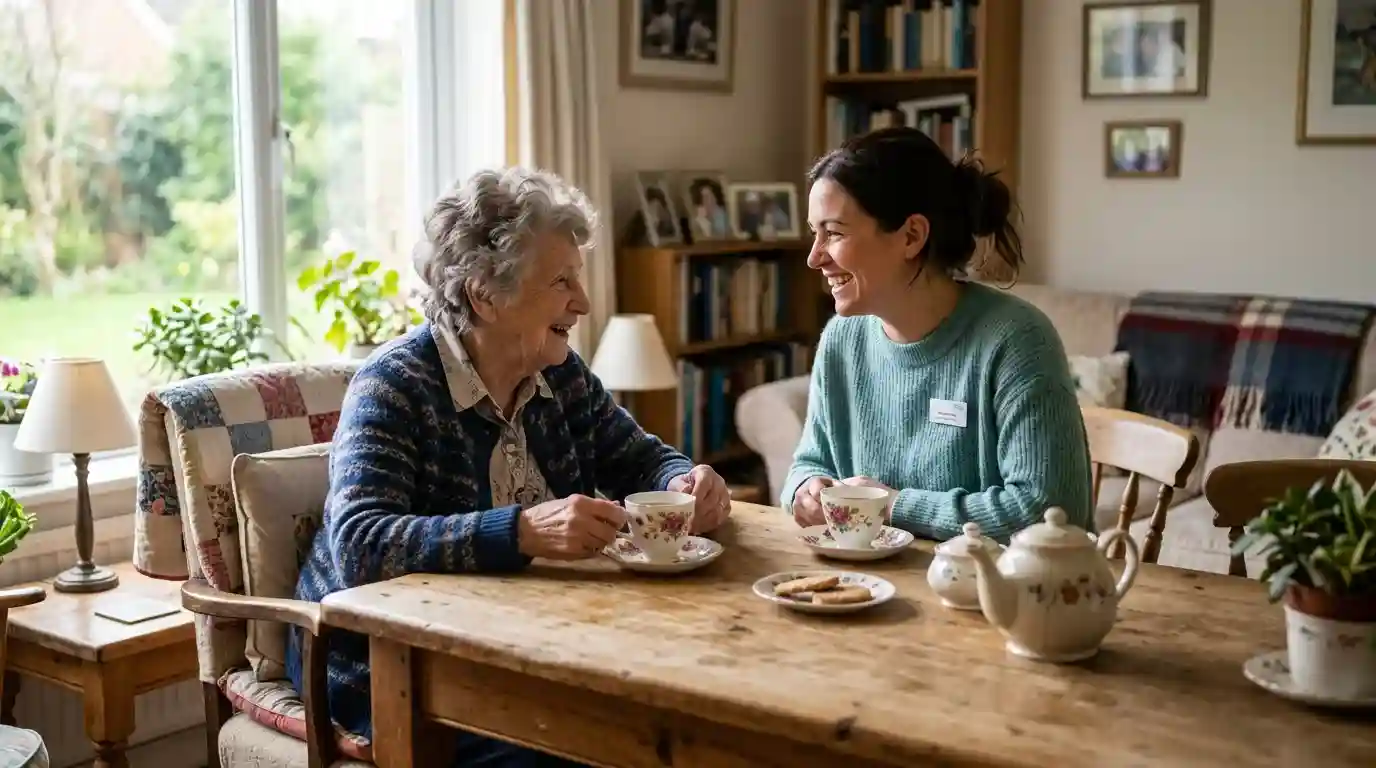
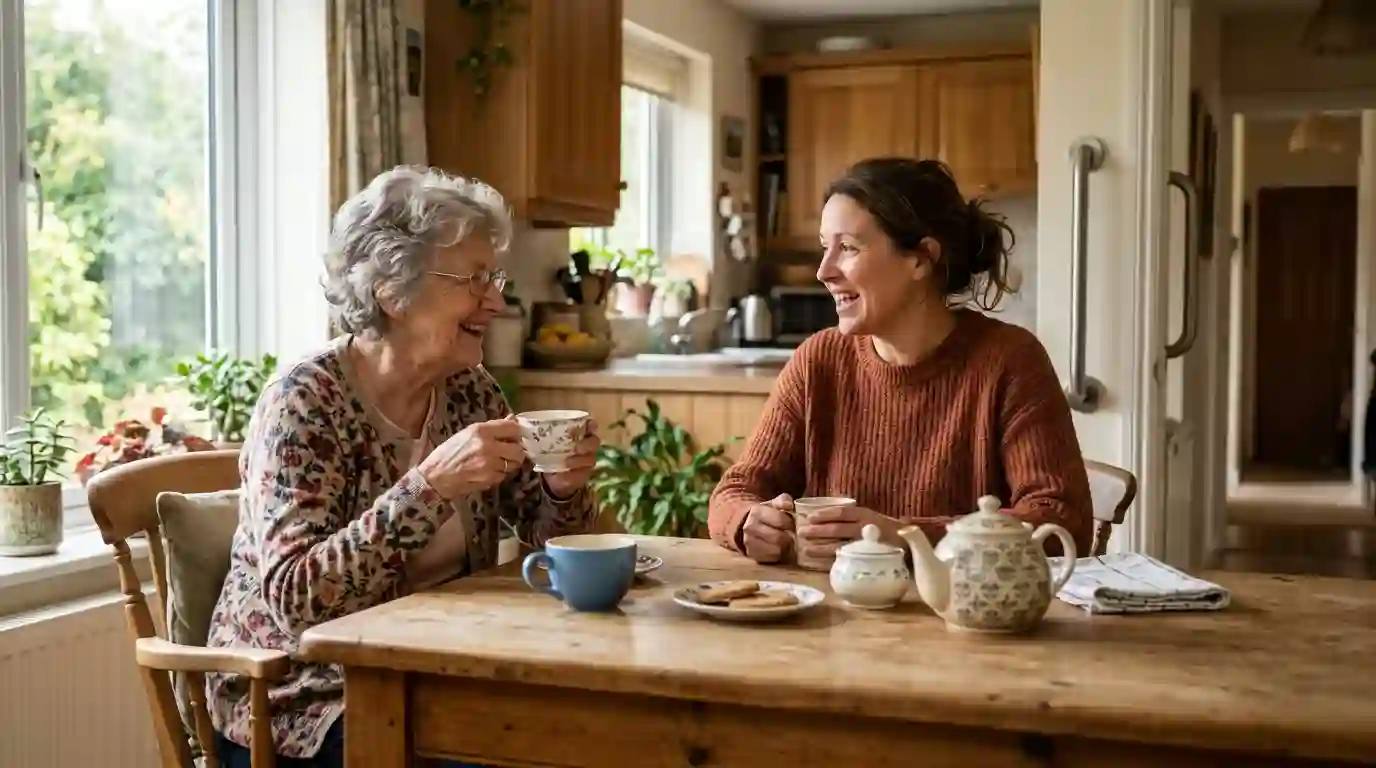
Companion care: Engaging in conversations, playing games, and providing warm social connection.
-
Transportation: Driving to local doctor appointments or picking up groceries.
Does Medicare or Insurance Cover Home Health Care?
Medicare and private health insurance cover skilled, short-term medical home health care prescribed by a physician, but they generally do not cover non-medical personal care. If an individual only requires assistance with daily activities like bathing, dressing, or meal preparation, those services are typically paid out-of-pocket or covered through long-term care insurance.
Here is a quick breakdown of common funding options:
-
Medicare Part A/B: Covers 100% of medically necessary, part-time skilled nursing or therapy visits if a doctor certifies the individual is homebound. It does not cover 24/7 care or standalone homemaker services.
-
Long-Term Care Insurance: Frequently covers non-medical personal care and companion care depending on the policy limits.
-
Medicaid Waivers: State-specific programs may fund non-medical home care for low-income seniors to avoid nursing home placements.
-
Private Pay: Allows families complete flexibility over care schedules, hours, and specific caregiver matching.
Recognizing When Someone Needs Home Health Care
Signs that someone needs home health care include frequent stumbles, unwashed laundry, missed medications, weight loss, and neglected hygiene. Noticing these subtle changes early helps prevent accidental injuries or sudden emergency room visits.
Look out for these common warning signs:
-
Physical Changes: Unexplained bruising, difficulty rising from chairs, or loss of mobility.
-
Home Neglect: Expired food in the refrigerator, stacks of unaddressed mail, or unwashed dishes filling the sink.
-
Personal Hygiene Drops: Wearing dirty clothes, skipping shower routines, or avoiding hair grooming.
-
Medication Mistakes: Forgetting to take daily pills or taking incorrect dosages.
Why Home Health Care for Seniors Is Different from General Home Care
Many people confuse home health care with home care. They’re related, but not the same.
Home health care is medically focused. It’s prescribed by a physician, provided by licensed professionals, and covered by Medicare or insurance when criteria are met.
Home care (or personal care) is non-medical. It includes companion services, help with daily tasks, and general support. It’s not typically covered by Medicare.
Understanding this difference helps families choose the right type of support and navigate insurance coverage correctly.
The Future of Home Health Care
Home health care is growing fast, and the technology supporting it is growing with it. Telemedicine and remote patient monitoring are already changing how home health nurses and physicians stay connected with patients between visits.
Wearable health devices now track heart rate, oxygen levels, blood pressure, and sleep patterns in real time. That data flows directly to care teams, who can catch warning signs before they become emergencies. Electronic health records (EHRs) make coordination between home health agencies and primary care physicians smoother than ever.
With an aging global population and growing demand for affordable care options, home-based medical care is positioned to become the standard, not the exception.
Why Castle Pines Home Care?
If you’re looking for trusted home care services in Denver and the surrounding areas, Castle Pines Home Care is here to help. Our team of skilled nurses, therapists, and home health aides provides personalized, compassionate care designed around each patient’s unique needs.
We understand why home health care is important because we see the difference it makes every single day. Families we serve tell us the same thing: their loved ones are happier, more comfortable, and recovering better at home than they ever did in a facility.
Our services include skilled nursing, physical and occupational therapy, chronic illness management, post-surgery recovery support, and personal care aide services. We’re Medicare-certified and committed to transparent, coordinated care.
Whether you’re navigating a new diagnosis, managing a chronic condition, or supporting an aging parent, Castle Pines Home Care is ready to walk alongside you.
Final Thoughts
Choosing care for someone you love is never simple. But when the option exists to receive skilled, personalized support in the comfort of home, it’s worth serious consideration.
Why home health care is important isn’t just about medical efficiency. It’s about preserving a person’s sense of self, their independence, their dignity, and their connection to the people and places that matter most.
If you’re ready to explore your options, reach out to Castle Pines Home Care today. We’ll help you understand exactly what care is available, what’s covered, and how to get started.
Frequently Asked Questions
What is the difference between home health care and home care?
Home health care is medically skilled care ordered by a physician and provided by licensed professionals like RNs, PTs, and OTs. Home care is non-medical personal assistance. The key difference is that home health care can be covered by Medicare, while standard home care typically is not.
Is home health care only for elderly patients?
No. Home health care is for anyone who needs medical support at home. This includes children with complex conditions, adults recovering from surgery, people managing chronic diseases, and patients receiving palliative care.
How do I know if my loved one qualifies?
Your loved one’s primary care physician can assess whether they meet the criteria for home health services. Generally, they must need skilled care, be considered homebound, and have a documented medical need.
Can home health care replace hospitalization?
For many conditions, yes. Home health care can manage post-hospital recovery, chronic disease monitoring, and wound care at home. However, it’s not a replacement for emergency or acute hospital care.
How often does a home health professional visit?
Visit frequency depends entirely on the care plan. Some patients need daily skilled nursing visits. Others may need therapy three times a week. The schedule is set by the physician and adjusted based on progress.
Is home health care available 24/7?
Most home health care is provided on a scheduled, visit-based model. For patients needing round-the-clock supervision, live-in home care or continuous home care under hospice can be arranged.