
Being alone affects everything. Routines feel harder, interactions are less often, and even simple tasks don’t seem to matter anymore. That’s why a lot of families look for Discover the Life-Changing Impact of Companionship Support. They want to discover if being with other people can really make life better.
Yes, the quick answer is yes. Companionship support gives you emotional balance, stability, and a sense of connection that is good for your mental and physical health. This guide will show you how it works, who it helps, and why it matters more than most people think.
What Is Companionship Support?
Companionship support is a form of non-medical care that focuses on social interaction, emotional presence, and daily engagement for older adults. A companion spends quality time with a senior, helping them stay mentally active, emotionally connected, and personally supported. It’s not clinical care. It’s human care.
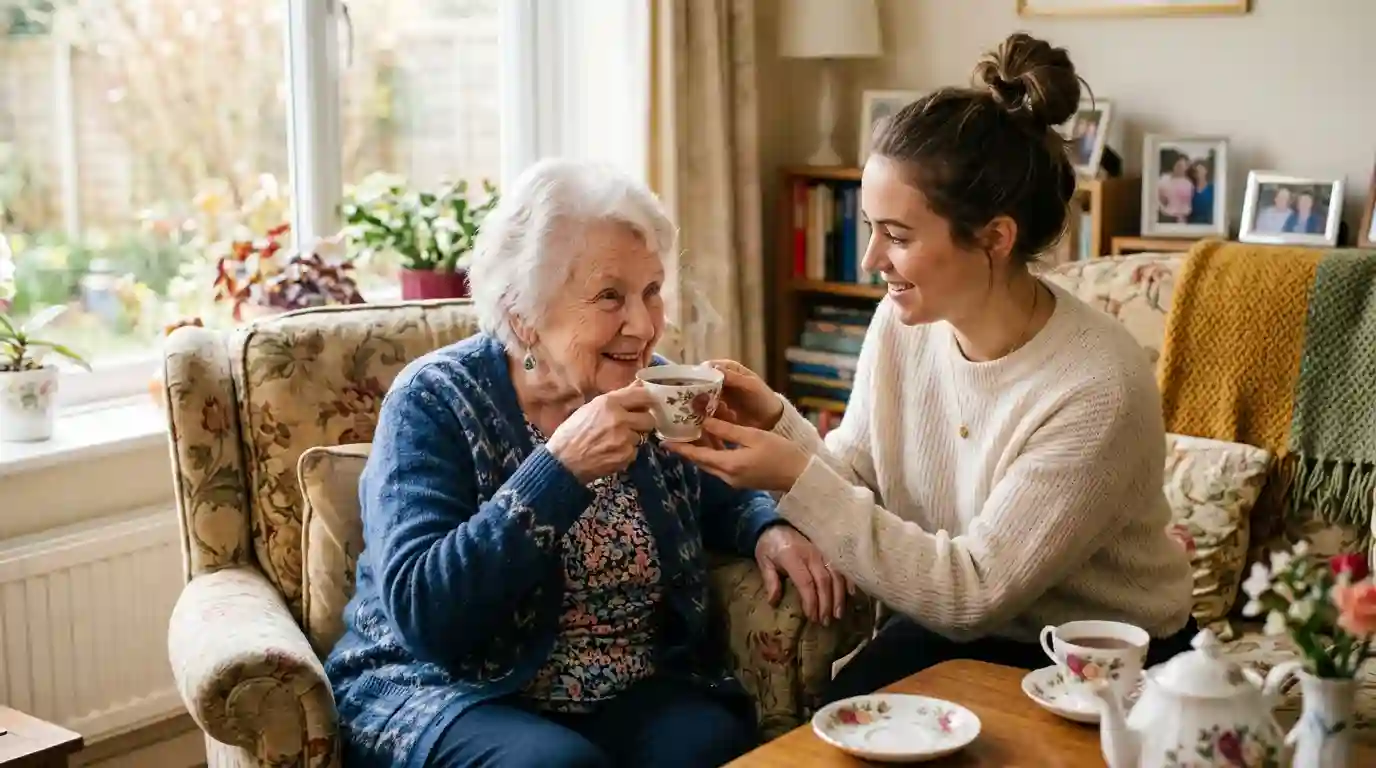
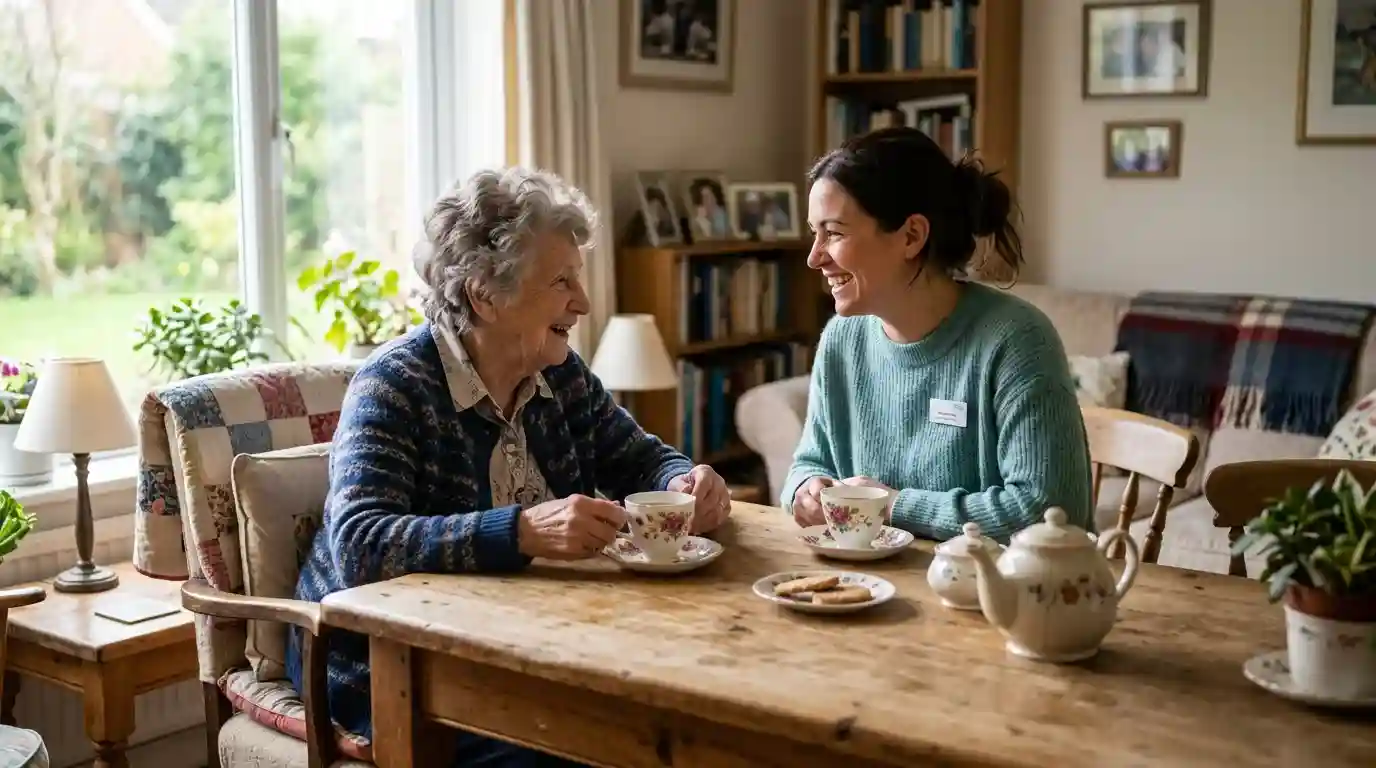
Think of it as having a trusted, consistent presence in someone’s life. A companion might play cards with a senior in the morning, help them write letters in the afternoon, or simply sit and talk over a cup of tea. The structure varies, but the goal stays the same: making sure no one feels invisible.
Companionship & support services are often provided through licensed home care agencies. They’re designed for seniors who are physically capable but emotionally or socially isolated. The companion doesn’t replace family. They fill the gaps between visits.
The Benefits of Companion Care Services for Seniors and Their Families

Companion care isn’t only useful; it has a big effect. Families don’t often realize how important it is until they see how much it helps. The benefits go far beyond just having someone to talk to every day, whether it’s through home companionship, a personal companion, or a companion for care services.
Reduces Loneliness and Social Isolation
Being alone is one of the worst things that may happen to seniors’ health. Research indicates that loneliness can adversely impact both physical and mental health. Just having someone to chat to, laugh with, or eat with may make a big difference in how someone feels and thinks.
Enhances Emotional Well-being
Companions bring positivity, encouragement, and emotional stability. This type of support is especially important for individuals dealing with depression, anxiety, or major life changes.
Encourages Mental Stimulation
Reading together, playing games, doing puzzles, recalling childhood memories, or engaging in hobbies are all activities that keep the mind active. Mental stimulation is linked to improved cognitive function and helps seniors feel more energized.
Provides Light Daily Assistance
Although companionship is not the same as personal care, a companion often helps with:
- Meal preparation
- Light housekeeping
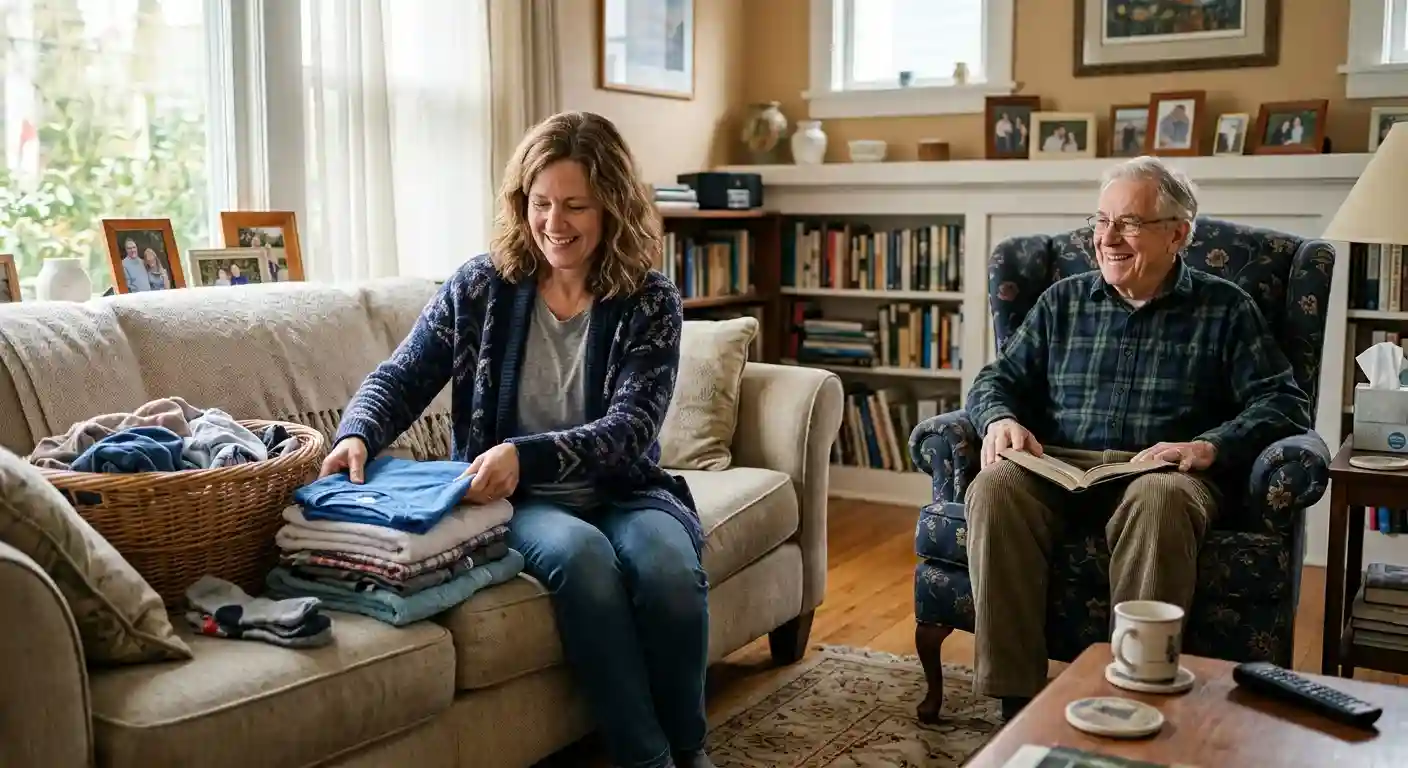
- Running errands
- Accompanying to appointments
- Medication reminders (non-medical)
These simple tasks make life easier and safer while encouraging clients to stay engaged.
Supports Families and Reduces Stress
Caring for a loved one is rewarding, but it can also be exhausting. Companion care gives family members time to rest, recharge, and manage their responsibilities without worrying about their loved one being alone.
Creates a Sense of Security
Even if the companion is not providing medical care, the presence of a caring individual gives clients confidence. They know someone is close by to help, listen, and support them.
Is Companion Care Right for You?
There are a number of things to think about when deciding if companionship care is right for you or a loved one. Companion care may be very helpful if feelings of loneliness or social isolation are affecting health or happiness, or if physical restrictions make it hard to engage with others on a daily basis. It can work with other health services or be the main support for people who want to be independent but also have meaningful human contact.
Professional companion services are flexible and may be customized to fit each person’s needs. They provide support that changes over time. Companionship support is a flexible and caring choice that can greatly improve quality of life, whether you just want someone to talk to every day or help you with errands and activities.
How Companionship Care Promotes Independence
Companionship care helps seniors stay independent longer by building their confidence, keeping routines structured, and giving them a reason to stay engaged with life. When someone feels supported without being controlled, they naturally do more for themselves.
Here’s what that looks like in practice. A senior who stops cooking because it “doesn’t feel worth it” starts making breakfast again when a companion joins them. One who stopped reading because of low motivation picks up books again during shared reading sessions.
This isn’t a coincidence. It’s the psychological effect of being seen and valued. Companionship support doesn’t create dependency. It creates motivation.
What Is Elderly Companionship Care?
Elderly companionship care is a personalized service for older adults that combines social interaction with light daily support. It includes activities like conversation, outings, hobby sharing, meal companionship, and emotional support. The focus is on quality of life, not clinical intervention.
The term is often used interchangeably with “companion care,” but some agencies distinguish elderly companionship care as specifically designed for seniors over 65 with age-related social needs. It’s worth asking agencies exactly what their service includes, since scope can vary.
A good companionship care plan is built around the individual. Someone who loves gardening gets a companion who helps them get outside. Someone who enjoys history gets someone who can hold that conversation.
Key Factors to Consider When Choosing a Companion Care Provider
For an event to be successful and meaningful, it’s important to choose the proper companion. Use these things as a guide when you choose a private caregiver, an agency, or professional companion services.
Personality Compatibility Matters
Because companionship is relationship-based, the personality match between client and caregiver is crucial. Consider preferences such as:
- Communication style
- Sense of humor
- Interests and hobbies
- Cultural background
- Language preferences
A good companion should feel like a trusted friend.
Experience and Training
Even though companion care is non-medical, training still matters. Look for caregivers with experience in:
- Elderly interaction
- Dementia-friendly communication
- Disability support
- Emotional and social care
- Home safety awareness
Some agencies offer specific training for their staff, giving families extra peace of mind.
Flexibility of Services
Every individual has different needs. Ask whether the provider offers services such as:
- Part-time or full-time schedules
- Overnight stays
- Transportation
- Activity-based engagement
- Personalized care plans
A flexible provider can adapt as needs change over time.
Safety and Background Checks
Reputable agencies conduct background checks, reference checks, and proper screening to ensure safety and trustworthiness. If hiring privately, make sure to verify credentials thoroughly.
Clear Communication and Professionalism
A reliable provider should maintain open communication with families. They should keep you informed about daily activities, changes in behavior, or anything that may require attention.
Transparency with Costs
Make sure you understand the cost structure, including hourly rates, additional fees, and contract terms. Transparency builds trust and prevents surprises.
What Is the Emotional Impact of Senior Companionship?
The emotional impact of senior companionship is significant and measurable. Older adults with consistent companionship show lower rates of depression, higher self-reported life satisfaction, and stronger feelings of security. These aren’t small shifts. They affect how seniors eat, sleep, and engage with the world around them.
Grief is one area where this shows up clearly. Many seniors have lost spouses, siblings, and lifelong friends. That kind of ongoing loss creates what researchers call “bereavement overload.” A companion doesn’t replace those relationships. But they create a new, present-tense connection that helps.
There’s also something to be said about dignity. When a senior knows that someone is coming to spend time with them, not just check vitals or clean the house, they feel valued as a person. That feeling matters more than most clinical interventions.
To discover the life-changing impact of companionship support, you often just need to watch what happens in the first month of service. Families consistently report that their loved one seems “more like themselves.”
What Companionship Support Is Not
This distinction matters. Companionship support is not:
- Personal care. Companions don’t provide bathing, medication administration, or wound care. Those require certified nursing aides or licensed nurses.
- A replacement for family. Companions work alongside families, not instead of them.
- Only for people with dementia. Companionship care is equally valuable for cognitively healthy seniors who are simply isolated.
Knowing what companionship and support includes and excludes helps families make the right choices when assessing care options.
Get Compassionate Support For Your Loved One
If you’re looking for trusted, personalised companion care in Colorado, Castle Pines Home Care offers professional Companionship Care Services in Denver and the surrounding areas. Our caregivers build real relationships with seniors, not just routines.
Whether your loved one needs a few hours of company each week or daily engagement, our Home Care in Denver team matches them with a compatible companion who fits their personality, interests, and schedule.
Reach out to Castle Pines Home Care to talk through what your family needs. There’s no obligation, just a straightforward conversation about how we can help.
Final Words
Companionship support is more than just a service; it’s a real connection that makes life better, improves mental health, and helps people stay independent. Companionship and comfort may change how someone feels every day, whether it’s through casual discussions, shared activities, or just being there for them.
Castle Home Pine Care offers caring and individualized support to improve quality of life if you’re looking into companionship services in Denver South. Finding the proper companion can make your loved one’s daily life more stable, peaceful, and happy.
FAQs
What is a companion care?
Companion care is a non-medical service focused on social interaction, emotional support, and basic daily assistance. The goal is to provide comfort, engagement, and meaningful connection.
Does companion care include medical tasks?
No. Companion care does not include medical tasks such as wound care, injections, or skilled nursing. It focuses on emotional and social well-being.
Who benefits from companionship support?
Seniors living alone, adults with disabilities, individuals recovering from surgery, and anyone needing social interaction or motivation can benefit.
How often can a companion visit?
Visit frequency is flexible daily, weekly, part-time, full-time, or customized schedules depending on individual needs.
What makes a good personal companion?
A good personal companion is patient, empathetic, reliable, friendly, and able to build a trusting and comfortable relationship.